Athens in 4 Days: Long Weekend Itinerary & PTO Planner for 2026
A lively, non‑monotonous 4‑day Athens itinerary with smart pacing, ancient highlights, modern neighborhoods, and practical travel tips for 2026.
Introduction
Athens is ancient and alive at the same time. You can stand on the Acropolis before lunch, then be sipping a freddo espresso in a neighborhood café an hour later. This Athens 4-day itinerary is built for travelers who want the history without the burnout, the monuments without the museum fatigue, and the city’s modern energy without losing the ancient thread that makes Athens so singular. Use this guide to plan your four-day trip.
In four days, you can see the essentials and still move at a human pace. You’ll walk the grand sites, eat well, and end most evenings with a view. The plan below keeps your days compact, your transit minimal, and your experience rich. It’s designed for first‑timers, but it also works if you’re returning and want a smarter, smoother version of Athens.
Planning a longer trip? Check out our extended Athens itinerary covering 7-9 days of in-depth exploration. Use our PTO optimizer to find the best days to take off around your trip dates.
Why Athens Is a Must-Visit Destination in 2026
The Birthplace of Western Civilization
Athens stands out among European destinations for its unique combination of history, culture, and modern energy. Whether you are visiting for the first time or returning for a deeper look, 2026 is an excellent year to experience what makes this city special.
Ancient Ruins Meet Vibrant Street Life
What sets Athens apart is the way daily life and cultural depth coexist. You will find world-class landmarks alongside neighborhood rhythms that reward slowing down and paying attention.
Planning Your Trip Essentials
Athens is most enjoyable when you think in clusters. The historic core is walkable, but heat and hills can stack up quickly. This itinerary groups sights by proximity and by energy level: one major site each morning, a slower neighborhood‑oriented afternoon, and a flexible evening you can tailor to your mood. That rhythm helps you feel the city rather than rush it.
Days 1 and 2 focus on the Acropolis and its surrounding landmarks. Day 3 is for deeper museum time and modern Athens flavor. Day 4 is your wild card—use it for viewpoints, markets, or an easy half‑day escape to the coast. The plan leaves small gaps on purpose, so you can linger where you’re most curious.
If you love museums, you can trade one neighborhood afternoon for a second gallery without breaking the flow. If you prefer street life, shorten the museum blocks and extend the café walks. The structure stays the same: one anchor, one wandering window, and one flexible evening. That balance keeps four days from feeling like four marathons.
Use the Holiday Optimizer to find the best days to book off around public holidays for your Athens trip.
Getting Around and Tickets
Athens is best in spring (April–June) and early fall (September–October) when the weather is warm but not punishing. Summer is beautiful but intense; if you visit in July or August, shift big walks to early morning and keep afternoons indoors. Winter is mild and quiet, which can be a gift if you prefer museum‑heavy trips and fewer crowds.
Tickets and timing matter. The Acropolis and the Acropolis Museum are the two sites most likely to sell out of prime slots, so book those first, then build the rest around them. For everything else, keep your schedule flexible. Athens rewards spontaneity more than most capital cities.
Transportation is easy when you keep it simple. Most of the historic core is walkable, and the metro is the best tool for longer hops. If you’re coming from the airport, the metro is the easiest and most cost‑effective route into the center. Taxis are useful at night or when you’re tired, but you won’t need them constantly.
Where you stay shapes the trip. Plaka and Koukaki are ideal for first‑timers because you can walk to the Acropolis in minutes. Syntagma and Monastiraki give you transport connections and nightlife. If you want a calmer, local feel, Pangrati and Kypseli are great—just plan for a short metro ride.
Plan for comfort details: lightweight shoes, a hat, and a reusable water bottle make a bigger difference than most people expect. Marble steps can be slippery, and shade is limited at major sites. A mid‑day café break isn’t just nice; it’s part of how Athenians manage the heat.
If your trip overlaps with a holiday or festival, double‑check site hours and transit schedules. Athens is usually well organized, but occasional closures can surprise travelers who plan too tightly.
A simple rule: keep mornings ambitious and afternoons lighter. That rhythm matches the city’s climate and keeps your energy steady through Day 4.
Day 1: Acropolis Core + Plaka Loop
Day 1 is about orientation and awe. Start with the Acropolis in the morning before heat and crowds build. Take your time: the Parthenon is the headline, but the viewpoints and surrounding temples add the real sense of scale. Walk slowly, drink water, and linger where the view opens up.
After the Acropolis, drop into Plaka and Anafiotika for a softer pace. This neighborhood is a maze of white‑washed steps and bougainvillea‑covered corners; it feels island‑like even though you’re in the middle of the city. Choose a shaded café for lunch and let the morning settle.
In the afternoon, consider a quick stop at the Roman Agora or a small Byzantine church. These sites are compact and add texture without exhausting you. Save your heavier museum time for Day 2 or Day 3.
If you want one more historic note, the theater ruins on the south slope of the Acropolis are a quick detour and connect the site to Athens’ dramatic cultural history. Keep it light—this is still a first‑day rhythm.
Finish the day with a sunset viewpoint. Filopappou Hill is a great option if you want an easy walk; rooftop bars work just as well if you want a drink with your view. Keep the evening relaxed—tomorrow is another major historical day.
For dinner, Koukaki is a perfect base: local, walkable, and full of tavernas that feel authentic without being touristy. A slow meal here sets the tone for the rest of the trip.
If you have room for dessert, end with a simple pastry or a scoop of gelato. A small ritual like this makes Day 1 feel complete.
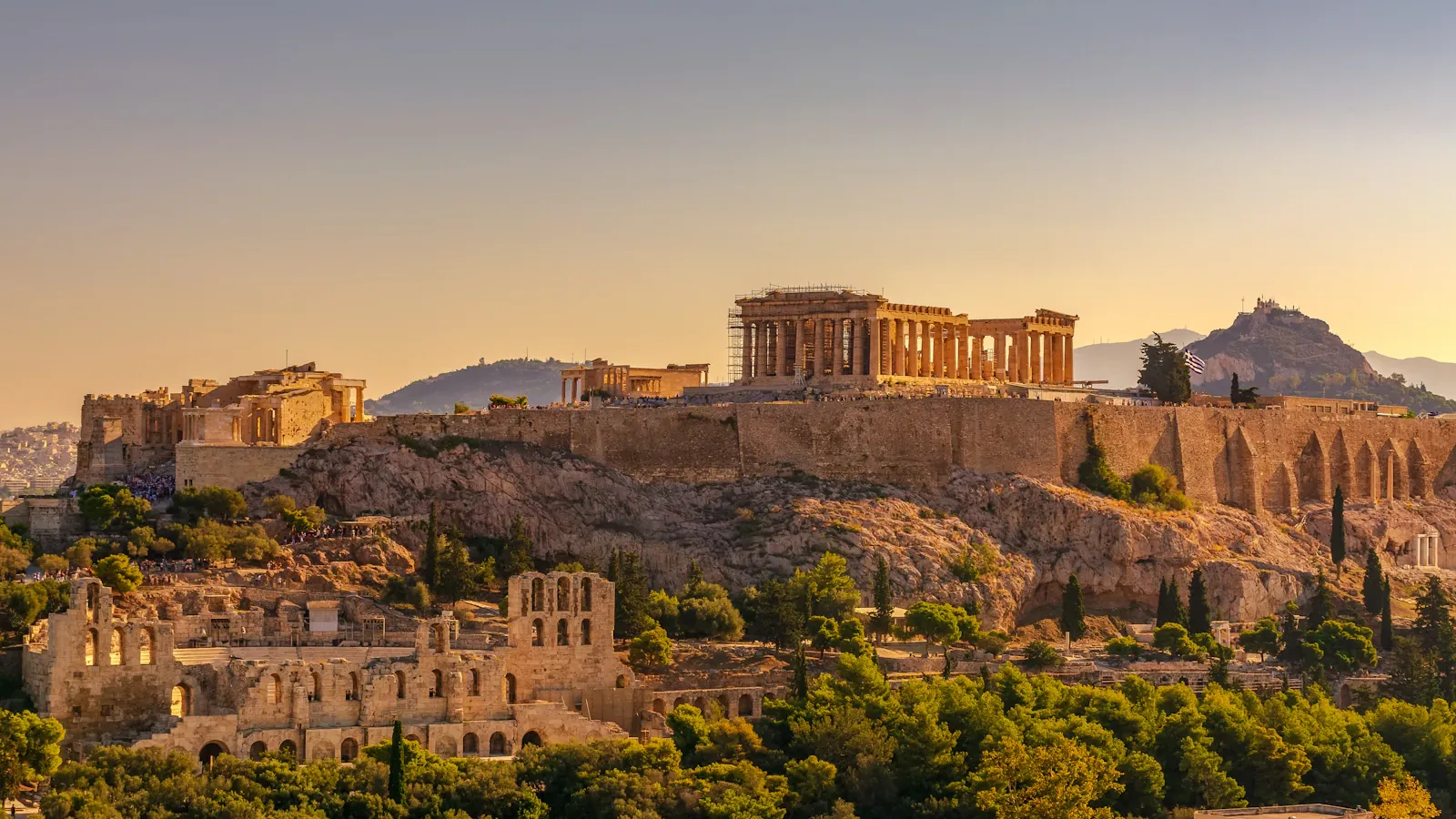
 The warm light makes the marble glow and gives the city a cinematic feel.
Day 2: Acropolis Museum + Ancient Agora + Monastiraki
Day 2 is about context. The Acropolis Museum is the best way to understand what you saw yesterday: it organizes the story of the Acropolis in a clean, chronological arc. Give yourself a few hours, then take a short break at the café before heading back outside.
From the museum, walk to the Ancient Agora. This is where classical Athenian civic life happened—debate, commerce, and philosophy. The space is open and less crowded than the Acropolis, which makes it feel almost meditative. If you want an extra historical layer, add a brief walk through the Roman Forum area.
The Agora is also a great place to slow down. Pick one corner, sit in the shade, and let the site breathe. This pause is often what makes the morning feel memorable rather than rushed.
By late afternoon, shift to Monastiraki. The energy is lively, the food options are casual, and the streets are perfect for wandering. This is a great moment for street food: souvlaki, koulouri, or a simple gyro from a local spot. Keep it easy and flexible.
If you enjoy markets, browse the small shops and stalls that spill into the side streets. Even if you don’t buy anything, it’s a great snapshot of Athens’ everyday rhythm.
End the evening with a short walk through nearby Psirri or back toward Syntagma. Athens nightlife starts late, so you can choose to go out or head back early. Either way, Day 2 sets you up with both history and modern city life in balance.
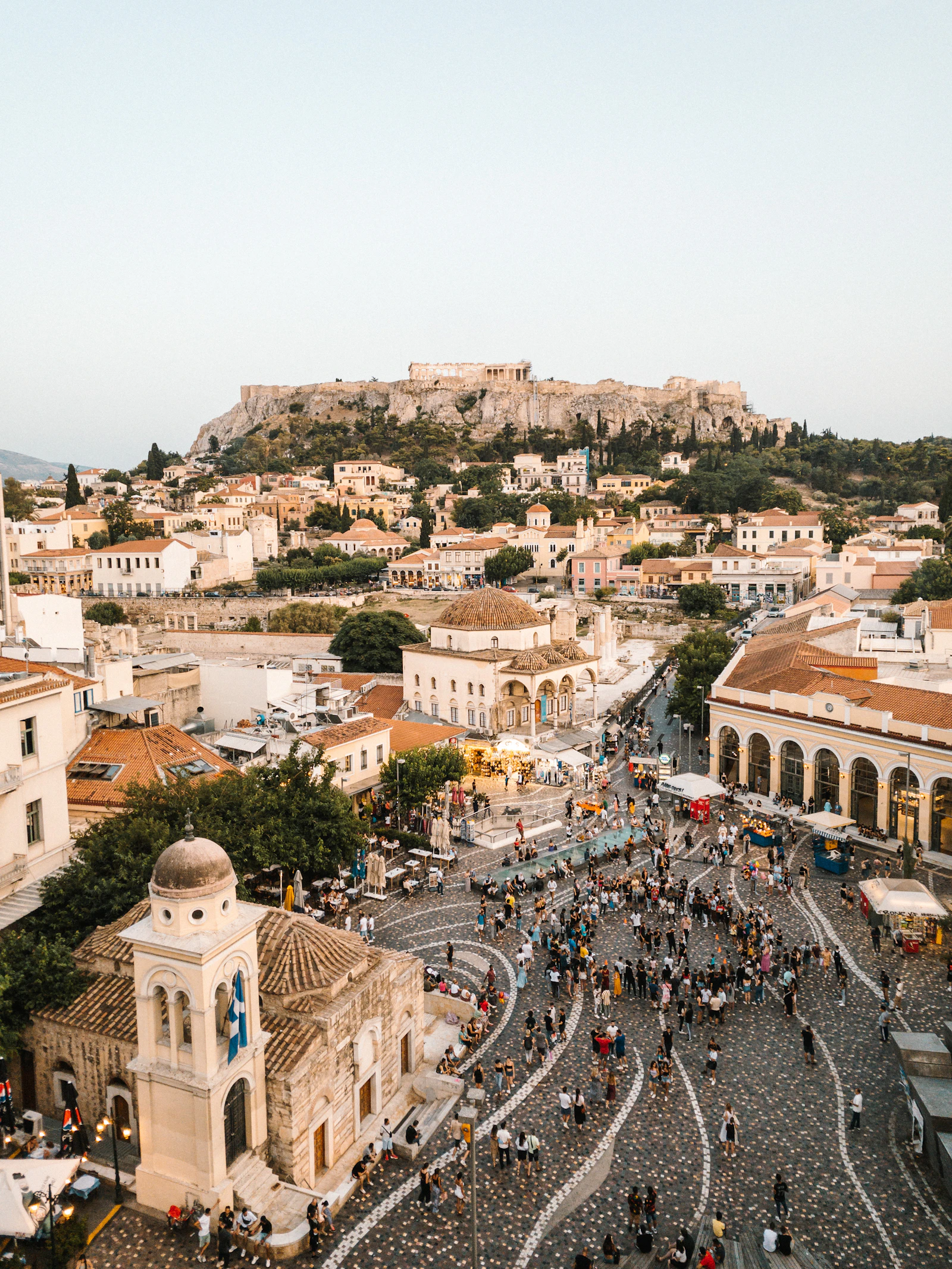 The contrast of everyday life and ancient stone is exactly the city’s charm.
Day 3: National Archaeological Museum + Exarchia + Lycabettus
Day 3 is your deep‑history day. The National Archaeological Museum is big, so arrive with a plan. Pick one focus—sculpture, gold, or pottery—and let the highlights carry you rather than trying to see everything. A short break halfway through keeps the experience fresh.
After the museum, wander into Exarchia, Athens’ intellectual and creative neighborhood. It’s gritty in parts, but it’s full of bookstores, cafés, and small art spaces. The energy is different from the tourist core, which is exactly why it’s worth visiting. If Exarchia isn’t your vibe, swap it for Pangrati or a calmer café district; the goal is to experience modern Athens on its own terms.
You can also add a small contemporary museum or gallery here if you want a contrast to the ancient collections. That modern‑meets‑ancient juxtaposition is one of Athens’ quiet strengths.
In the late afternoon or early evening, head to Mount Lycabettus for a panoramic view. The walk is steep but manageable; there’s also a funicular if you prefer a softer climb. The view at sunset is one of the best in the city and gives you a full sense of Athens’ scale.
Wrap the day with a relaxed dinner in a neighborhood taverna. Keep it slow, share plates, and let the day unwind. This is the moment where Athens stops feeling like a checklist and starts feeling familiar.
If you still have energy, a short post‑dinner walk through a nearby square is a calm way to end Day 3 without turning it into a late night.
 The city spreads out in every direction, with the Acropolis still visible at the center.
Day 4: Syntagma + Gardens + Modern Athens or Coast
Day 4 is your flexible day. Start at Syntagma Square in the morning and, if you want to catch the Changing of the Guard, check the timing at your hotel or on a local listing. Even a quick pass‑by gives you a sense of Athens’ ceremonial side.
From there, walk through the National Gardens for a quiet reset. It’s shady, surprisingly calm, and a good contrast to the stone‑heavy days before. If you want another classic stop, the Panathenaic Stadium is nearby and easy to visit.
For the afternoon, choose your vibe. If you want more city, explore Kolonaki for cafés and boutiques or head into Central Market for local food energy. If you’re craving the coast, take an easy half‑day trip toward the Athens Riviera and finish with sea air and a sunset view.
This is also a great time for last‑minute shopping or a final neighborhood wander. Use Day 4 to round out the trip: revisit a favorite square, grab a final freddo espresso, and let the city settle in your memory.
If you stay in the center, consider the National Archaeological Garden as a final quiet reset. It’s a short, shaded break that keeps the day light and restorative.
By keeping Day 4 flexible, you preserve energy and leave space for the unexpected—often the most rewarding part of Athens.
If you choose the coast, set a single anchor beach and keep the plan minimal. The goal is refreshment, not another checklist.
Eat, Drink, and Recharge
Athens is one of Europe’s best value food cities. The key is to eat like a local: simple ingredients, shared plates, and a rhythm that favors lunch over late‑night heavy dinners. Start your day at a bakery—spinach pies, cheese pies, and fresh bread are fast and inexpensive.
For lunch, choose a taverna or a casual grill. Order a few meze plates—grilled halloumi, fried zucchini, Greek salad, and a local white wine—and you’ll have a meal that feels both light and full. If you’re walking a lot, carry water and keep snacks on hand; small energy resets are the secret to feeling good all day.
Dinner is where you can splurge. Pick one night for a longer meal with friends or a rooftop view. On other nights, keep it simple: souvlaki, a shared salad, and a quiet walk home. Athens dining starts late, so if you’re tired, eat earlier and let the city’s evening hum happen around you.
If you’re looking for a unique experience, try a modern Greek restaurant that twists traditional flavors. Athens has a thriving food scene that rewards curiosity—but it doesn’t require a huge budget. The most important ingredient is time: slow meals feel like part of the city’s culture.
Don't skip desserts. Loukoumades (honey donuts) and spoon sweets are easy, inexpensive highlights. Pair them with a coffee or a small glass of local liqueur to end the day on a gentle note.
Cultural Experiences Not to Miss
Greek Coffee Culture
The Acropolis has been continuously occupied for over 5,000 years, making it one of the oldest inhabited sites in Europe.
Athens café culture is a social ritual. Order a Greek coffee (sweet, medium, or plain) or a frappé and settle into a sidewalk seat. No one will rush you—lingering is the point. The best cafés are in Plaka's quieter lanes or along the pedestrianized streets near Monastiraki. Morning coffee with a view of the Acropolis is a simple, memorable start to any day.
Markets and Local Shopping
The Central Market (Varvakeios) is Athens at its most authentic—meat, fish, olives, and cheese stalls fill a bustling hall. For a calmer experience, the Sunday flea market at Monastiraki offers antiques, vinyl, and curiosities. Kolonaki has upscale boutiques, while Exarchia has independent bookshops and vintage finds.
Evening Walks
Athens transforms after dark. The Acropolis glows above the city, and the pedestrian streets fill with locals on their evening volta (stroll). Walk from Monastiraki through Plaka to Thissio for a classic evening route, or find a rooftop bar for a drink with an illuminated temple view.
Practical Tips for Travelers
Language
Greek is the official language, but English is widely spoken in tourist areas. A few basics—yasas (hello), efharisto (thank you), parakalo (please)—show respect and are always appreciated. Menus usually have English translations.
Etiquette
Greeks eat late—dinner often starts after 9pm. Tipping is not required, but rounding up or leaving 5-10% is appreciated for good service. Dress modestly at religious sites, covering shoulders and knees. Taking photos inside churches is often restricted.
Safety
Athens is generally safe for tourists. Watch for pickpockets in crowded areas like Monastiraki and on the metro. Stay hydrated in summer—temperatures can exceed 35°C (95°F). Carry a refillable water bottle and take breaks in shaded areas. Sidewalks can be uneven, so sturdy shoes help.
Travel Costs and Budgeting
Athens can be affordable if you plan with intention. The biggest cost is accommodation, so book early if you’re traveling in peak season. For everything else, a smart mix of paid sites and free walking time keeps your daily costs steady.
Book your Acropolis and Acropolis Museum tickets in advance if you want specific time slots. Everything else can stay flexible. This approach keeps your schedule light while still protecting your must‑see moments.
For transportation, lean on walking and the metro. A short ride plus a good walk is often faster than a taxi in central traffic. If you’re doing a half‑day coast trip, combine transit with a short taxi ride at the end of the day so you don’t lose your evening to logistics.
Food is where you can save without sacrificing quality. Choose bakeries and casual tavernas for most meals and reserve one or two special dinners. Set a loose daily budget range rather than a strict number; it keeps you mindful without making the trip feel restricted.
Finally, keep a small “surprise” budget for books, ceramics, or spontaneous museum visits. Athens is full of small temptations, and it’s more fun to say yes when you’ve planned for them.
If you’re debating a museum pass, do the math based on your actual itinerary. For a four‑day trip, individual tickets are often simpler unless you’re planning multiple major sites in a short window.
Cash helps for small purchases like kiosks and neighborhood bakeries, while cards work almost everywhere else. A small mix keeps daily transactions smooth.
Accommodation will likely be your biggest line item, so prioritize location over size. A compact room in a walkable area often saves time and transport costs.
If you plan to use mobile data heavily, consider a local SIM or eSIM to avoid roaming costs.
To maximize your days off without extra PTO, use the free Holiday Optimizer to find bridge days around public holidays for your Athens trip.
Frequently Asked Questions
These quick answers cover the questions travelers most often ask when building an Athens 4-day itinerary.
If you’re unsure about any detail, keep it flexible and adjust once you’re on the ground. Athens is forgiving when your plan leaves breathing room.
These answers are a guide, not a rulebook—feel free to bend them to your pace.
Is four days enough for Athens?
Yes. Four days is the sweet spot for first‑time visitors: enough time to see the Acropolis, a major museum, and several neighborhoods without rushing. It gives you history and modern city life in balance, and it leaves room for a flexible final day.
Should I book Acropolis tickets in advance?
If you want a specific time slot, yes—especially in peak season. Booking ahead keeps your mornings smooth and avoids the longest lines, which is critical if you’re trying to beat the heat.
Is Athens walkable?
Very walkable in the historic core. You’ll still want the metro for longer hops or for hot days, but most highlights can be linked on foot. The city feels smaller once you’ve done one loop around the Acropolis.
What’s the best viewpoint in Athens?
Mount Lycabettus is the most dramatic, but Filopappou Hill offers a calmer, easier walk. Both are worth it if you enjoy city panoramas. Choose Lycabettus for a sweeping skyline and Filopappou for a more intimate, local feel.
Can I add a quick beach trip in four days?
Yes. The Athens Riviera is reachable as a half‑day escape. Keep it simple: one beach stop, then return to the city for dinner. It works best if you’re comfortable with a late lunch and a slower afternoon pace.
If you're unsure, keep the coast as a "bonus option" until you see the weather forecast.
References
- This is Athens - Official City Tourism Website
- Hellenic Ministry of Culture E-Tickets for Archaeological Sites
- Acropolis Museum Official Website
- Rick Steves Athens Travel Guide
- Ferryhopper - Greek Islands Day Trips from Athens
If you have extra days, consider combining your Athens trip with Istanbul and Rome — all easy to reach and covered in our PTO-optimized travel guides.
Quick Takeaways
- Start with the Acropolis early to beat heat and crowds.
- Pair the Acropolis with its museum for context, not just photos.
- Use neighborhoods like Plaka and Exarchia to balance history with daily life.
- Save one flexible day for gardens, markets, or the coast.
- Eat like a local: big lunch, lighter dinner, and lots of café breaks.
- Leave space for spontaneity; Athens rewards wandering.
- Use the Holiday Optimizer PTO calendar to plan which days to take off for your Athens trip.
Conclusion
A strong Athens 4-day itinerary blends the essential monuments with the city’s everyday rhythm. You’ll stand in the places where history was invented, then step into a modern capital that’s creative, warm, and surprisingly relaxed. By pacing your days and clustering your sights, you avoid fatigue and give yourself space to notice the small details that make Athens unforgettable.
If you take one thing from this plan, let it be this: Athens is best when you slow down. The city has layers, and four days is just enough time to feel them.
Give yourself permission to pause. The moments you remember most often happen between the big sights: a café under an orange tree, a quiet square at dusk, a street musician echoing through a narrow lane.
With the right pace, Athens becomes less overwhelming and more personal. That shift is the real reward of a well‑structured four‑day visit.
You’ll leave with a sense of the city’s texture—not just its highlights.
That texture is what makes Athens linger long after you’re home.
Athens grows on you when you give it room.
It's a city that rewards patience more than speed.
Ready to maximize your time off?
Find the best Athens travel windows
Share Your Thoughts
If this guide helped, share it with a friend planning a 4‑day Athens trip—and tell us your favorite moment. Was it a sunset view, a neighborhood café, or the Acropolis itself?