Athens in 7-9 Days: Extended Vacation Itinerary to Maximize PTO in 2026
Plan a week-long Athens adventure with Acropolis exploration, Plaka neighborhood walks, ancient Agora visits, Delphi and Hydra day trips, and taverna dining tips for 2026.
Introduction
Athens is a city of layers—ancient temples, neoclassical streets, modern cafés, and a coastline that glows at sunset. A quick visit can feel like a history sprint; a week turns it into a lived experience. This Athens 7-day itinerary blends the iconic sites with the daily rhythm of local neighborhoods and a couple of classic day trips. You’ll have time to linger in Plaka, watch the city wake up from a rooftop, and still make it to Delphi without feeling rushed.
If you’re a first‑timer, this guide keeps the essentials front and center. If you’re returning, it lets you go deeper into the modern city and its food culture. The result is a week that feels balanced: ancient, contemporary, coastal, and unhurried.
Short on time? See our Athens 4-day itinerary for a focused long-weekend plan. Use our PTO optimizer to find the best days to take off around your trip dates.
Why Athens Is a Must-Visit Destination in 2026
The Birthplace of Western Civilization
Athens stands out among European destinations for its unique combination of history, culture, and modern energy. Whether you are visiting for the first time or returning for a deeper look, 2026 is an excellent year to experience what makes this city special.
Ancient Ruins Meet Vibrant Street Life
What sets Athens apart is the way daily life and cultural depth coexist. You will find world-class landmarks alongside neighborhood rhythms that reward slowing down and paying attention.
Planning Your Trip Essentials
Athens rewards structured flexibility. The first half of the week focuses on the city’s core historical sites. The second half expands outward—neighborhood exploration, a Delphi day trip, and a coastal or island finale. That structure keeps the story of the city clear while giving you breathing room for spontaneous discoveries.
The plan also respects Athens’ rhythm: early starts, slower afternoons, and long evenings. Think of Days 3 and 4 as adjustable. If you love archaeology, add another museum or two; if you prefer local life, spend extra time in cafés, markets, and neighborhood squares. The goal is to feel Athens, not just tick it off.
Use the Holiday Optimizer to find the best days to book off around public holidays for your Athens trip.
Logistics for a Week in Athens
The best months for a long stay are April–June and September–October. You’ll have clear skies, warm evenings, and fewer crowds than peak summer. Athens can be intensely hot in July and August; with a week, you can still make it work by starting early and resting mid‑day, but shoulder season is far more comfortable.
Heat management matters. Plan big walks for the morning, then take a midday café break when the sun is strongest. A light scarf, sunscreen, and a refillable water bottle will do more for your energy than any itinerary tweak.
Neighborhood choice makes a big difference. Plaka and Koukaki are ideal for first‑timers because they’re walkable to the Acropolis and have plenty of cafés. Pangrati and Kypseli are more local and residential—great for longer stays. If you want nightlife, Psirri and Monastiraki are lively but louder.
If you’re staying farther out, pick a base close to a metro station. A short walk to transit each morning makes the city feel compact and keeps your schedule smooth.
Getting from the airport is straightforward. The airport is roughly 33 km from central Athens, and Metro Line 3 connects it to the city in about 40 minutes. Once you’re in the center, most key sites are walkable, and the metro fills the gaps. For a week‑long trip, a mix of walking, metro, and occasional taxis is usually the sweet spot.
Pack comfortable walking shoes—Athens is hilly and paved with marble in places, which can be slippery. A week‑long itinerary feels far better when your feet are happy.
Public transport is simple: use the metro for longer hops and walk the rest. A reloadable transit card keeps things smooth, and taxis are useful late at night when buses thin out.
Day 1: Acropolis + Plaka
Day 1 is about grounding yourself in the city’s most iconic site. The Acropolis is not just a landmark—it’s a UNESCO World Heritage Site and the symbolic heart of Athens. Start early to beat the heat and crowds.
Morning: Acropolis Ascent
Arrive at opening and walk up with fresh energy. Take your time: the Parthenon is the headline, but the surrounding temples and viewpoints tell the fuller story. This is the emotional anchor of any Athens 7-day itinerary.
Visit the Acropolis first thing in the morning or late afternoon to avoid both crowds and the midday heat.
Bring water and give yourself extra time for the viewpoints. The climb is short but exposed to sun, and the vistas are worth lingering over rather than rushing through.
If you want to avoid the densest crowds, aim for the first 30 minutes after opening or the last hour before closing.
A small mid‑afternoon pause in the shade keeps the day enjoyable and helps you absorb the visit.
Afternoon: Plaka + Anafiotika
Head down into Plaka, the historic neighborhood below the Acropolis. Its narrow lanes and white‑washed corners make it feel almost island‑like. Detour into Anafiotika for a quiet, Cycladic‑style pocket of the city.
If you still want a touch more history, add a quick stop at the Roman Agora or a small Byzantine church. These sites are compact and add depth without draining your afternoon.
Evening: Sunset Viewpoint
Watch sunset from a rooftop bar or a hilltop viewpoint like Filopappou. It’s a gentle way to close a big first day.
Keep the evening light and early if you can. Tomorrow is another major historical day, and your energy will thank you.
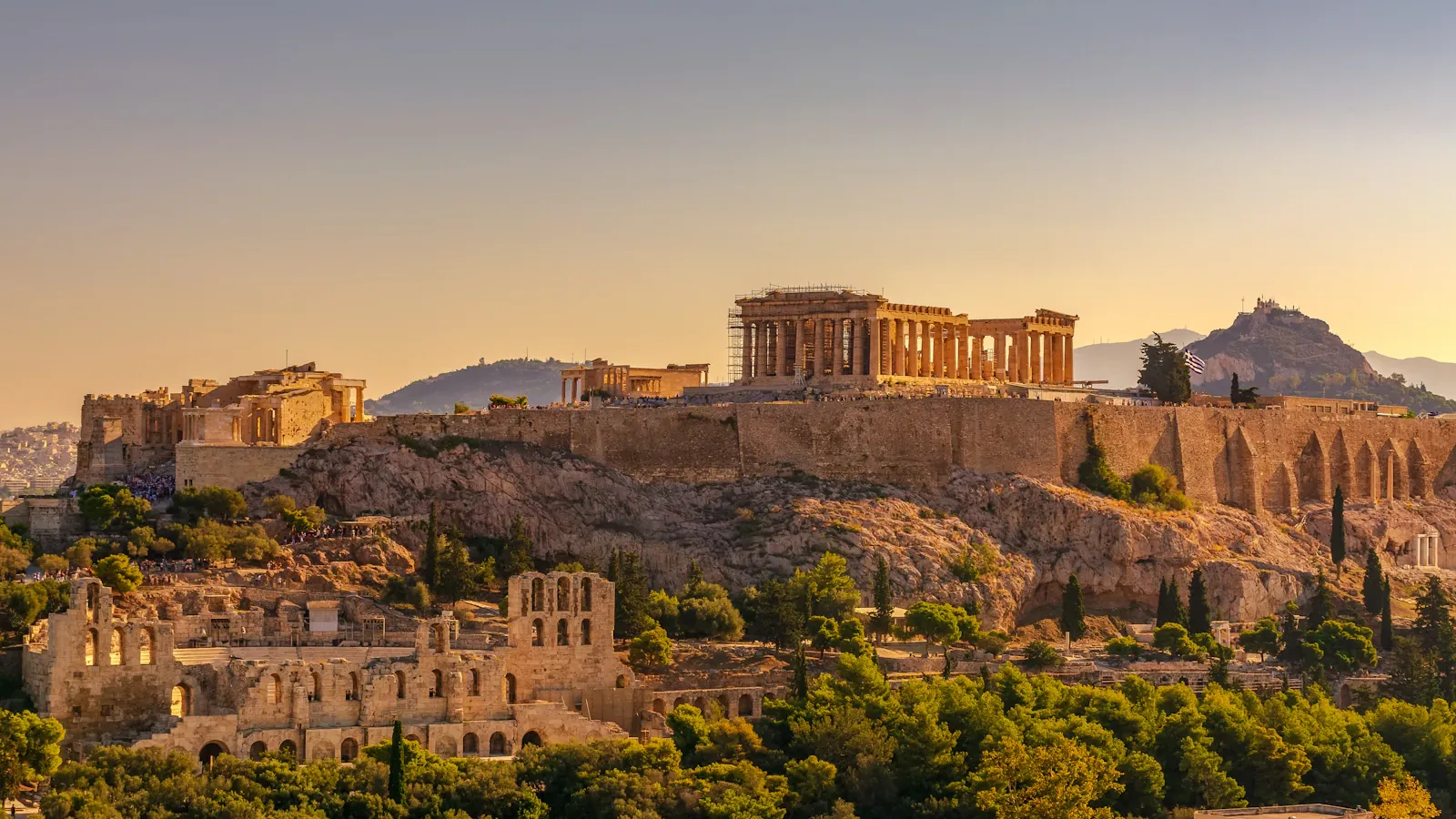
 The Acropolis at sunset sets the tone for the week’s ancient‑meets‑modern rhythm.
Day 2: Acropolis Museum + Ancient Agora
Day 2 is about context. You saw the Acropolis; now you see its artifacts and the civic life that once surrounded it.
Morning: Acropolis Museum
The Acropolis Museum focuses on the Acropolis itself, with galleries that house sculptures and architectural elements from the site. Its Parthenon Gallery arranges the frieze in the same orientation as the temple, helping you visualize the original structure.
Plan for a few hours and pace yourself. A short break at the museum café can reset your energy before you head back into the sun.
Afternoon: Ancient Agora Walk
After the museum, walk to the Ancient Agora. This is where Athenians once debated politics and philosophy. The ruins are more open and sprawling than the Acropolis, and the walk between the two sites is full of small cafés and shaded breaks.
If you want to extend the historical loop, add a short detour through the Roman Forum area. It’s compact and complements the Agora’s civic‑life story.
Take the walk slowly and use it as your transition from curated museum space to open‑air ruins. A quick coffee or gelato stop along the way keeps the afternoon relaxed.
If you still have energy, the Temple of Hephaestus area is a rewarding add‑on and ties the Agora story together.
This small extra loop often becomes a favorite because it’s quieter than the Acropolis.
Evening: Monastiraki Night Market
Spend the evening in Monastiraki. Even if you’re not shopping, the energy, street food, and live music provide a perfect contrast to the quiet of the museum.
This is a great night for casual street food—quick, satisfying, and easy after a museum‑heavy day.
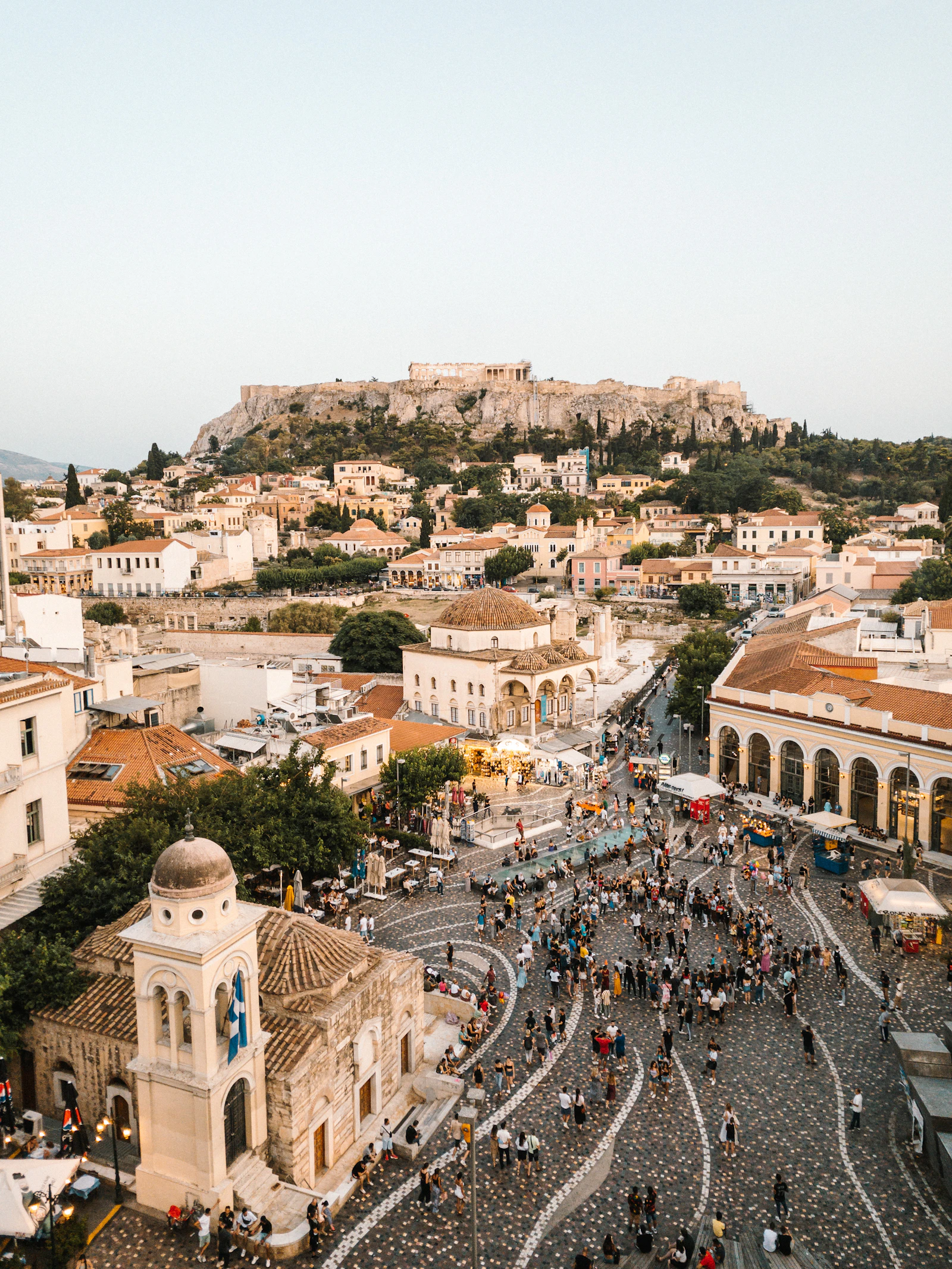 Athenian streets reveal the Acropolis from unexpected angles.
Day 3: Classical Museums + Exarchia
Day 3 is for deeper history and a taste of modern Athens culture. If you’re a museum lover, this is your day to go long.
Morning: National Archaeological Museum
Spend your morning at the National Archaeological Museum. It’s large and intense, so go in with a plan—focus on highlights, then step outside for a break.
If you want to go deeper, pick one theme—sculpture, gold, or pottery—and explore it thoroughly rather than trying to see everything.
Plan a mid‑morning break in the museum café or nearby square. A short reset makes the afternoon feel lighter.
Afternoon: Exarchia and University District
Exarchia is Athens’ intellectual and counter‑culture neighborhood. It’s gritty, creative, and full of small bookstores and cafés. This is a great place to recalibrate after a dense museum morning.
If you’re up for a small climb, stroll toward Strefi Hill for a modest viewpoint. It’s a local‑feeling pause that contrasts with the big monuments.
If Exarchia isn’t your vibe, swap in a quieter neighborhood café and treat the afternoon as a recharge window. The key is balance after a museum‑heavy morning.
You can also choose a smaller contemporary museum instead of Exarchia if you want a modern art contrast to the ancient collections.
Street art and small independent cafés in this area make the afternoon feel modern and distinctly Athenian.
If you still have energy, a short evening walk through a nearby square keeps the day grounded without adding another “big” stop.
It’s a simple way to end the day with fresh air and calm.
Evening: Neighborhood Dinner
Pick a taverna away from the tourist core and enjoy a slow dinner. Athens shines when you stop rushing.
A live‑music bar or a low‑key square café is a perfect way to end the day without turning it into a late night.
Day 4: Neighborhood Athens (Pangrati, Kypseli, Markets)
Day 4 is about the modern city. You’re now far enough into the trip to feel comfortable wandering without a checklist.
Morning: Pangrati Walk + Park Time
Pangrati is a leafy, local neighborhood filled with bakeries and cafés. Start the day with coffee, then walk through nearby green spaces for a soft reset.
If you want an easy cultural add‑on, stop by a small gallery or neighborhood bookstore. These low‑key places give you a feel for everyday Athens without adding schedule pressure.
Try a slow breakfast and a long park walk—this is the day to lean into the city’s quieter pace.
Afternoon: Kypseli + Central Market
Kypseli offers a more multi‑cultural slice of Athens. Pair it with a stop at the Central Market to see local ingredients and daily life up close.
This is also a good moment for a slow lunch—grab a simple plate, sit outside, and watch the neighborhood move around you.
Markets are best late morning; arrive early enough to see the stalls before lunchtime crowds build.
If you want to add a cultural stop, pick one local gallery or design shop—short visits fit perfectly into a neighborhood day.
Kypseli’s mix of old apartment blocks and new cafés is a great snapshot of modern Athens in motion.
Spend a few minutes in a neighborhood square—those small pauses are often the best memories.
If you enjoy people‑watching, this is the perfect day for it.
It’s a calm slice of the city.
Evening: Low‑Key Night Out
Find a neighborhood bar and keep it simple. Athens nightlife can be lively, but on a long trip, a calm evening keeps your energy balanced.
If you want a brief night stroll, choose a nearby square and keep it low‑key. The goal is to end the day feeling restored, not drained.
Day 5: Delphi Day Trip
Delphi is the most classic day trip from Athens, and for good reason. It’s a UNESCO World Heritage Site set in a dramatic mountain landscape, and its ruins feel monumental even in silence.
Morning: Early Departure
Start early so you can maximize daylight in the site. The drive or bus ride is part of the experience; the scenery shifts from urban to rural to mountainous.
Pack water and a light snack; the site is open and sun‑exposed, and you’ll want energy for the uphill sections.
If you’re deciding between a guided tour and DIY transport, choose the option that reduces friction. A smooth logistics day makes the ruins feel more immersive.
Aim to return to Athens before late evening so you can still enjoy a calm dinner in the city.
Most day trips take the bulk of daylight, so keeping the evening low‑key preserves your energy.
Comfortable shoes make a bigger difference here than any itinerary tweak.
Afternoon: Temple Ruins + Museum
Visit the Temple of Apollo and the archaeological museum on site. The ruins are spread out and the views are expansive—bring water and comfortable shoes.
Take your time at the viewpoint terraces. Delphi is as much about its setting as its ruins, and the landscape is part of the story.
Evening: Return and Rest
Delphi is a full day. Keep your Athens evening light: a simple dinner and an early night will help you reset for the coast.
If you’re traveling with companions, this is a good night to compare highlights and pick your preferred coast or island option for Days 6–7.
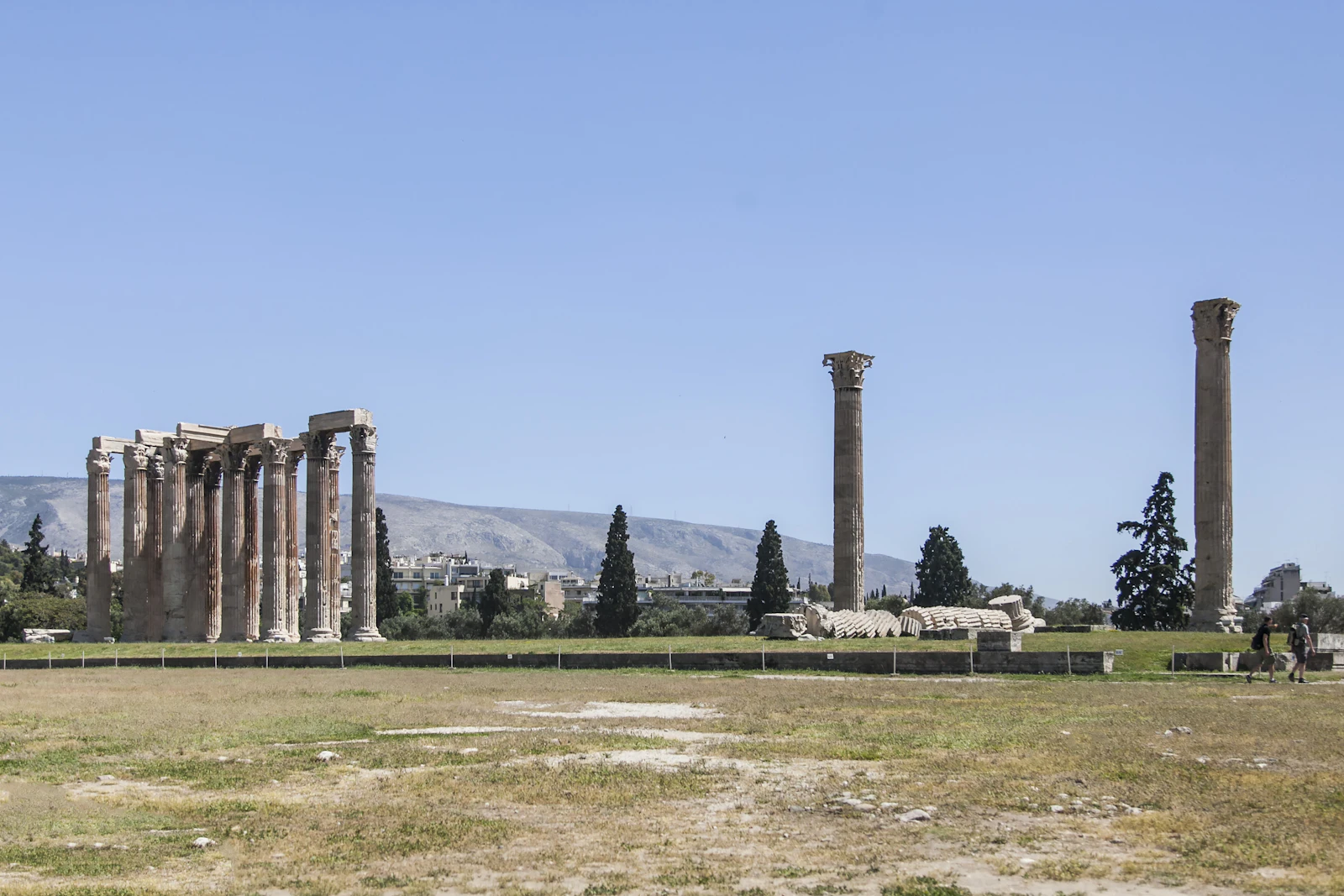 Ancient stone and modern city life blend throughout the week.
Day 6–7: Coast or Island Finale
Your final two days should feel lighter. Athens gives you quick access to the coast, and nearby islands make an easy day trip.
Option A: Athens Riviera + Cape Sounion
Spend a day along the Athens Riviera, then head to Cape Sounion for a sunset view. The coastline is a refreshing contrast to the dense city center.
If you want a beach feel, choose a calm cove or organized beach for a few hours, then make the sunset the day’s anchor point.
Option B: Aegina or Hydra Day Trip
If you want a true island feel, pick a nearby island like Aegina or Hydra. It’s an easy way to add a ferry day without committing to a full island itinerary.
Aim for an early ferry so you can wander at a relaxed pace and still return to Athens before a late dinner.
Day 7 Flex
Use your final day to revisit a favorite spot, fill in any gaps, or simply wander. This is where a one‑week Athens trip shines—you can slow down without fear of missing the essentials.
If you’re not sure how to spend the day, choose one neighborhood and explore it without a plan. It’s often the most memorable way to close a long trip.
If you’re doing both coast and island time, keep one day for beaches and one for wandering—variety is the point of the finale.
Pack light swim gear if you’re heading to the coast; it keeps the day spontaneous and easy.
Check ferry schedules in advance so you’re not rushing back for the last boat.
A hat and sunscreen are essential on the coast; there’s far less shade than in the city.
Plan for a slow return so the finale doesn’t feel rushed.
That flexibility keeps the finale light.
Eat, Drink, and Late‑Night Athens
Athens food culture is bold and unfussy. Build your week around a few signature meals—grilled fish by the coast, a long taverna dinner, and a street‑food lunch of souvlaki or gyros. Then keep everything else light and casual.
For breakfast, look for small bakeries with fresh pies. For late nights, rooftop bars give you skyline views without the noise of the busiest nightlife zones. Athens rewards balance: a couple of late nights, a couple of early nights, and plenty of long meals.
Athenians often dine late, so a bigger lunch plus a lighter dinner can feel better on heavy sightseeing days. If you want a special meal, book one long taverna dinner and let the rest of the week stay flexible.
Coffee culture is strong—find one or two cafés you love and return. The repetition helps the city feel familiar.
Late‑night street snacks are part of the fun; keep one evening for a casual souvlaki stop on the walk home.
If you love sweets, add one bakery crawl afternoon—simple, affordable, and very Athens.
Athenians often eat late, so shifting dinner later lets you enjoy cooler evenings.
A small dessert stop after dinner is a simple, local ritual.
Sharing plates keeps meals lively.
Lunch can be your “main meal” of the day. Athenians often eat later, so a bigger midday meal lets you keep dinner light. This is especially helpful on museum days when you’re walking a lot.
If you love coffee culture, pick one or two cafés and return. The familiarity adds a local rhythm to your week and makes the city feel smaller.
For a splurge, choose one long, slow dinner with mezze shared across the table. It's a social, celebratory way to experience the city's food traditions without over‑scheduling every night.
Cultural Experiences Not to Miss
Greek Coffee Culture
The Acropolis has been continuously occupied for over 5,000 years, making it one of the oldest inhabited sites in Europe.
Athens café culture is a social institution. With a full week, you can find your favorite neighborhood spot and return. Order a Greek coffee or frappé and watch the city move around you. The best cafés are in Plaka, Koukaki, or along the pedestrianized streets near Thissio. Morning coffee with an Acropolis view never gets old.
Markets and Local Shopping
A week lets you explore multiple markets. The Central Market (Varvakeios) is essential for atmosphere—meat, fish, and produce stalls in a historic hall. Monastiraki's Sunday flea market offers antiques and curiosities. Exarchia has independent bookshops, while Kolonaki has upscale boutiques. Return to your favorites and discover new corners.
Evening Walks
Athens comes alive after dark. The Acropolis glows above the city, and locals fill the pedestrian streets for their evening volta. With extra days, try different routes: Plaka to Thissio, Koukaki to the Filopappou Hill viewpoint, or a coastal stroll in Glyfada. Each evening reveals a different mood.
Practical Tips for Travelers
Language
Greek is the official language, but English is widely spoken in Athens. Learning a few basics—yasas (hello), efharisto (thank you), parakalo (please)—shows respect. Menus and signs usually have English translations, especially in central neighborhoods.
Etiquette
Greeks eat late—dinner rarely starts before 9pm. Tipping is not required, but rounding up or leaving 5-10% is common for good service. Dress modestly at religious sites, covering shoulders and knees. Photography inside churches is often restricted, so ask first.
Safety
Athens is generally very safe. Watch for pickpockets in crowded areas like Monastiraki and on public transport. Summer heat can be intense—carry water, wear a hat, and plan indoor breaks during midday. Sidewalks are uneven in older neighborhoods, so sturdy shoes are helpful.
Travel Costs and Budgeting
Booking early is most important for the Acropolis and the Acropolis Museum, especially in peak season. Timed entries help you avoid long lines and keep your day structured.
For transport, metro rides are efficient and inexpensive, and walking handles most central neighborhoods. The airport connection via Metro Line 3 is a simple, cost‑effective entry point.
A smart budget tip: plan one or two “splurge” meals and keep the rest casual. Athens is one of the best cities in Europe for value—you can eat well without spending heavily.
Free and low‑cost highlights—city viewpoints, neighborhood walks, and public squares—can anchor days when you’re intentionally spending less. If you balance one paid site with one free‑form afternoon, the week feels rich without feeling expensive.
For day trips, compare DIY transit with organized tours. Sometimes a tour is more cost‑effective once you add transport and tickets; other times, a simple bus ticket does the job. Either way, deciding early helps you avoid last‑minute price spikes.
Set a loose daily budget range rather than a strict number. It keeps you aware without making the trip feel constrained.
If you plan multiple paid sites in a single day, consider spreading them out instead. It reduces ticket pressure and keeps the week balanced.
Grocery breakfasts or picnic lunches are simple ways to keep costs steady without sacrificing quality.
Keep a small buffer for taxis late at night. They’re useful when the metro slows down and can prevent a long walk back.
If you’re unsure about ticket bundles, start with individual entries. You can always add another site later once you know your pace.
Keeping one or two days “free” in the budget lets you spend more on the day trips you love most.
Small buffers prevent budget surprises.
To maximize your days off without extra PTO, use the free Holiday Optimizer to find bridge days around public holidays for your Athens trip.
Frequently Asked Questions
These quick answers cover the most common questions travelers ask when planning an Athens itinerary 7 days. Use them as a final checklist before you lock in bookings.
They’re also handy for quick adjustments if your dates or budget shift.
Is one week too long for Athens?
Not at all. One week in Athens gives you time to see the Acropolis and still explore modern neighborhoods and day trips. It’s the difference between a history sprint and a lived‑in experience.
If you enjoy museums, food, and slow travel, a full week feels just right.
Most travelers find that extra days remove the pressure to rush the classics.
What’s the best day trip from Athens?
Delphi is the most iconic and historically significant option, especially if you love ancient history. It’s also a UNESCO World Heritage Site, which adds to the sense of occasion.
If you’ve already visited Delphi, Cape Sounion makes a great alternative.
Should I visit the Acropolis Museum if I’m short on time?
Yes. It provides essential context for the Acropolis itself and is designed to tell that story clearly.
It’s also a great option for a hot afternoon because it’s indoors and well‑air‑conditioned.
How do I get from the airport to the city center?
Metro Line 3 connects the airport to central Athens in about 40 minutes. It’s the easiest and most cost‑effective option for most visitors.
If you’re arriving late, a taxi can be easier, but plan for higher cost.
When is the best time to visit Athens?
April–June and September–October offer the best balance of weather and crowds. Summer is beautiful but hot, so plan early mornings and long midday breaks.
If you're visiting in midsummer, prioritize shaded sites and indoor museums.
References
- This is Athens - Official City Tourism Website
- Hellenic Ministry of Culture E-Tickets for Archaeological Sites
- Acropolis Museum Official Website
- Rick Steves Athens Travel Guide
- Ferryhopper - Greek Islands Day Trips from Athens
If you have extra days, consider combining your Athens trip with Istanbul and Rome — all easy to reach and covered in our PTO-optimized travel guides.
Quick Takeaways
- Start with the Acropolis—it’s the anchor for the entire week.
- Pair the Acropolis with its museum for full context.
- Use Delphi as your big day trip; it’s historic and dramatic.
- The airport‑to‑city metro connection is simple and fast.
- Leave two days for coast or island time to balance the week.
- Use the Holiday Optimizer PTO calendar to plan which days to take off for your Athens trip.
Conclusion
A great Athens 7-day itinerary is about balance. You’ll walk through ancient ruins, sip coffee in modern neighborhoods, and still have time to watch the sun set over the Aegean. The week structure above keeps the story of Athens coherent—ancient core first, neighborhood life next, then day trips and coast. That progression helps you feel the city’s full spectrum without exhausting yourself.
By the end of the week, the city starts to feel familiar rather than overwhelming—that’s the real payoff of a longer stay.
That familiarity is what turns a good trip into a lasting memory.
Athens grows on you when you let it.
If you stay open to small detours—an extra hour in a café, a side street with unexpected views—Athens becomes more than a list of landmarks. It becomes a place you feel, not just a place you visit.
Ready to maximize your time off?
Find the best Athens travel windows
Share Your Thoughts
If this guide helped, share it with someone planning an Athens itinerary for 7 days—and tell us your dream day trip. Delphi, Cape Sounion, or the islands?