Lisbon in 7-9 Days: Extended Vacation Itinerary to Maximize PTO in 2026
Plan a week-long Lisbon adventure with Alfama walks, Sintra Palace day trips, Cascais beach excursions, Belem exploration, and neighborhood dining tips for 2026.

Introduction
A full week in Lisbon is when the city really starts to open up. You can enjoy the classic neighborhoods without rushing, build in two easy day trips, and still have time for long lunches and slow evenings. This Lisbon 7-day itinerary is structured to balance icons with everyday life so the city feels familiar by the time you leave. Use this guide to plan your extended trip.
You will cover Alfama, Baixa, and Belem, then add Sintra and the coast. The extra days let you explore quieter neighborhoods like Principe Real and Estrela, and return to your favorite viewpoint at a different hour. The goal is depth, not speed.
Expect hills, bright river light, and a city that feels best when you slow down. The itinerary uses early starts and long afternoons to keep your energy steady. It is built for travelers who want to feel Lisbon as a rhythm, not just a list of stops.
Short on time? See our Lisbon 4-day itinerary for a focused long-weekend plan. Use our PTO optimizer to find the best days to take off around your trip dates.
Why Lisbon Is a Must-Visit Destination in 2026
Europe's Sunniest Capital with Old-World Charm
Lisbon stands out among European destinations for its unique combination of history, culture, and modern energy. Whether you are visiting for the first time or returning for a deeper look, 2026 is an excellent year to experience what makes this city special.
A City of Hills, Tiles, and Fado Music
What sets Lisbon apart is the way daily life and cultural depth coexist. You will find world-class landmarks alongside neighborhood rhythms that reward slowing down and paying attention.
Planning Your Trip Essentials
The week is organized in three layers: the historic core, the riverfront monuments, and the day trip arc. Days 1 to 3 keep you in central Lisbon so you build an easy mental map of the city. Days 4 and 5 are your excursion days, with Sintra and the coast as the most natural pair. Days 6 and 7 slow down again with neighborhood depth and a flexible finish.
Each day has a primary anchor and a softer secondary option. That makes the plan resilient to weather, crowds, and energy levels. It also keeps the week from feeling repetitive, because you alternate between dense city mornings and lighter afternoons. This Lisbon one week itinerary is about rhythm rather than volume.
A useful perspective is to see Lisbon as a city of pauses. The viewpoints, small gardens, and cafe culture are not add ons. They are the glue that makes the city enjoyable over seven days. If you build those pauses into your schedule, the week stays calm and you will notice more.
A midweek day trip break resets your legs and makes the final neighborhood days feel lighter.
Use the Holiday Optimizer to find the best days to book off around public holidays for your Lisbon trip.
Logistics for a Week in Lisbon
Lisbon is most comfortable in spring and fall. April to June and September to October give you pleasant walking temperatures and long evenings without the busiest crowds. Summer is lively and bright but can be hot, so plan early starts and more indoor breaks. Winter is quieter and still mild, though you will want a light jacket and a flexible plan for rain.
Choose a base that reduces hill fatigue. Baixa and Chiado are central and flatter, which makes them great for a full week. Principe Real is stylish and local but uphill. Alfama is atmospheric and charming, yet steep and less convenient for frequent returns. If you want easy access to trains for Sintra and Cascais, stay near Rossio or Cais do Sodre.
Transportation is simple once you accept the slopes. The metro handles longer hops, trams are scenic but slow, and ride apps help when the hills feel heavy. A reloadable metro card is usually enough, and a day pass can be useful on full transit days.
Pack light layers, a refillable water bottle, and comfortable shoes. Lisbon is a city of stairs, cobblestones, and viewpoint climbs. The best logistics tip is to build in a cafe stop every afternoon. It turns the hills into a feature instead of a frustration.
Tram 28 is iconic but crowded, so ride early and keep your bag close. For day trips, the trains to Sintra and Cascais are straightforward, and staying near Rossio or Cais do Sodre makes those departures easy. A small day bag with water and sunscreen goes a long way on sunny weeks.
If you plan multiple paid sites, a city pass can save time, but many travelers do fine with individual tickets and a reloadable transit card. The best logistics move is to keep afternoons flexible so you can dodge heat or unexpected lines.
Day 1: Alfama and Castle Views
Start with the oldest neighborhood while it is quiet. Walk through Alfama and head toward Sao Jorge Castle for a wide view of the city and the river. The castle grounds are open and breezy, and the early light makes the rooftops glow.
After the castle, wander downhill through Alfama and Mouraria. Stop at a small miradouro for a coffee and let the morning settle. The streets here are meant for slow walking, not for speed, so use the morning as your introduction to Lisbons rhythm.
If you want a short landmark stop, the cathedral is an easy add on and keeps you in the neighborhood. A quick ride on Tram 28 can be fun here, but step off if it gets crowded and continue on foot. The best views are often just a block away.
Consider a short loop to a higher viewpoint like Senhora do Monte, then drop toward the river. The walk down is steep, so build in a few shaded pauses and let the streets guide you. The gentle pace is part of the experience.
For lunch, choose a small neighborhood spot rather than a tourist plaza. Keep the afternoon light with a short museum or a riverside walk. If you want a cultural stop, the Fado Museum is compact and fits easily.
Evening is best kept simple. A relaxed dinner in Alfama and a short fado set will feel more authentic than a long, late night. Reserve early if you want a specific spot.
The insight on Day 1 is to slow down early. The rest of the week feels easier when you begin with a calm, exploratory pace.
 Alfama's terracotta rooftops tumble downhill toward the Tagus.
Day 2: Baixa, Chiado, and Riverfront Walks
Day 2 stays central. Begin in Baixa with its grand squares and broad streets, then walk uphill into Chiado for cafes and shops. The shift from flat to hilly is part of the Lisbon feel, and the area is easy to explore on foot.
If you want a skyline stop, the Rua Augusta arch or the Santa Justa elevator viewpoint offers a quick look over the grid. Keep the visit short and move back into the streets so the day stays light.
Take a slow lunch in Chiado or the nearby streets. After lunch, walk toward the riverfront for a long promenade or a short tram ride. If you want a market stop, Time Out Market is a convenient option, but it can be busy. A smaller neighborhood market works just as well.
The riverside walk toward Cais do Sodre is flat and breezy, and it gives you a different view of the city. If you are curious, a short ferry ride across the Tagus can be a fun add on without taking the whole afternoon.
End the day with a viewpoint at sunset. Miradouro de Sao Pedro de Alcantara or a nearby garden terrace gives you an easy, central sunset without a long climb.
A useful tip for Day 2 is to keep the afternoon light. The city feels richest when you let the day breathe rather than stacking more sites.
If you still have energy, take a short detour to Rossio Square and the nearby cafes for a different neighborhood feel. The contrast between the flat downtown grid and the hilly streets makes Lisbon feel more layered in a single day.
Evening in Chiado or Bairro Alto works well if you want a relaxed dinner with a little neighborhood buzz. Keep it casual and save your energy for the day trips ahead.
Day 3: Belem and the Waterfront Monuments
Day 3 is for Belem. Start at Jeronimos Monastery to avoid the longest lines, then head to the waterfront for the Belem Tower and the Monument to the Discoveries. The walk between them is flat and easy and gives you a sense of the rivers scale.
Tram 15 connects the center to Belem and is a simple way to save your legs. The gardens by the river are a good place for a short pause, especially if the afternoon gets warm.
Stop for a pastel de nata at the original bakery, then choose either MAAT or a long riverside walk toward LX Factory. The goal is to keep the day focused on the riverfront so you are not crossing the city multiple times.
LX Factory is best as a late afternoon stop for coffee and browsing. If you prefer a quieter afternoon, stick to the river path and watch the boats move along the Tagus.
The Belem day is a mix of history and fresh air. The monuments are important, but the river is what makes the day feel open and relaxed.
If you want another small stop, the riverside gardens near the tower are a good place for a slow snack. Keep the plan simple and the day will feel spacious.
If you want one more indoor option, pick a compact museum and keep the visit short. The goal is to balance the heavy stone monuments with lighter, modern spaces so the day never feels overloaded.
If you prefer to stay outside, the riverside path is long and flat, and a short walk here can be as rewarding as another museum stop.
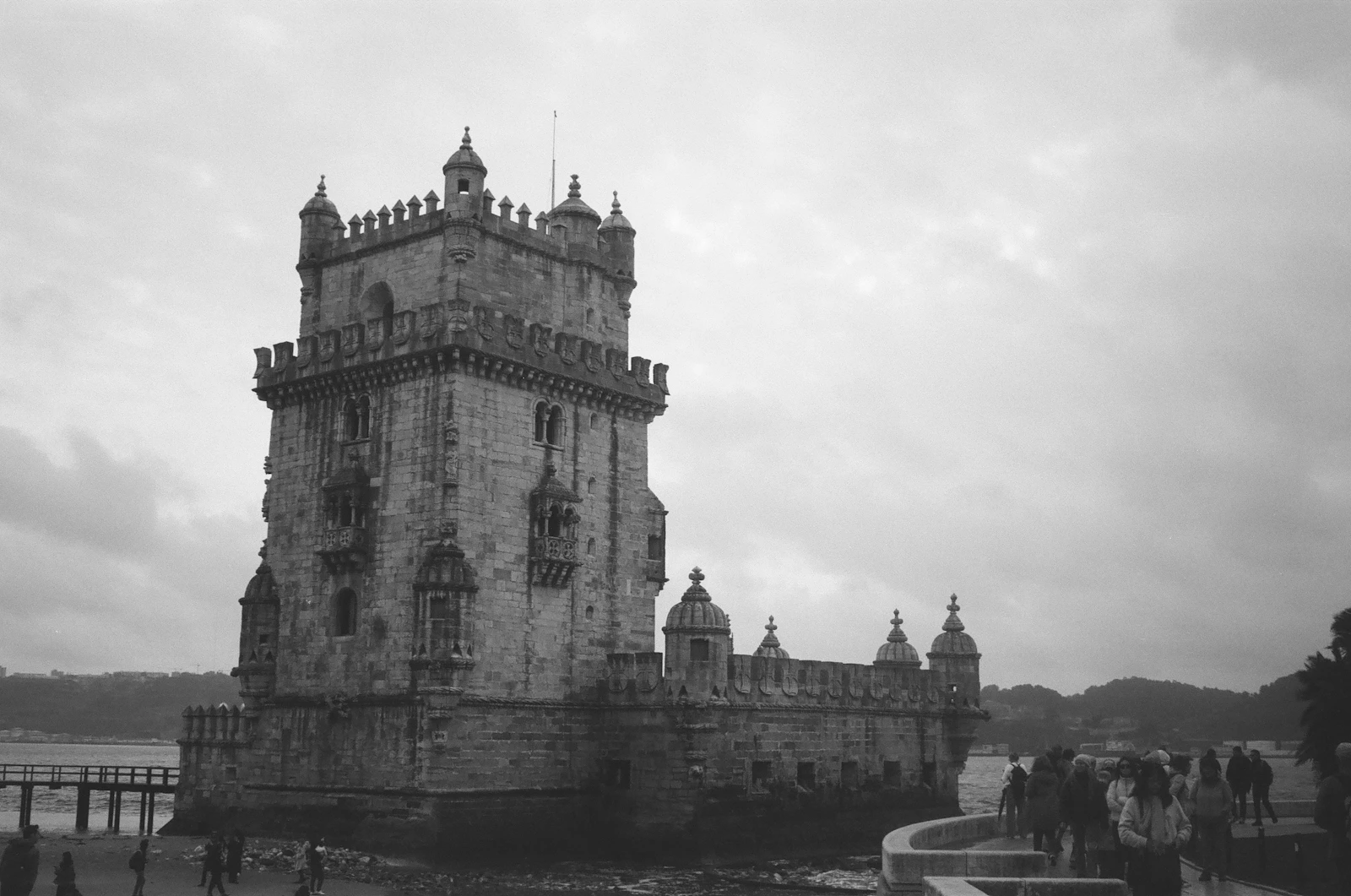 Belém's riverfront monuments mark where Portugal's age of exploration began.
Day 4: Sintra Day Trip
Sintra is the classic Lisbon escape and deserves a full day. Take the early train and choose two main sites rather than trying to see everything. Pena Palace and Quinta da Regaleira make a strong pair if you like architecture and gardens, while the Moorish Castle adds a more rugged, historic feel.
Once you arrive, local buses and short taxi rides connect the town to the hilltop sites. The lines build quickly, so an early start makes the day feel smoother. If the palaces are crowded, spend more time in the gardens and keep the palace interiors short.
Expect uphill walking and cooler temperatures than Lisbon. Pack water and a light layer. Keep lunch simple and enjoy the town center before returning to the city in the late afternoon.
If you still have energy, take a short walk through the town center before the train back. It is a calm way to close a busy day.
The value of Sintra is contrast. One day among forests and palaces makes the rest of the week feel even more vibrant.
Try to pick two main sites and one small add on at most. That keeps the day enjoyable and reduces time in lines. A lighter plan here makes the rest of the week feel better.
Pack a light snack so you are not waiting in long lunch lines at peak times. A simple plan and a bit of flexibility will make this day one of the best of the week.
Aim to catch an earlier train back if you want a quiet evening in Lisbon.
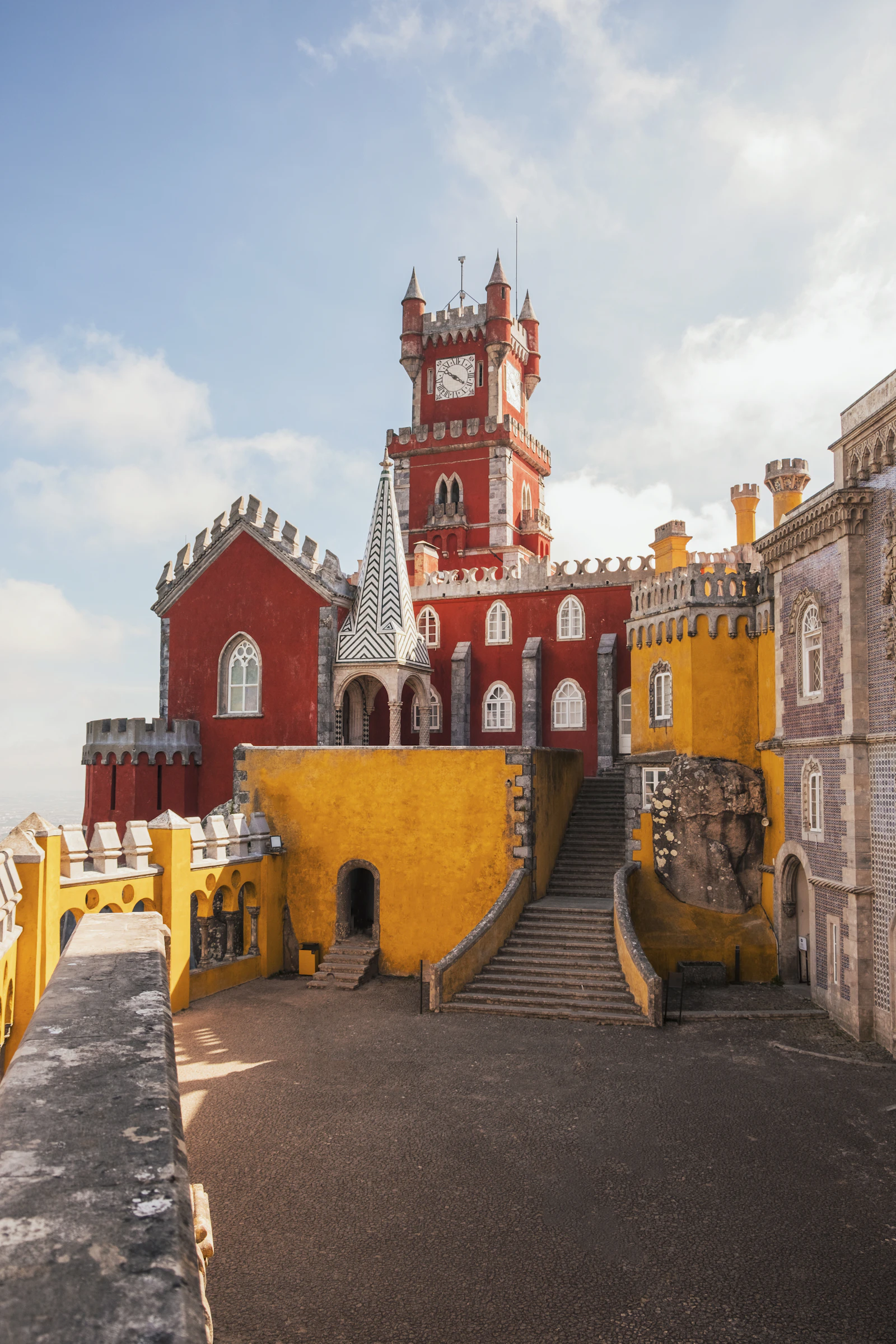 Sintra's candy-colored palaces justify the half-hour train ride from Lisbon.
Day 5: Cascais and the Coast
Use Day 5 for the coast. Cascais is an easy train ride and gives you a different rhythm with beaches, seaside walks, and a small town feel. Start with a waterfront walk, then choose a beach or a relaxed lunch in the town center.
If you want more time on the water, walk the promenade or rent a bike for a short coastal ride. The route is flat and makes for an easy half day without much planning.
If you want more scenery, walk toward Boca do Inferno for coastal views and a short cliffside path. The day is about ocean air and a slower pace, so keep the plan simple. Return to Lisbon in the late afternoon for a relaxed dinner.
You can also stop in Estoril on the way back for a brief stroll if you want another seaside view. Keep the evening light so the next day feels fresh.
The insight on Day 5 is to treat the coast as a reset. The ocean breaks the city routine and makes the final days feel fresh.
If you prefer a quieter beach, walk a little farther from the main town center before settling in. The coastline is easy to follow and makes for a simple, low stress day.
Carry a light layer for the ocean breeze and keep the day flexible. A long coffee by the water can be just as satisfying as a long beach session.
The old town lanes in Cascais are also worth a short wander, especially if you want a break from the sand. Keep your pace gentle and the day will feel restorative.
If you want more walking, the coastal path gives you open views without much elevation.
A short cafe stop with ocean views is an easy way to slow the day even more.
Day 6: Neighborhood Depth and Local Life
Day 6 is for the neighborhoods that make Lisbon feel lived in. Start in Principe Real for a morning garden break, then walk toward Estrela and Campo de Ourique for a quieter, local feel. These areas have good cafes, small shops, and a slower pace than the center.
If you want a landmark here, the Estrela Basilica and the garden across the street are an easy stop and a calm place to sit. Campo de Ourique has a solid market hall for a relaxed lunch without tourist crowds.
Choose one market or food hall for lunch, then keep the afternoon open. A short museum visit, a bookstore, or a second viewpoint is enough. The goal is to feel the city's everyday rhythm rather than chase more landmarks.
In the evening, you can return toward Bairro Alto or Principe Real for dinner, but keep it casual. The day is about local texture rather than big sights.
A gentle insight for Day 6 is that this is where Lisbon becomes personal. The week feels complete when you spend time in a neighborhood that is not on every first timer list.
If you want another quiet stop, a small garden bench or a local bakery is often the best way to end the afternoon. These small pauses are what make the neighborhood days feel restorative.
If you want a simple cultural stop, a small gallery or neighborhood bookstore is easy to fit in and keeps the day low key.
A relaxed dinner in a local tasca is the perfect close to this neighborhood heavy day.
If you want one last viewpoint, choose a small hilltop garden nearby rather than crossing the city.
A calm plaza in the early evening is often enough to close the day.
A short stroll after dinner is plenty here.
Day 7: Slow Lisbon and Favorites
Use your last day to return to the places you loved most. A second visit to a viewpoint at a different hour can change the mood. If you missed a museum, fit it in now. If you want a final river walk, keep it long and unhurried.
You can also take a short ferry ride across the Tagus for a different skyline angle, then return for lunch near the center. This is a gentle way to add something new without a full day trip.
This is also a good day for small shopping or a long cafe sit. The goal is to leave without feeling rushed. A quiet lunch and a final sunset are often more memorable than one more monument.
If you have time, revisit a favorite pastry shop or market stall. That small repeat makes the week feel complete and personal.
The final insight is to end with repetition, not novelty. Lisbon feels best when you give it time to repeat itself.
If your departure is late, use the afternoon for a slow walk through your favorite streets and a final coffee. It keeps the end of the week calm and lets the city settle into memory.
This is also a good moment to pack slowly and double check your plans for the next day. A calm exit makes the whole week feel smoother.
If you need a final task, pick up small gifts or pantry items near your base so you are not rushing later.
An easy final plan is a long lunch, a short river walk, and one last miradouro before sunset.
If you are flying out, check transit timing once the evening crowds thin out so the morning feels simple.
The goal is to end the week without a last minute sprint.
Keep it easy.
Eat, Drink, and Linger in Lisbon
Lisbon meals are simple and slow. Start with a light breakfast, make lunch the main meal, and keep dinner relaxed. Seafood is the local strength, with grilled fish, seafood rice, and bacalhau dishes appearing on most menus.
Pastel de nata is essential, but do not overlook neighborhood bakeries. Coffee is quick and inexpensive, so a mid afternoon cafe break is an easy ritual. If you want wine, try a glass with dinner and keep the rest of your meals casual.
If you want local street food, try a bifana sandwich or caldo verde. Grilled sardines are a seasonal highlight, and ginjinha is a classic small glass to try in the evening. Vinho verde is a light pairing that works well with seafood.
A useful pattern is one special meal on the river and the rest in small neighborhood spots. That keeps the week varied without blowing the budget. Lisbon rewards time at the table, so plan meals as anchors rather than quick refuels.
Principe Real and Bairro Alto are good for late dinners, while Cais do Sodre is convenient for a quick market meal. Reserve one dinner if there is a specific spot you want, but keep most meals flexible so you can follow the neighborhood energy.
If you want a fuller breakfast, set aside one morning for eggs, bread, and fruit at a neighborhood cafe. It is a slow start that pairs well with a lighter afternoon.
Markets are excellent for tasting a few items without committing to a full meal. Pick two or three small plates, then move on. That variety keeps the week interesting and easy to budget.
Dessert is easy to fit in every day, and a simple pastry with espresso is a classic way to end a meal.
Petiscos style dinners are great when you want variety without a heavy meal.
Cultural Experiences Not to Miss
Fado and Evening Culture
Lisbon is older than Rome by about 400 years, making it one of the oldest cities in Western Europe.
Fado is Lisbon's emotional heart. With a full week, experience it in different settings—traditional Alfama houses, modern clubs in Bairro Alto, or spontaneous performances in neighborhood bars. The songs are melancholic and powerful; no translation needed. Let one or two fado evenings anchor your trip.
Markets and Local Shopping
A week lets you explore Lisbon's markets in depth. Time Out Market for curated food, Feira da Ladra for flea market finds, LX Factory for design and creativity. Príncipe Real's Sunday market and the Mouraria neighborhood reward browsing. Return to favorites and discover new corners.
Miradouro Culture
Lisbon's viewpoints are where the city breathes. With extra days, visit multiple miradouros at different times—sunrise at Graça, sunset at Senhora do Monte, evening at Santa Catarina. Bring a drink, find a spot, and let the light change. The miradouros are free, social, and essential.
Practical Tips for Travelers
Language
Portuguese is the official language. English is widely spoken in tourist areas. A few basics—olá (hello), obrigado/obrigada (thank you), por favor (please)—are appreciated. Portuguese differs from Brazilian Portuguese, but efforts are always understood.
Etiquette
Portuguese culture is warm but measured. Greet shopkeepers when entering. Tipping isn't required but rounding up or 5-10% is appreciated. Dinner is late—9pm or later. In fado houses, silence during performances is expected. Dress is casual but neat.
Safety
Lisbon is very safe. Watch for pickpockets on Tram 28 and in crowded areas. The hills are tiring—pace yourself and wear comfortable shoes. Cobblestones can be slippery when wet. The city is easy to navigate and welcoming at all hours.
Travel Costs and Budgeting
Lisbon remains good value, but a week adds up. A modest daily budget might be $60 to $90 without accommodation. Mid range travelers often land around $110 to $160 with a few paid sites and better meals. Premium budgets rise with boutique hotels and private tours.
Book Sintra tickets ahead during peak season and reserve any popular restaurants you do not want to miss. For transport, a reloadable metro card plus occasional day passes is usually enough. Trams and short rides are useful when the hills feel heavy.
Day trips add extra costs for tickets and transport, so set aside a small buffer for those days. If you skip a paid site, you can shift that budget to a special meal without changing the overall total.
The biggest savings come from pacing. One paid site per day is plenty, and viewpoints are free. Choose one splurge meal and keep the rest simple. A small daily buffer for coffee and snacks keeps the week comfortable without surprises.
Lodging prices rise quickly in peak months, so book early and choose a central base to save transit time. Many small museums are inexpensive, and mixing them with free walks keeps the budget steady.
If you want to keep costs low, combine a day pass with one lighter walking day and you will balance transit expenses across the week.
Set aside a small daily buffer for coffee and quick snacks and you will avoid surprise costs.
If you plan to use trams often, consider a day pass on your heaviest transit day and stick to walking on the others. That small shift keeps costs predictable.
Day trips can be the biggest single expense, so decide early which one matters most to you. A clear choice keeps the rest of the week balanced.
Small tips and souvenirs are easy to forget, so leave a little extra room.
If you have extra days, consider combining your Lisbon trip with Madrid and Barcelona — all easy to reach and covered in our PTO-optimized travel guides.
To maximize your days off without extra PTO, use the free Holiday Optimizer to find bridge days around public holidays for your Lisbon trip.
Quick Takeaways
- Split the week between the historic core, Belem, and two day trips.
- Use Sintra for palaces and Cascais for coastal air.
- Build in a daily viewpoint break to slow the pace.
- Keep Day 6 for local neighborhoods and smaller streets.
- Make lunch the main meal and keep dinners relaxed.
- Use trams and the metro to save energy on hills.
- Use the Holiday Optimizer PTO calendar to plan which days to take off for your Lisbon trip.
Conclusion
Lisbon rewards travelers who balance the must-see landmarks with slower neighborhood exploration. With a week and a clear daily rhythm, you can experience the city's cultural highlights while still leaving room for the spontaneous moments that make a trip memorable. Use this guide as your starting point, but stay open to detours—some of the best Lisbon moments happen when you wander off the planned route.
Ready to maximize your time off?
Find the best Lisbon travel windows
Frequently Asked Questions
Is one week too long in Lisbon?
No. A week lets you add day trips and still move slowly through the city.
Which day trip is better, Sintra or Cascais?
Both are great. Sintra is for palaces and gardens, Cascais is for ocean air and beach time.
Where should I stay for a week in Lisbon?
Baixa and Chiado are central and flatter, while Principe Real offers a more local feel with good food.
What is the best time to visit Lisbon?
Spring and fall offer the best walking weather and fewer crowds.
Do I need a transit pass?
A reloadable metro card is usually enough, but a day pass helps on heavy transit days.
References
- Visit Lisboa Official Tourism Website
- Jeronimos Monastery Official Site
- Parques de Sintra - Pena Palace and Quinta da Regaleira
- Cascais Tourism Official
- Lisbon Travel Guide - Lonely Planet
Share Your Thoughts
If this Lisbon 7-day itinerary helped you plan, share it with a friend who loves viewpoints, coastal air, and slow city days. Which part of the week sounds most like your style?