Barcelona in 4 Days: Long Weekend Itinerary & PTO Planner for 2026
Plan a Barcelona city break with Sagrada Familia and Park Guell visits, Gothic Quarter exploration, La Boqueria market walks, and beachside dining tips for 2026.
Introduction
Barcelona is a city of layers: Gaudi curves, Gothic stone, and a Mediterranean rhythm that slows the clock. Four days is the perfect window to experience its highlights without turning your trip into a sprint. This Barcelona 4-day itinerary balances architecture, neighborhoods, food, and beach time so the weekend feels full but never frantic. Use this guide to plan your four-day trip.
You'll explore the big Gaudi icons, wander the medieval lanes of the old city, and carve out time for slow lunches and sunset walks. The plan groups each day by neighborhood to minimize transit and maximize wandering. If you have limited time, this keeps Barcelona vivid and personal instead of overwhelming.
Expect a weekend with two speeds: early starts for the most popular sights, and long afternoons that leave room for beach time, coffee breaks, or a museum detour. This rhythm helps you enjoy the city without feeling like you are racing through it.
It is built for first-timers and repeat visits alike.
Planning a longer trip? Check out our extended Barcelona itinerary covering 7-9 days of in-depth exploration. Use our PTO optimizer to find the best days to take off around your trip dates.
Why Barcelona Is a Must-Visit Destination in 2026
Gaudí's Masterpieces and Architectural Wonder
Barcelona stands out among European destinations for its unique combination of history, culture, and modern energy. Whether you are visiting for the first time or returning for a deeper look, 2026 is an excellent year to experience what makes this city special.
Mediterranean Lifestyle at Its Best
What sets Barcelona apart is the way daily life and cultural depth coexist. You will find world-class landmarks alongside neighborhood rhythms that reward slowing down and paying attention.
Planning Your Trip Essentials
Barcelona is compact, but the best days come from smart grouping. This itinerary uses a neighborhood-first flow so you are not zigzagging across town. Each day anchors around one main zone: Eixample and Gaudi icons, the Gothic Quarter and El Born, the Gracia hills and Park Guell, and a flexible final day with beaches or Montjuic.
The week is designed around two speeds. Mornings are for big sights, afternoons for shade and cafe breaks, and evenings for tapas and slow walks. You will see the essentials, but you will also have time to linger in plazas and let the city show you its quieter corners.
If you want more beach time, shift one cultural stop to the final day and extend your shoreline hours. If you want more architecture, swap a beach block for another Gaudi site. The framework is flexible. The goal is to keep travel light and energy steady while still covering Barcelona's signature experiences.
This is also designed for a single base. You can stay in one neighborhood and move efficiently each day without changing hotels. The plan assumes a midday pause and a slower dinner, which keeps the weekend enjoyable instead of exhausting.
Use the Holiday Optimizer to find the best days to book off around public holidays for your Barcelona trip.
Logistics for a Barcelona Long Weekend
Barcelona is walkable, but your experience improves when you plan around the heat and crowds. Spring and early fall are the most comfortable seasons, with warm daylight and fewer peak-summer crowds. Summer is lively but hotter, and winter is mild with a slower pace. Whatever the season, start your days early and plan a midday pause.
Choosing where to stay matters. Eixample gives you wide streets, modernist buildings, and easy transit access. El Born and the Gothic Quarter put you in the historic center with a lively evening scene. Gracia offers a neighborhood feel with quieter plazas. Barceloneta is best if beach access is your priority, but it is louder at night. Pick one base near a metro stop and you can reach everything without stress.
Public transit is efficient and easy to use. The metro is fast, buses are useful for scenic routes, and walking between close neighborhoods is often the best option. Buy a multi-ride card to simplify travel and keep some cash for small purchases and markets.
Pack for variety: comfortable shoes for stone streets, a light layer for evenings, and sun protection for daytime walks. The old city has narrow lanes, so pack light and keep valuables close in crowded areas. With a long weekend, a little planning goes a long way.
Barcelona is generally easy to navigate, but busy streets attract pickpockets. Keep your phone secure in crowded zones and avoid leaving bags unattended at cafes. If you build in a relaxed midday break, the city feels calmer and your evenings feel stronger.
If you plan beach time, bring a small towel and a reusable water bottle. A short swim and a long walk on the promenade can be the perfect reset between sightseeing blocks.
A relaxed afternoon break each day will keep your evenings strong.
Day 1: Gaudi Icons + Eixample Walks
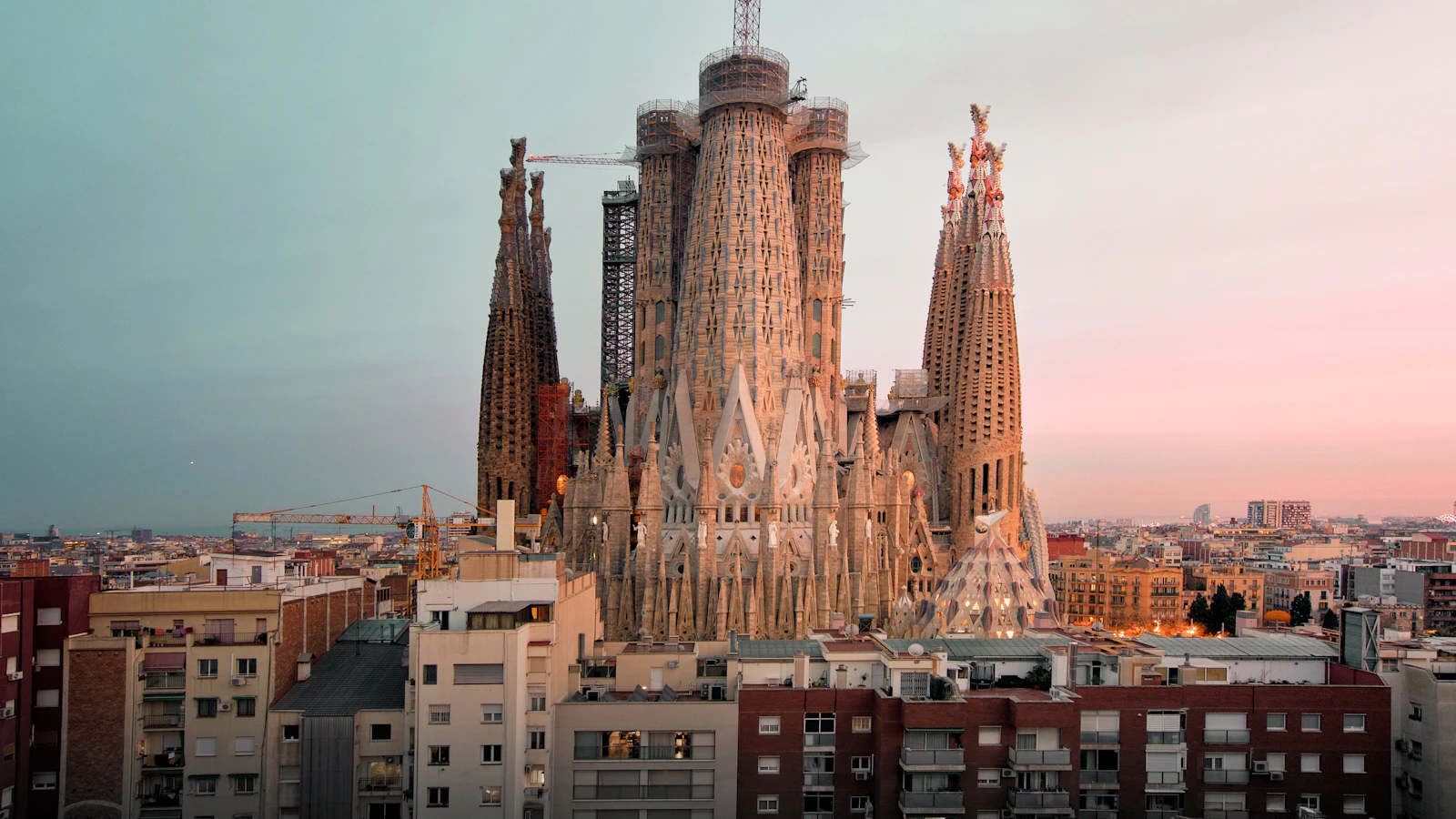
Day 1 is your architecture day. Start early at Sagrada Familia and book a timed entry so you can spend your morning inside instead of in line. Give yourself time to absorb the light and details. This is the city's signature monument, and it deserves unhurried attention.
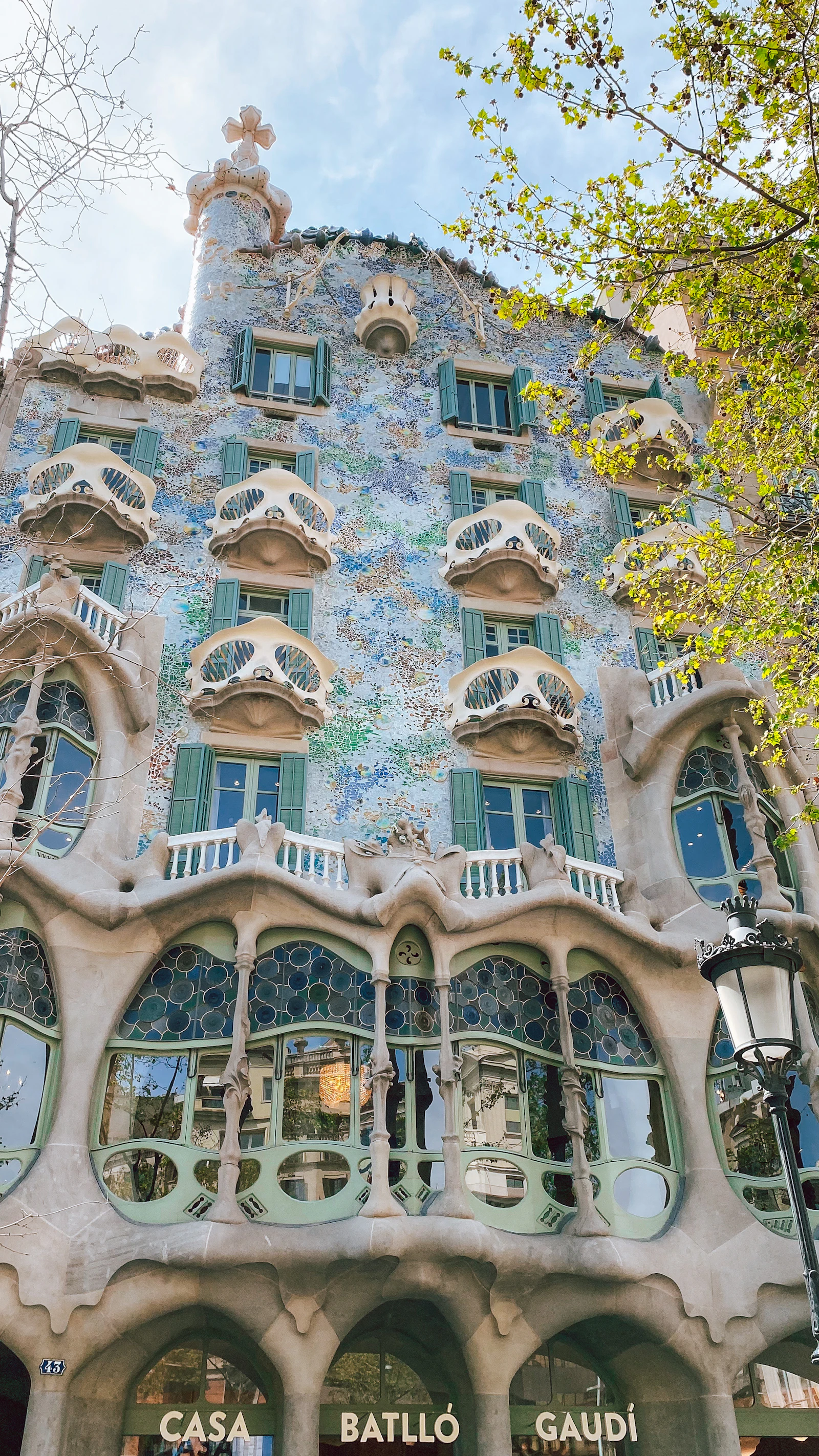
After Sagrada Familia, move through Eixample. This grid is full of elegant facades, tree-lined streets, and Gaudi houses. Choose one or two iconic buildings rather than trying to see everything. Casa Batllo and Casa Mila are the most famous, but the best experience is a relaxed walk along Passeig de Gracia with cafe stops in between.
Take a long lunch in Eixample, then use the afternoon for a slow neighborhood loop. This is a good time for a short museum visit or a shaded park break if the sun is strong. The point of Day 1 is depth, not volume.
End the day with a tapas dinner near your base. Pick a small bar, order a few plates, and keep it light. You have three more days, and a calm first night sets the tone for the rest of the trip.
If you want a small add-on, stop for a pastry or coffee on a side street and take a short stroll through a nearby plaza. Tiny pauses like this make Day 1 feel relaxed and memorable.
Book timed entries in advance and keep your afternoon flexible. A little breathing room lets you notice the architecture beyond the headline sites.
If your legs are tired, sit in a nearby park and let the city drift by for a while.
 The basilica sets the architectural tone for Day 1.
Day 2: Gothic Quarter + El Born + Waterfront
Day 2 moves into the historic core. Begin in the Gothic Quarter with a slow walk through its stone lanes and small plazas. This area is best experienced on foot. Keep your phone away in crowded spots and let the backstreets pull you in.
From the Gothic Quarter, drift into El Born. The pace changes here: more cafes, boutique shops, and tree-lined walks. This is a good place for a long coffee or a light lunch. If you want a cultural stop, add a small museum or a quiet church, then return to street-level wandering.
In the afternoon, head toward the waterfront. A walk to the marina or a beach stop in Barceloneta provides a Mediterranean contrast to the old city stone. If you prefer to skip the sand, use this time for a shaded promenade and a relaxed drink by the water.
As the evening arrives, plan a tapas crawl in El Born or a casual dinner near the beach. Keep the night flexible. Day 2 is about atmosphere, not a checklist, and the best moments often come from simple choices like a spontaneous gelato or a plaza bench at sunset.
If you want a quick market stop, visit a local food hall earlier in the day for a snack and some people-watching. Keep it short and move on before the crowds peak.
Keep valuables tucked away in busy lanes, and choose side streets when the main routes feel packed.
A short evening stroll along the waterfront can be the perfect end to Day 2.
 The Gothic Quarter and El Born are made for slow wandering.
Day 3: Park Guell + Gracia + Hill Views
Day 3 takes you uphill. Start at Park Guell early to avoid crowds and heat. The park is part art installation, part city overlook, and part garden escape. Walk slowly, take photos, and find a quiet bench to take in the views.
After the park, drop into Gracia. This neighborhood feels like a village inside the city. The plazas are the main attraction, so pick one and linger. It is a perfect spot for a long lunch, especially if you want a more local pace.
If you want more views, add a short hill walk or a lookout point in the late afternoon. The city looks different from above, and it is worth the gentle climb. Keep the rest of the day light so you can enjoy the golden-hour atmosphere without rushing.
Day 3 is about rhythm. It blends a major landmark with a slower neighborhood feel, which gives you a break from the intensity of the first two days. If you still have energy, this is a good night for a casual wine bar or a small concert. If not, enjoy a quiet dinner and an early night.
Gracia is best when you keep the pace slow. Pick one plaza, order something simple, and let the afternoon stretch out.
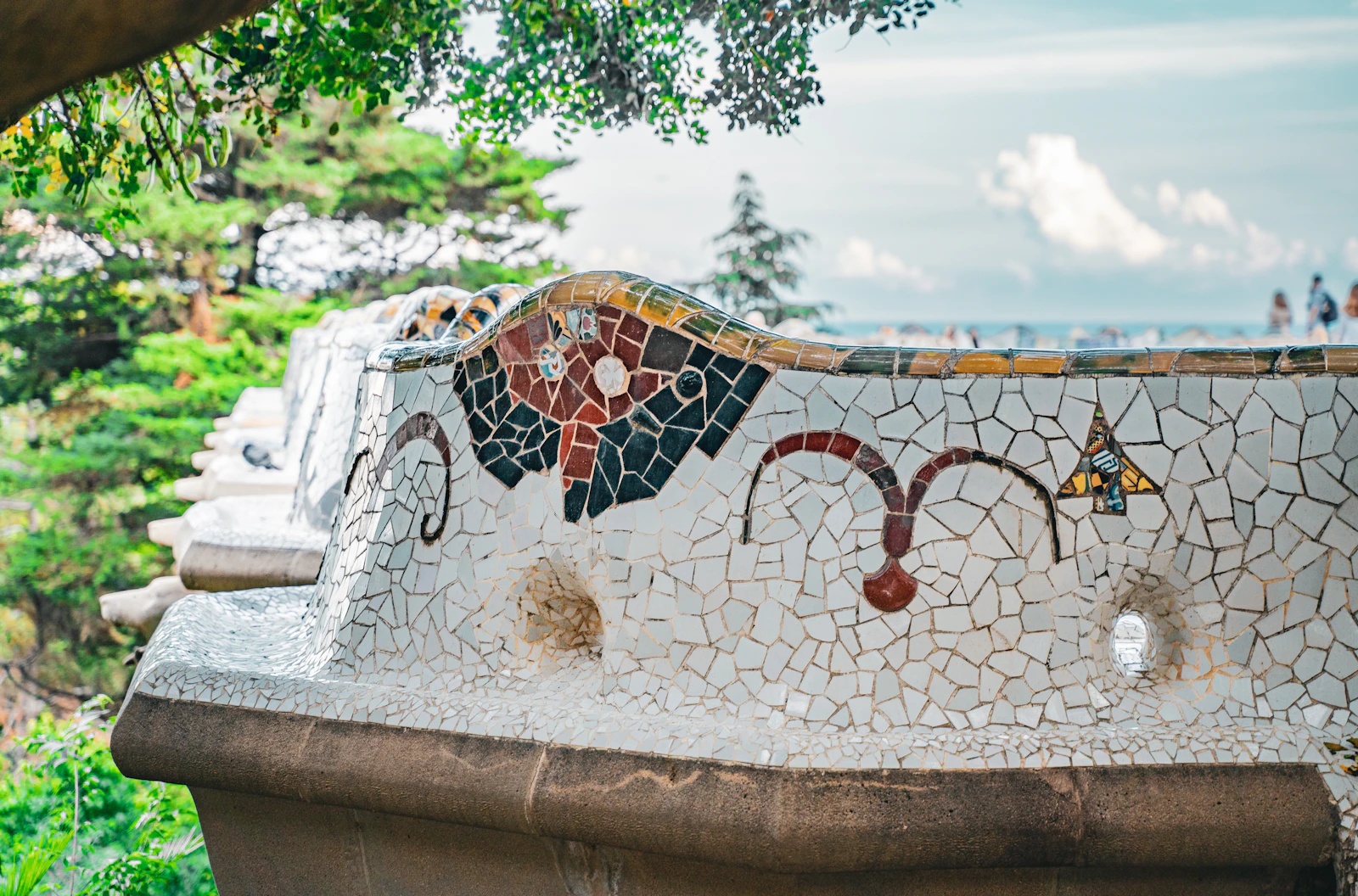 Gaudi mosaics and city views define Day 3.
Day 4: Flexible Day - Beach, Montjuic, or Museums
Day 4 is your flexible finish. If you want beach time, spend the morning on Barceloneta or a quieter stretch along the coast. Go early, keep it simple, and leave midday when the crowds build. If the beach is not your priority, choose Montjuic for gardens, viewpoints, and museums.
Montjuic is ideal for a slow, scenic day. You can ride a cable car for views, walk through gardens, or visit a museum. Keep it light and let the pace be gentle. This is also a great day for a long lunch and a final shopping stroll.
If museums are your priority, choose one or two and give them real time. Barcelona has strong art and design offerings, but the city itself is the best museum. The final day should feel open, not packed.
Close the trip with a sunset walk or a final tapas stop. The goal is a calm exit, not a rushed sprint to the airport. A long weekend ends best when the last memory is a slow one.
If you want one last neighborhood moment, return to a favorite plaza or cafe and watch the city move around you. A short walk and a long coffee can be the perfect goodbye.
If your flight is later in the evening, keep a light bag ready and use a final hour for a quiet promenade. You will leave feeling refreshed rather than rushed.
If the weather shifts, pivot to museums or covered markets instead of forcing a beach day. A rainy afternoon can be perfect for galleries, bookshops, and a slow indoor lunch.
If you still want a view without much walking, choose one lookout and spend time there rather than hopping between spots. One calm panorama beats three rushed ones.
Keep the day light so the trip ends with energy, not exhaustion.
Eat, Drink, and Tapas Playbook
Barcelona rewards food curiosity. Start with light breakfasts, then build toward a larger lunch and a late dinner. Tapas are best when you share several small plates rather than one large meal. Follow busy bars, order slowly, and leave room for surprises.
Mix classic dishes with modern spots. Try a simple seafood plate near the coast, a market snack in the old city, and one sit-down meal in Eixample or Gracia. This balance keeps the trip flavorful without overspending.
If you are sensitive to crowds, eat slightly earlier than the main rush. If you love atmosphere, go later and enjoy the buzz. Either way, plan one long meal where you do not check the time. It is part of the Barcelona rhythm.
Consider the local lunch culture. A longer midday meal gives you a break from the heat and sets up a calmer afternoon. It also keeps you from snacking too much before dinner.
If you want a structured food moment, plan a short tapas crawl with two or three stops. Order one or two plates per bar and move on. You will taste more and avoid the heavy, sluggish feeling that comes from one big meal.
Hydration matters, especially if you are walking all day. Carry water, pause in the shade, and use cafes as cooling stations. Food in Barcelona is as much about pacing as it is about taste.
Look for a simple lunch menu if you want value without sacrificing quality. A set midday menu keeps costs predictable and gives you a real local rhythm.
If you want one standout meal, reserve it a day or two ahead. That small step removes stress and lets you focus on enjoying the evening.
Try a local vermouth or a glass of cava as a simple, classic Barcelona ritual.
Cultural Experiences Not to Miss
Vermouth Hour and Aperitivo Culture
Sagrada Família has been under construction since 1882 and is expected to be completed around 2026, more than 140 years after it began.
Barcelona takes its vermut seriously. Late morning or early afternoon, locals gather at bars for vermouth, olives, and chips—a ritual called fer el vermut. The Born and Gràcia neighborhoods have excellent spots. It's a slow, social tradition that sets the tone for the day. Pair it with a few tapas and you've found Barcelona's rhythm.
Markets and Local Shopping
La Boqueria is famous, but Barcelona has quieter markets worth exploring. Mercat de Sant Antoni (Sundays for books and vintage) and Mercat de Santa Caterina offer fewer crowds. Each neighborhood has its own small market for produce, cheese, and prepared foods. A market breakfast or lunch is a great way to eat well without reservations.
Evening Passeig
Barcelonans walk in the evening. The passeig (promenade) along La Rambla, the waterfront, or through Gràcia is a daily ritual. Join the flow, stop for a drink, and let the evening unfold. This is when the city feels most alive—families out, tapas bars filling up, and the Mediterranean light fading into warm street lamps.
Practical Tips for Travelers
Language
Catalan is the co-official language alongside Spanish. Signs, menus, and announcements use both. English is widely spoken in tourist areas. A few Spanish basics—hola (hello), gracias (thank you), por favor (please)—are appreciated. Saying bon dia (Catalan for good morning) shows cultural awareness.
Etiquette
Spaniards eat late—lunch around 2pm, dinner after 9pm. Tipping is not required, but rounding up or leaving small change is common. Dress is casual but neat. At beaches, topless sunbathing is normal. In churches, cover shoulders and knees. Service may feel slower than you're used to—it's not rudeness, just a different pace.
Safety
Barcelona is generally safe, but pickpocketing is common in tourist areas—La Rambla, the metro, and crowded plazas. Keep bags zipped and in front. Avoid distracted phone use in busy areas. Beach theft happens; don't leave belongings unattended. Scams targeting tourists exist; decline street sellers and petition signers politely.
Travel Costs and Budgeting
Barcelona can be affordable, but the experience shifts based on where you spend. Decide early where to splurge: a Gaudi ticket, a nicer hotel, or a standout dinner. Then keep the rest of the trip simple and consistent.
Book your key attractions ahead, especially Sagrada Familia and Park Guell. Timed entry saves hours and makes the itinerary smoother. For a long weekend, one or two reservations are enough. The rest can stay flexible.
Use public transit and walk whenever possible. The city is compact, and walking is the best way to absorb the atmosphere. A multi-ride card makes short hops easy and avoids buying single tickets every time.
Set a soft daily budget and stick to it. A Barcelona travel budget weekend plan is not about cutting everything, it is about spending on what you will remember most.
If you want to save, book a simple hotel near a metro stop and spend more on experiences. Free activities add real value: beach time, neighborhood walks, and sunset viewpoints do not cost anything. A compact weekend can feel rich without a long list of paid tickets.
Avoid obvious tourist traps on the main boulevards. Walk one or two blocks away and prices drop while the quality rises. A little curiosity and a short walk often leads to your best meals.
If you plan multiple attractions, group them by day to avoid extra transit costs and time. You will spend less and feel less rushed.
Consider staying slightly outside the core and using the metro. The savings on accommodation can be significant, and the ride times are short.
If you are traveling in high season, book early for better options and prices. If you are visiting in shoulder months, last-minute deals can appear without sacrificing location.
A simple daily spending note on your phone helps you stay on track.
To maximize your days off without extra PTO, use the free Holiday Optimizer to find bridge days around public holidays for your Barcelona trip.
Frequently Asked Questions
These quick answers help you shape a Barcelona 4-day itinerary that feels realistic and relaxed. Use them as a final check before you lock in bookings. If your plan feels heavy, remove one attraction and add a longer break. A calm pace makes the city more enjoyable.
Is four days enough for Barcelona?
Yes. Four days is enough to see the Gaudi icons, explore key neighborhoods, and enjoy the beach without rushing. The key is grouping your days by zone. A long lunch each day keeps the pace sustainable. You can always return for deeper dives later.
Where should I stay for a long weekend?
Eixample is central and well connected. El Born is lively and historic. Gracia is quieter and local. Pick one base near a metro stop and you will be fine. If you want more beach time, stay closer to the waterfront. If you want quieter nights, choose a side street rather than a main avenue.
Do I need to pre-book Gaudi sites?
Yes. Timed entry for Sagrada Familia and Park Guell saves time and reduces stress. Book early if you are traveling in peak season. Morning slots are often the most comfortable. Afternoon slots can be beautiful for light, but are busier.
What is the best way to get around?
Walk when you can and use the metro for longer distances. The city is compact, and most major areas connect well by transit. Buses are great for scenic routes along the coast. Plan one longer walk per day and the rest will feel easy.
Is Barcelona safe for a weekend trip?
Yes, especially in the main areas. Be mindful of pickpockets in crowded zones and keep valuables close. A small crossbody bag keeps essentials secure. Keep phones out of back pockets in busy streets.
References
- Barcelona Tourism Official Website
- Sagrada Familia Official Site
- Park Güell Official Website
- Montserrat Visitor Information
- Nomadic Matt's Barcelona Itinerary Guide
If you have extra days, consider combining your Barcelona trip with Madrid, Lisbon, and Milan — all easy to reach and covered in our PTO-optimized travel guides.
Quick Takeaways
- Group days by neighborhood to reduce transit time.
- Start early and protect a midday break.
- Book Gaudi tickets in advance.
- Balance architecture with beach or park time.
- Use tapas meals to slow the pace.
- End with a flexible final day.
- Use the Holiday Optimizer PTO calendar to plan which days to take off for your Barcelona trip.
Conclusion
A great Barcelona 4-day itinerary balances icons with atmosphere. You will see Gaudi, wander medieval lanes, and still have time to sit in a plaza with a drink in hand. The structure above keeps your days organized without turning the trip into a checklist.
If you take one thing from this plan, let it be this: Barcelona is better when you slow down just enough to notice its details. Give the city time, and it will give you the magic.
If you want to personalize the trip, swap a beach block for a museum or add a second Gaudi site. The structure holds even when the details change, which is why a long weekend works so well here.
Leave a few blank hours on your calendar. Those unplanned moments often become the highlights you remember most.
Barcelona is the kind of city that invites return visits. Leaving a few things undone is part of the charm, and it gives you a reason to come back.
If you keep a short list of places you skipped, planning the next trip becomes even easier.
A relaxed ending will make the whole weekend feel more memorable.
That sense of ease is the best souvenir you can bring home.
Ready to maximize your time off?
Find the best Barcelona travel windows
Share Your Thoughts
If this guide helped, share it with a friend planning a Barcelona itinerary 4 days trip. What was your favorite neighborhood, and what would you do differently next time?
If you have a favorite tapas bar or viewpoint, leave a note so we can keep improving these guides.
What would you add if you had one extra day?
Your tips help other travelers plan better weekends.
Enjoy the city and travel well.