Dubai in 7-9 Days: Extended Vacation Itinerary to Maximize PTO in 2026
Plan a week-long Dubai adventure with Burj Khalifa visits, Abu Dhabi day trips, desert safaris, Marina walks, and luxury dining at approachable prices for 2026.
Introduction
A full week in Dubai gives you room to see the headline icons and still understand the city's older layers and desert edge. Four days is a highlight reel. Seven days is a story. This Dubai 7-day itinerary blends the big skyline moments with heritage districts, beach time, and a full day in Abu Dhabi, while leaving space for rest in the hottest hours. Use this guide to plan your extended trip.
You will start in Downtown Dubai, cross the creek in Old Dubai, spend a night under desert skies, and end with marina and Palm views. The plan keeps mornings for walking, afternoons for indoor sights, and evenings for skyline light. It also adds one flexible day for a theme park, art district, or Hatta escape depending on your style. If you want a trip that feels complete without burning you out, this is the right pace.
Expect a city that is polished on the surface and surprisingly textured underneath. The contrast is the point, and a week gives you time to feel it.
Short on time? See our Dubai 4-day itinerary for a focused long-weekend plan. Use our PTO optimizer to find the best days to take off around your trip dates.
Why Dubai Is a Must-Visit Destination in 2026
Architectural Ambition at a Scale Found Nowhere Else
Dubai stands out among Asian destinations for its unique combination of history, culture, and modern energy. Whether you are visiting for the first time or returning for a deeper look, 2026 is an excellent year to experience what makes this city special.
A Global Crossroads of Culture and Cuisine
What sets Dubai apart is the way daily life and cultural depth coexist. You will find world-class landmarks alongside neighborhood rhythms that reward slowing down and paying attention.
Planning Your Trip Essentials
Dubai is big and spread out, so the itinerary is built by neighborhoods. Days 1 and 2 focus on Downtown and Old Dubai. Day 3 balances a beach morning with a desert evening. Day 4 is for the modern waterfront around the Marina and the Palm. Day 5 is a full Abu Dhabi day trip. Day 6 is a flexible experience day, and Day 7 is a slow wrap-up with your favorite views.
Each day has one anchor experience and one flexible add-on. That keeps the schedule realistic and makes it easy to adjust for heat, crowds, or your energy. The plan also respects the local rhythm. Mornings are for walking and heritage areas. Midday is for malls, museums, or a pool break. Evenings are for skyline views and long dinners. This Dubai one week itinerary works best when you let the city come to you rather than racing between highlights.
If you are a culture-first traveler, spend extra time in Al Fahidi, museums, and old neighborhoods. If you are a beach-first traveler, extend Jumeirah or the Palm and shorten a shopping block. The structure remains the same. You are just turning the volume up or down on different themes.
The unique insight is to treat Dubai as a collection of small districts rather than one big city. That mindset turns long travel times into short hops and keeps your day feeling smooth. It also helps you avoid the most common mistake in Dubai: trying to do too much in the heat.
Use the Holiday Optimizer to find the best days to book off around public holidays for your Dubai trip.
Logistics for a Week in Dubai
The best time to visit Dubai is late fall through early spring when days are warm and evenings are comfortable. November through March is the sweet spot. Summer is extremely hot, so if you travel then, plan for early mornings, long indoor breaks, and late dinners.
Choose a base that aligns with your priorities. Downtown works well for Burj Khalifa and quick access to major malls. Dubai Marina is ideal for beach time and waterfront walks. Al Seef or Deira keeps you close to Old Dubai and the creek. If you plan to split your time, pick one base and accept longer rides on a few days. A single base keeps logistics simple over a week.
Transportation is easy once you understand the layout. The metro is fast for big corridors, especially between Downtown and the Marina. Taxis and rideshares fill the gaps. Buy a Nol card for metro and tram use. Walking is good inside neighborhoods, but do not expect to walk between them. A 15 minute taxi ride is normal, and that is part of the Dubai rhythm.
Dress is practical and respectful. Light fabrics are best, but keep a layer for air conditioning. Modest clothing is appreciated in heritage areas and religious sites. Friday is the busiest day for brunch and social activity, so plan Old Dubai or museums in the morning if you want quieter streets. Alcohol is available in licensed venues but is pricier than in many cities.
If you want to add Abu Dhabi, book the day trip early and plan a calm evening afterward. It is a full day, and your energy will be better if you avoid a late night on Day 4.
Hydration and timing matter. Plan outdoor walks for early morning or late afternoon and keep midday for indoor attractions, a pool break, or a long lunch. If you want a beach club day, reserve ahead on weekends. A small power bank, sunglasses, and a refillable bottle make long days easier in the sun.
Day 1: Downtown Dubai and the Skyline Core
Start in Downtown Dubai with the Burj Khalifa. Book a morning time slot for the observation deck to avoid the biggest crowds and hazy light. After the tower, walk the Burj Lake promenade and take in the surrounding skyline. This is the city at its most polished, and it is a strong opening statement for the week.
The Dubai Mall is massive, so approach it with a plan. Pick one or two zones: the aquarium viewing window, a specific food hall, or a fashion wing. Then exit to the boulevard streets for a quieter stroll. The contrast between the mall energy and the outdoor promenade is a good way to understand the city's scale.
Lunch works well inside the mall or nearby, then use the afternoon for a slow reset. If you enjoy art, the Dubai Opera district has occasional exhibitions and a calmer atmosphere. If you prefer green space, Burj Park offers a relaxed, grassy area with skyline views.
Return in the evening for the fountain show and sunset light on the tower. The show runs multiple times and is easy to catch between dinner and a waterfront walk. End the night with a dinner in Downtown or DIFC. DIFC is a more grown-up dining district and makes a great first-night treat. Keep the pace steady, because tomorrow you head to Old Dubai and will be on your feet more.
If you want a smaller add-on, step into Souk Al Bahar for a quieter look at the skyline and a different restaurant mix than the mall. It is a short walk from the fountain area and feels more relaxed. This is also a good night for an early bedtime so the week starts strong.
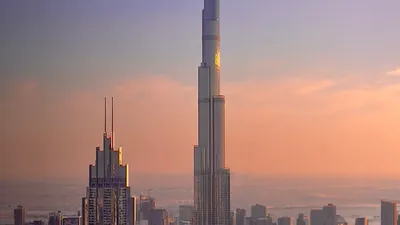
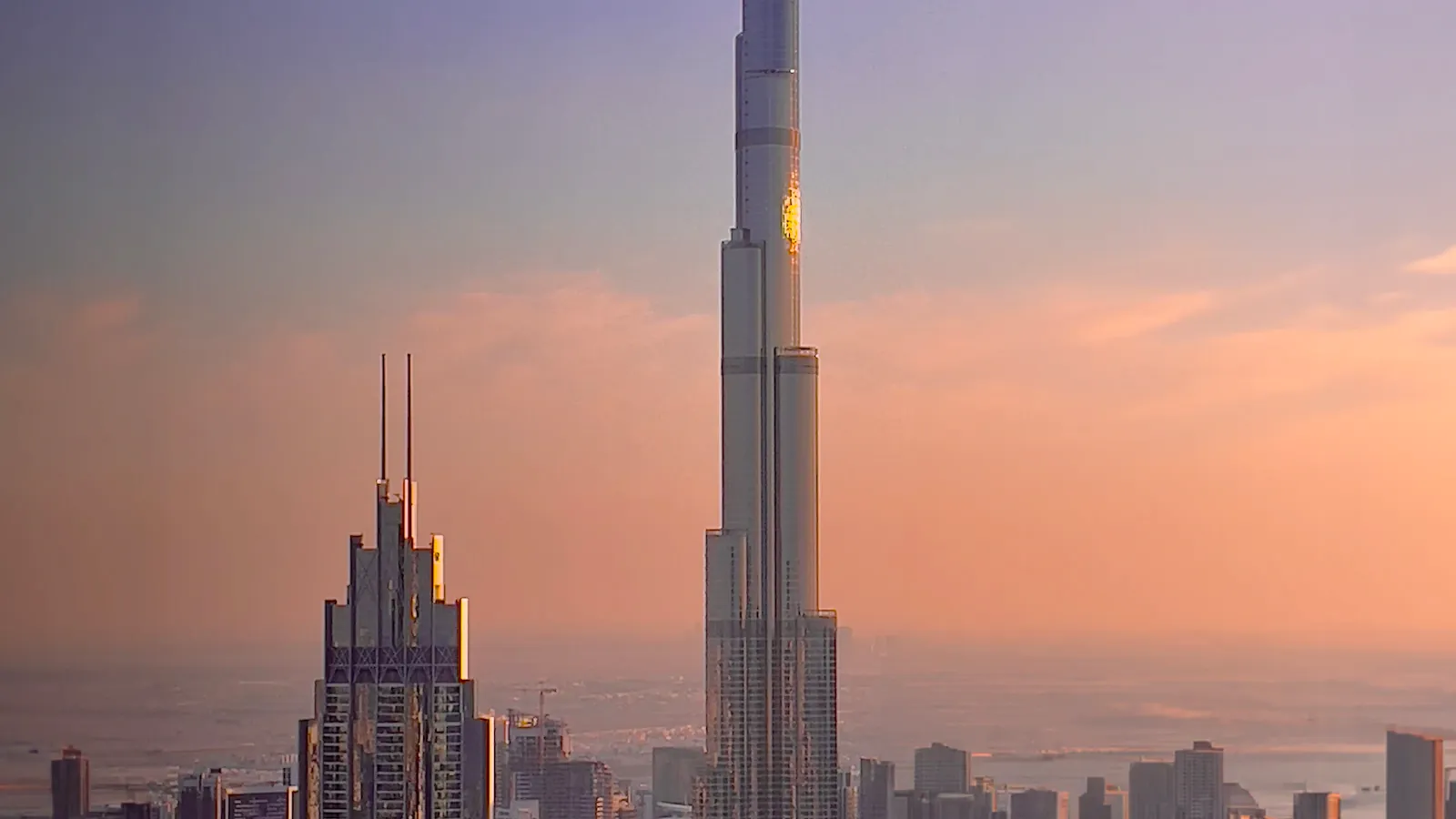
 The Burj Khalifa's silhouette dominates every Dubai skyline photo.
Day 2: Old Dubai, the Creek, and Heritage Layers
Day 2 is about the city before the skyscrapers. Start in the Al Fahidi Historical District and walk its narrow lanes. The wind towers and courtyards offer a glimpse of older desert architecture and a slower pace. Visit a small museum or cultural center for quick context, then continue to the creek.
Cross the Dubai Creek on a wooden abra. It is a short ride but one of the most memorable experiences in Old Dubai. On the other side, explore the Gold and Spice Souks. Keep it simple: browse, take in the colors and scents, and bargain gently if you plan to buy. The goal is atmosphere, not a shopping marathon.
Have lunch near the creek at a casual restaurant or along the Al Seef promenade, which blends heritage design with modern cafes. Al Seef makes a good afternoon stroll, especially as the light softens. If you want a small add-on, the Dubai Frame gives a panoramic view and a visual contrast between old and new.
In the evening, choose between a traditional meal near the creek or a rooftop view back in the modern districts. The insight today is balance: Old Dubai feels more intimate, and you will appreciate it more if you keep your pace slow and do not try to fit in every museum. Let the lanes and the water set the mood.
If you want a focused museum stop, the Al Shindagha Museum or the Coffee Museum are compact and add context without taking over the day. Keep your evening flexible and consider a short walk along the creek after dinner to see the area lit up.
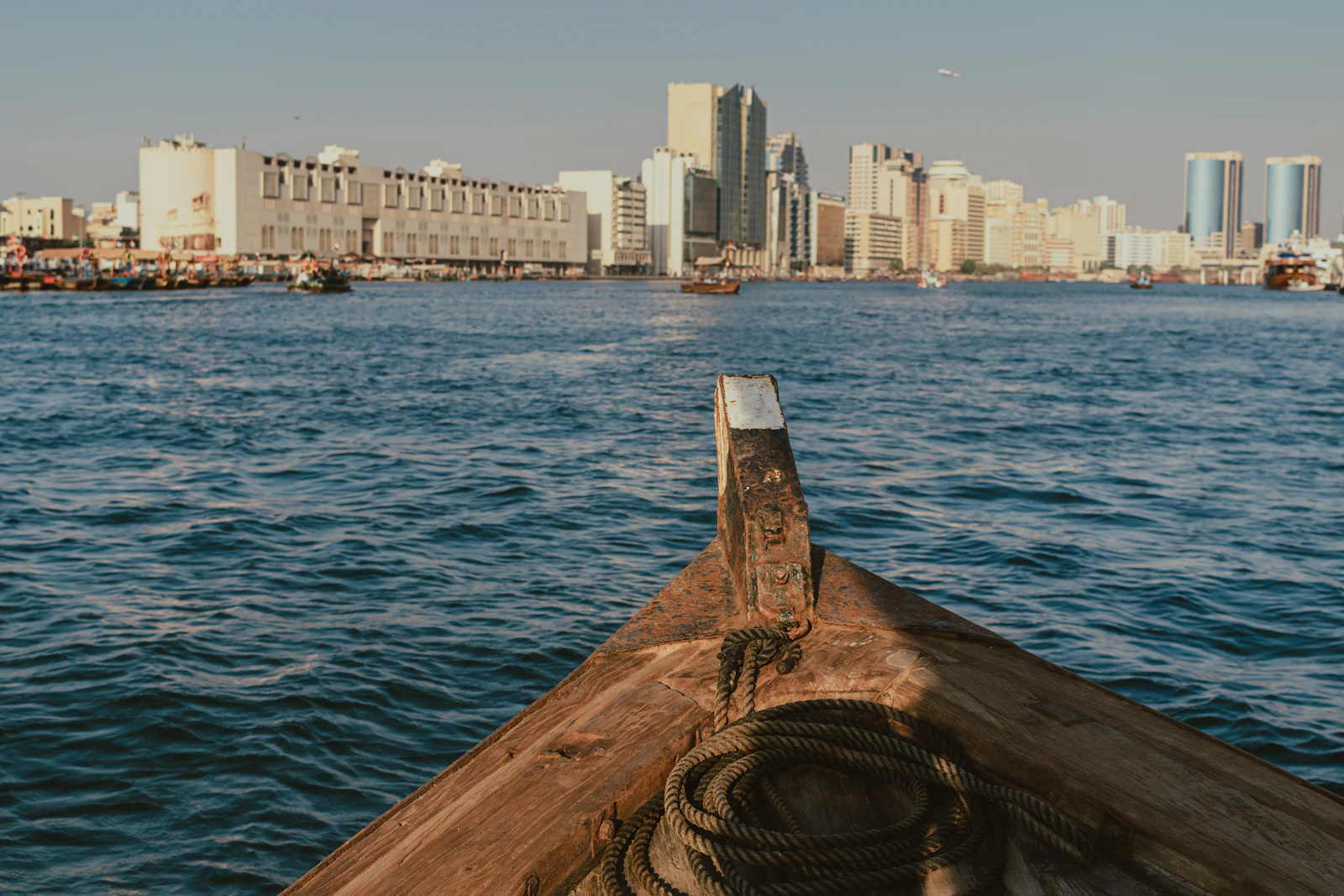 The Creek's wooden dhows and souks predate the skyscrapers by centuries.
Day 3: Beach Morning and Desert Night
Start with a beach morning in Jumeirah or at a hotel beach club. The goal is to enjoy the water before the sun peaks. A short swim and a relaxed breakfast by the sea reset your energy and set up the second half of the day.
Return to your hotel for a break, then prepare for a desert safari or overnight camp. A standard safari includes dune driving, a sunset stop, and a camp dinner. If you can, choose an overnight option. The desert at night is quiet, and the stars are a strong contrast to the city lights.
Pack light: scarf, sunglasses, and a thin layer for the temperature drop. If you prefer a gentler ride, choose a tour that emphasizes the sunset and cultural elements rather than aggressive dune driving. The experience is about the landscape, the light, and the silence between dunes.
If you stay overnight, wake early for a simple desert sunrise. Then return to Dubai late morning and keep the afternoon low-key. This is the most physically demanding day of the week, so do not plan a late night. A simple dinner near your hotel is enough.
Bring a small overnight bag if you camp, and leave valuables in your hotel. Desert camps vary in style, so choose a tour that matches your comfort level rather than the most intense option. The quieter the camp, the better the experience of the night sky and the early-morning silence.
If you do not stay overnight, schedule a long break after the safari so you are not rushing into a late dinner.
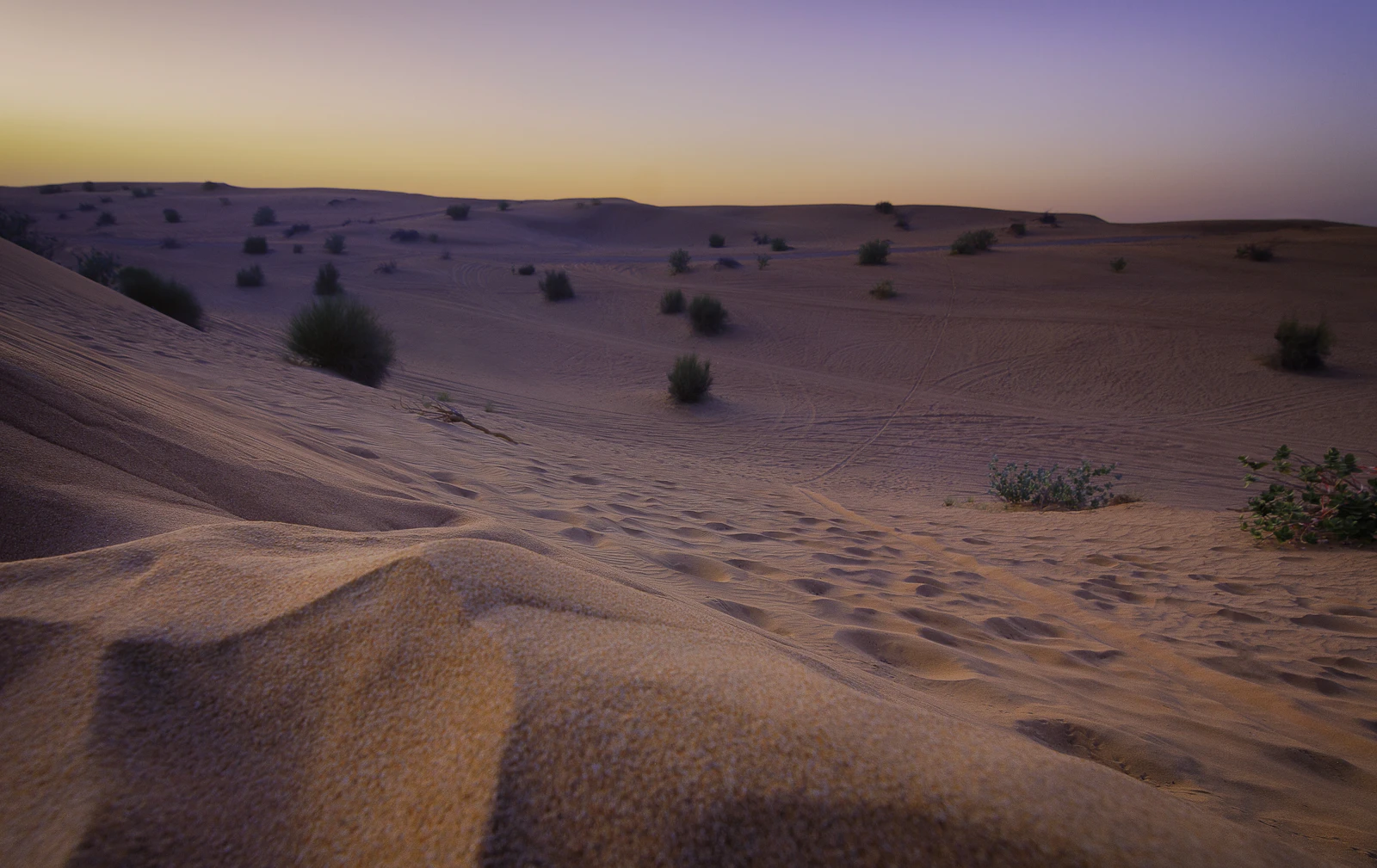 The desert at sunset strips Dubai back to sand, sky, and silence.
Day 4: Dubai Marina, JBR, and the Palm
Day 4 is about modern waterfront energy. Start with a walk around Dubai Marina. The promenade is lively but easy to navigate, and the skyline reflections on the water are impressive in the morning light. Grab coffee and take your time.
Move to JBR for beach time and a casual lunch. This area is busy but fun, with a long beach walk and plenty of cafes. If you want more views, head to the Palm Jumeirah. The monorail and a viewpoint stop give you a sense of the islands scale. A late afternoon visit works well because the light is softer and the heat has eased.
If you have the energy, add Bluewaters Island for a short walk and a different skyline angle. It is close and makes a good add-on without stretching the day. Otherwise, keep things simple and spend more time by the water.
End the night with dinner along the marina or on the Palm. This is a polished evening, and it rounds out the modern side of the city. Keep it relaxed. Tomorrow is a full day trip to Abu Dhabi.
If you want a small extra, a short marina cruise gives you skyline views without more walking. It is an easy add-on that fits the evening mood. Otherwise, choose a beach-side cafe and enjoy the breeze before dinner.
For a calmer daytime option, swap part of the marina walk with a quieter stretch of JBR or a short stop at a Palm viewpoint. This keeps the day balanced if the promenade feels crowded.
The tram is useful in this area, so use it for short hops if you want to reduce walking.
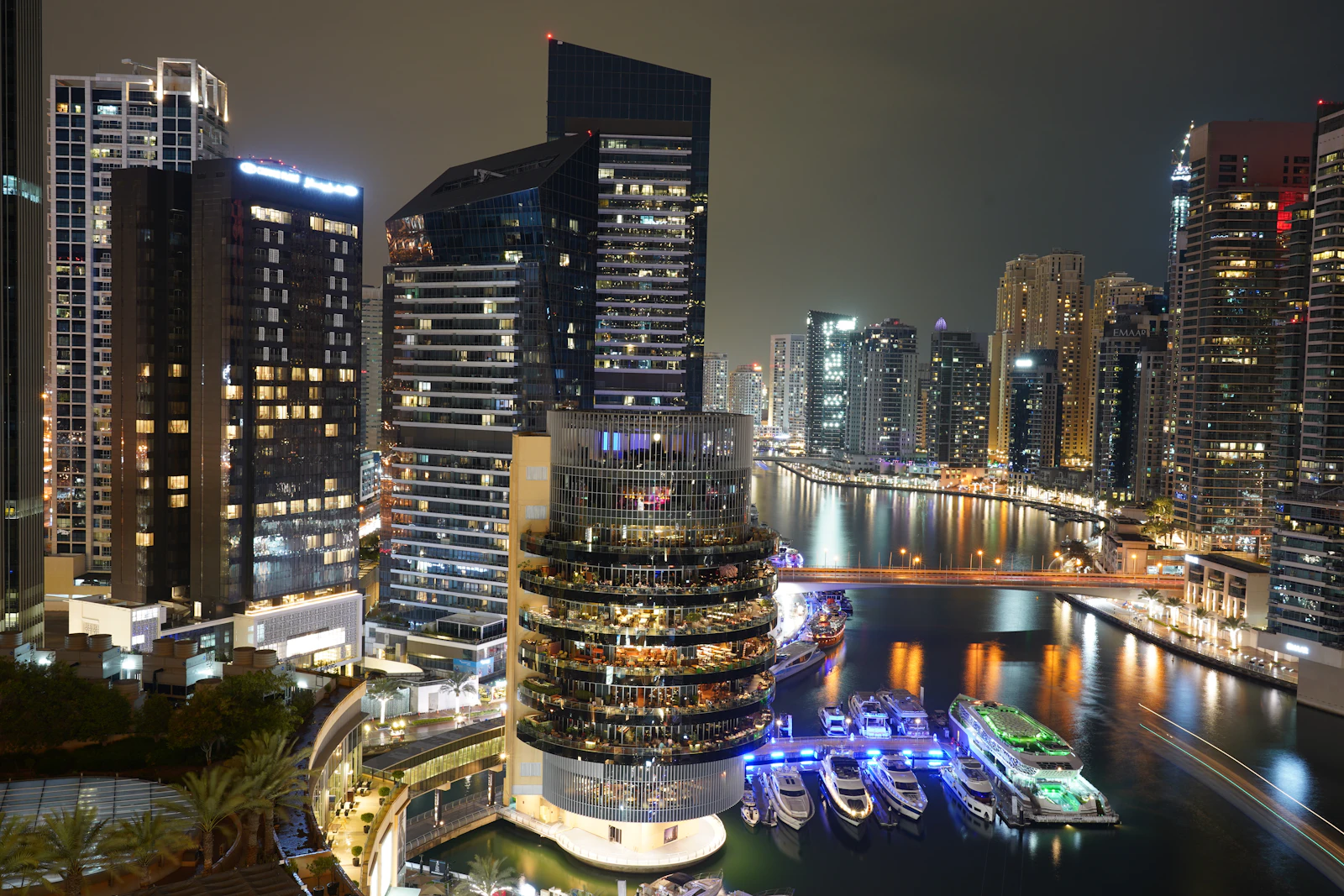 Dubai Marina at dusk pulses with the energy of a city that never stops building.
Day 5: Abu Dhabi Day Trip
Today is a full day in the UAE capital. Start early and head to Abu Dhabi by car or organized tour. The Sheikh Zayed Grand Mosque is the main anchor. The white marble, pools, and intricate craftsmanship make it one of the most beautiful sites in the region. Dress modestly and plan time to walk the courtyards.
After the mosque, head to the Louvre Abu Dhabi or the Qasr Al Watan palace, depending on your interests. The Louvre is strong for art and architecture, while Qasr Al Watan offers a more ceremonial view of Emirati culture. Both require time, so pick one rather than trying to do everything.
Lunch by the corniche or at a waterfront cafe is a good reset. Abu Dhabi feels calmer and more spacious than Dubai, which is part of the appeal. If time allows, add a short stop at the corniche or the Heritage Village for a lighter cultural break.
Return to Dubai in the evening and keep dinner simple. Abu Dhabi days are long, and you will enjoy the trip more if you plan a relaxed evening. The insight here is contrast: Abu Dhabi shows a different side of the UAE, and the trip makes your Dubai days feel more complete.
If you want to streamline the day, decide in advance whether the Louvre or Qasr Al Watan is your priority. Trying to do both can feel rushed. A single, focused visit paired with a calm corniche walk usually delivers a better experience.
Bring a light layer for the mosque interior and plan extra time for security and entry lines.
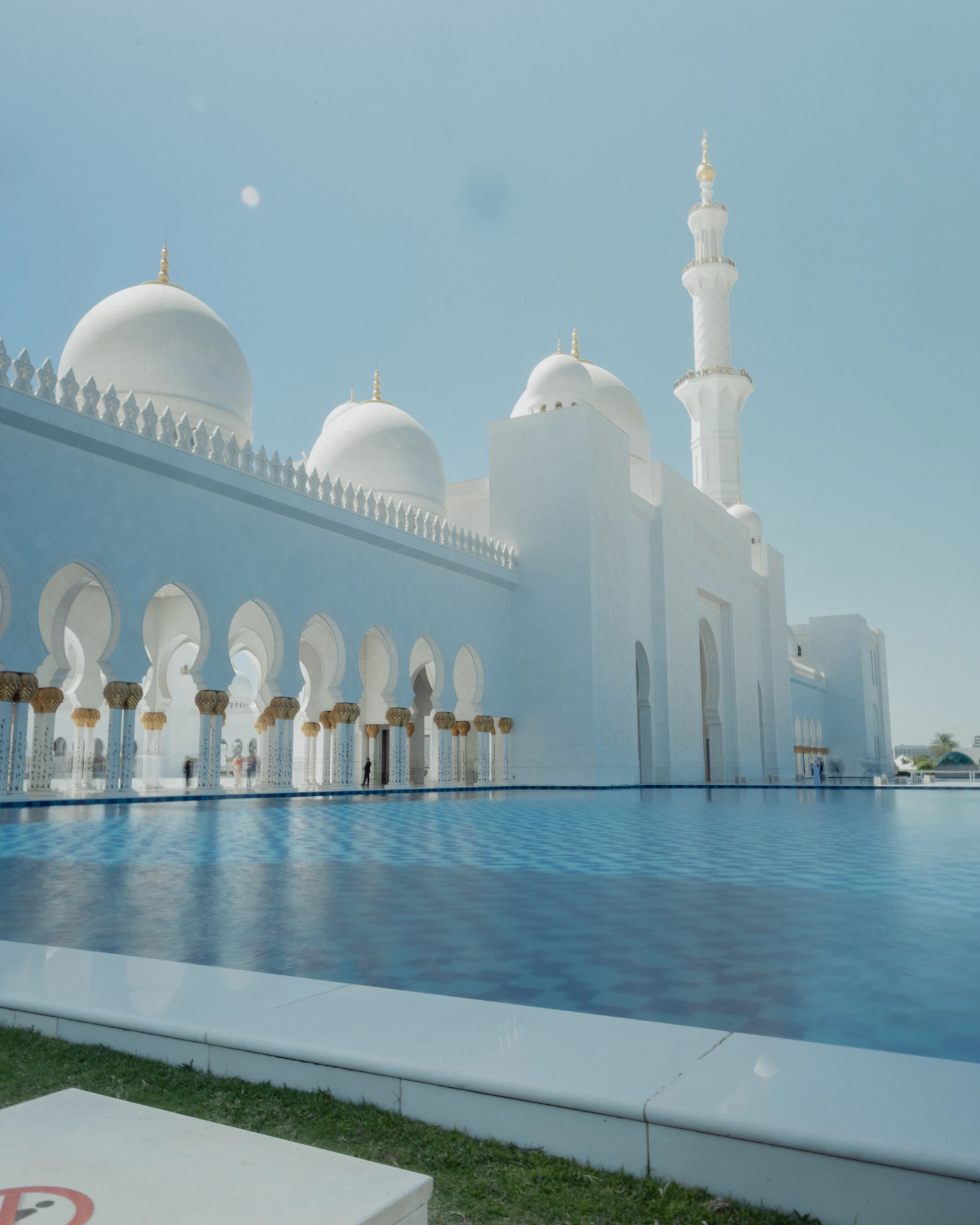 An Abu Dhabi day trip reveals a different kind of Gulf ambition.
Day 6: Flexible Experience Day
Use Day 6 to match your style. If you love theme parks, choose one in the Dubai Parks and Resorts area. If you prefer art and design, explore Alserkal Avenue, which offers galleries, studios, and cafes in a more local setting. If you want nature, consider a day trip to Hatta for mountains, a reservoir view, and a different landscape.
This day is also ideal for a deeper Jumeirah experience. You can visit a public beach, stop at a cultural center, and enjoy a longer, slower lunch. The idea is to choose one clear theme and keep the rest flexible. A full week makes this possible.
If you pick Hatta, go early and plan a simple day with a scenic walk and a quiet meal. If you pick Alserkal, go in the late morning and let yourself wander. This district is about texture rather than a checklist.
End the day with an easy dinner near your hotel. If you want one more skyline moment, a short rooftop stop is enough. By now you have seen the city from many angles, so treat this as a relaxed exhale rather than a final push.
If you are traveling with family, this is a good day for an aquarium visit or a kid-friendly attraction. If you are traveling as a couple, a spa morning or a long beach lunch can be the perfect change of pace. The goal is to choose one clear theme and let the rest of the day follow naturally.
Theme parks are best if you commit to one. Trying to combine multiple parks in one day usually feels rushed. Pick the experience that fits your group and treat it as the main event.
If you need reservations, book them the day before to lock in your preferred time.
Day 7: Slow Dubai and Favorites
Your final day is for favorites. Return to a neighborhood you loved, or visit a spot you skipped earlier. A slow walk in Zabeel Park or a final creek-side coffee can be a perfect goodbye. Keep the morning light and unhurried.
If you did not visit the Museum of the Future or a major cultural site earlier, this is a good time for a focused stop. Keep it short and pair it with a long lunch. The final day is about savoring, not sprinting.
End with a sunset view. The marina, a Palm terrace, or the Downtown promenade all work well. Choose the one that fits your mood. A calm dinner afterward is a fitting close to a week in a city that blends extremes.
The insight here is simplicity. You do not need to fill the last day with new attractions. You need a moment that feels like a real ending, and Dubai has plenty of places to provide it.
Use the afternoon to pack, confirm transfers, and slow down. A calm logistical reset keeps the departure smooth and lets you focus on the final evening. This is the day to choose ease over ambition.
If you want a small shopping stop, choose a local market or a design shop rather than another big mall. A short, focused visit feels more satisfying on the last day and keeps your energy intact.
A final breakfast with a view can be a simple highlight. Choose a cafe in your favorite neighborhood, take it slow, and let the week settle before your flight.
If you have time, a short spa visit or a calm pool hour is a good way to finish. It keeps the day restorative and helps you leave the city relaxed.
A short airport transfer check the night before keeps the final morning smooth.
Eat, Drink, and Linger in Dubai
Dubai dining is global. Start with Middle Eastern classics such as hummus, grilled meats, and fresh flatbread. Shawarma is the quick, satisfying option you can eat on the go. If you want Emirati flavors, look for traditional restaurants or cultural centers that serve dishes like machboos and slow-cooked lamb.
Brunch culture is big, especially on weekends. If you want one splurge, choose a Friday or Saturday brunch. Otherwise, food halls and casual cafes offer excellent value. The mix of cuisines is part of the city's identity, so let yourself explore beyond one style.
For drinks, mocktails and juices are popular, and coffee culture is strong. Rooftop venues are great for views but can be expensive. A good strategy is to plan one rooftop evening and keep the rest of your meals casual.
The unique insight is to balance convenience with a few special meals. Dubai can be expensive, but a thoughtful mix of markets, food halls, and one standout dinner keeps the experience high without overwhelming your budget.
If you want local sweets, try dates, baklava, or saffron ice cream near the souks. Late-night dining is common, so consider making dinner your main meal and keeping lunch lighter. This fits the city's evening energy and the cooler temperatures after sunset.
For a simple breakfast, look for a cafe serving manakish or a light mezze plate. These quick options are affordable and keep mornings easy. A mix of casual breakfasts and one or two standout dinners is the most sustainable approach over a full week.
If you want to sample street-style flavors in a comfortable setting, food halls are a good compromise. They let you try multiple cuisines without committing to a long sit-down meal.
Try a simple Arabic coffee with dates for a small cultural touch between sightseeing blocks.
Cultural Experiences Not to Miss
Arabic Coffee and Hospitality
The Burj Khalifa stands at 828 meters—so tall that residents on upper floors see the sun set several minutes after ground-level observers.
Arabic coffee (gahwa) with dates is a symbol of Emirati hospitality. With a full week, you can experience it in different settings: heritage villages, cultural centers, desert camps, and hotel lobbies. The ritual matters—small cups, brass pots, and the gesture of welcome. Let these moments slow the pace and connect you to local culture.
Souks and Local Shopping
A week lets you explore Dubai's souks in depth. The Gold Souk and Spice Souk in Deira are essential—narrow alleys, stacked goods, and bargaining as an art form. Textile Souk near the Creek has fabrics and perfumes. Return to favorites, compare prices, and enjoy the contrast with the city's gleaming malls.
Creek and Abra Rides
The Dubai Creek is the city's historic lifeline. A one-dirham abra ride across the Creek is a simple, authentic experience. With extra days, explore both banks, watch the dhows, and discover the older neighborhoods. The Creek offers a perspective on Dubai's past that balances the futuristic skyline.
Practical Tips for Travelers
Language
Arabic is official, but English is spoken everywhere. You'll rarely need Arabic, but shukran (thank you), marhaba (hello), and inshallah (God willing) are appreciated. Signs and menus are bilingual or English-only.
Etiquette
Dubai is cosmopolitan but still conservative. Dress modestly in public—cover shoulders and knees, especially in heritage areas. Public displays of affection are frowned upon. Alcohol is available in licensed venues only. During Ramadan, avoid eating, drinking, or smoking in public during daylight hours. Respect is key.
Safety
Dubai is extremely safe—petty crime is rare. The main hazards are heat (carry water, take indoor breaks) and traffic (use crosswalks, be patient). Friday is the holy day; some businesses open later. If you drive, be aware that local driving can be aggressive. Respect local customs and you'll have no problems.
Travel Costs and Budgeting
A week in Dubai can be tailored to many budgets. A modest daily spend may land around $80 to $120 without accommodation. Mid-range travelers should plan for $130 to $200 per day with a few paid attractions and nicer meals. Premium trips can climb quickly with luxury hotels and private tours.
Book the Burj Khalifa early, and lock in your Abu Dhabi day trip if you want to see the Grand Mosque and Louvre in one day. For the desert experience, pick a tour that matches your comfort level, and consider an overnight option if you want the full atmosphere.
The metro is affordable and efficient, but taxis add up if you use them constantly. Build a small buffer for beach club day passes, observation decks, and taxi rides after late dinners. If you are considering a city pass, compare the included attractions to your actual plan.
The best value comes from pacing. Choose a few signature paid experiences and keep the rest of your days centered on neighborhoods, beaches, and the creek. That balance keeps the week smooth and memorable.
Accommodation is the biggest variable. Prices spike around holidays and major events, so booking early can save a lot. If you are watching costs, choose a well-located mid-range hotel and spend on experiences instead of upgrades you will not use.
If you rely on taxis, costs rise quickly, so use the metro for big corridors when possible. The city is designed for rideshares, but short rides add up over a week.
Free activities like beaches, promenades, and the creek area can balance a few paid highlights. That mix keeps your overall spend under control.
If you plan multiple paid attractions, group them on the same day to reduce transport costs.
That small tweak can save both time and money.
If you have extra days, consider combining your Dubai trip with Istanbul, Cairo, and Marrakech — all easy to reach and covered in our PTO-optimized travel guides.
To maximize your days off without extra PTO, use the free Holiday Optimizer to find bridge days around public holidays for your Dubai trip.
Quick Takeaways
- Split the week by neighborhood to reduce travel time.
- Start with Downtown and Old Dubai to build context.
- Use Day 3 for beach and desert contrast.
- Dedicate Day 5 to Abu Dhabi for a different UAE feel.
- Keep one flexible day for your personal style.
- End with a slow final day and a sunset view.
- Use the Holiday Optimizer PTO calendar to plan which days to take off for your Dubai trip.
Conclusion
Dubai rewards travelers who balance the must-see landmarks with slower neighborhood exploration. With a week and a clear daily rhythm, you can experience the city's cultural highlights while still leaving room for the spontaneous moments that make a trip memorable. Use this guide as your starting point, but stay open to detours—some of the best Dubai moments happen when you wander off the planned route.
Ready to maximize your time off?
Find the best Dubai travel windows
Frequently Asked Questions
Is one week too long in Dubai?
No. A week lets you see the major highlights, add Abu Dhabi, and still have time to relax without rushing.
What is the best time to visit Dubai?
Late fall through early spring offers the most comfortable weather and the best outdoor conditions.
Do I need to book a desert overnight camp in advance?
Yes. Overnight options are popular in peak season, so book early if that experience matters to you.
Is Abu Dhabi worth a day trip from Dubai?
Yes. It offers a different atmosphere and major sights like the Grand Mosque and the Louvre Abu Dhabi.
Where should I stay for a week in Dubai?
Downtown is central for sightseeing, while the Marina is best for beaches. Choose based on your priorities.
References
- Visit Dubai - Official Tourism Website
- Burj Khalifa Official Website
- Dubai Mall - Attractions
- Abu Dhabi Culture - Louvre Abu Dhabi
- Lonely Planet Dubai Travel Guide
Share Your Thoughts
If this Dubai 7-day itinerary helped you plan, share it with a friend who loves big skylines and desert sunsets. Which day of the week sounds most exciting to you?