Cairo in 4 Days: Long Weekend Itinerary & PTO Planner for 2026
Plan a Cairo city break with Giza Pyramids and Sphinx visits, Egyptian Museum exploration, Khan el-Khalili bazaar walks, and practical transit tips for 2026.
Introduction
Cairo is loud, historic, and relentlessly alive. It is the city where the oldest stone monuments in the world sit just outside a traffic jam and a street food stall. Four days is enough to get the pyramids, the museums, and the old-city lanes without turning your trip into a blur. This Cairo 4-day itinerary keeps the pace steady, gives you breathing room, and still delivers the moments you came for. Use this guide to plan your four-day trip.
You will stand on the Giza Plateau early, move through the Grand Egyptian Museum without museum fatigue, and spend unhurried time in Islamic Cairo and the Coptic quarter. The days are grouped by geography to cut down on transit, and the evenings are kept flexible so you can chase a view, a meal, or a felucca ride when the light is right. If you want a trip that feels immersive but not exhausting, this plan is built for you.
Expect a mix of ancient scale and everyday texture: minarets at sunset, a strong cup of tea, and the kind of history that feels too large to process in a single visit. That is exactly why the itinerary is paced with intention.
Planning a longer trip? Check out our extended Cairo itinerary covering 7-9 days of in-depth exploration. Use our PTO optimizer to find the best days to take off around your trip dates.
Why Cairo Is a Must-Visit Destination in 2026
The Last Surviving Wonder of the Ancient World
Cairo stands out among global destinations for its unique combination of history, culture, and modern energy. Whether you are visiting for the first time or returning for a deeper look, 2026 is an excellent year to experience what makes this city special.
A Crossroads of African, Arab, and Mediterranean Culture
What sets Cairo apart is the way daily life and cultural depth coexist. You will find world-class landmarks alongside neighborhood rhythms that reward slowing down and paying attention.
Planning Your Trip Essentials
Cairo is not a city you cross on foot, so this itinerary is built around zones. Day 1 stays in Giza for the pyramids. Day 2 focuses on the Grand Egyptian Museum and downtown. Day 3 explores Islamic Cairo and the bazaar district. Day 4 slows down with Coptic Cairo, Zamalek, and the Nile. That structure minimizes traffic time and makes the days feel smoother.
The plan also respects the desert rhythm. Mornings are for big sites before the sun is high. Midday is for a long lunch, a cafe break, or a shaded museum wing. Late afternoon is for views and slower walking when the air softens. If you try to cram Giza, the museum, and a bazaar into one day, you will spend more time in a car than on your feet. This Cairo itinerary 4 days approach avoids that trap.
Each day has one anchor experience and one optional add-on. For example, Day 1 is the Giza Plateau, with the Sphinx and a desert panorama as optional additions. If you are low on energy or the heat spikes, skip the add-on and keep the trip enjoyable. The goal is not to check every box. The goal is to have time to look up, absorb the scale, and notice the smaller details, like tomb reliefs or a craftsman at work.
A final note: Cairo rewards early starts and clear intentions. Arrive at the big sites near opening time, and keep an Uber or Careem app ready for short, predictable rides. It is a simple system, but it turns a chaotic city into a manageable one.
Use the Holiday Optimizer to find the best days to book off around public holidays for your Cairo trip.
Logistics for a Cairo Long Weekend
The best time to visit Cairo is late fall through early spring, when days are warm but not punishing and evenings are comfortable. October through April is generally the sweet spot. Summer is possible, but the heat makes midday sightseeing tough, and the Giza Plateau can feel intense. If you travel in warmer months, shift your schedule earlier and build in a longer break around midday.
Choose a base that keeps transit short. Zamalek is a favorite because it is central, leafy, and full of cafes and restaurants. Garden City and Downtown are convenient if you want to walk to the museum core and the Nile corniche. Giza is close to the pyramids but farther from everything else. For a four-day trip, staying central saves time and energy.
Transportation is simple once you accept that walking between neighborhoods is rarely efficient. Use Uber or Careem for most rides. The metro is fast and cheap but limited in coverage for tourist sights. Plan on a mix: metro for a quick hop, car for longer jumps, and walking within neighborhoods. Keep small cash on hand for tips and small purchases. Cards work in many hotels and restaurants, but street food and small shops are cash-first.
Dress is respectful rather than restrictive. Lightweight clothing, covered shoulders in mosques, and a scarf in your day bag will cover most situations. Friday is the main prayer day, and some sites may be quieter or temporarily limited around midday. Always check opening hours the day before, and build a small buffer for traffic. With those basics, Cairo becomes surprisingly navigable.
If you are booking tours, look for small group or private options for Giza and the museum. A good guide adds context and helps you skip confusion at entrances. Otherwise, a self-guided day works well with a short list of must-see exhibits and a clear plan for where to eat and rest.
Day 1: Giza Plateau + Sunset Views
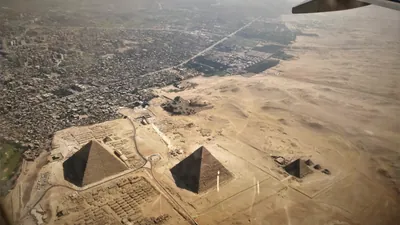
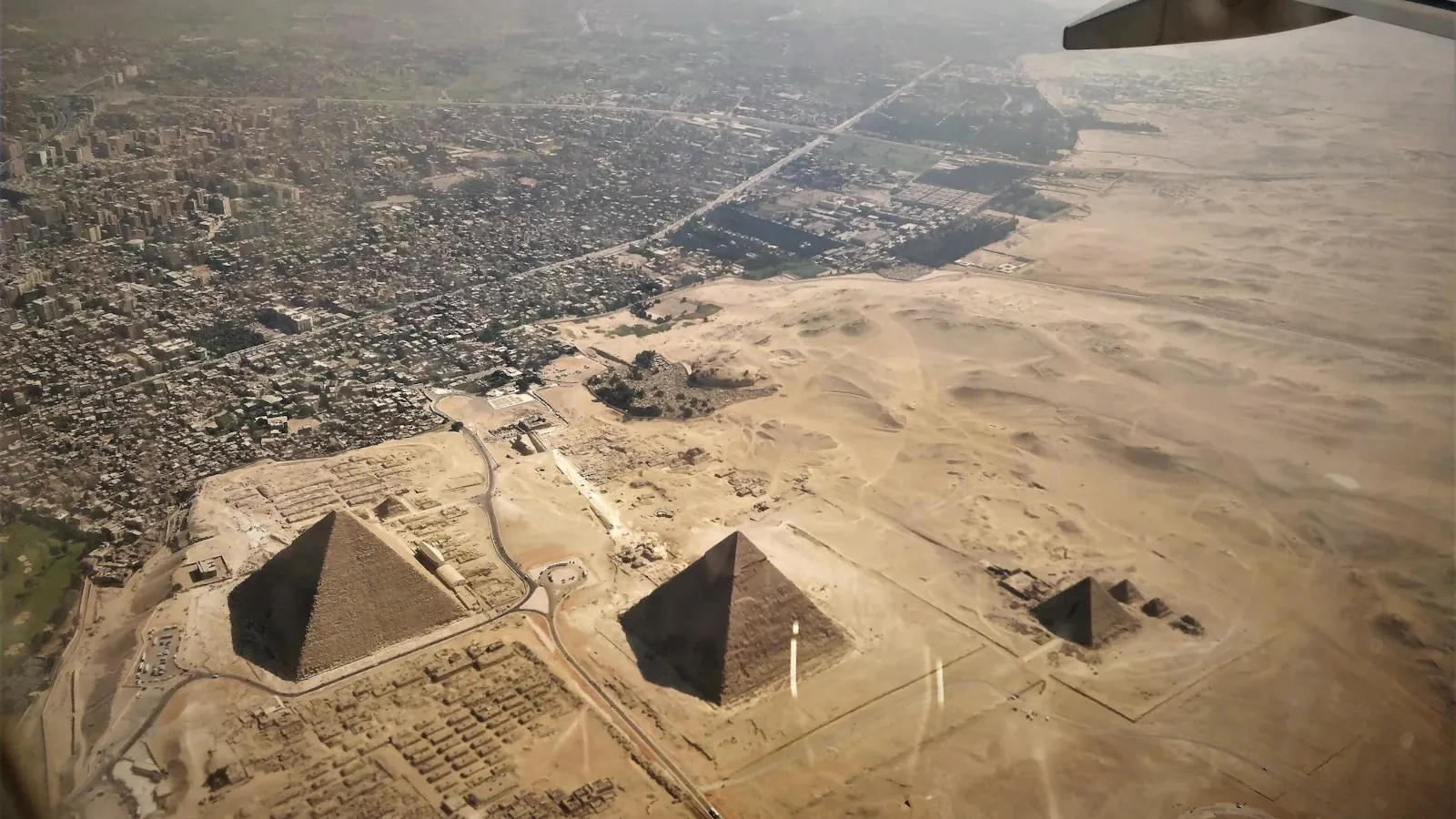
Start early and head straight to the Giza Plateau. The Great Pyramid of Khufu is the headline, but the magic is the full panorama: the Pyramid of Khafre, the smaller Pyramid of Menkaure, and the desert horizon behind them. Walk the perimeter of the Great Pyramid first to feel the scale, then take your time at the lower pyramid complex and the Valley Temple. If you want to go inside a pyramid, buy the separate ticket early and expect a steep, narrow passage.
Midday is a good time for a shaded break. There are cafes near the entrance and a few restaurants with pyramid views. Keep lunch simple and hydrated. After the break, head to the Sphinx and the temple complex. The Sphinx area is compact but iconic, and the perspective changes quickly as you move around the viewing terraces.
For your afternoon add-on, drive to the panoramic viewpoint at the edge of the plateau. This is the classic wide-angle spot where all three pyramids line up. Vendors can be persistent here, so set your expectations and keep the interaction polite but firm. The key is to focus on the view and the desert silence just beyond the noise.
If you want a memorable finish, plan a sunset drink at a terrace with pyramid views or book a short sound-and-light show. Some travelers find it theatrical, others love the atmosphere. Either way, end the day early. You will wake up tomorrow ready for the museum, and your legs will appreciate the rest.
Bring a hat and water because shade is limited. If you are photographing, the late afternoon light from the southwest edge of the plateau is the most flattering, and a wide lens helps capture the scale. Camel rides are optional and often negotiable, so agree on price and duration before you step onto the saddle.
 The Giza pyramids in warm sunset light need no filter.
Day 2: Grand Egyptian Museum + Downtown Walk
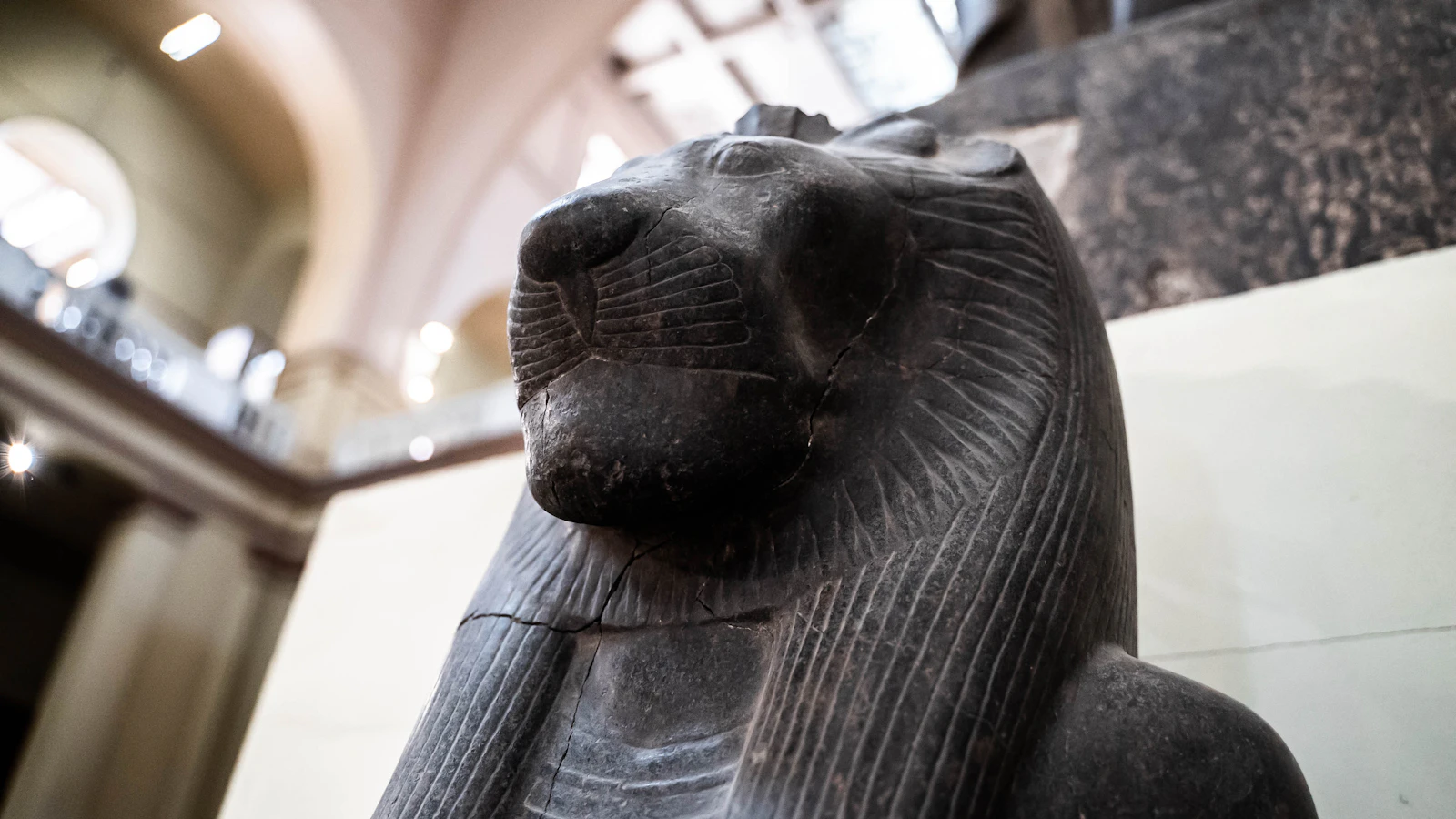
Day 2 is about context. The Grand Egyptian Museum (GEM) is designed to tell a continuous story of ancient Egypt, and it rewards a focused approach. Start with the main exhibition halls, then pick one or two highlights you care about most, such as the Tutankhamun galleries or the royal statuary. Plan for at least three hours, and do not try to see everything. The building itself is part of the experience, with dramatic light and a sense of scale that matches the objects inside.
After the museum, head into downtown Cairo for a slower afternoon. The streets around Tahrir Square are busy but historic, and the older Egyptian Museum building is nearby if you want a contrast in atmosphere. Even if you skip the older museum, the area is worth a walk for its early 20th century architecture and the rhythm of daily life.
Take a late lunch in Garden City or Downtown and enjoy a quiet moment. A short Nile walk in the afternoon is a good palate cleanser after a heavy museum day. If you still have energy, visit a bookstore cafe or one of the classic pastry shops. Cairo has a long cafe tradition, and it is a great way to watch the city slow down after the midday rush.
In the evening, keep things easy. Choose a restaurant in Zamalek or downtown, and save a little energy for Day 3 in Islamic Cairo. The key insight today is pacing: ancient artifacts are powerful but also mentally tiring. By narrowing your focus, you will remember more and enjoy the museum rather than racing through it.
 Downtown Cairo and the Nile waterfront fill a full museum-and-city day.
Day 3: Islamic Cairo + Khan el-Khalili
Islamic Cairo is a dense, layered neighborhood where mosques, madrasas, and markets weave into each other. Start at the Citadel to get your bearings. The Mosque of Muhammad Ali is the most recognizable silhouette, and the terrace views help you understand the city's size. If you have time, visit the nearby Sultan Hassan Mosque and the Al-Rifa'i Mosque to see different architectural styles in a small radius.
From the Citadel area, head toward Al-Muizz Street, one of the most historic pedestrian corridors in the city. This is where Cairo feels medieval and alive at the same time. You will pass carved stone portals, old caravanserais, and small courtyards that still feel functional. It is a good place for a guided walk or a self-guided wander with a short list of monuments you want to see.
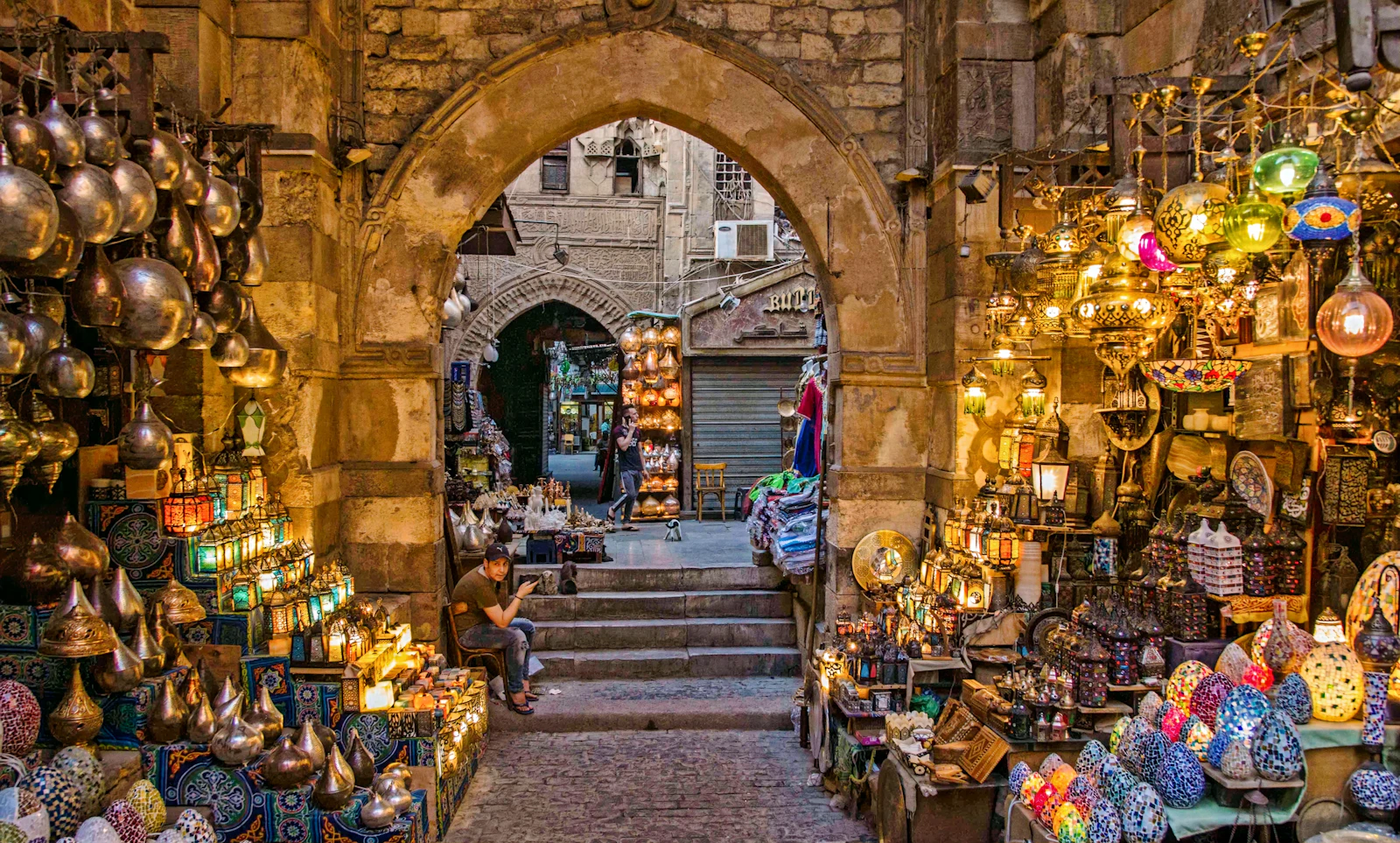
By late afternoon, drift into Khan el-Khalili. The bazaar can be intense, but if you arrive with a plan it becomes manageable. Pick one or two items you genuinely want, negotiate politely, and enjoy the sensory overload without trying to buy everything. A mint tea in a historic cafe nearby is a classic pause.
The unique insight for today is timing. Many of the lanes are best in the later afternoon when the light drops and shopkeepers are in their rhythm. You can also return in the evening, when the market is lively but the heat has softened. Use that flexibility to make the day feel less like a sprint and more like an immersion.
If you want a calmer pause, add a short stop at Al-Azhar Park. It is a quick ride from the old city and offers a green, elevated view of the skyline that feels completely different from the tight lanes below. It is also a good place for a quieter dinner before heading back.
 Islamic Cairo's skyline bristles with minarets from a dozen centuries.
Day 4: Coptic Cairo + Zamalek + Nile Time
Start your final day in Coptic Cairo, the historic Christian quarter. The Hanging Church, the Coptic Museum, and the Church of St. Sergius are close together, and they tell a quieter story than the grand monuments of Giza and Islamic Cairo. This area is compact and shaded, which makes it a calm, reflective morning.
After the Coptic sites, return to the river. Zamalek is ideal for a long lunch, and its tree-lined streets make for an easy wander. If you want a small museum or gallery visit, Zamalek has a few options tucked into side streets. Otherwise, treat the afternoon as recovery time. Four days in Cairo is full, and this lighter block keeps your energy for the evening.
As the sun drops, book a felucca ride or a short Nile cruise. The water changes the feel of the city. It slows everything down and gives you a new perspective on the skyline and bridges. If you prefer to stay on land, the corniche walk is still a great option, especially with a coffee in hand.
This final day is about gentle closure. You have already seen the major sights, so focus on atmosphere: the sound of the call to prayer, the rhythm of the river, and the sense that Cairo is both ancient and alive. It is a fitting ending for a city that never fully reveals itself in one visit.
If you still have museum energy, keep it short and focused. The Manial Palace or the Museum of Islamic Art can work as a compact final stop without turning the day into another long march. The goal is to feel rested as you wrap up, not to chase one more checkbox.
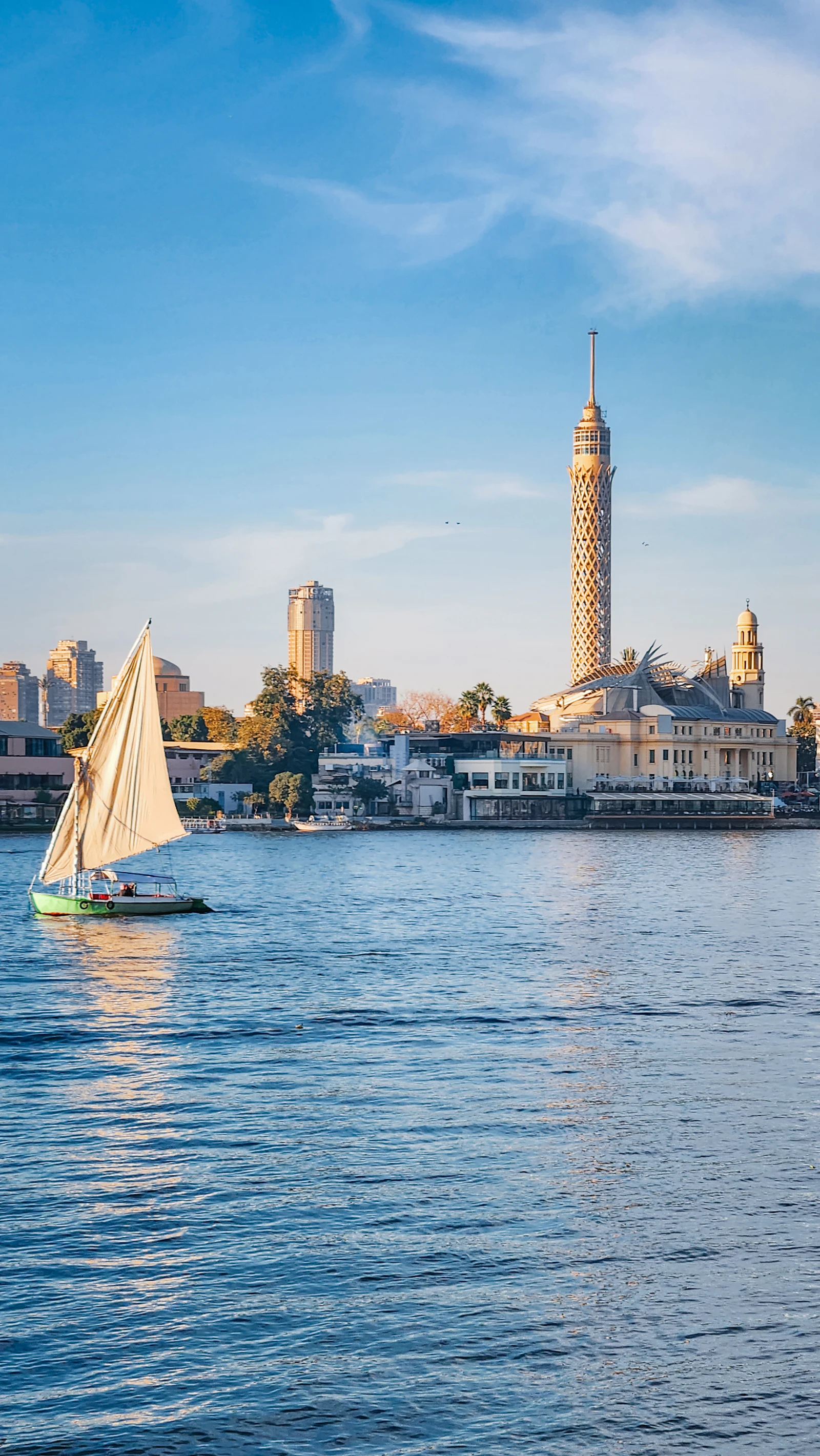 A felucca ride on the Nile at golden hour closes the trip on the right note.
Eat, Drink, and Linger in Cairo
Cairo is at its best when you eat like a local. Start with breakfast foods such as ful (slow-cooked fava beans), taameya (Egyptian falafel made with fava beans), and baladi bread with fresh cheese. These dishes are filling, affordable, and easy to find. For lunch, koshary is the iconic comfort bowl of pasta, lentils, rice, and spicy tomato sauce. It is chaotic in the best way and makes an ideal midday reset.
For dinner, you can go traditional or modern. Traditional favorites include molokhia, grilled kofta, and fatta. Many restaurants in Zamalek and Garden City serve these classics in a calmer setting than the street. If you want a view, look for a Nile-side restaurant or a rooftop cafe in Islamic Cairo. The experience often matters as much as the menu.
Do not skip the drink culture. Sugarcane juice is a classic afternoon pick-me-up. Hibiscus tea, called karkadeh, is refreshing and widely available. Turkish-style coffee and mint tea are easy ways to slow down between sightseeing blocks.
The key insight here is rhythm. Build one long meal into each day, even if the itinerary is full. It will help you recover from the heat and keep the trip from feeling rushed. A food market stop or a bakery visit also adds texture and helps you see the city beyond monuments.
If you are cautious about street food, follow a simple rule: choose busy stalls where locals are already eating. Turnover is high, which usually means fresher food. For a small splurge, a rooftop meal in Zamalek or a Nile-view dinner in Garden City delivers atmosphere without needing a formal tasting menu. The combination of casual lunches and one scenic dinner keeps both the budget and the energy in balance.
Vegetarian options are easy to find, especially with ful, taameya, and koshary. If you are unsure about spice levels, ask for the sauce on the side and add it gradually.
Cultural Experiences Not to Miss
Tea and Coffee Culture
The Great Pyramid was the tallest man-made structure in the world for over 3,800 years.
Egyptian tea (shai) is served strong and sweet—it's a social ritual, not just a drink. Tea houses in Khan el-Khalili are atmospheric for a slow afternoon. Turkish coffee is also popular; order it mazboot (medium sweet). A tea break in a local café connects you to daily Egyptian life and offers a welcome pause from sightseeing.
Markets and Local Shopping
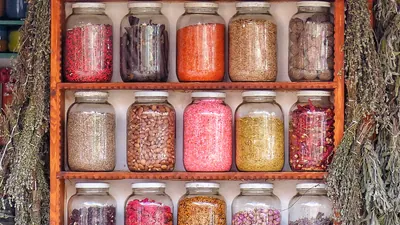
Khan el-Khalili is the classic bazaar experience—spices, perfumes, brass, textiles, and jewelry in a labyrinth of stalls. Bargaining is expected; start at half the asking price and negotiate gently. For a calmer experience, explore the antique shops along Haret el-Yahud or browse handcrafts in Zamalek. Markets are best late morning or evening when the heat eases.
Nile River Life
The Nile defines Cairo. A felucca ride at sunset is a peaceful escape from the city's intensity. Traditional wooden sailboats drift quietly, and the Cairo skyline looks different from the water. Book through your hotel or negotiate at the dock. Even a short ride resets your perspective and connects you to Egypt's timeless river culture.
Practical Tips for Travelers
Language
Arabic is the official language, but English is common in tourist areas. A few basics—shukran (thank you), la (no), aiwa (yes), bekam? (how much?)—help with shopping and daily interactions. Egyptians appreciate any effort, and greetings matter; say salaam when entering shops.
Etiquette
Egypt is conservative. Dress modestly, covering shoulders and knees, especially at religious sites. Remove shoes before entering mosques. Tipping (baksheesh) is expected for small services—carry small bills. Handshakes are common, but some conservative Egyptians may avoid cross-gender contact; follow their lead.
Safety
Cairo is generally safe for tourists, but stay alert in crowded areas. Avoid unmarked taxis; use ride-hailing apps or hotel cars. Drink bottled water and avoid ice. Crossing streets requires patience—cars don't stop, so walk steadily and predictably. At sites like Giza, decline unsolicited "guides" who may demand payment later.
Travel Costs and Budgeting
Cairo can be done on a modest budget or with a premium approach, and both work well. A backpacker-style day might run around $40 to $60 excluding accommodation. Mid-range travelers often land in the $80 to $120 range with comfortable meals and occasional paid guides. A premium day with private transport, curated dining, and added experiences can reach $150 or more. The best strategy is to splurge on one or two signature moments and save on the rest.
Book your Giza tickets and the Grand Egyptian Museum in advance when possible. Early time slots are worth it. If you are hiring a guide, look for someone who can bundle Giza logistics with a short Saqqara or Memphis add-on, even if you only do it as an optional upgrade. That flexibility helps you adjust on the fly.
For transportation, rideshares are usually the simplest option. Keep small bills for tips and small purchases. When negotiating at markets or with independent guides, set your ceiling price before you start the conversation and stick to it politely. This keeps the interaction friendly and reduces stress.
If you want one upgrade, choose a private guide at Giza or a Nile-side dinner with a view. Those experiences deliver the strongest memories for the cost. Everything else can stay simple: local cafes, metro rides, and a relaxed pace that allows the city to reveal itself.
Also budget a little for practical extras. A local SIM card or eSIM makes rideshares and maps far easier. Build a small buffer for unexpected ticket add-ons or a spontaneous museum stop. These small choices usually deliver more value than a pricey souvenir, and they keep the trip smooth.
If you plan to add Saqqara or a short private guide, set aside a little extra on Day 3 or Day 4 so you can decide in the moment.
If you have extra days, consider combining your Cairo trip with Marrakech, Istanbul, and Dubai — all easy to reach and covered in our PTO-optimized travel guides.
To maximize your days off without extra PTO, use the free Holiday Optimizer to find bridge days around public holidays for your Cairo trip.
Quick Takeaways
- Start early at Giza and save midday for shade and rest.
- Group days by geography to avoid traffic fatigue.
- Focus your museum visit on a few key galleries rather than everything.
- Islamic Cairo is best in late afternoon and early evening.
- Build in one long meal each day to slow the pace.
- Use rideshares for longer hops, and walk within neighborhoods.
- Use the Holiday Optimizer PTO calendar to plan which days to take off for your Cairo trip.
Conclusion
Cairo rewards travelers who balance the must-see landmarks with slower neighborhood exploration. With four days and a clear daily rhythm, you can experience the city's cultural highlights while still leaving room for the spontaneous moments that make a trip memorable. Use this guide as your starting point, but stay open to detours—some of the best Cairo moments happen when you wander off the planned route.
Ready to maximize your time off?
Find the best Cairo travel windows
Frequently Asked Questions
Is Cairo safe for first-time visitors?
Cairo is generally safe in the main tourist areas, but it is busy and intense. Stay aware in crowds, keep valuables secure, and use rideshares at night to simplify transport.
How many days in Cairo is enough?
Four days is a strong first visit. It gives you the pyramids, the museum, Islamic Cairo, and the Coptic quarter without rushing.
Should I visit the Grand Egyptian Museum or the older Egyptian Museum?
If you only have time for one, prioritize the Grand Egyptian Museum for its layout and scale. The older museum is atmospheric and historic, but it can be overwhelming.
What should I wear in Cairo?
Lightweight, breathable clothing works best. Cover shoulders in mosques, carry a scarf, and choose shoes you can walk in for long stretches.
Can I do a day trip from Cairo to Saqqara in a 4-day itinerary?
Yes, but only if you are willing to shorten your downtown or Islamic Cairo time. It is a great add-on if you are comfortable with a fuller day.
References
- Visit Egypt - Official Egypt Tourism Website
- Giza Plateau - Ministry of Tourism and Antiquities
- Grand Egyptian Museum Official Website
- Egyptian Museum - Ministry of Tourism and Antiquities
- Lonely Planet Cairo Travel Guide
Share Your Thoughts
If this Cairo 4-day itinerary helped you plan, share it with a friend who loves history and big-city energy. What part of Cairo are you most excited to see, the pyramids, the old city, or the Nile at sunset?