Copenhagen in 7-9 Days: Extended Vacation Itinerary to Maximize PTO in 2026
Plan a week-long Copenhagen adventure with Nyhavn harbor walks, Louisiana Museum day trips, Malmo excursions, Nordic cuisine sampling, and cycling tips for 2026.
Introduction
A full week in Copenhagen is a luxury in the best way. It gives you time to enjoy the famous sights and still live a little like a local. This Copenhagen 7-day itinerary stretches out the experience, adds nearby day trips, and leaves space for long meals, bike rides, and slow mornings. If you want to feel the rhythm of the city rather than just see it, this is the right length. Use this guide to plan your extended trip.
You will explore Indre By and Nyhavn, spend a day in Christianshavn and the canal districts, dive into neighborhood life in Norrebro and Vesterbro, and then branch out to the coast for a museum or castle visit. The plan is designed to be flexible and weather-friendly, which matters in a city where a cafe break can be as memorable as a palace tour.
Copenhagen is not a city that needs to be rushed. It is a city that rewards attention. A week gives you enough time to notice the little details that make it special.
Short on time? See our Copenhagen 4-day itinerary for a focused long-weekend plan. Use our PTO optimizer to find the best days to take off around your trip dates.
Why Copenhagen Is a Must-Visit Destination in 2026
The World's Happiest City Design
Copenhagen stands out among European destinations for its unique combination of history, culture, and modern energy. Whether you are visiting for the first time or returning for a deeper look, 2026 is an excellent year to experience what makes this city special.
Nordic Food Revolution Headquarters
What sets Copenhagen apart is the way daily life and cultural depth coexist. You will find world-class landmarks alongside neighborhood rhythms that reward slowing down and paying attention.
Planning Your Trip Essentials
This itinerary is built around three layers: the historic core, the neighborhood lifestyle, and the wider region. Days 1 through 4 focus on the city itself, split by geography so you are not zigzagging across town. Days 5 and 6 are for day trips to the coast or nearby cities. Day 7 is a soft landing, built around whatever you loved most.
The pacing is gentle by design. Copenhagen is walkable, but the best way to see it is with a mix of walking and biking. The plan assumes you will bike on at least two days and use the metro when the weather turns. It also assumes you will want at least one long meal per day, because the food culture is part of the experience. That is why the days include one major anchor and one flexible add-on.
This Copenhagen one week itinerary also accounts for weather shifts. If it rains, swap an outdoor canal walk for a museum. If the sun is out, push your museum visit to the next morning and spend more time by the water. The framework stays the same even if the order changes.
The goal is to feel Copenhagen rather than chase it. A week gives you time to sit by a canal, browse a neighborhood market, and understand why the city consistently ranks among the most livable places in the world.
Use the Holiday Optimizer to find the best days to book off around public holidays for your Copenhagen trip.
Logistics for a Week in Copenhagen
Late spring through early fall is ideal for a weeklong visit. Long daylight hours make the city feel expansive, and you can do late evening walks without feeling rushed. September is a sweet spot for fewer crowds and comfortable temperatures. Winter is cozy but dark, and you will spend more time indoors.
Choose a base in or near Indre By if you want the shortest commutes. Vesterbro and Norrebro are more local and full of great food, and they are still well connected. If you want a quieter vibe, Frederiksberg is leafy and residential. For a week, it is worth choosing a base you like, since you will return there often.
Bikes are the best way to move around. Rent one for the week if you are comfortable, and use the metro on rainy days. The metro is clean, fast, and easy to navigate. A transit pass is convenient, and the Copenhagen Card may pay off if you plan to visit multiple palaces and museums. Check your planned stops before buying it.
Pack for layers and light rain. A compact rain shell and comfortable shoes matter more than anything else. Copenhagen is safe and easy to navigate, but restaurants book up quickly. If there is a place you really want to try, reserve early.
The city is mostly cashless, so a card or mobile wallet is enough for nearly all purchases. Museums often close early on certain days, so check schedules if you have a long museum list. If you are unsure about the Copenhagen Card, map your planned paid attractions first. It can be a strong value on museum-heavy days and less useful on biking days.
Sunday hours can be shorter for some attractions and shops, so plan your most time-sensitive visits for weekdays. Daylight is generous in summer and tight in winter, which is another reason to keep mornings open and move indoor activities to later in the day if needed.
Day 1: Indre By, Nyhavn, and the Royal District
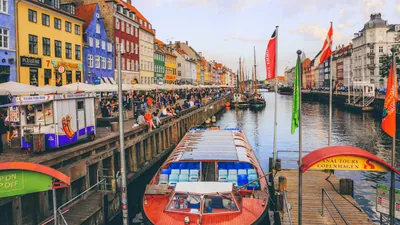
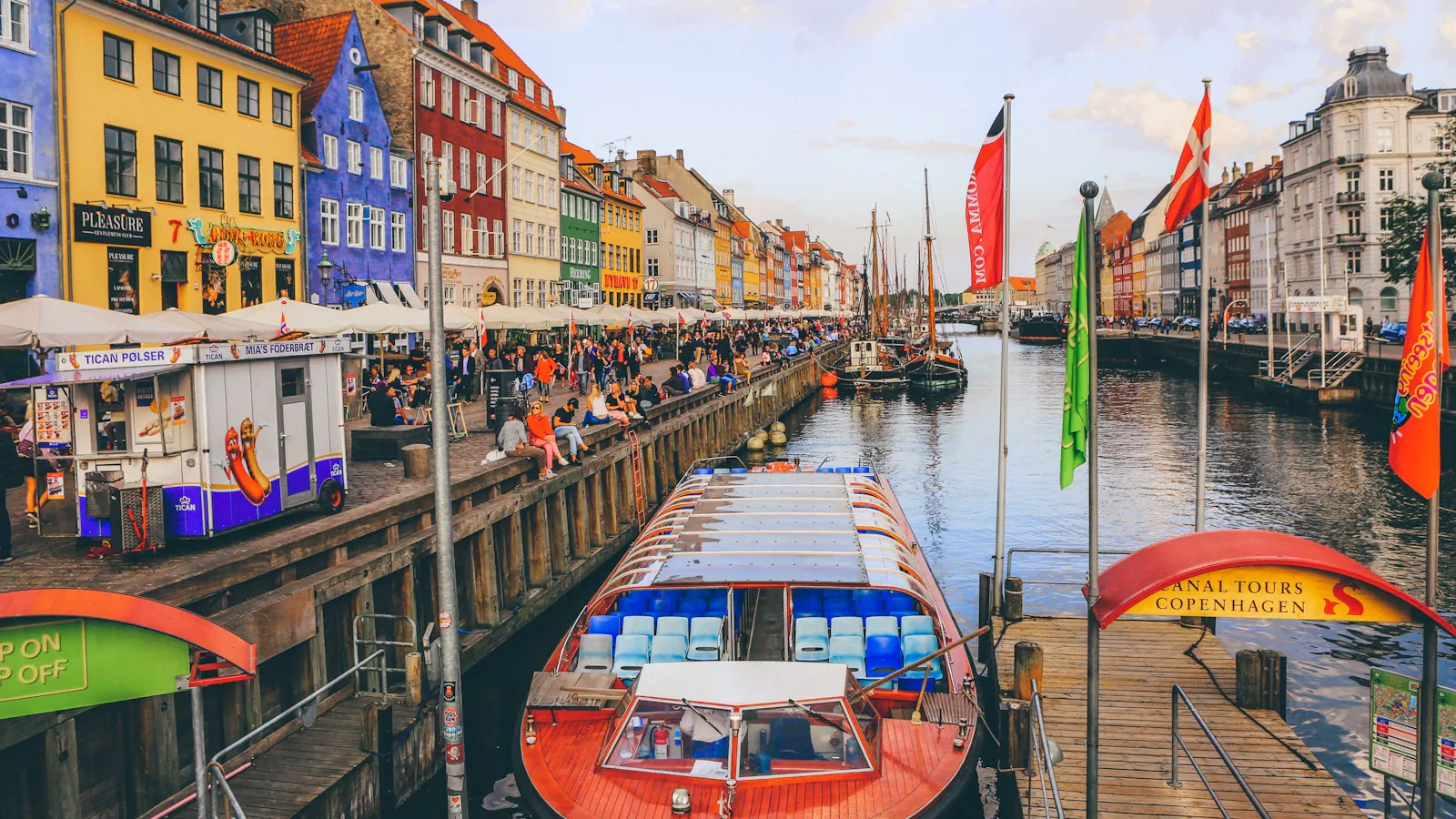
Start in the historic center with a walk toward Nyhavn. Go early for the best light and the calmest atmosphere. From Nyhavn, continue along the harbor to Amalienborg Palace and the Marble Church. The area feels open and elegant, and it sets the tone for the week.
If you want a museum, the Amalienborg museum offers a quick look at royal history. Otherwise, keep it light and spend more time on the harbor walk. For lunch, look for smorrebrod or a cafe with outdoor seating. You want the first day to be easy and unhurried.
In the afternoon, consider a short canal cruise or a walk to the Little Mermaid. The statue itself is small, but the waterfront path is pleasant. If you prefer to skip it, use the time for a bakery stop and a relaxed wander through side streets.
End the day with dinner near the waterfront. A seafood restaurant or a casual bistro is ideal. The key is to get to sleep early so you are ready for a bike-focused Day 2.
If you have energy for one more stop, walk a portion of Stroget, the main pedestrian street. It is lively without feeling overwhelming and gives you a quick sense of the city's shopping and street life. Keep it short and treat it as a stroll rather than an errand.
Another easy add-on is the Round Tower for a quick, historic viewpoint. The spiral ramp is gentle and the rooftop view gives you a compact sense of the old center. If the weather is clear, it is a simple way to end the day on a high note.
 Nyhavn before the crowds arrive is the postcard version of Copenhagen.
Day 2: Christianshavn Canals and Freetown Energy
Today is all about water and texture. Head to Christianshavn and walk the canals. The neighborhood feels quieter than the center, with houseboats and small bridges that invite slow exploration. If you want a view, climb the Church of Our Saviour tower for a sweeping look over the city.
From there, you can step into Freetown Christiania. It is a unique community with a distinct culture. A short walk gives you a sense of the place without turning it into a spectacle. Be respectful, keep your camera down in sensitive areas, and move on when it feels right.
Lunch works well at a food market, especially in warmer months. Reffen is a popular choice, and it adds a relaxed, open-air vibe. If it is cooler or windy, head back toward the center for a warm cafe lunch.
The afternoon is for wandering or biking along the harbor. This is a good day to visit a design shop, a small gallery, or a quiet cafe by the water. The point is to feel the city rather than tick boxes.
If you want a different angle, take a short harbor ferry ride as a scenic commuter trip. It is inexpensive, practical, and gives you a clean view of the waterfront architecture. It also helps you cover distance without feeling like you are on a formal tour.
If you are feeling adventurous, consider a short kayak session in the harbor or a walk toward the Opera House for a clean modern contrast to the historic core. Both are easy to fit into the day and show how the city uses the water as public space.
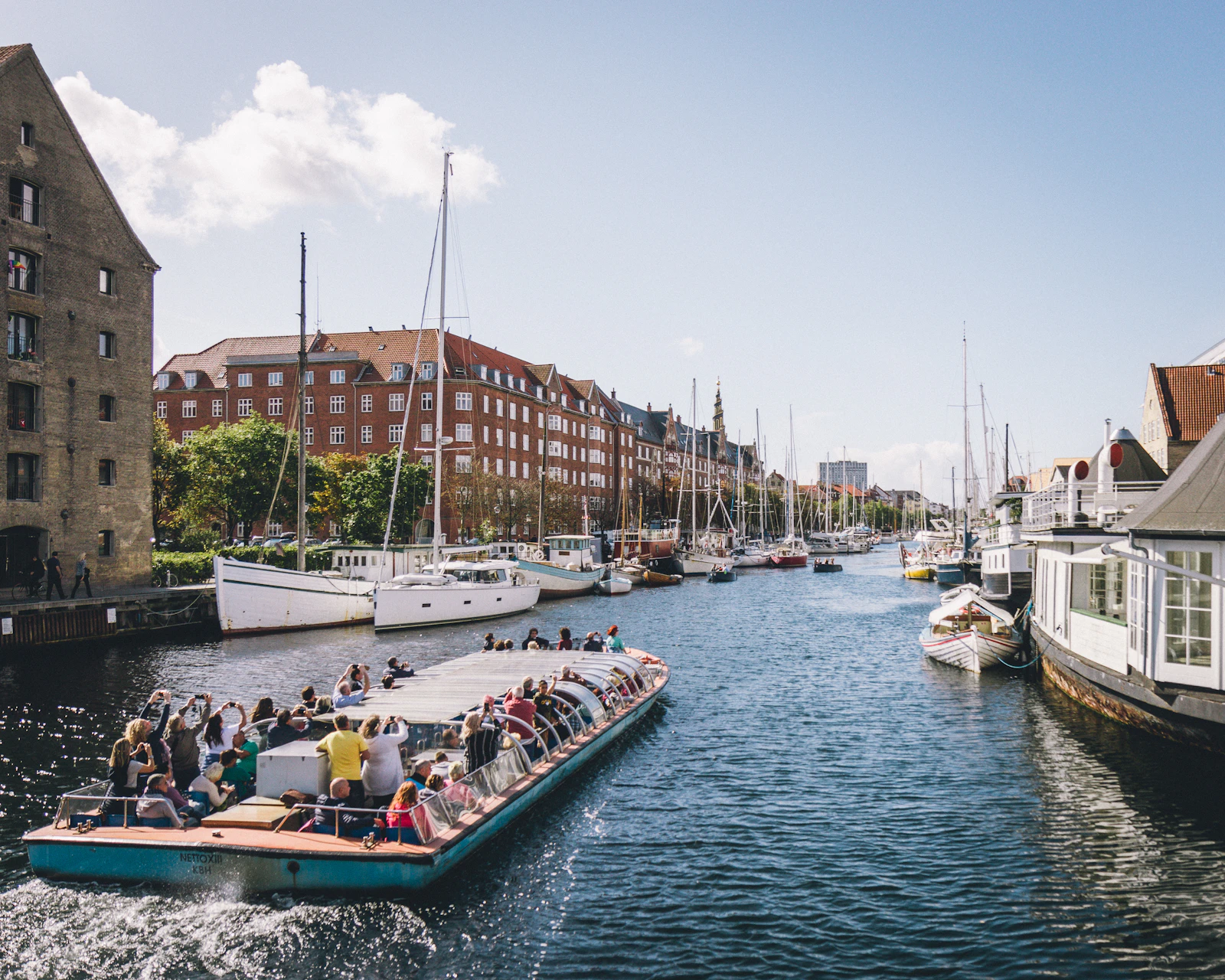 Christianshavn's canals reward slow wandering—exactly the Danish way.
Day 3: Rosenborg, Markets, and Norrebro
Start with Rosenborg Castle and the Kings Garden. The castle is compact, and the park is a beautiful morning stop. You can tour the interior for the crown jewels, or simply enjoy the grounds and continue on.
From Rosenborg, walk to Torvehallerne for lunch. The market hall is ideal for sampling a few items without committing to a long sit-down meal. Grab smorrebrod, a pastry, or a bowl of soup depending on the weather.
In the afternoon, head to Norrebro. This neighborhood is diverse and creative, with small boutiques, street art, and casual cafes. A stroll through Assistens Cemetery is surprisingly peaceful and offers a window into the city's local life. If you want a small museum or gallery, this is a good area to find it.
End with an easy dinner nearby. Norrebro and adjacent districts have excellent options that feel less touristy than the center. The goal is to experience Copenhagen as a lived-in city, not just a collection of landmarks.
If you want another quick stop, Superkilen Park is a bold public space with design elements from around the world. It is a short walk and adds a playful note to the neighborhood. Alternatively, use the extra time for a slow coffee and people-watching in a local cafe.
This is also a good day to explore small, independent shops that focus on design and craft. Norrebro has plenty of these, and browsing them gives you a sense of how Danes think about everyday objects. If you enjoy street food, you can also loop back toward Torvehallerne for a second round of snacks without committing to a big meal.
A quick stop at the lakes near the center can also add a calm, scenic break before dinner.
It is also a good day to practice the city's bike etiquette on quieter streets before the weekend crowds.
Day 4: Frederiksberg, Vesterbro, and Tivoli by Night
Today blends green spaces with urban energy. Start in Frederiksberg, which feels residential and calm. The Frederiksberg Gardens are a great morning walk, especially if the weather is clear. If you want a museum, the nearby Carlsberg area has a mix of history and modern culture to explore.
In the afternoon, head to Vesterbro. This neighborhood is full of cafes, boutiques, and some of the city's best casual dining. It is a good place for a slow lunch and a bit of shopping. If you are biking, the ride between Frederiksberg and Vesterbro is easy and scenic.
Save Tivoli Gardens for the evening. The lights and atmosphere are part of the experience, and the park feels more magical after dark. Even if you are not into rides, it is worth visiting for the ambiance and the chance to sit with a drink and watch the city unwind.
The unique insight here is pacing. Tivoli is best as a relaxed evening stop rather than a full-day commitment. That keeps the day balanced and leaves energy for a late dinner.
If you want a more local nightcap, the Meatpacking District in Vesterbro is nearby and full of casual bars. It is a good way to end the day without committing to a late-night scene. Keep it simple and head back when you feel ready.
If you prefer history to nightlife, the Carlsberg area offers a compact museum experience and some classic brick architecture. It is an easy add-on that fits the Frederiksberg and Vesterbro flow without adding much travel time.
If the weather turns, swap the park walk for a longer museum visit and keep the evening simple.
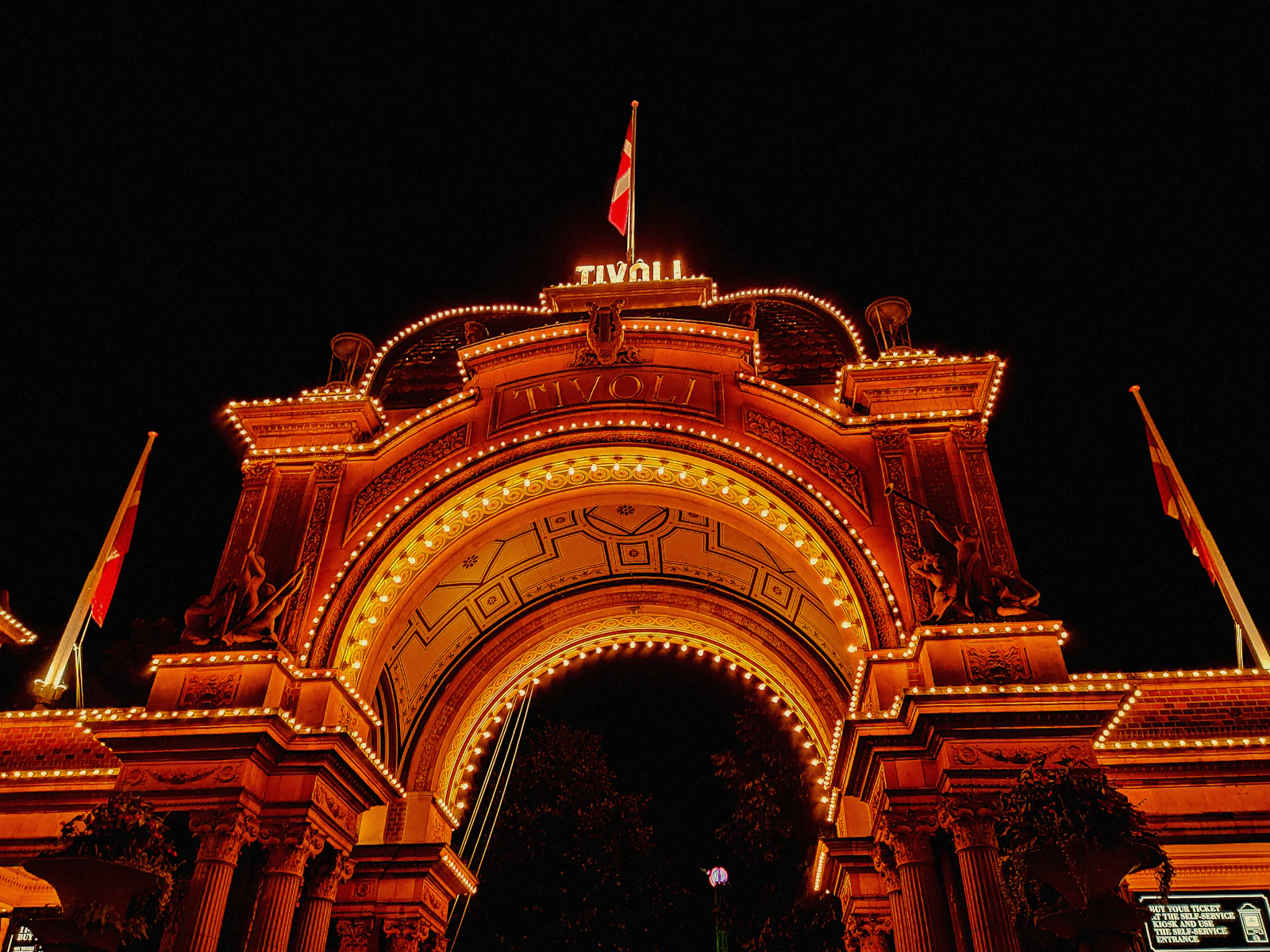 Tivoli at night transforms into a glittering 19th-century fantasy.
Day 5: Coastal Day Trip to Louisiana or Kronborg
Day 5 is for the coast. The Louisiana Museum of Modern Art is a favorite because it blends art, architecture, and sea views in one place. The train ride to Humlebaek is easy, and you can spend half a day wandering the galleries and sculpture park before a long lunch with a view.
If you prefer history to art, take the train to Helsingor and visit Kronborg Castle, the setting associated with Hamlet. The castle is dramatic and the town is charming. Both options are close enough to return to Copenhagen for dinner.
Choose the day trip that matches your interests and the weather. If the forecast is clear, Louisiana is a beautiful outdoor experience. If it is cooler or windy, Kronborg feels more structured and indoor-friendly. Either way, this day adds a refreshing change of scenery and a deeper sense of the region beyond the city.
Plan a long lunch near the coast and keep the rest of the schedule light. Both destinations are easy to reach by train, and buying a return ticket in advance keeps the day smooth. The goal is a gentle reset, not a rushed checklist.
If you choose Louisiana, give yourself time for the sculpture garden and the sea views, which are often the most memorable part of the visit. If you choose Kronborg, take a short walk along the waterfront after the castle tour to soften the day. Either way, pack a light layer because coastal wind can be chilly even in summer.
If you return early, you can fit in a casual dinner back in Copenhagen or a short sunset walk near the harbor. Keep the evening low-key so the day trip feels like a refreshing change rather than a tiring detour.
Both routes are straightforward by train, so you can travel independently without much planning stress.
Day 6: Roskilde or Malmo
For Day 6, pick a second day trip or stay local depending on your energy. Roskilde is a strong choice for history. The Viking Ship Museum offers a focused look at maritime culture, and the cathedral is a major Danish landmark. It is an easy ride and a manageable half-day.
If you want something different, take the train to Malmo. The ride across the bridge is short, and the city offers a new perspective on Scandinavian urban life. It is a compact visit that pairs well with a long lunch and a quick wander.
If day trips are not your style, use this day for a deep museum dive in Copenhagen or a longer bike ride along the harbor. The key is to keep the day light and enjoyable, since you already have four full city days behind you.
Either option works because this is a buffer day. It gives you room to adjust for weather or energy. A simple bike loop along the harbor or a short museum visit can be just as satisfying as a full excursion.
If you stay in Copenhagen, consider a focused museum pair such as the National Museum in the morning and the Glyptotek in the afternoon, with a long lunch in between. Keeping it to two stops helps the day feel intentional rather than crowded. This is also a good day to revisit a favorite cafe or bakery from earlier in the week.
For a lighter option, ride the metro to a quiet waterfront area and take a long walk without a strict agenda. The point of Day 6 is flexibility, so choose the plan that best matches your energy level.
If the weather is great, bring a simple picnic to a park or the lakes and enjoy a long break outside. It is an easy way to slow down after several busy days.
Day 7: Slow Copenhagen and Favorites
Your final day is for whatever you loved most. Return to a favorite neighborhood, revisit Nyhavn in a different light, or spend the morning in a cafe with a good pastry and no agenda. A slow canal walk or a final bike loop along the harbor is a perfect way to close the trip.
If you have not yet visited the Design Museum or the National Museum, this is a good day for a focused visit. Keep it short and pair it with a long lunch. The goal is to leave the city feeling refreshed, not exhausted.
End with a relaxed dinner and a final stroll. Copenhagen is a city of small pleasures, and a quiet farewell often feels more fitting than one last big attraction.
If you want a final souvenir, browse a small design shop or a local market for ceramics or textiles. Keep it light and focus on something useful or meaningful rather than a big haul. The last day should feel like a slow exhale.
Consider doing a final bike loop along the lakes or the harbor to close the week with fresh air. It is a simple way to relive your favorite views and end on a calm, local note. A relaxed brunch or a long coffee can be the perfect farewell.
If you want one last cultural stop, choose a small gallery or a short design shop visit rather than a full museum. This keeps the day light and lets you end the trip on your own pace.
A final pastry stop is a simple tradition that feels distinctly Copenhagen.
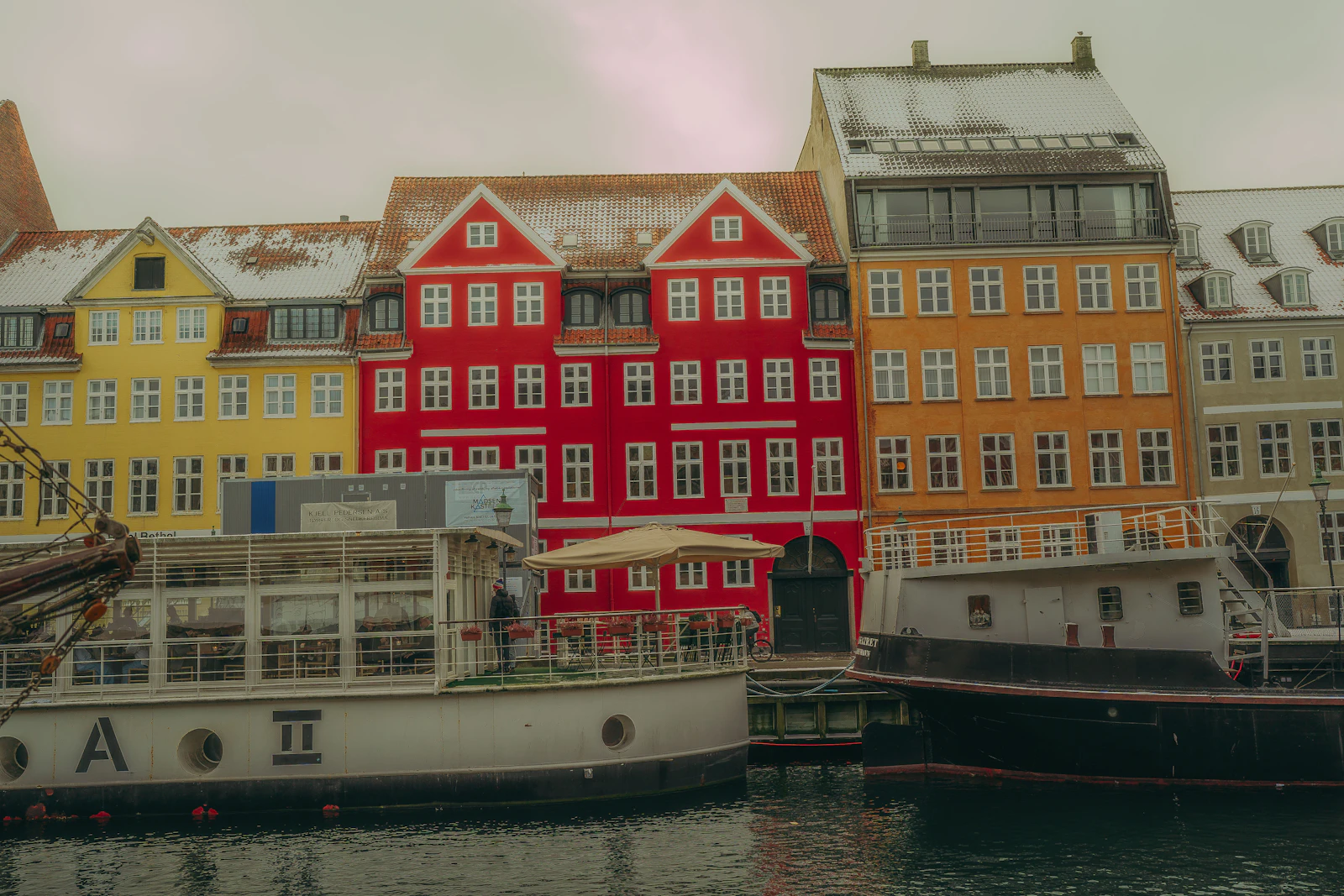 Copenhagen's waterfront blends bold modern architecture with harbor-side calm.
Eat, Drink, and Linger in Copenhagen
A week gives you time to eat well without rushing. Start with bakery culture. Try a different pastry each day, and build at least one slow cafe breakfast into the itinerary. Smorrebrod is essential, and the market halls are the easiest way to sample a few styles without overcommitting.
For dinner, mix casual bistros with one or two higher-end meals. Copenhagen is a birthplace of New Nordic cuisine, but you do not need a tasting menu every night. Vesterbro and Norrebro are full of approachable spots with excellent quality. If you want a special meal, book early and plan the rest of your day around it.
Markets are your best value. Torvehallerne is the most famous, and Reffen is great in warmer months. These spots also help you keep the budget reasonable while still eating well.
The unique insight is to lean into food as an experience. Copenhagen is not cheap, but a thoughtful mix of markets and one splurge meal will make the week feel indulgent without blowing the budget.
Coffee culture is strong, and a mid-afternoon cafe stop is part of the Copenhagen rhythm. If you enjoy beer, the city has excellent craft breweries that pair well with casual dinners. Book one standout restaurant early and keep the rest flexible so you can follow your appetite.
For a local, budget-friendly bite, try a classic hot dog stand or a simple open-faced sandwich at a market stall. The city's casual food scene is strong, and it pairs well with biking days when you want something quick. A mix of small bites and one special dinner keeps the week balanced.
If you are curious about Danish spirits, try a small aquavit tasting with dinner. It is optional, but it adds a local touch without committing to a full bar crawl.
Cultural Experiences Not to Miss
Hygge and Café Culture
Copenhagen aims to be the world's first carbon-neutral capital by 2025, and its harbor is clean enough for swimming.
Hygge—cozy contentment—defines Danish culture. With a full week, find your favorite café and return. Candlelit interiors, warm pastries, and a culture of lingering over coffee embody this feeling. Copenhagen's café scene rewards repeat visits. Let hygge guide your pace—it's not about seeing more, it's about feeling settled.
Markets and Local Shopping
A week lets you explore Copenhagen's markets in depth. Torvehallerne is the gourmet anchor—fresh food and specialty stalls. Nørrebro has vintage shops and weekend markets. Design stores along Strøget and in the Latin Quarter showcase Danish aesthetics. Return to favorites, browse slowly, and let the design culture sink in.
Harbor and Canal Life
Copenhagen's waterfront is central to daily life. Walk along Nyhavn, explore quieter canals, and discover the harbor baths at Islands Brygge. On warm days, locals swim in the clean harbor water. A canal boat tour offers a different perspective, and evening light on the water is especially beautiful. The harbor is a great place to end any day.
Practical Tips for Travelers
Language
Danish is the official language, but English is spoken fluently by nearly everyone. A simple tak (thank you) and hej (hello) are appreciated, but you'll rarely need more. Signs and menus are often bilingual or English-only.
Etiquette
Danes value punctuality and personal space. Arrive on time for reservations. Tipping is not required—service is included—but rounding up for excellent service is common. Danes are friendly but reserved; don't mistake quiet for coldness. Biking is serious infrastructure; stay out of bike lanes and follow traffic rules.
Safety
Copenhagen is extremely safe. Pickpocketing is rare, but keep valuables secure in crowded areas. Bike lanes are the main hazard for tourists—look both ways before crossing, and never walk in them. The city is easy to navigate and welcoming at all hours.
Travel Costs and Budgeting
Copenhagen is expensive by European standards. A reasonable daily spend without accommodation can range from $90 to $140 if you keep lunches simple and add one or two paid attractions. Mid-range travelers should plan closer to $150 to $200 per day if they want nicer meals and a few museum entries. Premium travelers will climb quickly with tasting menus and private tours.
The Copenhagen Card can save money if you plan to visit several paid attractions and use public transport. If you are mostly walking and biking, a standard transit pass might be a better deal. Run the numbers based on your planned stops.
Reserve popular restaurants early. Many of the best places book out days or weeks ahead. For Tivoli, buying tickets online can save time during peak season. If you plan day trips, check train schedules and consider purchasing return tickets in advance to keep the day smooth.
The best savings strategy is to eat market lunches, save your big meal for one or two nights, and take advantage of the city's free pleasures: parks, canal walks, and bike rides.
Plan extra for day trips because trains and museum tickets add up. Bike rentals are also a small daily cost if you use them all week, so decide whether a multi-day rental makes sense for your schedule. The week stays manageable if you keep most lunches casual and choose only a couple of paid attractions each day.
If you are visiting during peak summer, expect slightly higher accommodation costs and book early. The earlier you lock in lodging, the more flexibility you will have for day trips and dining. A small planning cushion goes a long way in Copenhagen.
Set aside a small buffer for museum lockers, coffee stops, and extra transit on rainy days.
Those small cushions keep the week stress-free.
If you have extra days, consider combining your Copenhagen trip with Amsterdam, Berlin, and Edinburgh — all easy to reach and covered in our PTO-optimized travel guides.
To maximize your days off without extra PTO, use the free Holiday Optimizer to find bridge days around public holidays for your Copenhagen trip.
Quick Takeaways
- Split the week between city days and coastal day trips.
- Bike whenever possible for the true Copenhagen feel.
- Visit Nyhavn early for light and fewer crowds.
- Save Tivoli for an evening visit.
- Choose Louisiana, Kronborg, or Roskilde based on your interests.
- Balance expensive dinners with market lunches.
- Use the Holiday Optimizer PTO calendar to plan which days to take off for your Copenhagen trip.
Conclusion
Copenhagen rewards travelers who balance the must-see landmarks with slower neighborhood exploration. With a week and a clear daily rhythm, you can experience the city's cultural highlights while still leaving room for the spontaneous moments that make a trip memorable. Use this guide as your starting point, but stay open to detours—some of the best Copenhagen moments happen when you wander off the planned route.
Ready to maximize your time off?
Find the best Copenhagen travel windows
Frequently Asked Questions
Is one week too long in Copenhagen?
No. A week lets you see the city at a relaxed pace and add excellent day trips without rushing.
Which day trips are most worth it?
Louisiana Museum and Kronborg Castle are top choices. Roskilde is great for history, and Malmo is a fun quick hop.
Do I need a bike for a week in Copenhagen?
It is not required, but it enhances the experience. The city is built for cyclists and it is a fun way to move around.
When should I book restaurants?
Book early for popular spots, especially in summer. Casual cafes and markets do not require reservations.
Is the Copenhagen Card worth it for a week?
It depends on how many paid attractions you plan to visit. It can be a strong value if you will enter multiple museums and palaces.
References
- Visit Copenhagen - Official Tourism Website
- Tivoli Gardens Official Site
- Louisiana Museum of Modern Art
- Kronborg Castle - Hamlet's Castle
- Nomadic Matt's Copenhagen Travel Guide
Share Your Thoughts
If this Copenhagen 7-day itinerary helped you plan, share it with a friend who loves coastal day trips or Nordic design. Which day would you be most excited to add to your week?