Dublin in 7-9 Days: Extended Vacation Itinerary to Maximize PTO in 2026
Plan a week-long Dublin adventure with Trinity College visits, Wicklow Mountains day trips, Howth cliff walks, Kilmainham Gaol history, and pub culture tips for 2026.
Introduction
A full week in Dublin gives you the city and its edges. You can enjoy the famous landmarks, spend time in neighborhoods that rarely make day-trip lists, and still escape to the coast and the Wicklow hills. This Dublin 7-day itinerary builds in those layers and keeps the pace slow enough to actually enjoy the pub culture and the conversation the city is known for. Use this guide to plan your extended trip.
You will explore the core landmarks, walk the riverfront, spend a day in Howth or Dun Laoghaire, and add a Wicklow or Glendalough day trip for a completely different landscape. The plan also gives you buffer days so the trip feels relaxed rather than rushed. If you want Dublin with depth, this is the rhythm that works.
Expect an easy, walkable city with a lot of personality. A week lets you lean into that personality rather than rushing past it.
That extra time is what turns a visit into a real experience.
Short on time? See our Dublin 4-day itinerary for a focused long-weekend plan. Use our PTO optimizer to find the best days to take off around your trip dates.
Why Dublin Is a Must-Visit Destination in 2026
Literary Heritage Unmatched by Any City Its Size
Dublin stands out among European destinations for its unique combination of history, culture, and modern energy. Whether you are visiting for the first time or returning for a deeper look, 2026 is an excellent year to experience what makes this city special.
The Warmest Welcome in Europe
What sets Dublin apart is the way daily life and cultural depth coexist. You will find world-class landmarks alongside neighborhood rhythms that reward slowing down and paying attention.
Planning Your Trip Essentials
The itinerary is split into three layers: the historic core, the neighborhoods, and the day trips. Days 1 to 4 focus on the city itself and are grouped by geography to reduce transit time. Days 5 and 6 are for a coastal day and a Wicklow or Glendalough day trip. Day 7 is a slow landing that lets you revisit favorites and leave without stress.
Each day has one anchor experience and one optional add-on. That keeps the schedule realistic and leaves space for long lunches, bookstore stops, or a spontaneous music session. This Dublin one week itinerary is about flow, not a checklist. The idea is to keep mornings focused, afternoons flexible, and evenings open.
You can adjust based on your interests. History lovers can add more museum time and a walking tour. Food and drink travelers can add a whiskey tasting, a brewery visit, or a food market lunch. The structure stays the same, and the details are yours to shape.
The unique insight is that Dublin is best enjoyed in layers. If you rush, you will see the sights but miss the city. If you slow down, the stories, the humor, and the local rhythm show up in small moments, and those are the ones you remember.
Use the Holiday Optimizer to find the best days to book off around public holidays for your Dublin trip.
Logistics for a Week in Dublin
Dublin is at its best from late spring through early fall when the days are long and the parks are lively. Summer brings festivals and a steady stream of visitors. Shoulder seasons are quieter and still comfortable for walking. Winter is cozy but darker and wetter, so plan more indoor time.
Choose a base in the city center for maximum walkability. Areas near St Stephens Green or the river keep you close to most sights. If you want a more local vibe, Smithfield or the Docklands are great and still connected by tram. For a week, a single base is easiest and keeps you from repacking.
Public transport is straightforward. The LUAS tram, DART train, and bus network cover most areas. A Leap card keeps things simple. For day trips, the DART is ideal for Howth and Dun Laoghaire, while Wicklow or Glendalough may require a tour, train plus bus, or a rental car depending on your comfort level.
Pack layers and a rain shell. Weather changes quickly, and short showers are common. Book popular tickets in advance, especially Kilmainham Gaol and the Book of Kells. Plan your pub nights with flexibility and remember that some of the best music sessions are unplanned.
Sunday hours can be shorter for some museums and shops, so plan indoor visits for midweek if possible. Tipping is appreciated but not mandatory in pubs and casual spots. Keep some cash for small purchases, but cards are widely accepted.
If you are planning Wicklow independently, check bus or train schedules in advance because service can be less frequent outside peak hours. A guided tour can simplify logistics and is often worth it for a one-day countryside visit. The big idea for a week is comfort: keep travel days lighter and focus on walkable clusters in the city.
Day 1: Trinity, Grafton Street, and the Liffey
Start with Trinity College and the Book of Kells experience. Go early for a quieter visit, then walk through the campus and toward Grafton Street for a lively introduction to the city. A loop through St Stephens Green adds a calm, green pause before lunch.
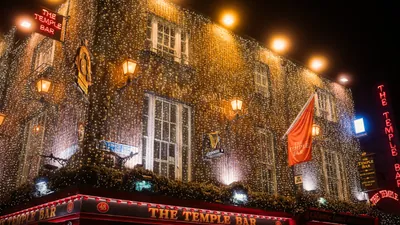
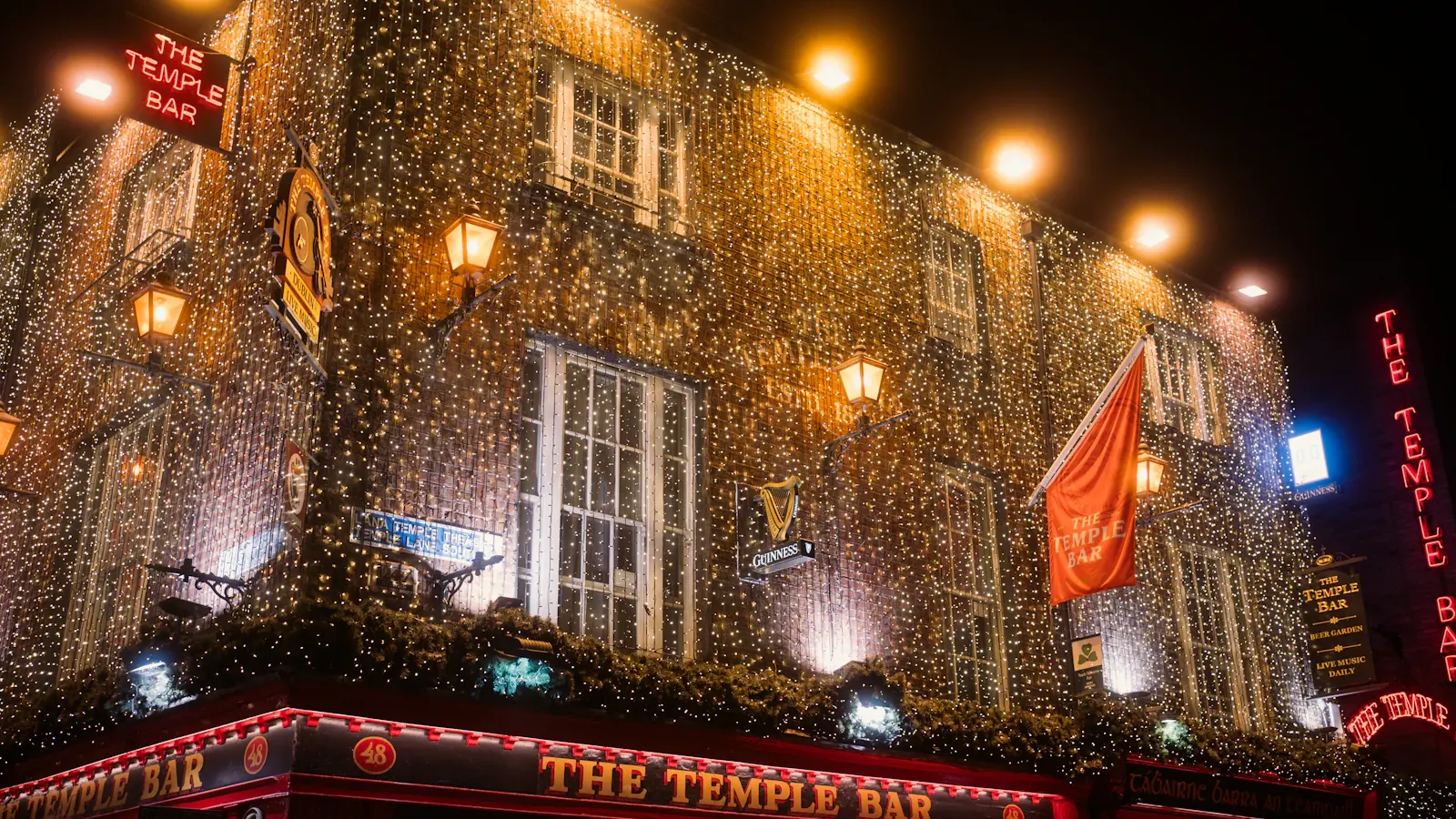
After lunch, walk along the River Liffey and cross the HaPenny Bridge. Continue toward the Temple Bar area for a short look, then move to a quieter pub or cafe nearby. The goal is to see the energy without getting stuck in the busiest crowds.
In the afternoon, visit Dublin Castle or St Patricks Cathedral, both of which are close and easy to combine. These sites provide historical context without requiring a full day. Keep the pace steady and finish with a slow walk through the lanes around the castle.
End the night with a live music session at a single pub. Stay for a while, listen, and enjoy the atmosphere. The first day should feel like a welcome, not a race.
If you have energy, add a short walk through Temple Bar at dusk, then step out to a quieter street for dinner. The contrast between busy and calm is part of the city's charm and makes the first day feel complete.
If you want a small cultural stop, drop into a bookstore or a small gallery near Grafton Street. These quick visits add local texture without taking much time. The goal is to keep the day flowing and avoid a packed checklist on Day 1.
Leave a little space for a spontaneous street performance on Grafton Street.
It is part of the city's charm.
 The Liffey carves through the city center, connecting pubs to parks to Parliament.
Day 2: Guinness, Kilmainham, and Phoenix Park
Day 2 is about history and iconic experiences. Start at the Guinness Storehouse and plan a few hours. The exhibits are engaging, and the top-floor view is worth it. Book a morning slot to avoid the busiest times.
From Guinness, head to Kilmainham Gaol if you have tickets. The tour is powerful and adds depth to your understanding of Irish history. If you cannot get tickets, swap in the Irish Museum of Modern Art nearby. Both options work well with the area.
After the museum block, go to Phoenix Park for a long, relaxed walk. The park is a great way to soften the day and clear your head. If you want a smaller park, the War Memorial Gardens nearby offer a quieter alternative. Either way, build in a green break.
Dinner in Smithfield or back in the city center works well. The insight today is balance: pair a major attraction with a park walk so the day feels full but not heavy.
If you want a quieter finish, walk along the Liffey after dinner for a soft city view. It is a simple reset and keeps the day from feeling too museum heavy.
If you want a tasting without a full tour, choose a short whiskey experience near the city center after dinner. Keep it light and treat it as a small cultural add-on rather than another major stop.
If you are low on energy, swap the park walk for a short riverside stroll. The day will still feel balanced, and you will save your legs for later in the week.
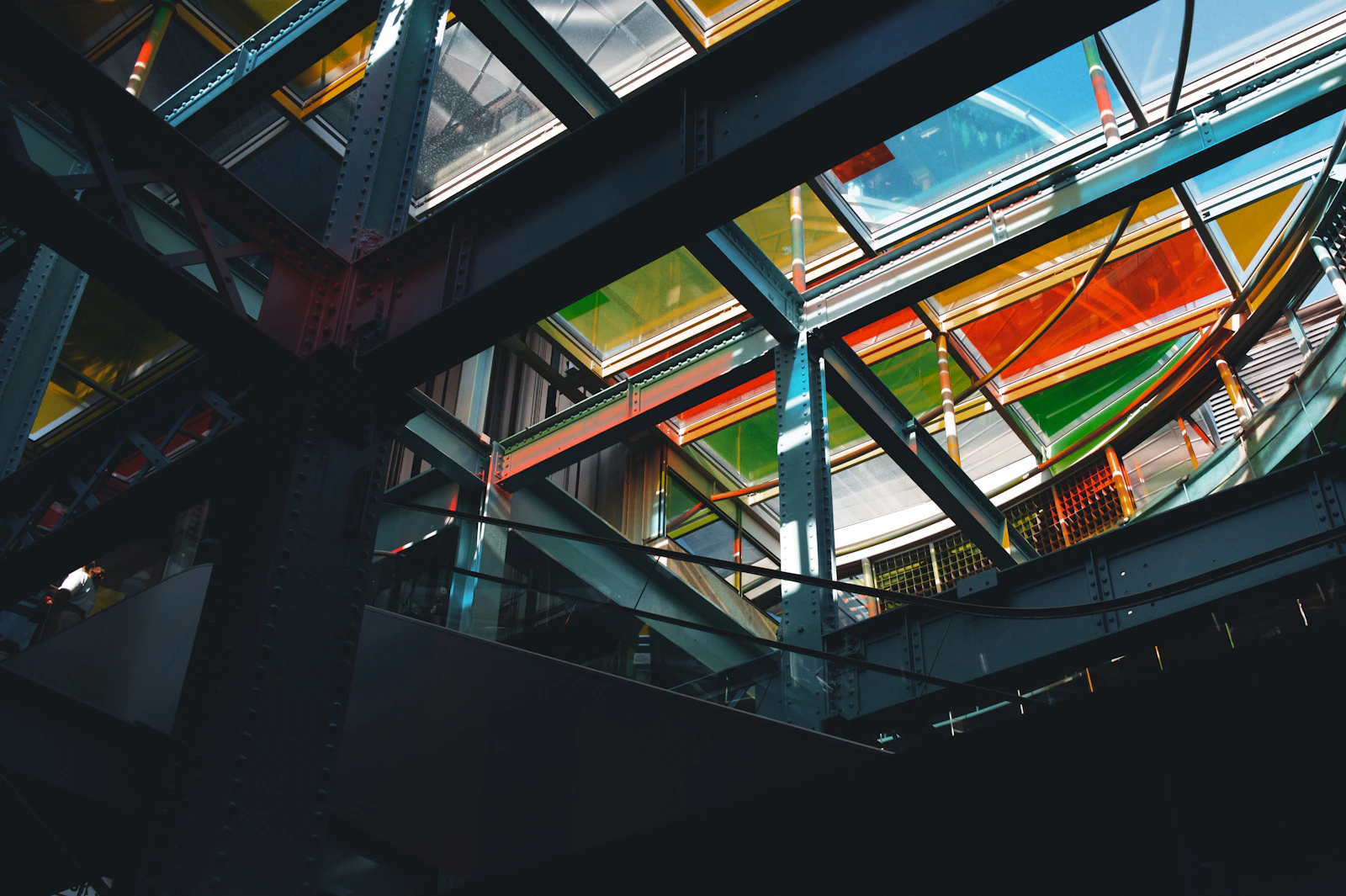 The Liberties neighborhood around Guinness still carries its working-class character.
Day 3: Georgian Dublin and Museums
Today is for the Georgian core and the museums that define Dublin culture. Start in Merrion Square or Fitzwilliam Square to see the classic townhouses and leafy streets. From there, visit the National Museum or the National Gallery depending on your interests. Both are strong and easy to combine with a slow morning.
After a museum visit, take a long lunch. This is a good day to enjoy a sit-down meal or a food market. In the afternoon, walk toward the Docklands for a contrast in architecture or explore the Liberties for a more traditional neighborhood feel.
If you want a literary angle, add a short walking route tied to Joyce or Yeats. Dublin is a UNESCO City of Literature, and a small literary stop adds texture without taking over the day. Keep the pace light and let the city unfold.
End the day with a casual pub dinner or a quiet evening in a cafe. This day is more about atmosphere than big attractions, and that is what keeps a weeklong trip balanced.
If you want a compact highlight, add the Little Museum or a short stop at a historic church. Both are easy to fit in and add texture without turning the day into a sprint.
Take time to notice the Georgian details: the colorful doors, iron railings, and formal squares. A slow photo walk in this area is as rewarding as a museum ticket. If you enjoy gardens, the small green spaces around Merrion Square are ideal for a quick pause.
If you want a short indoor break, pop into a historic pub for tea or a light snack. It is a small moment, but it adds to the sense of place that makes Dublin feel literary.
A gentle pace is the goal today.
It keeps the day light and satisfying.
Day 4: Neighborhoods and Local Dublin
Day 4 is for neighborhoods that feel more local. Choose between Stoneybatter, Rathmines, or the Docklands and spend the morning walking, shopping, and cafe hopping. These areas give you a sense of how Dublin feels beyond the tourist core.
If you want a focused museum, EPIC in the Docklands or the Little Museum in the city center are good options. Keep the visit short and pair it with a long lunch. The goal is to stay curious without burning out.
In the afternoon, return to the river and walk a different stretch than Day 1. This small change makes the city feel new again. If you want a brewery or whiskey tasting, this is a good day to add it.
End the evening with a relaxed dinner and a calm pub visit. The insight today is that Dublin is at its best when you give it time to be ordinary. The neighborhoods are where that happens.
If you are curious about local markets, see if a weekend market lines up with your schedule. A short browse can replace a museum stop and still feel meaningful. Keep the day flexible and follow your energy.
If you want a longer walk, follow a stretch of the Grand Canal for a calmer, residential view of the city. It is a simple route with good cafes nearby and a nice contrast to the busy core. This kind of neighborhood wandering is what makes the week feel grounded.
If the weather turns, swap the canal walk for a longer cafe session and a small museum visit. The day is designed to absorb the city rather than chase it, so it adapts well to rain.
A slow afternoon here often becomes one of the most relaxing days of the week.
That rest helps balance the later day trips.
Day 5: Coastal Day Trip
Spend Day 5 on the coast. Howth is the classic choice for cliff walks and seafood. Start with the harbor, then choose a cliff path route that fits your energy. The views are excellent, and the village is compact and welcoming.
If you prefer an easier day, Dun Laoghaire offers a long pier walk, small cafes, and a calmer vibe. Both options are simple by DART and make for a refreshing change of scenery.
Plan a long lunch by the sea, then return to Dublin in the late afternoon. Keep the evening light. You will feel refreshed, and a quiet dinner will make the day feel complete.
The key insight is that Dublin feels more balanced when you include the coast. The air, the views, and the pace reset your energy for the final two days.
Bring a light layer for wind and a small snack for the walk. If you choose Howth, plan time for the harbor and a slow seafood lunch. If you choose Dun Laoghaire, the pier walk is best later in the day when the light softens.
The DART ride itself is part of the charm, so sit by the window and enjoy the coastline views. Either option works, but Howth feels more rugged while Dun Laoghaire feels more relaxed and easy. Choose based on how much walking you want.
If you have time, add a short stop at a cafe in the village before heading back. A warm drink by the harbor is a simple way to end the day.
Keep the evening light and let the sea air do its work.
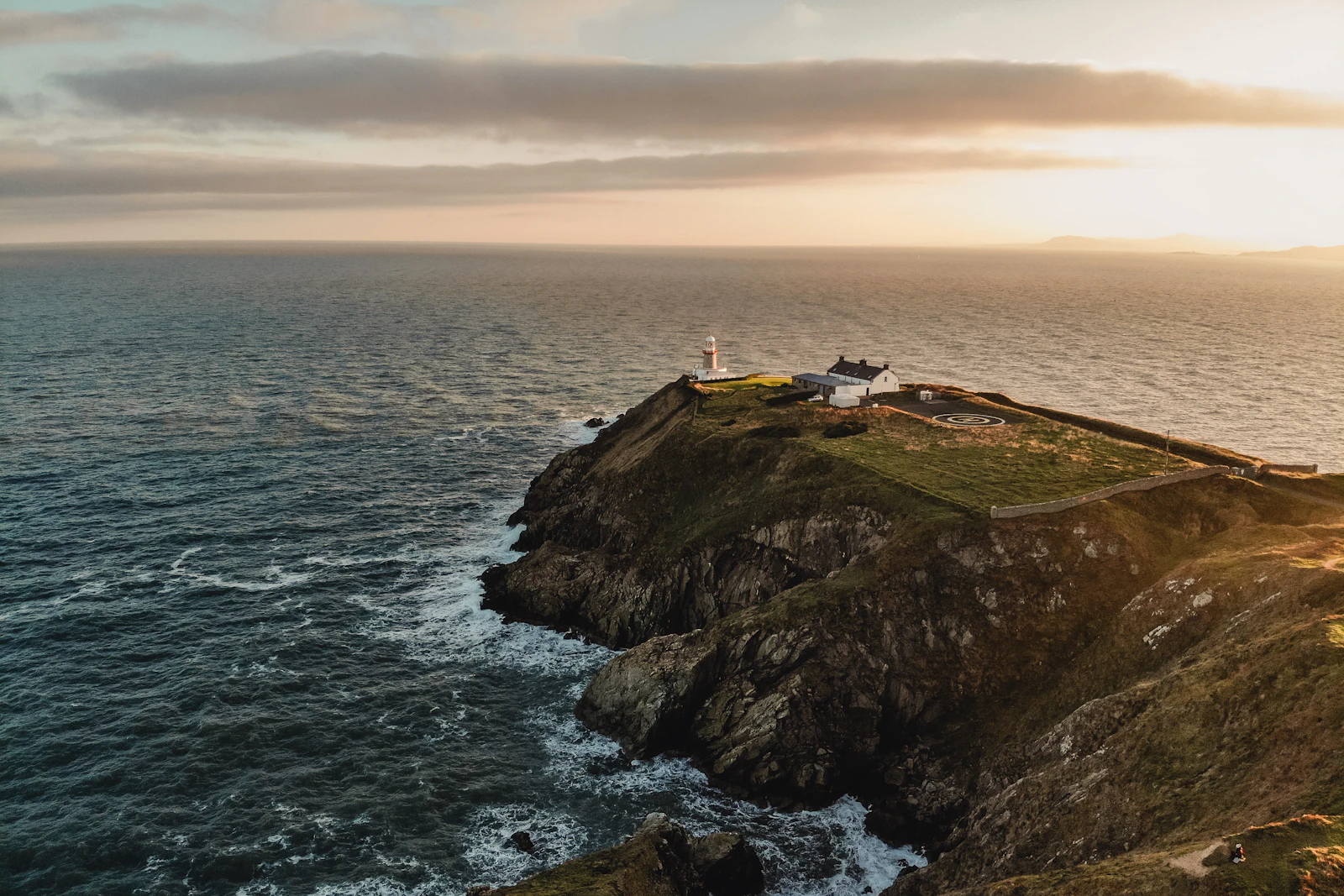 The coastal walk from Bray to Greystones is the best half-day escape from the city.
Day 6: Wicklow or Glendalough Day Trip
Day 6 is your countryside chapter. Wicklow and Glendalough offer dramatic scenery, forest walks, and a monastic site with a peaceful atmosphere. This is a great contrast to the city and gives you a broader sense of Ireland.
You can join a tour or plan your own route if you are comfortable with transit logistics. The goal is to spend the day outdoors, move at a calm pace, and enjoy the scenery. Pack layers, a light rain jacket, and good shoes.
Take your time at the lakes and trails. You do not need to cover everything to make this day feel powerful. A single loop walk and a long lunch at a country cafe can be enough.
Return to Dublin in the evening and keep dinner simple. The countryside day is about fresh air and quiet time, and it sets up a gentle final day in the city.
If you want a lighter version, choose a shorter trail and spend more time by the lakes. The best part of the day is the scenery, not how many kilometers you cover.
If you join a tour, ask whether it includes a stop at Glendalough's visitor area and a short walk to the upper lake. That route gives you the strongest payoff for the time. If you go independently, plan a simple loop and carry snacks so you can stay out longer without rushing back to town.
Weather can change quickly in the hills, so keep your layers handy and bring a light rain shell even in summer. A calm pace makes the landscapes feel bigger and more immersive.
If you want more history, spend a few minutes at the monastic ruins to understand the site before you walk the trails. It adds context without adding much time.
That context makes the walk more meaningful.
Day 7: Slow Dublin and Favorites
The final day is for whatever you loved most. Revisit a favorite pub, return to a park, or do a short museum visit you skipped earlier. Keep the morning calm and unhurried.
If you want a final highlight, choose one compact attraction and pair it with a long lunch. The final day is about closure, not new checklists. A stroll through St Stephens Green or along the river makes a perfect farewell.
End with a relaxed dinner and a final music session if you still have energy. You will leave with a layered view of Dublin: its literature, its neighborhoods, and its coastline.
Use the afternoon to pack and confirm travel plans. A calm logistical reset keeps your final evening relaxed and lets the trip end on a gentle note.
If you want one last cultural moment, choose a small museum or a gallery rather than a big ticket attraction. A compact visit followed by a long cafe stop is a perfect way to close the week. The final day should feel like a slow exhale, not another sprint.
If the weather is good, walk a final stretch along the river and take a few quiet photos. It is a small ritual that brings the week full circle. Keep dinner simple and close to your base so you can end the trip without a late commute.
If you want a final treat, choose a pastry shop or a classic cafe and sit by the window for people-watching. The last day is about savoring the city's everyday rhythm rather than adding more attractions.
If you have a late departure, use the extra time for a slow walk through a favorite neighborhood. It is an easy way to end the week on a calm, personal note.
That final stroll ties the trip together.
Eat, Drink, and Linger in Dublin
Dublin dining is a mix of traditional and modern. Start with a hearty breakfast or a simple cafe plate. Pub lunches are satisfying and often good value. If you want a modern Irish meal, look for small restaurants that focus on seasonal ingredients.
Pub culture is central, but the best nights are usually in one or two places rather than a full crawl. Choose a spot with live music, settle in, and let the evening unfold. A whiskey tasting is a good optional add-on if you want a deeper drink experience.
Coffee culture is strong, and a mid-afternoon cafe stop fits the city's slow rhythm. The insight here is to treat meals as part of the experience. Long lunches and unhurried dinners are what make the week feel rich rather than rushed.
If you want a budget-friendly rhythm, make lunch your larger meal and keep dinner simple. A bakery stop or a soup-and-sandwich combo often costs less and leaves room for one special meal later in the week.
Seafood is worth trying, especially after the coastal day. Look for a chowder lunch or a simple fish plate rather than a formal tasting menu. The week feels best when you mix one or two standout meals with the everyday comfort of pubs and cafes.
If you enjoy sweets, pick up a small dessert from a bakery or try a traditional pudding in a pub. Small treats add variety without adding much cost. Over a full week, these little moments make the food side of the trip feel complete.
If you prefer lighter dinners, a salad or a small plate from a cafe keeps evenings easy and leaves room for a late music stop.
This approach keeps the week balanced and budget friendly.
It also keeps evenings relaxed.
Cultural Experiences Not to Miss
Pub Culture
Dublin has produced more famous writers per capita than any other city, including four Nobel Prize winners in literature.
Dublin's pubs are social institutions. With a full week, you can find your favorites and return. Traditional music sessions happen nightly—The Cobblestone, O'Donoghue's, and The Stag's Head are classics. Order a Guinness (it really does taste different here), settle in, and let the evening unfold. The best nights are never planned.
Markets and Local Shopping
A week lets you explore Dublin's markets in depth. George's Street Arcade has vintage and books. Weekend markets at Dun Laoghaire and Howth offer local food and crafts. For design and gifts, explore the shops around Powerscourt and Temple Bar. Return to favorites and discover new corners.
Literary Dublin
Dublin is a UNESCO City of Literature. James Joyce, Oscar Wilde, Yeats, Beckett—the city is full of literary ghosts. Visit the Writers Museum, walk to Sandycove's Martello Tower, or simply browse a bookshop. With extra days, you can follow a literary trail and let the city's stories deepen your visit.
Practical Tips for Travelers
Language
English is the primary language, with Irish (Gaelic) on signs and in some communities. You'll occasionally hear Irish spoken. A few phrases—sláinte (cheers), go raibh maith agat (thank you)—add local color and are appreciated.
Etiquette
Irish culture is friendly and conversational. Strangers may chat with you; it's cultural, not intrusive. Tipping is appreciated but not obligatory—10% in restaurants, rounding up in pubs. Queuing is taken seriously. In pubs, table service is common; wait to be seated or ask at the bar.
Safety
Dublin is generally safe. Watch for pickpockets in crowded areas like Temple Bar and on the Luas. Some areas north of the Liffey can feel edgier at night; trust your instincts. Weather changes quickly—carry a light jacket. The city is easy to navigate and welcoming at all hours.
Travel Costs and Budgeting
Dublin can be done on a range of budgets, but costs add up. A modest daily budget may sit around $80 to $120 without accommodation. Mid-range travelers often land in the $130 to $190 range with paid attractions and nicer meals. Premium travelers will spend more with private tours and boutique dining.
Book Kilmainham Gaol and the Book of Kells early. These are the two tickets most likely to sell out. If you plan to visit Guinness, a timed ticket is helpful. For day trips, compare tour costs to train and bus options, and decide based on convenience.
To save money, lean on free museums, parks, and self-guided walks. Use the DART for coastal trips and choose a bakery breakfast to balance a nicer dinner later. A few small decisions keep the week affordable without sacrificing quality.
If you are adding a Wicklow day trip, budget extra for transport and lunch because those costs add up. Booking tickets online in advance can save money and time. A small daily buffer for coffee stops and snacks keeps the week smooth.
Accommodation is the biggest variable, and prices can surge during festivals or summer weekends. Booking early is the simplest way to control costs. If you need to save, prioritize a central base with fewer paid tours rather than a cheaper hotel that requires more transport.
If you plan multiple paid attractions, consider grouping them on the same day to reduce transport costs. A simple daily budget for coffee and snacks keeps you from overspending in small increments.
If you stay a little outside the center, factor in the extra transit cost and time. Sometimes a slightly higher hotel rate near the core ends up being the cheaper and easier option overall.
A simple daily cap helps keep spending steady.
If you have extra days, consider combining your Dublin trip with London and Edinburgh — all easy to reach and covered in our PTO-optimized travel guides.
To maximize your days off without extra PTO, use the free Holiday Optimizer to find bridge days around public holidays for your Dublin trip.
Quick Takeaways
- Split the week between city days and two day trips.
- Book Kilmainham and Book of Kells early.
- Add a coastal day for a fresh change of pace.
- Use a Wicklow or Glendalough day to see rural Ireland.
- Keep evenings flexible for music and conversation.
- End with a slow final day and a favorite neighborhood.
- Use the Holiday Optimizer PTO calendar to plan which days to take off for your Dublin trip.
Conclusion
Dublin rewards travelers who balance the must-see landmarks with slower neighborhood exploration. With a week and a clear daily rhythm, you can experience the city's cultural highlights while still leaving room for the spontaneous moments that make a trip memorable. Use this guide as your starting point, but stay open to detours—some of the best Dublin moments happen when you wander off the planned route.
Ready to maximize your time off?
Find the best Dublin travel windows
Frequently Asked Questions
Is one week too long in Dublin?
No. A week lets you see the city at a relaxed pace and add coastal and countryside day trips.
Which coastal day trip is best from Dublin?
Howth is best for cliff walks and seafood. Dun Laoghaire is calmer and easier with a long pier walk.
Do I need to rent a car for Wicklow?
Not necessarily. Tours or train plus bus options work, but a car offers more flexibility if you are comfortable driving.
What should I book in advance?
Book the Book of Kells and Kilmainham Gaol early. Timed tickets for Guinness are also smart.
Is Dublin walkable for a week?
Yes. The city center is compact, and public transport makes longer hops easy.
References
- Visit Dublin - Official Tourism Website
- Guinness Storehouse Official Site
- Book of Kells Experience - Trinity College Dublin
- Kilmainham Gaol Museum
- Wicklow Mountains National Park
Share Your Thoughts
If this Dublin 7-day itinerary helped you plan, share it with a friend who loves literature, music, or coastal walks. Which day trip are you most excited to add?