Dubai in 4 Days: Long Weekend Itinerary & PTO Planner for 2026
Plan a Dubai city break with Burj Khalifa visits, Old Dubai souk walks, desert safari excursions, beachfront dining, and practical transport tips for 2026.
Introduction
Dubai is a city of contrasts: glass towers and historic souks, desert silence and late-night energy, luxury malls and simple street food. Four days is enough to see the headline icons while still getting a feel for the older neighborhoods and the coastline. This Dubai 4-day itinerary balances the big-ticket highlights with cultural texture and a dose of desert calm. Use this guide to plan your four-day trip.
You will spend time in Downtown Dubai, walk the lanes of Old Dubai, cross the creek by wooden abra, and end with a day of marina views and beach energy. One day is dedicated to the desert, which is essential if you want to understand what surrounds the city. The schedule is designed around heat and light, with mornings for walking and evenings for skyline views.
Expect a trip that feels glamorous and grounded at the same time. Dubai works best when you lean into both sides.
Planning a longer trip? Check out our extended Dubai itinerary covering 7-9 days of in-depth exploration. Use our PTO optimizer to find the best days to take off around your trip dates.
Why Dubai Is a Must-Visit Destination in 2026
Architectural Ambition at a Scale Found Nowhere Else
Dubai stands out among Asian destinations for its unique combination of history, culture, and modern energy. Whether you are visiting for the first time or returning for a deeper look, 2026 is an excellent year to experience what makes this city special.
A Global Crossroads of Culture and Cuisine
What sets Dubai apart is the way daily life and cultural depth coexist. You will find world-class landmarks alongside neighborhood rhythms that reward slowing down and paying attention.
Planning Your Trip Essentials
Dubai is spread out, so this plan uses a neighborhood-by-neighborhood approach. Day 1 is Downtown Dubai and the Burj Khalifa area. Day 2 focuses on Old Dubai, the creek, and the souks. Day 3 is a split day: beaches and city in the morning, desert in the afternoon and evening. Day 4 brings you to Dubai Marina, JBR, and the Palm for a modern waterfront finale.
The itinerary also follows a heat-friendly rhythm. Mornings are for walking and heritage areas, afternoons are for indoor attractions or a pool break, and evenings are for skyline views and waterfront dining. This pacing keeps you comfortable and leaves time for the city to come alive after sunset.
Each day includes one anchor experience and one flexible add-on. That keeps the schedule realistic and gives you room to linger. If you want more museums, add one in Old Dubai. If you want more beach time, extend Day 4 and simplify a mall visit. The structure stays intact even if you swap a block.
This Dubai itinerary 4 days also gives you a cultural balance. The city is known for modern architecture, but the creek and heritage districts ground the trip in local history. That contrast is the heart of Dubai.
Use the Holiday Optimizer to find the best days to book off around public holidays for your Dubai trip.
Logistics for a Dubai Long Weekend
The best time to visit Dubai is late fall through early spring, when daytime temperatures are warm but manageable and evenings are pleasant. November through March is generally the most comfortable window. Summer is extremely hot, so if you travel then, plan most sightseeing early or late and keep afternoons for indoor activities.
Choose your base based on the vibe you want. Downtown Dubai is central for the Burj area and malls. Dubai Marina is ideal for beaches and waterfront walks. Al Seef and Deira keep you close to Old Dubai and the creek. For four days, one base is fine, but be ready for longer rides if you choose a neighborhood far from your must-see spots.
Transportation is easy. The metro is efficient for major corridors, and taxis or rideshares fill in the gaps. Buy a Nol card for the metro and trams. Walking is great within neighborhoods, but do not expect to walk between them. The city is larger than it looks on a map.
Dress is respectful and practical. Lightweight clothing is best, but bring a light layer for air-conditioned interiors. In heritage areas, modest clothing is appreciated. Also note that dining reservations are useful for popular restaurants, especially on weekends.
Weekends in Dubai are busy, and Friday is the main day for brunch and social activities. If you want a quieter experience, schedule Old Dubai or museums on Friday morning and save the nightlife for later. Alcohol is available in licensed venues, but it is more expensive than in many cities, so plan accordingly. A simple cultural rule of thumb is to stay polite and low-key in public spaces, and you will find the city welcoming and easy to navigate.
During major holidays or events, prices can spike, so booking hotels early helps. A little planning on timing goes a long way in Dubai.
Day 1: Downtown Dubai and the Burj Khalifa
Start with the headline: Downtown Dubai. Arrive at the Burj Khalifa area early to avoid crowds and the midday rush. If you plan to go up the tower, book a morning time slot and allow extra time for the elevators and security. The views are dramatic, and the early hours often deliver clearer light.
After your visit, explore the Dubai Mall, but do it with intention. It is huge, so pick one or two areas you care about, such as the aquarium viewing window or a specific food hall. The mall is a good place to escape the heat and reset with lunch.
In the afternoon, step outside for a walk around the Burj Lake. The waterfront promenade is well designed and easy to navigate. If you want a quieter space, the nearby boulevard streets have cafes and a calmer vibe than the main mall entrances.
Stay in the area for the evening fountain show and sunset skyline views. The combination of light, water, and architecture is a Dubai signature. End with dinner in Downtown or DIFC, which has a strong restaurant scene and a more polished urban feel.
If you want a quieter alternative to the mall crowds, walk the nearby boulevard streets and look for smaller cafes or a gelato stop. This keeps the day feeling balanced and gives you a break from the scale of the mall. You can also time the fountain viewing for multiple short stops rather than a long wait, which makes the evening feel more relaxed.
If time allows, loop through Burj Park for a calmer green space and a different angle on the skyline.
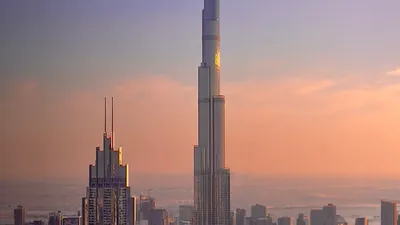
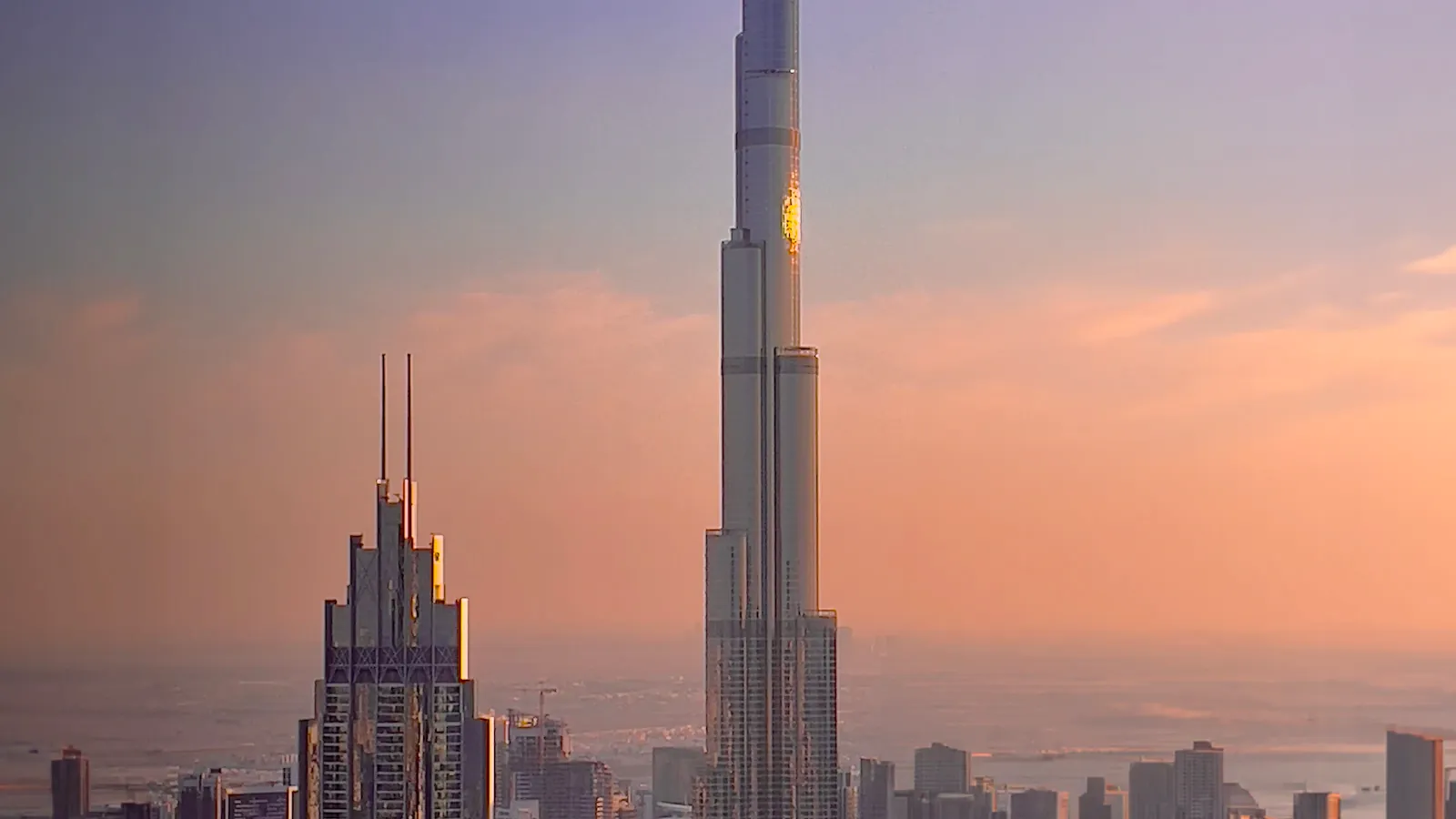
 The Burj Khalifa dominates the skyline from every angle in the city.
Day 2: Old Dubai, the Creek, and the Souks
Day 2 is about heritage and atmosphere. Start in the Al Fahidi Historical District, where wind towers and narrow lanes give you a sense of pre-skyscraper Dubai. The small museums and galleries are a good way to learn the story without a long time commitment.
From Al Fahidi, walk to the Dubai Creek. Take an abra ride across the water, which is a simple but memorable experience. On the other side, you will find the Gold and Spice Souks. It is a great place to browse, even if you do not buy much. Keep the pace slow, and enjoy the scents and textures.
Lunch works well in the Al Seef area or at a casual spot along the creek. This is also a good place for a waterfront coffee. The old and new blend together here, and it creates a nice contrast to the high-gloss Downtown atmosphere.
In the afternoon, you can add a museum like the Dubai Museum area or a cultural center visit. Then return to your hotel for a break before dinner. If you want a more local evening, stay near the creek for a traditional meal. If you want a modern vibe, head to a rooftop in the city for skyline views.
If you want one more heritage stop, consider the Dubai Frame or a short walk along the newer Al Seef promenade to see modern takes on traditional architecture. Both are easy add-ons without stretching the day too far. Keep the pace calm, because the Old Dubai day is more about atmosphere than speed.
In the souks, friendly bargaining is normal, but keep it respectful and light.
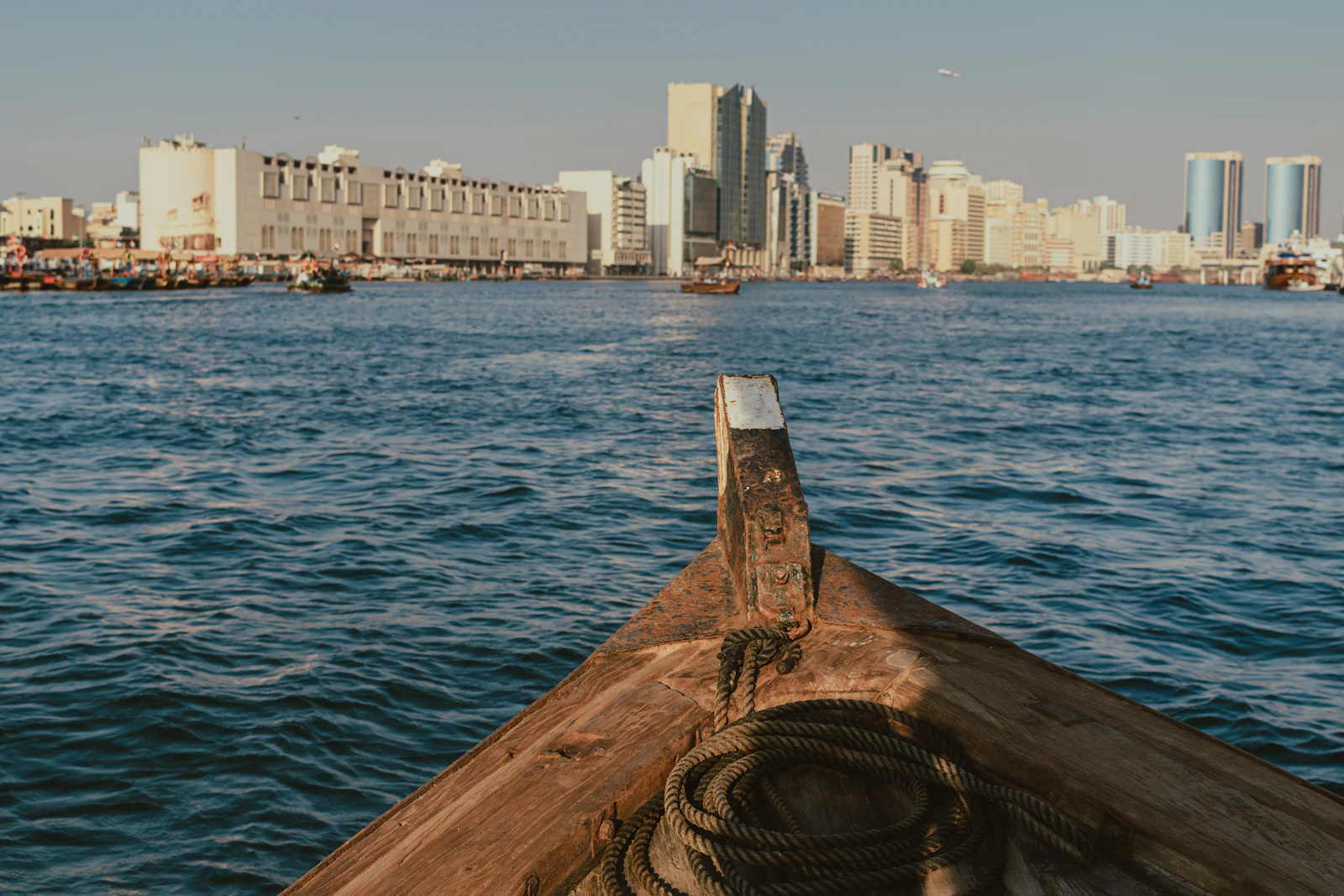 Old Dubai and the Creek offer a texture the skyscrapers can't replicate.
Day 3: Beach Morning and Desert Evening
Spend the morning by the water. Jumeirah Beach, La Mer, or a hotel beach club are all good options depending on your budget. Start early to avoid the strongest sun, and plan a relaxed breakfast or coffee nearby. This is your slow morning, and it will balance the more intense sightseeing days.
After a beach block, head back for a quick rest and then prepare for a desert safari. Most tours pick up in the afternoon and return late in the evening. The drive out takes time, but the shift in landscape is worth it. You will see the sand dunes, watch the light change, and experience a quieter side of the region.
Choose a safari that matches your style. Some are adventure-heavy with dune bashing, while others focus more on a calm sunset and a traditional camp dinner. If you want a slower pace, opt for a less aggressive ride and more time at the camp. It is the contrast to the city that makes the desert special.
Return to Dubai late and keep the night simple. The desert day can be long, and a calm evening helps you reset for the final day.
Pack light for the safari: a scarf for sand, sunglasses, and a thin layer for the temperature drop after sunset. If you are sensitive to motion, choose a tour with gentler dune driving. The desert experience is about the light and the quiet, so give yourself time to watch the horizon change.
Some camps include simple cultural shows or a short stargazing moment once the lights dim. Treat those as optional bonuses rather than the main event.
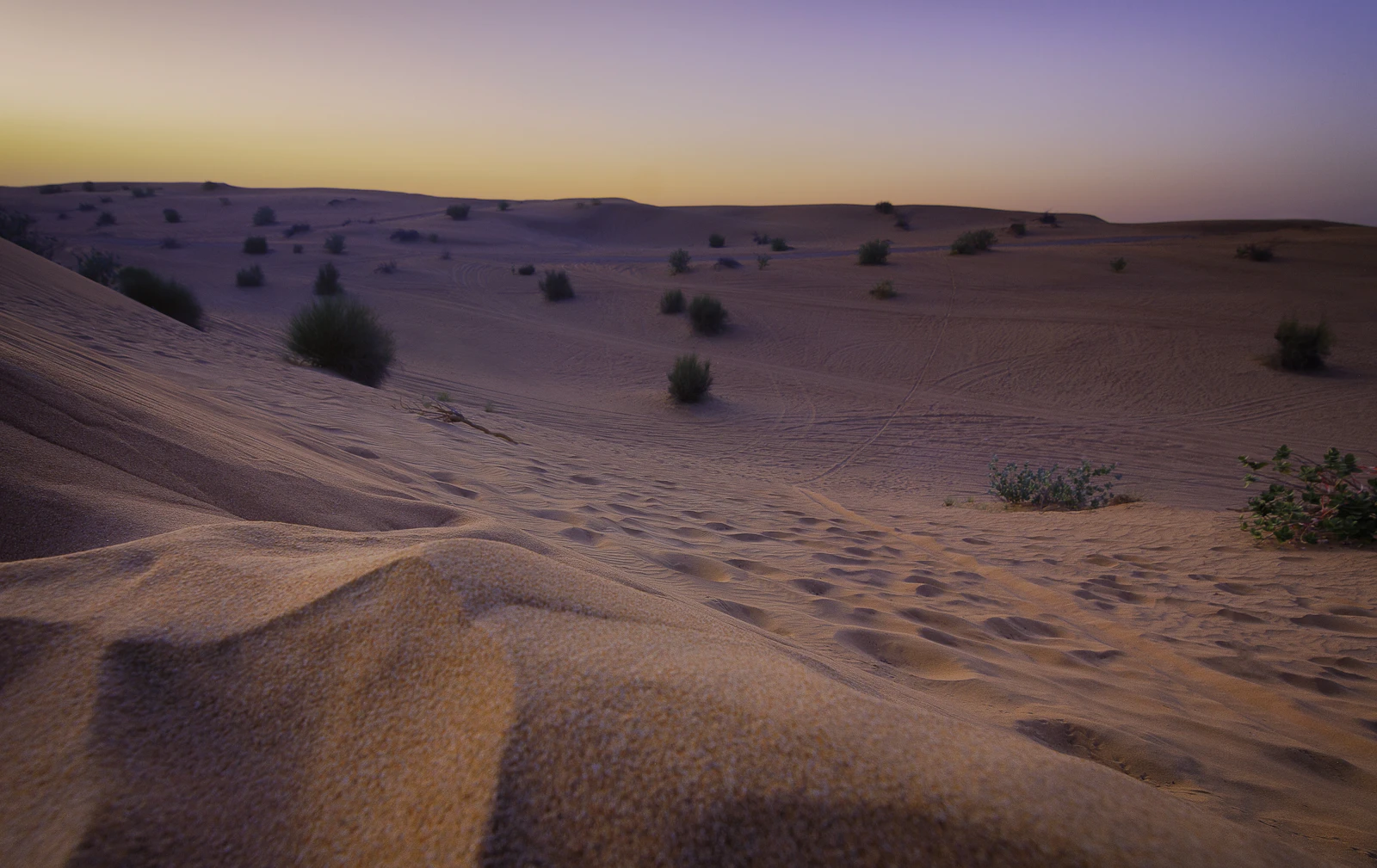 A desert safari at sunset swaps glass and steel for sand and silence.
Day 4: Dubai Marina, JBR, and the Palm
Your last day is for the modern waterfront. Start with a walk around Dubai Marina. The skyline is impressive, and the promenade is designed for slow strolling. Grab a coffee and enjoy the breeze off the water.
From the marina, head to JBR for beach time and a casual lunch. The area is lively and full of cafes. If you want a more elevated view, consider visiting the Palm Jumeirah. The monorail and viewpoints give you a sense of the islands scale. A sunset drink here is a great way to close the trip.
If you are interested in modern architecture, add Bluewaters Island and the Ain Dubai area to your afternoon. Even if you just walk the waterfront, it adds a different layer to the Dubai story. This day is less about museums and more about enjoying the built environment and the sea.
End the evening with dinner at the marina or on the Palm. It is a polished finale, and it rounds out the trip with a completely different mood than Old Dubai.
If you want a last splash of activity, a short marina cruise is a simple add-on that gives you skyline views without extra walking. Alternatively, spend an extra hour on the beach and keep dinner low-key. The final day works best when it feels relaxed and celebratory rather than overstuffed.
If you prefer a quieter finish, choose a cafe along the marina promenade and watch the boats come in at dusk. It is a low-effort way to end the trip on a calm note.
This is also a good time for a final photo walk along the waterfront.
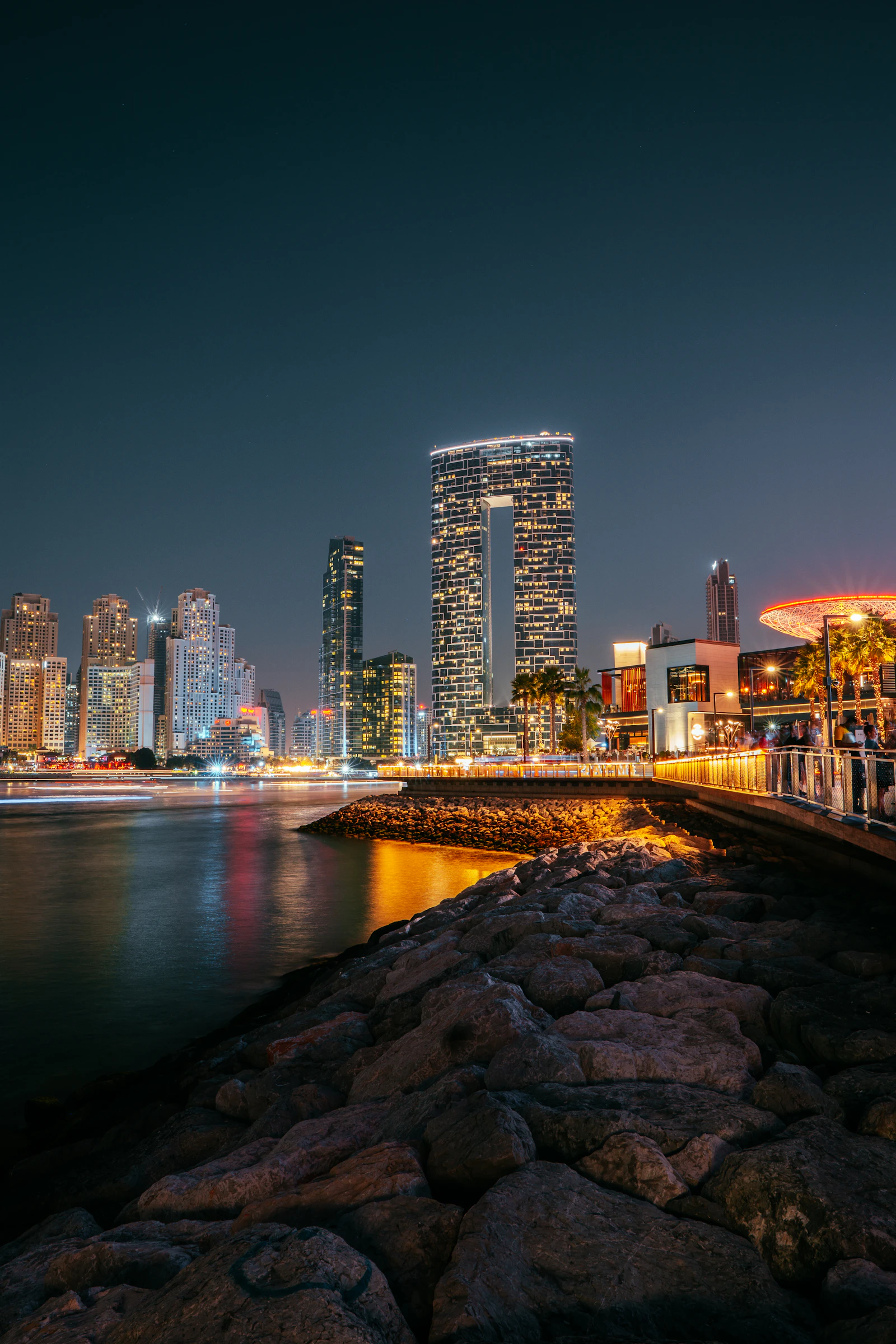 Dubai Marina at dusk glows with the energy of a city still being built.
Eat, Drink, and Linger in Dubai
Dubai dining is diverse and exciting. Start with Middle Eastern classics like hummus, grilled meats, and fresh flatbread. Shawarma is a quick and tasty option, and it is easy to find almost anywhere. If you want Emirati flavors, look for traditional restaurants that serve dishes like machboos or slow-cooked lamb.
Brunch culture is a big part of Dubai, especially on weekends. If you want one high-end meal, brunch is a memorable pick. Otherwise, food halls and casual cafes offer a more budget-friendly way to eat well. The mix of cuisines is a highlight, so let yourself try a few different regions.
For drinks, juices and mocktails are popular, and cafes serve excellent coffee. Rooftop venues are great for skyline views, but they can be pricey. A good strategy is to plan one rooftop visit and keep the rest casual.
The insight is to balance splurges with street-level meals. Dubai can be expensive, but a thoughtful mix of food courts, local restaurants, and one special dinner keeps the experience high without draining your budget.
If you want a local-food focus, look for Emirati restaurants in the heritage areas or cultural centers. For budget-friendly meals, mall food halls and casual cafes are reliable, especially during the hottest hours. If you plan a rooftop or fine-dining night, book in advance and schedule it for the evening when the city lights are part of the experience.
Late-night dining is common, so do not be afraid to eat later than you would at home. Many neighborhoods stay lively after dark, and the cooler temperatures make it more pleasant. A simple strategy is to keep lunch light and save your biggest meal for evening.
If you want a quick sweet bite, look for dates, baklava, or saffron ice cream near the souks.
Cultural Experiences Not to Miss
Arabic Coffee and Hospitality
The Burj Khalifa stands at 828 meters—so tall that residents on upper floors see the sun set several minutes after ground-level observers.
Arabic coffee (gahwa) served with dates is a symbol of hospitality. You'll find it in heritage areas, cultural centers, and some hotel lobbies. The ritual matters as much as the taste—accepting coffee is a gesture of welcome. Slow down, watch the traditional brass pots and small cups, and let the moment connect you to Emirati culture.
Souks and Local Shopping
Dubai's souks offer a sensory contrast to the malls. The Gold Souk and Spice Souk in Deira are the classics—narrow alleys, piled goods, and negotiation as an art form. Bargaining is expected; start low and meet in the middle. For textiles and perfumes, explore the lanes near the Creek. Markets are best in the evening when the heat eases.
Creek and Abra Rides
The Dubai Creek is the city's historic heart. A one-dirham abra (water taxi) ride across the Creek is a simple, authentic experience. Watch the dhows, feel the breeze, and see the skyline from the water. This short crossing connects the old neighborhoods and offers a perspective no mall can match.
Practical Tips for Travelers
Language
Arabic is the official language, but English is the lingua franca—spoken everywhere from hotels to taxis. You'll rarely need Arabic, but a simple shukran (thank you) and marhaba (hello) are appreciated. Signs and menus are bilingual or English-only in most places.
Etiquette
Dubai is cosmopolitan but still conservative. Dress modestly in public spaces—cover shoulders and knees, especially in heritage areas and malls. Public displays of affection are frowned upon. Alcohol is available in licensed venues (hotels, bars) but not in public. During Ramadan, non-Muslims should avoid eating, drinking, or smoking in public during daylight hours.
Safety
Dubai is extremely safe. Petty crime is rare, and the city is well-policed. The main hazards are heat (carry water, stay hydrated, take indoor breaks) and traffic (use crosswalks and be patient). Friday is the holy day; expect some businesses to open later. Respect local customs and you'll have no issues.
Travel Costs and Budgeting
Dubai can fit a range of budgets, but costs add up quickly if you are not careful. A modest daily budget might fall around $70 to $100 without accommodation. Mid-range travelers should plan $120 to $180 per day with a few paid attractions and nicer meals. Premium travelers can easily go higher, especially with luxury dining and private tours.
Book Burj Khalifa tickets in advance and aim for early or late slots for better light. For the desert safari, read reviews and choose a tour that matches your comfort level. Some include dinner, entertainment, and pickup, which simplifies logistics.
The metro is affordable, and taxis are widely available. Use a Nol card for public transport and save taxis for longer routes. If you plan to visit multiple paid attractions, consider a city pass, but only if it matches your itinerary.
The best value comes from planning one or two paid highlights and keeping the rest of the days simple. Beach time and Old Dubai are relatively low-cost and offer some of the most memorable moments.
Remember to budget for small add-ons like beach club day passes, marina cruises, or premium observation decks. These can be worthwhile, but they add up quickly. If you are watching costs, prioritize one signature paid experience and keep the rest of your days centered on free or low-cost neighborhoods like the creek and public beaches.
If you are using a city pass, compare the included attractions to your itinerary rather than buying it automatically. It can be good value if you will visit multiple paid sites in a short window, but unnecessary if you are mostly doing neighborhoods and the beach.
Keep a small cash buffer for taxis if you stay out late when the metro is less convenient.
That extra cushion also helps with last-minute ticket upgrades.
If you have extra days, consider combining your Dubai trip with Istanbul, Cairo, and Marrakech — all easy to reach and covered in our PTO-optimized travel guides.
To maximize your days off without extra PTO, use the free Holiday Optimizer to find bridge days around public holidays for your Dubai trip.
Quick Takeaways
- Split days by neighborhood to reduce travel time.
- Book the Burj Khalifa early for the best time slots.
- Balance modern Dubai with a full Old Dubai day.
- Do a desert safari for contrast and sunset light.
- Save the marina and Palm for a relaxed final day.
- Use the metro for big corridors and taxis for gaps.
- Use the Holiday Optimizer PTO calendar to plan which days to take off for your Dubai trip.
Conclusion
Dubai rewards travelers who balance the must-see landmarks with slower neighborhood exploration. With four days and a clear daily rhythm, you can experience the city's cultural highlights while still leaving room for the spontaneous moments that make a trip memorable. Use this guide as your starting point, but stay open to detours—some of the best Dubai moments happen when you wander off the planned route.
Ready to maximize your time off?
Find the best Dubai travel windows
Frequently Asked Questions
Is four days enough for Dubai?
Yes. Four days covers Downtown, Old Dubai, the desert, and the marina while still leaving time to relax.
What is the best time to visit Dubai?
Late fall through early spring is the most comfortable. Winter evenings are especially pleasant.
Do I need to book a desert safari in advance?
It is smart to book ahead, especially in peak season, to secure your preferred time and style of tour.
Is Dubai walkable for tourists?
Dubai is walkable within neighborhoods, but distances between areas are large. Use the metro or taxis for longer trips.
Should I stay in Downtown or the Marina?
Downtown is central for the Burj area, while the Marina is better for beaches and nightlife. Choose based on your priorities.
References
- Visit Dubai - Official Tourism Website
- Burj Khalifa Official Website
- Dubai Mall - Attractions
- Palm Jumeirah - Visit Dubai
- Lonely Planet Dubai Travel Guide
Share Your Thoughts
If this Dubai 4-day itinerary helped you plan, share it with a friend who loves big skylines and desert sunsets. Which part of Dubai are you most excited to explore?