Cartagena in 4 Days: Long Weekend Itinerary & PTO Planner for 2026
Plan a Cartagena getaway with a 4-day itinerary covering the colonial walled city, Caribbean beaches, vibrant nightlife, and Colombia's most romantic destination for 2026.
Introduction
Cartagena de Indias hits you with color first—bougainvillea cascading over colonial balconies in every shade of pink and purple, buildings painted in sun-bleached yellows, terracottas, and blues, and fruit vendors balancing towers of mango, papaya, and maracuya on their heads like walking still lifes. Then the heat arrives—thick, humid Caribbean air that slows your pace and loosens your expectations until you realize that walking slowly, drinking something cold, and letting the city unfold at its own rhythm is not laziness but wisdom. Use this guide to plan your four-day trip.
Four days in Cartagena delivers one of the most visually stunning and emotionally generous experiences in the Americas. The UNESCO-listed walled city is among the finest preserved colonial centers in the world, the Caribbean coast provides beaches and island escapes, the food blends Afro-Colombian, indigenous, and Spanish traditions into something uniquely coastal, and the nightlife—from salsa bars to rooftop cocktail lounges—keeps the city alive until the small hours. Cartagena is not subtle, and that is precisely its charm.
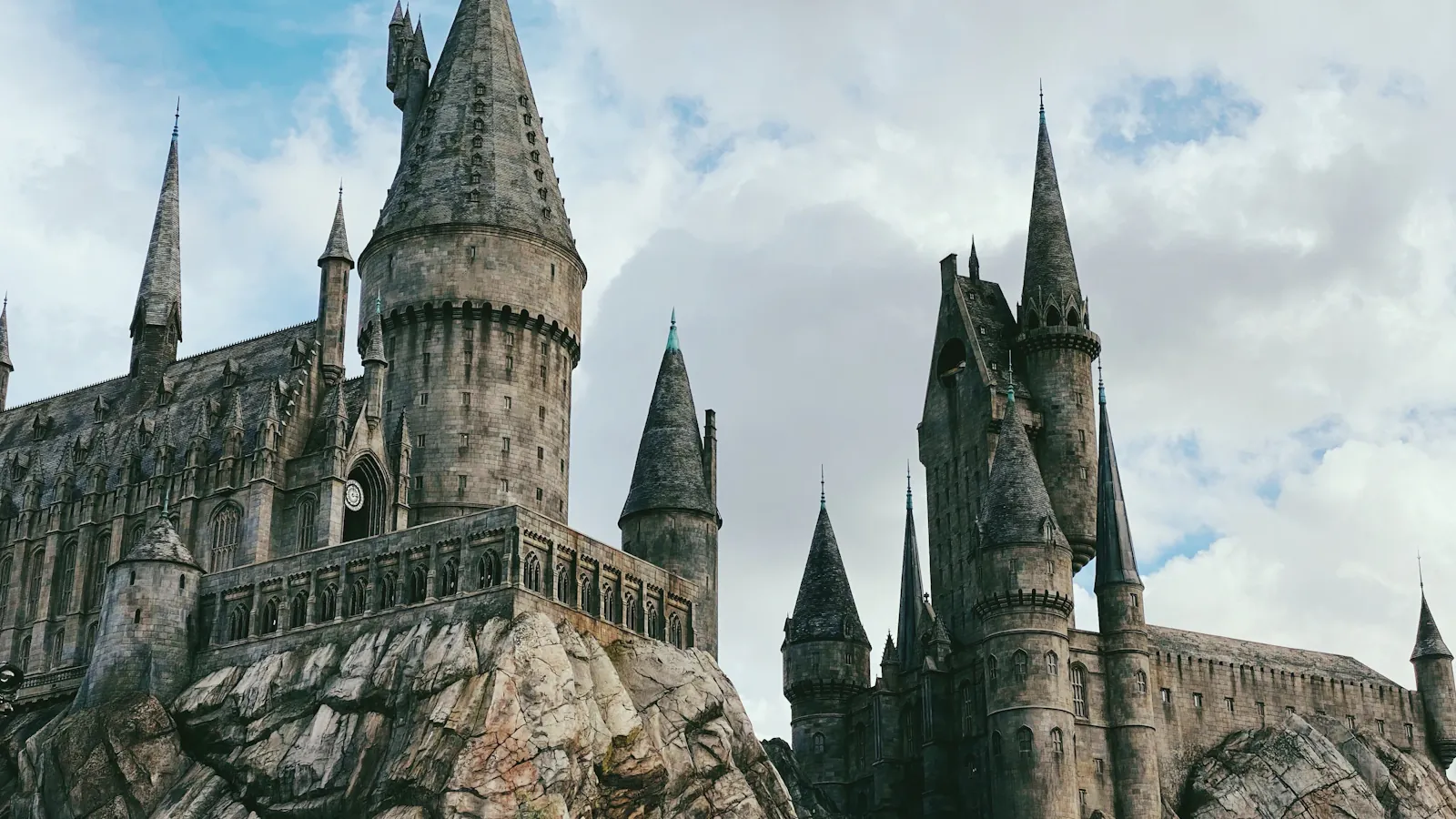
 Cartagena's walled city is a UNESCO World Heritage treasure of colonial color.
Planning a longer trip? Check out our extended Cartagena itinerary covering 7-9 days of in-depth exploration. Use our PTO optimizer to find the best days to take off around your trip dates.
Why Cartagena Is a Must-Visit Destination in 2026
Colonial Beauty Meets Caribbean Soul
Cartagena is where Spanish colonial architecture meets Afro-Caribbean culture—a combination that produces something found nowhere else. The Ciudad Amurallada (walled city) was built in the 16th century to protect Spanish treasure fleets from pirates, and the massive stone walls, fortresses, and churches survive in remarkable condition. But this is not a museum city—the colonial buildings pulse with life: boutique hotels in converted convents, restaurants in former slave quarters, jazz bars in 400-year-old courtyards, and streets where cumbia music spills from doorways and palenqueras (Afro-Colombian fruit sellers in traditional dress) pose for photos.
What Makes Cartagena Unique vs Other Caribbean Destinations
Most Caribbean destinations offer sun and sand. Cartagena offers sun, sand, and one of the most historically significant and architecturally beautiful cities in the Western Hemisphere. The walled city is comparable to Havana's Habana Vieja but better preserved, more colorful, and significantly more accessible. The Afro-Colombian cultural influence—in the food, music, dance, and language—adds depth that resort destinations cannot match. And Colombia's improving infrastructure and international reputation make 2026 an excellent time to visit, with direct flights from most major US cities.
Planning Your Trip Essentials
Use the Holiday Optimizer to find the best days to book off around public holidays for your Cartagena trip.
Best Time to Visit
December through April is the dry season—hot (30-33 degrees Celsius), humid, but with clear skies and the most reliable weather. January and February are peak season with highest prices. November and March-April offer shoulder-season value with similar weather. The rainy season (May-November) brings afternoon downpours that are intense but usually brief—mornings stay clear, prices drop significantly, and the city is less crowded. Avoid Semana Santa (Easter week) and the week between Christmas and New Year's unless you want maximum crowds and maximum prices.
Transportation Basics
The walled city and Getsemani are entirely walkable—these are where you will spend most of your time. Uber and DiDi work well for trips to Bocagrande, the airport, and other neighborhoods (COP 8,000-20,000 / $2-5 USD per ride). Regular taxis should use the meter or agree on a price before departing. Walking between the walled city and Getsemani takes 5-10 minutes. Bocagrande (the beachfront hotel strip) is 10-15 minutes by car. For Rosario Islands and Baru, boat transportation is arranged through tour operators.
Accommodation Choices
- Walled City (Centro): The most atmospheric option—colonial boutique hotels in converted mansions. Beautiful but noisy at night. $80-300 USD/night.
- Getsemani: The formerly working-class neighborhood adjacent to the walled city, now Cartagena's coolest barrio—street art, hostels, bars, local character. $30-120/night.
- Bocagrande: Modern beachfront hotels, pool access, resort atmosphere. Less character but beach proximity. $60-200/night.
- San Diego: The quieter section within the walled city—residential feel, excellent restaurants, less tourist chaos. $70-250/night.
Travel Costs and Budgeting
To maximize your days off without extra PTO, use the free Holiday Optimizer to find bridge days around public holidays for your Cartagena trip.
Daily Budget Breakdown
Cartagena is affordable by Caribbean standards but is Colombia's most expensive tourist city. Budget travelers can manage COP 150,000-250,000 ($37-62 USD) per day on street food, walking, and free attractions. Mid-range travelers should plan COP 300,000-600,000 ($75-150 USD) for restaurant meals, island trips, and cocktails. Premium experiences—fine dining, private boat charters, spa hotels—push past COP 1,000,000 ($250 USD).
Cost-Saving Tips
Walking the walled city and Getsemani costs nothing and is the primary activity. Street food—arepas de huevo, empanadas, fresh fruit—is both cheap and excellent. The fortress and church entries are individually affordable (COP 20,000-35,000 each). Group boat tours to Rosario Islands cost COP 80,000-150,000 versus COP 500,000+ for private boats. Eat lunch at local restaurants in Getsemani for a fraction of walled city prices. Happy hours at rooftop bars (4-7pm) offer half-price cocktails.
Food and Dining Typical Costs
- Arepa de huevo (street): COP 3,000-5,000 ($0.75-1.25 USD)
- Fresh fruit from a palenquera: COP 5,000-10,000 ($1.25-2.50 USD)
- Ceviche from a beach vendor: COP 15,000-25,000 ($4-6 USD)
- Lunch at a local restaurant: COP 15,000-30,000 ($4-7.50 USD)
- Dinner at a walled city restaurant: COP 60,000-150,000 ($15-37 USD) per person
- Cocktail at a rooftop bar: COP 30,000-50,000 ($7.50-12.50 USD)
- Fine dining: COP 200,000-400,000 ($50-100 USD) per person
- Beer at a bar: COP 8,000-15,000 ($2-4 USD)
Day 1: The Walled City
Explore the colonial heart of Cartagena—one of the most perfectly preserved colonial cities in the Americas.
Morning: Walls and Fortifications
Start by walking the city walls themselves—the 13-km fortification system built over two centuries to repel pirate attacks. Climb to the ramparts near the Clock Tower (Torre del Reloj), the main gate into the walled city, and walk along the top of the walls toward the Baluarte de Santo Domingo for panoramic views over the rooftops and the Caribbean. Continue to Plaza de Santo Domingo, where the Fernando Botero sculpture of a reclining woman is surrounded by cafe tables and colonial architecture. The Iglesia de Santo Domingo (COP 10,000 entry) is one of Cartagena's oldest churches.
Cartagena's walls were built over 200 years starting in the late 16th century, costing the Spanish Crown more than any other fortification in the Americas. The city was attacked repeatedly by English pirates and military forces—Sir Francis Drake sacked it in 1586, and the British siege of 1741 was one of the largest amphibious operations before D-Day.
Midday: Plaza de Bolivar and Museums
Walk to Plaza de Bolivar, the main square shaded by massive trees, where vendors sell cold water and fruit while tourists and locals share benches. Visit the Palacio de la Inquisicion (COP 25,000)—a beautiful colonial building with a disturbing history as the seat of the Spanish Inquisition in South America. The instruments of torture on display are genuinely chilling. The Museo del Oro (free admission) has a small but excellent collection of pre-Columbian gold from the Zenu culture.
Afternoon: San Pedro Claver and Exploration
Visit the Iglesia y Convento de San Pedro Claver (COP 30,000), dedicated to the 17th-century Jesuit who ministered to enslaved Africans arriving in Cartagena—the city was the primary slave port of the Spanish Americas. The church and courtyard are beautiful, and the history is sobering. Then simply wander—the walled city rewards aimless exploration. Every street has a different color palette, every corner reveals a new balcony overflowing with flowers, and every doorway opens onto a different world—a hotel lobby, a restaurant courtyard, a family's living room.
 Every turn in the walled city reveals another explosion of color and flowers.
Evening: Rooftop Cocktails and Dinner
Sunset from a rooftop bar is a Cartagena ritual. Cafe del Mar (on the city walls, COP 35,000-50,000 per cocktail) is the most famous—the sunset over the Caribbean with the fortress silhouetted against the sky is spectacular, though prices reflect the setting. Alquimico (Calle del Colegio, a three-floor cocktail bar) is the more serious drinks destination—creative cocktails using Colombian ingredients in a gorgeously restored colonial building. Dinner at La Cevicheria (Calle Stuart, no reservations, expect a wait, COP 50,000-90,000 per person) for the city's best seafood—the ceviche and fried red snapper are exceptional.
Day 2: Getsemani, Castillo, and Culture
Morning: Getsemani Street Art
Cross into Getsemani, the formerly rough neighborhood that has become Cartagena's coolest barrio. The streets are covered in vibrant murals—political commentary, Afro-Colombian heritage, abstract explosions of color. Walk Calle de la Sierpe and the streets around Plaza de la Trinidad for the best concentration. The plaza itself fills every evening with locals, street performers, and food vendors—it is the social heart of Getsemani and far less touristy than the walled city plazas. Morning is best for photographing the street art without crowds.
Getsemani's transformation from rough neighborhood to Cartagena's coolest barrio happened in the last decade. The street art, the local bars, and the plaza culture are authentic, not manufactured for tourists. Stay alert but do not be afraid—the neighborhood is safe during the day and lively at night.
Midday: Castillo de San Felipe
Take a taxi (or walk 20 minutes uphill) to the Castillo de San Felipe de Barajas (COP 33,000)—the largest Spanish fortress in the Americas, built on the hill of San Lazaro to defend the city from land attacks. The engineering is impressive: tunnels honeycomb the interior (designed so that any whisper echoes throughout, alerting guards to intruders), and the angled walls deflected cannonballs. The views of the city and harbor from the ramparts justify the entrance fee alone. Visit early morning or late afternoon to avoid the worst heat.
Afternoon: Bazurto Market
For an authentic, non-touristy Cartagena experience, visit Mercado de Bazurto—the city's main market, loud, chaotic, and teeming with life. Mountains of tropical fruit, fresh fish arriving from the docks, juice vendors, and prepared food stalls serving the food that cartageneros actually eat—fried fish with coconut rice, sancocho (hearty soup), and patacones (fried plantain). The market is not polished or tourist-friendly—go with a guide or a confident attitude, keep valuables secure, and embrace the sensory overload. This is the real Cartagena.
Evening: Salsa and Champeta
Cartagena's nightlife pulses with champeta (Afro-Colombian dance music unique to the Caribbean coast) and salsa. Cafe Havana (Getsemani, COP 20,000 cover, live Cuban music) is the most famous—a smoky, sweaty, exhilarating dance venue where locals and tourists share the floor. Bazurto Social Club (Getsemani) plays champeta, reggaeton, and African-influenced beats. For a mellower evening, the cocktail bars within the walled city—El Baron, Alquimico—offer sophisticated drinks in colonial settings.
Day 3: Islands and Beaches
Full Day: Rosario Islands or Baru
Take a boat trip to the Islas del Rosario or Playa Blanca on the Baru Peninsula—Cartagena's beach escapes. Group boat tours (COP 80,000-150,000 per person, departing 7-8am from the dock near the Clock Tower) include the 90-minute boat ride, a beach stop, lunch, and snorkeling. The water in the Rosario archipelago is clear turquoise, perfect for snorkeling among coral reefs and tropical fish. Playa Blanca on Baru is the most popular beach—white sand, palm trees, and beach vendors serving fried fish and coconut lemonade. It gets crowded by midday—consider a private boat charter (COP 500,000-1,000,000 for a group) for a more relaxed experience with stops at less-visited islands.
For a more exclusive experience, day passes at island resorts like Isla Pirata or Isla del Encanto (COP 100,000-200,000 including lunch and open bar) offer better facilities and fewer crowds than Playa Blanca.
Evening: Walled City Stroll
Return to the walled city for an evening walk—the colonial streets are magical at night, illuminated by warm lights, with horse-drawn carriages clip-clopping over cobblestones and music drifting from open doorways. Dinner at Carmen (Calle del Santisimo, reservations recommended, COP 100,000-180,000 per person)—one of Cartagena's best restaurants serving contemporary Colombian cuisine in a beautifully restored colonial house.
Day 4: Markets, Culture, and Departure
Morning: Last Explorations
Return to your favorite neighborhood for a final morning walk. In the walled city, visit the Museo de Arte Moderno (COP 10,000) for Colombian contemporary art, or browse the artisan shops along Las Bovedas—the vaulted chambers built into the city walls, originally used as dungeons and now housing souvenir stalls selling hammocks, embroidered textiles, and Colombian crafts. Buy an artisan hammock (COP 60,000-150,000)—they are beautiful and pack flat.
Before the Airport
Rafael Nunez International Airport (CTG) is surprisingly close to the walled city—15-20 minutes by taxi (COP 15,000-25,000). Allow 2 hours for domestic departures, 3 hours for international. Buy Colombian coffee, chocolate, and emeralds (from reputable jewelers only) as gifts. The airport is small but functional.
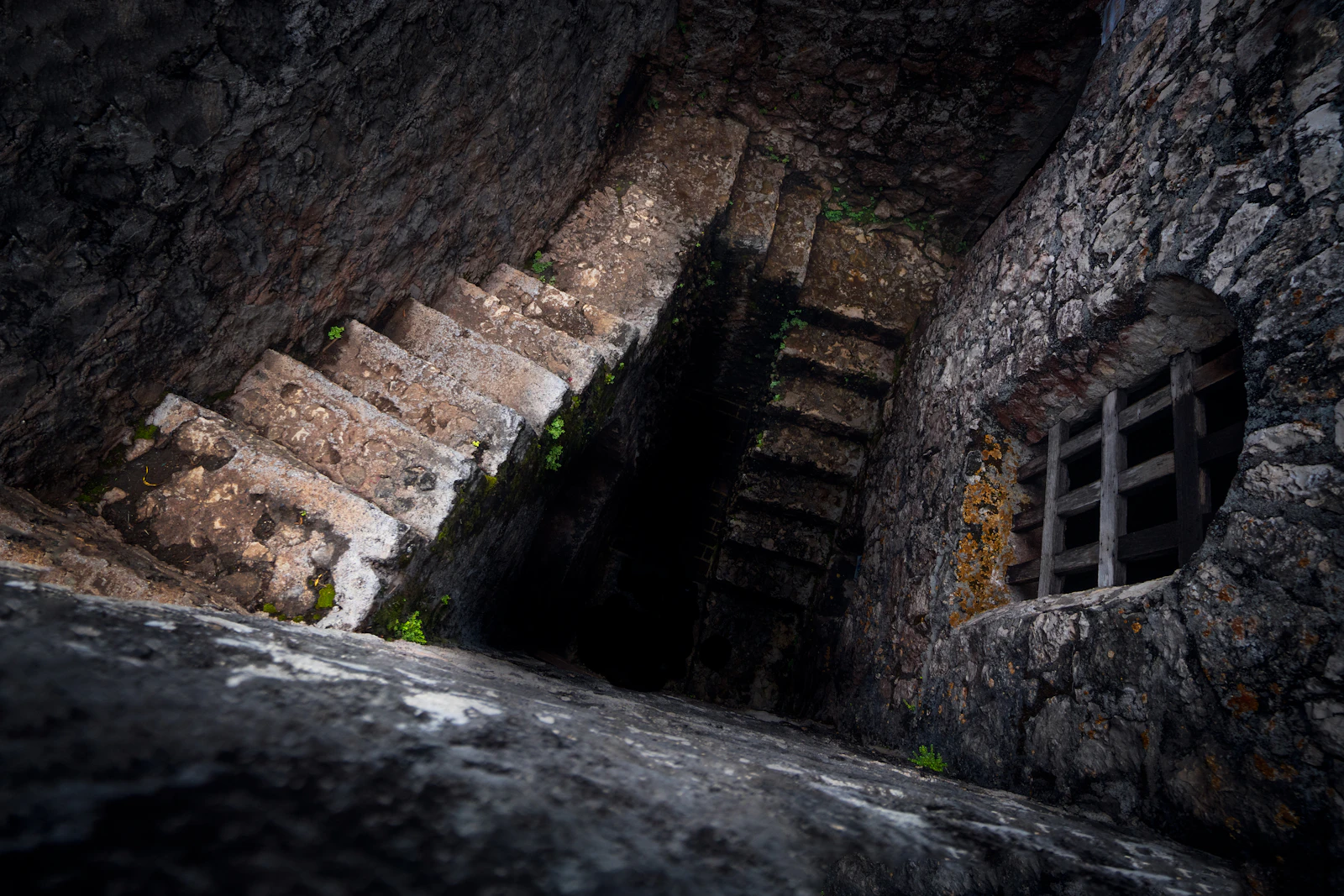 The Castillo de San Felipe is the largest Spanish fortress in the Americas.
Eat, Drink, and Savor
Essential Cartagena Dishes
- Ceviche cartagenero: Different from Peruvian ceviche—lime-cured fish or shrimp mixed with onion, tomato, and aji pepper, often served in a cocktail glass with saltine crackers. Street vendors serve it for COP 10,000-15,000.
- Arroz con coco: Coconut rice—sweet, slightly sticky, served alongside fried fish as Cartagena's staple combination. The best versions have a slightly caramelized bottom layer.
- Arepa de huevo: A fried corn arepa stuffed with a whole egg—street food perfection for COP 3,000-5,000. Found at stalls across the city, best eaten hot and fresh.
- Cazuela de mariscos: A rich coconut milk seafood stew with shrimp, fish, and sometimes lobster—the quintessential Caribbean coast dish.
Street Food Culture
Cartagena's street food is vibrant, cheap, and delicious. Palenqueras (Afro-Colombian women in traditional colorful dress) sell fresh fruit from bowls on their heads—mango, papaya, maracuya. Empanada vendors fry on every corner (COP 2,000-3,000 each). Cocadas (coconut candies) come in white and brown sugar varieties. Evening street food intensifies: grilled meats, fried plantains, and butifarras (pork sausages from nearby Soledad) appear on carts throughout Getsemani and the walled city.
Drinks
- Limonada de coco: Coconut lemonade—blended with crushed ice, it is the most refreshing drink in the Caribbean. Available everywhere for COP 5,000-10,000.
- Aguardiente: Colombia's anise-flavored national spirit. Order shots at any bar (COP 3,000-5,000 each). It is an acquired taste—medicinal, sweet, and strong.
- Ron: Colombian rum, particularly Ron Viejo de Caldas, is smooth and affordable. A Cuba libre at a bar costs COP 10,000-20,000.
- Cocktail bars: Cartagena's cocktail scene has matured—Alquimico, El Baron, and Epoca serve creative drinks using tropical Colombian ingredients.
Cultural Experiences Not to Miss
Afro-Colombian Heritage
Cartagena was the largest slave port in the Spanish Americas, and Afro-Colombian culture is foundational to the city's identity. The palenquero community—descendants of enslaved Africans who escaped and formed free settlements (palenques)—maintains the only Spanish-based creole language in Latin America. Visit San Basilio de Palenque (1 hour from Cartagena, guided tours available) to experience this UNESCO-listed cultural community. In Cartagena, the Afro-Colombian influence is everywhere—in the music (champeta), the food (coconut-based cuisine), the dance, and the visual culture.
Colonial Architecture Tours
The walled city's architecture rewards close attention. The wooden balconies (many restored in vibrant colors) are Cartagena's visual signature. The Casa del Marques de Valdehoyos and other colonial mansions (some converted to hotels and restaurants) showcase the wealth of the colonial trading port. Guided walking tours ($20-40 USD, 2-3 hours) provide historical context that transforms the colonial center from pretty backdrop to living history.
Live Music and Dance
Champeta, cumbia, and salsa are the musical heartbeat of Cartagena. Beyond the famous Cafe Havana, smaller venues in Getsemani and Bazurto Social Club offer nightly music. Cumbia originated in the Colombian Caribbean coast—watching live cumbia with drums, flutes, and dancers in traditional dress connects you to a cultural tradition that predates the colonial era.
Practical Tips for Travelers
Language
Spanish is essential. Cartagena's coastal Spanish is fast and accent-heavy—the "s" at the end of words often disappears, and the slang (parlache and costeno expressions) can confuse textbook speakers. Basic phrases and food vocabulary are sufficient for most interactions. English is spoken at upscale hotels and restaurants in the walled city but rarely elsewhere.
Etiquette
Cartageneros are warm and social—greetings are important, and personal interactions are valued over efficiency. Bargaining is expected at markets and with street vendors (but not at restaurants or shops with fixed prices). When photographing palenqueras, ask first—they typically expect a small tip (COP 5,000-10,000). The heat dictates pace: embrace the slower rhythm, stay hydrated, and avoid midday (12-3pm) outdoor activity when possible.
Safety
The walled city, San Diego, and Getsemani are safe for tourists day and night, though petty theft exists—keep phones and valuables secure. Avoid displaying expensive jewelry. Outside the tourist center, take taxis or Uber rather than walking, especially at night. Bazurto market requires caution—go during the day and be aware of your belongings. Beach vendors can be persistent—a firm "no, gracias" works. Drink bottled water and be cautious with ice at street stalls.
The Caribbean sun in Cartagena is brutal—temperatures regularly exceed 32 degrees with high humidity. Apply sunscreen liberally, wear a hat, drink water constantly, and schedule indoor activities (museums, restaurants) during the 12-3pm heat peak.
If you have extra days, consider combining your Cartagena trip with Mexico City and Lima — all easy to reach and covered in our PTO-optimized travel guides.
Quick Takeaways
- The walled city is walkable, stunning, and the heart of the Cartagena experience—stay inside the walls or in Getsemani.
- Getsemani is cooler and cheaper than the walled city—street art, local bars, and plaza culture make it Cartagena's most vibrant neighborhood.
- Book Rosario Islands boat tours in advance during high season (December-February).
- Street food is excellent and cheap—arepas de huevo, empanadas, and fresh fruit from palenqueras are highlights.
- Sunset from the city walls or a rooftop bar is a daily ritual worth honoring.
- Budget COP 300,000-600,000 ($75-150 USD) per day for comfortable mid-range travel.
- The Castillo de San Felipe is the most impressive fortress in the Americas—visit early morning or late afternoon to avoid the worst heat.
- Hydrate aggressively—the combination of heat, humidity, and walking will dehydrate you faster than expected.
- Use the Holiday Optimizer PTO calendar to plan which days to take off for your Cartagena trip.
Conclusion
Four days in Cartagena delivers one of the most visually intoxicating and culturally rich experiences in the Caribbean. The walled city is not a ruin or a reconstruction—it is a living, breathing colonial masterpiece where 400-year-old buildings house 21st-century restaurants, where fortress walls frame Caribbean sunsets, and where Afro-Colombian culture pulses through every street in the form of music, food, and an irrepressible energy that no amount of heat can dampen.
You leave Cartagena sun-drenched, well-fed, possibly still hearing champeta beats in your head, and with a camera full of the most colorful photos of your life. The city is romantic without being cloying, historical without being dusty, and Caribbean without being generic. Start planning your PTO windows for this extraordinary corner of Colombia.
Ready to maximize your time off?
Find the best Cartagena travel windows
Frequently Asked Questions
-
Is Cartagena safe? The tourist areas (walled city, Getsemani, Bocagrande) are safe with normal awareness. Petty theft exists—keep valuables secure and avoid displaying expensive items. Outside the tourist zone, use taxis. Colombia's safety has improved dramatically, and Cartagena is one of the safest Colombian cities for visitors.
-
How hot is it? Very. Expect 30-35 degrees Celsius with high humidity year-round. The "cooler" months (December-February) still average 30 degrees. Dress lightly, carry water, wear sunscreen and a hat, and schedule indoor activities during the midday heat. Air conditioning is your friend.
-
Is four days enough? Yes, for the essential experience—the walled city, Getsemani, a beach/island day, and the main cultural sites. You will not have time for day trips beyond the Rosario Islands or deep neighborhood exploration, which requires 5-7 days.
-
Should I stay in the walled city or Getsemani? The walled city is more beautiful and more expensive, with better hotels and restaurants. Getsemani is cooler, cheaper, more local, and has better nightlife and street art. Both are walkable to everything. For atmosphere, choose the walled city; for value and edge, choose Getsemani.
-
When is the best time to visit? December through March for the driest weather. January-February is peak season with highest prices. November and April offer good weather with fewer crowds. The rainy season (May-October) brings afternoon showers but significantly lower prices and thinner tourist crowds.
Share Your Thoughts
Did this guide help you plan your Cartagena getaway? Tell us what excites you most—the colonial walled city, the Rosario Islands escape, the street food adventure, or the prospect of dancing champeta until the Caribbean dawn.