Cartagena in 7-9 Days: Extended Vacation Itinerary to Maximize PTO in 2026
Plan an extended Cartagena adventure with a 7-9 day itinerary covering the colonial walled city, Rosario Islands, Barú beaches, San Basilio de Palenque, and Colombia's Caribbean coast for 2026.
Introduction
A week in Cartagena and the Colombian Caribbean coast lets you peel back the layers of one of the most culturally complex corners of the Americas. The first four days deliver the colonial spectacle—the walled city, the fortress, the beaches, the rooftop sunsets. Days five through nine take you deeper: into the Afro-Colombian communities where champeta was born, onto the islands where the Caribbean is still wild, through the mangroves and coral reefs that surround the coast, and into the neighborhoods and traditions that exist far from the tourist circuit. Use this guide to plan your extended trip.
Extended stays in Cartagena reveal a city of contradictions and richness. The colonial beauty coexists with the legacy of the slave trade that built it. The tourist restaurants coexist with market stalls serving food that is more authentic and more delicious. The polished walled city coexists with neighborhoods where Afro-Colombian culture thrives in ways that no museum exhibit can capture. A week gives you time to hold these contradictions and appreciate the full picture.
 Cartagena's colonial center glows with Caribbean color.
Short on time? See our Cartagena 4-day itinerary for a focused long-weekend plan. Use our PTO optimizer to find the best days to take off around your trip dates.
Why an Extended Cartagena Trip Is Worth It
Island and Beach Diversity
Four days limits you to a single boat trip. A week lets you explore the Rosario Islands archipelago properly—snorkeling on different reefs, visiting less-crowded islands, and potentially overnighting at an island lodge for the sunrise experience. Playa Blanca on Baru is the most famous beach, but Cholón (a floating party in waist-deep water) and quieter islands like Isla Grande offer completely different experiences. The Tierra Bomba island, just minutes from the city by boat, has emerging beach clubs and a raw, undeveloped character.
Afro-Colombian Culture Deep Dive
Cartagena's Afro-Colombian heritage is not a chapter in its history—it is the foundation. Extended stays let you visit San Basilio de Palenque, the first free slave community in the Americas and a UNESCO Masterpiece of Oral and Intangible Heritage. You can attend champeta parties, learn about the palenquero language (the only Spanish-based creole in Latin America), and understand how African traditions survived and evolved through centuries of resistance and creativity.
Regional Exploration
The Colombian Caribbean coast extends well beyond Cartagena. The beach town of Playa de Belen, the mangrove ecosystems of the Baru Peninsula, and the colonial river town of Mompox (a UNESCO site, 6-8 hours away but extraordinary) are all accessible for extended-stay travelers who want to go beyond the standard circuit.
Days 1-4: Core Cartagena
Follow the 4-day itinerary covering the walled city walls and plazas, the Palacio de la Inquisicion, Castillo de San Felipe, Getsemani street art, Rosario Islands boat trip, rooftop sunsets, and essential food and nightlife experiences. Those four days establish the foundation.
Day 5: San Basilio de Palenque
 Cartagena's balconies overflow with tropical flowers year-round.
Full Day: The First Free African Settlement
Book a guided tour to San Basilio de Palenque (1 hour from Cartagena, $40-80 USD per person including transport and local guide)—the first free slave settlement in the Americas, founded in the early 17th century by escaped enslaved Africans led by Benkos Bioho. The village maintains its own language (palenquero), music traditions, and cultural practices that trace directly to West Africa. Local guides—usually community members—explain the history of resistance, the preservation of African traditions, and the ongoing efforts to maintain cultural identity in the face of modernization.
San Basilio de Palenque was declared a UNESCO Masterpiece of Oral and Intangible Heritage in 2005. The palenquero language, spoken by about 3,000 people, combines Spanish with Bantu languages from Central Africa—it is the only Spanish-based creole language in Latin America and a living link to the African diaspora.
The village is small and can be seen in a few hours, but the cultural experience is deep. Watch champeta dance performances, taste traditional sweets (cocadas, alegrías made from sesame and honey), and visit the monument to Benkos Bioho. The trip provides essential context for understanding Cartagena's Afro-Colombian culture.
Return to Cartagena for an evening in Getsemani—the neighborhood most connected to Afro-Colombian contemporary culture, where champeta music pumps from sound systems and the plaza fills with families and friends as the heat softens.
Day 6: Islas del Rosario Deep Dive
Full Day: Island Hopping
Return to the Rosario Islands for a more immersive experience than the standard group tour. Options include:
- Private boat charter (COP 500,000-1,000,000 for a group of 4-8): Visit 2-3 islands at your own pace, snorkel quieter reefs, and anchor at secluded beaches
- Overnight at Isla Grande: Several eco-lodges and small hotels offer overnight stays (COP 200,000-500,000 per person including meals)—the sunset and sunrise from the islands, without the day-tripper crowds, are extraordinary
- Cholón: A shallow bay between two islands where boats anchor and a floating party develops—music, dancing, drinks served from boat bars, and waist-deep warm Caribbean water. It is festive, loud, and uniquely Cartagena.
The coral reefs around the Rosario Islands are the best snorkeling near Cartagena—look for parrotfish, angelfish, sea fans, and brain coral. Some operators offer scuba diving ($80-120 USD for a two-tank dive) for certified divers.
For the best snorkeling, ask your boat captain to take you to the reefs on the far side of Isla Grande or near Isla del Pirata—these see fewer visitors than the stops closest to the main dock. Bring your own snorkel gear for better quality than what is typically provided.
Day 7: Baru and La Boquilla
Morning: Playa Blanca (Different Approach)
Return to the Baru Peninsula but take a different approach. Instead of the crowded group boat to Playa Blanca, hire a private lancha ($100-150 USD round trip for 2-4 people) and arrive early morning before the tour boats. The beach is white sand, turquoise water, and palm trees—genuinely beautiful when not overwhelmed by vendors and tour groups. Alternatively, explore the less-visited beaches on Baru's southern coast—smaller, rougher, and more authentic.
Afternoon: La Boquilla
Take a taxi to La Boquilla, a fishing village north of Cartagena where Afro-Colombian fisherfolk maintain traditional ways of life. A canoe tour through the mangroves (COP 30,000-50,000 per person, 1-2 hours) takes you through a stunning ecosystem of bird-filled mangrove forests with a local guide who explains the ecology and fishing traditions. After the tour, eat lunch at one of the village's beachfront restaurants—fried whole fish with coconut rice, patacones, and salad for COP 25,000-35,000. The beach at La Boquilla is local and low-key—a world away from the tourist beaches.
Evening: Fine Dining Cartagena
Dedicate the evening to Cartagena's evolving fine dining scene. Carmen (walled city, contemporary Colombian, tasting menu COP 200,000-350,000) is the city's most acclaimed restaurant—Colombian ingredients with international techniques in a gorgeous colonial setting. Celele (Getsemani, Afro-Caribbean cuisine elevated to fine dining) uses ancestral ingredients and techniques from the Caribbean coast. El Boliche Ceviche Bar (walled city, Peruvian-Colombian ceviche) and La Mulata (walled city, traditional cartagenero food in a local setting) offer different but equally authentic experiences.
Days 8-9: Flexible Extensions
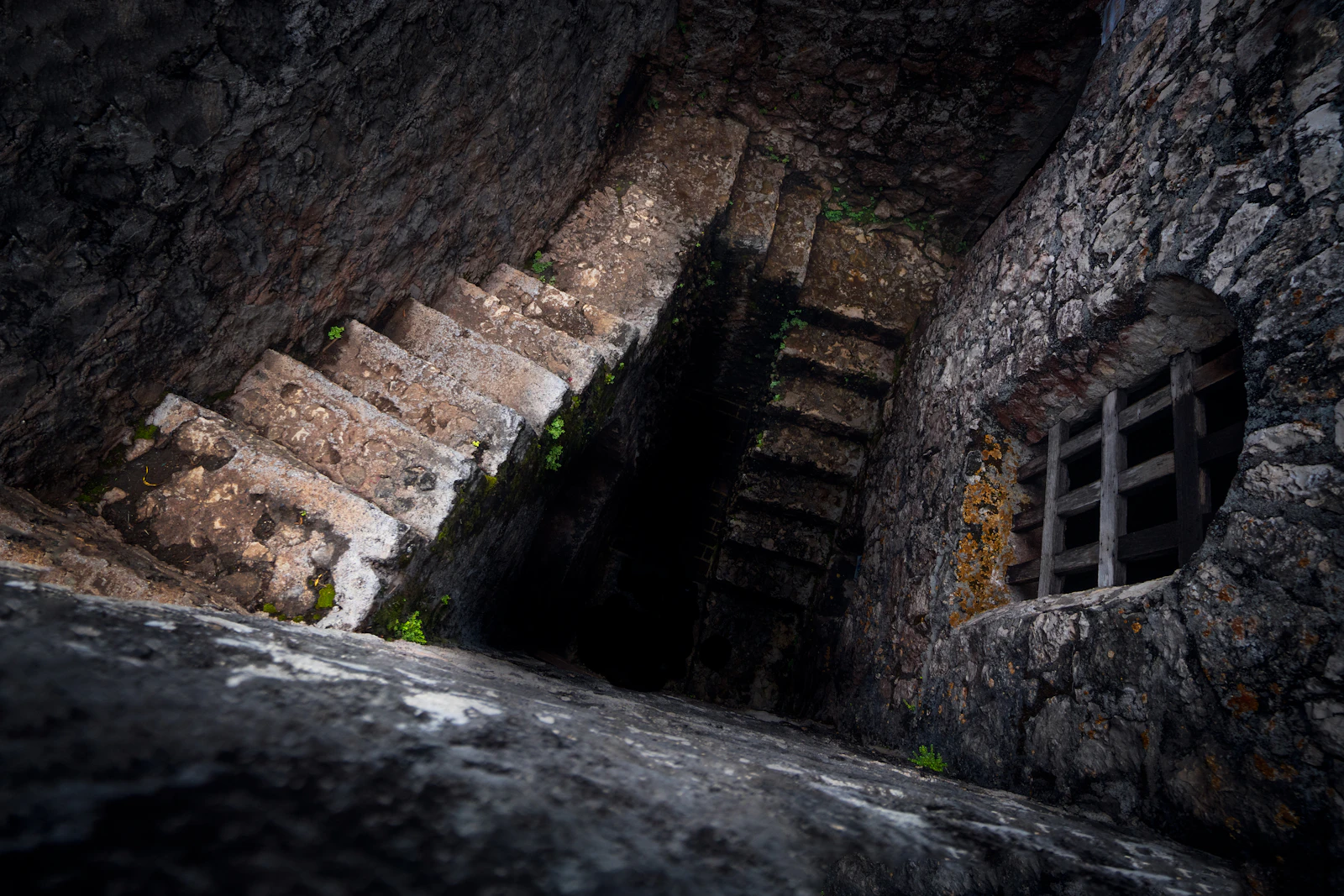 The Castillo de San Felipe has defended Cartagena for over 350 years.
Option A: Tierra Bomba Island
Tierra Bomba island is just 10 minutes by boat from Cartagena but feels like another world. The island has a raw, developing character—beach clubs are opening alongside traditional fishing villages, and the lack of cars creates a tranquil atmosphere. Blue Apple Beach Club (day pass COP 150,000-250,000 including lunch and drinks) offers the most polished experience. Walk to the quieter northern beaches for solitude. The island also has colonial-era fortification ruins worth exploring.
Option B: Volcán del Totumo
The Volcán del Totumo (1.5 hours from Cartagena, $30-50 USD for a guided trip) is a small mud volcano where you float in warm, mineral-rich mud that locals claim has therapeutic properties. The experience is surreal—you bob in thick gray mud in a crater while attendants give you a muddy massage. Afterward, wash off in the adjacent lagoon. It is gimmicky, undeniably fun, and makes for excellent photos and stories. Combine with a stop at the Galerazamba salt flats for pink-hued pools (seasonal, best December-April).
Option C: Deeper Cartagena Neighborhoods
- Manga: A residential island neighborhood connected to the city center by bridges, with early 20th-century Republican-era mansions, waterfront restaurants, and a local pace of life
- El Cabrero: The lagoon-side neighborhood where the beloved Colombian writer Gabriel Garcia Marquez had his Cartagena home. The area has pleasant waterfront walks and local restaurants
- Bazurto revisited: Return to the chaotic main market with more confidence for a deeper exploration—focus on the fish section, the natural medicine stalls, and the prepared food area where vendors serve the best home-style cooking in the city
Option D: Cooking and Culture
Take a Caribbean cooking class ($40-80 USD, several operators in the walled city and Getsemani) focused on Afro-Colombian cuisine—coconut rice, fried plantain, cazuela de mariscos, and tropical fruit desserts. The best classes include a Bazurto market visit to source ingredients. Combine with a salsa or champeta dance lesson ($20-30 USD per hour, widely available)—learning the basic steps transforms your next night at Cafe Havana from watching to participating.
Travel Costs and Budgeting
| Category | Daily Range |
|---|---|
| Accommodation | COP 100,000-800,000 ($25-200) |
| Food | COP 50,000-300,000 ($12-75) |
| Activities | COP 40,000-400,000 ($10-100) |
| Transport | COP 20,000-80,000 ($5-20) |
| Daily total | COP 210,000-1,580,000 |
| 7-day total | COP 1,470,000-11,060,000 |
Extended stays in Cartagena benefit from Getsemani apartment rentals ($30-60/night) or walled city apartments ($60-150/night). Week-long rates are often negotiable. Cooking some meals with market ingredients saves significantly—Bazurto market prices are a fraction of restaurant costs.
To maximize your days off without extra PTO, use the free Holiday Optimizer to find bridge days around public holidays for your Cartagena trip.
Cost-Saving Tips
- Stay in Getsemani: Hotels and apartments cost 30-50% less than the walled city with more authentic character
- Eat at markets and street stalls: A full meal at Bazurto or from street vendors costs COP 10,000-20,000 versus COP 60,000-150,000 at walled city restaurants
- Group boat tours: Shared tours to Rosario Islands cost COP 80,000-150,000 per person versus COP 500,000+ for private charters
- Walk everywhere: The walled city and Getsemani are compact—taxis are only needed for the fortress, Bocagrande, and the airport
- Happy hours: Rooftop bars offer 2-for-1 cocktails from 4-7pm—the sunset view is the same at half the price
- Negotiate: Airport taxis, private boats, and multi-day tour packages are all negotiable, especially in low season
Cultural Experiences Not to Miss
Champeta Culture
Champeta is more than music—it is a cultural movement born in Cartagena's Afro-Colombian communities. The genre combines African rhythms, Caribbean beats, and electronic production into something that sounds like the future. Picós (massive sound systems, some reaching 50,000 watts) are set up in neighborhoods for street parties that can last all night. While full pico events require local knowledge and guidance, Bazurto Social Club in Getsemani and other venues offer nightly champeta parties accessible to visitors. The dancing is energetic, sensual, and inclusive—jump in.
Literary Cartagena
Gabriel Garcia Marquez set much of his magical realism in and around Cartagena—Love in the Time of Cholera is essentially a love letter to the city. Walk the streets that inspired Florentino Ariza's wanderings, visit the Cafe del Reloj in the Clock Tower area, and browse the bookshops around the walled city for his works in Spanish. The Hay Festival Cartagena (usually January) brings international writers to the city for readings, panels, and literary celebrations.
Convento de la Popa
The Convento de la Popa (COP 15,000, taxi required), perched on the highest hill in Cartagena, offers the best panoramic view of the city—the walled center, Bocagrande's skyline, the harbor, and the Caribbean stretching to the horizon. The 17th-century Augustinian monastery is beautiful in its simplicity, and the view alone is worth the taxi ride. Visit at sunset for the most dramatic light.
Practical Tips for Travelers
Language
Spanish is essential. Cartagena's coastal accent is among the fastest and most accented in Colombia—the swallowed "s," the rapid-fire slang, and the Afro-Colombian expressions can challenge even confident Spanish speakers. Key costeno phrases: "bacano" (cool/great), "llave" (friend, literally "key"), "qué más?" (what's up?). English is spoken at upscale hotels and some walled city restaurants but almost nowhere else.
Etiquette
Cartageneros are warm, direct, and social. Greetings are important—always say "buenas" when entering a shop or meeting someone. Bargaining is expected at markets, with street vendors, and for taxi fares—start at 30-40% of the asking price and meet in the middle. When photographing palenqueras (the women in traditional dress), always ask first and expect to pay COP 5,000-10,000 for the photo—this is their livelihood. Tips at restaurants are 10% (often included as "propina" on the bill).
Safety
The tourist areas are safe, but Cartagena requires standard Colombian caution. Keep phones in front pockets—phone snatching occurs, particularly on motorbikes in crowded areas. Do not walk between the walled city and Bocagrande at night—take a taxi. Bazurto market requires vigilance—do not bring valuables. Beach vendors can be persistent—a firm "no, gracias" is sufficient. The biggest real danger is the sun—dehydration and sunburn are the most common tourist health issues.
If you have extra days, consider combining your Cartagena trip with Mexico City and Lima — all easy to reach and covered in our PTO-optimized travel guides.
Quick Takeaways
- A week in Cartagena opens the Afro-Colombian cultural dimension that short visits miss
- San Basilio de Palenque is the most culturally significant day trip from Cartagena—do not skip it
- Island experiences improve dramatically with a second visit—overnight stays or private boats are worth the extra cost
- La Boquilla's mangrove tours offer a different Cartagena—eco-tourism and fishing culture instead of colonial tourism
- Getsemani is where the city's creative energy lives—stay here for the best value and most authentic experience
- Champeta culture is Cartagena's most vibrant contemporary art form—seek it out beyond the tourist salsa bars
- The best street food costs under COP 5,000—arepas de huevo, empanadas, and fruit from palenqueras
- Hydration is critical—carry water at all times and drink more than you think necessary
- Use the Holiday Optimizer PTO calendar to plan which days to take off for your Cartagena trip.
Conclusion
A week in Cartagena peels back the layers of a city that is simultaneously one of the most beautiful in the Americas and one of the most historically complex. The colonial walls that enchant tourists were built by enslaved Africans. The cultural traditions that make the city vibrant—champeta, palenquero language, coconut-based cuisine—are the legacy of those who survived the slave trade and built a new culture on the Caribbean coast. Understanding both the beauty and its origins creates a richer, more honest experience.
You leave Cartagena with more than sunburn and photos. You leave with an understanding of how a city built on suffering became one of the most joyful places on Earth—how the descendants of the enslaved created music that makes the whole Caribbean dance, food that defines an entire coast, and a cultural identity so powerful that UNESCO has declared it a treasure of humanity. That is the real Cartagena, and a week is enough to begin to know it.
Ready to maximize your time off?
Find the best Cartagena travel windows
Frequently Asked Questions
-
Is 7-9 days too long for Cartagena? Not if you include the islands, San Basilio de Palenque, and La Boquilla. The city itself fills 3-4 days, and the surrounding coast and cultural sites add depth that transforms a beach vacation into a genuine cultural experience.
-
Is the San Basilio de Palenque trip worthwhile? Absolutely. It is the most culturally significant day trip from Cartagena—a UNESCO heritage community with living African traditions, its own language, and a history of resistance that provides essential context for understanding Cartagena's Afro-Colombian culture. Go with a local guide.
-
Which island experience is best? For snorkeling and natural beauty: the quieter Rosario Islands (private boat). For a party atmosphere: Cholón. For exclusivity: an overnight on Isla Grande. For an undeveloped experience: Tierra Bomba. For the classic white-sand beach: Playa Blanca on Barú.
-
Is Cartagena safe for a week-long stay? The tourist areas (walled city, Getsemani, Bocagrande) are safe with normal awareness. Extended stays let you learn the rhythms—which streets are fine at which hours, where to be more cautious. The biggest actual risks are sun and dehydration, not crime.
-
What is the best neighborhood for an extended stay? Getsemani for value, atmosphere, and nightlife access. The walled city for beauty and convenience. Bocagrande for beach proximity and modern amenities. For a week, Getsemani with a kitchen strikes the best balance of cost, character, and centrality.
Share Your Thoughts
Did this guide help you plan your extended Cartagena adventure? Tell us what draws you most—the Palenque cultural immersion, the island exploration, the champeta nights, or the daily pleasure of walking colonial streets with a limonada de coco in hand.