Buenos Aires in 7-9 Days: Extended Vacation Itinerary to Maximize PTO in 2026
Plan an extended Buenos Aires adventure with a 7-9 day itinerary covering tango immersion, estancia day trips, neighborhood deep dives, and Argentina's legendary food culture for 2026.
Introduction
A week in Buenos Aires transforms a visit into a way of life. The late dinners stop feeling strange and start feeling right. You develop a preferred cafe for your morning cortado, a favorite parrilla for Thursday nights, and a milonga where the regulars nod when you walk in. Buenos Aires is not a city that gives everything up in four days—it is a city that reveals itself in layers, each one more intimate and surprising than the last.
The extended stay lets you go beyond the tourist highlights into the Buenos Aires that portenos actually inhabit—the Sunday asados in Palermo parks, the Thursday evening milongas where grandparents dance with the precision of athletes, the hidden bars behind unmarked doors, and the neighborhoods that guidebooks mention in a single sentence but deserve entire afternoons. This guide gives you the framework to experience both the grand gestures and the quiet moments that make this city unforgettable.
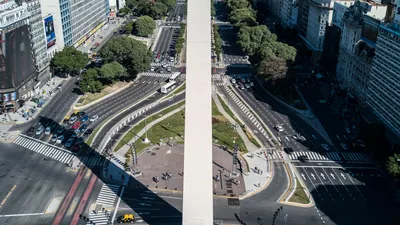
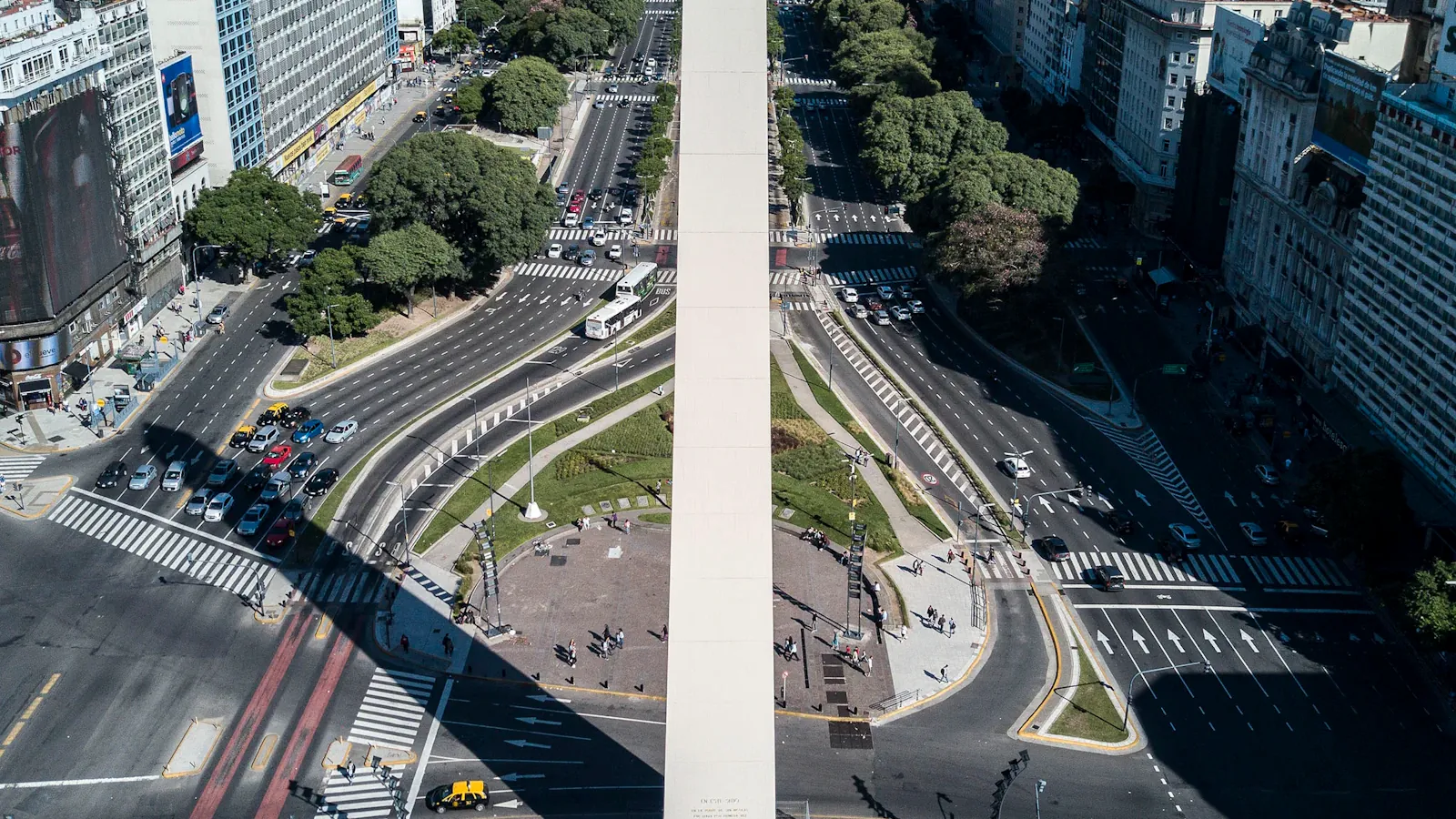
 The Obelisco presides over the world's widest avenue.
Short on time? See our Buenos Aires 4-day itinerary for a focused long-weekend plan. Use our PTO optimizer to find the best days to take off around your trip dates.
Why an Extended Buenos Aires Trip Is Worth It
Tango Immersion
Four days gives you a tango show. A week gives you the milonga circuit—a rotation of 20+ weekly dance events across the city, each with its own character, crowd, and traditions. Take a few group lessons (widely available for $5-15 USD), practice the basics, and by day five you can attend a social milonga and hold your own on the dance floor. La Viruta (Wednesday, Friday, Saturday), Salon Canning (Monday, Friday), and La Catedral (Tuesday-Saturday) each offer different energies. Tango understood from the inside—as a conversation between two bodies, not a choreographed performance—is one of the profound cultural experiences available to travelers anywhere.
Neighborhood Mastery
Buenos Aires is a city of 48 barrios, and extended stays let you explore beyond the famous five. Colegiales and Chacarita are Palermo's less polished neighbors—cheaper, more local, with excellent restaurants and a growing craft beer scene. Belgrano feels like a separate city with its own Chinatown, residential plazas, and the Museo de Arte Espanol. Barracas, south of San Telmo, has a street art scene that rivals any in the world—entire blocks painted by local and international muralists. Villa Crespo has emerged as the city's most exciting dining neighborhood, with chefs opening innovative restaurants at a fraction of Palermo rents.
Day Trip Diversity
The Tigre Delta, gaucho estancias, and even Uruguay's charming Colonia del Sacramento are all within easy day-trip range—experiences that extend your understanding from urban Buenos Aires into Argentina's broader cultural landscape.
Days 1-4: Core Buenos Aires
Follow the 4-day itinerary covering Plaza de Mayo, San Telmo, Recoleta Cemetery, La Boca, Palermo, the Teatro Colon, and essential parrilla and tango experiences. Those four days establish the foundation. Everything that follows deepens it.
Day 5: Tigre Delta and Northern Suburbs
 Tango milongas are where Buenos Aires' dance tradition comes alive.
Morning: Train to Tigre
Take the Mitre line train from Retiro station to Tigre (50 minutes, under $1 USD with SUBE card). The journey itself is interesting—you pass through middle-class suburbs that gradually give way to the riverside town of Tigre, gateway to the Parana Delta. From the Tigre station, walk to the Puerto de Frutos market—a waterfront market selling crafts, wicker furniture, and local honey. The real attraction is the delta itself: a network of rivers and islands where people live on stilts, commute by boat, and maintain a way of life that feels a century removed from Buenos Aires.
Afternoon: Delta Boat Tour
Take a boat tour through the delta ($5,000-15,000 ARS depending on duration, departing from the Tigre estacion fluvial) or hire a private lancha (water taxi) to explore at your own pace. The first and second sections of the delta have restaurants accessible only by water—pull up to a dock, eat grilled river fish (surubi or dorado) with a glass of torrontes white wine, and feel the city melt away. Pack insect repellent in summer. For a longer experience, some island-based restaurants offer full asado experiences with afternoon relaxation—essentially a barbecue picnic accessible only by boat.
The Tren de la Costa is a scenic railway running along the riverfront from Olivos to Tigre—it costs more than the regular Mitre line but offers waterfront views. Take the Mitre up and the Tren de la Costa back for variety.
Evening: Back to Buenos Aires
Return by train and head to Villa Crespo for dinner. This neighborhood has quietly become Buenos Aires' most exciting dining destination—chefs priced out of Palermo are opening here, and the quality rivals anything in Soho or Hollywood. Anafe (casual, seasonal, $10-20 USD for a full meal), Narda Comedor (modern Argentine home cooking), or Proper (creative cuisine in an industrial space) are all excellent. End with a drink at one of the neighborhood's growing number of cocktail bars.
Day 6: Colonia del Sacramento Day Trip
Full Day: Uruguay
Take the Buquebus or Colonia Express ferry from Puerto Madero to Colonia del Sacramento, Uruguay (1 hour, $30-60 USD round trip). This UNESCO World Heritage town is a Portuguese colonial gem—cobblestoned streets, pastel buildings, a 17th-century lighthouse, and a pace of life that makes Buenos Aires feel frenetic. Wander the Barrio Historico, climb the Faro (lighthouse) for panoramic views, and eat lunch at one of the waterfront restaurants—a chivito (Uruguay's national steak sandwich) with a bottle of tannat wine is the move. The town is small enough to walk in its entirety in a few hours, leaving time for waterfront relaxation before the return ferry.
Colonia del Sacramento is the oldest town in Uruguay, founded by the Portuguese in 1680. Its Barrio Historico is a UNESCO World Heritage Site, with cobblestoned streets and colonial architecture that blend Portuguese, Spanish, and post-colonial styles in a uniquely charming mix.
You will need your passport for the ferry crossing. Argentine pesos are widely accepted in Colonia, but Uruguayan pesos and USD work too. Book ferry tickets in advance during high season.
Day 7: Southern Neighborhoods and Asado Culture
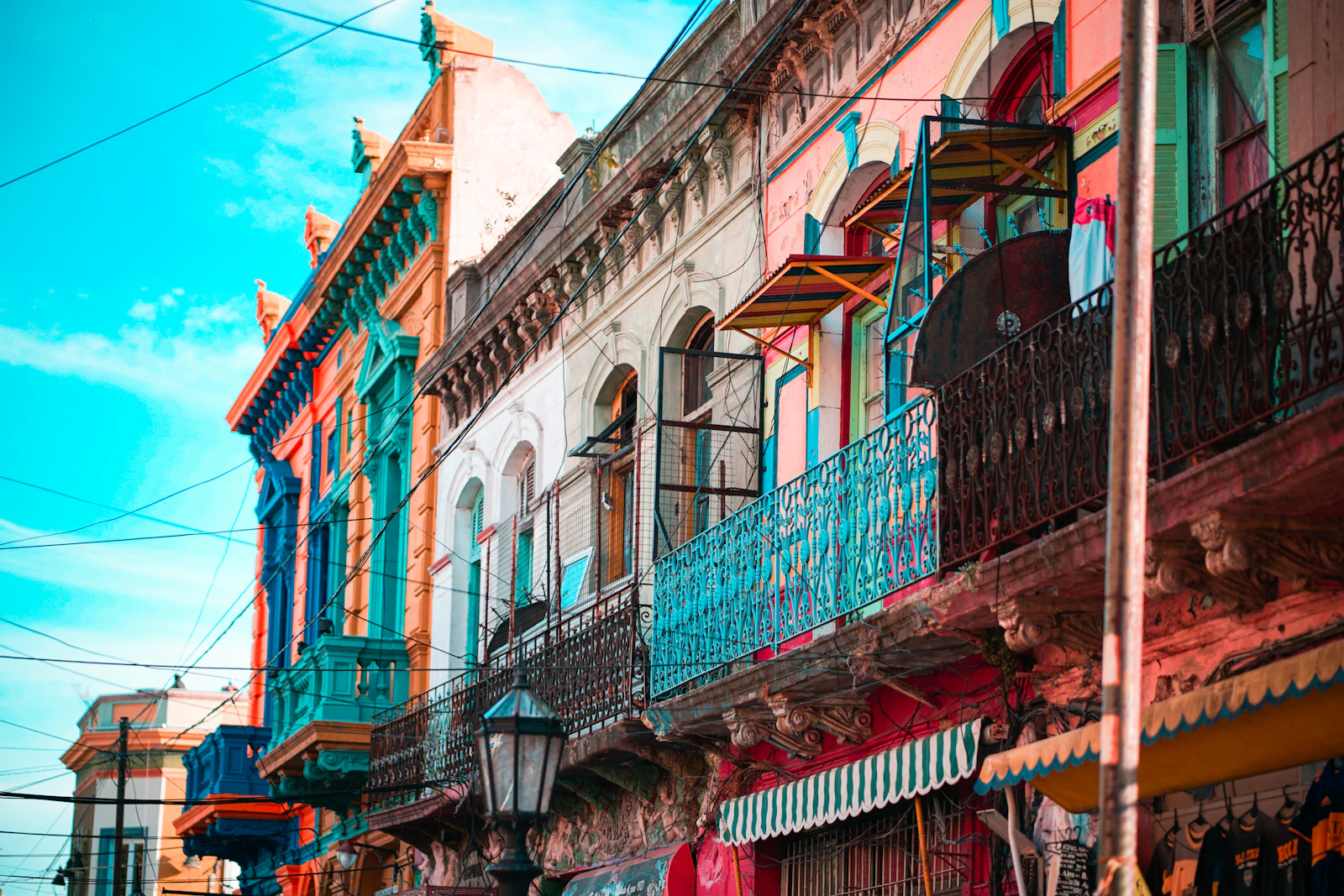 Caminito's painted buildings are the iconic image of La Boca.
Morning: Barracas Street Art
Head south to Barracas, the working-class neighborhood adjacent to La Boca that has become an enormous open-air gallery. Entire blocks are covered in murals—many commissioned as part of community art projects—depicting everything from political commentary to abstract explosions of color. Pasaje Lanin is a residential street where every house facade has been painted by artists, creating a kaleidoscopic corridor. The area is safe during the day and more authentic than the polished murals of Palermo—this is art embedded in a real community.
Afternoon: Sunday Asado Experience
If it is Sunday, experience Buenos Aires' most sacred ritual: the asado. Parks across the city—especially in Palermo, near the Costanera Sur, and in Parque Centenario—fill with families and friend groups gathered around portable grills. The process is leisurely: fire lit, coals arranged, meats placed in a specific order (offal and sausages first, then cuts that need longer cooking), all accompanied by wine, bread, and conversation. If you cannot join a local asado, several restaurants offer traditional Sunday parilladas—Don Julio remains the gold standard, but smaller neighborhood parrillas serve equally good meat with less fuss and no reservation hassle.
Evening: Milonga Night
Dedicate the evening to a proper milonga experience. Salon Canning (Monday and Friday) and La Viruta (Wednesday, Friday, Saturday at the Armenian Cultural Center in Palermo) are the most welcoming to visitors. Arrive early for the pre-milonga lesson (usually included in the $3,000-5,000 ARS entry), then stay for the social dancing. The etiquette is specific: the cabeceo (a nod inviting someone to dance), the tandas (sets of 3-4 songs), the cortinas (breaks between tandas). Watching alone is perfectly acceptable and deeply rewarding—the skill on display, particularly among older dancers, is extraordinary.
Days 8-9: Flexible Extensions
With 8-9 days, slow down and explore what resonates most from your first week.
Option A: Estancia Day Trip
Visit a working estancia (ranch) in the Pampas, 1-2 hours outside Buenos Aires. Operators like Estancia El Ombu de Areco or Estancia La Bamba offer day programs ($80-150 USD including transport and meals) with horseback riding, gaucho demonstrations, a full asado lunch, and folk music performances. The landscape is vast—flat grasslands stretching to the horizon—and the gaucho culture is genuinely fascinating. San Antonio de Areco, the pretty colonial town nearby, has a gaucho museum and traditional craft workshops.
Option B: Wine Tasting in Buenos Aires
You do not need to fly to Mendoza for a wine education. Buenos Aires has excellent wine bars and tasting experiences. Anuva Wines and The Argentine Experience offer guided tastings ($30-60 USD) covering Malbec, torrontes, bonarda, and regional varieties with food pairings. For independent exploration, Pain et Vin (Palermo), Aldo's Vinoteca (multiple locations), and Gran Bar Danzon (Retiro) offer extensive Argentine wine lists by the glass. A focused tasting afternoon teaches you more about Argentine wine than a month of casual drinking.
Option C: Deeper Neighborhood Dives
- Chacarita: The neighborhood adjacent to Palermo that locals love—excellent craft breweries (Strange Brewing, Cerveceria Nacional), creative restaurants, and the atmospheric Cementerio de la Chacarita where Carlos Gardel (tango's greatest legend) is buried
- Belgrano: Buenos Aires' Chinatown (Barrio Chino on Arribeños street) offers the city's best Asian food—dumplings, ramen, and Taiwanese street food at prices that embarrass Palermo. The Museo de Arte Espanol in a stunning mansion is an overlooked gem
- Costanera Sur Ecological Reserve: A 350-hectare nature reserve on the Rio de la Plata waterfront—improbably located next to Puerto Madero, it offers walking trails through wetlands where hundreds of bird species thrive. Sunrise and sunset walks are particularly beautiful
Option D: Creative Workshops
Buenos Aires' creative culture invites participation. Take a tango class (private lessons $20-40 USD/hour, widely available in San Telmo and Palermo), an empanada-making workshop ($30-50 USD), or a leather crafting session (Buenos Aires is famous for its leather work). Several organizations offer Spanish conversation meetups—language exchanges where locals practice English while you practice Spanish over beers.
Travel Costs and Budgeting
| Category | Daily Range |
|---|---|
| Accommodation | $40-150 USD |
| Food | $15-50 USD |
| Activities | $10-30 USD |
| Transport | $3-15 USD |
| Daily total | $68-245 USD |
| 7-day total | $476-1,715 USD |
At the blue dollar rate, Buenos Aires is one of the most affordable world-class cities for extended stays. Week-long apartment rentals in Palermo or San Telmo run $300-700 USD and include kitchens—shopping at local markets and cooking a few meals dramatically reduces costs.
To maximize your days off without extra PTO, use the free Holiday Optimizer to find bridge days around public holidays for your Buenos Aires trip.
Cost-Saving Tips
- Blue dollar exchange: Always use the parallel rate—Western Union transfers, exchange houses, or Wise card
- Menu ejecutivo: Weekday lunch menus at restaurants offer 2-3 courses for $5-10 USD—the best meal deal in the city
- Free museums: Many museums are free on specific days—MALBA on Wednesdays, Museo de Bellas Artes always free
- Subte and buses: Absurdly cheap at the blue rate—$0.08 per ride. Use SUBE card for all public transit
- Cook some meals: Markets like Mercado de San Telmo sell excellent ingredients at local prices—cook breakfast and occasional dinners to save
- Milongas over shows: Tourist tango dinner shows cost $30-60+ USD; authentic milongas cost $3-5 USD with a free lesson included
Cultural Experiences Not to Miss
Literary Buenos Aires
Buenos Aires is a UNESCO City of Literature, and bookish culture permeates daily life. Beyond El Ateneo Grand Splendid, explore Libreria Eterna Cadencia (Palermo, beautifully curated), Walrus Books (San Telmo, English-language titles), and the used book stalls along Avenida Corrientes—Buenos Aires' theater district, where bookshops stay open past midnight. Borges walked these streets, and the city's literary heritage—from Cortazar to Piglia to contemporary voices—infuses its identity.
Football Culture
Even if you cannot attend a match, football's presence is everywhere. Visit the Museo de la Pasion Boquense at La Bombonera, watch a match at a neighborhood bar (every porteno has a team), or join the crowds in Palermo parks during World Cup or Copa America matches. The passion is real, unironic, and deeply moving—football in Argentina is not entertainment, it is identity.
Feria de Mataderos
On Sundays, the Feria de Mataderos (in the Mataderos neighborhood, about 40 minutes from the center) offers a gaucho culture fair with folk dancing, traditional food, craft stalls, and occasional horseback demonstrations. It is far less touristy than San Telmo's fair and gives an authentic glimpse into Argentina's rural traditions transplanted into the urban periphery.
Practical Tips for Travelers
Language
Buenos Aires Spanish is distinctive—the vos conjugation, the sh sound for ll/y, and abundant lunfardo (local slang borrowed from Italian, guarani, and tango culture) make it different from any Spanish you have studied. Useful porteno phrases: dale (okay/let's go), re (very, as in re lindo = really beautiful), boludo (dude, between friends), che (hey/buddy). English proficiency is higher in Buenos Aires than most of South America, especially in Palermo and Recoleta, but Spanish effort is always appreciated.
Etiquette
The kiss-on-the-cheek greeting is universal in social settings. Arriving on time for social events is considered slightly rude—15-30 minutes late is standard (la hora argentina). Splitting the bill equally is normal among friends. Tipping 10% at restaurants is standard but not aggressively expected. Avoid discussing the Falklands/Malvinas unless you want a passionate argument. Do discuss football—every porteno has opinions.
Safety
Buenos Aires is safe by Latin American standards but not carefree. Watch for pickpockets on crowded Subte lines and along Calle Florida. The "mustard scam" and "helpful stranger" distraction thefts still occur. Use ATMs inside banks rather than on the street. Avoid walking alone in La Boca (outside Caminito), parts of Constitucion, and Retiro bus station area after dark. Palermo, Recoleta, and San Telmo's main streets are safe at all hours.
If you have extra days, consider combining your Buenos Aires trip with Rio de Janeiro and Lima — all easy to reach and covered in our PTO-optimized travel guides.
Quick Takeaways
- A week lets you experience tango as a participant rather than spectator—take lessons and attend milongas
- The Colonia del Sacramento ferry trip is an easy, rewarding day that adds another country to your itinerary
- Tigre Delta provides a stunning contrast to urban Buenos Aires—take the train up and a boat through the waterways
- Villa Crespo and Chacarita are where locals eat now—follow the chefs out of Palermo for better value
- Sunday asado culture is sacred—join in at a park or find a neighborhood parrilla
- The blue dollar rate makes Buenos Aires one of the world's best-value extended stay destinations
- Milonga etiquette (cabeceo, tandas, cortinas) is worth learning—it deepens the entire tango experience
- Feria de Mataderos on Sundays offers gaucho culture without the tourist premium
- Use the Holiday Optimizer PTO calendar to plan which days to take off for your Buenos Aires trip.
Conclusion
A week in Buenos Aires changes your relationship with the city from admiration to understanding. You learn that the late dinners are not inconvenient but intentional—the day's rhythm builds toward the evening gathering as the main social event. You discover that tango's melancholy is not sadness but depth—an acknowledgment that beauty and loss coexist. You realize that the porteno habit of arguing passionately about everything is not conflict but engagement with a world they refuse to experience passively.
Buenos Aires does not ask you to check boxes. It asks you to slow down, eat well, talk to strangers, dance badly and then better, and understand that a city's soul is found not in its monuments but in its rhythms. After a week, those rhythms feel natural. And leaving feels like waking from a dream you were not ready to end.
Ready to maximize your time off?
Find the best Buenos Aires travel windows
Frequently Asked Questions
-
Is 7-9 days too long for Buenos Aires? Not at all. Buenos Aires is a city that rewards slow exploration—its neighborhoods are vast, its cultural offerings deep, and its rhythms only become apparent after several days. A week lets you go beyond highlights into genuine immersion, and day trips to Tigre, Colonia, and the Pampas add variety.
-
Should I take tango lessons? Absolutely. Even two or three group lessons ($5-15 USD each) transform your understanding of the dance and give you enough confidence to attend a social milonga. Private lessons ($20-40 USD/hour) accelerate learning. The investment is minimal and the payoff—both culturally and socially—is enormous.
-
Is the Colonia del Sacramento day trip worthwhile? Yes. The one-hour ferry ride is scenic, the town is charming, and adding a second country to your trip is satisfying. Go on a weekday if possible—weekends are busier with Argentine and Uruguayan day-trippers. Book ferry tickets in advance during peak season.
-
How much cash should I carry? Exchange $200-300 USD at a time at the blue rate. Many restaurants accept cards (at the less favorable official rate), but cash at the blue rate saves 40-50%. Small bills ($20s and $50s) are easiest to exchange. Some traditional restaurants and markets are cash only.
-
What is the best neighborhood for a week-long stay? Palermo Soho for restaurant access and nightlife. San Telmo for atmosphere and value. Recoleta for elegance and park access. Villa Crespo for an emerging local scene at lower prices. All are well-connected by Subte and bus.
Share Your Thoughts
Did this guide help you plan your extended Buenos Aires trip? Tell us what drew you in—the tango immersion, the estancia experience, the Colonia ferry, or the simple pleasure of a late-night parrilla meal with a bottle of Malbec and nowhere to be in the morning.