Lima in 7-9 Days: Extended Vacation Itinerary to Maximize PTO in 2026
Plan an extended Lima adventure with a 7-9 day itinerary covering world-class cuisine, ancient ruins, Paracas day trip, Sacred Valley connections, and deep neighborhood exploration for 2026.
Introduction
A week in Lima transforms a food trip into a genuine cultural immersion. The first four days deliver the highlights—the ceviche revelation, the colonial grandeur, the cliff-top sunsets. Days five through nine let you go deeper: a day trip to the desert and marine wildlife of Paracas, exploration of neighborhoods where tourists never venture, a deeper understanding of Peru's layered culinary traditions through markets and cooking classes, and an appreciation for a city that is simultaneously ancient and urgently modern. Use this guide to plan your extended trip.
Extended stays reveal Lima's rhythms. You learn that the best anticuchos appear after sunset from carts in Miraflores parks, that Surquillo market is where chefs actually shop, that the neighborhood of Pueblo Libre has a quiet charm and two excellent museums, and that Lima's bar scene has evolved far beyond the pisco sour into creative cocktail territory. A week lets you eat at the world-ranked temples and at the S/10 market stalls—and understand that the distance between them is not as great as the price difference suggests.
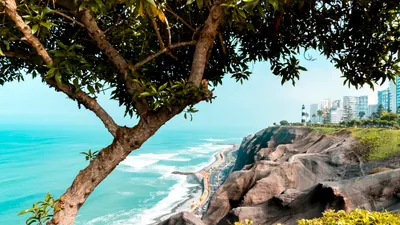
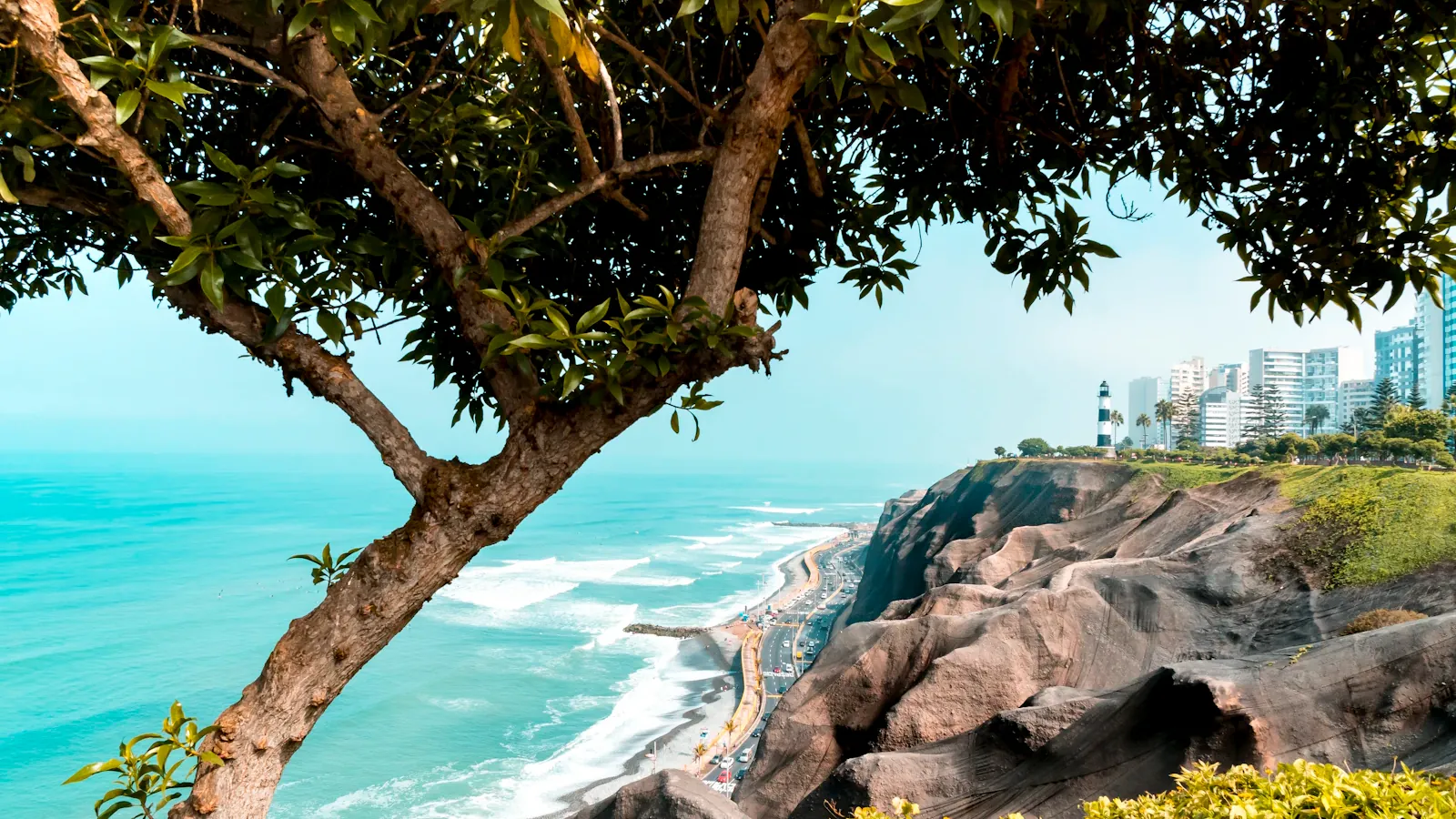
 Lima's cliff-top Miraflores district stretches along the Pacific coast.
Short on time? See our Lima 4-day itinerary for a focused long-weekend plan. Use our PTO optimizer to find the best days to take off around your trip dates.
Why an Extended Lima Trip Is Worth It
Culinary Mastery
A week in Lima lets you experience the full depth of Peruvian cuisine. Beyond ceviche and lomo saltado, you discover: the seven-hour slow-cooked lamb of seco de cordero, the creamy potato perfection of papa a la huancaina, the Chinese-Peruvian wok magic of a proper chifa restaurant, the Japanese-Peruvian precision of a Nikkei omakase, and the Amazonian ingredients (paiche fish, camu camu, sacha inchi) that the new generation of chefs is integrating into contemporary cuisine. A cooking class provides technique; a week of eating provides context.
Archaeological Depth
Lima has over 400 pre-Columbian ruins—more archaeological sites than any other inhabited city its size. Beyond the famous Huaca Pucllana, extended stays let you visit Pachacamac (the massive coastal pilgrimage center), Huaca Huallamarca (a restored pyramid in upscale San Isidro), and the Museo de Sitio Arturo Jimenez Borja for context on the civilizations that built these structures. The layers of history—pre-Inca, Inca, colonial, republican, modern—create a palimpsest that becomes richer the more time you spend.
Paracas and Beyond
The Paracas National Reserve and Islas Ballestas day trip is one of Peru's most rewarding side excursions—desert landscapes meeting the Pacific, sea lions basking on rocky islands, and some of the most dramatic coastal scenery in South America. Combined with Lima's urban offerings, it provides the geographic diversity that makes a Peru trip complete.
Days 1-4: Core Lima
Follow the 4-day itinerary covering Miraflores and the Malecon, Huaca Pucllana, the ceviche trail, Barranco, Centro Historico, the Museo Larco, Nikkei cuisine, Pachacamac, and the essential pisco sour education. Those four days establish the foundation.
Day 5: Paracas Day Trip
 Barranco's colonial charm makes it Lima's most atmospheric neighborhood.
Full Day: Paracas and Islas Ballestas
Depart early (5-6am) for the 3.5-hour drive south to Paracas (private tours $80-150 USD per person, or Cruz del Sur bus S/40-60 one way). Start with a boat tour of the Islas Ballestas ($35-50 PEN)—rocky islands teeming with sea lions, Humboldt penguins, boobies, and pelicans. The boat passes the Candelabro (Candelabra), a massive geoglyph etched into the coastal hillside whose origin remains debated. The wildlife density is staggering—hundreds of sea lions barking from the rocks, penguins waddling along ledges, and clouds of seabirds wheeling overhead.
After the boat tour, explore the Reserva Nacional de Paracas—a desert peninsula where red sand meets turquoise water. The Playa Roja (Red Beach) is surreal, with crimson sand created by volcanic minerals. The La Catedral rock formation (partially collapsed in a 2007 earthquake) and the reserve's dramatic cliff-edge viewpoints offer some of Peru's most photographed landscapes. Lunch at one of the waterfront restaurants in Paracas town—fresh ceviche with fish caught that morning.
Book Islas Ballestas boat tours for the earliest morning departure (8am) when the sea is calmest and the wildlife most active. Afternoon tours face rougher waters and less animal activity. Bring a windbreaker—the boat ride is cold and splashy.
Return to Lima by evening. The drive is long but the experience is worth it—Paracas delivers landscapes and wildlife that contrast dramatically with urban Lima.
Day 6: Markets, Museums, and Deeper Lima
Morning: Surquillo Market
Skip the tourist markets and head to Mercado de Surquillo No. 1—the market where Lima's chefs actually source ingredients. The displays of Peruvian produce are extraordinary: dozens of potato varieties in every color, towers of tropical fruit (lucuma, cherimoya, granadilla, camu camu), fresh Amazonian fish, and aji peppers spanning the heat spectrum. Eat breakfast at the market—a fresh juice, a plate of ceviche, and empanadas de queso cost under S/25 total. The experience provides visceral context for the cuisine you have been eating all week.
Afternoon: San Isidro and Huaca Huallamarca
Explore San Isidro, Lima's financial district and most manicured neighborhood. Huaca Huallamarca (S/5 admission)—a restored adobe pyramid surrounded by skyscrapers—is a vivid reminder that the city sits atop millennia of civilization. The small museum displays mummies and artifacts. Walk through El Olivar, a park filled with centuries-old olive trees, herons, and peaceful paths that feel miles from the city's traffic.
Evening: Chifa Deep Dive
Tonight, explore Lima's chifa (Chinese-Peruvian) cuisine in depth. The Barrio Chino in Centro has the most famous restaurants, but the best chifas are often in residential neighborhoods. Chifa Titi (Jesus Maria), Chifa San Joy Lao (Centro), and Salon de la Felicidad all serve the distinctive fusion: wonton soups, arroz chaufa (Peruvian fried rice with soy sauce and scrambled eggs), tallarin saltado (stir-fried noodles), and kam lu wantan (sweet and sour wontons with tamarind). The fusion is genuine and unique to Peru—Chinese ingredients and techniques adapted over 150 years to Peruvian palates and ingredients.
Peru's Chinese community dates to the 1850s, when Chinese laborers arrived to work on railways and guano islands. Over generations, their cuisine merged with Peruvian ingredients to create chifa—a tradition so beloved that Peru has more Chinese restaurants per capita than any country outside Asia.
Day 7: Southern Lima and Callao Revival
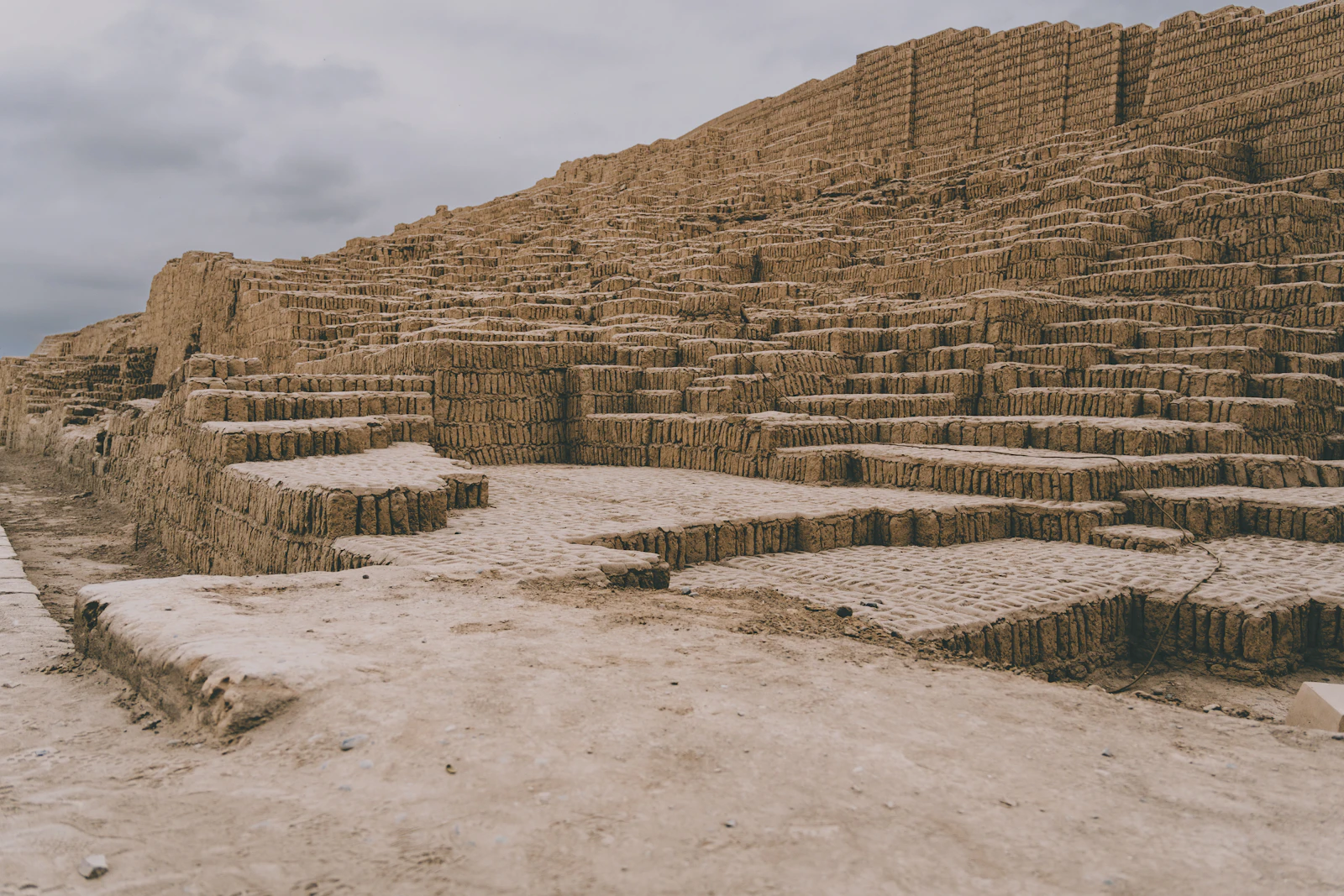 Huaca Pucllana glows at night amid the modern buildings of Miraflores.
Morning: Callao Monumental
Take an Uber to Callao, Lima's port city, where a bold urban art project has transformed the formerly rough neighborhood of Callao Monumental into an open-air gallery. Enormous murals cover building facades, and former warehouses have been converted into galleries and creative spaces. The Casa Ronald gallery hosts rotating contemporary art exhibitions. The neighborhood is safe during the day for guided visits but should not be explored independently after dark. The contrast between the raw urban setting and the ambitious art is striking.
Afternoon: Pueblo Libre
Head to Pueblo Libre, a quiet residential neighborhood with two excellent museums. The Museo Larco (if you missed it, or worth a return) and the Museo Nacional de Arqueologia, Antropologia e Historia del Peru (S/10)—the national museum with comprehensive collections spanning every major Peruvian civilization. The neighborhood's plaza has an old-town charm with affordable restaurants serving comida criolla (creole home cooking).
Evening: Cocktail Evolution
Lima's cocktail scene has evolved dramatically beyond the pisco sour. Spend the evening exploring the new wave: Carnaval (Barranco, named Latin America's best bar) serves inventive cocktails using Peruvian ingredients like aguaymanto (golden berry), camu camu, and coca leaves. Ayahuasca (Barranco, stunning converted mansion) offers atmosphere that matches its creative drinks. Gran Hotel Bolivar bar (Centro) serves classic piscos in faded grandeur. End at La Emolientera bar in Barranco for creative emoliente-inspired cocktails (emoliente is a traditional hot herbal drink sold by street vendors).
Days 8-9: Flexible Extensions
Option A: Caral Day Trip
Visit Caral (S/11 admission, 3-4 hours north of Lima), the oldest city in the Americas—built around 3000 BC, it predates the Egyptian pyramids. The site is remote and the journey long (best with a private tour, $100-150 USD), but the massive stone pyramids, sunken circular plazas, and the sheer antiquity of the place are awe-inspiring. This was a complex civilization flourishing when Europe was still in the Stone Age.
Option B: Lunahuana Wine and Adventure
Lunahuana (3 hours south of Lima) is Peru's small wine region and an adventure hub. The Canete Valley produces surprisingly good wine and pisco. Wineries offer tastings (S/10-20) and the valley's rivers provide excellent whitewater rafting (Class III-IV, $30-50 USD). The town is charming and makes a pleasant overnight or long day trip. Combine with the Cerro Azul fishing village for a coastal lunch.
Option C: Deeper Food Exploration
- Anticucho crawl: The evening anticucho carts in Miraflores (Parque Kennedy area) and Surquillo are a Lima institution. Walking between several, comparing marinades and accompaniments, is a perfect evening activity
- Nikkei deep dive: Beyond Maido, explore Hanzo (omakase in Miraflores), Hikari (San Isidro), or the Nikkei section of Surquillo market for prepared sashimi and ceviches
- Regional Peruvian: Fiesta (Miraflores) serves food from the northern coast—ceviche in the Piura style, seco de cabrito (goat stew), and arroz con pato (duck rice). Panchita (Miraflores, another Gaston Acurio restaurant) focuses on anticuchos and grilled meats
- Fine dining: If you have not yet made it to Central (book months ahead) or Kjolle (Virgilio Martinez's partner Pia Leon's restaurant, also world-ranked), dedicate an evening to one of the world's greatest tasting menus
Option D: Surf and Beach
Lima has a surf culture that surprises visitors. Punta Hermosa (45 minutes south) has consistent waves and a laid-back beach town vibe. Costa Verde below Miraflores has surfable breaks visible from the Malecon. Surf lessons ($30-50 USD for 2 hours) are available at multiple points along the coast. Combine with a beach afternoon at Asia (2 hours south), Lima's summer beach resort strip.
Travel Costs and Budgeting
| Category | Daily Range |
|---|---|
| Accommodation | S/120-550 ($33-150 USD) |
| Food | S/60-300 ($17-83 USD) |
| Activities | S/30-150 ($8-42 USD) |
| Transport | S/20-80 ($6-22 USD) |
| Daily total | S/230-1,080 |
| 7-day total | S/1,610-7,560 |
Lima is exceptional value for the quality of experience delivered. A week-long Airbnb in Miraflores runs $30-80/night with a kitchen. The Paracas day trip is the biggest single expense—budget $80-150 USD depending on transport choice.
To maximize your days off without extra PTO, use the free Holiday Optimizer to find bridge days around public holidays for your Lima trip.
Cost-Saving Tips
- Menu del dia everywhere: Even in Miraflores, set lunches at local restaurants cost S/12-20 for a complete multi-course meal
- Market eating: Surquillo, San Isidro, and Central markets serve excellent prepared food for S/10-25
- Free attractions: The Malecon, Barranco street art, church interiors, and Parque de la Reserva (free during the day) cost nothing
- Pisco is cheap: A bottle of excellent pisco costs S/40-80 at a bodega—make pisco sours in your apartment
- Bus to Paracas: The Cruz del Sur bus (S/40-60 each way) is comfortable, reliable, and a fraction of private tour costs
- Walk within neighborhoods: Miraflores, Barranco, and Centro are all walkable—save Uber for inter-neighborhood trips
Cultural Experiences Not to Miss
Peru's Food Revolution in Context
Lima's culinary explosion did not happen in isolation. It emerged from Peru's post-conflict rebuilding (after the Shining Path era), a generation of chefs who studied abroad and returned with ambition, and the extraordinary biodiversity of a country spanning coast, highlands, and Amazon. Understanding this context—available through conversations with chefs, cooking classes, and market visits—transforms dining from consumption into cultural engagement.
Music and Nightlife
Lima's nightlife extends beyond Barranco bars. Pena criolla performances—live shows of musica criolla (Afro-Peruvian music featuring cajon drums, guitar, and call-and-response vocals)—are held at venues across the city. La Candelaria (Barranco) hosts Friday and Saturday pena nights with dinner packages. Del Carajo and other Barranco bars feature live music spanning rock, cumbia, and electronic genres. The nightclub scene in Miraflores and Barranco picks up after midnight on weekends.
Textile and Craft Traditions
Peru's textile tradition spans thousands of years—pre-Inca cultures produced fabrics more complex than anything in contemporary production. The Museo Amano (Miraflores, by appointment, free) has an exceptional collection of pre-Columbian textiles. Dédalo in Barranco sells contemporary Peruvian crafts and design. The Mercado Indio in Miraflores (tourist-oriented but with genuine artisan work among the souvenirs) and the Centro Artesanal de Miraflores offer alpaca textiles, silver jewelry, and ceramics.
Practical Tips for Travelers
Language
Spanish is essential for extended stays. Lima Spanish is clear and standard—easier to understand than Caribbean or Argentine varieties. Learn food vocabulary beyond the basics: "leche de tigre" (citrus fish marinade), "aji" (pepper), "chicha" (corn drink), "anticucho" (skewer). Hotel and restaurant staff in tourist areas speak English; everywhere else, Spanish is needed.
Etiquette
Peruvians are warm and formal. Greetings are important—always say "buenos dias" or "buenas tardes." Use "senor/senora" with older people. Meal times: lunch is the main meal (1-3pm), and punctuality is relaxed (15-30 minutes late is normal for social events, less so for restaurant reservations). Tipping 10% at restaurants is standard. Street food vendors appreciate small tips or rounding up.
Safety
Extended stays require neighborhood awareness. Miraflores, Barranco, and San Isidro are consistently safe. Centro Historico is fine during the day but take taxis after dark. The periphery neighborhoods (Callao, Villa El Salvador, San Juan de Lurigancho) should only be visited with local knowledge. Keep phones in pockets on busy streets. Use Uber exclusively—never hail random cars. ATMs inside banks are safer than street-facing machines.
If you have extra days, consider combining your Lima trip with Buenos Aires and Cartagena — all easy to reach and covered in our PTO-optimized travel guides.
Quick Takeaways
- A week in Lima lets you eat through the full depth of Peruvian cuisine—chifa, Nikkei, criolla, regional, and street food
- The Paracas day trip adds dramatic coastal landscapes and wildlife to your Lima experience
- Surquillo Market is where chefs shop and where you should eat—skip the tourist markets
- Fine dining reservations (Central, Maido, Kjolle) require booking weeks or months ahead
- The chifa tradition is uniquely Peruvian and deeply rewarding—dedicate at least one meal to it
- Lima's bar scene has evolved well beyond pisco sours into creative cocktail territory
- Budget S/250-500 ($70-140 USD) per day for comfortable mid-range travel
- Callao Monumental's urban art project is a fascinating counterpoint to polished Miraflores
- Use the Holiday Optimizer PTO calendar to plan which days to take off for your Lima trip.
Conclusion
A week in Lima transforms you from a visitor into a temporary resident of one of the world's great food cities. You develop favorite cevicherias, discover that the best anticuchos come from a specific cart at a specific hour, learn to navigate the leche de tigre spectrum from mild to face-melting, and understand that Peru's culinary revolution is not hype but a genuine cultural achievement built on millennia of tradition and decades of creative ambition.
Lima surprises you. The gray skies hide warmth—both climatic (summer is sunny and hot) and human (limenos are generous and proud of their city). The traffic hides a walkable urban core of parks, ruins, and beaches. And the initial impression of a sprawling, chaotic South American capital hides a city of extraordinary depth—archaeological, culinary, artistic, and human. A week reveals enough to understand this, and not nearly enough to exhaust it.
Ready to maximize your time off?
Find the best Lima travel windows
Frequently Asked Questions
-
Is 7-9 days too long for Lima? Not if you include the Paracas day trip and dedicate time to food exploration. Lima's culinary depth alone fills a week, and the archaeological sites, museums, and neighborhoods add variety. If you tire of the city, the coast and desert are hours away.
-
Should I combine Lima with Cusco and Machu Picchu? Ideally, yes—but give Lima its due. Many travelers rush through Lima to get to the highlands, but 3-4 days in Lima is a highlight in itself. Budget 10-14 days total for a Lima + Cusco/Sacred Valley/Machu Picchu trip.
-
Is the Paracas day trip worth the long drive? Yes. The Islas Ballestas wildlife (penguins, sea lions, birds) and the desert-meets-ocean landscapes of the Paracas Reserve are unlike anything in Lima. The drive is 3.5 hours each way by bus, which is long but comfortable. Consider an overnight in Paracas for a more relaxed pace.
-
Can I get a table at Central or Maido? Central requires booking 2-3 months ahead for dinner (lunch is sometimes easier). Maido is slightly more accessible but still needs 2-4 weeks notice. If these are priorities, book before booking your flights. Cancellations do appear—check the restaurants' websites regularly.
-
What about altitude sickness if I fly to Cusco after? Lima is at sea level, so no altitude issues here. If continuing to Cusco (3,400m), take it easy your first day in the highlands—drink coca tea, avoid heavy meals and alcohol, and consider an acclimatization day before intense activity.
Share Your Thoughts
Did this guide help you plan your extended Lima trip? Tell us what excites you most—the Paracas wildlife, the chifa deep dive, the world-ranked restaurants, or the simple daily pleasure of a perfect ceviche and leche de tigre overlooking the Pacific.