Buenos Aires in 4 Days: Long Weekend Itinerary & PTO Planner for 2026
Plan a Buenos Aires getaway with a 4-day itinerary covering tango, steak, colorful La Boca, elegant Recoleta, and the vibrant neighborhoods of Argentina's capital for 2026.
Introduction
Buenos Aires seduces slowly, then all at once. It starts with the first bite of a perfectly charred bife de chorizo at a corner parrilla, continues through the melancholy notes of a bandoneon drifting from a Milonga in San Telmo, and becomes irreversible when you realize it is 2am and you have not even eaten dinner yet because portenos do not sit down to eat before 10pm. This is a city that runs on its own clock, fueled by Malbec, dulce de leche, and an unshakeable belief that life should be savored, argued about, and danced through.
Four days in Buenos Aires gives you the essence of South America's most European city—a place where Parisian architecture lines avenues wider than the Champs-Elysees, where Italian-descended families argue with the passion of Naples, and where the tango is not a tourist performance but a living art form practiced in neighborhood dance halls by octogenarians who move with devastating grace. This guide walks you through the city's essential neighborhoods, flavors, and rhythms.
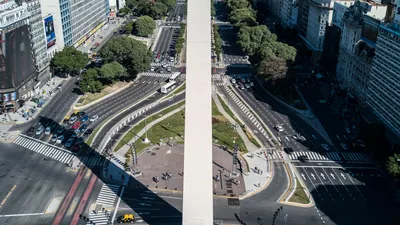
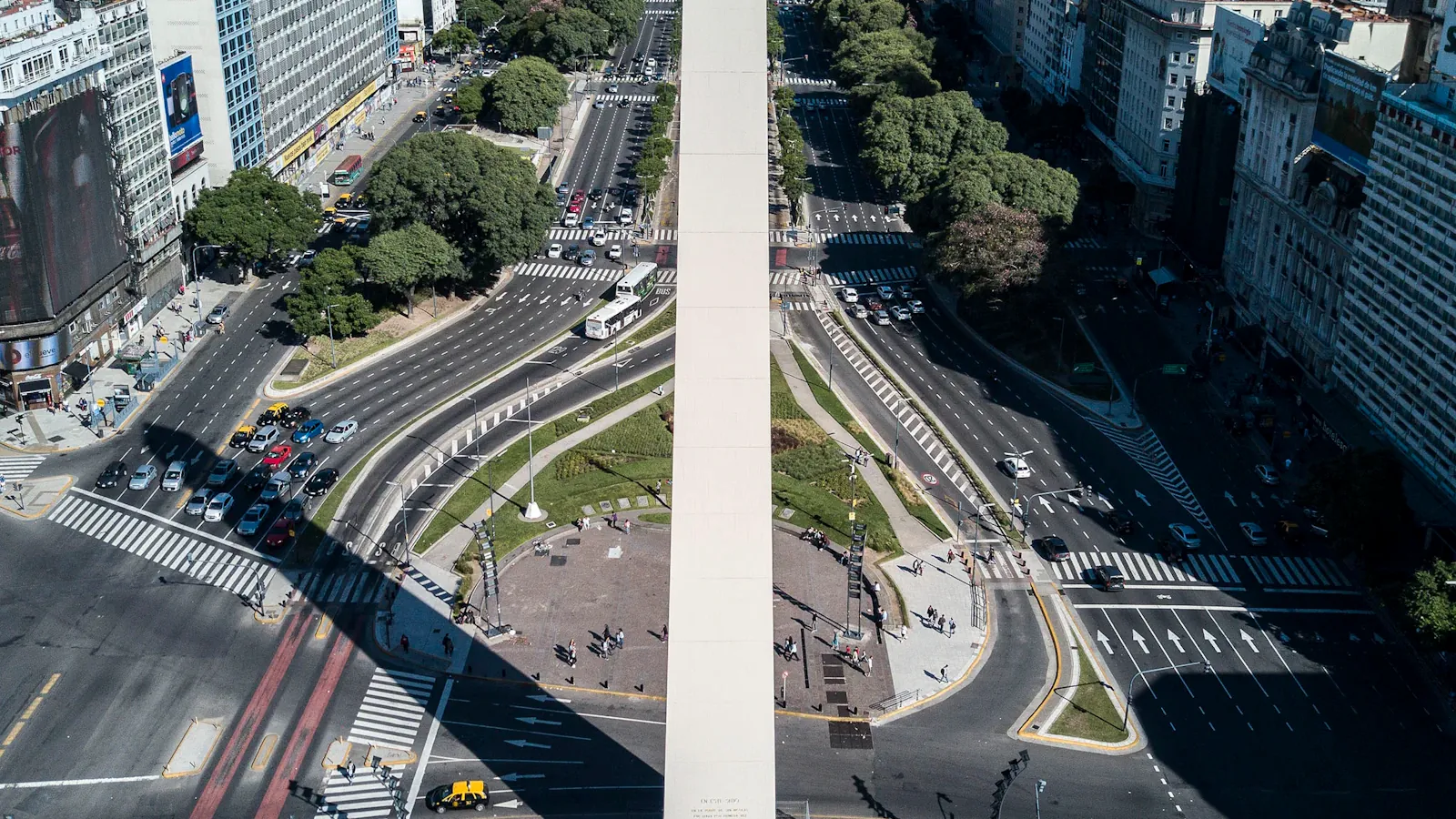
 The Obelisco stands at the heart of Buenos Aires on the world's widest avenue.
Planning a longer trip? Check out our extended Buenos Aires itinerary covering 7-9 days of in-depth exploration. Use our PTO optimizer to find the best days to take off around your trip dates.
Why Buenos Aires Is a Must-Visit Destination in 2026
The Paris of South America—But Better
The comparison to Paris is earned—Buenos Aires has the grand boulevards, the ornate Beaux-Arts architecture, the sidewalk cafes, and the literary culture. But it also has what Paris increasingly lacks: affordability, spontaneity, and a creative energy born from crisis. Argentina's recurring economic turbulence has made portenos resourceful and fiercely creative—the contemporary art scene, the underground music venues, the experimental restaurants pushing boundaries on tight budgets all benefit from this restless energy. The favorable exchange rate (check the "blue dollar" rate) means world-class dining and culture at a fraction of European prices.
What Makes Buenos Aires Unique vs Other South American Capitals
Where Rio has beaches and Sao Paulo has scale, Buenos Aires has depth. The city operates on conversation and culture—portenos will debate politics, football, and philosophy for hours over cafe con leche, and every taxi driver has an opinion about Borges. The tango scene is not folklore; it is a living practice with hundreds of milongas (dance halls) operating weekly across the city. The food culture centers on the asado (barbecue) tradition, where grill masters spend hours tending coals to produce beef that needs nothing but salt. And the nightlife runs later than anywhere else on earth—clubs do not fill until 3am, and breakfast after dancing is a standard Saturday routine.
Planning Your Trip Essentials
Use the Holiday Optimizer to find the best days to book off around public holidays for your Buenos Aires trip.
Best Time to Visit
March through May (autumn) and September through November (spring) offer ideal weather—15-25 degrees Celsius with clear skies. Summer (December-February) is hot and humid (30-35 degrees) and much of the city empties as portenos flee to the coast. Winter (June-August) is mild by South American standards (8-15 degrees) but feels raw and gray. The city's cultural calendar peaks from March through November with theater seasons, art fairs, and the annual Buenos Aires Tango Festival (usually August).
Transportation Basics
The Subte (subway) is the oldest in South America and covers the city center well for 75 ARS per ride (about $0.08 USD at the blue rate—essentially free). You will need a SUBE card (rechargeable transit card, available at kioscos and Subte stations) for all public transit. Buses (colectivos) cover the entire city but require understanding the route system—Google Maps handles this well. Taxis are cheap and plentiful—always check that the meter is running. Uber works but exists in a legal gray area; taxis or Cabify are more reliable. Walking is the best way to explore individual neighborhoods, but Buenos Aires is sprawling—you will need transit between them.
Accommodation Choices
- Palermo Soho / Hollywood: The trendiest neighborhood—boutique hotels, designer shops, excellent restaurants and bars. $50-150 USD/night.
- San Telmo: Historic, bohemian, tango-soaked streets near the Sunday market. More character, rougher edges. $40-100/night.
- Recoleta: Elegant and central, near museums and parks. Buenos Aires' version of the Upper East Side. $60-180/night.
- Microcentro: Central but soulless—offices by day, empty by night. Only useful for proximity to the Subte and budget options. $30-70/night.
Travel Costs and Budgeting
To maximize your days off without extra PTO, use the free Holiday Optimizer to find bridge days around public holidays for your Buenos Aires trip.
Daily Budget Breakdown
Buenos Aires is extraordinarily affordable at the blue dollar exchange rate. Budget travelers can manage on $30-50 USD per day including food, transit, and attractions. Mid-range travelers should plan $60-100 USD for nice restaurants, shows, and museum admissions. Premium experiences—fine dining, tango shows, and private tours—push to $150-200 USD per day. Always exchange at the "blue" (unofficial parallel) rate through exchange houses (cuevas) or Western Union for nearly double the official bank rate.
Cost-Saving Tips
Many museums are free or donation-based, including the MALBA on Wednesdays. The Sunday San Telmo Fair is free to wander. Walking the neighborhoods is the best free activity. The fixed-price lunch menus (menu ejecutivo) at mid-range restaurants offer 2-3 courses for 5,000-10,000 ARS ($5-10 USD). Cafe culture is cheap—an espresso and medialunas (croissants) at a traditional cafe costs 3,000-5,000 ARS ($3-5 USD).
Food and Dining Typical Costs
- Empanada (street/bakery): 500-1,000 ARS ($0.50-1 USD) each
- Pizza slice (fugazzeta or muzzarella): 1,500-3,000 ARS ($1.50-3 USD)
- Cafe con leche and medialunas: 3,000-5,000 ARS ($3-5 USD)
- Parrilla steak dinner with wine: 15,000-30,000 ARS ($15-30 USD)
- Fine dining tasting menu: 40,000-80,000 ARS ($40-80 USD)
- Malbec by the glass: 3,000-6,000 ARS ($3-6 USD)
- Cocktail at a Palermo bar: 5,000-10,000 ARS ($5-10 USD)
Day 1: Centro and San Telmo
Begin with the city's historic heart and its most atmospheric neighborhood.
Morning: Plaza de Mayo and Centro
Start at Plaza de Mayo, the political heart of Argentina, where the Casa Rosada (the pink presidential palace, free guided tours on weekends) faces the Cabildo (colonial town hall) and the Catedral Metropolitana (where Pope Francis served as archbishop). The Madres de Plaza de Mayo still march here every Thursday at 3:30pm—a living reminder of Argentina's darkest chapter. Walk north along pedestrian Calle Florida toward the magnificent Galerias Pacifico (a shopping mall inside a Beaux-Arts masterpiece with stunning ceiling murals) and the Teatro Colon—one of the world's great opera houses. Book a guided tour ($8,000 ARS, 50 minutes) or, better yet, attend a performance ($5,000-50,000 ARS depending on seats and show).
The Teatro Colon is considered one of the top three opera houses in the world alongside La Scala and the Vienna State Opera. Even if opera is not your thing, the architecture alone is worth a guided tour—the acoustics are legendary.
Midday: Cafe Tortoni
Stop at Cafe Tortoni (Avenida de Mayo 825), Buenos Aires' most famous cafe since 1858. Yes, it is touristy. Yes, you should still go. Order a cafe con leche and a plate of churros with chocolate—the wood-paneled interior, tango memorabilia, and century-old atmosphere justify the slightly inflated prices (5,000-8,000 ARS for coffee and pastry). Then walk down Avenida de Mayo toward Congress—the avenue is lined with ornate European-style buildings and feels like walking through early 20th-century Madrid.
Afternoon: San Telmo
Head south to San Telmo, Buenos Aires' oldest neighborhood, where cobblestone streets, antique shops, and tango bars create the city's most atmospheric quarter. Wander Calle Defensa, browse the antique stores (vintage finds from the 1920s-40s are especially good), and peek into the courtyards of colonial buildings converted into bars and art spaces. Visit the Mercado de San Telmo—a cavernous iron-framed market dating to 1897 filled with produce stalls, empanada vendors, spice merchants, and artisan coffee roasters.
Evening: Parrilla and Tango
Dinner at a San Telmo parrilla—La Brigada (Estados Unidos 465, reservations essential, known for cutting steak with a spoon to prove tenderness) or El Desnivel (Defensa 855, cash only, no reservations, cheaper and more local). Order bife de chorizo (sirloin), morcilla (blood sausage), and provoleta (grilled provolone)—shared with a bottle of Malbec, this is one of the great meals on Earth. After dinner, watch tango at a milonga—La Catedral (Sarmiento 4006, $3,000-5,000 ARS entry) is an atmospheric converted warehouse where locals dance, or for a polished show, Cafe de los Angelitos offers dinner-and-show packages ($30,000-60,000 ARS).
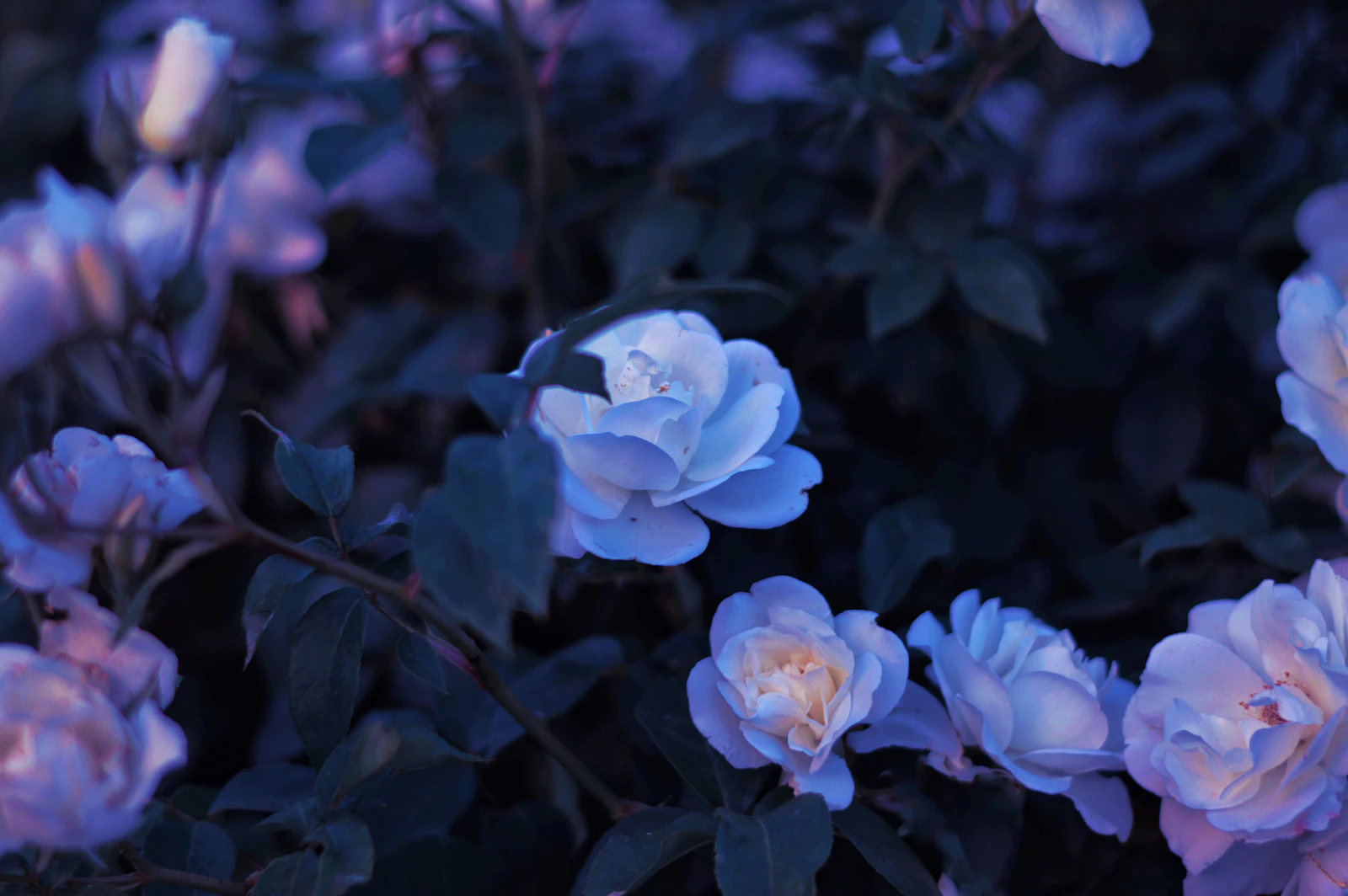 Tango is not a performance in Buenos Aires—it is a living tradition danced nightly across the city.
Day 2: Recoleta and La Boca
Today explores Buenos Aires' most elegant neighborhood and its most colorful.
Morning: Recoleta Cemetery and Museums
The Cementerio de la Recoleta (free admission) is not just a cemetery—it is an open-air museum of elaborate mausoleums, marble angels, and the final resting place of Eva Peron, whose tomb draws pilgrims and tourists alike. The labyrinthine layout and Gothic-Italianate architecture make it one of Buenos Aires' most extraordinary experiences. Allow 1-2 hours to wander properly. Afterward, visit the Museo Nacional de Bellas Artes (free admission), which houses an impressive collection spanning Rembrandt, El Greco, and Argentine masters like Xul Solar and Antonio Berni.
Midday: Recoleta Stroll
Walk through the shaded Plaza Francia (weekend artisan market) and along the elegant streets of Recoleta—Avenida Alvear is Buenos Aires' most exclusive address, lined with French-style mansions and embassies. Lunch at Rodi Bar (Vicente Lopez 1900)—a classic porteno bodegon (old-school neighborhood restaurant) serving enormous portions of milanesas (breaded cutlets), pasta, and grilled meats at prices that feel like a time warp (8,000-15,000 ARS for a full meal).
Afternoon: La Boca
Take a taxi or bus south to La Boca, the working-class Italian-immigrant neighborhood famous for its colorful corrugated-metal houses. Caminito is the photogenic pedestrian street lined with painted buildings, street performers, and tango dancers posing for tips—it is unabashedly touristy but genuinely fun for 30-45 minutes. Do not wander far from Caminito into the surrounding streets, which are rougher. If you are a football fan, La Bombonera (Boca Juniors' stadium) offers tours ($10,000-15,000 ARS) and the museum chronicles the club's legendary history—the atmosphere during a match day is among the most intense in world football.
La Boca outside the Caminito tourist area can be rough. Stick to the main streets, visit during daylight hours, and take a taxi or Uber in and out rather than walking through surrounding blocks.
Evening: Puerto Madero Sunset
Walk or taxi to Puerto Madero, the redeveloped docklands neighborhood with waterfront restaurants and the striking Puente de la Mujer (Woman's Bridge) by Santiago Calatrava. The area is touristy and overpriced for food, but the sunset walk along the docks is beautiful. Head to Palermo for dinner instead—the neighborhood has the city's most diverse and exciting restaurant scene.
Day 3: Palermo and Culture
Today dives into Buenos Aires' largest and trendiest neighborhood.
Morning: Palermo Parks
Start in Parque 3 de Febrero (also called Bosques de Palermo), a massive green space with rose gardens, a Japanese garden ($4,000 ARS entry), lakes, and wide paths for walking and cycling. The Rosedal (rose garden) is particularly beautiful in spring and autumn. Continue to the nearby MALBA (Museo de Arte Latinoamericano de Buenos Aires, $6,000 ARS, free on Wednesdays)—the premier collection of Latin American modern and contemporary art, including iconic works by Frida Kahlo, Tarsila do Amaral, and Xul Solar.
Midday: Palermo Soho
Walk into Palermo Soho, the boutique-filled, tree-lined neighborhood around Plaza Serrano (officially Plaza Julio Cortazar). Browse independent Argentine fashion designers, leather goods shops, and vintage stores. Lunch at one of the area's excellent restaurants—Don Julio (Guatemala 4699, reservations weeks in advance, considered Argentina's best parrilla) or Sarkis (Thames 1101, no reservations, Armenian-Argentine food, legendary hummus and kebabs, expect a 30-minute wait).
Afternoon: Street Art and Galleries
Palermo has some of the best street art in South America—murals cover entire building facades, especially around the streets between Palermo Soho and Hollywood. A self-guided walk or a street art tour ($15-25 USD) reveals works by internationally recognized Argentine artists. Visit Fundacion Proa (La Boca, if you missed it yesterday) or browse the contemporary galleries concentrated around Palermo's side streets.
Evening: Palermo Nightlife
Palermo Hollywood (the area around the former TV studios) has the city's densest concentration of bars and restaurants. Start with craft cocktails at Floreria Atlantico (Arroyo 872, Retiro—a bar hidden beneath a flower shop, regularly ranked among the world's best) or cerveza artesanal at one of Palermo's many craft breweries. Dinner late—10pm at the earliest—at La Cabrera (Cabrera 5099, no reservations for the main location, Argentine cuts with creative sides) or Narda Comedor for a more modern Argentine menu. Clubs like Niceto and Club Araoz do not pick up until 2am.
Day 4: Markets and Departure
Morning: San Telmo Sunday Market
If your fourth day falls on a Sunday, the Feria de San Telmo is unmissable. Calle Defensa transforms into a 10-block market with antiques, crafts, street performers, tango dancers, and food stalls. Arrive by 10am before crowds peak. Pick up vintage soda siphons, leather goods, handmade jewelry, or old vinyl records. The energy is infectious, and the live tango performances at Plaza Dorrego are the most authentic free show in the city.
Before the Airport
Ezeiza Airport (EZE) is 35 km south of the city—40-70 minutes by car depending on traffic. Official airport taxis (tienda leon or transfer services) cost around $30-40 USD. Uber works but drivers sometimes cancel for airport trips due to restrictions. Aeroparque (AEP)—the domestic/regional airport—is much closer, 15-20 minutes from Palermo. Allow 2.5 hours for Ezeiza international departures. Buy alfajores (dulce de leche sandwich cookies) at the airport duty free—Havanna brand is a reliable gift.
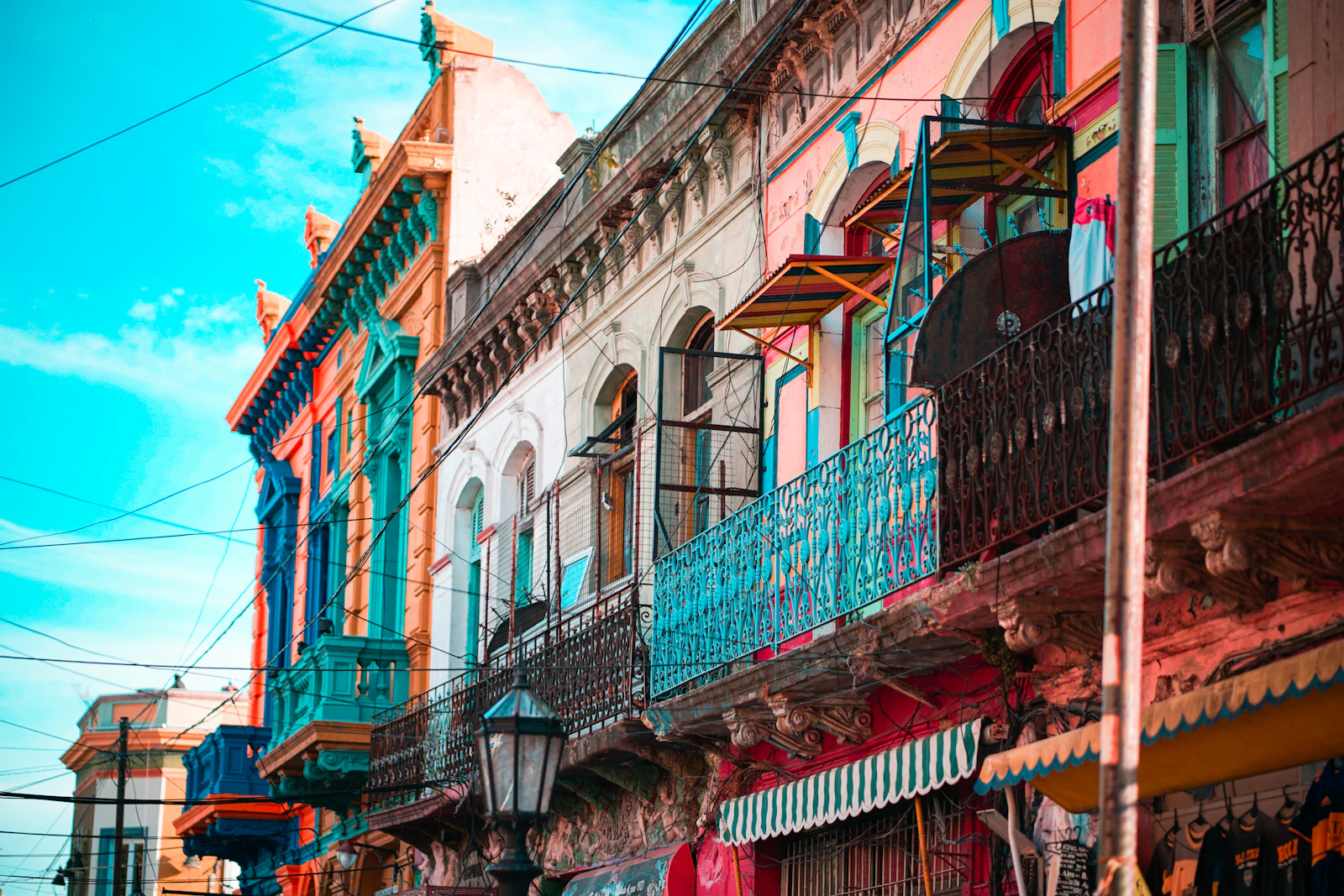 La Boca's Caminito street is a burst of color and tango culture.
Eat, Drink, and Savor
Essential Argentine Dishes
- Asado: The Argentine barbecue tradition is sacred. A proper asado includes chorizo (pork sausage), morcilla (blood sausage), provoleta (grilled provolone), entraña (skirt steak), bife de chorizo (sirloin), and tira de asado (short ribs)—cooked slowly over wood coals. At a parrilla, order a parrillada to share.
- Empanadas: Baked or fried pastry pockets filled with carne (beef with olives and egg), jamon y queso (ham and cheese), or humita (corn). Every province has its own style—Tucumanas are the gold standard. Try El Sanjuanino in Recoleta (cash only, huge portions, $800-1,200 ARS each).
- Milanesa: The Argentine take on schnitzel—breaded and fried cutlets, usually veal or chicken. A milanesa napolitana (topped with tomato sauce, ham, and melted cheese) with french fries is the ultimate porteno comfort food.
- Dulce de leche: Argentina's national obsession appears in everything—alfajores (sandwich cookies), helado (ice cream), pancakes, facturas (pastries), and straight from the jar with a spoon.
Steak Guide
Argentine beef is grass-fed and extraordinary. Key cuts at a parrilla: bife de chorizo (sirloin, the default order), ojo de bife (ribeye, more marbled), entraña (skirt steak, intensely flavorful), and vacio (flank, leaner). Order your steak jugoso (rare to medium-rare) or a punto (medium)—well-done (bien cocido) is considered a mild insult. Salt is the only necessary seasoning. Chimichurri is offered but purists skip it for quality cuts.
Drinks
- Malbec: Argentina's signature grape, best from Mendoza. Every restaurant has an extensive wine list—a good bottle at a restaurant costs 8,000-20,000 ARS ($8-20 USD). By-the-glass options are always available.
- Fernet con Coca: The national drink—an Italian bitter herbal liqueur mixed with Coca-Cola. It is an acquired taste that becomes addictive. Served at every bar and at every asado.
- Cafe culture: Buenos Aires runs on espresso. A cortado at a traditional cafe (Cafe Tortoni, Bar El Federal, La Biela) is a ritual, not a caffeine stop.
Cultural Experiences Not to Miss
Tango Beyond the Tourist Shows
The real tango scene happens at milongas—social dance events held in community halls, cultural centers, and converted warehouses across the city. La Catedral (Sarmiento 4006) is the most famous alternative milonga—an unmarked warehouse with a bohemian crowd. Salon Canning (Scalabrini Ortiz 1331) draws serious dancers of all ages. Even if you do not dance, watching is mesmerizing—the intimacy, the skill, the unspoken conversation between partners. Many milongas offer free or cheap beginner lessons before the main event.
Football Passion
Argentine football is a religion, and attending a Boca Juniors or River Plate match is an intense, unforgettable experience. Tickets for visitors are easiest to get through official club membership programs or organized tour groups (expect to pay $40-80 USD). The atmosphere—drums, chanting, flares, and 50,000 fans singing in unison—is unlike anything in North American or European sports. The Boca vs River "superclasico" is the most intense derby in world football.
Bookstore Culture
Buenos Aires has more bookstores per capita than any other city in the world. El Ateneo Grand Splendid (Avenida Santa Fe 1860) is a former theater converted into a bookshop—the frescoed ceiling, theater boxes, and stage-turned-cafe make it one of the most beautiful bookstores on Earth. Browse for an hour and have coffee on the former stage.
Practical Tips for Travelers
Language
Spanish is essential. Buenos Aires Spanish (castellano rioplatense) has a distinctive accent—ll and y are pronounced "sh" (so calle sounds like "cashe"), and the vos pronoun replaces tu. English is spoken in upscale hotels and some Palermo restaurants, but most everyday interactions require Spanish. Portenos are patient with attempts and appreciate the effort.
Etiquette
Greetings involve a single kiss on the cheek—even between men meeting for the first time (in social settings). Lunch is 1-3pm, dinner never before 9pm (10pm is standard). Tipping is 10% at restaurants (often not included). Portenos are warm, opinionated, and love to talk—especially about politics and football. Engage, do not rush.
Safety
Buenos Aires is generally safe for tourists in the main neighborhoods. Be aware of petty theft—keep phones and wallets secure, especially on crowded streets and public transit. Avoid walking alone in La Boca outside Caminito, and be cautious in parts of Constitución and Once after dark. The "mustard scam" (someone squirts a substance on you, then an "helpful" stranger offers to clean it while pickpocketing you) still exists—if someone spills something on you, walk away quickly.
If you have extra days, consider combining your Buenos Aires trip with Rio de Janeiro and Lima — all easy to reach and covered in our PTO-optimized travel guides.
Quick Takeaways
- Exchange money at the blue dollar rate (Western Union or exchange houses) for nearly double the official rate.
- Dinner before 9:30pm is culturally early—embrace the late schedule for the full porteno experience.
- The Teatro Colon tour or performance is one of the city's greatest cultural experiences.
- San Telmo on Sunday is unmissable—plan your itinerary around the market.
- Steak needs only salt and a glass of Malbec—save chimichurri for lesser cuts.
- Budget $60-100 USD per day for comfortable mid-range travel at the blue rate.
- Tango milongas are free or cheap and more authentic than dinner-show packages.
- La Boca is worth 45 minutes for Caminito but do not wander into surrounding streets.
- Use the Holiday Optimizer PTO calendar to plan which days to take off for your Buenos Aires trip.
Conclusion
Four days in Buenos Aires delivers the essence of a city that takes itself seriously and not seriously at all—simultaneously. You eat steak that ruins you for every future steak, dance (or watch) tango that moves you in ways you did not expect, wander neighborhoods that feel like Paris reimagined by Italians on a South American budget, and discover that a city where dinner starts at 10pm and clubs open at 2am has its own persuasive logic.
Buenos Aires is a city of grand gestures and intimate moments—the vast Avenida 9 de Julio and the tiny tango embrace, the ornate Teatro Colon and the unmarked milonga in a warehouse. You leave changed, slightly sleep-deprived, and already planning your return. Start optimizing your PTO windows.
Ready to maximize your time off?
Find the best Buenos Aires travel windows
Frequently Asked Questions
-
Is Buenos Aires safe for tourists? Yes, the main neighborhoods (Palermo, Recoleta, San Telmo, Microcentro) are safe with normal urban awareness. Petty theft exists—keep valuables secure and avoid flashy displays. La Boca outside Caminito and some southern neighborhoods require more caution, especially after dark.
-
How does the blue dollar rate work? Argentina has an official exchange rate and a parallel "blue" rate that is significantly more favorable (often nearly double). Exchange through Western Union, authorized exchange houses, or use services like Wise. Never exchange on the street. The blue rate effectively halves the cost of everything for foreign visitors.
-
Do I need to speak Spanish? Basic Spanish is very helpful. English is limited outside upscale hotels and some Palermo establishments. Learning restaurant vocabulary, greetings, and basic phrases will significantly improve your experience. Portenos appreciate the effort.
-
When should I eat dinner? Restaurants begin filling at 9-9:30pm and peak at 10:30-11pm. Arriving at 8pm means you will eat alone—which is fine if you prefer it, but you miss the atmosphere. Embrace the schedule: have a merienda (afternoon tea/snack) at 5-6pm to bridge the gap.
-
Is four days enough? For the highlights, yes. You will cover the essential neighborhoods, eat extraordinary food, see the main sights, and experience tango. But Buenos Aires rewards longer stays—the deeper you go into its neighborhoods and rhythms, the more it reveals.
Share Your Thoughts
Did this guide help you plan your Buenos Aires trip? Tell us what excites you most—the legendary steaks, the tango milongas, the bookstores, or the late-night culture that turns the city into a nocturnal wonderland.