Lima in 4 Days: Long Weekend Itinerary & PTO Planner for 2026
Plan a Lima getaway with a 4-day itinerary covering world-class ceviche, ancient ruins, colonial architecture, and the culinary capital of South America for 2026.
Introduction
Lima is the gastronomic capital of South America, and that is not a debatable claim—it is a fact backed by a concentration of world-ranked restaurants, a ceviche tradition that predates the Inca Empire, and a culinary creativity that fuses indigenous, Spanish, African, Chinese, and Japanese influences into something entirely and spectacularly Peruvian. But reducing Lima to its food would be like reducing Paris to its museums. This is a city of 10 million perched on desert cliffs above the Pacific, with pre-Columbian ruins older than Rome, a colonial center that is a UNESCO World Heritage Site, and a contemporary art and culture scene that is finally getting the international attention it deserves.
Four days in Lima gives you the full arc: ancient pyramids in the middle of residential neighborhoods, ornate churches dripping with gold leaf, cliff-top parks overlooking a coastline that stretches into the Pacific mist, and meals that range from a perfect S/15 ceviche at a market stall to a S/800 tasting menu at one of the world's ten best restaurants. Lima demands that you eat, and eat well, and eat often. This guide ensures you do exactly that.
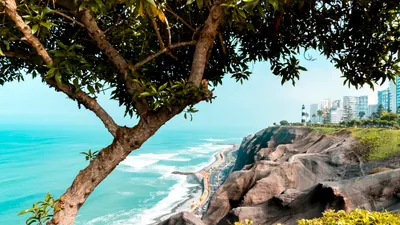
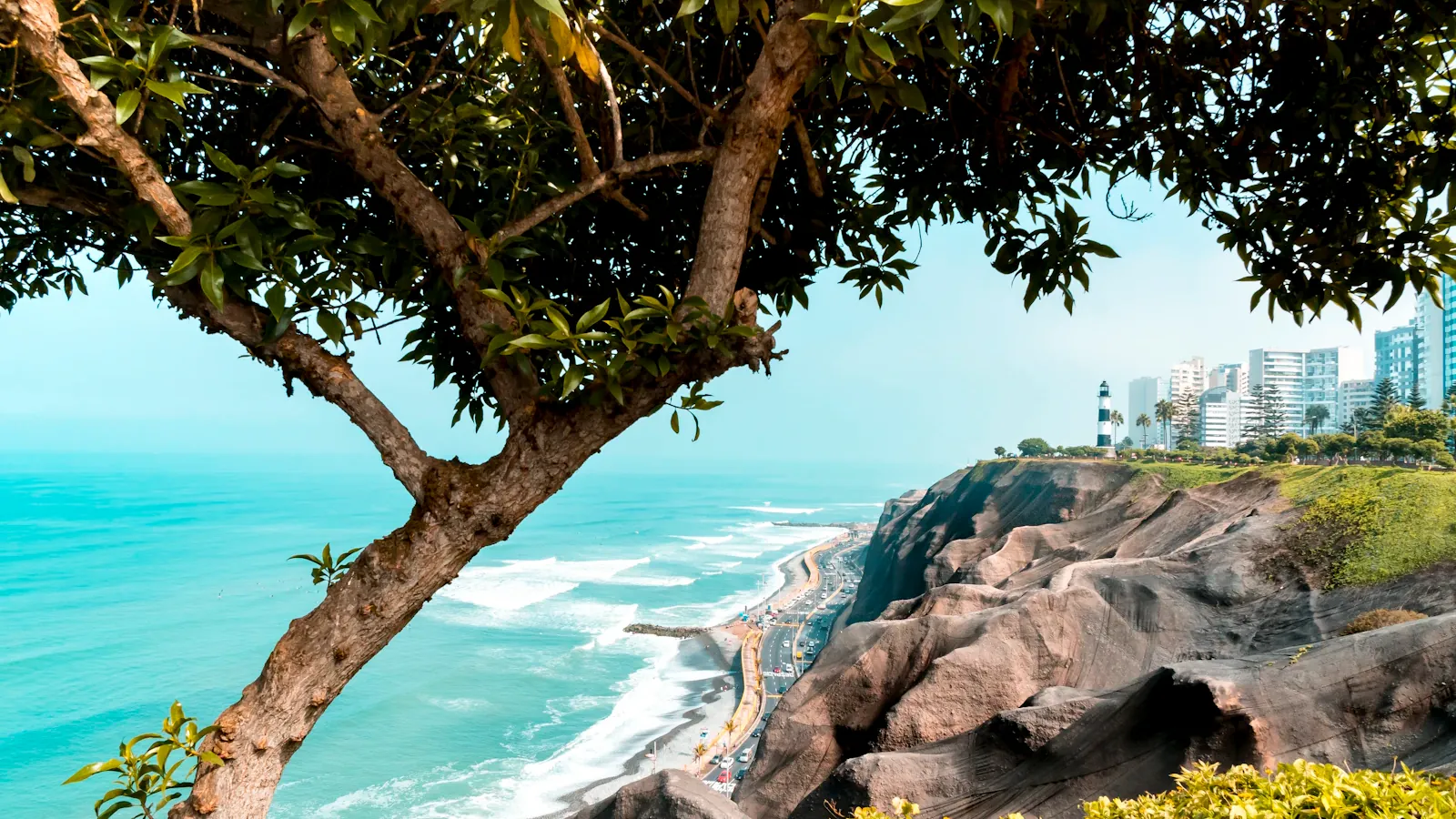
 Miraflores clings to the cliffs above the Pacific, defining Lima's dramatic coastline.
Planning a longer trip? Check out our extended Lima itinerary covering 7-9 days of in-depth exploration. Use our PTO optimizer to find the best days to take off around your trip dates.
Why Lima Is a Must-Visit Destination in 2026
The World's Best Food City You Have Not Visited
Lima has more restaurants on the World's 50 Best list than any other city in the Americas. Central (currently #1 in the world) and Maido (top 10) headline, but the depth extends far beyond fine dining. The city's cevicherias serve raw fish cured in lime juice with a perfection born of 2,000 years of practice. Chifas (Chinese-Peruvian fusion restaurants) line entire neighborhoods. Nikkei cuisine—the Japanese-Peruvian fusion unique to Lima—produces dishes that no other city on Earth can replicate. And the street food—anticuchos (grilled beef heart skewers), picarones (sweet potato doughnuts), causa (layered potato terrine)—is extraordinary. Lima is not a food destination; it is the food destination.
What Makes Lima Unique vs Other South American Capitals
Lima sits in a geographic sweet spot—coastal desert climate (almost never rains), access to Pacific seafood, Andean ingredients from the highlands, and Amazonian products from the jungle—creating a culinary pantry unmatched in diversity. The city's history layers Wari and Inca civilizations beneath Spanish colonial grandeur beneath modern cosmopolitan ambition. Unlike flashier South American capitals, Lima reveals its treasures gradually: you have to look beyond the initial gray-sky impression (the garua fog blankets the coast May-November) to discover the warmth of its people, the brilliance of its food, and the surprising beauty of its cliff-top neighborhoods.
Planning Your Trip Essentials
Use the Holiday Optimizer to find the best days to book off around public holidays for your Lima trip.
Best Time to Visit
December through April brings Lima's summer—clear blue skies, temperatures of 25-30 degrees Celsius, and the beaches come alive. May through November is the garua season—overcast, cool (15-20 degrees), and gray. The food and cultural attractions are year-round, so the gray months are perfectly viable and bring lower prices and thinner crowds. If you plan to combine Lima with trips to Cusco or the Sacred Valley, the dry season (May-October) is better for highland trekking despite Lima's gloom.
Transportation Basics
Lima is a sprawling city where traffic is legendary. Uber is the practical choice for tourists—rides between Miraflores, Barranco, and Centro cost S/8-20 ($2-5 USD). The Metropolitano rapid bus system connects key areas but is crowded during rush hours. Regular buses and combis (minivans) are cheap but chaotic—useful for adventurous travelers who can read the route signs. Walking is excellent within neighborhoods (Miraflores, Barranco, Centro) but impractical between them. Taxis should be ordered through apps—do not hail random cars.
Accommodation Choices
- Miraflores: The primary tourist base—safe, walkable, cliff-top parks, excellent restaurants and shopping. Hotels $50-200 USD/night.
- Barranco: The bohemian arts district—galleries, street art, nightlife, more character. $40-150/night.
- San Isidro: Business district with upscale hotels, parks, and the financial center. Quieter. $60-180/night.
- Centro Historico: Walking distance to colonial sights but grittier and less safe at night. $30-80/night.
Travel Costs and Budgeting
To maximize your days off without extra PTO, use the free Holiday Optimizer to find bridge days around public holidays for your Lima trip.
Daily Budget Breakdown
Lima is remarkably affordable for the quality of experience it delivers. Budget travelers can manage S/100-200 ($27-55 USD) per day on market food, Uber rides, and free attractions. Mid-range travelers should plan S/250-500 ($70-140 USD) for restaurant meals, museum admissions, and cocktail bars. Premium experiences—fine dining tasting menus, private tours—push past S/800 ($220 USD).
Cost-Saving Tips
The best food in Lima is often the cheapest. Menu del dia (set lunch) at local restaurants costs S/10-18 ($3-5 USD) for soup, a main course, and a drink—and the food is genuinely good. Ceviche at market stalls costs S/15-25 versus S/60-90 at restaurants. Many churches and plazas in Centro Historico are free to enter. The cliff-top Malecon walk in Miraflores is free and beautiful. Barranco's street art can be explored without a guide. Lima's best experiences—eating, walking, people-watching—cost very little.
Food and Dining Typical Costs
- Ceviche at a market stall: S/15-25 ($4-7 USD)
- Menu del dia (set lunch): S/10-18 ($3-5 USD)
- Anticuchos from a street cart: S/5-10 ($1.50-3 USD)
- Cevicheria lunch: S/40-80 ($11-22 USD) per person
- Dinner at a mid-range restaurant: S/60-120 ($17-33 USD)
- Pisco sour at a bar: S/25-45 ($7-12 USD)
- Fine dining tasting menu: S/400-900 ($110-250 USD)
- Craft beer: S/15-25 ($4-7 USD)
Day 1: Miraflores and the Coast
Begin in Lima's most polished neighborhood, where dramatic cliffs meet the Pacific.
Morning: Malecon and Parque del Amor
Walk the Malecon, the cliff-top promenade stretching 10 km along the Miraflores coast with paragliders soaring overhead and the Pacific crashing against the rocks below. Start at Parque del Amor (Park of Love), with its Gaudi-inspired mosaic benches and the famous sculpture of two lovers embracing—it is kitschy and charming. Continue past Parque Kennedy (the central plaza where stray cats lounge among food vendors and street musicians) and the Larcomar shopping mall, built into the cliffs with ocean-view dining terraces.
Midday: Huaca Pucllana
Visit Huaca Pucllana (S/15 admission, guided tours included), a massive adobe pyramid built by the Lima culture around 500 AD—sitting incongruously in the middle of a residential Miraflores neighborhood. The illuminated nighttime tours are particularly atmospheric, but daytime visits let you appreciate the scale: this was a ceremonial and administrative center where sacrifices were performed and feasts held. The on-site restaurant, Huaca Pucllana Restaurante, serves excellent Peruvian cuisine with the pyramid illuminated as your backdrop—one of the most unique dining settings in South America.
Lima has over 400 huacas (pre-Columbian ruins) scattered across the city—more archaeological sites per square kilometer than almost any other inhabited city. Many are hidden in plain sight, surrounded by modern buildings, serving as parks and cultural centers.
Afternoon: First Ceviche
Time for your first proper ceviche. Head to La Mar (Avenida La Mar 770, Miraflores, no reservations, arrive by 12:30pm for a reasonable wait, S/60-100 per person)—Gaston Acurio's celebrated cevicheria where the fish is so fresh it practically swam to your plate this morning. Order the classic ceviche, the leche de tigre (the citrus marinade served as a shot—Peruvians swear by its restorative powers), and tiradito (sashimi-style ceviche with aji amarillo sauce). Peruvian ceviche is nothing like Mexican ceviche—the fish is barely cured, the flavors are bright and clean, and the leche de tigre is liquid gold.
Evening: Barranco Sunset
Take an Uber to Barranco, Lima's bohemian arts district, in time for sunset over the Pacific. Walk the Puente de los Suspiros (Bridge of Sighs)—a wooden footbridge over a ravine that connects to a path descending to the beach. The legend says that if you hold your breath while crossing, your wish will come true. The surrounding streets are lined with colonial mansions converted into galleries, bars, and restaurants. Dinner at Isolina (Avenida San Martin 101, no reservations, expect a 30-60 minute wait, S/40-70 per person)—a bustling taberna serving massive portions of traditional Lima comfort food: tacu-tacu (rice and bean pancake), seco de res (beef stew), and lomo saltado (stir-fried beef). The portions are enormous and the flavors are deep.
 Barranco's bohemian streets come alive at sunset.
Day 2: Centro Historico and Colonial Lima
Morning: Plaza Mayor and Cathedral
Start at the Plaza Mayor (Plaza de Armas), the grand square where Pizarro founded Lima in 1535. The Catedral de Lima (S/10 entry) houses Pizarro's tomb and ornate Baroque interiors. The Palacio de Gobierno (Government Palace) hosts a changing-of-the-guard ceremony daily at noon. The surrounding colonial buildings—with their ornate wooden balconies (a Lima trademark)—create one of South America's most impressive urban squares. The Iglesia de San Francisco (S/15) has catacombs containing an estimated 25,000 sets of bones arranged in eerie geometric patterns.
The catacombs beneath Iglesia de San Francisco are genuinely unsettling—thousands of skulls and femurs arranged in circular patterns in underground chambers. The guided tour takes 30 minutes and is one of Lima's most memorable experiences.
Midday: Chinatown and Market Food
Walk to Barrio Chino (Chinatown), marked by a grand arch on Jirón Ucayali—Lima has the largest Chinese population in South America, and the chifa (Chinese-Peruvian fusion) cuisine is unique. Eat at Wa Lok (Jirón Paruro 864, the most famous chifa, S/30-60 per person) or explore the surrounding streets for smaller, more authentic options. The nearby Mercado Central sells everything from tropical fruits to fresh seafood to traditional medicines.
Afternoon: Museo Larco
Take an Uber to Pueblo Libre to visit the Museo Larco (S/30 admission)—Lima's finest museum, housed in an 18th-century mansion built atop a pre-Columbian pyramid. The collection spans 5,000 years of Peruvian history: Moche portrait vessels, Nazca textiles, Inca gold, and a famous (and hilarious) erotic pottery gallery that depicts sexual practices across pre-Columbian cultures with graphic detail. The garden cafe is a lovely spot for a pisco sour after your visit.
Evening: Pisco Sour Education
Tonight is dedicated to Peru's national drink. A proper pisco sour uses pisco (grape brandy), lime juice, simple syrup, egg white, and Angostura bitters—frothy, tart, and dangerously drinkable. Start at the Hotel Bolivar bar in Centro (the grand dame of Lima hotels, atmospheric and slightly faded), where the pisco sour was arguably perfected. Then head to Barranco for drinks at Ayahuasca (a converted mansion with ornate rooms, each bar area with a different atmosphere, S/30-45 per cocktail) or Juanito's (Barranco's beloved no-frills bar where the pisco sours are cheap and strong).
Day 3: Food Deep Dive and Barranco
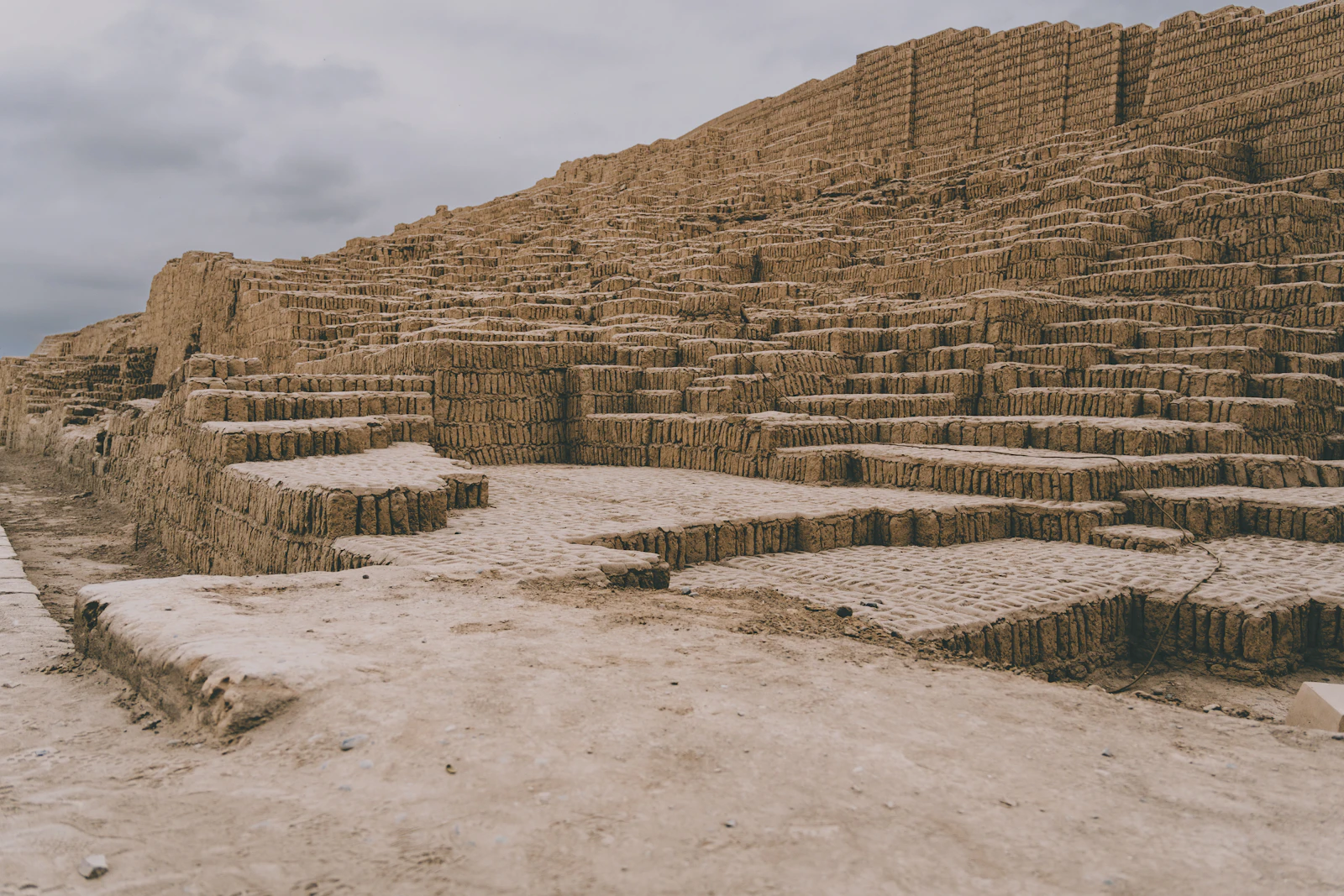 Huaca Pucllana sits dramatically amid modern Miraflores.
Morning: Market Visit and Cooking Class
Take a cooking class (numerous options in Miraflores and Barranco, $40-80 USD for half-day) that begins with a visit to a local market—you will select fish for ceviche, choose aji peppers, and learn to identify the Peruvian ingredients that make the cuisine unique: aji amarillo (yellow pepper), rocoto (hot red pepper), huacatay (black mint), and the 3,000+ varieties of potato native to Peru. Return to the kitchen to prepare ceviche, causa, and lomo saltado under expert guidance. The experience provides context that elevates every meal for the rest of your trip.
Afternoon: Barranco Art and Culture
Explore Barranco's galleries and street art. The MATE museum (S/30, the Mario Testino museum showcasing the photographer's fashion and portrait work) is housed in a beautiful colonial building. Barranco's streets are covered in murals—walk Calle 28 de Julio and the surrounding alleys for colorful, politically charged art. Browse independent galleries and artisan shops. The neighborhood has a village feel—quiet during the afternoon, vibrant at night.
Evening: Nikkei Dinner
Tonight, experience Nikkei cuisine—the Japanese-Peruvian fusion born from Lima's large Japanese-descended population (Peru has the second-largest Japanese diaspora in the Americas). Maido (Calle San Martin 399, Miraflores, reservations essential weeks ahead, tasting menu S/600-800) is the most famous and consistently ranks in the world's top 10—the 15-course menu spanning Japanese technique and Peruvian ingredients is extraordinary. For a more accessible option, Osaka (multiple locations, S/60-100 per person) serves excellent Nikkei sushi and ceviches. The cuisine is genuinely unique to Lima—nowhere else combines these two traditions at this level.
Day 4: Pachacamac and Departure
Morning: Pachacamac Ruins
Drive 30 km south to Pachacamac (S/15 admission, guided tours available), the largest pre-Columbian archaeological site on Peru's coast. This enormous complex was a pilgrimage center for over 1,000 years, with temples built by the Lima, Wari, and Inca cultures stacked in chronological layers. The Temple of the Sun sits on a hilltop overlooking the Pacific and the Lurin Valley. The on-site museum houses artifacts and mummies. Allow 2-3 hours for the site—it is vast and mostly outdoors, so bring sunscreen and water.
Before the Airport
Return to Miraflores for a final lunch. La Lucha Sangucheria (multiple locations, sandwiches S/15-25) serves Lima's best sandwiches—the chicharron (fried pork) with salsa criolla on fresh bread is a masterpiece of simplicity. Or grab one last ceviche at your favorite spot.
Jorge Chavez International Airport (LIM) is in Callao, 30-45 minutes from Miraflores by Uber (S/25-50 depending on traffic). Traffic to the airport is unpredictable—allow 2.5 hours for international departures. The airport has decent food options and a duty-free shop selling pisco and Peruvian chocolate.
Eat, Drink, and Savor
Essential Peruvian Dishes
- Ceviche: Fresh fish cured in lime juice with red onion, aji limo pepper, cilantro, and a generous pool of leche de tigre. Served with sweet potato and canchita (toasted corn). Every cevicheria has its own recipe—try several.
- Lomo saltado: Stir-fried beef with onions, tomatoes, soy sauce, and aji peppers, served over rice with french fries. The dish that encapsulates chifa (Chinese-Peruvian) fusion in a single plate.
- Anticuchos: Grilled beef heart skewers marinated in aji panca and cumin—street food perfection. The anticucho carts that appear across Lima after sunset are a beloved tradition. Do not be squeamish about the heart—it tastes like the best steak you have ever had.
- Causa: Layered yellow potato terrine (whipped with aji amarillo and lime) filled with chicken, tuna, or seafood salad. Cold, creamy, and uniquely Peruvian.
Ceviche Culture
Ceviche in Peru is not an appetizer—it is a main course, eaten at lunch (never dinner, tradition dictates fish should be fresh from the morning catch). A proper cevicheria opens at 11am and closes by 5pm. Order the leche de tigre separately as a shot—the citrus-fish-pepper marinade is believed to cure hangovers and boost vitality. Every Peruvian has a strong opinion about the best cevicheria in Lima, and every opinion is different.
Drinks
- Pisco sour: The national cocktail—frothy, citrusy, deceptively strong. Order a "clasico" for the standard version or a "maracuya sour" for the passion fruit variation.
- Chicha morada: A non-alcoholic drink made from purple corn, cinnamon, cloves, and lime—deeply refreshing and uniquely Peruvian. Served at nearly every restaurant.
- Chilcano: Pisco, ginger ale, lime, and bitters—lighter than a pisco sour and increasingly popular as Lima's cocktail scene expands.
Cultural Experiences Not to Miss
Peru's Culinary Revolution
Lima's food revolution is one of the great cultural stories of the 21st century. In the span of 20 years, Peruvian cuisine went from regional obscurity to global phenomenon—driven by chefs like Gaston Acurio, Virgilio Martinez, and Mitsuharu Tsumura who elevated traditional recipes with modern techniques while keeping the soul intact. Understanding this context—the fusion of indigenous, Spanish, African, Chinese, and Japanese traditions—adds depth to every meal.
Colonial Architecture
Lima's Centro Historico is a UNESCO World Heritage Site with some of the finest colonial architecture in the Americas. The wooden balconies (balcones) are Lima's architectural signature—ornate, Moorish-influenced enclosed balconies that line the streets of the old city. The Convento de Santo Domingo, Iglesia de la Merced, and Casa de Aliaga (the oldest continuously inhabited residence in the Americas, since 1535) are worth visiting for architecture lovers.
Contemporary Art
The MALI (Museo de Arte de Lima, S/30) in Parque de la Exposicion spans 3,000 years of Peruvian art, from pre-Columbian textiles to contemporary installations. Galeria Lucia de la Puente in Barranco is the city's most respected contemporary art gallery. The annual Art Lima fair brings international galleries and collectors to the city each April.
Practical Tips for Travelers
Language
Spanish is essential. English is spoken at upscale restaurants and international hotels but limited elsewhere. Lima Spanish is clear and relatively easy for learners. Key food vocabulary: "un ceviche clasico" (classic ceviche), "lomo saltado" (stir-fried beef), "la cuenta, por favor" (the check, please). Waiters at tourist-friendly restaurants often speak some English.
Etiquette
Greetings involve a single kiss on the cheek between men and women or women and women; a handshake between men. Lunch is the main meal (1-3pm), and cevicherias close by late afternoon. Dinner is lighter and later (8-10pm). Tipping 10% at restaurants is standard and appreciated. Peruvians are warm and hospitable—formality and courtesy go a long way.
Safety
Miraflores, Barranco, and San Isidro are safe neighborhoods for walking day and night. Centro Historico is safe during the day but should be navigated by taxi after dark. Avoid the neighborhoods of Callao, La Victoria, and Rimac unless with a knowledgeable local guide. Keep phones and valuables secure in crowded areas. Use Uber rather than hailing taxis. Lima is generally safe for tourists in the established areas, but awareness of your surroundings is important.
Only use registered taxis or Uber/DiDi in Lima. Unregistered taxis have been linked to express kidnappings (paseo millonario). Never hail a random car from the street—ask your hotel to call a taxi or use an app.
If you have extra days, consider combining your Lima trip with Buenos Aires and Cartagena — all easy to reach and covered in our PTO-optimized travel guides.
Quick Takeaways
- Lima is the undisputed culinary capital of South America—eat as the main activity, not an afterthought.
- Ceviche is a lunchtime food—cevicherias close by 5pm, and eating ceviche at dinner is a tourist tell.
- The Museo Larco is the city's best museum—do not skip the erotic pottery gallery.
- Miraflores and Barranco are the best bases for first-time visitors, with walking distance to most attractions.
- Budget S/250-500 ($70-140 USD) per day for comfortable mid-range travel.
- Book Maido or Central weeks in advance if fine dining is a priority.
- The Malecon cliff walk in Miraflores is free and beautiful at any time of day.
- Learn to love leche de tigre—the citrus fish marinade served as a shot is Peru's greatest gift to the drinking world.
- Use the Holiday Optimizer PTO calendar to plan which days to take off for your Lima trip.
Conclusion
Four days in Lima resets your understanding of what South American cities can be. The food alone justifies the trip—from a S/15 ceviche at a market stall that makes you question every ceviche you have eaten before, to a Nikkei tasting menu that fuses two culinary traditions into something transcendent. But Lima offers far more than meals: ancient pyramids where civilizations worshipped, colonial churches encrusted with gold, cliff-top parks where paragliders float above the Pacific, and a creative energy that feels like a city just hitting its stride.
You leave Lima heavier (the portions are generous), wiser (the history runs deep), and already planning your return—perhaps to the Sacred Valley, perhaps to the Amazon, or perhaps just back to that cevicheria where the leche de tigre tasted like revelation. Start optimizing your travel windows.
Ready to maximize your time off?
Find the best Lima travel windows
Frequently Asked Questions
-
Is Lima worth visiting, or should I go straight to Cusco? Lima absolutely deserves 3-4 days. The food alone is a world-class destination, and the museums, colonial architecture, and coastal beauty make it far more than a layover. Many travelers say Lima was the unexpected highlight of their Peru trip.
-
Is the food really that good? Yes. Lima is not hyped—it genuinely has the best and most diverse food scene in South America. The depth spans street anticuchos to world-ranked tasting menus, and the ceviche tradition is unlike anything available elsewhere.
-
Is Lima safe? The tourist neighborhoods (Miraflores, Barranco, San Isidro) are safe. Use Uber, stay aware in crowded areas, and avoid walking in Centro Historico after dark. Do not hail random taxis. With basic precautions, Lima is very manageable.
-
What about the weather? Lima's coast is overcast and cool from May to November (the garua season) and sunny and warm from December to April. The gray skies are not oppressive—think San Francisco fog. The food and culture are unaffected by weather.
-
Should I take a cooking class? Absolutely. A half-day class ($40-80 USD) with a market visit provides context that elevates every subsequent meal. You learn about ingredients and techniques unique to Peru, and you leave with recipes you can actually reproduce at home.
Share Your Thoughts
Did this guide help you plan your Lima getaway? Tell us what excites you most—the ceviche pilgrimage, the Nikkei revelation, the ancient ruins hiding among apartment buildings, or the simple pleasure of a pisco sour overlooking the Pacific at sunset.