Mexico City in 4 Days: Long Weekend Itinerary & PTO Planner for 2026
Plan an unforgettable Mexico City getaway with a 4-day itinerary covering ancient ruins, world-class museums, street food, and vibrant neighborhoods for 2026.
Introduction
Mexico City is a sprawling, chaotic, deeply beautiful megalopolis that has quietly become one of the most exciting destinations in the Western Hemisphere. This is a city where you can stand atop an Aztec pyramid at dawn, eat the best tacos of your life for 20 pesos at a street stall, wander through a Frida Kahlo museum that feels like stepping into a painting, and drink mezcal in a candlelit cantina—all in a single day. The altitude hits you first (2,240 meters above sea level), but the energy sustains you.
Four days in CDMX—as locals call it—delivers an extraordinary range of experiences. You will explore neighborhoods that feel like different cities entirely, from the colonial grandeur of Centro Historico to the tree-lined bohemian streets of Coyoacan, from the polished galleries of Roma Norte to the ancient canals of Xochimilco. This guide gives you structure while leaving space for the serendipity that makes Mexico City unforgettable.
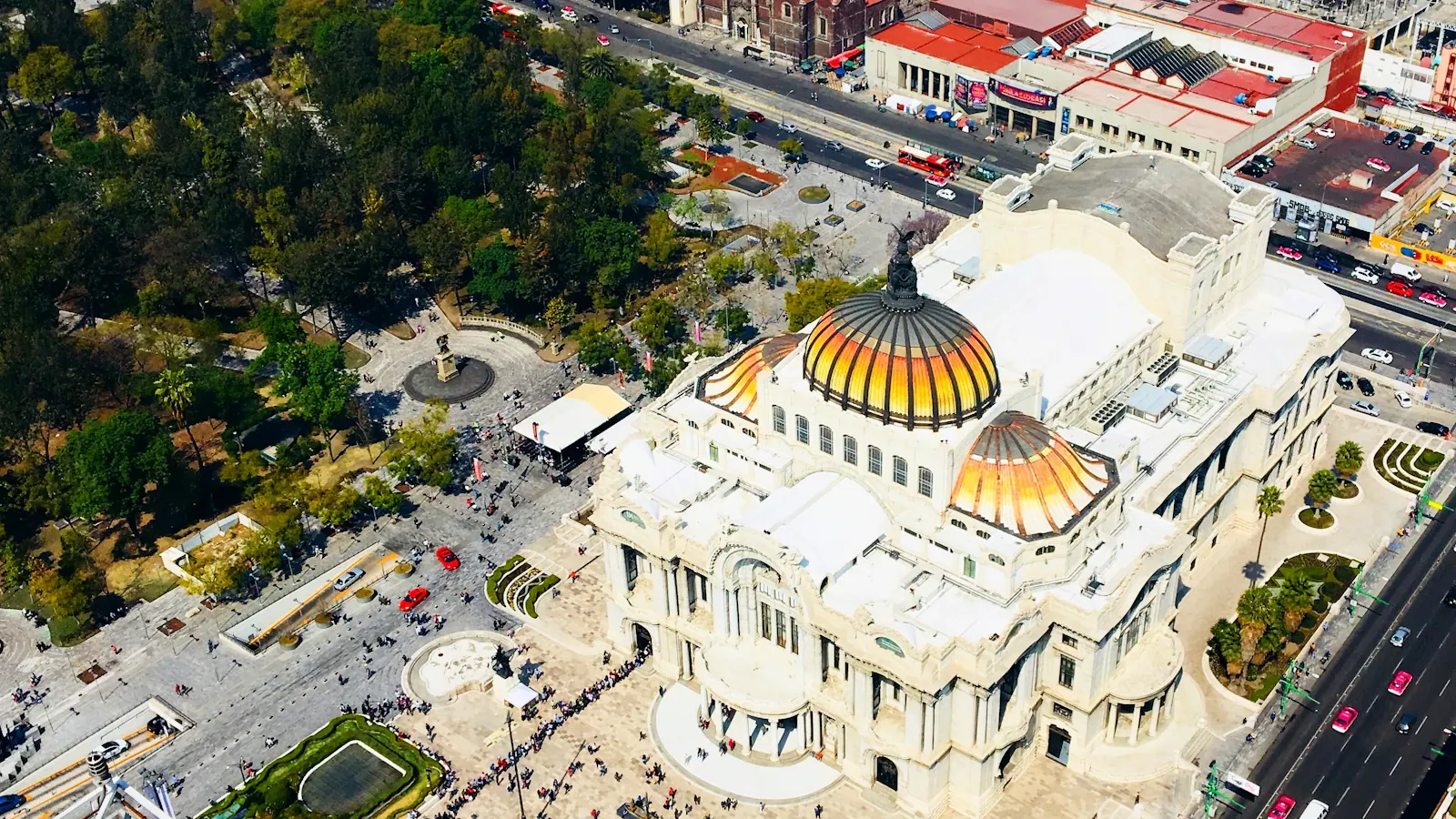
 The Palacio de Bellas Artes anchors Mexico City's historic center.
Planning a longer trip? Check out our extended Mexico City itinerary covering 7-9 days of in-depth exploration. Use our PTO optimizer to find the best days to take off around your trip dates.
Why Mexico City Is a Must-Visit Destination in 2026
A Cultural Powerhouse Hiding in Plain Sight
Mexico City contains more museums than any other city in the world—over 150 at last count—from the staggering Museo Nacional de Antropologia (the finest archaeological museum in the Americas) to cutting-edge contemporary galleries in converted colonial mansions. The food scene has exploded internationally, with restaurants like Pujol and Quintonil consistently ranking among the world's best, while street vendors serve tacos al pastor that cost 15 pesos and taste like revelation. The architecture spans Aztec temples buried beneath Spanish colonial churches built atop pre-Hispanic foundations—layers of civilization stacked like geological strata. And the art ranges from Diego Rivera's massive murals in the Palacio Nacional to graffiti-covered walls in the Santa Maria la Ribera neighborhood.
What Makes Mexico City Unique vs Other North American Destinations
Scale and history set CDMX apart. This is a city of 22 million people built on the ruins of Tenochtitlan, the Aztec capital that once held 200,000 inhabitants and stunned Cortes into comparing it to Venice. The juxtaposition is constant and dizzying: pre-Hispanic ruins sit in the shadow of Art Deco towers, traditional markets overflow with ingredients unchanged for centuries beside molecular gastronomy restaurants pushing boundaries. Unlike sanitized tourist cities, Mexico City is gloriously unfiltered—loud, messy, overwhelming, and utterly alive. The peso's favorable exchange rate means you eat and drink extraordinarily well for a fraction of what you would spend in New York or London.
 Xochimilco's floating gardens preserve a tradition dating back to the Aztec era.
Planning Your Trip Essentials
Use the Holiday Optimizer to find the best days to book off around public holidays for your Mexico City trip.
Best Time to Visit
October through April is the dry season, with clear blue skies and temperatures between 15-25 degrees Celsius. March through May can get warm (up to 30 degrees) but remains pleasant at altitude. The rainy season (June-September) brings afternoon downpours that are intense but usually brief—mornings stay clear, and the city is greener and less crowded. Avoid the week around Semana Santa (Easter) and mid-December through early January when the city fills with domestic tourists and prices spike. November around Dia de los Muertos (November 1-2) is magical but crowded—book everything months ahead.
Transportation Basics
The Metro is cheap (5 pesos per ride, about $0.30 USD) and covers the city center efficiently, but gets crushingly packed during rush hours (7-10am, 5-8pm). Metrobus lines run on dedicated lanes and are slightly more comfortable. For most tourists, Uber is the practical choice—rides across the city rarely exceed 80-150 pesos ($4-8 USD), and you avoid language barriers and meter disputes. Walking is essential in neighborhoods like Roma, Condesa, Coyoacan, and Centro, but distances between neighborhoods require transport. Avoid hailing random street taxis—use Uber, DiDi, or radio taxis from authorized stands (sitio taxis).
Accommodation Choices
- Roma Norte / Condesa: The most popular tourist base—tree-lined streets, excellent restaurants, walkable to most attractions. Boutique hotels $80-180/night.
- Centro Historico: Walking distance to Zocalo, Bellas Artes, and Templo Mayor. Grittier but atmospheric. Hotels $50-120/night.
- Polanco: Upscale neighborhood near Chapultepec Park and Museo de Antropologia. International luxury brands. Hotels $150-350/night.
- Coyoacan: Quieter, village-like atmosphere near Frida Kahlo Museum. More residential feel. Airbnbs $40-80/night.
Travel Costs and Budgeting
To maximize your days off without extra PTO, use the free Holiday Optimizer to find bridge days around public holidays for your Mexico City trip.
Daily Budget Breakdown
Mexico City is remarkably affordable for a world-class capital. Budget travelers can manage 500-800 MXN ($28-45 USD) per day on street food, Metro rides, and free attractions. Mid-range travelers should plan 1,500-2,500 MXN ($85-140 USD) for sit-down restaurants, Uber rides, museum admissions, and mezcal bars. Premium experiences—fine dining, private tours, rooftop cocktails—push past 4,000 MXN ($225 USD).
Cost-Saving Tips
Many of Mexico City's best museums are free on Sundays, including the Museo Nacional de Antropologia. Street food is not just cheap—it is genuinely the best food in the city. Walking neighborhoods costs nothing and reveals the city's character better than any tour. The Turibus hop-on-hop-off ($280 MXN) is actually decent value for getting an overview on your first day. Buy a rechargeable Metro card (tarjeta) to avoid ticket lines. Chapultepec Park—one of the largest urban parks in the world—is completely free to enter.
Food and Dining Typical Costs
- Tacos al pastor (street): 15-25 MXN ($0.85-1.40 USD) each
- Torta (sandwich) from a market: 40-70 MXN ($2.25-4 USD)
- Comida corrida (set lunch menu): 80-130 MXN ($4.50-7 USD)
- Sit-down restaurant dinner: 250-500 MXN ($14-28 USD) per person
- Mezcal at a bar: 80-180 MXN ($4.50-10 USD)
- Fine dining tasting menu: 2,000-4,500 MXN ($110-250 USD)
- Craft beer: 70-120 MXN ($4-7 USD)
Day 1: Centro Historico and Ancient Roots
The historic center is where Mexico City began—literally built on the ruins of the Aztec capital Tenochtitlan.
Morning: Zocalo and Templo Mayor
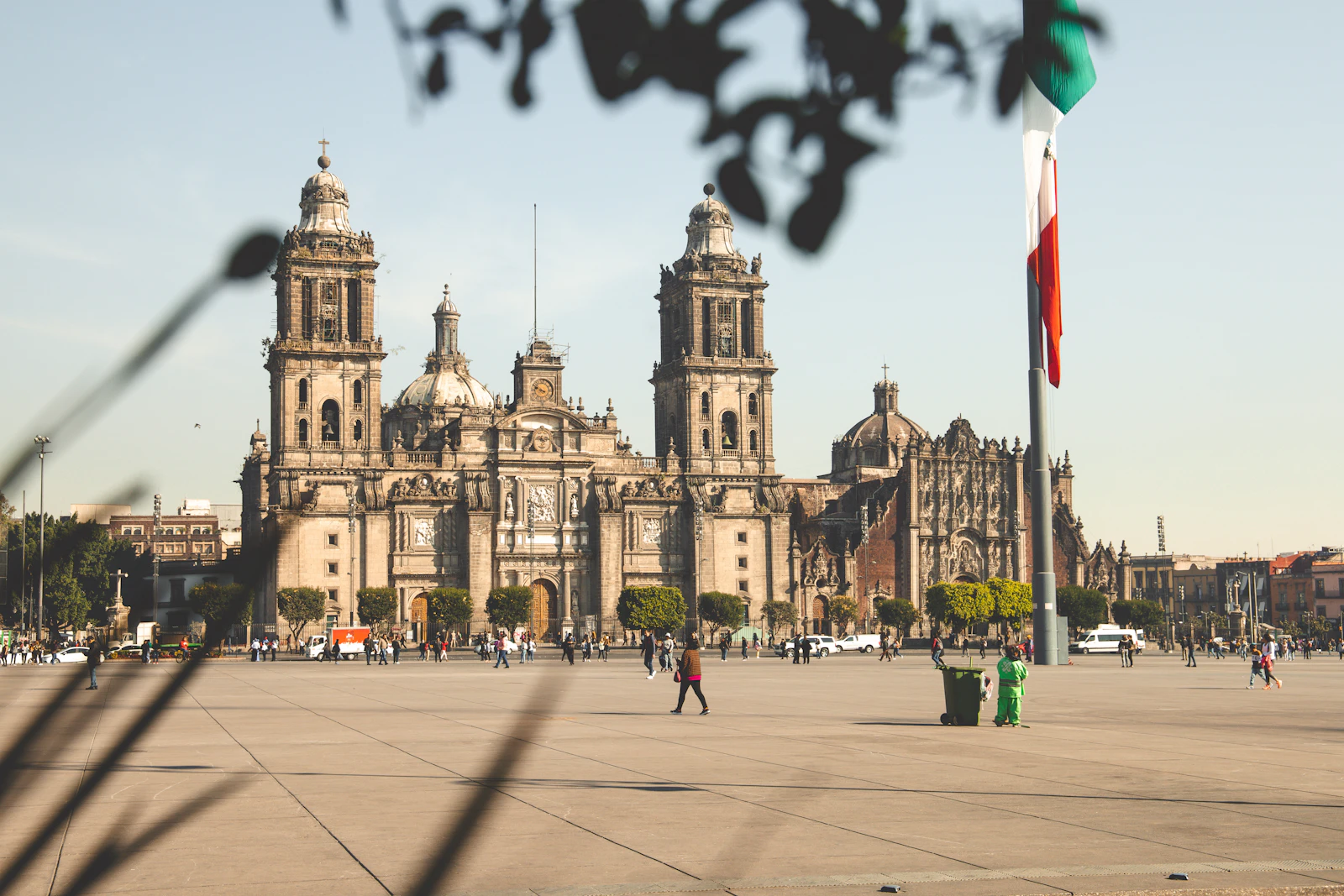
Start at the Zocalo, one of the largest public squares in the world, flanked by the massive Catedral Metropolitana (free entry, 250 years to build, sinking visibly into the soft lakebed soil) and the Palacio Nacional. Inside the Palacio, Diego Rivera's epic murals spanning Mexican history from pre-Hispanic times through the Revolution are staggering in scope and detail—free admission, arrive when it opens at 9am to avoid lines. Walk to the Templo Mayor ($85 MXN admission), the excavated main temple of Tenochtitlan discovered by accident in 1978 when electrical workers struck a massive stone disk. The museum alongside it displays artifacts including the Coyolxauhqui stone and offerings to Aztec gods.
The Zocalo sits directly atop the ceremonial center of Tenochtitlan. When you stand in the square, you are standing on top of an entire buried Aztec city—temples, palaces, and canals that once rivaled Venice in scale and beauty.
Midday: Palacio de Bellas Artes
Walk to the Palacio de Bellas Artes ($85 MXN), Mexico's premier cultural venue, an Art Nouveau and Art Deco masterpiece that took 30 years to complete. The interior houses murals by Rivera, Orozco, and Siqueiros—the "big three" of Mexican muralism. The building itself, with its marble facade and stained-glass curtain depicting the Valley of Mexico, is the real star. Check the schedule for Ballet Folklorico performances ($150-600 MXN)—a spectacular showcase of traditional Mexican dance.
Afternoon: Markets and Street Food
Head to Mercado de San Juan, the gourmet market where chefs shop—you will find exotic meats, imported cheeses, fresh seafood ceviches, and produce stacked in colorful pyramids. Eat lunch here: a plate of tostadas de ceviche or tacos de canasta costs 30-60 MXN. Then walk to Mercado de la Merced, the largest traditional market in the city—a sensory overload of chiles, spices, mole pastes, and fresh-squeezed juices. This is where working-class Mexico City feeds itself, and the experience is more authentic than any restaurant.
Evening: Cantina Culture
Dinner in Centro at a traditional cantina—try La Opera (Cinco de Mayo 10), an ornate 19th-century bar where Pancho Villa allegedly shot a bullet hole in the ceiling (still there). Cantinas serve complimentary botanas (bar snacks) with every round of drinks—order a few rounds of mezcal or tequila and your table fills with small plates of guacamole, chicharron, and ceviche. The tradition is glorious and very Mexican. Alternatively, head to Roma Norte for dinner at Contramar (book ahead)—their red-and-white grilled tuna tostada is an icon of modern Mexican cuisine.
Day 2: Chapultepec and Polanco
Today explores the city's cultural crown jewels and its most polished neighborhood.
Morning: Museo Nacional de Antropologia
The Museo Nacional de Antropologia ($85 MXN, free on Sundays) is the single best museum in Latin America—no debate. The Aztec Sun Stone greets you in the main hall, and each gallery covers a different Mesoamerican civilization: Maya, Olmec, Zapotec, Mixtec, and more. The Maya gallery alone—with its reproduction of Pakal's tomb from Palenque—deserves an hour. Budget 3 hours minimum, and go early to avoid school groups that arrive mid-morning. The building itself, designed by Pedro Ramirez Vazquez, is an architectural landmark—the massive umbrella fountain in the central courtyard is iconic.
Midday: Chapultepec Park
Walk through Bosque de Chapultepec, a 680-hectare park that is twice the size of Central Park. The park contains several museums, a lake with paddleboats, and Chapultepec Castle ($85 MXN) perched on a hilltop—the only royal castle in the Americas, now a history museum with panoramic city views from its terrace. On weekends, the park fills with families, cotton candy vendors, and balloon sellers—it is quintessential CDMX.
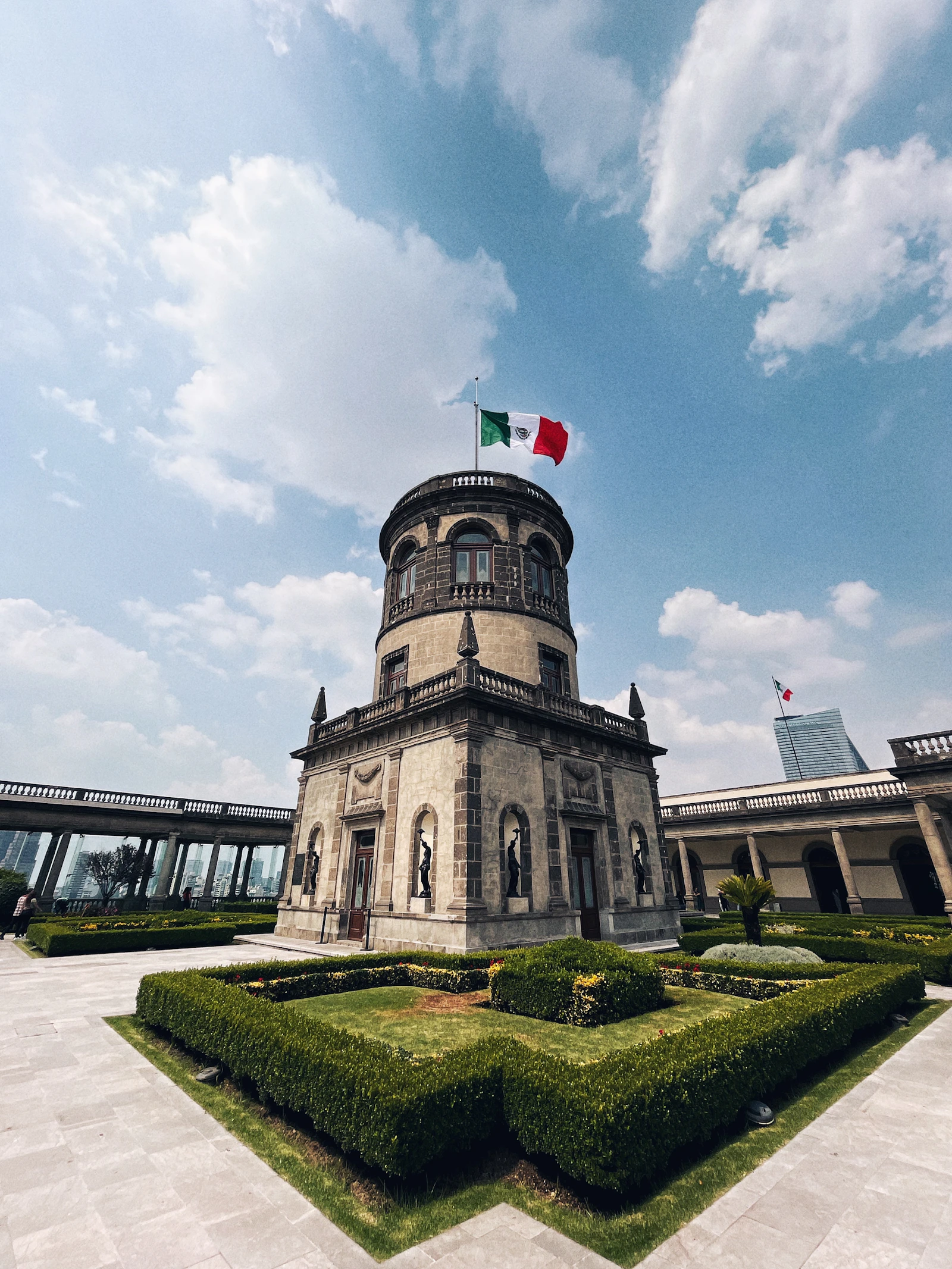 Chapultepec Castle offers sweeping views of the city from its hilltop perch.
Afternoon: Polanco
Cross into Polanco, Mexico City's most upscale neighborhood, where designer boutiques line Avenida Presidente Masaryk (the "Champs-Elysees of Mexico") and restaurants range from world-ranked fine dining to excellent casual spots. Browse the contemporary art at Museo Jumex (free admission) and Museo Soumaya (free admission)—the latter, a striking silver building designed by Fernando Romero, houses Carlos Slim's private art collection spanning Rodin sculptures to Impressionist paintings. Both are worth an hour each.
Evening: Roma Norte
Head to Roma Norte for the evening—this is where CDMX's creative class eats, drinks, and socializes. Stroll along Alvaro Obregon, the tree-lined boulevard with a central pedestrian walkway, and choose from dozens of excellent restaurants. Rosetta (Colima 166, reservations essential, 500-800 MXN per person) serves Italian-Mexican fusion in a gorgeous Art Nouveau mansion. For something casual, Taqueria Orinoco (three locations in Roma) does Monterrey-style tacos with flour tortillas and chicharron prensado. End at a mezcaleria—Bósforo on Luis Moya is a candlelit cave of a bar with over 100 mezcals.
Day 3: Coyoacan and Xochimilco
A day in the south of the city, exploring its most charming neighborhood and ancient canal system.
Morning: Frida Kahlo Museum
Book tickets online in advance for the Museo Frida Kahlo (Casa Azul, $250 MXN for foreigners)—it sells out days ahead and walk-ups face hours-long lines. The cobalt-blue house where Frida was born, lived, and died is intimate and devastating—her studio, bedroom, garden, and personal collection of pre-Hispanic art and folk objects tell her story more powerfully than any retrospective. Allow 90 minutes. Nearby, the Leon Trotsky Museum ($50 MXN) preserves the house where the exiled Soviet revolutionary lived until his assassination in 1940—the bullet holes and fortifications are still visible.
Book Casa Azul tickets at least a week in advance on museofridakahlo.org.mx. Tuesday and Wednesday mornings have the smallest crowds. The combined ticket with Museo Diego Rivera Anahuacalli adds a hauntingly beautiful volcanic stone pyramid museum.
Midday: Coyoacan Village
Wander the cobblestoned streets of Coyoacan, which feels like a colonial town that got swallowed by the megalopolis. The central Jardin Centenario and Plaza Hidalgo are shaded by ancient trees and surrounded by cafes. Eat at Mercado de Coyoacan—the tostadas de coyoacan stall serves towering creations piled with shrimp, octopus, and avocado for 60-90 MXN. Try a churro dipped in chocolate from El Moro or grab an esquite (corn cup with mayo, chili, and lime) from a street vendor.
Afternoon: Xochimilco
Take an Uber south to Xochimilco (30-40 minutes from Coyoacan), the last remnant of the canal and artificial island (chinampa) system that the Aztecs built on Lake Texcoco. Hire a colorful trajinera boat (around 500 MXN per hour for the whole boat, fits up to 20 people—split the cost with other travelers or fill it with your group). Floating vendors pull alongside selling beer, elote, and fresh-made quesadillas. Mariachi bands on their own boats will serenade you for 200-300 MXN per song. It is touristy, noisy, and absolutely wonderful—especially on weekends when Mexican families pack the boats.
Evening: Roma and Condesa
Return to the Roma/Condesa area for dinner. Condesa is the leafy, Art Deco-filled neighborhood adjacent to Roma with a more relaxed vibe. Walk along Avenida Amsterdam, a tree-lined oval boulevard with a running track in its median. Dinner at Azul Condesa (Mexican cuisine, 250-450 MXN per person) or grab tacos de suadero from one of the street stalls on Tamaulipas. For nightlife, the mezcalerias and cocktail bars along Alvaro Obregon and Colima in Roma are lively Wednesday through Saturday.
Day 4: Teotihuacan and Departure
An early morning trip to one of the most important archaeological sites in the Americas.
Morning: Teotihuacan Pyramids
Leave by 7am to reach Teotihuacan ($85 MXN admission) before the heat and crowds. The site is 50 km northeast of the city—Uber costs around 400-600 MXN one way, or take a bus from Terminal del Norte ($104 MXN round trip, 1 hour each way). The Pyramid of the Sun—the third-largest pyramid in the world—and the Pyramid of the Moon anchor the Avenue of the Dead, a 2-km ceremonial boulevard built by a civilization that vanished centuries before the Aztecs arrived. Climb the Pyramid of the Sun (248 steps) for views across the entire ancient city. The scale is humbling—at its peak around 450 AD, Teotihuacan was one of the largest cities in the world with over 100,000 inhabitants.
Before the Airport
Return to the city by early afternoon. If your flight is later, squeeze in a final meal at Mercado Roma (Roma Norte), a gourmet food hall with vendors serving everything from craft tacos to Oaxacan tlayudas to artisanal ice cream. Or grab one last round of tacos al pastor from your favorite street stall.
Mexico City Airport (MEX) is relatively central—25-45 minutes from Roma/Condesa by Uber (100-200 MXN depending on traffic). Traffic to the airport is notoriously unpredictable—allow 2 hours minimum during weekday afternoons. Terminal 1 handles most international flights; Terminal 2 serves budget airlines and some domestic carriers.
Eat, Drink, and Savor
Essential Mexican Dishes
- Tacos al pastor: Spit-roasted pork with pineapple, cilantro, and onion on a corn tortilla. The trompo (vertical spit) rotates slowly, and the taquero slices meat to order. Try El Huequito (Centro) or any street stall with a visible trompo and a line of locals.
- Chilaquiles: Fried tortilla chips bathed in salsa verde or roja, topped with cream, cheese, and often a fried egg. The ultimate breakfast—every fonda (small restaurant) serves them, and arguments about green vs red salsa are a national pastime.
- Mole: Mexico City serves multiple varieties—negro from Oaxaca (complex, chocolate-laced), rojo, verde, and the baroque mole poblano with over 20 ingredients. Try them at Azul Historico in Centro or any fondita in Coyoacan.
- Tlacoyos: Thick, oval corn masa cakes stuffed with beans or requesón cheese, cooked on a comal, and topped with nopales (cactus) and salsa. Found at markets and street stalls—deeply pre-Hispanic, deeply satisfying.
Street Food Culture
Street food in Mexico City is not a budget alternative—it is the food culture. Taco stands operate from converted Volkswagen Beetles, market stalls fry quesadillas in vats of oil, and señoras make blue corn tlacoyos on griddles outside Metro stations. Follow the lines. If twenty locals are queuing at a stall with no name, that stall serves the best food on the block. Late-night tacos al pastor after midnight are a Mexico City ritual.
Drinks
- Mezcal: The smoky agave spirit is having a golden age, and CDMX is the best place to explore it. Mezcalerias like Bósforo, La Clandestina, and Pare de Sufrir offer flights of artisanal mezcals from Oaxaca, Durango, and Guerrero for 200-400 MXN.
- Pulque: The ancient fermented agave drink—thick, slightly sour, and an acquired taste—is served at traditional pulquerias. Try Las Duelistas in Centro or Pulqueria Los Insurgentes in Roma.
- Agua fresca: Fresh fruit waters (horchata, jamaica, tamarindo) served from giant glass barrels at markets and street stalls for 15-30 MXN. Hydration has never tasted this good.
Cultural Experiences Not to Miss
The Muralism Movement
Mexico City's public art tradition is unparalleled. Diego Rivera's murals at the Palacio Nacional (free) span the entire history of Mexico across multiple walls. The Secretaria de Educacion Publica (free) contains 235 Rivera panels. The Palacio de Bellas Artes houses works by all three muralism giants—Rivera, Orozco, and Siqueiros. And the UNAM campus (a UNESCO World Heritage Site, free to visit) features mosaic facades by Juan O'Gorman on the central library. You could spend an entire day just on murals.
Markets and Artisan Crafts
Beyond food, Mexico City's markets sell artisan crafts from across the country. La Ciudadela market near Metro Balderas offers Oaxacan black pottery, Chiapas amber jewelry, embroidered textiles, and hand-carved alebrijes (fantastical animal figures) at reasonable prices—bargaining is expected. Mercado de Sonora is wilder: herbs, potions, spiritual remedies, and live animals alongside ordinary household goods.
Lucha Libre
A night at the Arena Mexico (Friday nights, tickets 100-600 MXN) watching lucha libre wrestling is pure spectacle. Masked wrestlers leap from ropes, the crowd roars, vendors sell beer and tortas, and the atmosphere is somewhere between sport, theater, and carnival. It is not a tourist gimmick—lucha libre is a genuine cultural institution. Sit in the general admission section with the loudest fans.
Practical Tips for Travelers
Language
Spanish is essential for navigating Mexico City beyond the tourist corridor. English is spoken in upscale restaurants and international hotels, but street vendors, market stalls, taxis, and most everyday interactions require at least basic Spanish. Google Translate works well. Learn "una orden de tacos al pastor, por favor" and you are halfway there. Locals appreciate any attempt at Spanish and are patient with imperfect grammar.
Etiquette
Greetings matter enormously in Mexican culture—always say "buenos dias" (before noon) or "buenas tardes" (afternoon) when entering shops, restaurants, or markets. Tipping at restaurants is 10-15% (not included in the bill unless noted as "propina incluida"). Tip taco stalls and market vendors by rounding up or leaving 10-20 pesos. Be polite and patient—Mexican culture values courtesy and warmth over efficiency.
Safety
Mexico City is safer than its reputation suggests, but awareness is important. Stick to established neighborhoods—Roma, Condesa, Polanco, Coyoacan, and Centro Historico are well-patrolled and safe for walking day and night. Use Uber or DiDi rather than hailing taxis. Keep phones and valuables secure in crowded areas and on the Metro. Avoid displaying expensive jewelry. The altitude (2,240m) affects some visitors—drink plenty of water, avoid heavy alcohol on your first day, and take it easy if you feel lightheaded.
Tap water is not safe to drink in Mexico City. Stick to bottled water, and when eating street food, ensure garnishes are washed. Ice in restaurants and bars is almost always purified and safe.
If you have extra days, consider combining your Mexico City trip with Cartagena and Lima — all easy to reach and covered in our PTO-optimized travel guides.
Quick Takeaways
- Book the Frida Kahlo Museum and Teotihuacan transport in advance—both sell out.
- Street food is not a backup plan—it is the culinary highlight. Follow the locals.
- The Museo Nacional de Antropologia deserves 3+ hours minimum; go early on weekdays.
- Use Uber or DiDi for transport between neighborhoods; the Metro for Centro Historico.
- The altitude hits harder than you expect—hydrate aggressively, especially with mezcal in the mix.
- Roma Norte and Condesa are the ideal base for first-time visitors.
- Sundays bring free museum admission and a festive atmosphere citywide.
- Learn basic Spanish greetings—locals respond warmly to any effort.
- Use the Holiday Optimizer PTO calendar to plan which days to take off for your Mexico City trip.
Conclusion
Four days in Mexico City delivers one of the most rewarding travel experiences in the Americas. The collision of ancient and modern, the depth of the food culture, the scale of the art and architecture, and the warmth of the people create something genuinely unique. You will eat better for less money than almost anywhere else on Earth, stand on pyramids older than the Roman Empire, and discover that this city of 22 million has a heart that is surprisingly accessible.
You leave CDMX planning your return—there is always another neighborhood to explore, another market to eat through, another mezcal to try. The city does not merely invite repeat visits; it demands them. Start optimizing your PTO to find the best travel windows.
Ready to maximize your time off?
Find the best Mexico City travel windows
Frequently Asked Questions
-
Is Mexico City safe for tourists? Yes, the main tourist neighborhoods (Roma, Condesa, Polanco, Coyoacan, Centro Historico) are well-patrolled and safe. Use Uber instead of street taxis, stay aware in crowded areas, and exercise normal urban caution. Millions of international tourists visit safely each year.
-
How much does a 4-day trip to Mexico City cost? Excluding flights, budget $300-500 USD total for a comfortable mid-range trip including accommodation ($60-120/night), food, transport, and attractions. Budget travelers can manage on $200-300 USD total. The favorable exchange rate makes CDMX one of the best-value destinations for North American travelers.
-
Do I need to speak Spanish? Basic Spanish helps enormously—greetings, numbers, and food vocabulary open doors. English is spoken in upscale hotels and restaurants but not at markets, street stalls, or in taxis. Google Translate with the camera feature handles menus and signs well.
-
What is the best neighborhood to stay in? Roma Norte or Condesa for first-time visitors—walkable, safe, excellent restaurants and bars, and central to most attractions. Centro Historico for atmosphere and proximity to historical sites. Polanco for luxury. Coyoacan for a quieter, more local experience.
-
Is the altitude a problem? At 2,240 meters (7,350 feet), some visitors experience mild altitude symptoms—shortness of breath, headaches, fatigue—especially on the first day. Drink plenty of water, avoid heavy drinking on arrival, and take it easy initially. Most people adjust within 24-48 hours.
Share Your Thoughts
Did this guide help you plan your Mexico City long weekend? Share it with friends and tell us which neighborhood or food experience you are most excited to try—whether it is tacos al pastor at midnight, mezcal in a Roma cantina, or climbing the Pyramid of the Sun at dawn.