San Francisco in 4 Days: Long Weekend Itinerary & PTO Planner for 2026
Plan a San Francisco getaway with a 4-day itinerary covering the Golden Gate Bridge, cable cars, Alcatraz, vibrant neighborhoods, and world-class dining for 2026.
Introduction
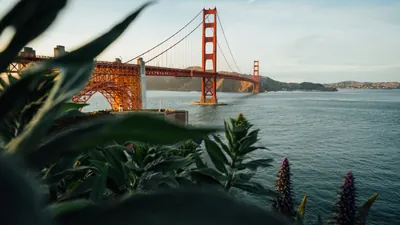
San Francisco is a seven-by-seven-mile peninsula that packs more personality per square block than cities ten times its size. The Golden Gate Bridge materializes through fog like a dream made of steel and vermillion paint. Cable cars climb impossibly steep hills while passengers hang off the sides grinning. Victorian painted ladies line streets that tilt at angles where any sensible city would have given up and built stairs instead. This is a city built on audacity—from the Gold Rush prospectors to the Beat poets to the tech revolutionaries—and that defiant spirit still pulses through its fog-cooled streets. Use this guide to plan your four-day trip.
Four days in San Francisco delivers the essential experience: iconic landmarks that genuinely earn their fame, neighborhoods so distinct they feel like separate cities, food that reflects every corner of the Pacific Rim, and a natural setting where ocean, bay, hills, and redwood forests converge within minutes of downtown. You will eat the best sourdough of your life, cross the most beautiful bridge ever built, and understand why Tony Bennett left his heart here.
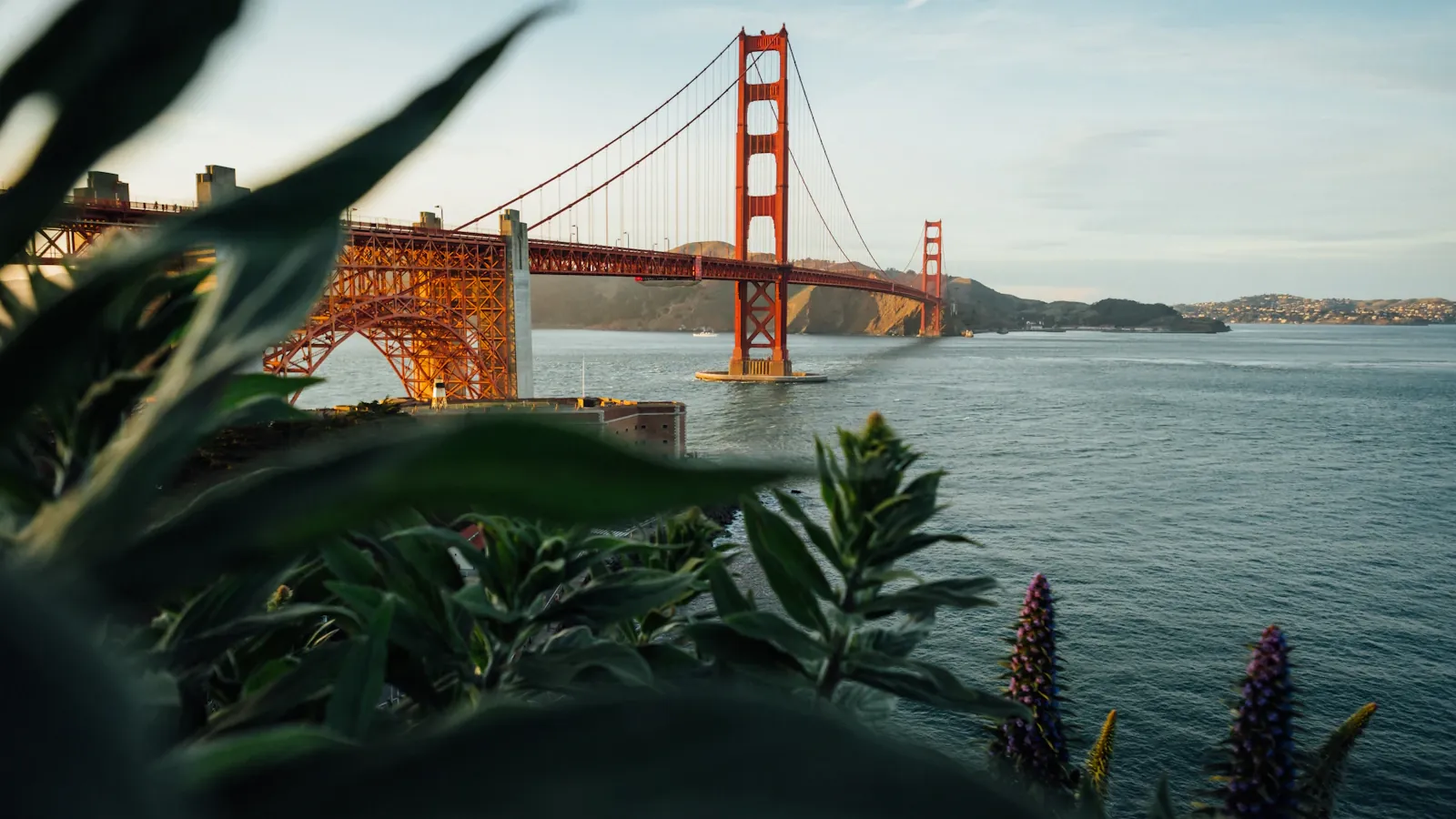
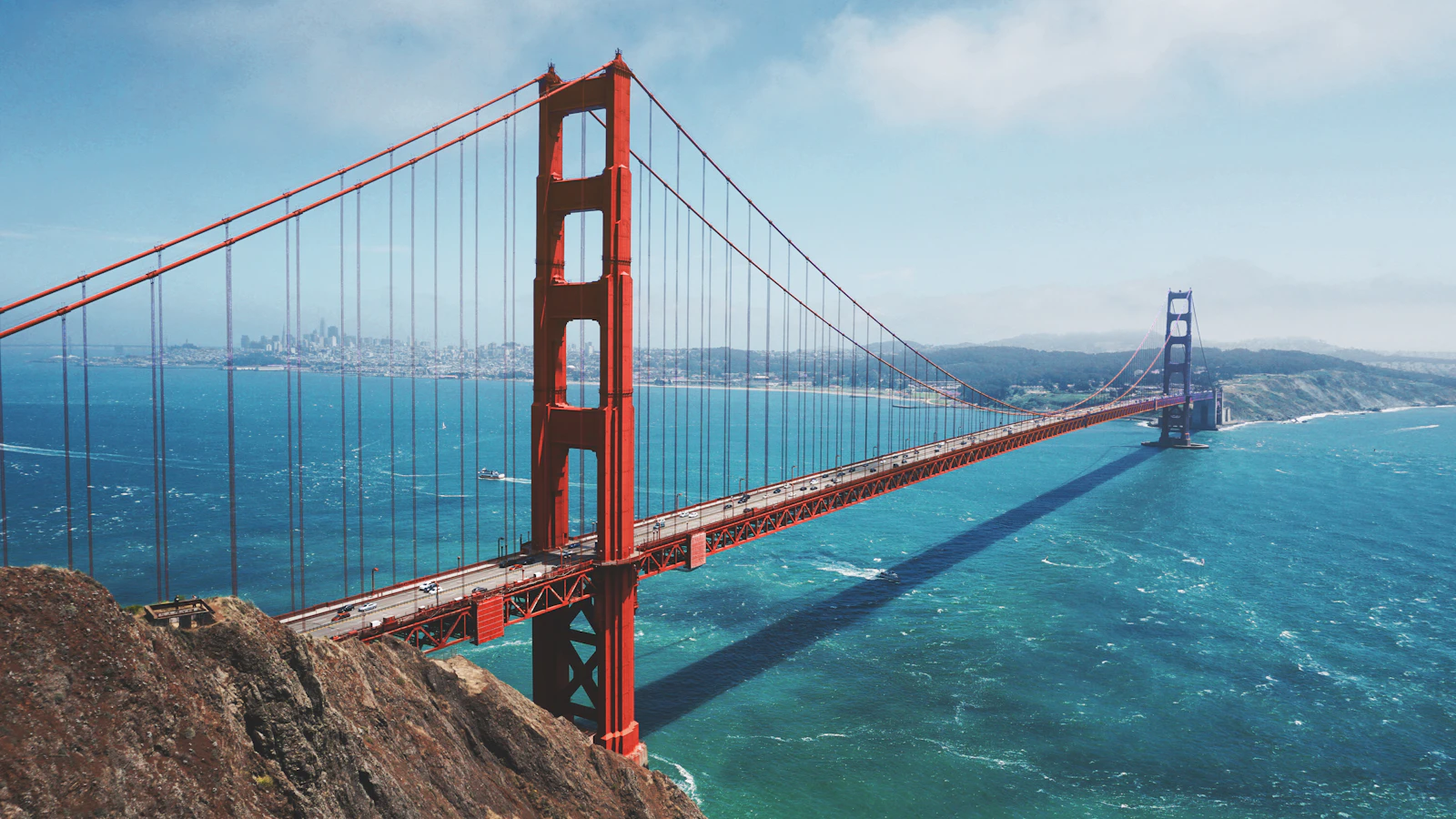
 The Golden Gate Bridge is arguably the most beautiful man-made structure in America.
Planning a longer trip? Check out our extended San Francisco itinerary covering 7-9 days of in-depth exploration. Use our PTO optimizer to find the best days to take off around your trip dates.
Why San Francisco Is a Must-Visit Destination in 2026
Where Nature and City Collide
San Francisco's geography is its superpower. The city sits on the tip of a peninsula with the Pacific Ocean to the west, San Francisco Bay to the east, and the Golden Gate strait connecting them—a dramatic natural setting that produces the famous fog, the stunning views, and the microclimate where you can experience summer and winter in the same afternoon by crossing a few neighborhoods. Within 30 minutes of downtown, you are hiking through old-growth redwoods in Muir Woods, wine tasting in Napa Valley, or surfing at Ocean Beach. No American city integrates wilderness and urbanism so seamlessly.
What Makes San Francisco Unique vs Other US Cities
Compactness and character define San Francisco. Unlike sprawling Los Angeles or grid-bound Chicago, San Francisco's 49 square miles force everything close together—a 15-minute bus ride takes you from the financial district to a bohemian bookstore to a dim sum palace to a surf break. Each neighborhood is fiercely distinct: the Mission is murals and burritos, North Beach is Italian cafes and Beat poetry, Chinatown is the oldest in North America, Castro pioneered LGBTQ+ rights, and Haight-Ashbury still carries the ghost of the Summer of Love. The food scene punches absurdly above the city's weight—the Bay Area has more Michelin stars per capita than almost anywhere in America.
Planning Your Trip Essentials
Use the Holiday Optimizer to find the best days to book off around public holidays for your San Francisco trip.
Best Time to Visit
September and October are San Francisco's true summer—warm, clear days in the low 70s with minimal fog. The famous Mark Twain line about the coldest winter being a summer in San Francisco is earned: June through August brings heavy fog (called Karl by locals) that can keep temperatures in the mid-50s, especially in western neighborhoods. Spring (March-May) is pleasant with wildflower blooms. Winter (November-February) brings rain but mild temperatures (50-60 degrees) and fewer tourists. Pack layers regardless of season—temperatures swing 15-20 degrees between neighborhoods.
Transportation Basics
Muni (buses, streetcars, and the historic cable cars) covers the city for $2.50 per ride using a Clipper card. Cable cars cost $8 per ride and are worth it once for the experience. BART connects to the airports and East Bay. Walking is essential—San Francisco rewards exploration on foot, though the hills are no joke. Uber/Lyft work well for hill-avoidance and nighttime transit. Renting a car is unnecessary and frustrating—parking is scarce and expensive ($30-50/day in garages). The city is remarkably walkable if you embrace the elevation changes.
Accommodation Choices
- Union Square / Downtown: Central, walkable to most attractions. Hotels $150-350/night.
- Fisherman's Wharf / North Beach: Tourist-heavy but convenient to waterfront and Italian district. $120-280/night.
- Mission District: The most vibrant neighborhood—food, nightlife, murals. Fewer hotels, more Airbnbs. $100-200/night.
- SoMa (South of Market): Near museums and tech offices. Modern hotels, less neighborhood charm. $130-300/night.
- Hayes Valley / Lower Haight: Boutique shopping, great restaurants, central. $120-250/night.
Travel Costs and Budgeting
To maximize your days off without extra PTO, use the free Holiday Optimizer to find bridge days around public holidays for your San Francisco trip.
Daily Budget Breakdown
San Francisco is one of America's most expensive cities, but smart planning helps. Budget travelers can manage $100-150 per day (excluding accommodation) on street food, Muni transit, and free attractions. Mid-range travelers should plan $150-250 for sit-down meals, museum admissions, and Alcatraz tickets. Premium experiences—fine dining, wine tours, helicopter rides—push past $350.
Cost-Saving Tips
San Francisco's best experiences are free or cheap: walking the Golden Gate Bridge, hiking Lands End, exploring Golden Gate Park, browsing City Lights bookstore, watching sea lions at Pier 39, and wandering Chinatown. Many museums offer free days—the de Young is free on the first Tuesday of each month, and SFMOMA offers free admission on the first Thursday. The CityPASS ($76 for 4 attractions) saves on the top paid attractions. Eat in the Mission for the best value—burritos and tacos here are legendary and cheap.
Food and Dining Typical Costs
- Mission burrito: $12-16
- Dim sum per person: $20-35
- Sourdough bread bowl of clam chowder: $12-18
- Lunch at a casual restaurant: $18-28
- Dinner at a mid-range restaurant: $40-70 per person
- Craft cocktail: $16-20
- Local craft beer: $8-12
- Fine dining tasting menu: $200-400+
- Coffee (specialty): $5-7
Day 1: Iconic San Francisco
Begin with the landmarks that define San Francisco in the global imagination.
Morning: Golden Gate Bridge
Start early at the Golden Gate Bridge—walk or bike across the 1.7-mile span from the San Francisco side to the Marin Headlands vista point. The bridge opened in 1937 and remains one of the most beautiful engineering achievements in the world. Morning often brings fog that burns off by midday, creating dramatic photography opportunities. From the Marin side, take the path to Battery Spencer for the classic elevated view of the bridge with the city skyline behind it. The round-trip walk takes 60-90 minutes at a comfortable pace. Dress warmly—wind on the bridge is constant and cold.
The Golden Gate Bridge is often fogged in during summer mornings. For the clearest views, visit in September-October, or check the bridge webcam (goldengate.org) before heading out. Late afternoon often brings clearer skies than morning.
Midday: Fisherman's Wharf and Ghirardelli
Walk (or take a bus) to Fisherman's Wharf—yes, it is touristy, but the sea lions lounging on the docks at Pier 39 are genuinely entertaining, and the waterfront views of Alcatraz and the bay are worth the crowd. Grab a sourdough bread bowl of clam chowder at Boudin Bakery ($14-18, the original San Francisco sourdough since 1849) and continue to Ghirardelli Square for chocolate and bay views. Do not eat a full meal at the Wharf—save your appetite for better neighborhoods.
Afternoon: Cable Cars and Nob Hill
Ride a cable car on the Powell-Hyde line from Fisherman's Wharf to Nob Hill—the steep descent on Hyde Street with Alcatraz framed in the distance is the most photographed cable car view. At the top, wander Nob Hill's grand hotels—the Fairmont (free to enter, stunning lobby) and Mark Hopkins (the Top of the Mark bar has panoramic views, cocktails $18-22). Walk to Lombard Street, the famously crooked block with eight hairpin turns through hydrangea-lined gardens.
 San Francisco's cable cars have climbed the city's impossible hills since 1873.
Evening: North Beach
Dinner in North Beach, San Francisco's Italian quarter and the birthplace of the Beat Generation. Browse City Lights Bookstore (Columbus Avenue, open late, founded by Lawrence Ferlinghetti in 1953—a literary landmark and working bookstore where Ginsberg's Howl was first published). Dinner at Tosca Cafe (242 Columbus Avenue, reservations recommended, $30-50 per person for Italian-Californian cuisine) or grab a slice at Tony's Pizza Napoletana (1570 Stockton, multiple World Pizza Championship titles, expect a wait). End with a drink at Vesuvio Cafe, the legendary Beat bar next to City Lights where Kerouac drank.
Day 2: Neighborhoods and Culture
Today explores the neighborhoods that give San Francisco its soul.
Morning: Chinatown
Walk through the Dragon Gate on Grant Avenue into the oldest Chinatown in North America and the largest outside Asia. Skip the tourist shops on Grant and duck into the alleys—Waverly Place (the "street of painted balconies") and Ross Alley (where fortune cookies were invented at the Golden Gate Fortune Cookie Factory, free to visit, $1 suggested donation for photos). Eat dim sum at City View (662 Commercial Street, cart service, $25-35 per person) or Good Mong Kok Bakery (Stockton Street, $3-5 per item) for budget-friendly BBQ pork buns and egg tarts.
Midday: Union Square and SoMa Museums
Walk through Union Square (the commercial heart) to SoMa for museum time. SFMOMA ($25 admission, free for 18 and under) is one of the country's best modern art museums—seven floors including a living wall and terrific photography collection. Alternatively, the California Academy of Sciences in Golden Gate Park ($42.95 adults, aquarium + planetarium + rainforest under one living roof) is extraordinary for families and science enthusiasts.
Afternoon: The Mission
Head to the Mission District, San Francisco's most vibrant neighborhood. The Mission Dolores (free, the oldest building in San Francisco, founded 1776) is where the city began. Walk to Balmy Alley and Clarion Alley for murals covering every surface—political, personal, and powerful. The Mission is the city's food capital: grab a burrito at La Taqueria (2889 Mission Street, cash only, regularly voted best burrito in America—the carnitas super burrito, no rice, is the order) or El Farolito (Mission and 24th, open until 3am, legendary for late-night burritos and quesadillas).
 The Painted Ladies are the most photographed homes in San Francisco.
Evening: Mission Nightlife
The Mission has San Francisco's best nightlife. Start with cocktails at ABV (3174 16th Street, creative cocktails, $16-20) or Trick Dog (3010 20th Street, changing themed menus, always inventive). For craft beer, Cellarmaker Brewing (1150 Howard Street, SoMa, some of the best IPAs in the city) or Zeitgeist (199 Valencia, a legendary biker bar with a massive beer garden). Live music at The Chapel (777 Valencia, a converted mortuary with outstanding sound) showcases indie and emerging acts nightly.
The Mission District's mural tradition dates back to the 1970s Chicano art movement. Balmy Alley alone contains over 30 murals addressing immigration, gentrification, indigenous rights, and community identity—it is one of the most powerful outdoor galleries in the country.
Day 3: Parks, Ocean, and Haight-Ashbury
Today heads west to the Pacific and through San Francisco's green spaces.
Morning: Golden Gate Park
Spend the morning in Golden Gate Park, a 1,000-acre urban park that stretches from the Haight to the Pacific Ocean—larger than Central Park and arguably more diverse. The Japanese Tea Garden ($13 admission, free before 10am on Mon/Wed/Fri) is the oldest public Japanese garden in the US, with pagodas, koi ponds, and a ceremonial tea house. The de Young Museum ($15, free first Tuesdays) houses American art, textile art, and international contemporary work—the observation tower offers 360-degree city views for free. Walk through the Botanical Garden ($13, free for SF residents) for 55 acres of themed gardens.
Midday: Ocean Beach and Lands End
Continue west to Ocean Beach, where the Pacific crashes against a wide, windswept sandy beach. It is cold, foggy, and beautiful—surfers in wetsuits ride waves year-round. Walk north along the coast to Lands End, a rugged trail along sea cliffs with views of the Golden Gate Bridge, Marin Headlands, and (on clear days) the Farallon Islands 27 miles offshore. The trail passes the ruins of Sutro Baths, a massive Victorian-era swimming complex now reduced to atmospheric concrete foundations at the edge of the sea. The Cliff House area has been reimagined with new dining options overlooking the ruins.
Afternoon: Haight-Ashbury
Head to Haight-Ashbury, the legendary neighborhood of the 1967 Summer of Love. The intersection of Haight and Ashbury Streets is the symbolic center, but the real neighborhood extends along Haight Street with vintage clothing stores, record shops, and eclectic boutiques. Amoeba Music (1855 Haight Street) is the city's best record store—a vast warehouse of vinyl, CDs, and music memorabilia. Grab coffee at The Buena Vista Cafe (2765 Hyde Street, near Fisherman's Wharf—or if you are still in the Haight, try any of the neighborhood cafes).
Evening: Hayes Valley
Walk to Hayes Valley, a compact neighborhood of boutique shops, excellent restaurants, and a relaxed atmosphere. Dinner at Rich Table (199 Gough Street, Michelin-starred, inventive California cuisine, $40-60 per person, reservations essential) or Souvla (531 Divisadero, Greek-inspired rotisserie, $15-25, casual and excellent). Browse the local designer shops on Hayes and Octavia Streets.
Day 4: Alcatraz and Departure
Morning: Alcatraz Island
Book Alcatraz tickets well in advance through alcatrazcruises.com ($42.35 adults for day tour, $50.40 for night tour). The ferry departs from Pier 33 at 8:45am for the first tour—take it. The audio tour (included, narrated by former guards and inmates) is genuinely excellent, guiding you through the cellhouse, solitary confinement, and the stories of famous escape attempts. The island also offers stunning bay and city views. Allow 2.5-3 hours total. The night tour is more atmospheric but sells out months ahead.
Alcatraz tickets sell out weeks to months in advance, especially for summer and weekend visits. Book the moment you confirm your trip dates. If sold out, check for day-of cancellations on the website starting at 8am.
Before the Airport
SFO (San Francisco International Airport) is 14 miles south—30-45 minutes by BART ($9.65, direct from downtown stations), 20-40 minutes by Uber ($25-50 depending on traffic). Oakland Airport (OAK) across the bay is sometimes cheaper for flights—45-60 minutes by BART ($11). Allow 2 hours for domestic departures, 3 hours for international. Pick up Ghirardelli chocolate or local coffee beans at the airport for gifts.
Eat, Drink, and Savor
Essential San Francisco Foods
- Mission burrito: The San Francisco-style burrito—steamed flour tortilla stuffed with rice, beans, meat, salsa, sour cream, and guacamole into a foil-wrapped cylinder. La Taqueria (no rice, purist style) and El Farolito (with rice, traditional style) represent the two schools of thought.
- Sourdough bread: San Francisco's sourdough tradition dates to the Gold Rush, when miners carried wild yeast starters. Boudin Bakery is the tourist-friendly choice; Tartine Bakery (Mission, expect a line) and Josey Baker Bread are the local favorites.
- Dim sum: The city's Chinese food scene is extraordinary. Yank Sing (SoMa, upscale cart service, $35-50 per person) and City View (Chinatown, more traditional, $25-35) are the standards.
- Dungeness crab: In season (November-June), fresh Dungeness crab is a San Francisco staple—cracked and served with sourdough and butter at Fisherman's Wharf stalls, or elevated at restaurants throughout the city.
Neighborhood Food Highlights
- Mission: Burritos, taquerias, pupuserias, and increasingly upscale restaurants coexisting on the same blocks.
- Chinatown: Dim sum, BBQ meats hanging in windows, bakeries with $3 pork buns.
- North Beach: Italian-American restaurants, espresso bars, and the city's best pizza.
- Richmond / Sunset: The "avenues" in western San Francisco have incredible Asian food diversity—Burmese, Chinese, Vietnamese, Korean—at prices half of what you pay downtown.
Drinks
- Craft beer: The Bay Area craft beer scene is among the nation's best. Anchor Brewing (founded 1896, the craft beer pioneer) offers tastings. Cellarmaker, Barebottle, and Fort Point (under the Golden Gate Bridge, seriously) brew excellent local beers.
- Wine: Napa and Sonoma are an hour away, but San Francisco itself has excellent wine bars. The Riddler (Hayes Valley, all-champagne bar), Amelie (Nob Hill, French wine bar), and 20 Spot (Mission, neighborhood wine bar) serve great by-the-glass selections.
- Coffee: San Francisco takes coffee seriously. Blue Bottle started here, Sightglass, Ritual Roasters, and Equator Coffees all roast locally. Expect to pay $5-7 for a specialty drink.
Cultural Experiences Not to Miss
The Tech and Innovation Ecosystem
Love it or hate it, San Francisco is the capital of global tech culture. The Computer History Museum is in Mountain View (45 minutes south), but the city itself is where the impact is visible—from the headquarters of tech companies to the social tensions around gentrification and housing costs. The Exploratorium at Pier 15 ($30 admission, after-dark adults-only sessions on Thursdays) is a hands-on science museum that embodies the city's inventive spirit.
LGBTQ+ Heritage
The Castro neighborhood is the historic heart of the American LGBTQ+ rights movement. Walk past the Harvey Milk camera shop (now an HRC store), photograph the rainbow crosswalks, visit the GLBT Historical Society Museum ($5), and understand the role San Francisco played in civil rights history. The Castro Theatre (a 1922 movie palace) hosts film festivals and community events.
Performing Arts
San Francisco has a vibrant theater and performance scene. American Conservatory Theater (A.C.T.) produces world-class drama. San Francisco Ballet is one of America's premier companies. The Fillmore and Great American Music Hall are legendary live music venues. Beach Blanket Babylon ran for 45 years as the city's signature comedy revue—its spiritual successors continue the tradition of satirical performance.
Practical Tips for Travelers
Language
English is the primary language, with significant Spanish, Mandarin, and Cantonese communities. Most neighborhoods are linguistically diverse. Service workers in tourist areas speak English fluently. In Chinatown's older establishments, Cantonese is dominant—pointing at menus and using basic phrases works fine.
Etiquette
San Francisco is casual and progressive. Environmental consciousness is genuine—bring reusable bags (plastic bags are banned) and sort your recycling. Tipping follows standard US norms: 18-22% at restaurants, $1-2 per drink at bars. The city has a visible homelessness crisis, particularly in the Tenderloin, parts of SoMa, and around Civic Center—it is a complex social issue, not a safety threat to tourists, but it can be uncomfortable. Engage with compassion or walk on.
Safety
San Francisco is safe in tourist areas and most neighborhoods. The Tenderloin (bordered by Union Square, Civic Center, and Nob Hill) has open drug use and should be walked through quickly or avoided, especially at night. Car break-ins are epidemic—never leave anything visible in a rental car, even for five minutes. The Mission is safe but has rougher blocks south of 24th Street after dark. Downtown empties after business hours. Overall, standard urban awareness applies.
If you have extra days, consider combining your San Francisco trip with New York City and Mexico City — all easy to reach and covered in our PTO-optimized travel guides.
Quick Takeaways
- Book Alcatraz tickets immediately—they sell out weeks to months ahead.
- Pack layers: San Francisco weather changes block by block and hour by hour.
- The Mission has the city's best food, nightlife, and murals—prioritize it.
- Walking the Golden Gate Bridge is free and unmissable—go early for the best chance of clear skies.
- Chinatown's side alleys and Waverly Place are more interesting than the main Grant Avenue tourist strip.
- Skip driving—Muni, BART, walking, and Uber cover everything efficiently.
- Budget $150-250 per day for comfortable mid-range travel, excluding accommodation.
- The Painted Ladies at Alamo Square are worth a quick stop for the classic San Francisco photo.
- Use the Holiday Optimizer PTO calendar to plan which days to take off for your San Francisco trip.
Conclusion
Four days in San Francisco captures the essence of a city that has always been ahead of its time—the bridges that redefine what engineering can achieve, the neighborhoods that pioneered cultural movements, the food that fuses every tradition of the Pacific Rim into something new, and the natural setting that reminds you that beauty is not something you build but something you build around. You walk hills that leave your calves burning, eat burritos that ruin lesser burritos forever, and watch the fog roll through the Golden Gate like nature's own special effect.
San Francisco is smaller than it seems and larger than it looks. Four days gives you the highlights and a taste of the neighborhoods, but the city has depths that reward return visits—a taqueria discovered on a wrong turn, a hiking trail that ends at an ocean cliff, a bookstore where a stranger recommends something that changes how you think. Start planning your PTO around the best travel windows.
Ready to maximize your time off?
Find the best San Francisco travel windows
Frequently Asked Questions
-
Is four days enough for San Francisco? Yes, for the essential highlights. The city is compact enough that four days covers the major landmarks, 3-4 neighborhoods, a museum or two, and Alcatraz. You will not have time for day trips to Napa, Muir Woods, or the coast—those require extended stays.
-
When is the best time to visit? September and October—clear skies, warm weather, minimal fog. Summer (June-August) is peak tourist season but often foggy and cold. Spring and fall are pleasant. Winter brings rain but mild temperatures and thin crowds.
-
How expensive is San Francisco? Among the most expensive US cities. Budget $100-150/day (excluding accommodation) for frugal travel, $150-250 for mid-range, $350+ for premium. Accommodation ranges $120-350/night. Eating in the Mission and Chinatown helps control food costs.
-
Do I need a car? No. Public transit, walking, and Uber cover the city efficiently. A car is only useful for day trips to Napa, Muir Woods, or the coast—and even then, organized tours are often more relaxing. Parking is expensive and car break-ins are common.
-
Is San Francisco safe? Generally yes, with specific cautions. Avoid the Tenderloin at night, never leave anything in a parked car, and use standard urban awareness. The homelessness situation is visible in certain neighborhoods but is not a direct safety threat. Tourist areas and most residential neighborhoods are safe.
Share Your Thoughts
Did this guide help you plan your San Francisco long weekend? Tell us which neighborhood calls to you most—the bohemian history of North Beach, the mural-covered streets of the Mission, the culinary labyrinth of Chinatown, or the wild beauty of Lands End.