Toronto in 7-9 Days: Extended Vacation Itinerary to Maximize PTO in 2026
Plan an extended Toronto adventure with a 7-9 day itinerary covering diverse neighborhoods, Niagara Falls, Prince Edward County, world-class dining, and Canada's cultural capital for 2026.
Introduction
A week or more in Toronto reveals a city that most visitors never see. Four days covers the downtown core and the obvious landmarks, but seven to nine days lets you eat hand-pulled noodles in Scarborough at noon, hike through ravine trails that feel like wilderness by afternoon, and catch a Second City comedy show by night—all without rushing. Toronto is not one city but dozens of neighborhoods stitched together, and extended stays are how you discover the seams.
The extra days also unlock day trips that justify the flight on their own. Niagara Falls is barely ninety minutes away, Prince Edward County offers Ontario wine country rivaling Napa at half the price, and Stratford stages some of the best Shakespeare in the English-speaking world. This extended guide gives you a framework for experiencing Canada's largest city the way its three million residents do—neighborhood by neighborhood, plate by plate.
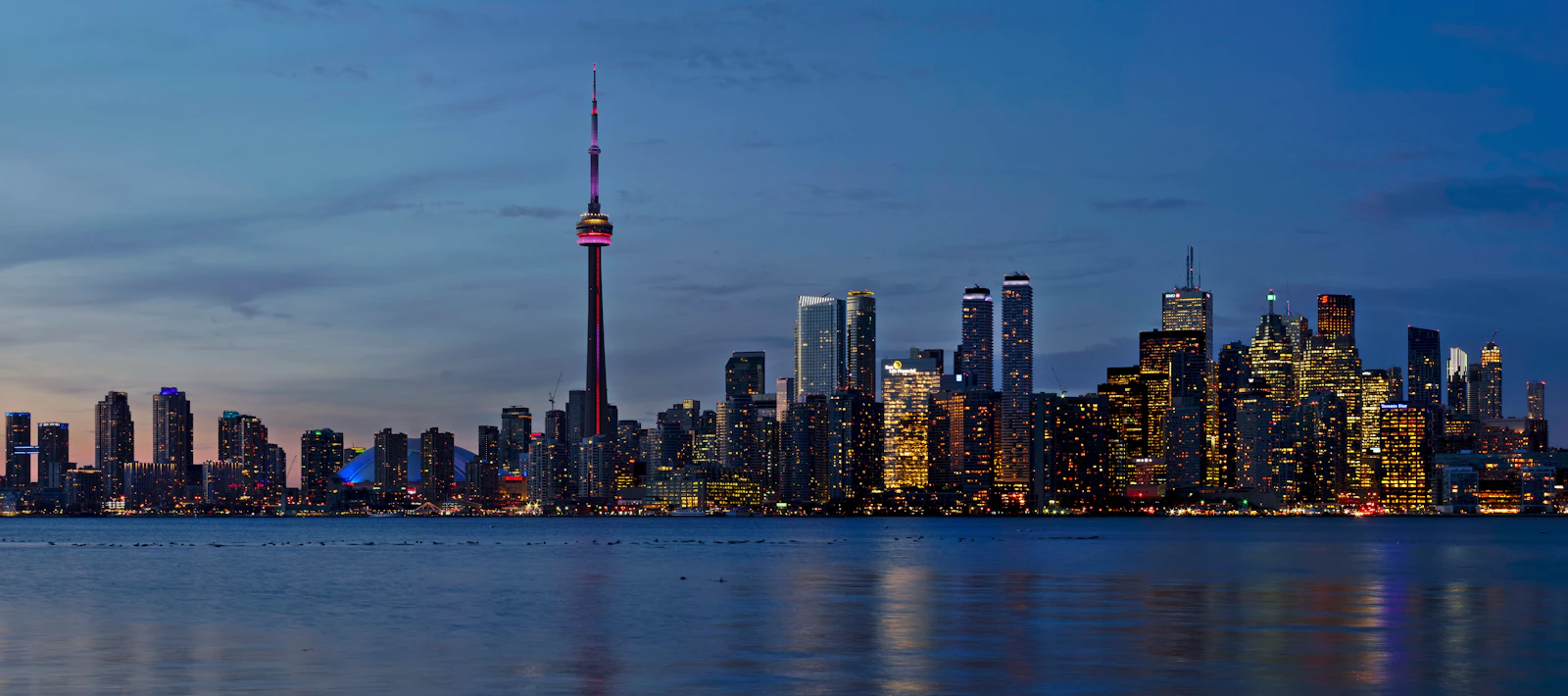
 Toronto's skyline is dominated by the CN Tower, but the real city unfolds at street level.
Short on time? See our Toronto 4-day itinerary for a focused long-weekend plan. Use our PTO optimizer to find the best days to take off around your trip dates.
Why an Extended Toronto Trip Is Worth It
Neighborhood Depth
Toronto's identity lives in its neighborhoods, and you cannot grasp them in four days. Kensington Market is a chaotic maze of vintage shops and $5 empanadas where no two storefronts look alike. Roncesvalles is a Polish-Canadian corridor where you can get pierogi and craft beer within the same block. Leslieville on the east side has quietly become the city's best brunch strip, with a Saturday morning energy that rivals any European cafe district. The Junction Triangle is where young chefs open the restaurants they cannot afford on King Street. Little India on Gerrard Street East serves thalis and dosas that rival anything in South Asia. Corso Italia on St. Clair West has Italian bakeries and gelaterias that have been family-run for generations.
Four days forces you to pick favorites; a week lets you try them all.
Food Scene Mastery
Toronto is—without exaggeration—one of the most diverse food cities on Earth. Over half the population was born outside Canada, and every community brought its kitchen. You will eat Hakka Chinese in Scarborough, Somali suugo in Rexdale, Tamil kottu roti in Scarborough East, Jamaican patties on Eglinton, and Italian sandwiches on St. Clair West. The street food scene alone could occupy a week—peameal bacon sandwiches, shawarma wraps, jerk chicken from roadside grills, and poutine from late-night counters.
The city's fine dining scene has also matured enormously, with restaurants like Alo (French tasting menu, reservations open exactly 30 days in advance and sell out within minutes), Canoe (contemporary Canadian cuisine on the 54th floor of the TD Tower), and Edulis (intimate Mediterranean with a constantly changing menu) earning international recognition. A week gives you time to eat across the full spectrum without resorting to rushed tourist dinners.
Day Trip Diversity
Toronto sits at the center of southern Ontario, and the surrounding region punches well above its weight. Niagara Falls is the obvious draw, but the Niagara wine region produces world-class ice wine and Pinot Noir within the same hour-long drive. Prince Edward County is a quieter, more refined wine country with farm-to-table restaurants and a pace that feels like a different province. Stratford hosts North America's largest classical repertory theatre festival from April through November. None of these work as half-day additions to a tight itinerary—they need their own days, and extended stays are the only way to fit them in without sacrificing the city itself.
Days 1-4: Core Toronto
Follow the 4-day itinerary covering the CN Tower, St. Lawrence Market, the Distillery District, Royal Ontario Museum, Kensington Market, Queen Street West, the Toronto Islands, and the Entertainment District. Those four days establish the downtown foundation and give you bearings. Everything that follows builds on that base.
Key highlights from the first four days: the view from the CN Tower's EdgeWalk (if you have the nerve), Saturday morning peameal bacon sandwiches at Carousel Bakery in St. Lawrence Market, the cobblestone charm of the Distillery District's Victorian industrial architecture, and the ferry ride to the Toronto Islands for a skyline view that belongs on a postcard. The ROM alone can fill half a day—its world-class dinosaur gallery and the Michael Lee-Chin Crystal addition are worth proper attention.
By the end of Day 4, you should have a feel for the TTC transit system, a sense of the downtown grid, and a short list of neighborhoods you want to revisit. The extended days are where Toronto stops being a tourist destination and starts becoming a city you understand.
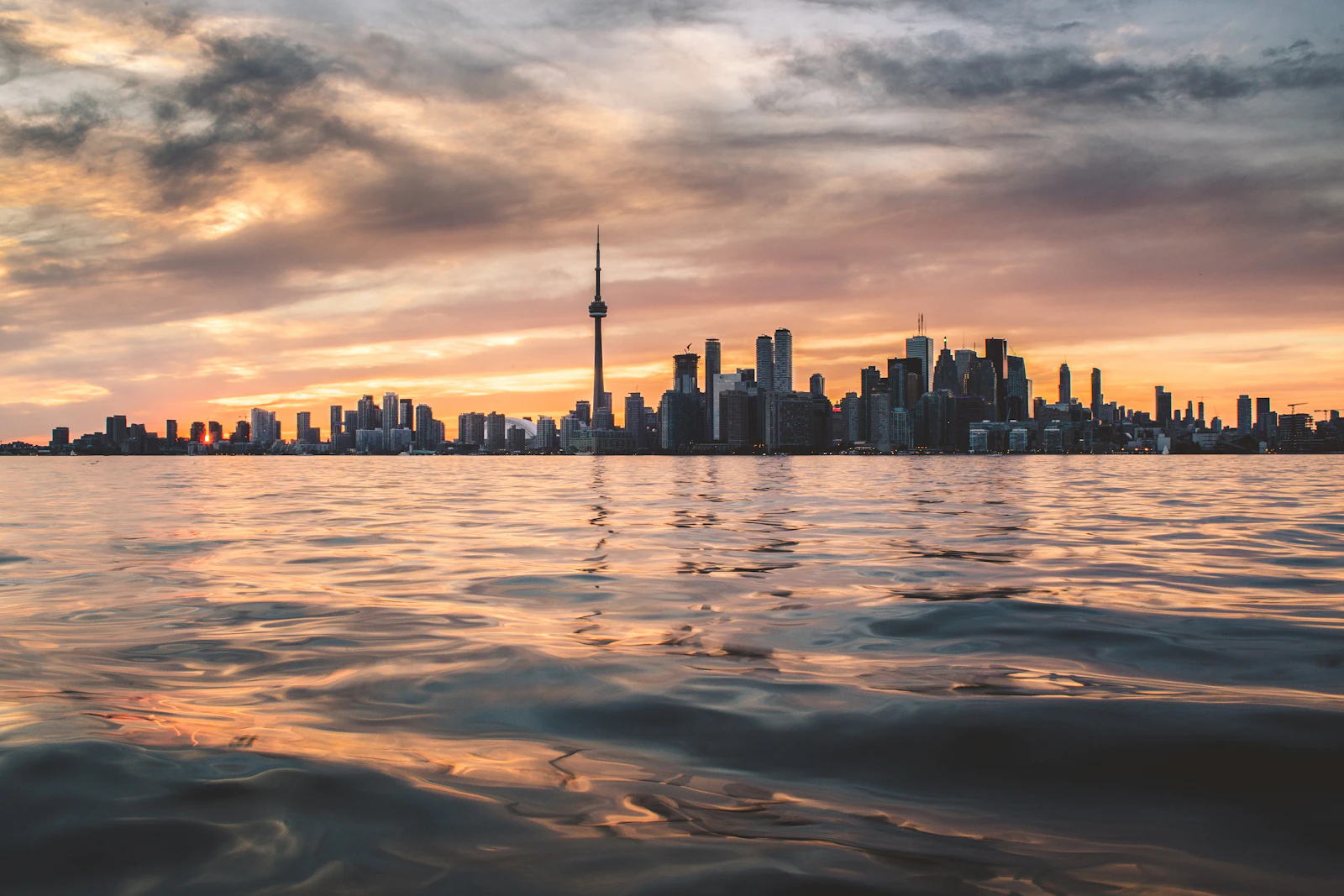 The CN Tower remains Toronto's most recognizable landmark and the city's gravitational center.
Day 5: Niagara Falls Full Day Trip
Getting There
Take the GO Transit bus from Union Station to Niagara Falls—about two hours each way, roughly $20 CAD (~$15 USD) round trip. Alternatively, rent a car for flexibility to stop at wineries on the return—Enterprise and Budget have locations near Union Station, and a one-day rental runs $60-90 CAD including insurance. Leave by 8am to maximize your time. The drive via the QEW highway takes about 90 minutes without traffic, and the route passes through Hamilton and the Niagara Escarpment wine country.
The Falls
Nothing prepares you for the scale. Horseshoe Falls is 167 feet of roaring water at a volume that rattles your chest—you feel the mist on your face from hundreds of meters away. Start with the Journey Behind the Falls ($22 CAD / ~$16 USD) tunnel experience, which takes you through passages carved behind the falls themselves—you emerge behind the curtain of water, soaked and grinning. The Hornblower Niagara Cruise ($35 CAD / ~$26 USD, seasonal April-November) takes you directly into the mist basin where the roar is deafening and the rainbow arcs overhead. Both are worth the money. They give you a disposable poncho, but you will get drenched regardless—wear shoes you do not mind getting wet.
Skip the tacky wax museums and haunted houses on Clifton Hill—they are tourist traps designed to separate you from cash. The falls themselves, the White Water Walk ($17 CAD) along the rapids downstream, and the wineries are the real attractions here.
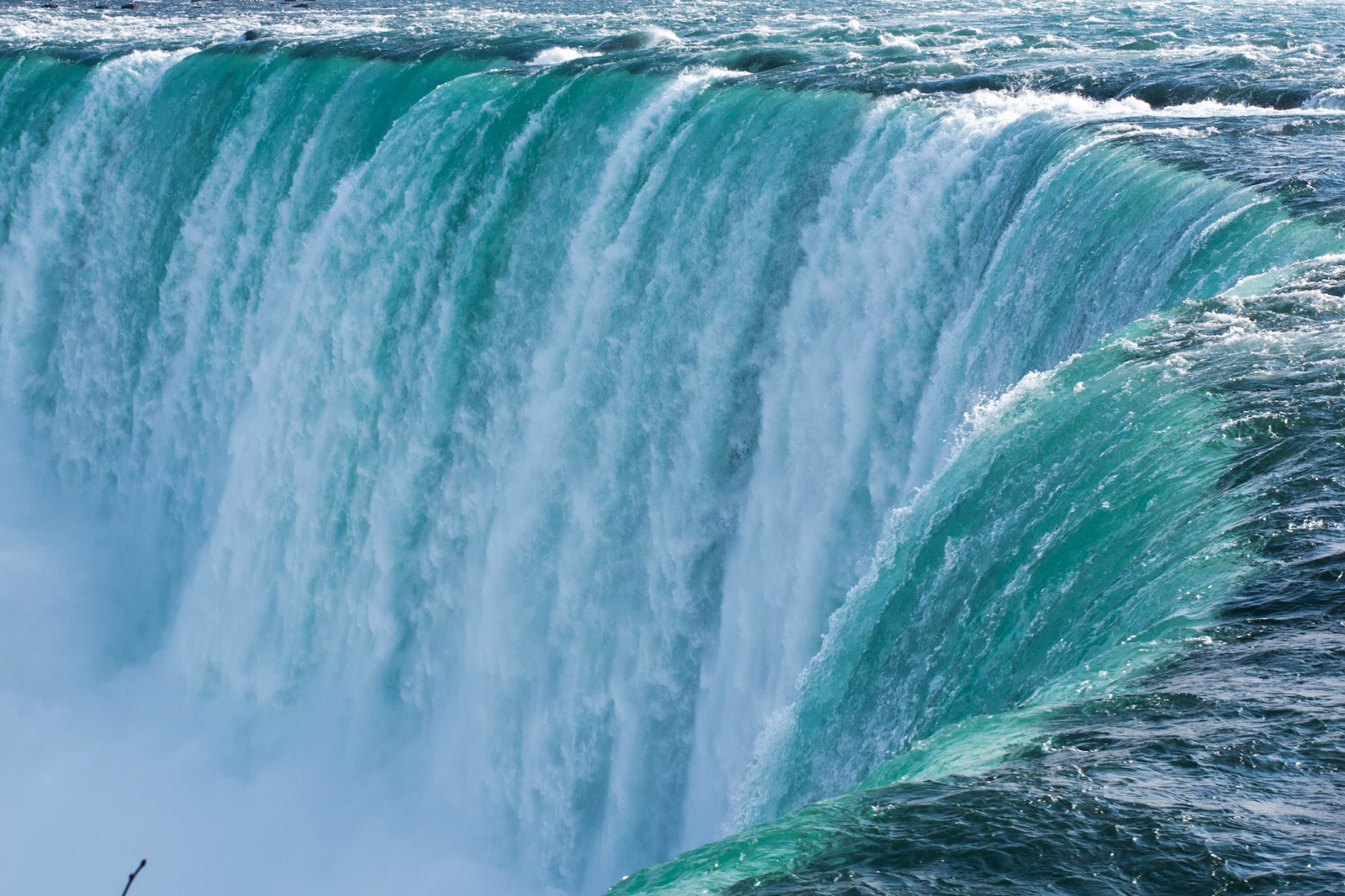 Niagara's Horseshoe Falls is less than two hours from downtown Toronto.
Stop in Niagara-on-the-Lake on your return—a perfectly preserved 19th-century town with excellent wineries. Visit Inniskillin or Peller Estates for ice wine tastings ($15-25 CAD). The ice wine is expensive but genuinely world-class.
Niagara Wine Region
If you have a car, spend the afternoon in the Niagara Wine Region before heading back. Ontario's Niagara Peninsula produces exceptional Riesling, Chardonnay, and ice wine—the latter is made from grapes frozen on the vine and is a Canadian specialty you will not find this good anywhere else. Trius Winery and Jackson-Triggs offer tastings and vineyard tours ($20-40 CAD). Inniskillin is the pioneer of Canadian ice wine and offers guided tastings explaining the labor-intensive production process ($25 CAD).
Have a late lunch at Treadwell in Niagara-on-the-Lake for farm-to-table dining that rivals anything in Toronto ($25-45 CAD entrees). The drive back to Toronto through the vineyards and orchards of the Niagara Escarpment is beautiful, especially in autumn when the leaves turn.
Evening Return
You will be exhausted—Niagara is a full-day commitment and the drive or bus ride back feels long after hours on your feet. Grab takeout from your neighborhood and rest. Tomorrow earns your legs back.
Day 6: North Toronto and the Ravines
Morning: Evergreen Brick Works
Start at Evergreen Brick Works, a former industrial quarry transformed into a community environmental center in the Don Valley. On Saturdays, the farmers' market here is one of the best in the city—local produce, baked goods, artisan coffee, and prepared foods from vendors who actually grow and make what they sell. The market runs year-round (8am-1pm Saturdays) with seasonal outdoor expansions in summer. Even on non-market days, the heritage gardens, nature trails, and restored kiln buildings are worth the trip. The on-site cafe serves excellent coffee and pastries. Take the free shuttle bus from Broadview Station or drive—parking is free on weekdays.
Midday: Don Valley Trails
From Brick Works, hike into the Don Valley trail system. Toronto is threaded with ravines that feel like wilderness minutes from the downtown core—this is the city's best-kept secret, and the reason Torontonians tolerate the winters. The Beltline Trail follows a former railway corridor through mature forest canopy, passing under bridges and through tunnels of greenery. The Don River Trail connects south toward the waterfront, following the river through wetlands where herons fish and turtles sun themselves on logs. In autumn, the ravines explode with color—maples turning crimson against the dark evergreens. Budget 2-3 hours for moderate walking and bring water. The trails are well-marked but wear proper shoes—roots and mud are common after rain.
Toronto has more urban ravine parkland than any other city in the world. The ravine system covers over 11,000 hectares and is home to coyotes, deer, and over 300 bird species—all within city limits.
Afternoon: Scarborough Bluffs
Head east to the Scarborough Bluffs, a dramatic escarpment rising 300 feet above Lake Ontario that stretches for 15 kilometers along the shoreline. Bluffers Park at the base has a sandy beach and marina—it is one of the few places in Toronto where you can swim in the lake with a dramatic geological backdrop. The lookout points along Kingston Road offer sweeping views of the layered sedimentary cliffs, and Cathedral Bluffs Lookout on Midland Avenue provides the most dramatic vantage point. This landscape looks nothing like the Toronto most visitors imagine—it could be the chalk cliffs of the English coast. Take the TTC to Scarborough and then the 12 bus south, or drive for easier access to multiple viewpoints.
Evening: Scarborough Food Crawl
Scarborough is where Torontonians go for the city's best Asian food, and it is not close. Markham Road and Lawrence Avenue East are lined with strip-mall restaurants that would be famous if they were downtown. Try Hakka Legend for chili chicken ($14-18 CAD), Byblos Eastern Mediterranean for shawarma, or the food court at Scarborough Town Centre for a quick Tamil or Sri Lankan rice-and-curry plate ($10-14 CAD). For dim sum, Casa Imperial on Sheppard Avenue East is a sprawling banquet hall where weekend brunch means rolling carts of har gow, siu mai, and turnip cake ($35-50 CAD for two people, arrive before 11am to avoid the wait). This is not trendy dining—it is honest food served to the communities that know it best.
Day 7: Arts and Culture Day
Morning: AGO Deep Dive
The Art Gallery of Ontario deserves more than the quick pass most visitors give it. The Frank Gehry-redesigned building alone is stunning—the curving wood-and-glass Galleria Italia facade on Dundas Street is one of the finest pieces of architecture in the country, a sweeping corridor of Douglas fir and glass that glows at night. Inside, the Group of Seven galleries are essential for understanding Canadian identity through landscape painting—Lawren Harris's Arctic abstractions and Tom Thomson's Northern Ontario scenes are deeply moving even if you know nothing about Canadian art. The Thomson Collection of European art includes Rubens and Poussin in elegantly lit galleries. The Henry Moore sculpture collection is the largest public collection outside London. The contemporary wing rotates exhibitions that consistently rival those in New York and London. Budget 3-4 hours and do not skip the gift shop, which is genuinely excellent. Admission is $25 CAD (~$19 USD); Wednesday evenings are free from 6-9pm.
Afternoon: Theatre District
Toronto is the third-largest English-language theatre market in the world, behind London and New York. The Entertainment District along King Street houses the major venues—Mirvish productions run Broadway-caliber shows at the Princess of Wales Theatre and the Royal Alexandra Theatre (the oldest continuously operating theatre in North America, built in 1907). Check what is running and grab matinee tickets ($60-150 CAD). For something more adventurous, Soulpepper Theatre in the Distillery District stages excellent Canadian and international drama ($30-75 CAD). The Tarragon Theatre near the Annex focuses on new Canadian plays and has premiered some of the country's most important dramatic works. Rush tickets and student discounts are widely available—check box offices on the day of performance.
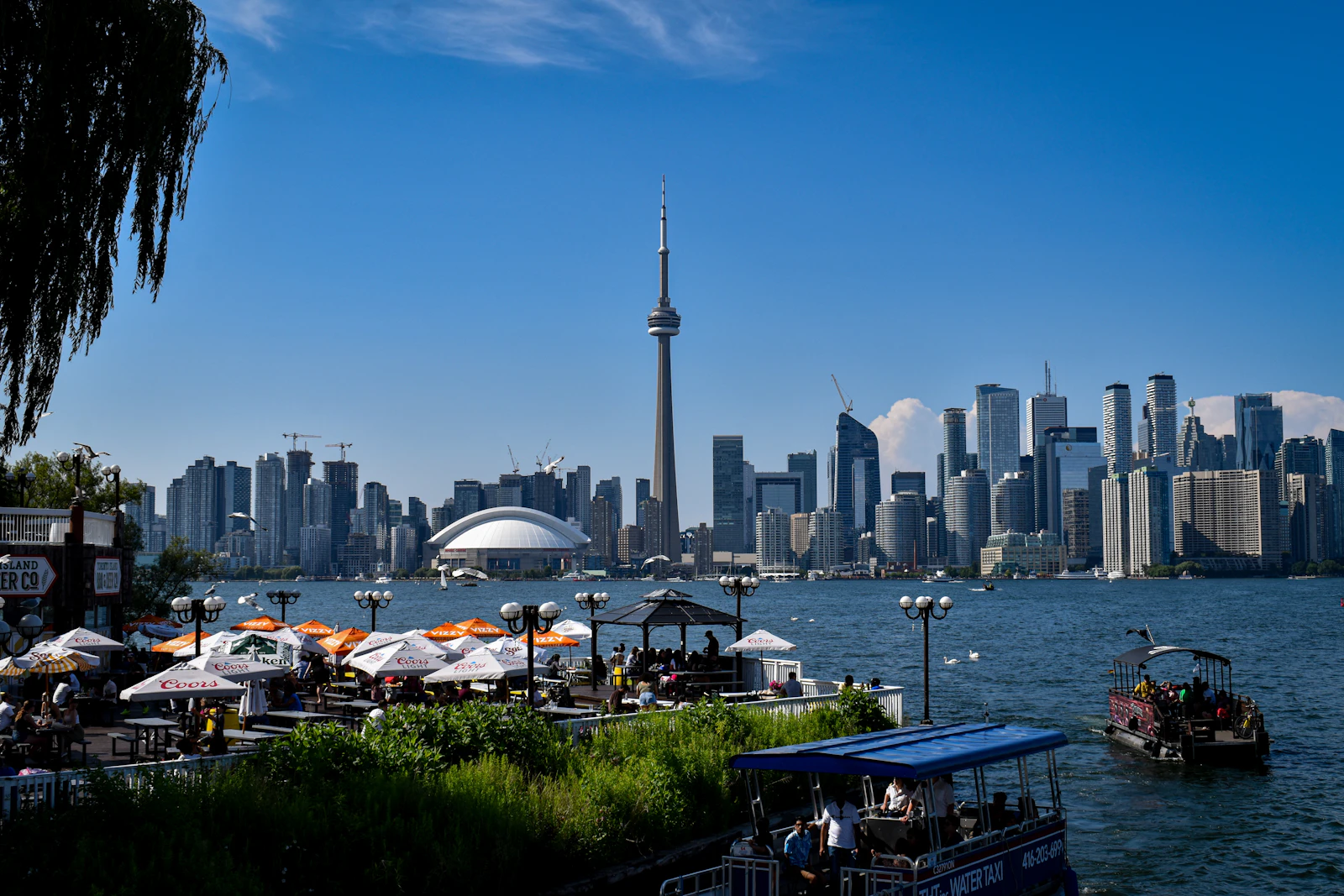 Toronto's waterfront stretches for miles and rewards evening strolls.
Evening: Comedy and Music
Toronto's comedy scene is legitimately world-class—Jim Carrey, Mike Myers, Dan Aykroyd, and Catherine O'Hara all trained here. Second City Toronto ($25-45 CAD) on Mercer Street runs sketch and improv shows nightly, and the late-night improv sets are often the best value in the city's entertainment scene. Comedy Bar in the Junction ($10-20 CAD) books emerging talent and experimental shows in an intimate room where you are close enough to make eye contact with the performer.
For live music, The Horseshoe Tavern on Queen West has hosted every important Canadian act since 1947—the Rolling Stones played here in 1977, and emerging bands still treat a Horseshoe gig as a rite of passage. Lee's Palace on Bloor books indie and alternative acts in a room plastered with psychedelic murals. The Rex Hotel Jazz & Blues Bar near Queen and St. Patrick has two sets nightly with no cover charge on most weeknights—it is one of the best jazz rooms in the country. Cover charges elsewhere run $10-25 CAD depending on the act.
Days 8-9: Flexible Extensions
With 8-9 days, you have earned the luxury of following your curiosity rather than a checklist. Pick one or two of these depending on the season, your interests, and how much driving you are willing to do.
Option A: Prince Edward County Wine Country
Prince Edward County is a 2.5-hour drive east of Toronto—a peninsula jutting into Lake Ontario that has become Ontario's most exciting wine and food destination. The county produces excellent Pinot Noir and Chardonnay from limestone-rich soil, and the winemakers here tend to be young, experimental, and happy to talk about their process. Visit Norman Hardie Winery for natural wines and wood-fired pizza made with local ingredients, Huff Estates for sparkling wine and a sculpture garden, and Rosehall Run for Pinot Noir that competes with Burgundy at a fraction of the price. Closson Chase produces some of the best Chardonnay in Canada in a converted barn with views over rolling vineyards.
Tastings run $10-20 CAD per winery, and most are waived with a bottle purchase. Stay overnight at a local B&B if you can—the pace of the county rewards a two-day visit. The town of Picton has excellent restaurants; East & Main serves one of the best tasting menus in Ontario ($85-120 CAD), and the Acoustic Grill does a more casual farm-to-table lunch ($18-30 CAD). If you are driving back the same day, designate a driver or arrange a wine tour service from Toronto ($150-200 CAD per person, includes transport and tastings).
Option B: Stratford Festival Theatre Town
Stratford is 90 minutes west of Toronto and home to the Stratford Festival, the largest classical repertory theatre in North America. Running from April to November, the festival stages Shakespeare alongside modern drama and musicals in four purpose-built theatres. The Festival Theatre itself, with its thrust stage modeled after Elizabethan playhouses, is one of the great theatrical spaces on the continent. Tickets range from $40-150 CAD. The town itself is charming—Victorian architecture, the Avon River with actual swans, and restaurants that cater to a sophisticated theatre crowd. Revival House serves excellent cocktails, and The Prune is one of Ontario's best restaurants ($35-55 CAD entrees). Walk along the river before the show, have a proper dinner after, and you will understand why Torontonians make this trip repeatedly. Book show tickets well in advance; popular productions sell out months ahead.
Option C: Deeper Neighborhood Dives
Spend a full day in the neighborhoods most visitors never reach:
-
Scarborough for Asian food: Go beyond the evening crawl. Pacific Mall in Markham (a short drive or bus from Scarborough) is North America's largest indoor Asian mall—300+ vendors selling everything from bubble tea to electronics. The food court alone is worth the trip, with stalls serving Sichuan, Taiwanese, Korean, and Vietnamese dishes for $10-15 CAD. The surrounding area on Steeles Avenue has some of the best Chinese restaurants outside of China
-
Roncesvalles for Polish Toronto: This stretch of Roncesvalles Avenue between Queen and Dundas is the heart of Toronto's Polish community. Grab pierogi at Cafe Polonez ($12-18 CAD plates), browse the independent bookshops, and end at The Local for craft beer. Sunday brunch on Roncy is a neighborhood tradition, and the entire avenue has a village-within-a-city feel that exemplifies what makes Toronto special
-
Junction Triangle for trendy dining: The area where Dundas West meets the rail corridor has exploded with chef-driven restaurants in a former industrial zone. Chubby's Jamaican for jerk chicken, Playa Cabana for Mexican, and Indie Alehouse for craft beer and upscale pub food—all within walking distance of each other. The vintage shops and galleries along the strip make for excellent browsing between meals
Option D: Winter or Summer Specific Activities
Toronto transforms with the seasons, and extra days let you lean into whatever the calendar offers:
-
Summer (June-September): Rent kayaks on the Toronto Islands ($40-60 CAD for 2 hours), catch a Blue Jays game at the Rogers Centre ($20-80 CAD), bike the Martin Goodman Trail along the waterfront for 56 kilometers of dedicated cycling path, or spend an afternoon at Hanlan's Point Beach (clothing-optional, the most interesting beach in the city). The summer festival calendar is relentless—Caribana in August is the largest Caribbean festival in North America, Taste of the Danforth celebrates Greek food and culture, and neighborhood street festivals happen every weekend
-
Winter (December-March): Skate on the Natrel Rink at Harbourfront Centre (free, skate rentals $12 CAD) or the Bentway skating trail beneath the Gardiner Expressway, warm up in the PATH underground network (33 kilometers of connected shopping beneath downtown—the largest underground complex in the world), visit the Toronto Christmas Market in the Distillery District (late November through December, free admission weekdays), or catch a Raptors or Maple Leafs game. The Leafs are a religion in this city, and the atmosphere at Scotiabank Arena is electric even when they disappoint, which they will
 Kensington Market is Toronto's most eclectic neighborhood—vintage shops, street art, and global food on every corner.
Travel Costs and Budgeting
| Category | Budget (CAD) | Mid-Range (CAD) | Premium (CAD) |
|---|---|---|---|
| Accommodation (per night) | $120-180 Airbnb | $200-300 hotel | $400+ boutique |
| Daily food | $40-70 | $80-130 | $180+ |
| Activities/attractions | $20-35 | $40-70 | $120+ |
| Transport | $10-20 | $20-35 | $50+ (taxi) |
| Daily total | $190-305 | $340-535 | $750+ |
| 7-day total | $1,330-2,135 | $2,380-3,745 | $5,250+ |
All prices in CAD. Approximate USD equivalents: multiply by 0.74. Toronto is expensive by Canadian standards but competitive with other world cities—significantly cheaper than New York, London, or Sydney for comparable quality. Accommodation is the biggest variable, and it is where you can save or splurge most dramatically.
For week-long stays, apartments with kitchens in neighborhoods like Leslieville, the Annex, or Roncesvalles offer the best value at $120-180 CAD/night and give you the option to cook breakfast and prepare lunches, which can cut your daily food budget in half. Downtown hotels in the financial district and along Front Street run $200-350 CAD/night for mid-range options.
To maximize your days off without extra PTO, use the free Holiday Optimizer to find bridge days around public holidays for your Toronto trip.
Cost-Saving Tips
-
PRESTO card: Load a PRESTO card at any subway station for $6 CAD. Single TTC rides cost $3.35 CAD, and a day pass is $13.50 CAD. The two-hour transfer policy means one fare covers bus, streetcar, and subway connections within 120 minutes—this is the best transit deal in the city
-
Free museum days: The AGO is free Wednesday evenings (6-9pm). The Bata Shoe Museum offers pay-what-you-wish on Thursdays (5-8pm). Many smaller galleries are always free
-
Eat in the suburbs: Scarborough, North York, and Etobicoke have the city's best ethnic food at half the downtown price. A full meal in a Scarborough strip-mall restaurant costs $10-16 CAD
-
Happy hours: Toronto restaurants and bars run competitive happy hours from 4-6pm. Expect $6-8 CAD draft beers and $9-12 CAD cocktails versus $9-12 and $16-20 at regular prices
-
Free entertainment: Harbourfront Centre programs free concerts and events year-round, the Toronto Islands ferry ($9 CAD return) gives you a full day of beaches and parkland, and neighborhood festivals run every summer weekend
-
Dining strategy: Eat your biggest meal at lunch—many restaurants that charge $30-45 CAD for dinner entrees offer lunch specials for $18-25 CAD. Chinatown and Kensington Market are the best-value downtown dining areas, with full meals for $12-18 CAD
-
City passes: The CityPASS Toronto ($78 CAD) covers the CN Tower, ROM, Ripley's Aquarium, and two additional attractions—a solid deal if you plan to visit at least three of them
Cultural Experiences Not to Miss
TIFF and Film Culture
The Toronto International Film Festival in September is one of the world's most important film festivals—more Oscar winners have premiered here than at any other festival. During TIFF, the city transforms: celebrities walk red carpets on King Street, popup screenings fill parks and rooftops, and every restaurant and bar buzzes with film industry energy. Even outside TIFF season, the TIFF Bell Lightbox on King Street screens independent and international films year-round in five gorgeous theatres, with regular Q&A sessions and retrospectives. Hot Docs in April is the largest documentary festival in North America. Toronto takes film seriously, and its audiences are discerning—post-screening conversations at the Lightbox are worth the ticket price alone.
Sports Obsession
Toronto is the only Canadian city with teams in all four major North American leagues plus MLS, and the energy around its teams is infectious. The Toronto Raptors (NBA) won the championship in 2019 and the fanbase has not calmed down since—games at Scotiabank Arena are loud, fun, and diverse in a way that reflects the city itself ($50-200+ CAD).
The Toronto Maple Leafs (NHL) inspire a devotion that borders on the irrational—this is a team that had not won a championship since 1967 and still sells out every game at premium prices ($100-400+ CAD). The atmosphere at Scotiabank Arena during a Leafs game is unmatched in Canadian sports, and the pre-game buzz on the surrounding streets is worth experiencing even without tickets.
The Blue Jays (MLB) play at the Rogers Centre with a retractable roof—summer afternoon games ($20-80 CAD) are a perfect way to soak in Canadian baseball culture, and the open roof on a warm day makes it one of the most pleasant ballpark experiences in the league. Toronto FC (MLS) at BMO Field is the most affordable option ($25-60 CAD) and the south end supporters section brings European-style passion with flags, chants, and drums.
Comedy and Improv
Toronto's comedy infrastructure is among the best in the world—the city has produced more successful comedians per capita than almost anywhere else. Second City is the legendary training ground that launched half of Saturday Night Live's best-known cast members, but the scene extends far beyond that single institution. Bad Dog Theatre runs improv shows nightly in an intimate space where audience suggestions genuinely shape the performance. SoCap Comedy in the Junction books standups from across North America, and open mic nights at bars across the city are where the next generation sharpens their material. The late shows—after 10pm—tend to be looser and funnier than the polished early evening sets, and you might catch a working comedian trying out new material before a major special taping.
Buying scalped tickets outside Scotiabank Arena is risky and illegal in Ontario. Use official resellers like Ticketmaster or StubHub. Counterfeit tickets are common, especially for Leafs and Raptors games.
Indigenous Culture
Toronto sits on the traditional territory of the Mississaugas of the Credit, the Anishnabeg, the Chippewa, the Haudenosaunee, and the Wendat peoples. The name "Toronto" itself derives from the Mohawk word tkaronto, meaning "where there are trees standing in the water." The city has a significant Indigenous community and several ways to engage respectfully with its history and present.
Indigenous Toronto Walking Tours offer guided experiences through the city from Indigenous perspectives, reframing landmarks you have already visited with thousands of years of additional context. The Art Gallery of Ontario has expanded its Indigenous art collections significantly, including major works by Norval Morrisseau and contemporary Indigenous artists. NishDish in Kensington Market serves Indigenous cuisine—bannock, bison, wild rice, and Three Sisters soup—using traditional ingredients and methods. These experiences add essential context to understanding Toronto beyond its multicultural surface and are among the most meaningful things you can do with extra days in the city.
Practical Tips for Travelers
Language
English is the primary language, with French on all federal signage (Canada is officially bilingual). You will hear Cantonese, Mandarin, Punjabi, Tamil, Tagalog, and dozens of other languages on any TTC ride—Toronto is the most multilingual city in Canada, with over 200 languages spoken. Canadians are famously polite—expect "sorry" as a reflexive response to everything, including situations where no apology is needed. Service workers are helpful and patient. Most restaurants in ethnic neighborhoods have menus in English alongside the original language, and pointing at what your neighbor is eating is a perfectly acceptable ordering strategy in casual spots.
Etiquette
Tipping culture mirrors the United States: 15-20% at restaurants (pre-tax), $1-2 per drink at bars, 15-20% for taxis and rideshares. Be aware that many Toronto restaurants now add automatic gratuity suggestions at 18%, 20%, or 25% on payment terminals—calculate on the pre-tax total if you prefer to control the amount. Unlike the US, Canadian coins include the $1 "loonie" and $2 "toonie"—keep these handy for tipping and small purchases. Canada eliminated the penny in 2013, so cash transactions round to the nearest nickel. The TTC is generally orderly—let passengers exit before boarding, offer seats to those who need them, and keep your bag off the seat during rush hour. Torontonians are friendly but not intrusive; do not mistake reserve for coldness.
Safety
Toronto is one of the safest major cities in North America. Violent crime in tourist areas is extremely rare, and the TTC is safe at all hours, though late-night subway service ends at approximately 1:30am (replaced by Blue Night bus routes that cover major corridors through the night). Standard urban awareness applies: keep valuables secure on the subway, be cautious around busy intersections with streetcars (they stop in the middle of the road, and you must watch for traffic when boarding—this catches every tourist at least once), and be aware that cycling infrastructure varies by neighborhood. The biggest actual annoyance is aggressive charity canvassers on Yonge Street—a polite "no thank you" and continued walking handles them. In winter, watch for ice on sidewalks, especially in the morning before buildings salt their frontage.
If you have extra days, consider combining your Toronto trip with New York City — all easy to reach and covered in our PTO-optimized travel guides.
Quick Takeaways
-
Toronto beyond downtown is essential—Scarborough, Roncesvalles, and the Junction have better food and more authentic culture than the tourist core
-
Niagara Falls is less than two hours away and deserves a full day, ideally with a stop in the Niagara wine region on the return
-
The ravine trail system is Toronto's best-kept secret—11,000 hectares of urban wilderness minutes from the downtown core
-
Toronto's comedy and theatre scenes are world-class; Second City and Mirvish productions alone justify extra nights
-
Eat in the suburbs for the best value: Scarborough for Asian, Roncesvalles for Polish, St. Clair West for Italian
-
The AGO and ROM deserve 3-4 hours each—rush them and you miss what makes them special
-
PRESTO cards with two-hour transfers are the most cost-effective way to navigate the TTC system
-
Summer and winter offer completely different cities—plan activities around the season rather than fighting it
-
Use the Holiday Optimizer PTO calendar to plan which days to take off for your Toronto trip.
Conclusion
A week in Toronto reveals why Canadians who move here rarely leave. The city does not announce itself the way New York or London does—there is no single iconic image that captures what it is. Instead, it earns your affection neighborhood by neighborhood, plate by plate, conversation by conversation. You will ride the streetcar through Chinatown at sunset, eat the best butter tart of your life at a Leslieville bakery, hike through ravines that feel like Northern Ontario, and watch the skyline from the Scarborough Bluffs wondering how a city this good stays this underrated.
The truth about Toronto is that four days shows you the landmarks and seven days shows you the city. You will leave with a phone full of food photos, a PRESTO card with a few dollars still on it, a new appreciation for Canadian politeness, and the nagging sense that you only scratched the surface of what is quietly one of the world's great cities. Toronto always has more neighborhoods to explore, more cuisines to taste, and more stories to discover. You will already be planning the return trip before your flight lands home.
Ready to maximize your time off?
Find the best Toronto travel windows
Frequently Asked Questions
-
Is 7-9 days too long for Toronto? Not at all. Toronto's sprawling neighborhoods, world-class dining scene, and proximity to day-trip destinations like Niagara Falls and Prince Edward County mean you will fill every day without repeating yourself. Seven days covers the downtown core, outer neighborhoods, and at least one major day trip with breathing room. Nine days adds a second day trip and deeper neighborhood exploration—the Scarborough food scene, the Roncesvalles Polish corridor, the Junction's trendy dining strip—that most visitors miss entirely. You will not run out of things to do.
-
What is the best time to visit Toronto? June through September offers warm weather, outdoor festivals, patio season, and Blue Jays games—this is when Toronto is at its most vibrant. September and October bring TIFF, spectacular fall colors in the ravines and along the Don Valley, and comfortable walking temperatures without summer humidity. Winter (December-March) is genuinely cold—expect snow and temperatures down to -20C (-4F)—but the city compensates with indoor culture, the Christmas market, skating, hockey season, and significantly fewer tourists. Avoid late March through mid-April, when the snow melts into grey slush and nothing is blooming yet. May is unpredictable but can be lovely.
-
Where should I stay for a week-long Toronto trip? Skip the financial district hotels unless you need the convenience—the area is dead on weekends. The Annex near the University of Toronto offers a central location, great restaurants, and a neighborhood feel with easy subway access. Leslieville on the east side is the best brunch-and-boutique neighborhood with lower hotel prices and excellent streetcar connections. Queen West puts you in the heart of the action for nightlife, galleries, and restaurants. For week-long apartment rentals, Roncesvalles and Junction offer genuine local immersion at $120-180 CAD/night with character that downtown hotels cannot match.
-
Do I need a car in Toronto? Not for downtown or the inner neighborhoods—the TTC subway, streetcar, and bus system covers the core effectively, and rideshare services are widely available. However, a rental car is highly recommended for day trips to Niagara Falls, Prince Edward County, and Stratford, where public transit options are limited or time-consuming. Enterprise and Budget have locations near Union Station, and one-day rentals run $60-100 CAD/day including insurance. For Niagara specifically, the GO Transit bus is a viable car-free option at about $20 CAD round trip.
-
Is Toronto expensive? Toronto is expensive by Canadian standards—accommodation and dining in the downtown core rival major US cities. However, the city is significantly cheaper than New York, London, or Sydney for comparable experiences. Budget travelers can manage on $190-305 CAD/day ($140-225 USD) with Airbnb accommodation and suburban dining. The biggest savings come from eating outside downtown (Scarborough, Chinatown, and Kensington Market offer extraordinary value), using PRESTO cards with two-hour transfers, and visiting free-admission museum evenings. A week-long apartment rental with kitchen access reduces food costs dramatically.
Share Your Thoughts
Did this guide help you plan your extended Toronto trip? Share it with friends considering a week in Canada's largest city, and tell us which neighborhood or day trip you are most excited about. Whether you are drawn to the Niagara day trip, the Scarborough food scene, or the comedy clubs, Toronto rewards the curious—the deeper you go, the more the city reveals.