New York City in 4 Days: Long Weekend Itinerary & PTO Planner for 2026
Plan a NYC getaway with a detailed 4-day itinerary, neighborhood guide, Broadway tips, food recommendations, and practical advice for 2026.
Introduction
Planning a long weekend in New York City and want the perfect blend of iconic landmarks, world-class museums, incredible food, and neighborhood exploration? This guide walks you through an immersive four-day itinerary that captures the city's legendary energy—from the Statue of Liberty to hidden East Village ramen shops, from MoMA masterpieces to $1.50 dollar slices at 2am, from Broadway stages to rooftop bars with skyline views that remind you why this city became the center of the world. Use this guide to plan your four-day trip.
Whether it's your first time in the Big Apple or you're returning to discover new neighborhoods, you'll learn how to navigate the subway like a local, which attractions genuinely deserve your time and money, and where to find the authentic NYC experiences that exist just one block away from every tourist trap. Four days is enough to feel the city's pulse—but be warned, you'll leave planning your return before you've even packed your bags.
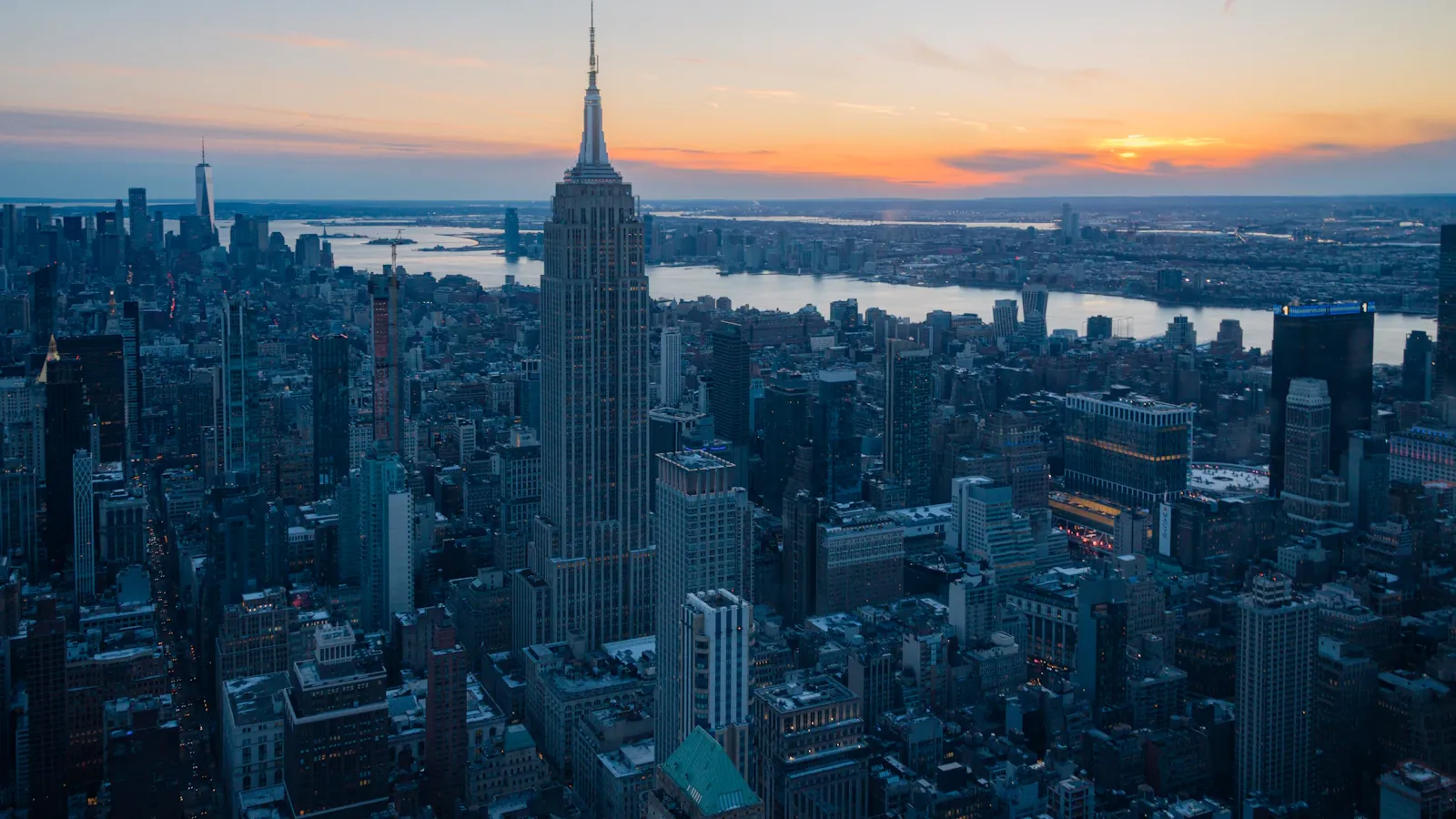
 The NYC skyline is instantly recognizable worldwide.
Planning a longer trip? Check out our extended New York City itinerary covering 7-9 days of in-depth exploration. Use our PTO optimizer to find the best days to take off around your trip dates.
Why New York Is a Must-Visit Destination in 2026
The World in One City
New York contains everything—every cuisine, every culture, every art form, every idea competing for space on the same subway car. Queens alone has more languages spoken than any other place on Earth, and you can eat your way through Jackson Heights' Indian street food, Flushing's Sichuan hotpot, and Astoria's Greek tavernas without ever leaving one borough. This density of humanity creates an electric energy found nowhere else. The city that never sleeps isn't a cliche—it's an accurate description of a place where comedy shows start at midnight, diners serve eggs at 4am, and someone is always heading somewhere with absolute purpose. New York in 2026 continues to reinvent itself: Hudson Yards has matured into a genuine neighborhood, the revitalized Penn Station area is finally taking shape, and the restaurant scene remains the most dynamic on the planet.
What Makes NYC Unique vs Other North American Cities
Scale and ambition define New York. The museums aren't just good—the Met is one of the three greatest art collections ever assembled. The restaurants don't just serve food—they define cuisines and launch global trends. Broadway isn't just theater—it's the pinnacle of live performance, where a single ticket can change how you think about storytelling. This competitive intensity creates excellence at every level, from the $1.50 pizza slice that's better than most cities' best pizzeria to the $500 tasting menu that redefines what food can be. Unlike Los Angeles or Chicago, New York's walkability means you can cross cultural worlds in ten minutes on foot—from Chinatown's fish markets to SoHo's designer boutiques to Little Italy's espresso bars, each block a different universe.
Planning Your Trip Essentials
Use the Holiday Optimizer to find the best days to book off around public holidays for your New York City trip.
Best Time to Visit
September through November offers ideal weather—crisp air, fall colors blazing through Central Park, and the cultural season in full swing with gallery openings and Broadway premieres. April through June brings spring blooms and pleasant walking temperatures in the mid-60s to 70s. Summer (July-August) is hot and humid—expect 85-95 degree days and air conditioning everywhere—but the city is alive with free outdoor concerts, Shakespeare in the Park, and rooftop bar season. Winter is cold (25-40 degrees) but magical during the holidays, with Rockefeller Center's tree, holiday market at Bryant Park, and window displays along Fifth Avenue.
Transportation Basics
The subway goes everywhere for $2.90 per ride using OMNY contactless payment (tap your credit card or phone) or a MetroCard. A 7-day unlimited MetroCard costs $34 and pays for itself in 12 rides—essential for four days of exploring. Walking is non-negotiable: neighborhoods reveal themselves on foot, and Manhattan's grid system makes navigation intuitive (avenues run north-south, streets east-west). Taxis and Uber work for late nights and outer borough trips, but expect surge pricing on weekend evenings. Skip the tourist buses entirely—the subway is faster and you'll see more of real New York.
Accommodation Choices
- Midtown: Central to everything, walkable to Broadway and museums, but expensive ($250-400/night) and overwhelmingly touristy.
- Lower Manhattan: Financial District hotels offer weekend deals ($180-300/night), near ferries, 9/11 Memorial, and Brooklyn Bridge.
- Brooklyn (Williamsburg, DUMBO): Trendy restaurants, Manhattan views, vibrant nightlife. L train to Manhattan in 15 minutes.
- Upper West Side: Residential feel, steps from Central Park and the Museum of Natural History. Quieter at night.
- Lower East Side / East Village: Best food and nightlife scene, walkable to most Manhattan attractions. Budget options available.
Travel Costs and Budgeting
To maximize your days off without extra PTO, use the free Holiday Optimizer to find bridge days around public holidays for your New York City trip.
Daily Budget Breakdown
New York is expensive, but it rewards every budget level. Budget travelers can manage $100-150 per day (excluding accommodation) by eating street food and dollar slices, using the subway, and visiting free attractions. Mid-range travelers should plan $180-250 per day for sit-down meals, museum admissions, and a Broadway show. Premium experiences—fine dining, rooftop bars, VIP tours—push past $350.
Cost-Saving Tips
Many of NYC's best experiences are free: walking the Brooklyn Bridge, exploring Central Park, browsing Chelsea galleries, riding the Staten Island Ferry for Statue of Liberty views, and wandering neighborhoods. The CityPASS ($146 for 5 attractions) saves 40% on top museums and observation decks. Broadway's TKTS booth in Times Square sells same-day tickets at 20-50% off—arrive 30 minutes before it opens at 3pm for the best selection. Museums like the Met have suggested admission (pay what you wish for NY residents), and MoMA is free on First Fridays from 4-8pm. Eat your big meal at lunch when many restaurants offer prix fixe deals for $25-35.
Food and Dining Typical Costs
- Dollar slice pizza: $1.50-2.00
- Bagel with cream cheese: $3.50-5.00
- Deli sandwich: $12-18
- Lunch special at sit-down restaurant: $18-30
- Dinner at mid-range restaurant: $40-70 per person
- Craft cocktail: $16-22
- Beer at a bar: $8-12
- Fine dining tasting menu: $200-500+
- Street food (halal cart, tacos): $8-12
Day 1: Iconic Manhattan
Begin with the landmarks that define New York in the global imagination—this is the day for the big, unmissable experiences.
Morning: Statue of Liberty and Ellis Island
Book Statue of Liberty ferry tickets through StatueCruises.com well in advance—pedestal access ($24.50) sells out weeks ahead, and crown tickets ($24.50, limited to 30 per time slot) require booking months in advance. The first ferry departs Battery Park at 8:30am; take it to beat the crowds. Allow 2 hours on Liberty Island and another 1.5-2 hours at Ellis Island, where the immigration museum is genuinely moving—especially if your family passed through here. The ferry ride itself offers stunning harbor views.
If Statue of Liberty tickets are sold out, take the free Staten Island Ferry from Whitehall Terminal. It passes right by Lady Liberty and offers stunning Manhattan skyline views on the return trip—and it's completely free.
Midday: Lower Manhattan
Walk through the Financial District, passing the Charging Bull on Broadway (always mobbed—snap a quick photo and move on), the neoclassical facade of Wall Street's New York Stock Exchange, and the historic Trinity Church where Alexander Hamilton is buried. Continue to the 9/11 Memorial—the twin reflecting pools set in the footprints of the original towers are profoundly moving. The adjacent museum ($28 admission, allow 2 hours) is emotionally intense but essential. The Oculus, Santiago Calatrava's soaring white transit hub, is worth stepping inside for the architecture alone.
Afternoon: Brooklyn Bridge Sunset
Grab a late lunch at Stone Street, a cobblestone pedestrian lane in the Financial District lined with outdoor restaurants. Then walk north to the Brooklyn Bridge—cross from the Manhattan side heading toward Brooklyn for the best views, timing your walk for golden hour. The 1.1-mile walk takes about 30-40 minutes at a relaxed pace. The wooden boardwalk, Gothic arches, and Manhattan skyline behind you make this one of the great urban walks in the world.
Evening: DUMBO and Brooklyn Bridge Park
End in DUMBO (Down Under the Manhattan Bridge Overpass) for dinner with Manhattan views. Juliana's Pizza (cash and card, expect a 30-45 minute wait) serves coal-oven pizza that's worth every minute in line—the classic margherita is perfect. For a splurge, River Cafe offers fine dining directly on the water with the Brooklyn Bridge overhead. Walk along Brooklyn Bridge Park afterward for nighttime skyline views that'll fill your camera roll.
Day 2: Midtown and Museums
Today explores Manhattan's cultural heavyweight institutions and its most famous thoroughfares.
Morning: Central Park
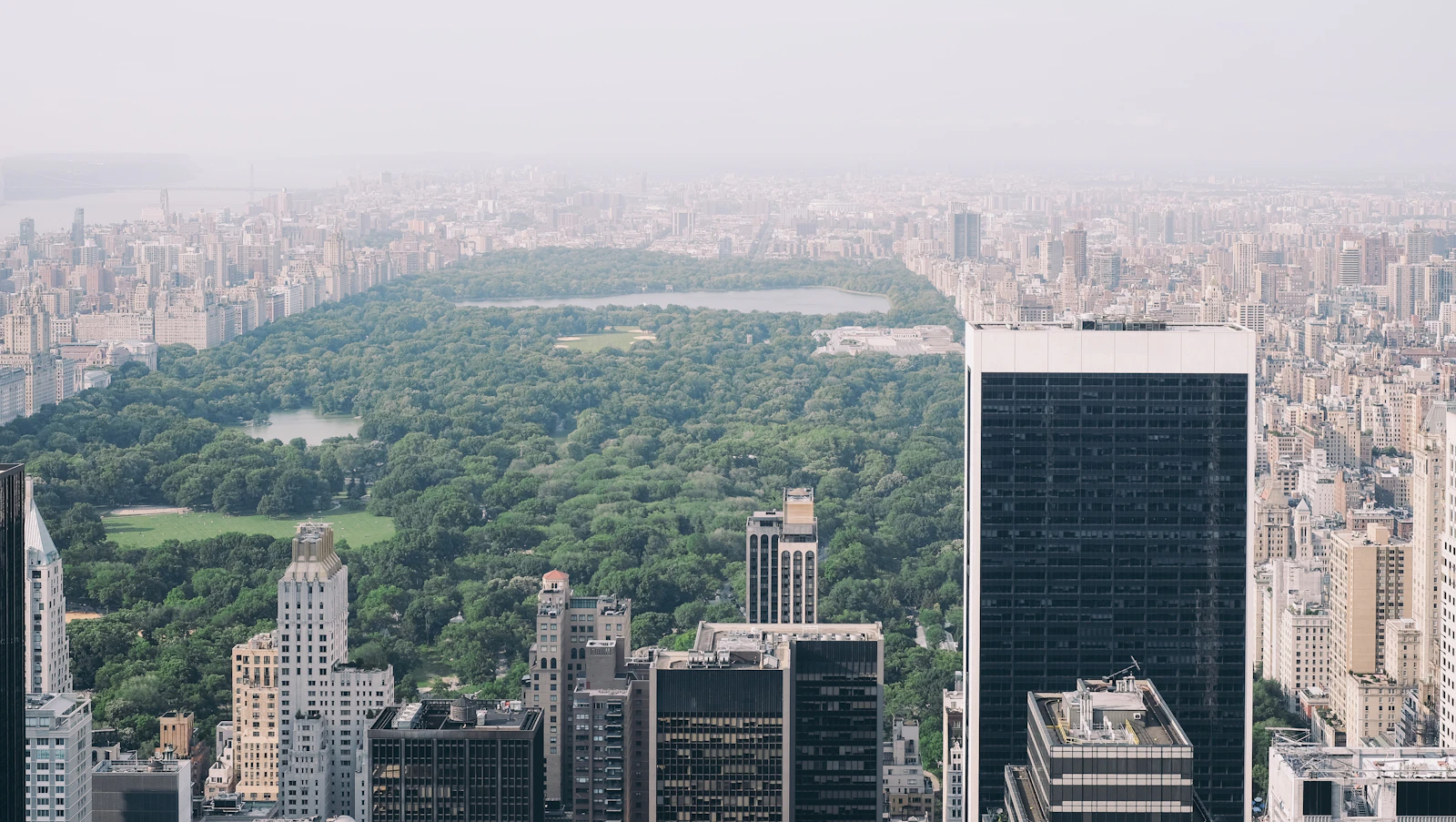 Central Park provides a green escape amid Manhattan's urban density.
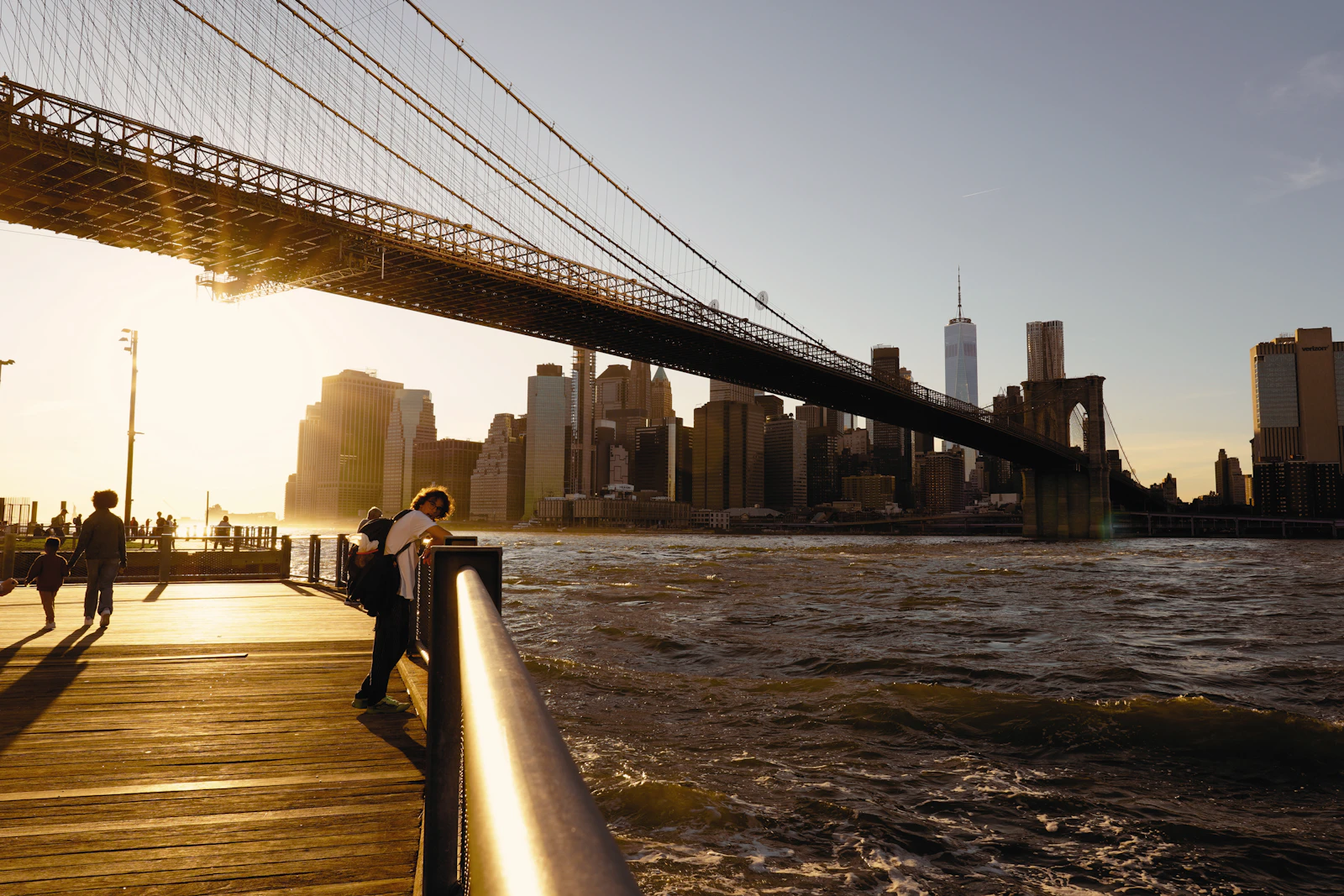 The Brooklyn Bridge connects two boroughs and offers iconic skyline views.
Start with a morning walk through Central Park—enter at 72nd Street on the west side and head to Bethesda Fountain, the park's architectural centerpiece. Continue past the Lake (rowboat rentals available for $20/hour), through The Ramble's wooded trails, and stop at Strawberry Fields, the John Lennon memorial mosaic near the Dakota building where he lived. The park is 843 acres—you won't see it all, and you shouldn't try. Two hours of wandering captures its magic.
Midday: Metropolitan Museum of Art
The Met ($30 suggested admission for out-of-state visitors, includes same-day entry to The Cloisters) is overwhelming by design—over 2 million works across 5,000 years. Don't attempt everything. Choose two or three wings: the Temple of Dendur (an actual Egyptian temple in a glass-walled gallery), the European Paintings collection (Vermeer, Rembrandt, El Greco), or the American Wing with its period rooms and Emanuel Leutze's massive Washington Crossing the Delaware. The rooftop garden (open spring through fall) offers Central Park views and a bar. Allow 2-3 hours for a focused visit.
Afternoon: Fifth Avenue and Midtown
Walk south down Fifth Avenue past the Plaza Hotel, the flagship Apple Store's glass cube, and St. Patrick's Cathedral (free entry, stunning interior). At 50th Street, you'll hit Rockefeller Center—Top of the Rock observation deck ($43, open until midnight) offers views superior to the Empire State Building because you can actually see the Empire State Building from here. Duck into Grand Central Terminal to admire the Beaux-Arts main concourse with its painted celestial ceiling—one of the most beautiful rooms in America.
Evening: Broadway
Catch a Broadway show—this is non-negotiable in New York. Perennial favorites include The Lion King (running since 1997, still spectacular), Wicked, Hamilton (if you can get tickets), and Chicago. TKTS booth in Times Square sells same-day discounted tickets from 3pm (matinees from 10am on Wednesdays and Saturdays). Expect to pay $80-150 for discounted seats, $150-350 for full price. Dinner in Hell's Kitchen before the show—Don Antonio for Neapolitan pizza or Becco for unlimited pasta at $27.95—keeps you close to the theater district.
Times Square is worth seeing once—preferably at night for the full neon assault—but don't eat there. Walk one block west to Ninth Avenue in Hell's Kitchen for better, cheaper food at every price point.
Day 3: Neighborhoods and Boroughs
Today you leave the tourist circuit and discover the neighborhoods that make New York genuinely special.
Morning: High Line and Chelsea
Walk the High Line—an elevated park built on a former freight railway line, running 1.45 miles through Chelsea from Gansevoort Street to 34th Street. Start at the southern end for the best flow, passing through gardens, art installations, and framed views of the Hudson River. Below the High Line's southern terminus, Chelsea Market (open 7am-9pm) is a food hall in a former Nabisco factory—Los Tacos No. 1 serves the best quick tacos in Manhattan ($4 each), and Lobster Place does a solid lobster roll for $22. Browse but don't linger—Chelsea's 200+ art galleries await.
Midday: Greenwich Village
Wander Greenwich Village's tree-lined streets, historic brownstones, and Washington Square Park—where NYU students, street performers, and chess hustlers create the quintessential New York scene under the iconic arch. This is the NYC of Bob Dylan, the Beat poets, and Stonewall. Stop at Caffe Reggio (since 1927, claims to have introduced cappuccino to America) for an espresso, or grab a legendary slice at Joe's Pizza on Carmine Street ($3.75 for a cheese slice, cash preferred, always a line but it moves fast).
Afternoon: SoHo and Nolita
Browse SoHo's cast-iron architecture—look up at the ornate building facades, originally warehouses now housing designer boutiques and galleries. The shopping is world-class but pricey. Continue east to Nolita (North of Little Italy), a quieter neighborhood with independent shops, excellent coffee at Cafe Integral, and some of the best casual restaurants in the city. Detour through what remains of Little Italy on Mulberry Street—it's mostly tourist restaurants now, but the atmosphere is fun.
Evening: East Village or Williamsburg
Dinner and nightlife in the East Village is peak New York. Veselka (24 hours, Ukrainian comfort food, cash and card) serves borscht and pierogies that have fueled the neighborhood since 1954. Russ & Daughters Cafe on Orchard Street elevates Jewish deli food to an art form—the super heebster sandwich ($21) is transcendent. For bars, try McSorley's Old Ale House (cash only, two choices: light or dark, New York's oldest bar since 1854) or the speakeasy-style Please Don't Tell (reservations via hot dog shop next door, seriously). Alternatively, take the L train to Williamsburg, Brooklyn for waterfront rooftop bars, craft breweries, and a younger creative scene.
Day 4: Culture and Departure
Use your final day for one more major museum and last explorations before heading home.
Morning: MoMA or Guggenheim
MoMA ($25 admission, opens at 10:30am) houses modern art's greatest hits in a sleek Midtown building—Van Gogh's The Starry Night, Warhol's Campbell's Soup Cans, Picasso's Les Demoiselles d'Avignon, and Monet's Water Lilies triptych in a room of their own. Allow 2-3 hours. Alternatively, the Guggenheim ($30, designed by Frank Lloyd Wright) is worth visiting for the architecture alone—the spiraling white interior is one of the most iconic museum spaces ever built. Walk the ramp from top to bottom for the intended experience.
Midday: Upper East Side or Harlem
Explore the Upper East Side's Museum Mile along Fifth Avenue—even if you don't go inside, the buildings themselves are spectacular. Or venture uptown to Harlem for a completely different energy: Sylvia's Restaurant (since 1962) serves soul food—fried chicken, collard greens, and cornbread—that defines the genre. On Sunday mornings, gospel services at churches like Abyssinian Baptist welcome visitors (arrive by 9:30am, dress respectfully).
Afternoon: Final Experiences
Return to favorites or check off remaining desires:
- Empire State Building observation deck ($44 for main deck on 86th floor, open until 2am—consider a late visit for nighttime views)
- Chinatown for dim sum at Nom Wah Tea Parlor (since 1920, the original dumpling house)
- The Vessel at Hudson Yards (free timed tickets, striking honeycomb architecture)
- One more slice of pizza—you've earned it
Before the Airport
JFK is 45-60 minutes by AirTrain ($8.50) + subway. LaGuardia takes 45-60 minutes by Q70 bus + subway. Newark (EWR) is 40-60 minutes by AirTrain + NJ Transit ($15.25 total). All airports are subject to brutal traffic variability—allow 2.5 hours minimum for any airport trip, and take public transit whenever possible. Rush hour (4-7pm) can double taxi and rideshare times.
Eat, Drink, and Savor
Essential NYC Foods
- Pizza: Joe's Pizza on Carmine Street for the classic thin-crust foldable slice ($3.75). Prince Street Pizza for the square pepperoni ($5.50, expect a 20-minute line). Lucali in Brooklyn for full pies in a candlelit BYOB setting (arrive 30 minutes before the 6pm opening, cash only).
- Bagels: Russ & Daughters on Houston Street for the full experience—lox, cream cheese, capers on an everything bagel ($16-20). Ess-a-Bagel on Third Avenue for puffy, oversized classics. Absolute Bagels on Broadway near Columbia for locals' favorite.
- Deli: Katz's Delicatessen on Houston Street for pastrami on rye ($27, outrageously large)—do not lose your ticket or you'll pay $50. Cash and card accepted.
- Chinese: Skip Manhattan's Chinatown for authentic food and head to Flushing, Queens (7 train to Main Street) for the best Sichuan, Shanghainese, and dim sum in the Western Hemisphere. In Manhattan, Nom Wah Tea Parlor serves solid dim sum in a historic setting.
- Dollar Slice: Late-night standing pizza at 2am from a no-name shop on a random corner—essential NYC. 2 Bros Pizza and 99 Cent Fresh Pizza are the reliable chains.
Neighborhood Food Highlights
- East Village / Lower East Side: The most exciting food neighborhood—everything from Ukrainian pierogies at Veselka to izakayas on St. Marks Place to the innovative tasting menus at spots like Dhamaka (Indian, book weeks ahead).
- Hell's Kitchen (Ninth Avenue): International restaurants at every price point—Thai at Pam Real Thai, Ethiopian at Awash, Mexican at Tehuitzingo Deli (a tiny counter with $10 tacos that rival anything in the city).
- Williamsburg, Brooklyn: Brunch capital—Diner under the bridge for farm-to-table, Peter Luger for the most famous (and expensive, $60+) steak in New York (cash or Peter Luger debit card only, no credit cards).
Drinks and Nightlife
New York's bar scene spans craft cocktail temples to divey neighborhood joints. Attaboy on the Lower East Side (no menu, the bartender makes what you need) is a cocktail pilgrimage site. Dead Rabbit in the Financial District regularly ranks among the world's best bars. For rooftop drinks with skyline views, Westlight in Williamsburg and Bar SixtyFive at Rockefeller Center deliver. Craft beer lovers should hit Other Half Brewing in Brooklyn. Expect cocktails at $16-22 and beers at $8-12 citywide.
Cultural Experiences Not to Miss
Broadway and Off-Broadway Theater
New York's theater scene is unmatched anywhere in the world. Beyond the big-name musicals, off-Broadway shows offer more adventurous work at lower prices ($40-80)—check venues like The Public Theater (where Hamilton premiered), Playwrights Horizons, and New York Theatre Workshop. For something truly unique, Sleep No More at the McKittrick Hotel is an immersive, wordless Macbeth adaptation where you wander freely through a five-story set wearing a mask ($120-180). The TKTS booth at Times Square and the TodayTix app are your best tools for last-minute discounted tickets.
Neighborhood Food Exploration
Skip the organized food tours and create your own. A self-guided eating walk through the Lower East Side could include a knish at Yonah Shimmel (since 1910), pickles from The Pickle Guys on Grand Street, a pastrami sandwich at Katz's, and ice cream at Morgenstern's—all within a 15-minute walking radius. In Flushing, Queens, navigate the food courts beneath the New World Mall for hand-pulled noodles, lamb skewers, and soup dumplings that cost $5-10 per dish. This is where New Yorkers actually eat.
Gallery Walks in Chelsea and the Lower East Side
Chelsea's 200+ galleries are concentrated between 19th and 28th Streets west of Tenth Avenue, and nearly all are free to enter—Tuesday through Saturday, 10am-6pm. Major galleries like Gagosian, David Zwirner, and Pace show museum-quality work in industrial-scale spaces. The Lower East Side gallery scene along Orchard and Rivington Streets is scrappier and more experimental. Thursday evening openings often include free wine—check listings on ArtNet or GalleriesNow.
Practical Tips for Travelers
Language
English is the primary language, but you'll hear dozens of others on any given subway ride. Service workers in tourist areas speak English fluently. In ethnic neighborhoods—Chinatown, Jackson Heights, Brighton Beach—pointing at menus and using translation apps works fine.
Etiquette
Tipping is not optional in New York—it's how service workers earn their living. Tip 18-22% at sit-down restaurants (on the pre-tax total), $1-2 per drink at bars, $2-5 for hotel housekeeping per night, and 15-20% for taxis. Walking etiquette matters: stay to the right on sidewalks, don't stop in the middle of the sidewalk to check your phone (step to the side), and stand right/walk left on escalators. New Yorkers move fast and will let you know if you're blocking the flow.
Safety
New York is one of the safest large cities in America, but common sense applies. The subway is safe at all hours but can feel uncomfortable late at night on less-traveled lines—sit in the conductor's car (middle of the train, look for the black-and-white striped board on the platform). Watch for pickpockets in crowded tourist areas—Times Square, the subway during rush hour, and busy sidewalks. Keep your phone secure; phone snatching near subway doors (grab and run as doors close) happens occasionally. Avoid deserted parks after dark. Overall, millions of tourists visit safely every year—just stay aware.
Beware of common NYC tourist scams: CD sellers in Times Square who demand payment after handing you a "free" CD, costumed characters who aggressively demand tips for photos, and three-card monte games on the street. Just say no and keep walking.
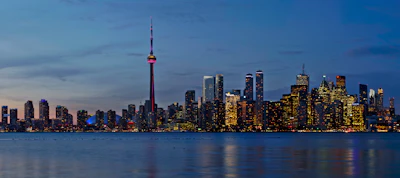
If you have extra days, consider combining your New York City trip with Toronto and San Francisco — all easy to reach and covered in our PTO-optimized travel guides.
Quick Takeaways
- Book Statue of Liberty, Broadway, and popular restaurants in advance—NYC rewards planners.
- The subway goes everywhere—get a 7-day unlimited MetroCard ($34) and learn the basics before arriving.
- Times Square: see once at night for the spectacle, eat never.
- Neighborhoods define NYC—explore the East Village, Chelsea, DUMBO, and Williamsburg beyond Midtown.
- Tipping is mandatory: 18-22% at restaurants, $1-2 per drink at bars.
- Budget $180-250/day for comfortable mid-range travel, excluding accommodation.
- The best food in New York is rarely in the most famous restaurants—follow the lines at the $4 taco spots.
- Walk as much as possible—the city reveals itself on foot, one block at a time.
- Use the Holiday Optimizer PTO calendar to plan which days to take off for your New York City trip.
Conclusion
Four days in New York City captures the essential energy of the world's most ambitious city—iconic landmarks that live up to their reputations, museums that redefine what art can be, neighborhoods that each feel like a different country, and food that ranges from $1.50 pizza slices to $500 tasting menus with equal conviction. This guide provides structure while leaving room for the spontaneous discoveries that define the experience: the jazz spilling out of a Village basement, the perfect sunset from the Brooklyn Bridge, the street corner where three languages overlap and nobody blinks.
You'll leave New York exhausted in the best possible way—feet sore, stomach full, phone bursting with photos, and head swimming with the realization that you barely scratched the surface. That's the paradox of this city: four days is enough to fall in love, but a lifetime isn't enough to know it completely. Start planning your PTO around the best travel windows and come back for more.
Ready to maximize your time off?
Find the best NYC travel windows
Frequently Asked Questions
-
Is four days enough for NYC? Yes, for the essential highlights and a solid taste of 3-4 neighborhoods. You'll cover the major landmarks, one or two world-class museums, a Broadway show, and enough food to understand why the city is a culinary capital. NYC rewards return visits—think of your first trip as the foundation.
-
Is NYC safe for tourists? Yes. New York is statistically one of the safest large cities in the US. Tourist areas like Midtown, the Village, and Brooklyn waterfront are well-patrolled. The subway is safe but stay alert late at night—sit in the conductor's car and avoid empty cars. Use normal urban awareness and you'll be fine.
-
How much should I budget per day? Excluding accommodation, budget $100-150 for a frugal trip (street food, subway, free attractions), $180-250 for mid-range (sit-down meals, museums, a Broadway show), or $350+ for premium experiences. Accommodation runs $180-400/night depending on neighborhood and season.
-
What's the best way to get Broadway tickets? The TKTS booth in Times Square sells same-day tickets at 20-50% off—arrive 30 minutes before the 3pm opening for the best selection. The TodayTix app offers digital lotteries and rush tickets. For specific shows, book directly through the show's website 2-4 weeks ahead. Student and senior rush tickets ($30-40) are available at many box offices when doors open.
-
Should I get a MetroCard or use OMNY? If you're staying four days and plan to ride the subway frequently, a 7-day unlimited MetroCard ($34) is the best deal—it pays for itself after 12 rides. OMNY (tap your contactless credit card or phone) automatically caps at $34 for 7 days, so it's equally economical and more convenient. Either way, skip taxis for most trips.
Share Your Thoughts
Did this guide help you plan your New York City long weekend? Share it with friends and tell us which neighborhood you're most excited to explore—whether it's the dive bars of the East Village, the galleries of Chelsea, or the dumpling houses of Flushing.