New York City in 7-9 Days: Extended Vacation Itinerary to Maximize PTO in 2026
Plan an extended NYC adventure with a comprehensive 7-9 day itinerary including all five boroughs, multiple Broadway shows, museum deep dives, and local neighborhood experiences for 2026.
Introduction
A week or more in New York City transforms a visit into urban immersion. While four days covers the highlights, seven to nine days allows you to explore all five boroughs, catch multiple Broadway shows, dive deep into world-class museums, and discover the neighborhood gems that locals treasure. You stop being a tourist checking boxes and start understanding the rhythms that make eight million people choose this chaotic, expensive, magnificent city as home. Use this guide to plan your extended trip.
The extra days are where NYC reveals itself. You will eat dim sum in Flushing at 9am, catch a matinee off-Broadway in the afternoon, and find yourself at a jazz club in Harlem by midnight—all without feeling rushed. This extended guide provides a comprehensive itinerary balancing iconic experiences with authentic city life, giving you a framework to experience not just Manhattan's greatest hits but the Brooklyn, Queens, and Bronx neighborhoods that define modern New York.
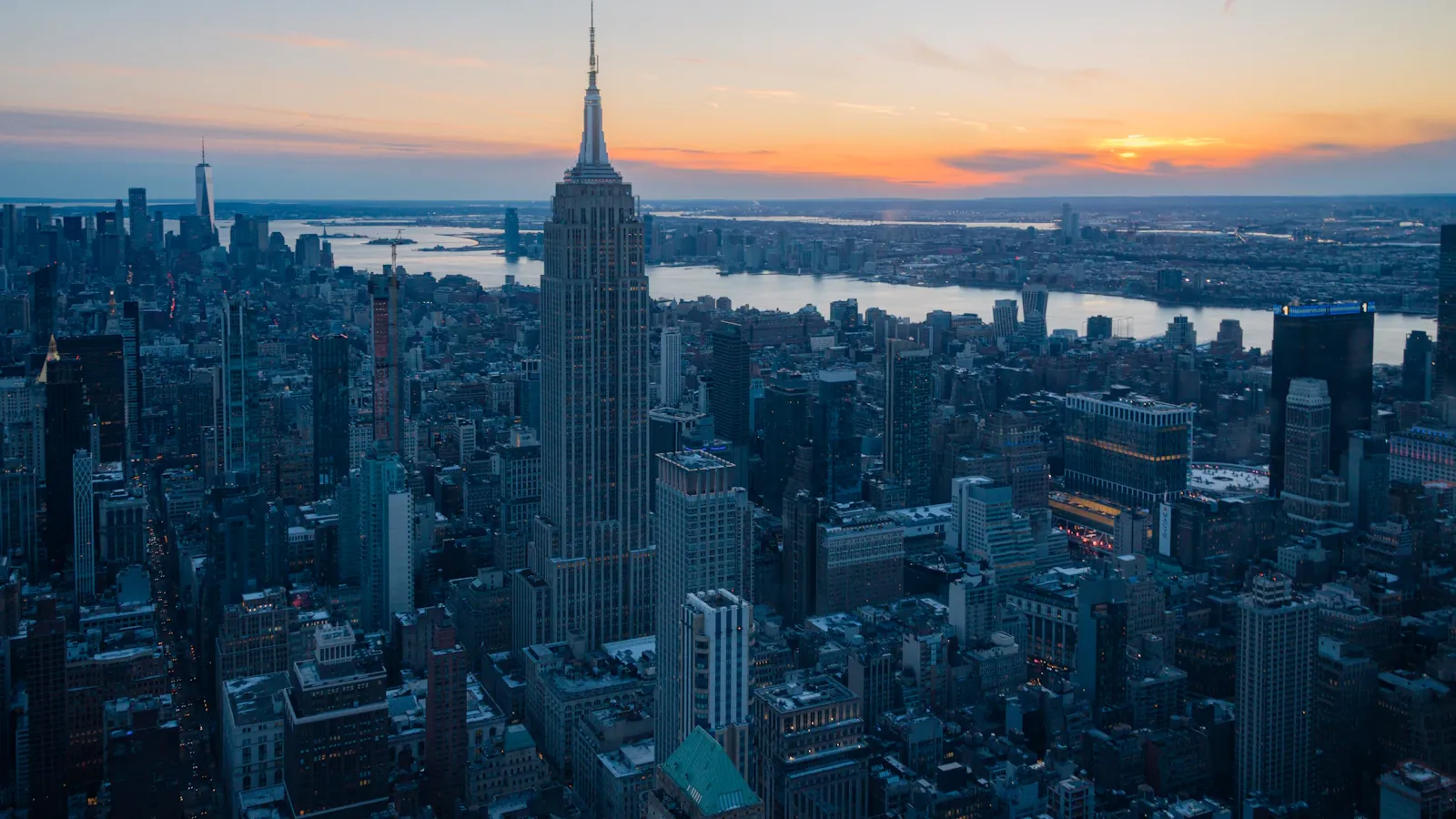
 The NYC skyline is instantly recognizable worldwide.
Short on time? See our New York City 4-day itinerary for a focused long-weekend plan. Use our PTO optimizer to find the best days to take off around your trip dates.
Why an Extended NYC Trip Is Worth It
Borough Exploration
Manhattan is just one of five boroughs, and arguably not the most interesting one anymore. Extended stays allow exploration of Brooklyn's neighborhoods—from Williamsburg's creative energy to Park Slope's brownstone elegance to Red Hook's waterfront grit. Queens is the most ethnically diverse urban area on Earth: Flushing's Chinatown rivals anything in Asia, Jackson Heights' Little India serves dosas that compete with Chennai, and Astoria's Greek tavernas pour ouzo until 2am. The Bronx is in the middle of a cultural renaissance, with Arthur Avenue offering Italian food that embarrasses Manhattan's Little Italy, and the South Bronx street art scene rivaling Bushwick. Even Staten Island earns a visit—the free ferry ride alone delivers the best skyline views in the city.
Museum Depth
The Metropolitan Museum of Art alone could occupy three full days. Its Egyptian wing houses the complete Temple of Dendur. Its European painting galleries rival the Louvre. Add MoMA (Van Gogh's Starry Night, Warhol's Campbell's Soup Cans), the Guggenheim (Frank Lloyd Wright's spiral alone is worth admission), the Whitney (the definitive American art collection), the American Museum of Natural History (the planetarium show is genuinely awe-inspiring), and the Frick Collection (old-world elegance in a Gilded Age mansion)—a week allows you to give each museum the 3-4 hours it deserves rather than sprinting through highlights.
The Rhythm of Real NYC
Four days means constant motion. Seven days means you develop habits—a morning coffee spot, a preferred subway route, a neighborhood you return to because the first visit left you curious. You start to understand why New Yorkers walk so fast (they have somewhere to be) and why they are blunt (efficiency, not rudeness). Extended stays transform the city from a spectacle into a place you actually know.
Days 1-4: Core NYC
Follow the 4-day itinerary covering Statue of Liberty, Lower Manhattan, Brooklyn Bridge, Central Park, the Met, Broadway, the High Line, Chelsea, Greenwich Village, SoHo, and MoMA. Those four days establish the Manhattan foundation. Everything that follows builds on it.
Day 5: Brooklyn Deep Dive
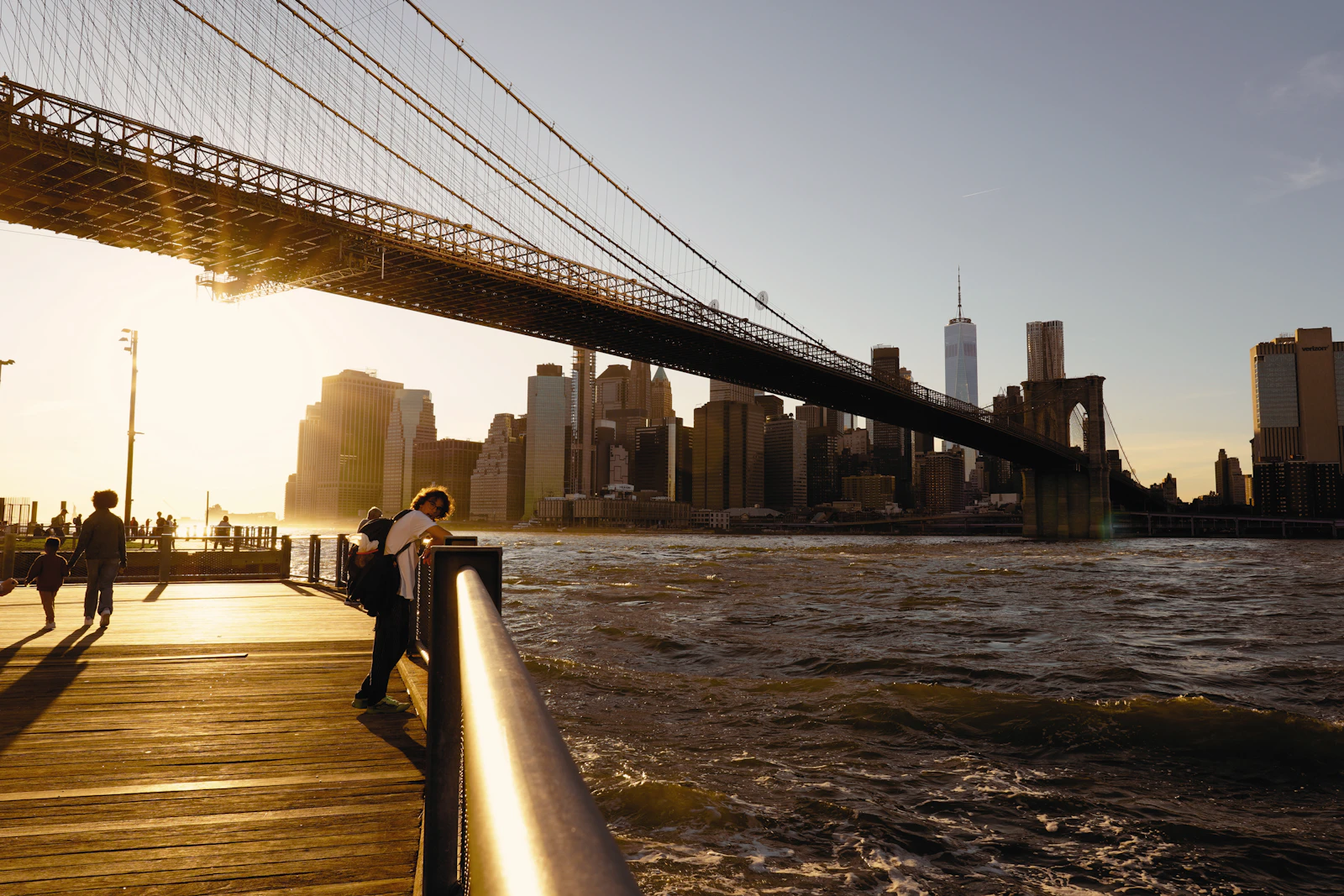 Brooklyn Bridge connects Manhattan to Brooklyn's vibrant neighborhoods.
Morning: Williamsburg
Take the L train to Bedford Avenue and step into Williamsburg's creative epicenter. Start at Devocion (69 Grand Street) for some of the best coffee in the city—Colombian beans roasted on-site in a gorgeous greenhouse space. From there, walk along Bedford Avenue, the neighborhood's main artery, browsing vintage shops like Beacon's Closet and independent bookstores. The waterfront at Domino Park offers stunning Manhattan skyline views and is perfect for morning photos. If you are here on a weekend, the Smorgasburg food market (April through October, Saturdays at East River State Park) features 100+ food vendors—arrive by 11am before the crowds peak.
TKTS booths in Times Square sell same-day Broadway tickets at 20-50% off—arrive when they open for the best selection. The Downtown Brooklyn TKTS booth at MetroTech has shorter lines.
Afternoon: Brooklyn Heights and DUMBO
Walk south along the waterfront or take the East River Ferry to DUMBO (Down Under the Manhattan Bridge Overpass). The cobblestone streets framed by the Manhattan Bridge create the most photographed view in Brooklyn—stand at the intersection of Washington and Water Streets for the classic shot. Browse Powerhouse Arena bookshop and the galleries along Pearl Street. Continue to the Brooklyn Heights Promenade, a half-mile walkway perched above the BQE with unobstructed views of Lower Manhattan, the Statue of Liberty, and the Brooklyn Bridge. This is the finest free view in all of New York. Grab lunch at Time Out Market in DUMBO for diverse options under one roof, or walk to Grimaldi's on Old Fulton Street for coal-fired pizza ($20-25 for a large pie, cash only, expect a line).
Evening: Bushwick or Park Slope
For nightlife and art, head to Bushwick on the L train—the former industrial neighborhood is now covered in murals (walk along Troutman and Jefferson Streets for the best concentration) and packed with bars like House of Yes (performance art meets dance party) and Roberta's (wood-fired pizza in a graffiti-covered warehouse, open late). If you prefer a mellower evening, Park Slope offers brownstone-lined streets, excellent restaurants like Al Di La (Venetian Italian, $18-30 entrees, reservations essential) on Fifth Avenue, and a neighborhood atmosphere that feels like a small town transplanted into a city of millions.
Day 6: Queens and the Bronx
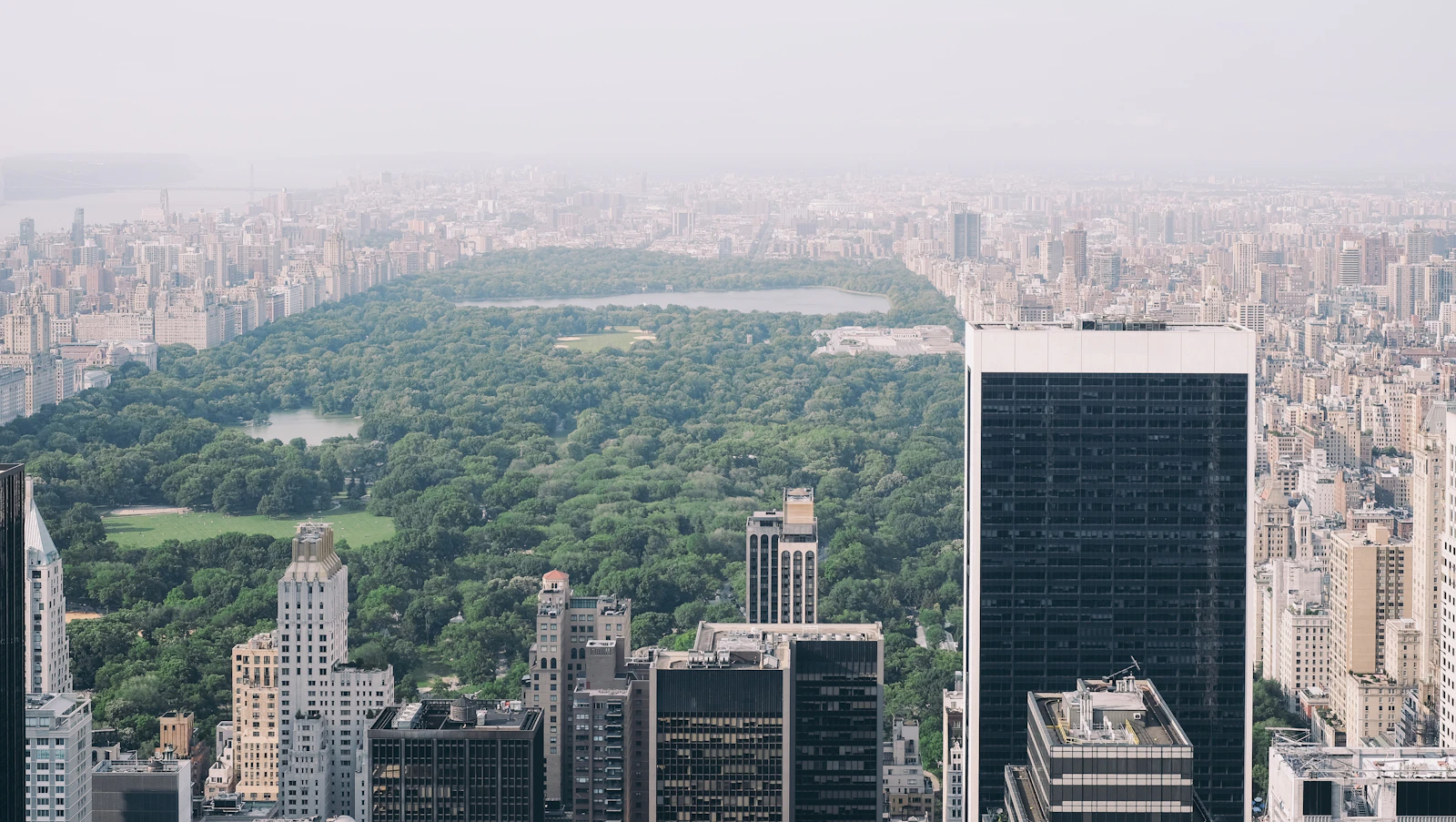 Central Park offers a green escape amid the urban density of Manhattan.
Morning: Flushing, Queens
Take the 7 train to its final stop—Flushing-Main Street—and enter what is arguably the best food neighborhood in America. Flushing is NYC's most authentic Asian neighborhood, and this is where Chinese and Korean New Yorkers actually eat. Start at the New World Mall food court (basement level, 40-22 Main Street) for hand-pulled noodles at Lanzhou Handmade Noodle ($8-12 per bowl, no English menu needed—point at what looks good) or Sichuan dishes at Chengdu Heaven. Walk to Nan Xiang Xiao Long Bao (38-12 Prince Street) for soup dumplings that rival Shanghai's best—8 dumplings for about $10. The surrounding blocks are dense with bakeries, tea shops, and produce markets. Allow 2-3 hours for proper exploration. Nearby Jackson Heights (one stop further on the 7 train, or a short bus ride) is NYC's Little India and Little Colombia—grab a dosa at Jackson Diner ($8-14) or empanadas from a street vendor.
Afternoon: The Bronx
Take the 4 train north to the Bronx. If you love gardens, the New York Botanical Garden ($23-35 depending on exhibitions) in Fordham is 250 acres of stunning landscapes—the Haupt Conservatory alone houses a tropical rainforest under Victorian glass. If you prefer animals, the Bronx Zoo ($30-42, free on Wednesdays with suggested donation) is one of the largest urban zoos in the world. Either attraction takes 3-4 hours to do properly.
After, head to Arthur Avenue in Belmont—NYC's real Little Italy and a world away from Manhattan's tourist trap version on Mulberry Street. Walk through the Arthur Avenue Retail Market (an indoor market since 1940) for fresh mozzarella at Mike's Deli, pick up cannoli at Madonia Brothers Bakery, and sit down for a proper Italian-American dinner at Roberto's (603 Crescent Avenue, $18-35 entrees) or Tra Di Noi ($20-38 entrees, BYOB, cash preferred). The portions are enormous. The prices are half what you would pay in Manhattan for food twice as good.
Evening: Yankee Stadium or The Bronx
If the Yankees are playing (April through October, tickets $15-80+ depending on seats), a game at Yankee Stadium is quintessential New York. Even if you don't care about baseball, the atmosphere is electric. Grab a sausage and pepper hero from the stands and soak in the energy. If no game is on, head to the rooftop at Bronx Beer Hall on Arthur Avenue for local craft beer, or take the train back to Manhattan and catch a late show.
Day 7: Museum Day and The Cloisters
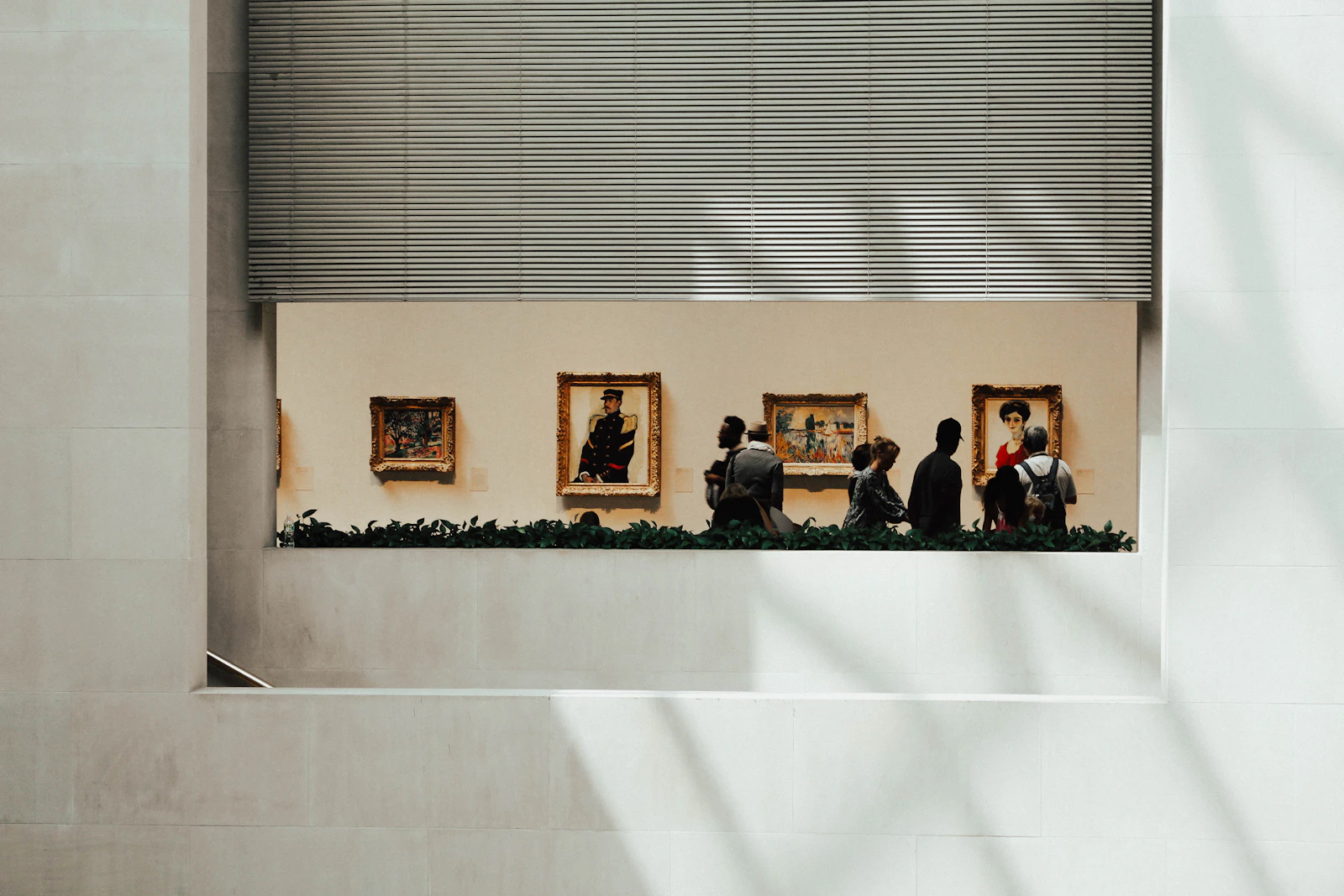 New York's world-class museums deserve multiple visits on an extended trip.
Morning: The Cloisters
Start your day at The Cloisters, the Met's medieval art branch in Fort Tryon Park at the northern tip of Manhattan. Take the A train to 190th Street and walk through the park—the Hudson River views alone are worth the trip. The museum ($30, included with Met admission if used within 3 consecutive days) is built from actual medieval European monastery cloisters, reassembled stone by stone in 1930s New York. The Unicorn Tapestries, the Romanesque chapel, and the herb garden planted with species documented in medieval texts create an atmosphere that feels transported from 12th-century France. Allow 2-3 hours and plan to have lunch at the New Leaf restaurant in the park.
Afternoon: Return to a Favorite Museum
With a week in the city, revisit the museum that captivated you most:
- The Met: Explore entire wings you missed—the American Wing, the Costume Institute, the rooftop garden (seasonal, with skyline views and a bar)
- American Museum of Natural History: The Hayden Planetarium's Dark Universe show ($28) is narrated by Neil deGrasse Tyson and genuinely spectacular. The dinosaur halls on the fourth floor deserve an hour alone
- Whitney Museum: American art from Hopper to Basquiat, with outdoor terraces overlooking the High Line and the Hudson—the building itself is a Renzo Piano masterpiece
- The Frick Collection: Reopened in its original Gilded Age mansion on 70th Street, this intimate museum houses Vermeer, Rembrandt, and Bellini in rooms that feel like a private home
Evening: Harlem
Head uptown for dinner in Harlem. Sylvia's (328 Malcolm X Boulevard) is the iconic soul food destination—fried chicken, collard greens, mac and cheese, cornbread ($15-25 per plate). For something more modern, Red Rooster (310 Lenox Avenue, reservations essential, $22-38 entrees) by chef Marcus Samuelsson blends Southern comfort food with global influences. After dinner, catch live jazz at Bill's Place (148th Street, $20 cover, BYOB, intimate 30-seat room) or Minton's Playhouse (206 W 118th Street), the birthplace of bebop where Dizzy Gillespie and Thelonious Monk once played.
Days 8-9: Flexible Extensions
With 8-9 days, you have earned the luxury of slowing down or venturing further. Pick one or two of these options depending on your energy and interests.
Option A: Hudson Valley Day Trip
The Hudson Valley is 60-90 minutes north by Metro-North train from Grand Central and offers a dramatic change of pace. Cold Spring (train to Cold Spring station, $13.75 each way) is a charming village on the Hudson with antique shops, hiking trails, and waterfront views—walk Main Street, have lunch at Hudson Hil's ($14-22), and hike Breakneck Ridge if you want a serious workout with panoramic views. Storm King Art Center ($22, open April-November) in nearby New Windsor is a 500-acre outdoor sculpture park with massive works by Calder, Serra, and Goldsworthy set against rolling hills—one of the great art experiences in the northeastern United States. Dia:Beacon ($20, Beacon station) houses monumental works by Dan Flavin, Richard Serra, and Andy Warhol in a converted Nabisco factory. You can combine Cold Spring and Dia:Beacon in a single day.
Option B: More Broadway and Theater
NYC theater extends far beyond the big musicals. With extra days, explore the depth of the scene. Catch an off-Broadway show at theaters like Playwrights Horizons (42nd Street), New York Theatre Workshop (East 4th Street, where Rent premiered), or the Public Theater (Lafayette Street, where Hamilton was born). Tickets run $40-90, a fraction of Broadway prices, and the work is often more inventive. In summer, Shakespeare in the Park at the Delacorte Theater in Central Park is free—line up at the park by 10am or try the digital lottery for evening performances. For experimental work, check HERE Arts Center or La MaMa in the East Village. A two-show day—matinee off-Broadway, evening on Broadway—is one of the great NYC indulgences.
Option C: Neighborhood Deep Dives
Spend full days in neighborhoods you have only glimpsed:
- Harlem: Beyond restaurants, walk Strivers' Row (138th-139th Streets between Frederick Douglass and Adam Clayton Powell Boulevards) for stunning early 1900s townhouses. Visit the Studio Museum in Harlem (reopened on 125th Street) for contemporary Black art, and catch a Sunday morning gospel service at Abyssinian Baptist Church (arrive by 9am for the 11am service, free but dress respectfully)
- Astoria, Queens: The city's Greek neighborhood is also one of its most diverse. Eat at Taverna Kyclades ($16-28 entrees, cash only, expect a wait—the grilled octopus is transcendent), drink at one of the massive beer gardens like Bohemian Hall (the oldest in NYC, since 1910), and visit the Museum of the Moving Image ($15) for a deep dive into film, TV, and digital media
- Red Hook, Brooklyn: An isolated waterfront neighborhood with no subway access (take the B61 bus from Smith-9th Street station) that rewards the effort. Browse Pioneer Works (a free art and science center in a converted factory), eat Key lime pie at Steve's Authentic (a tiny counter-service legend), and watch container ships glide past from Valentino Pier with the Statue of Liberty framed against the sunset
Option D: Governors Island and Lower Manhattan Revisit
Take the free ferry (weekends, or $4 on weekdays) from the Battery Maritime Building to Governors Island, a 172-acre park in New York Harbor that was off-limits to the public for 200 years. Rent bikes ($20/3 hours), explore the art installations and gardens at The Hills (with 360-degree views of the harbor), and visit the free exhibitions. It feels impossibly peaceful for being ten minutes from Wall Street. Combine this with a deeper exploration of Lower Manhattan neighborhoods you likely rushed through on Day 1—wander the narrow streets of the Financial District, have lunch at the Oculus (the Santiago Calatrava-designed transit hub), and explore Stone Street, a pedestrian-only cobblestone lane lined with outdoor bars and restaurants that transforms into a block party on warm evenings.
Travel Costs and Budgeting
| Category | Daily Range |
|---|---|
| Accommodation | $150-350 |
| Food | $50-100 |
| Activities | $30-60 |
| Transport | $15-30 |
| Daily total | $245-540 |
| 7-day total | $1,715-3,780 |
New York is expensive, but it does not have to be ruinous. Accommodation is the biggest variable—a hotel in Midtown Manhattan will run $250-400/night, while an Airbnb in Williamsburg or Astoria can be $120-180/night with far more character. For a week-plus stay, apartments with kitchens dramatically reduce food costs.
To maximize your days off without extra PTO, use the free Holiday Optimizer to find bridge days around public holidays for your New York City trip.
Cost-Saving Tips
- OMNY/MetroCard: A single subway ride is $2.90. If you ride 12+ times per week, the fare is automatically capped at $34 (7-day equivalent). Use OMNY contactless payment with any tap-enabled credit card
- Free museums: The Met has a "pay what you wish" policy for New York State residents. MoMA is free on Friday evenings (5:30-9pm). The American Museum of Natural History has suggested admission. Many Chelsea galleries are always free
- Dollar pizza: Not a joke. $1-1.50 slices at spots like 2 Bros or 99 Cent Fresh Pizza are genuinely decent late-night fuel
- Happy hours: NYC bars compete fiercely for the after-work crowd. $6-8 craft beers and $8-12 cocktails are common from 4-7pm, versus $15-20 at full price
- CityPASS or New York Pass: If you plan to hit 4+ major paid attractions (Statue of Liberty, Empire State Building, Top of the Rock, museums), a CityPASS ($129 for 5 attractions) saves roughly 40%
- Eat in the outer boroughs: A full meal at a Flushing food court costs $8-12. The same quality in Midtown would be $25-35. Some of the best food in the city is also the cheapest, if you are willing to ride the 7 train
- Free entertainment: Central Park concerts, the Staten Island Ferry (free, best skyline views in the city), Washington Square Park buskers, and street performers across the city provide world-class entertainment at no cost
Cultural Experiences Not to Miss
Broadway and Off-Broadway Theater
New York City has over 800 languages spoken within its borders, making it the most linguistically diverse city in the world.
With a week in the city, you can see two or three shows and experience the full range of NYC theater. Start with a marquee Broadway production—whatever is winning the Tonys will deliver spectacle and polish. Then add an off-Broadway show for a completely different experience: more intimate venues (100-500 seats), lower ticket prices ($40-90), and often bolder, more experimental work. Sleep No More at the McKittrick Hotel ($100-130) is an immersive, wordless retelling of Macbeth where you wander a five-story warehouse in a mask, following actors through scenes—utterly unlike anything else in theater. The Blue Man Group at the Astor Place Theatre ($70-95) is still weird and wonderful after 30+ years. For comedy, Upright Citizens Brigade and The Comedy Cellar (where Dave Chappelle and Amy Schumer still drop in unannounced) offer $10-20 shows nightly in Greenwich Village.
Neighborhood Food Exploration
New York's food culture operates on a neighborhood-by-neighborhood logic, and a week gives you time to eat your way across it. Do a Chinatown crawl on one day—soup dumplings at Joe's Shanghai (Midtown or Chinatown), roast duck from a Mott Street window, egg tarts from Tai Pan Bakery. On another day, focus on the East Village's Japanese corridor along St. Marks Place—ramen at Ippudo or Totto Ramen, takoyaki from a sidewalk cart, sake at Decibel (a basement izakaya so small you'll miss the entrance). Hit Smorgasburg in Williamsburg for the weekend food market experience, and make one pilgrimage to Katz's Delicatessen on the Lower East Side for the pastrami sandwich ($26, worth every cent, split it with someone—the portion is enormous). The point is not to eat at the most expensive restaurants but to follow the neighborhoods to their best bites.
Gallery Walks in Chelsea and the Lower East Side
New York has the densest gallery scene in the Western Hemisphere, and unlike museums, galleries are free. Chelsea between 19th and 28th Streets west of Tenth Avenue houses over 200 galleries—major names like Gagosian, Pace, David Zwirner, and Hauser & Wirth mount museum-quality exhibitions that change every 6-8 weeks. Thursday evenings are opening night for many galleries, with free wine and a social atmosphere. The Lower East Side gallery scene on and around Orchard Street skews younger and edgier—smaller spaces, emerging artists, more experimental work. Gallery walks are one of NYC's best free activities, and they pair perfectly with neighborhood dining before or after.
Practical Tips for Travelers
Language
English is the lingua franca, but you will hear Spanish, Mandarin, Cantonese, Russian, Korean, Arabic, and hundreds of other languages on any given subway ride. New Yorkers speak quickly and directly—don't mistake efficiency for rudeness. "How ya doin'" is a greeting, not a question. "Excuse me" gets you through any crowd. Service workers in tourist areas speak multiple languages, and Google Translate covers the rest.
Etiquette
Walk fast or move to the right—blocking the sidewalk is the cardinal sin of New York pedestrian culture. On escalators, stand on the right, walk on the left. Tipping is non-negotiable: 18-22% at restaurants (calculate on the pre-tax total), $1-2 per drink at bars, 15-20% for taxis and rideshares, $1-2 per bag for hotel bellhops. Subway etiquette matters—let passengers exit before boarding, do not lean on the pole, and for the love of all things sacred, do not clip your nails on the train. New Yorkers are direct but fundamentally helpful; if you look lost staring at a subway map, someone will ask where you are going.
Safety
New York is statistically one of the safest large cities in the United States. Violent crime in tourist areas is extremely rare. Standard urban awareness applies: keep your phone secure on crowded subway platforms, avoid flashing expensive jewelry, and be aware of your surroundings in less-trafficked areas late at night. The biggest actual risks are aggressive panhandlers in Times Square (ignore them and keep walking), unlicensed "guides" near the Statue of Liberty ferry (buy tickets only from the official NPS website), and the three-card monte hustlers in tourist areas (you will not win, it is a scam). The subway is safe at all hours, though late-night trains can be unpredictable—Uber and Lyft are readily available if you prefer.
Times Square "characters" in costume will aggressively demand tips after photos. Politely decline or agree on a price before posing—$2-5 is standard if you choose to engage.
If you have extra days, consider combining your New York City trip with Toronto and San Francisco — all easy to reach and covered in our PTO-optimized travel guides.
Quick Takeaways
- NYC beyond Manhattan is essential for extended stays—Brooklyn, Queens, and the Bronx have better food and more authentic culture than most of Midtown
- Flushing, Queens offers the city's best authentic Asian food at a fraction of Manhattan prices—take the 7 train to the last stop
- See multiple Broadway and off-Broadway shows—the range of theater is extraordinary, and matinee/evening double-headers are a New York tradition
- Week-long stays allow you to develop neighborhood routines impossible in short visits—find your coffee shop, your corner bar, your preferred subway line
- Buy an OMNY-compatible card or use contactless pay for automatic fare capping on subway and buses—never buy single-ride tickets
- Eat in the outer boroughs for the best value: Arthur Avenue for Italian, Flushing for Chinese, Jackson Heights for Indian, Astoria for Greek
- The CityPASS ($129) saves roughly 40% if you plan to visit four or more major paid attractions
- Walk everywhere you can—Manhattan is a 2-mile-wide island, and the best discoveries happen between destinations
- Use the Holiday Optimizer PTO calendar to plan which days to take off for your New York City trip.
Conclusion
A week in New York City reveals the city beyond tourist Manhattan. The Bronx's revival, Queens' staggering diversity, Brooklyn's creative ambition—these are the NYC that eight million residents actually inhabit. You will ride the subway with commuters at 8am, eat hand-pulled noodles in a Flushing food court at noon, and watch the sun set from a Harlem rooftop bar by evening. Extended stays transform visits into understanding how this impossible, contradictory, magnificent city actually works.
The truth about New York is that four days shows you the highlights and seven days shows you the city. You will leave exhausted—your feet will ache, your wallet will be lighter, and your phone will be full of photos. But you will also leave with the feeling that you did not just see New York. You experienced it. And you will already be thinking about when you can come back, because NYC always has more to reveal.
Ready to maximize your time off?
Find the best NYC travel windows
Frequently Asked Questions
-
Is 7-9 days too long for New York City? Not even close. You could spend a month and not run out of things to do. Seven days lets you cover the essential Manhattan landmarks, explore 2-3 outer borough neighborhoods in depth, see multiple shows, revisit your favorite museum, and still have breathing room. Nine days adds day trips and deeper neighborhood dives. The only people who say a week is too long in NYC are people who never left Midtown.
-
What is the best time to visit New York City? September through November is ideal—warm days, cool evenings, fall colors in Central Park, and cultural season in full swing. April through June is the second-best window with pleasant walking weather and spring blooms. Summer (July-August) is hot and humid but alive with outdoor events, free concerts, and Shakespeare in the Park. Winter (December-February) is cold but magical during the holidays, with cheaper hotel rates in January-February.
-
Where should I stay for a week-long NYC trip? Skip Midtown unless you need to be near Times Square. Williamsburg, Brooklyn offers the best mix of restaurants, nightlife, and Manhattan access via the L train (15 minutes to Union Square). Lower East Side puts you in Manhattan's most vibrant neighborhood at lower prices than Midtown. Astoria, Queens is the budget pick—affordable, excellent food, and 20 minutes to Midtown on the N/W train. For apartments (recommended for week-long stays), budget $150-250/night depending on neighborhood.
-
How do I get from the airports to the city? JFK: AirTrain to Jamaica station ($8.25), then subway or LIRR into Manhattan—total 60-75 minutes, about $11 total. Taxi flat rate to Manhattan is $70 plus tolls and tip. LaGuardia: No train access—take the Q70 bus to the 7 train (free transfer, 45-60 minutes total) or a taxi/rideshare ($30-50). Newark: AirTrain to Newark Liberty station ($8.25), then NJ Transit to Penn Station ($15.25)—about 45 minutes total. Avoid all airports during Friday afternoon rush.
-
Is the subway safe and easy to use? Yes to both. The subway runs 24/7 and covers all five boroughs. Download the MTA app or use Google Maps for real-time directions. Tap any contactless credit card or phone at the turnstile (OMNY system)—no need to buy a MetroCard. The system is safe at all hours, though late-night trains (midnight-5am) run less frequently and can be unpredictable. Rush hour trains (7:30-9:30am, 5-7pm) are packed—avoid carrying large bags during these times. Express trains (look for the white circle on the route map) skip local stops and save significant time on longer trips.
Share Your Thoughts
Did this guide help you plan your New York City extended trip? Share it with friends who are considering a week in the city, and tell us which borough or neighborhood you are most excited to explore. New York rewards curiosity—the more willing you are to venture beyond the obvious, the more the city gives back.