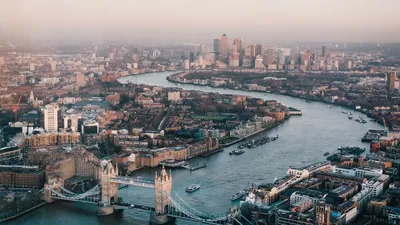
London in 4 Days: Long Weekend Itinerary & PTO Planner for 2026
Plan a London city break with Tower of London visits, South Bank walks, Borough Market dining, West End shows, and practical Oyster card tips for 2026.
Introduction
London is vast, layered, and surprisingly walkable when you plan by neighborhood. Four days is enough to see the royal landmarks, sample a few world class museums, and spend real time in markets and parks. This London 4-day itinerary balances the classic sights with the everyday texture that makes the city feel alive. Use this guide to plan your four-day trip.
You will cover Westminster and the South Bank, choose a museum heavy day in South Kensington, and reserve time for East London markets and neighborhood energy. The pace favors long walks and shorter transit hops so you can absorb the city rather than just cross it.
Expect long walks, lively markets, and a mix of formal landmarks and casual neighborhood streets. The plan keeps mornings focused and evenings loose so you can adapt to weather, crowds, or a place that surprises you.
The aim is to see the big sights and still feel the city's everyday pace.
Planning a longer trip? Check out our extended London itinerary covering 7-9 days of in-depth exploration. Use our PTO optimizer to find the best days to take off around your trip dates.
Why London Is a Must-Visit Destination in 2026
Unmatched Museum Access—Most Are Free
London stands out among European destinations for its unique combination of history, culture, and modern energy. Whether you are visiting for the first time or returning for a deeper look, 2026 is an excellent year to experience what makes this city special.
A Global Capital Where Every Culture Has a Neighborhood
What sets London apart is the way daily life and cultural depth coexist. You will find world-class landmarks alongside neighborhood rhythms that reward slowing down and paying attention.
Planning Your Trip Essentials
London works best when you treat each day as a mini neighborhood loop. Day 1 anchors on Westminster and the South Bank for the classic skyline. Day 2 is the museum district and a quieter evening in nearby streets. Day 3 dives into East London markets and creative neighborhoods. Day 4 is your flexible finish with parks, Notting Hill, or Greenwich depending on your mood.
Each day has one anchor and one flexible add on. That structure helps you adapt to weather and crowds without losing the plot. The London itinerary 4 days plan also acknowledges that the Tube is fast, but walking is where the city feels most vivid. You will use transit to cross the river or jump between districts, then walk once you arrive.
A practical insight is to treat the free museums as half day experiences, not full day marathons. Pick one or two galleries that match your interests, then spend the rest of the day in the surrounding streets. London is a city of neighborhoods, and the context around a museum is often as memorable as the exhibits.
Use the Holiday Optimizer to find the best days to book off around public holidays for your London trip.
Logistics for a London Long Weekend
London is a year round city, but spring and early fall are the easiest for walking. April to June and September to October offer mild weather and long daylight hours. Summer brings crowds and higher prices, while winter is festive but dark and damp. Pack a light rain layer in any season.
Choose a base that keeps you close to the Tube and within walking distance of at least one major area. Covent Garden and Soho are central and great for first timers. South Kensington is calm and close to museums. Bankside and Southwark offer river walks and easy access to multiple lines. Shoreditch is a good choice if you want nightlife and a more creative vibe.
Getting around is simple with contactless payment. You can tap in and out on the Tube and buses without buying a separate card, and the daily fare cap keeps costs predictable. Buses are slower but scenic and often easier than transfers. Walking fills the gaps and gives you the neighborhood feel London is known for.
Plan museum visits for mornings and save afternoons for markets or parks. Queue times can build quickly, especially at popular attractions. Booking timed tickets for paid sites is smart on weekends. The best logistics tip is to avoid trying to cross the city more than once per day. London is large, and backtracking is the fastest way to drain your energy.
Some markets and smaller museums have limited days or shorter hours, so check timing before you lock in a meal plan. If you are flying in, use rail links from major airports when possible to save time and avoid traffic. A small day bag, a light rain layer, and comfortable shoes will make the weekend feel far easier.
A compact umbrella or a packable jacket is worth carrying even in summer.
Day 1: Westminster and the South Bank
Start with the classic skyline. Walk from Westminster Abbey and the Houses of Parliament toward the river and cross to the South Bank. The first views of Big Ben and the Thames feel iconic, so keep the morning open and move at a slow pace.
If you want a royal landmark stop, step into Westminster Abbey or take a slow loop through St Jamess Park for a quieter contrast. Both keep you close to the river while giving you a calmer green break.
After a riverside stroll, head toward the London Eye area or continue along the South Bank past street performers and food stalls. If you want an indoor break, the Tate Modern is nearby and easy to visit for a short session. Keep lunch casual at Borough Market or one of the small South Bank cafes.
If you have extra time, walk across the Millennium Bridge for a different skyline angle. The bridge and the riverside path are easy additions that keep the day moving without extra transit.
In the late afternoon, cross back over the river and walk toward Trafalgar Square or St Jamess Park. The park offers a quiet contrast to the busy morning. End the day with a relaxed dinner in Covent Garden or a simple pub meal near your base.
The insight for Day 1 is to let the river be your guide. Walking the South Bank gives you the best mix of landmarks and atmosphere without much planning.
A short evening walk along the Embankment is a calm way to close the day.
 Big Ben and the Houses of Parliament anchor the Thames skyline.
Day 2: Museum District and Kensington Streets
Day 2 focuses on the museum district in South Kensington. Choose one or two museums rather than trying to see everything. The Natural History Museum, the V and A, and the Science Museum are all close together and free to enter, so you can tailor the morning to your interests.
If you love design, lean toward the V and A. If you like science or architecture, the Natural History Museum is a highlight. Keep special exhibits short so the day stays balanced.
After the museum block, walk through the nearby streets and gardens. Kensington Gardens and Hyde Park are perfect for a midday break. A light lunch in a museum cafe or a nearby neighborhood spot keeps the day moving without feeling rushed.
If you want a slower afternoon, stroll through the small streets around South Kensington and stop at a local cafe. The neighborhood has a calm, residential feel that balances the busy museum hours.
If you want another cultural stop, the Royal Albert Hall area is a short walk away and offers a different feel. Otherwise, use the afternoon for a slower neighborhood stroll or a return to the river for a different view.
The key insight on Day 2 is to balance indoor time with outdoor time. London museums are excellent, but the day feels better when you step outside and let the city reset your pace.
If a special exhibition is on your list, book a timed entry so you do not waste the morning in a line.
A short coffee stop on Exhibition Road is an easy way to slow the afternoon.
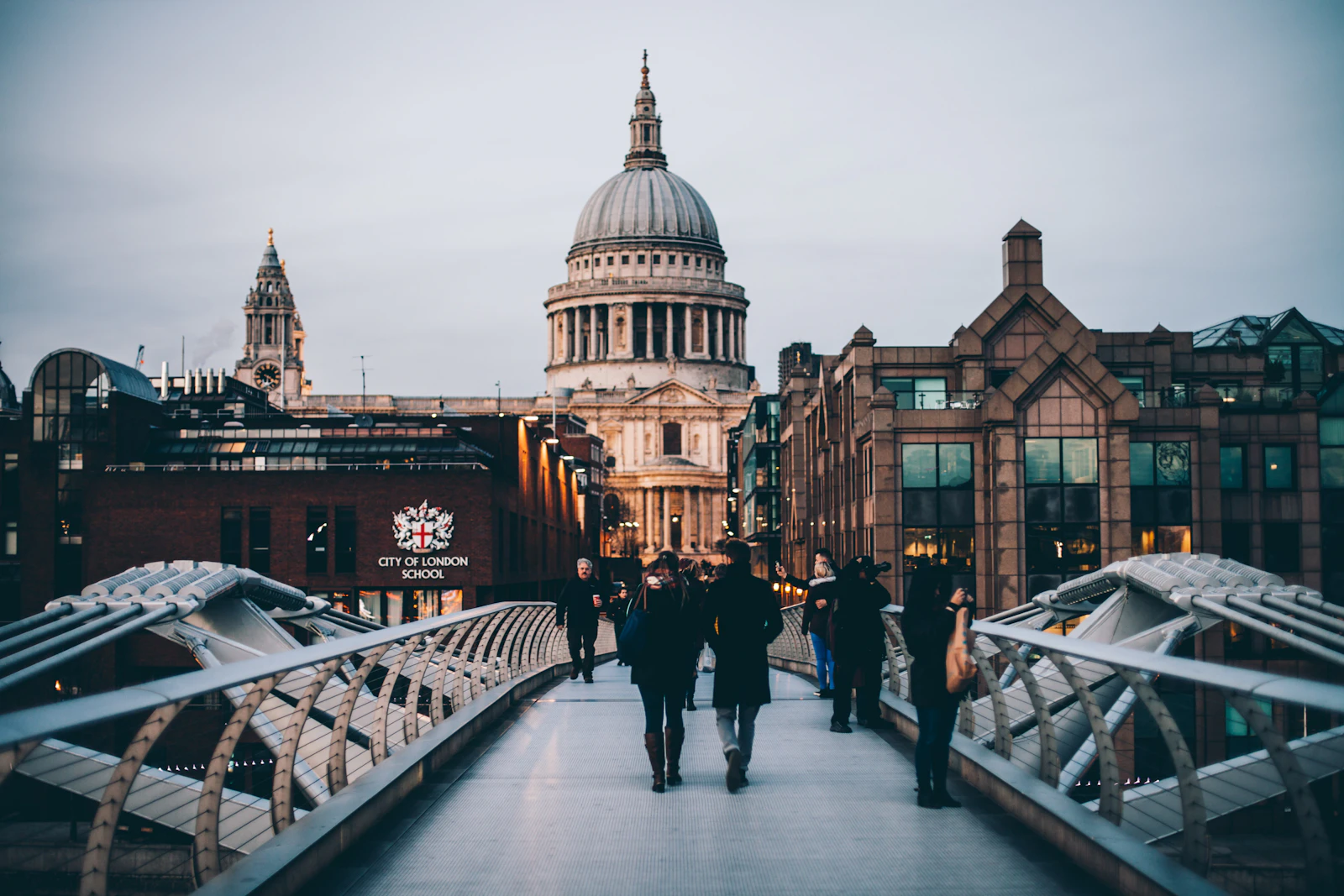 St Paul's dome holds its own against the City's glass towers.
Day 3: East London Markets and Creative Streets
Day 3 is about markets, food, and a more modern London feel. Start with a market morning, such as Brick Lane, Spitalfields, or Columbia Road on the right day. The energy here is different from the West End, and it gives you a strong contrast to the first two days.
Arrive earlier if you want to avoid the biggest crowds, and keep your snack stops light so you can sample more than one place. The market day is about variety rather than a single big meal.
Spend the late morning exploring Shoreditch and its street art. The area is compact and best enjoyed on foot, with small shops, cafes, and side streets that feel local. Keep lunch in the market area so you can sample several small bites.
If you want a more historic contrast, end with a short walk toward the Tower Bridge area for a riverside view. That shift from street art to classic architecture is a fun London contrast.
In the afternoon, walk toward the City for a different atmosphere or return west for a relaxed evening. If you want a skyline view without the crowds, a riverside walk near Tower Bridge at dusk is a great option. Keep dinner casual, perhaps a pub meal or a small restaurant in Shoreditch.
The insight for Day 3 is to treat markets as your museum. They are the best window into Londons everyday diversity and a fun way to keep the day light.
Check which markets run on your travel days so you catch the best mix of stalls.
A short canal or riverside walk can be a calm finish to the day.
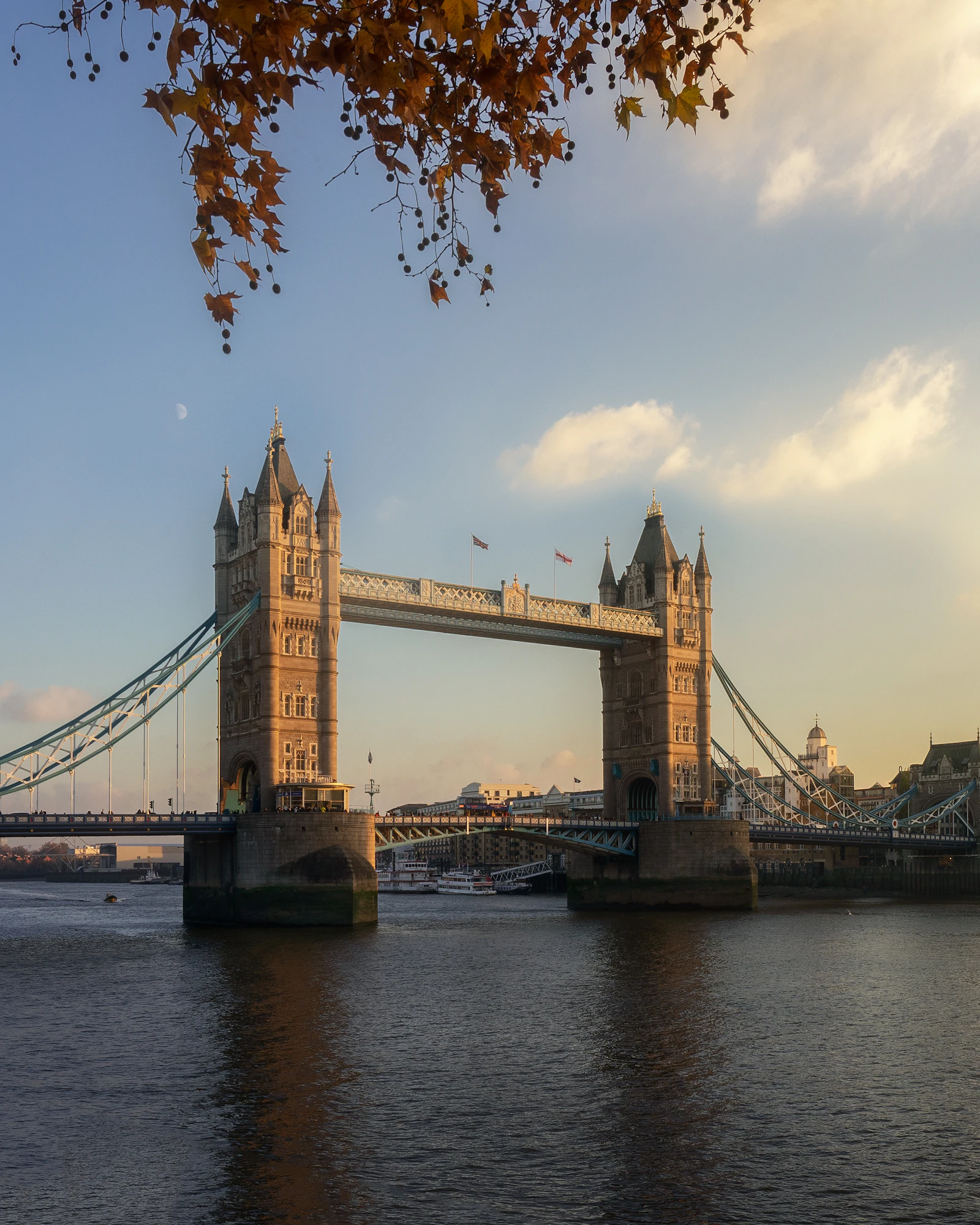 Tower Bridge at sunset never gets old, even for Londoners.
Day 4: Parks, Notting Hill, or Greenwich
Your final day is flexible. If you want green space, head to Hyde Park or Regent's Park for a slow morning walk. If you prefer neighborhoods, Notting Hill and Portobello Road are a classic choice, especially if a market is running.
Greenwich is another strong option if you want a half day escape. The river setting and historic maritime feel create a different mood from central London. It is an easy trip by boat or Tube and makes for a calm finale.
If you want a broader view, Hampstead Heath or Primrose Hill offers a relaxed skyline panorama. These spots are ideal for a slow morning and a casual picnic.
Keep the afternoon open for a final museum visit, a last market stop, or a long lunch. The goal is to end the trip with a slower rhythm rather than another checklist item.
The insight for Day 4 is to pick the ending that matches your energy. London has endless options, but a calm finish will make the weekend feel complete.
If you take the river boat to Greenwich, treat it as sightseeing rather than transit. The views from the water are some of the best in the city.
Notting Hill works best in the morning before crowds build, while Greenwich feels best in the afternoon light.
If you choose Greenwich, pair a park walk with a short riverside loop and keep the rest of the day light. It is an easy way to end the trip without adding more museums.
If a market is running, arrive early for a calmer stroll and easier lunch choices.
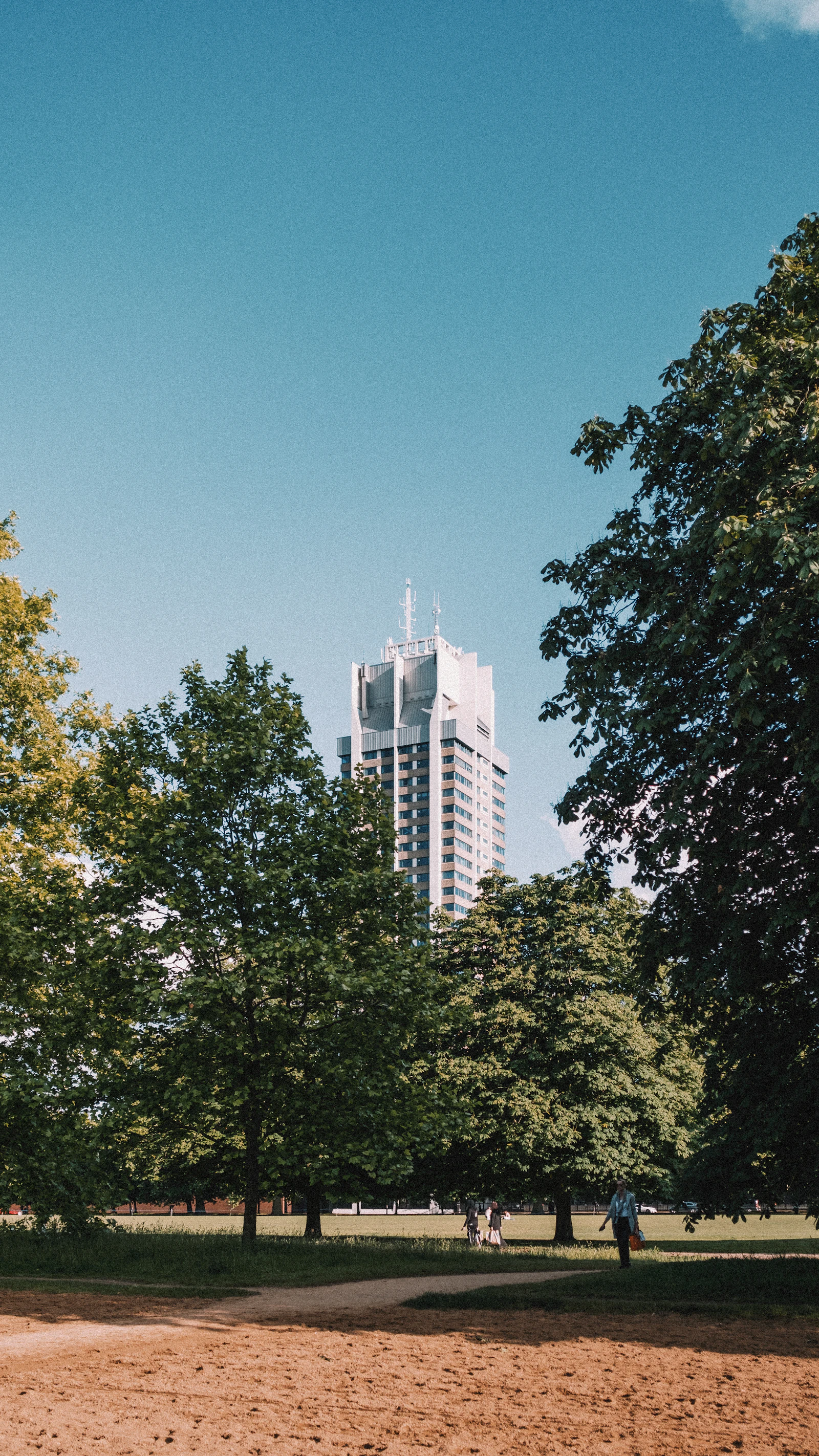 London's parks offer a green pause with the skyline hovering at the edges.
Eat, Drink, and Linger in London
London dining is diverse and easy to tailor. Start with a simple breakfast, then make lunch your main meal to save money and time. Borough Market is ideal for a quick sample of local favorites, while neighborhood pubs offer reliable, hearty meals.
For dinner, choose a neighborhood that fits your mood. Soho is lively, Shoreditch is creative, and South Bank is relaxed. If you want a classic experience, book an afternoon tea or a Sunday roast, but keep the rest of your meals casual to balance costs.
Coffee culture is strong, and a mid afternoon cafe stop is the perfect reset. The key is to avoid trying too many booked meals. London is a great city for spontaneous food finds, and the best meals often happen when you keep the plan light.
A helpful rhythm is one splurge meal and the rest in markets, cafes, or pubs. That keeps the weekend varied and budget friendly without sacrificing quality.
If you want a classic experience, book an afternoon tea once and keep the rest of your meals casual. The contrast makes the weekend feel special without blowing the budget.
London is excellent for global flavors. A curry dinner, a simple fish and chips, or a quick noodle stop adds variety without much planning. Keep meals simple and let the neighborhoods guide your choices.
If you like markets, plan one market lunch and one pub dinner so the food experience feels balanced.
Breakfast can be as simple as coffee and a pastry, but a full English once during the trip is a fun local ritual.
Late night street food near busy stations is an easy backup if dinner plans shift.
Sunday roasts are classic, but any pub lunch works well for a relaxed afternoon.
If you have a must-try restaurant, reserve one dinner and keep the rest spontaneous.
Cultural Experiences Not to Miss
Pub Culture
London's Underground is the world's oldest metro system, opened in 1863, and carries over 5 million passengers daily.
British pubs are social institutions. Order at the bar, find a table, and settle in. A pint of cask ale, a glass of wine, or a simple lunch—pubs fit every mood. Historic pubs like Ye Olde Cheshire Cheese or The Lamb and Flag have character; neighborhood locals offer warmth. One pub evening is essential.
Markets and Local Shopping
London's markets are legendary. Borough Market for gourmet food, Portobello for antiques and vintage, Camden for alternative culture, Broadway Market for local vibes. Brick Lane offers vintage and street food. Markets are best on weekends but vary—check days. They're where London's diversity shows itself.
Riverside Walks
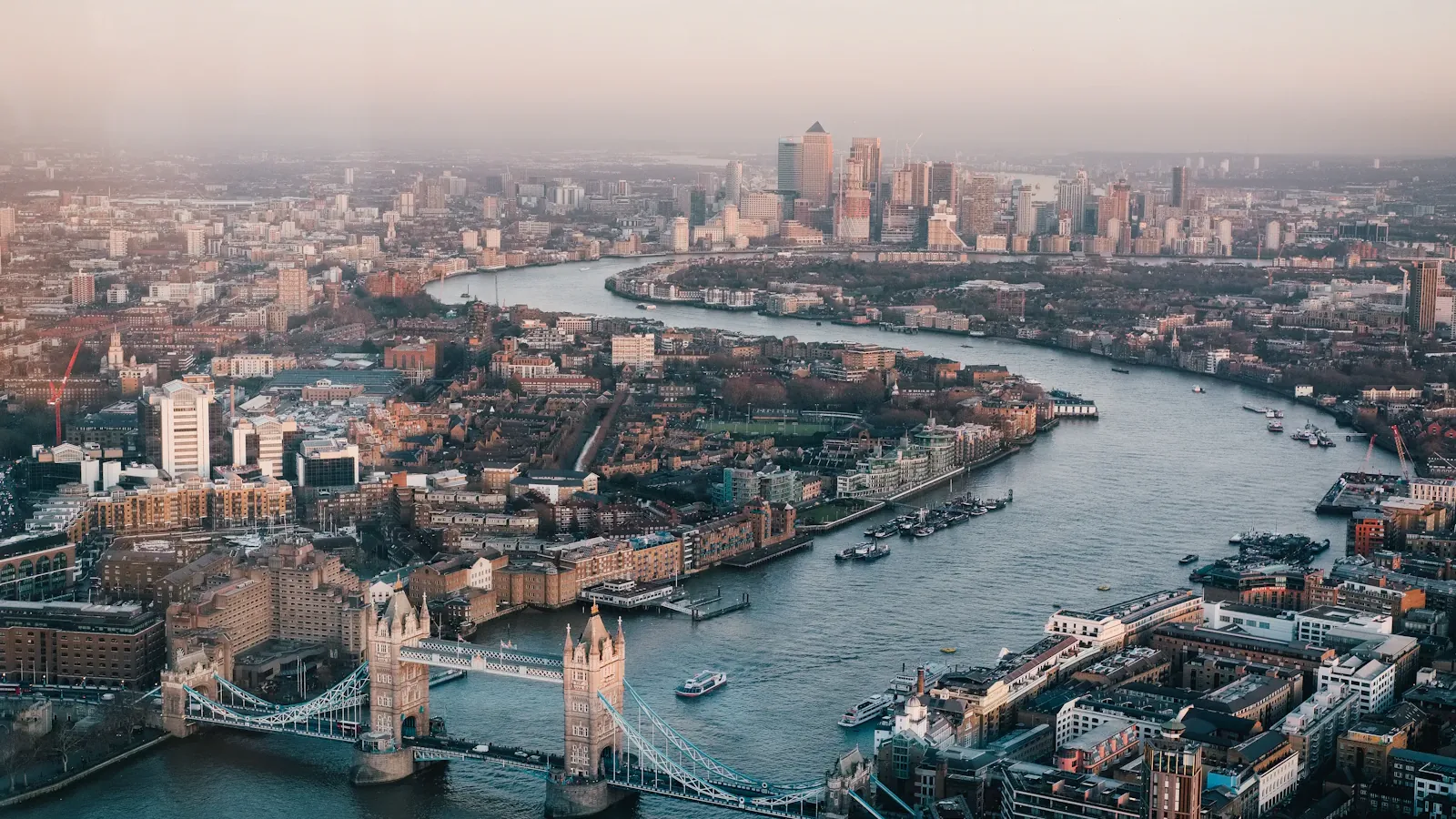
The Thames path connects London's highlights. Walk from Westminster to the Tate Modern, cross bridges for different views, and watch the city unfold. Evening walks with Parliament and the South Bank lit up are magical. The river is free, scenic, and central to understanding how London fits together.
Practical Tips for Travelers
Language
English is the language, with British vocabulary and accents. Cheers means thank you (casually), brilliant means great, queue means line. Londoners are diverse; you'll hear many languages and accents across the city.
Etiquette
Queue properly—cutting is social suicide. Stand on the right on escalators. Tipping is appreciated: 10-15% in restaurants (check if service is included), rounding up in pubs. Saying please and thank you matters. Londoners are busy but polite; respect personal space.
Safety
London is very safe. Watch for pickpockets in crowded areas like the Tube, markets, and tourist spots. The Tube is efficient but watch the gap. Traffic drives on the left—look right first when crossing. Weather changes quickly; carry layers. The city is easy to navigate and welcoming.
Travel Costs and Budgeting
London can be expensive, but many highlights are free. A modest daily budget might be $90 to $130 without accommodation. Mid range travelers often land around $140 to $220 with a few paid attractions and nicer meals. Premium budgets rise quickly with theater tickets and upscale dining.
Book timed tickets for major paid sites and any West End shows you want to see. For transit, contactless payments are the easiest option, and the daily fare cap keeps costs predictable. Buses are slower but can reduce transfers and show you more of the city.
The best value comes from mixing free museums with paid highlights. Keep one big ticket item per day and fill the rest with walking, parks, and markets. If you plan ahead on lodging, choose a base near a Tube line to avoid long, costly rides.
Avoid relying on taxis for daily moves and use buses when you want a scenic route. The savings add up fast over four days.
Show tickets and popular attractions are the biggest splurge, so book early if they matter to you. Free museums and parks can fill the rest of the days without adding costs.
If you are watching your budget, choose one paid highlight and build the rest of the day around free neighborhoods and walks.
Daily fare caps on contactless payments make transit costs predictable, which helps you stay on budget.
If theater is a priority, look for midweek or same day deals and keep the rest of the day free. That keeps the splurge contained.
Central lodging costs more, but it can save you hours of transit time, which often feels worth it on a short weekend.
Set aside a small buffer for coffee, snacks, and a couple of extra Tube rides.
It keeps the weekend stress free.
If you have extra days, consider combining your London trip with Paris, Edinburgh, and Dublin — all easy to reach and covered in our PTO-optimized travel guides.
To maximize your days off without extra PTO, use the free Holiday Optimizer to find bridge days around public holidays for your London trip.
Quick Takeaways
- Use Day 1 for Westminster and the South Bank walk.
- Keep Day 2 focused on one or two museums in South Kensington.
- Spend Day 3 in East London markets and creative streets.
- End with parks, Notting Hill, or Greenwich on Day 4.
- Use contactless payments for quick transit and fare caps.
- Make lunch the main meal and keep dinners casual.
- Use the Holiday Optimizer PTO calendar to plan which days to take off for your London trip.
Conclusion
London rewards travelers who balance the must-see landmarks with slower neighborhood exploration. With four days and a clear daily rhythm, you can experience the city's cultural highlights while still leaving room for the spontaneous moments that make a trip memorable. Use this guide as your starting point, but stay open to detours—some of the best London moments happen when you wander off the planned route.
Ready to maximize your time off?
Find the best London travel windows
Frequently Asked Questions
Is four days enough for London?
Yes. Four days covers the major landmarks, a museum day, and at least one neighborhood deep dive.
Which museums should I prioritize?
Pick one or two that match your interests. The Natural History Museum and the V and A are strong choices.
Where should I stay for a long weekend?
Covent Garden, South Kensington, and Bankside are central and easy to navigate.
What is the best time to visit London?
Spring and early fall offer mild weather and longer days for walking.
Do I need an Oyster card?
No. Contactless payment works on the Tube and buses and automatically applies daily caps.
References
- Visit London Official Tourism Website
- British Museum Official Site
- Tower of London - Historic Royal Palaces
- Big Ben and Parliament Tours
- London Travel Guide - Nomadic Matt
Share Your Thoughts
If this London 4-day itinerary helped you plan, share it with a friend who loves big cities and long walks. Which day sounds most like your travel style?