San Francisco in 7-9 Days: Extended Vacation Itinerary to Maximize PTO in 2026
Plan an extended San Francisco adventure with a 7-9 day itinerary covering Napa Valley, Muir Woods, coastal hikes, diverse neighborhoods, and the Bay Area's extraordinary food scene for 2026.
Introduction
A week in San Francisco and the Bay Area reveals why Northern California inspires a devotion that borders on the religious. The first four days give you the city—the Golden Gate Bridge, the neighborhoods, the food. Days five through nine open the landscape: old-growth redwood forests where trees have stood for a thousand years, wine country where rolling hills and vine rows stretch to the horizon, coastal trails perched on cliffs above the Pacific, and the quirky, creative communities that ring the bay. San Francisco is not just a city; it is the capital of a region with extraordinary natural and cultural depth. Use this guide to plan your extended trip.
Extended stays transform your understanding of the Bay Area from a collection of sights into a living ecosystem. You learn that the Richmond District's Burmese restaurants rival anything in Yangon, that Marin County's hiking trails produce views that reduce you to silence, that Napa Valley's smaller family wineries pour wines that the big tasting rooms cannot match, and that the light in Northern California—golden, clear, slanting through fog—creates a beauty that painters and photographers have chased for centuries.
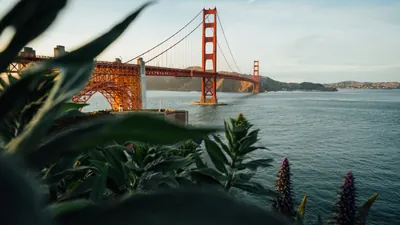
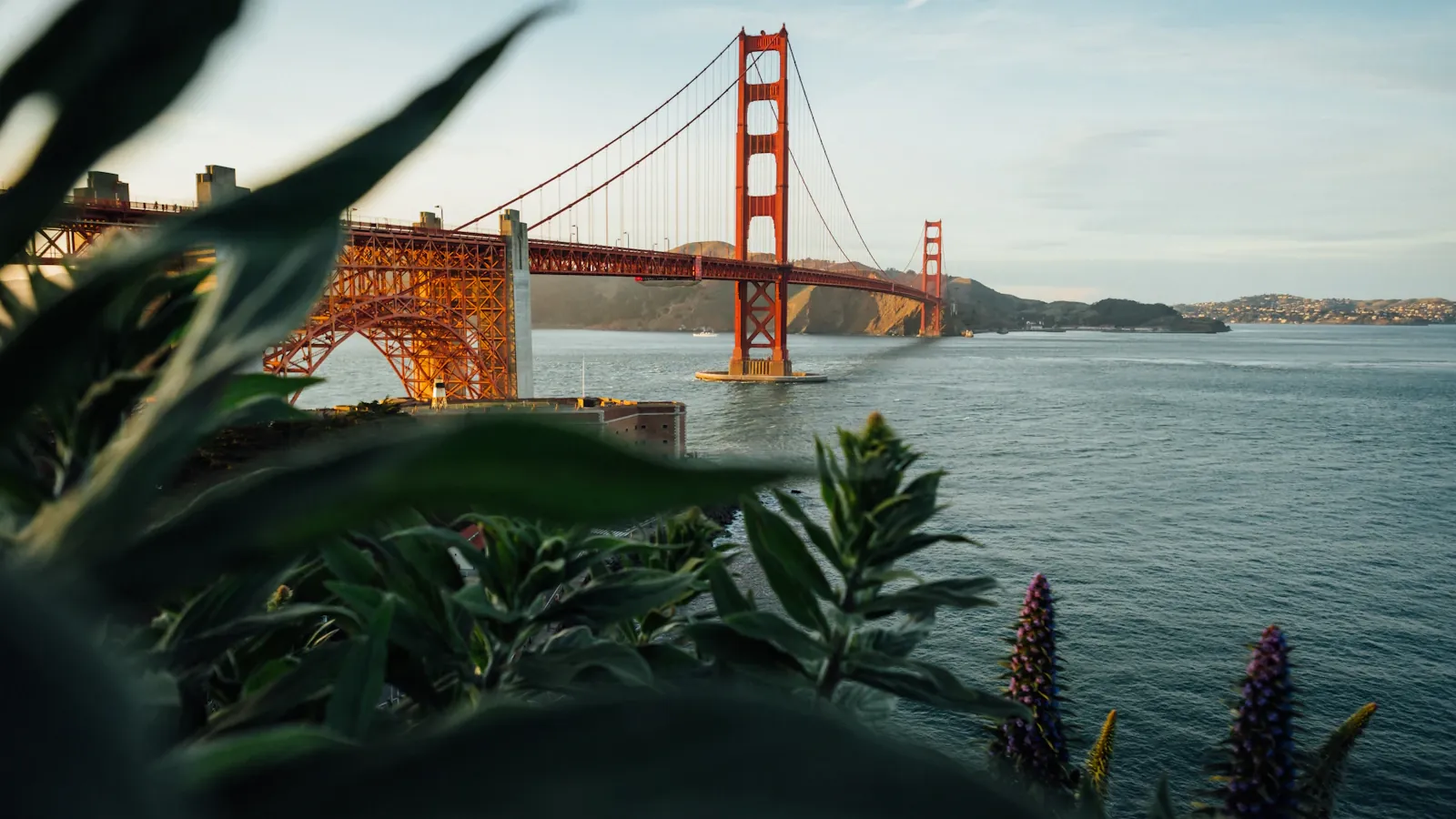
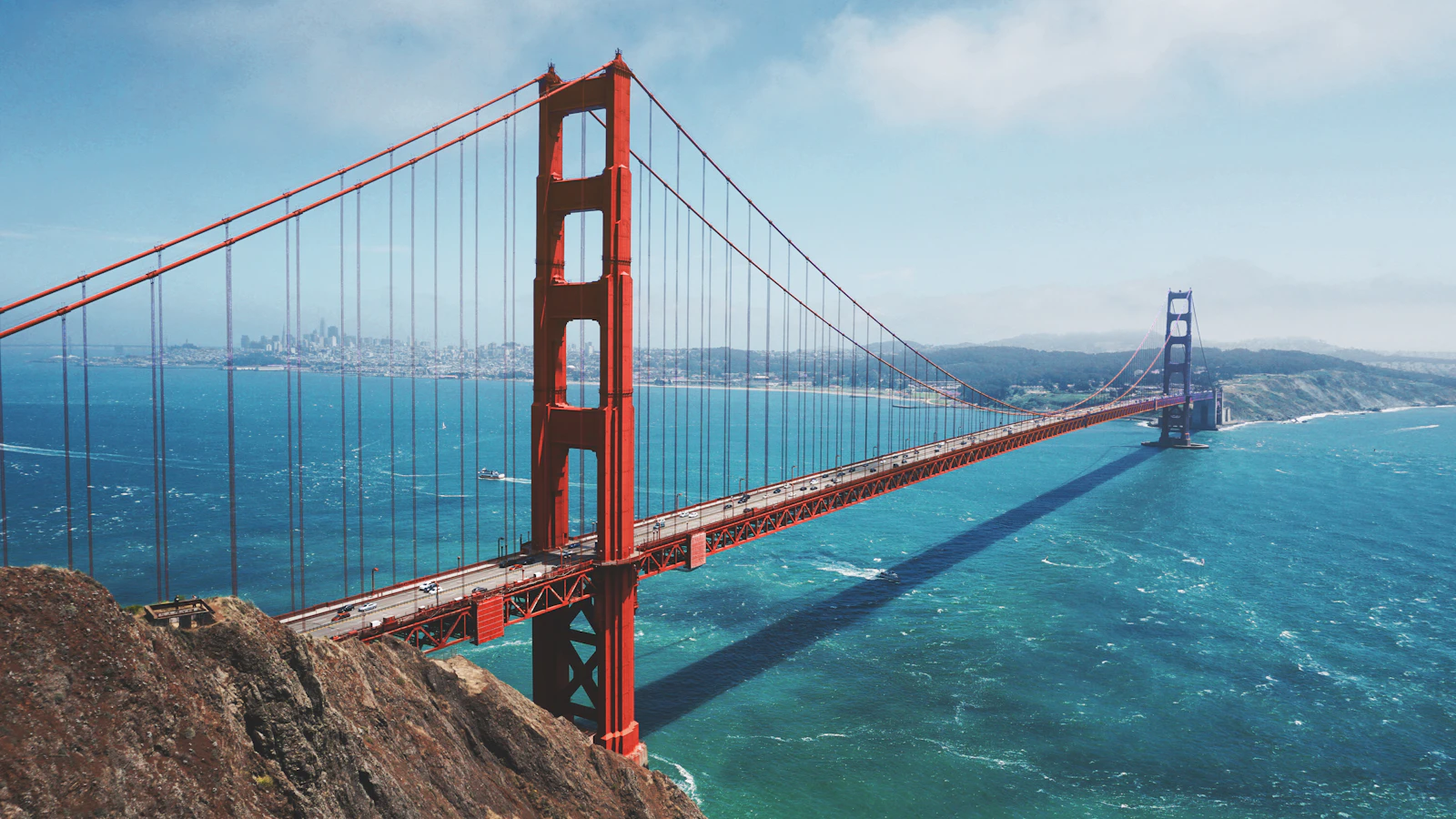
 The Golden Gate Bridge is the gateway to Marin's redwoods and wine country beyond.
Short on time? See our San Francisco 4-day itinerary for a focused long-weekend plan. Use our PTO optimizer to find the best days to take off around your trip dates.
Why an Extended Bay Area Trip Is Worth It
Day Trip Riches
Within 90 minutes of San Francisco, you can hike through old-growth redwoods in Muir Woods, taste world-class wines in Napa and Sonoma, walk the coastal trails of Point Reyes National Seashore, explore the charming waterfront town of Sausalito, drive Highway 1 along dramatic sea cliffs, and wander the campus of Stanford University. Few cities in America offer this density of day-trip options, and each one expands your understanding of why the Bay Area holds such power over the imagination.
Neighborhood Mastery
San Francisco's 49 square miles contain neighborhoods that could each fill an entire travel day. Extended stays let you explore the Richmond and Sunset districts—the residential "avenues" where immigrant communities have built food scenes that rival any neighborhood in the country. Dogpatch is a former industrial area reborn as a design and food destination. Bernal Heights offers village charm, a stunning hilltop park, and excellent restaurants. Potrero Hill has the city's best weather (sunnier than most neighborhoods) and terrific views.
Food Scene Depth
The Bay Area's food culture extends from street-level burritos to three-Michelin-star restaurants, from farmers markets overflowing with year-round California produce to the craft coffee, natural wine, and artisan bread movements that all started here. A week lets you experience the full range—dim sum for breakfast, a farmers market lunch, an experimental tasting menu for dinner, and a dive bar slice of pizza at midnight.
Days 1-4: Core San Francisco
Follow the 4-day itinerary covering the Golden Gate Bridge, Fisherman's Wharf, Alcatraz, Chinatown, the Mission District, North Beach, Golden Gate Park, Haight-Ashbury, Lands End, and essential food and nightlife experiences. Those four days establish the city foundation.
Day 5: Muir Woods and Sausalito
 Cable cars have climbed San Francisco's hills since 1873.
Morning: Muir Woods
Drive or take a guided tour ($8 parking reservation required, or shuttle from Sausalito) to Muir Woods National Monument, a cathedral of old-growth coast redwoods just 12 miles north of the Golden Gate Bridge. These trees—some over 250 feet tall and 1,000 years old—create a hushed, almost sacred atmosphere. The main loop trail (1 mile, boardwalk, wheelchair accessible) is sufficient for the experience, but the Hillside Trail and Fern Creek Trail add solitude and deeper forest immersion. Arrive before 9am to beat crowds. The filtered light through the canopy, the silence broken only by birdsong and creek water, and the sheer scale of the trees create one of the most moving nature experiences in California.
Parking at Muir Woods requires advance reservation at gomuirwoods.com. Book as soon as your trip is confirmed—weekends sell out. Alternatively, take the Muir Woods Shuttle from Sausalito to avoid driving entirely.
Afternoon: Sausalito
Continue to Sausalito, the picturesque waterfront town across the Golden Gate Bridge. The main street is lined with galleries, boutiques, and restaurants with bay views. Browse the houseboats at the Waldo Point Harbor—a floating community of 400+ individually designed homes ranging from eccentric to elegant. Lunch at Fish (350 Harbor Drive, sustainable seafood, $15-25, outdoor seating with bay views) or Copita (modern Mexican, $18-30, margaritas with Marin views). The ferry back to San Francisco ($14.00, 30 minutes from Sausalito Ferry Terminal) offers stunning views of the skyline, Alcatraz, and the bridge.
Evening: Return and Dinner
Take the ferry back to the Ferry Building—one of San Francisco's great food destinations. The Ferry Building Marketplace (open daily, farmers market Tuesdays, Thursdays, and Saturdays) houses artisan food vendors: Cowgirl Creamery for California cheeses, Hog Island Oyster Co for oysters and white wine at the bar ($3-4 per oyster), Acme Bread for sourdough. For a proper dinner, Slanted Door (Vietnamese-Californian, $30-50 per person, views of the Bay Bridge) or explore the Embarcadero neighborhood.
Day 6: Napa Valley Wine Country
Full Day: Napa Valley
Rent a car or book a guided wine tour ($100-200 per person including tastings and transport) for a day in Napa Valley, 75 minutes north of San Francisco. Napa is the most famous wine region in the Americas for good reason—over 400 wineries produce world-class Cabernet Sauvignon, Chardonnay, and Pinot Noir in a valley of stunning beauty. Start at a smaller, appointment-only winery for a personal experience—Chateau Montelena (the winery that won the 1976 Judgment of Paris), Stag's Leap Wine Cellars (another Paris tasting champion), or Frank Family Vineyards (welcoming atmosphere, excellent sparkling wines). Tasting fees run $40-75 per winery for 4-6 pours.
Lunch in Yountville—the tiny town with more Michelin stars per capita than anywhere in America. Bouchon Bistro by Thomas Keller (French bistro, $30-50 for lunch) or the more casual Bouchon Bakery next door for sandwiches and pastries. The town itself is walkable and charming.
If you prefer a more laid-back wine experience, head to Sonoma instead. Sonoma's wineries are less corporate, the tasting fees are lower ($20-40), and the town square has a relaxed charm that Napa's main strip lacks. The wines—especially Pinot Noir and Zinfandel—are equally excellent.
Afternoon visits to one or two more wineries—Robert Mondavi for the educational tour, Opus One for the architecture and prestige wine ($100 tasting), or any of the dozens of smaller producers along the Silverado Trail. Designate a driver or book a tour—Napa's roads are policed aggressively for DUI, and tastings add up fast.
Day 7: Coastal Exploration
 San Francisco's Painted Ladies exemplify the city's Victorian architectural heritage.
Morning: Point Reyes or Half Moon Bay
Choose your coast adventure:
Point Reyes National Seashore (1.5 hours north): A wild peninsula of windswept beaches, dairy farms, and the photogenic Point Reyes Lighthouse (308 steps down to the light, stunning views of migrating whales in winter). The Tomales Point Trail passes through a tule elk preserve with ocean views. Stop at Tomales Bay Oyster Company for fresh oysters you shuck yourself on picnic tables overlooking the bay ($25-30 per dozen).
Half Moon Bay (45 minutes south): A charming coastal town with dramatic cliffs, Mavericks surfing beach (home of the famous big-wave contest), and excellent seafood. Walk the Coastal Trail along the bluffs, visit the Ritz-Carlton Half Moon Bay for a drink with ocean views (even if you are not staying), and have lunch at Sam's Chowder House ($20-35, lobster rolls and clam chowder with Pacific views).
Afternoon: Highway 1 Driving
If you have a car, drive a section of Highway 1—the most scenic coastal road in America. From Half Moon Bay south through Pacifica, the road clings to cliffs above the Pacific with pullouts offering views that stop conversation. North of San Francisco, Highway 1 through Marin County past Stinson Beach and Bolinas is equally stunning.
Evening: Return to the City
Head to Dogpatch for dinner—this former industrial neighborhood has become one of the city's most exciting food destinations. Piccino (Italian, excellent pizzas, $15-25) and Serpentine (American comfort food, $18-30) are neighborhood favorites. Third Street is the main corridor, with breweries, design studios, and restaurants in converted warehouses.
Days 8-9: Flexible Extensions
Option A: Berkeley and Oakland
Cross the Bay Bridge to the East Bay. Berkeley is home to the University of California campus (free to wander—Sather Tower offers panoramic views), Chez Panisse (Alice Waters' legendary restaurant that launched California cuisine—book months ahead, or eat at the upstairs cafe for walk-in lunch), and the vibrant Gourmet Ghetto on Shattuck Avenue. Oakland has emerged as the Bay Area's most dynamic cultural hub—Jack London Square on the waterfront, the Oakland Museum of California ($16), excellent craft breweries, and a food scene that increasingly rivals San Francisco at lower prices. Swan's Market in Old Oakland is an excellent food hall.
Option B: Silicon Valley and Stanford
Drive 35 minutes south to Palo Alto and the Stanford University campus—the sandstone arcades, Memorial Church, and the Rodin Sculpture Garden are beautiful, and the Cantor Arts Center is free. Continue to the Computer History Museum in Mountain View ($24.50)—a deep dive into the technology that shaped the modern world, from Babbage's Difference Engine to the iPhone. The surrounding towns—Mountain View, Sunnyvale, Cupertino—are where the tech industry actually operates, though there is little to see from the street.
Option C: Deeper San Francisco Neighborhoods
- Richmond District: The "other Chinatown"—less touristy, better food. Burma Superstar (Clement Street, expect a long wait, no reservations, $15-25) serves the city's best Burmese food. Kin Khao (Union Square, Michelin-starred Thai) and the surrounding blocks of Clement Street have dim sum, pho, Korean BBQ, and Russian bakeries.
- Sunset District: The quieter residential west side with excellent Chinese, Vietnamese, and seafood restaurants along Irving and Noriega Streets. San Tung (Irving Street, dry fried chicken wings, legendary, expect a wait) and PPQ Dungeness Island (Noriega, Vietnamese crab dishes) are standouts.
- Bernal Heights: A neighborhood with village charm—climb Bernal Heights Hill for 360-degree city views, browse Cortland Avenue's shops and cafes, and eat at Barebottle Brewing or Emmy's Spaghetti Shack.
Option D: Outdoor Adventure Day
The Bay Area is an outdoor playground. Mount Tamalpais in Marin (Panoramic Highway drive, multiple trailheads, 360-degree views from East Peak) offers hiking from easy to strenuous with views of the ocean, bay, and city. Angel Island State Park (ferry from Tiburon, $15 round trip) is a car-free island with hiking trails and immigration station history. Stinson Beach (Marin County, 45 minutes from SF) is the Bay Area's best beach for actual swimming—warmer water, calmer surf, and a village atmosphere.
Travel Costs and Budgeting
| Category | Daily Range |
|---|---|
| Accommodation | $120-300 |
| Food | $40-100 |
| Activities | $25-80 |
| Transport | $15-50 |
| Daily total | $200-530 |
| 7-day total | $1,400-3,710 |
Extended stays in San Francisco benefit from apartment rentals—a week in the Mission or SoMa runs $150-250/night. Day trips add car rental costs ($60-100/day) but many are accessible by ferry, bus, or organized tour. Cooking breakfast and packing picnic lunches for day trips saves significantly.
To maximize your days off without extra PTO, use the free Holiday Optimizer to find bridge days around public holidays for your San Francisco trip.
Cost-Saving Tips
- Free activities: Golden Gate Bridge walk, Lands End trail, Golden Gate Park, beach access, gallery hopping, and neighborhood exploration cost nothing
- Richmond/Sunset restaurants: Meals in the "avenues" cost 30-50% less than comparable quality in tourist neighborhoods
- Farmers markets: The Ferry Building Saturday market and Mission Community Market sell world-class produce for DIY meals
- Museum free days: de Young (first Tuesday), Legion of Honor (first Tuesday), SFMOMA (first Thursday evenings)
- BART over Uber: BART to SFO costs $9.65 vs $25-50 for a rideshare
- Happy hours: San Francisco's competitive bar scene produces excellent 4-7pm deals—$6-8 craft beers and $8-12 cocktails
Cultural Experiences Not to Miss
The Farm-to-Table Movement
San Francisco and the Bay Area essentially invented the modern farm-to-table movement. Alice Waters' Chez Panisse in Berkeley started it in 1971, and the philosophy now permeates every level of Bay Area dining. The Ferry Building farmers market on Saturday morning is the movement's weekly showcase—over 100 producers selling directly to chefs and home cooks. Understanding this food culture adds depth to every meal you eat in the city.
Tech Culture Impact
Whether you work in tech or not, understanding Silicon Valley's influence is part of understanding modern San Francisco. The city has been transformed by the tech industry—for better (innovation, coffee culture, restaurant investment) and worse (housing costs, displacement, homelessness). Walking through SoMa, visiting the Salesforce Park (an elevated park atop the Salesforce Transit Center, free, beautiful), and observing the tension between old San Francisco and new gives context to one of America's most important ongoing cultural conversations.
Comedy and Performance
San Francisco has a rich comedy and performance tradition. Cobb's Comedy Club and Punch Line in North Beach host nationally touring comedians. The Marsh in the Mission specializes in solo performance art. Smuin Contemporary Ballet and the San Francisco Symphony at Davies Hall represent the city's performing arts depth. Drag shows at Oasis in SoMa continue the city's tradition of flamboyant performance art.
Practical Tips for Travelers
Language
English is universal, with significant Cantonese, Mandarin, and Spanish-speaking communities. The Bay Area's international character means you will hear dozens of languages. Menus in Chinatown and the Richmond District are often bilingual or Chinese-only—pointing at photos or other diners' plates works perfectly.
Etiquette
San Francisco is culturally progressive and casual. Environmental awareness is practiced, not just professed—bring reusable bags and water bottles. The city has strong opinions about coffee (do not ask for a "regular" coffee—specify your drink), food (local, organic, seasonal is the baseline), and politics (progressive, with nuance). Tipping follows US norms: 18-22% at restaurants.
Safety
Most of San Francisco is safe for tourists. The Tenderloin neighborhood remains the primary area to avoid, especially at night. Car break-ins are the most common crime affecting visitors—leave nothing visible in your vehicle, even for five minutes. The Civic Center and Mid-Market areas can be uncomfortable. The Mission is safe on main streets but has rougher blocks east of Mission Street south of 24th. Golden Gate Park after dark should be avoided in the western sections.
If you have extra days, consider combining your San Francisco trip with New York City and Mexico City — all easy to reach and covered in our PTO-optimized travel guides.
Quick Takeaways
- A week in the Bay Area opens Napa, Muir Woods, the coast, and East Bay neighborhoods that most visitors miss
- Muir Woods' old-growth redwoods are 30 minutes from downtown and require advance parking reservations
- Napa Valley is extraordinary but expensive—Sonoma offers comparable wine quality at lower prices with more charm
- The Richmond and Sunset Districts have the best food-to-dollar ratio in the city—leave the tourist neighborhoods for meals
- Point Reyes offers wild coastal beauty and fresh oysters 90 minutes from the city
- Extended stays justify a car rental for 2-3 days of day trips, with public transit for city days
- The Ferry Building Saturday farmers market is the epicenter of Bay Area food culture
- September-October delivers the best weather—warm, clear days with golden California light
- Use the Holiday Optimizer PTO calendar to plan which days to take off for your San Francisco trip.
Conclusion
A week in the Bay Area reveals why this region inspires the loyalty it does. San Francisco is the anchor—compact, beautiful, culturally rich—but the surrounding landscape elevates the experience into something transcendent. You stand in a redwood forest older than the Magna Carta, taste wine in a valley where the light has a quality that makes everything look like a painting, walk a coastal trail where the Pacific crashes against cliffs that remind you of the Earth's raw power, and return to a city where someone has made you an extraordinary meal from ingredients grown within a hundred miles.
The Bay Area's magic is in its range. In a single week, you experience world-class urban culture, wilderness solitude, agricultural abundance, and Pacific grandeur—all connected by bridges, ferries, and roads that make the transitions feel effortless. You leave with a phone full of photos that barely capture what you saw and a desire to return that grows stronger with distance. Start planning your PTO windows.
Ready to maximize your time off?
Find the best San Francisco travel windows
Frequently Asked Questions
-
Is 7-9 days too long for San Francisco? Not when you include the Bay Area. The city itself fills 4-5 days, and Muir Woods, Napa, the coast, and the East Bay each deserve a full day. Nine days with day trips feels neither rushed nor excessive.
-
Do I need a car? For city days, no. For day trips (Muir Woods, Napa, Point Reyes, Highway 1), a car is essential unless you book organized tours. Rent for 2-3 days and use transit for the rest. Be warned: car break-ins are rampant, so never leave anything visible.
-
Napa or Sonoma? Both are excellent. Napa is more famous, more polished, and more expensive—the big-name wineries and Michelin restaurants are here. Sonoma is more relaxed, more affordable, and equally good for wine quality—especially Pinot Noir and Zinfandel. First-timers usually choose Napa; return visitors often prefer Sonoma.
-
When is the best weather? September and October—consistently. Summer is foggier and cooler than most visitors expect. The "Indian summer" in early fall brings the Bay Area's warmest, clearest days. Spring is pleasant with wildflowers. Winter is mild but rainy.
-
How do I get to Muir Woods without a car? The Muir Woods Shuttle runs from the Sausalito ferry terminal on weekends and holidays (seasonal). You can also take a ferry to Sausalito and taxi/Uber to the park. Several tour companies offer guided Muir Woods trips from San Francisco ($70-100 including transport).
Share Your Thoughts
Did this guide help you plan your extended Bay Area adventure? Tell us what calls to you—the cathedral of redwoods at Muir Woods, the wine-soaked hills of Napa, the wild coast at Point Reyes, or the neighborhood restaurants where San Francisco's food culture lives.