Copenhagen in 4 Days: Long Weekend Itinerary & PTO Planner for 2026
Plan a Copenhagen city break with Nyhavn harbor walks, Tivoli Gardens visits, Christiania exploration, Nordic cuisine sampling, and practical cycling tips for 2026.
Introduction
Copenhagen is a city that rewards a slower pace. The design is thoughtful, the food is world-class, and the daily rhythm is built around bikes, water, and a deep respect for quality of life. Four days gives you time for the postcard landmarks and the local neighborhoods that actually make the city feel Danish. This Copenhagen 4-day itinerary keeps the days compact, the transit simple, and the evenings flexible. Use this guide to plan your four-day trip.
You will cover the historic core, Nyhavn, and the royal district, spend time in Christianshavn and Norrebro, and carve out a day for a nearby excursion or a museum deep dive. It is a plan that balances classic sights with local texture: a market lunch, a canal-side walk, and an unhurried coffee break that somehow feels essential. If you want Copenhagen without the rush, this is the way to do it.
Expect a city that feels polished but relaxed. The goal is not to see everything, but to see enough and feel the rhythm of how Copenhagen works.
Planning a longer trip? Check out our extended Copenhagen itinerary covering 7-9 days of in-depth exploration. Use our PTO optimizer to find the best days to take off around your trip dates.
Why Copenhagen Is a Must-Visit Destination in 2026
The World's Happiest City Design
Copenhagen stands out among European destinations for its unique combination of history, culture, and modern energy. Whether you are visiting for the first time or returning for a deeper look, 2026 is an excellent year to experience what makes this city special.
Nordic Food Revolution Headquarters
What sets Copenhagen apart is the way daily life and cultural depth coexist. You will find world-class landmarks alongside neighborhood rhythms that reward slowing down and paying attention.
Planning Your Trip Essentials
Copenhagen is compact, but the neighborhoods each have a distinct vibe. This itinerary groups each day by geography to keep your walks short and your bike rides simple. Day 1 is the historic core, Nyhavn, and the royal waterfront. Day 2 is Christianshavn and the canal districts. Day 3 leans into local neighborhoods, markets, and Tivoli in the evening. Day 4 is either a day trip or a museum-focused finale.
The plan is also built around time-of-day shifts. Morning light is perfect for Nyhavn photos, while late afternoon is best for Christianshavn and the harbor edges. Evenings are reserved for Tivoli, long dinners, or a relaxed canal walk. The structure gives you freedom: you can bike between stops, jump on the metro when it rains, or extend a cafe break without feeling behind.
Another rule is the one-anchor approach. Each day has one must-do block and a flexible add-on. That keeps the pace from turning into a checklist and leaves room for discovery. It also fits the Danish mindset: good design is not about adding more, it is about making the right choices.
If you want more museums, swap a neighborhood block for a gallery. If you want more food, turn a sightseeing hour into a long lunch and a bakery stop. This Copenhagen itinerary 4 days framework is designed to flex without losing its flow.
Use the Holiday Optimizer to find the best days to book off around public holidays for your Copenhagen trip.
Logistics for a Copenhagen Long Weekend
Copenhagen is excellent year-round, but late spring through early fall brings the longest days and the best bike weather. June and July have the most daylight, while September offers crisp air and fewer crowds. Winter is moody and charming, but you will spend more time indoors and the daylight is short.
Pick a base in or near Indre By if you want everything walkable. Vesterbro and Norrebro are lively, a bit more local, and still well connected by metro and bikes. Frederiksberg is calmer and residential, which is great if you want quiet evenings. For four days, one base is enough; the city is compact and easy to navigate.
Biking is the signature experience. If you are comfortable on a bike, rent one for at least two days. The lanes are wide, the rules are clear, and it is often faster than the metro for short hops. If biking is not your thing, the metro is clean, fast, and reliable. A 24 or 48-hour transit ticket keeps things simple, and the Copenhagen Card can be worth it if you plan to visit multiple paid attractions.
Pack layers and a light rain shell. Weather changes quickly, and a short shower is common. Cafes are abundant, and they make excellent reset points on a windy day. Keep a small reusable bottle for water, and plan your meal times early if you want a popular restaurant. Copenhagen is relaxed, but reservations fill quickly.
The city is largely cashless, so a card or mobile wallet is enough for most purchases. Museums often close early, especially on Mondays, so check hours and plan your indoor stops accordingly. If you are debating the Copenhagen Card, tally your paid attractions first. It can be great value for a museum-heavy plan but less so if you are mostly walking and biking.
Day 1: Indre By, Nyhavn, and the Royal Waterfront
Begin in the historic core, Indre By. Start with a slow walk toward Nyhavn, ideally before the crowds settle in. The colorful harbor houses are the classic image, but the real magic is the early light on the canal and the quiet of the waterfront. From there, stroll along the harbor toward the Royal Danish Playhouse and the Opera House views across the water.
Continue to Amalienborg Palace and the surrounding squares. The palaces are elegant and the open space makes the area feel airy. If you time it well, you can catch the guard change, but even without it, the area gives you a sense of Copenhagen as a modern royal city rather than a museum piece.
For lunch, choose a nearby cafe or a smorrebrod spot. The goal is to keep the afternoon light. If you want another classic sight, the Marble Church is a short walk away and its dome is impressive inside. Otherwise, use the afternoon for a canal cruise or a longer harbor walk.
End the day with a relaxed dinner near the waterfront. This is a good evening for seafood, a simple wine bar, or a casual bistro. The first day should feel unhurried, with enough walking to orient you and enough rest to enjoy the next three days.
If you want one extra stop, walk a portion of Stroget, the main pedestrian street. It is lively without feeling chaotic and gives you a quick sense of Copenhagen retail culture. Keep it short, and treat it as a stroll rather than a shopping mission.
If you still have energy, pop into Christiansborgs courtyard for a quick architectural look. It is close enough to feel effortless and adds a touch of civic history to the first day.
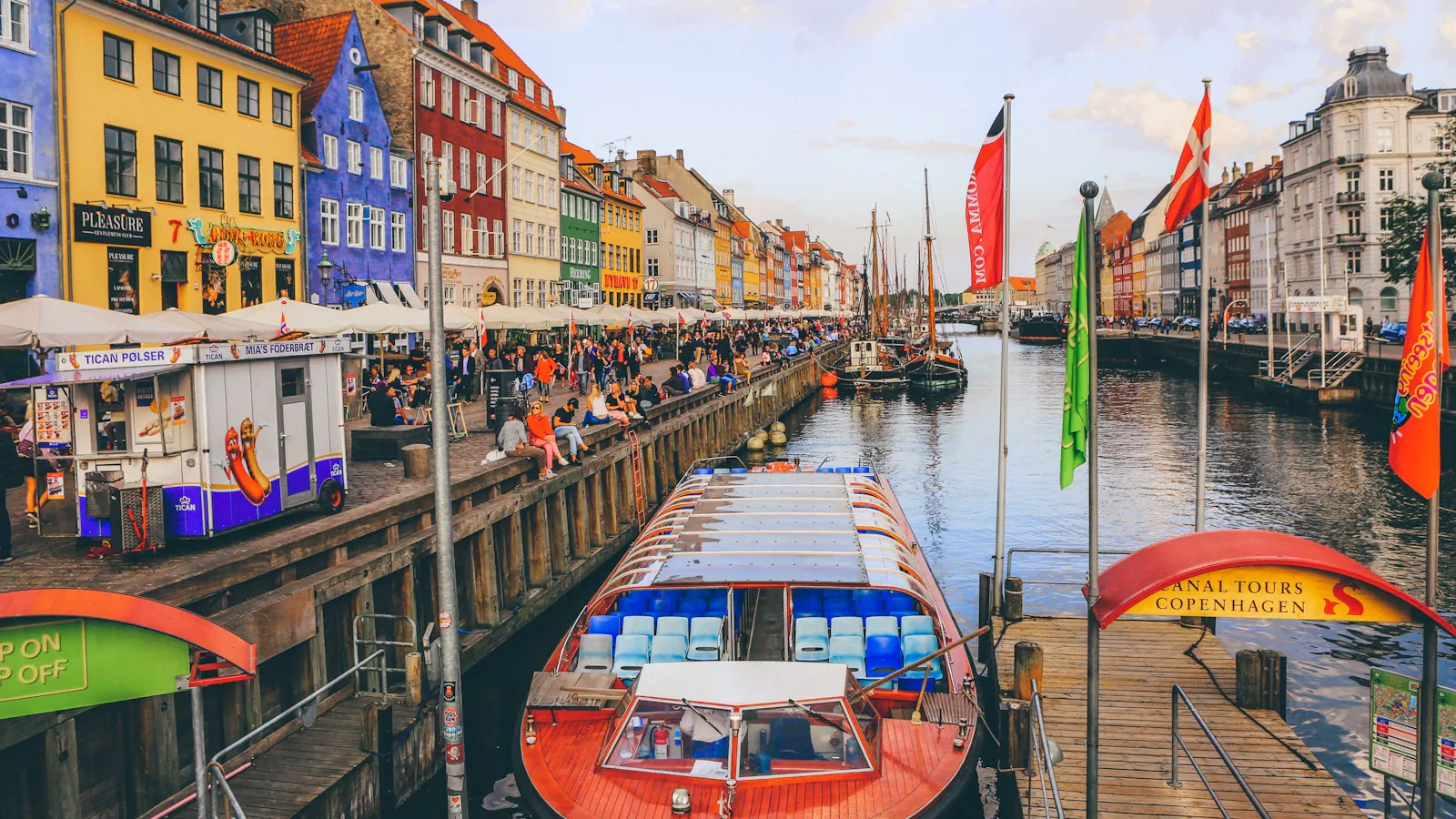
 Nyhavn's painted facades are most photogenic in the soft morning light.
Day 2: Christianshavn, Canals, and Creative Energy
Today is about Copenhagen by water. Head to Christianshavn and walk the canals, where houseboats and quiet streets make the neighborhood feel almost Dutch. If you want a panoramic view, climb the Church of Our Saviour tower for one of the best city vistas. It is a short climb but worth it if the weather is clear.
From Christianshavn, you can explore Freetown Christiania. It is a unique community with a complicated history, and it feels very different from the polished center. A quick walk is enough for most travelers, and it gives you a sense of the city's countercultural side. Keep your visit respectful and avoid photographing people in sensitive areas.
Lunch works well at a harbor food market or a canal-side cafe. Reffen is a popular option in warmer months, and it gives you a casual, outdoor dining vibe with global food stalls. If it is cooler, head back toward the center for a sit-down meal.
The afternoon can be flexible: add a design museum visit, a ferry hop, or simply bike along the waterfront. End the day with a long walk along the harbor or a sunset coffee. The quiet light on the water is part of what makes Copenhagen memorable.
If you want a small adventure, use the harbor ferry as a scenic commuter ride. It is a simple way to see the city from the water without committing to a full cruise. A short hop connects you to different neighborhoods and adds a fresh perspective on the architecture.
On warmer days, the harbor baths in the area show how locals actually use the water. Even if you do not swim, it is a good spot to pause and watch the city's everyday rhythm.
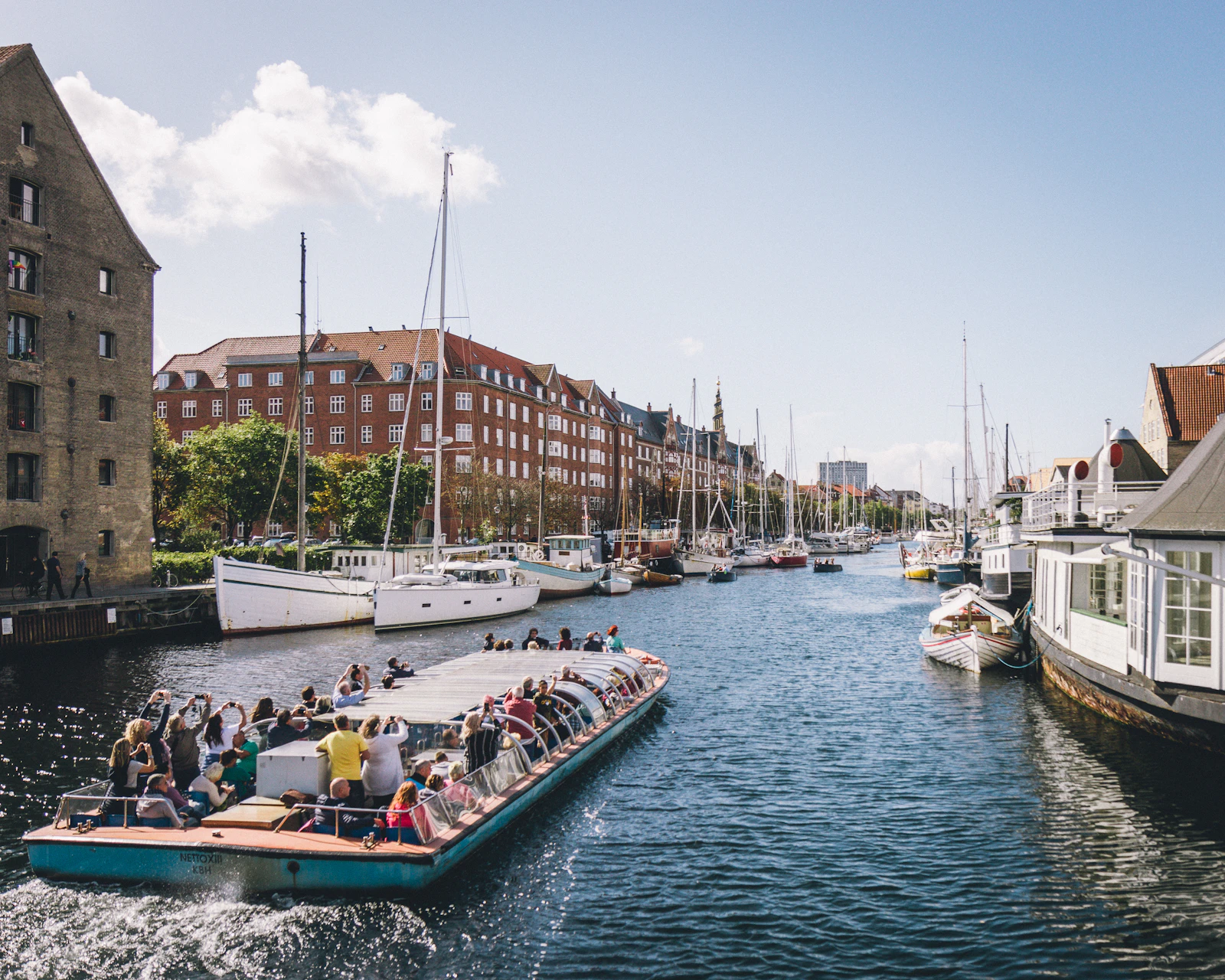 Christianshavn's canals slow the pace—exactly the point.
Day 3: Rosenborg, Markets, and Tivoli at Night
Start with Rosenborg Castle and the surrounding King's Garden. The castle is compact, the grounds are lovely, and the morning light makes the park feel calm. Even if you do not tour the interior, the exterior and garden are worth the visit. From there, head to Torvehallerne, one of the best places for a market lunch. This is an ideal day to sample smorrebrod, local cheeses, or a quick pastry.
After lunch, move toward Norrebro. It is Copenhagen's most diverse neighborhood, full of small boutiques, cafes, and an easygoing local vibe. A walk through Assistens Cemetery is surprisingly peaceful, and the streets nearby are a good place to feel the city outside the tourist core.
In the evening, plan for Tivoli Gardens. Even if you are not into rides, Tivoli is about atmosphere: lights, food stalls, and a nostalgic charm that feels uniquely Copenhagen. Go after dark to see the lanterns and to avoid the busiest afternoon crowds. Have dinner inside the park or nearby in Vesterbro, which is full of restaurants and bars.
The insight today is balance. You can do a castle, a market, a neighborhood, and Tivoli without rushing because they are all relatively close. Keep your pace slow and let the day unfold.
If you want one more local stop, add Superkilen Park on the edge of Norrebro for a quick, colorful walk. It is a public space built from global design elements and gives the neighborhood a distinct character. Another option is a short craft beer stop in Vesterbro after Tivoli if you prefer to end the night calmly.
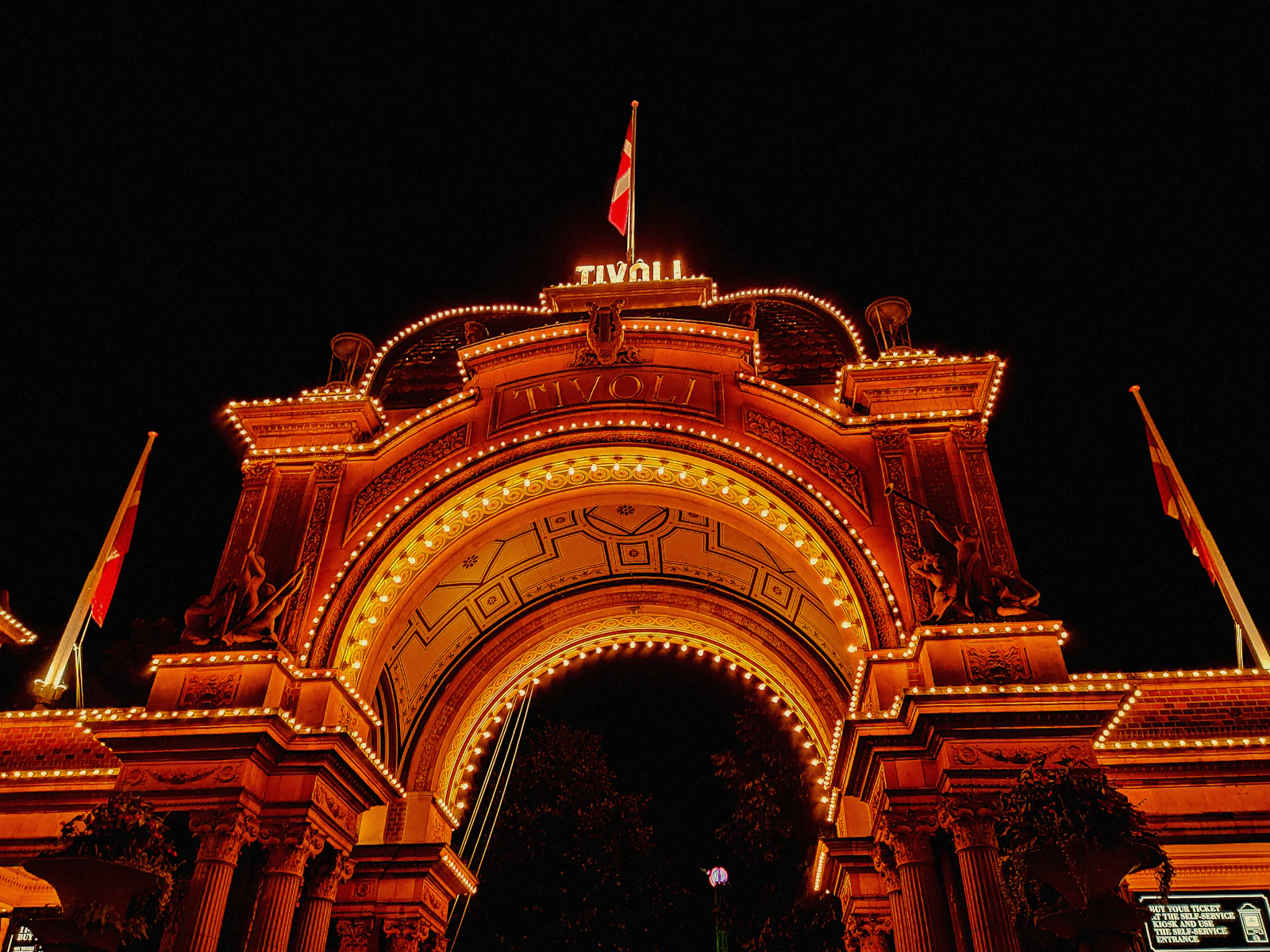 Tivoli Gardens after dark turns Victorian nostalgia into modern spectacle.
Day 4: Day Trip or Deep Dive
For your final day, choose between a nearby excursion or a museum-heavy finale. If you want a day trip, Malmo is the easiest option. The train ride over the bridge is short, and the city offers a quick change of pace with a walkable center and great cafes. Another strong option is the Louisiana Museum of Modern Art, which pairs a top-tier collection with a scenic coastline setting. It is an easy train ride north and makes a perfect half-day plus a long lunch.
If you prefer to stay in Copenhagen, use Day 4 for deeper exploration. The National Museum, the Design Museum, or the Glyptotek can anchor the morning. Afterward, take a slow canal cruise or revisit a favorite neighborhood. A second round in Vesterbro or a bike ride along the harbor can be a pleasant way to close the trip.
Lunch should be unhurried today. Choose a bakery for a final round of Danish pastries or a cafe where you can sit by the window and watch the city move. Copenhagen rewards these small pauses.
If you stay in the city, keep the day simple with one museum and one neighborhood stroll. The Glyptotek is a strong option because it is compact and has a lovely indoor garden. This final day is about savoring rather than sprinting, so let yourself linger.
End with a sunset walk, a final dinner, or a simple nightcap. The last day is about closure, not new checklists. If you leave with a sense of how Copenhagen feels to live in, you have done it right.
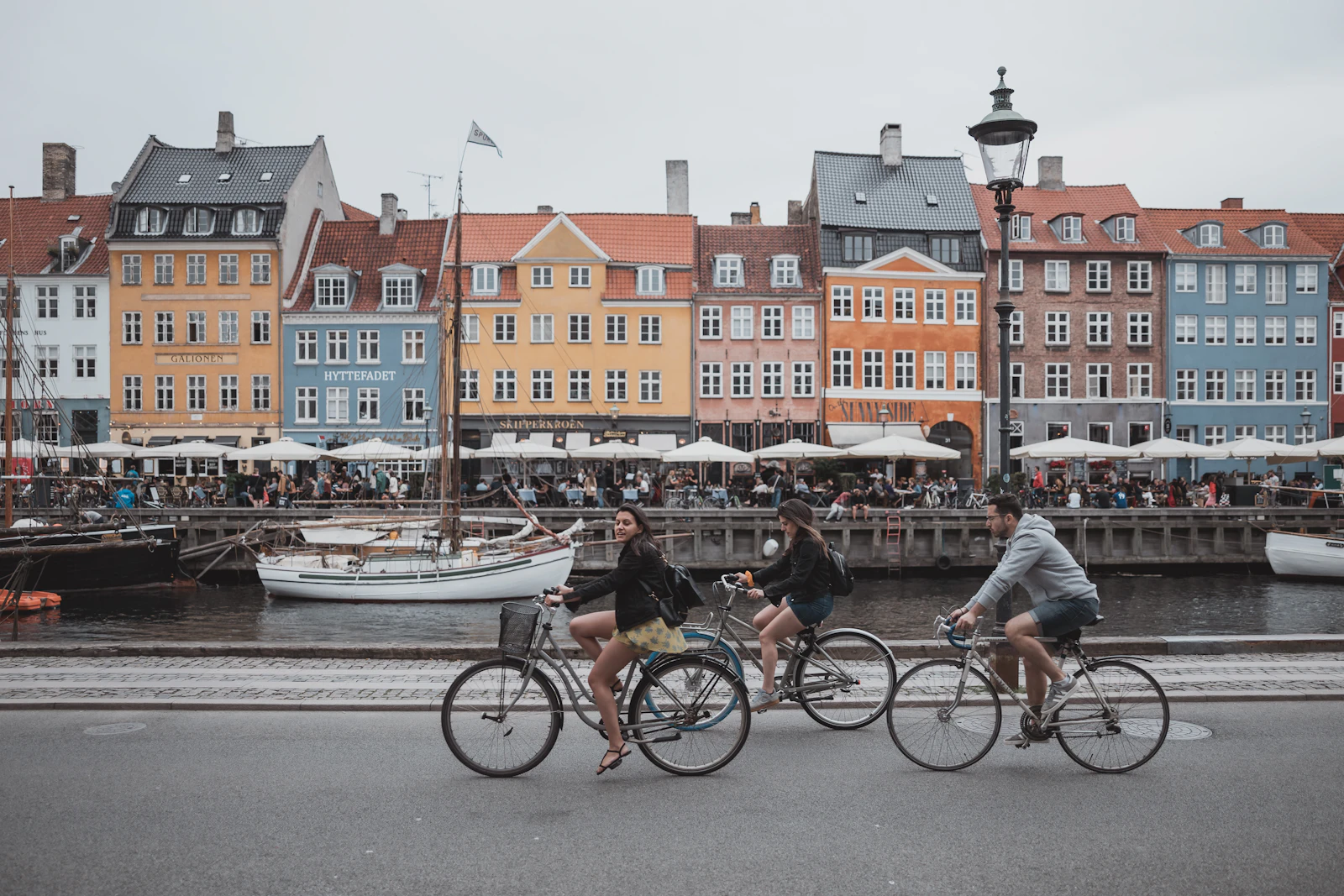 Copenhagen moves by bicycle—join the flow or risk standing out.
Eat, Drink, and Linger in Copenhagen
Copenhagen food is both simple and inventive. Start with smorrebrod, the open-faced sandwiches that are a local staple. They are ideal for lunch and easy to sample in market halls. Danish pastries are another must, and the best strategy is to try a few rather than picking only one. A bakery stop each day keeps the trip joyful.
For dinner, you can go high-end or casual. New Nordic cuisine was born here, and the city has a strong range of tasting menus. If that is not your style, there are plenty of bistros, wine bars, and modern Scandinavian restaurants that feel approachable. Vesterbro and Norrebro are good areas for relaxed dining, while the center has classic options close to the waterfront.
Do not miss the food markets. Torvehallerne is an easy daytime win, and Reffen adds a street-food energy in warmer months. These places are excellent for a quick meal between sights and for trying a variety of small dishes without committing to a full sit-down dinner.
The unique insight is to treat food as part of the itinerary, not a gap between attractions. Copenhagen is expensive, but a well-planned mix of markets and one special dinner can keep costs reasonable while still delivering a great culinary experience.
Coffee culture is strong here, and a mid-afternoon cafe stop can be as memorable as a museum visit. If you enjoy beer, Copenhagen has excellent craft breweries that pair well with casual dinners. Reserving one nicer restaurant and keeping the rest flexible gives you the best of both worlds.
If you want a budget-friendly local snack, grab a hot dog from a classic stand or try a simple open-faced sandwich from a market stall. It is an easy way to sample local flavors without a long sit-down meal. The mix of quick bites and one special dinner is often the most satisfying balance.
Cultural Experiences Not to Miss
Hygge and Café Culture
Copenhagen aims to be the world's first carbon-neutral capital by 2025, and its harbor is clean enough for swimming.
Hygge—the Danish concept of cozy contentment—is everywhere in Copenhagen. Candlelit cafés, warm interiors, and a culture of lingering over coffee embody this feeling. Find a café with soft lighting and blankets, order a pastry, and settle in. No one will rush you. This simple ritual captures what makes Danish culture distinctive.
Markets and Local Shopping
Torvehallerne is Copenhagen's gourmet market—fresh produce, specialty foods, and quick bites under glass ceilings. For design, explore the shops along Strøget and in the Latin Quarter. Vintage finds await in Nørrebro. Markets are best mid-morning before crowds build. Copenhagen's design culture rewards browsing.
Harbor and Canal Life
Copenhagen's waterfront is central to city life. Walk along Nyhavn, but also explore the quieter canals and the Islands Brygge harbor baths. On warm days, locals swim in the harbor—it's clean and welcoming. A canal boat tour offers a different perspective, and the evening light on the water is especially beautiful.
Practical Tips for Travelers
Language
Danish is the official language, but English is spoken fluently by nearly everyone. You'll rarely need Danish, but a simple tak (thank you) and hej (hello) are appreciated. Signs and menus are often bilingual or English-only in tourist areas.
Etiquette
Danes value punctuality and personal space. Arrive on time for reservations. Tipping is not required—service is included—but rounding up for excellent service is appreciated. Danes are friendly but not effusive; don't mistake reserve for coldness. Biking is taken seriously; stay out of bike lanes and follow traffic rules.
Safety
Copenhagen is one of Europe's safest cities. Pickpocketing is rare, but keep valuables secure in crowded areas and on public transport. Bike lanes are heavily used—look both ways before crossing. The biggest hazard for tourists is stepping into a bike lane without looking.
Travel Costs and Budgeting
Copenhagen is one of the pricier cities in Europe, so budget planning matters. A modest daily spend can still land around $80 to $120 without accommodation if you eat casually and use public transit. Mid-range travelers should plan for $130 to $180 per day with a few nicer meals. Premium budgets can rise quickly, especially with tasting menus and private tours.
The Copenhagen Card can be a good value if you plan to visit multiple paid attractions and use public transport frequently. Check your planned stops first, because the value depends on how many museums and palaces you will actually enter. If you are mostly walking and biking, a simple transit pass might be enough.
Reserve restaurants early, especially if you want a specific New Nordic place. Many popular spots book out well in advance. For Tivoli and some museums, buying tickets online can save time, especially on summer weekends.
To save money, lean on bakeries, markets, and casual cafes for lunch, then choose one dinner to splurge on. That approach keeps the experience high without blowing the budget.
Small costs add up, so plan for coffee stops, pastries, and transit rides. If you are biking, factor in a daily rental fee and a small buffer for bad-weather transit. The best value in Copenhagen often comes from slowing down and spending on a few quality experiences rather than chasing every paid attraction.
If you plan a day trip on Day 4, add the train fare and a museum ticket into your budget early so it does not feel like a surprise. Many attractions offer timed tickets, which can also help you avoid paying for last-minute options.
Small savings add up: refill a water bottle, choose a market pastry instead of a sit-down dessert, and use your bike instead of short taxi rides. These little choices can fund a nicer dinner without changing the overall feel of the trip.
If you have extra days, consider combining your Copenhagen trip with Amsterdam, Berlin, and Edinburgh — all easy to reach and covered in our PTO-optimized travel guides.
To maximize your days off without extra PTO, use the free Holiday Optimizer to find bridge days around public holidays for your Copenhagen trip.
Quick Takeaways
- Group days by neighborhood to reduce transit time.
- Bike at least one day to feel the city's rhythm.
- Visit Nyhavn early for the best light and fewer crowds.
- Save Tivoli for evening when the lights come on.
- Choose one day trip or a museum deep dive on Day 4.
- Balance pricey dinners with market lunches.
- Use the Holiday Optimizer PTO calendar to plan which days to take off for your Copenhagen trip.
Conclusion
Copenhagen rewards travelers who balance the must-see landmarks with slower neighborhood exploration. With four days and a clear daily rhythm, you can experience the city's cultural highlights while still leaving room for the spontaneous moments that make a trip memorable. Use this guide as your starting point, but stay open to detours—some of the best Copenhagen moments happen when you wander off the planned route.
Ready to maximize your time off?
Find the best Copenhagen travel windows
Frequently Asked Questions
Is four days enough for Copenhagen?
Yes. Four days covers the core sights and gives you time for at least one neighborhood deep dive or day trip.
Should I buy the Copenhagen Card?
It can be worth it if you plan to visit multiple museums and use public transport often. If you mostly walk or bike, a simple transit pass is enough.
Is Copenhagen easy to bike in for visitors?
Yes. The bike lanes are clear and the city is built for cycling. Follow local rules and stay in the correct lanes.
What is the best time to visit Copenhagen?
Late spring through early fall offers the best weather and long daylight. September is a great balance of mild weather and fewer crowds.
Is a Malmo day trip worth it?
It is a quick and easy change of pace. If you prefer museums or want more time in Copenhagen, stay local instead.
References
- Visit Copenhagen - Official Tourism Website
- Tivoli Gardens Official Site
- Louisiana Museum of Modern Art
- Nyhavn - Visit Copenhagen Guide
- Nomadic Matt's Copenhagen Travel Guide
Share Your Thoughts
If this Copenhagen 4-day itinerary helped you plan, share it with a friend who loves design, food, or bike-friendly cities. Which part of Copenhagen are you most excited to experience?