Amsterdam in 4 Days: Long Weekend Itinerary & PTO Planner for 2026
A lively, non-monotonous 4-day Amsterdam itinerary with canal-ring walks, museum strategy, local food, and smart logistics for 2026.
Introduction
Amsterdam is compact, but it’s not small. The city’s magic lives in layers: 17th‑century canals and bold contemporary design, brown cafés and progressive neighborhoods, quiet courtyards and lively markets. This Amsterdam 4-day itinerary is built for travelers who want both the highlights and the slower, local rhythm that makes the city feel lived‑in rather than rushed. You’ll get a day‑by‑day plan, practical logistics, and a smart pacing strategy that keeps your energy high. Use this guide to plan your four-day trip.
If you’re visiting for the first time, this Amsterdam 4-day itinerary helps you prioritize the biggest cultural anchors while still leaving space for wandering the Nine Streets or lingering over pancakes in De Pijp. If you’re returning, it nudges you toward overlooked corners and a calmer, canal‑side cadence. Either way, the goal is the same: four days that feel balanced, memorable, and deeply Amsterdam.
Planning a longer trip? Check out our extended Amsterdam itinerary covering 7-9 days of in-depth exploration. Use our PTO optimizer to find the best days to take off around your trip dates.
Why Amsterdam Is a Must-Visit Destination in 2026
A Living Museum of Golden Age Design
Amsterdam stands out among European destinations for its unique combination of history, culture, and modern energy. Whether you are visiting for the first time or returning for a deeper look, 2026 is an excellent year to experience what makes this city special.
Progressive Culture Meets Cozy Tradition
What sets Amsterdam apart is the way daily life and cultural depth coexist. You will find world-class landmarks alongside neighborhood rhythms that reward slowing down and paying attention.
Planning Your Trip Essentials
Think of this plan as three loops that expand outward: the canal‑ring core, the museum axis, and the west/north edges. Each day has a distinct theme so you’re never zig‑zagging across the city. The pacing is deliberate: one “big” museum or landmark per day, with lighter neighborhood time around it. That structure keeps your energy steady and helps you absorb the city rather than sprint through it.
Use the Holiday Optimizer to find the best days to book off around public holidays for your Amsterdam trip.
Pace knobs you can adjust
If you love museums, swap one neighborhood afternoon for a second gallery. If you prefer outdoor time, trade a museum slot for a long canal walk or a bike ride in Vondelpark. The backbone stays the same; the flavor is yours.
Another way to personalize this Amsterdam 4-day itinerary is to anchor each afternoon around a single “linger” spot—a canal bench, a favorite café, or a park lawn—so the day isn’t just a sequence of sights. It sounds small, but it turns a tight schedule into something that feels spacious. If you’re traveling with a partner or family, let each person choose one linger spot; it naturally adds variety without expanding the map.
Getting Around and Neighborhoods
If you want the prettiest light and manageable crowds, late spring (April–June) and early fall (September–October) are the sweet spots. Tulip season adds a bonus layer: Keukenhof’s 2026 dates are March 19 to May 10, and the park showcases millions of bulbs in a short, eight‑week window. That makes spring the most photogenic moment for a 4‑day Amsterdam trip, but it also means you should book day‑trip tickets early.
Daylight is the hidden variable. In late spring you can fit a museum, a canal walk, and a relaxed dinner without rushing. In winter, compress the plan: start early, keep museum slots mid‑day, and save evenings for cozy indoor places. If rain hits, swap canal‑walk hours for a museum or café block; the structure of this itinerary is designed to flex without collapsing.
Where to stay depends on the vibe you want. The Canal Belt is ideal for a classic postcard version of the city, while Jordaan delivers quieter streets, boutiques, and café culture. De Pijp is a strong choice for food and nightlife, and it’s still close to Museumplein. For a more local feel and better prices, look at Oost or Amsterdam‑Noord (North). The trade‑off is a little more transit, but the city is small enough that it rarely feels like a hassle.
A quick rule: try to stay within a 15‑minute walk of a canal bridge you like. It becomes your daily reference point and makes Amsterdam feel smaller. If you’re in Noord or Oost, build your mornings around a short ferry or tram hop so you don’t lose your best daylight to transit.
Getting around is simple and fast. Walking is the default; biking is the local superpower. Public transport fills the gaps, and Amsterdam’s system includes trams, buses, metro lines, and free ferries across the IJ. If you’re using public transport daily, a multi‑day ticket can be useful, but even single rides are easy to manage.
If you rent a bike, treat the bike lanes like a fast‑moving highway: ride predictably, stop only at the side, and avoid sudden turns. This one adjustment prevents the classic tourist wobble and makes biking feel far less stressful.
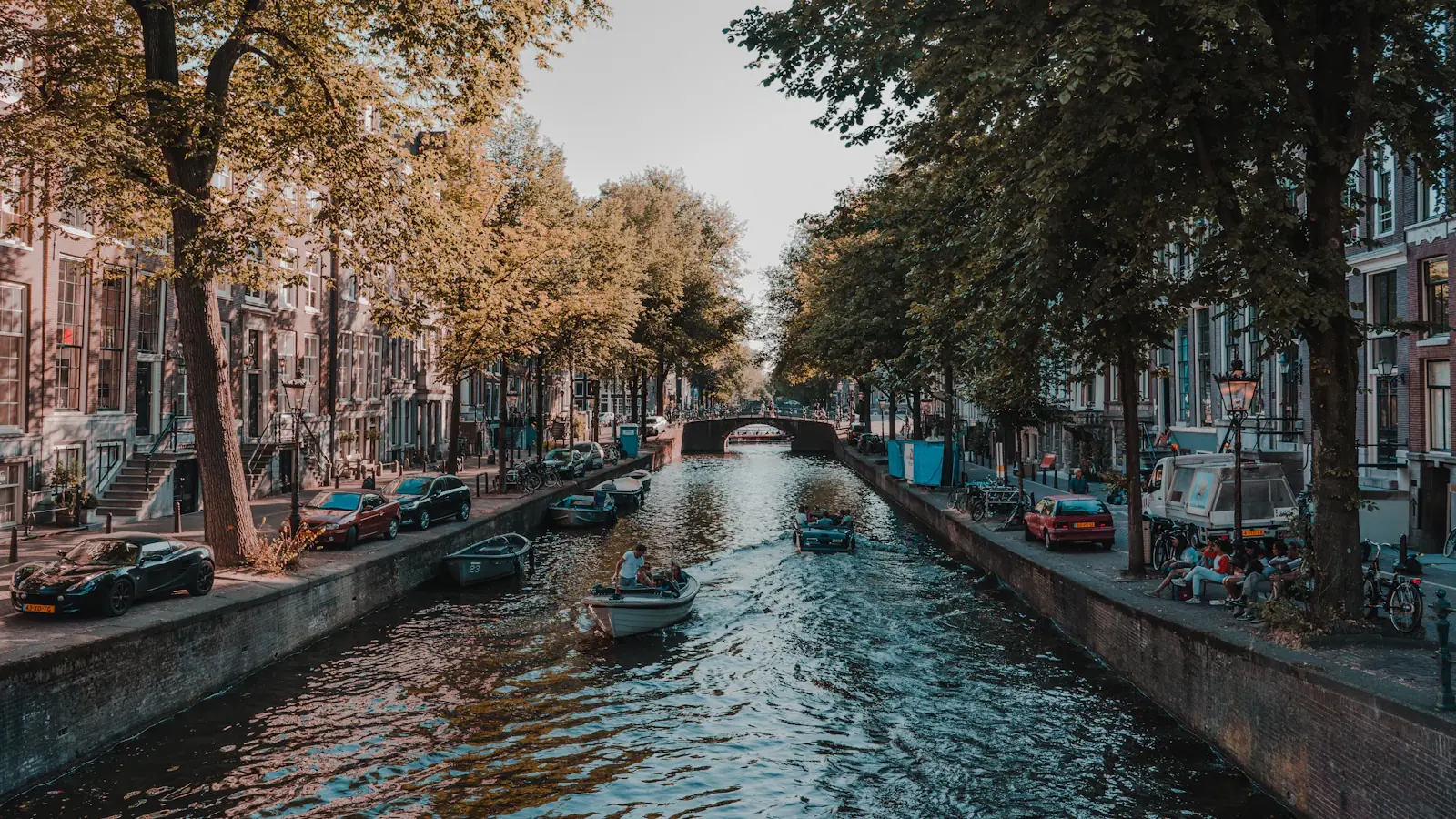
 Bikes and canals are the everyday rhythm of the city.
A key context piece: Amsterdam’s canal ring is a UNESCO World Heritage Site, which is why the city feels architecturally consistent and unusually harmonious. Keep that in mind when planning your walking loops—every canal block is a mini‑museum.
Day 1: Canal Belt & Civic Core
Day 1 is all about orientation. You’re learning the city’s geometry, so stay in the historic core and let the canals guide you.
A good mini‑loop is Singel → Herengracht → Keizersgracht → Prinsengracht. It shows you the scale without exhausting you, and it helps the map feel intuitive by the end of the day. Use bridges as checkpoints and duck into a bookstore or cheese shop when you feel drift.
Morning: Dam Square to the Ring
Start at Dam Square for the civic heart of Amsterdam, then walk toward the canal belt. The goal isn’t to tick every landmark; it’s to feel the scale and layout. Work your way to the Nine Streets (De Negen Straatjes) for boutique shopping and café breaks. These blocks give you a concentrated dose of canal‑house architecture and local retail energy.
Book Anne Frank House tickets exactly 6 weeks in advance—they sell out within minutes of release.
Afternoon: Canal Ring Walk + Optional Cruise
Spend the afternoon walking along the inner canal ring. The UNESCO designation isn’t just a badge; it’s a reminder that the canals were planned as a coherent urban masterpiece. Even a simple walk becomes a design lesson.
If you want a different perspective, take a late‑afternoon canal cruise. The light is softer, crowds thin out, and you get a moving architecture lesson without burning your legs. This is a great spot for the Amsterdam canal cruise evening keyword moment.
Evening: Brown Café Reset
Wrap the day in a brown café—low lights, wood interiors, and a relaxed local feel. Keep it simple: a beer, a jenever, or just a long chat. Your feet will thank you tomorrow.
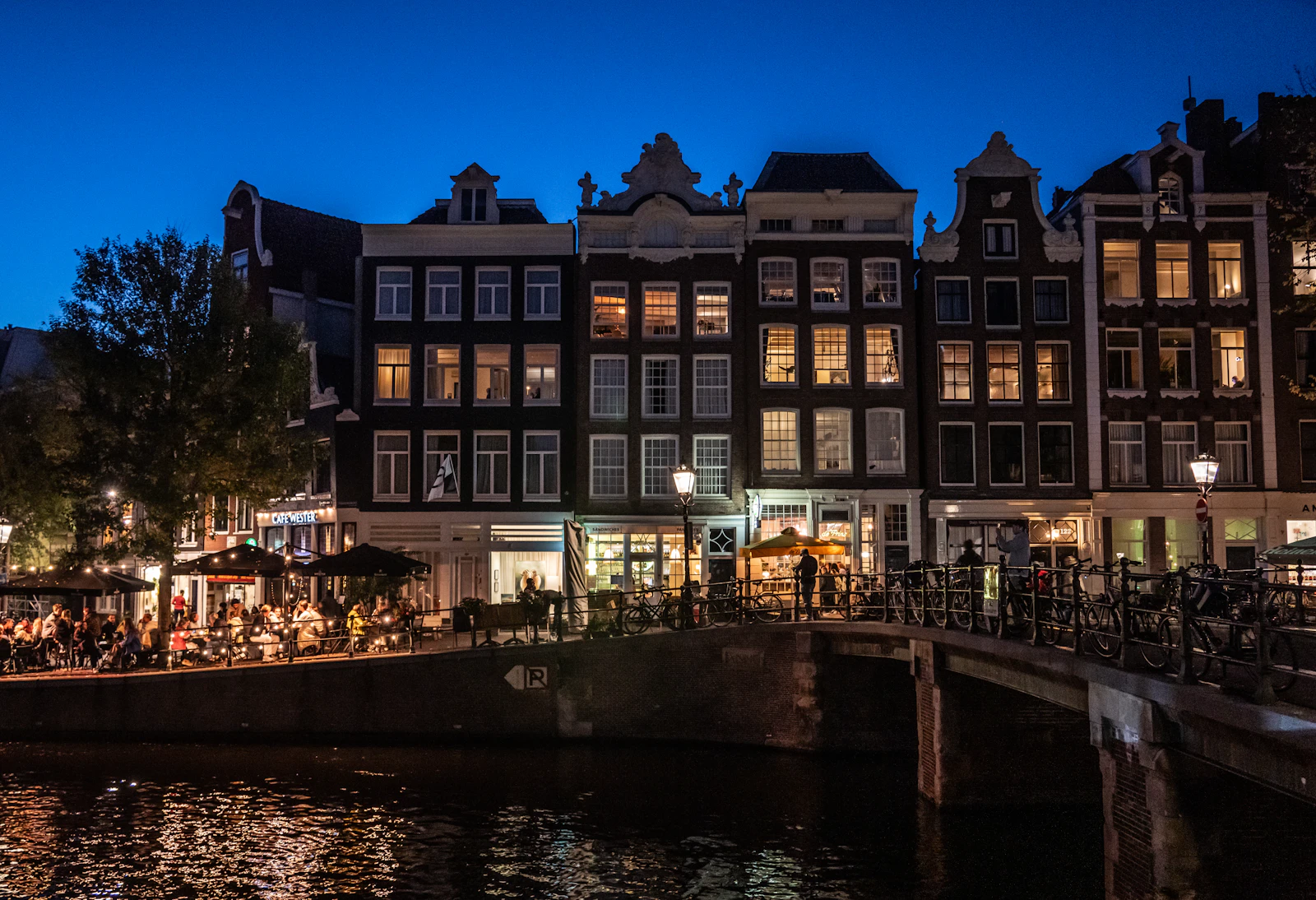 Canal houses glowing at dusk—an ideal way to end Day 1 and lock in the city’s rhythm.
Day 2: Museumplein & De Pijp
This is your art and culture anchor day, balanced with a food‑forward neighborhood afternoon.
Morning: Museumplein Strategy
Pick one major museum and do it well. The Van Gogh Museum is the headline if you want an intense, focused experience: it holds the world’s largest collection of Van Gogh works, including more than 200 paintings, 500 drawings, and hundreds of letters.
If you’re leaning toward Dutch history and grand scale, choose the Rijksmuseum. The key is to avoid museum fatigue: go early, see the essentials, and leave before you’re saturated.
Plan a 20‑minute decompression break after the museum. Museumplein’s lawns are perfect for this, and it keeps your afternoon energy steady. That short reset is the difference between “inspired” and “overloaded.”
Afternoon: De Pijp + Albert Cuyp Market
Head to De Pijp for a change of pace. It’s lively, compact, and easy to explore on foot. The Albert Cuyp Market is the anchor—perfect for stroopwafels, fresh fries, or a casual lunch. This is where your Amsterdam museum itinerary shifts into neighborhood mode.
If you still have energy, add a Vondelpark loop before dinner. It’s the city’s green living room and an easy way to stretch your legs after a museum‑heavy morning.
Evening: Low‑Key Nightlife or Film
De Pijp and nearby neighborhoods offer easygoing bars, cozy wine spots, and casual dining. If you’re energy‑rich, swing by a local cinema for a Dutch‑subtitled film; if not, grab dessert and call it a night.
If you want one small “wow” moment tonight, time a short canal walk for when the streetlights switch on. The reflections make even ordinary bridges feel cinematic.
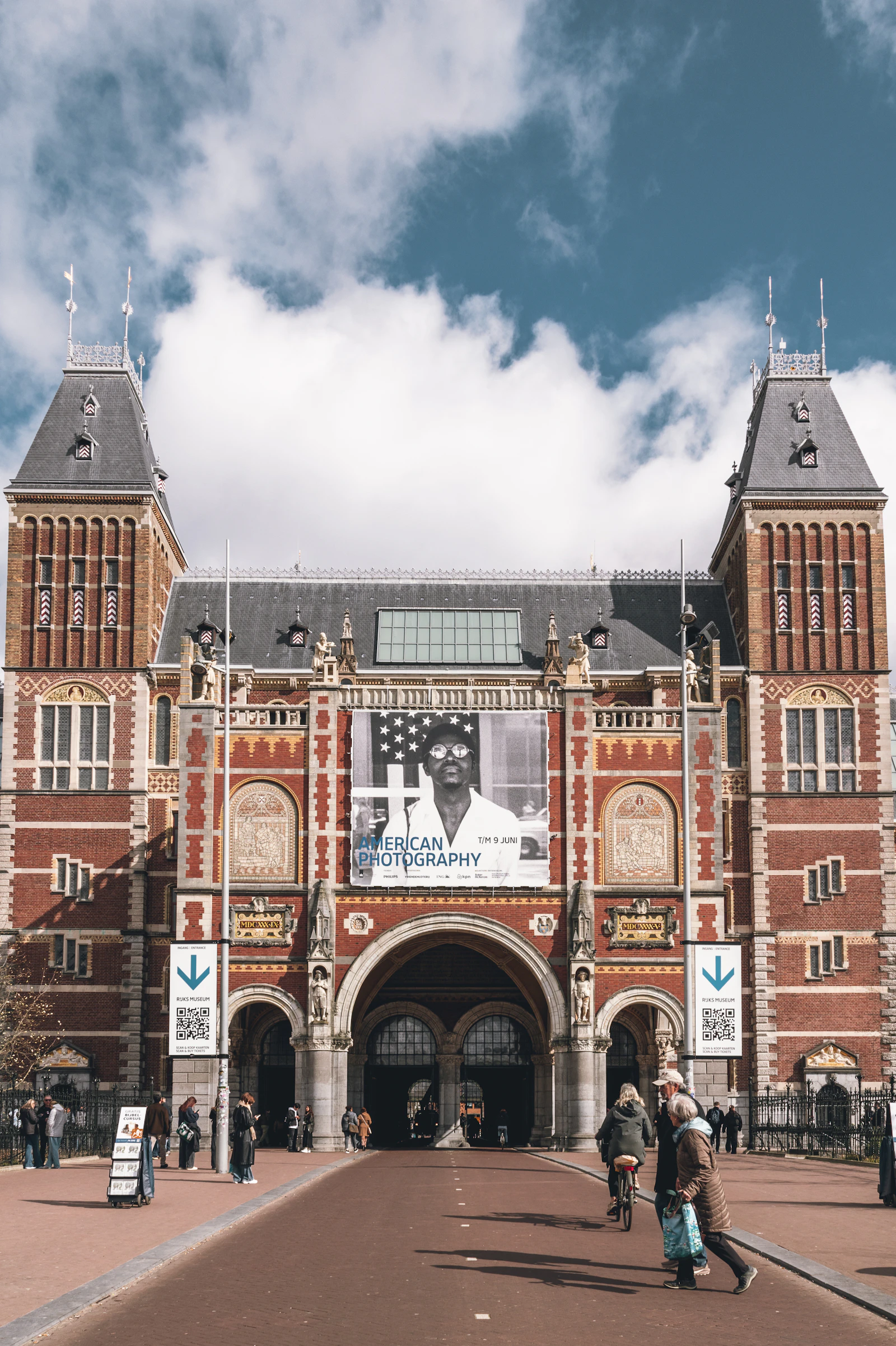 Museumplein’s open space gives you breathing room after a museum-heavy morning.
Day 3: Jordaan, Anne Frank & West
Day 3 is about layered history and the most emotionally powerful visit in the city.
Morning: Anne Frank House (Book Early)
The Anne Frank House requires serious planning. Tickets are released six weeks in advance on a weekly schedule, and timed entry is the only way in. Plan your booking early and lock in a morning slot to avoid the heaviest crowds. A typical visit takes about an hour.
It’s an emotionally heavy visit, so give yourself a buffer afterward. A quiet canal walk or a café stop helps you reset before the rest of the day.
Afternoon: Jordaan + Hidden Courtyards
After the museum, keep your pace gentle. Wander Jordaan’s canals, pop into a courtyard garden, and stop for lunch in a classic café. This is a perfect place for your Jordaan neighborhood guide moment—look for small galleries, specialty shops, and quieter side streets.
If you want a structured stop, peek into a historic church or a small photography gallery. These low‑key visits balance the emotional weight of the morning without demanding much energy.
Evening: West‑Side Dinner
For dinner, stay on the west side of the canal ring. It’s less hectic than the center and gives you a calmer end to a heavy day. If you want a view, pick a canal‑side spot and arrive before peak hours.
A short post‑dinner walk along Prinsengracht or Bloemgracht is the perfect cool‑down, and it keeps you connected to the city without adding more agenda items.
If you still have curiosity energy, pop into a small neighborhood bar for one drink and call it. This keeps the evening grounded without turning it into a late night.
Another calm option is a canal‑side bookstore or small design shop—low effort, high atmosphere, and a nice way to end a reflective day.
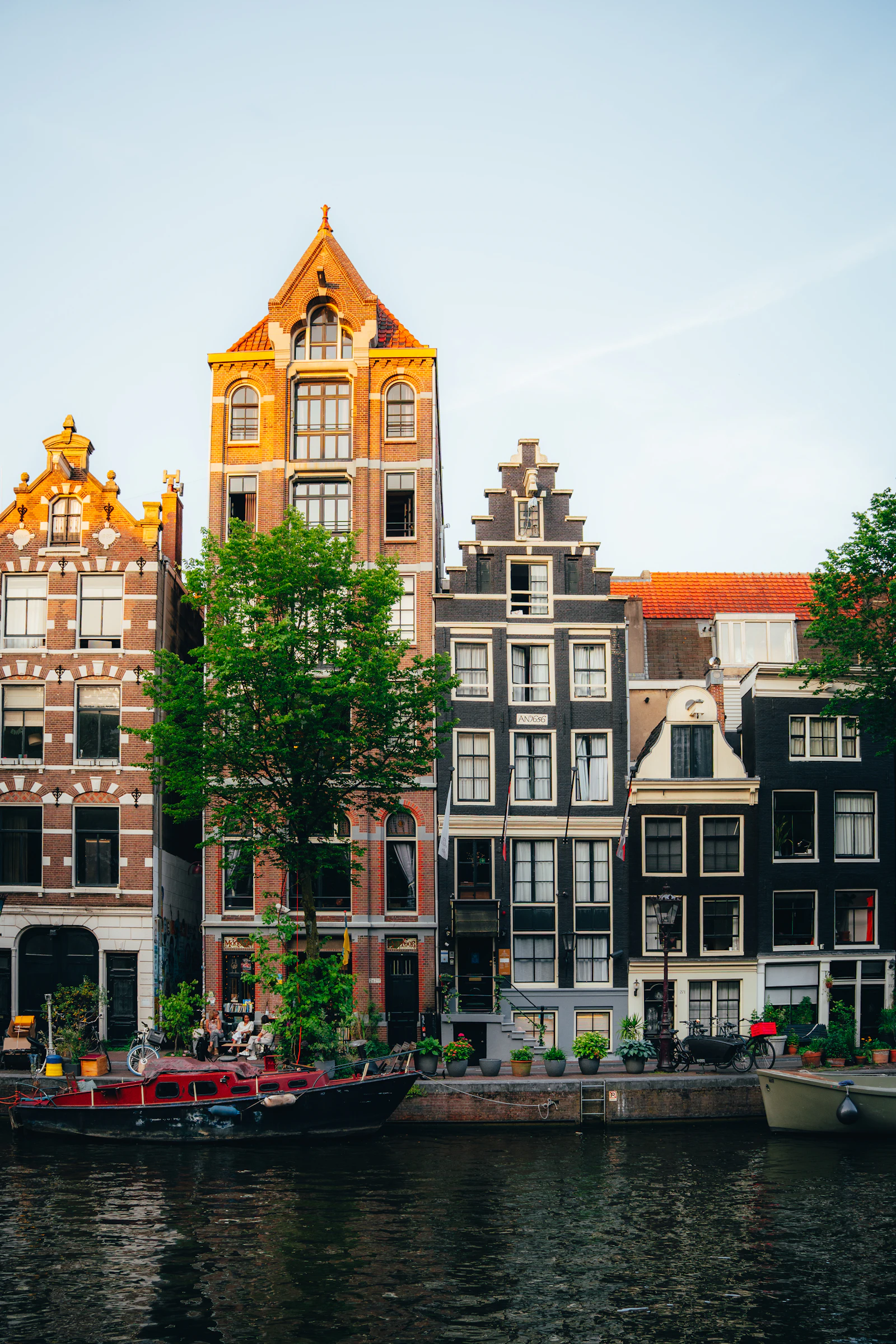 A quiet canal view that matches the pace of Jordaan afternoons.
Day 4: North or Day Trip Loop
Day 4 is flexible by design. Choose your own finish line based on energy and season.
Option A: Amsterdam‑Noord Creative Day
Take the free ferry from behind Centraal Station into Amsterdam‑Noord. The North is full of open spaces, creative studios, and warehouse‑style culture. Wander NDSM Wharf, grab lunch at a food truck, and enjoy the different skyline.
If you prefer a calmer North, focus on the waterfront paths and slow cafés rather than the busiest creative hubs. It’s a great place for a low‑key afternoon that still feels distinct from the canal belt.
Option B: Keukenhof (Spring) or Windmills (Any Season)
If you’re visiting in spring, Keukenhof is the standout day trip. The park displays around 7 million spring‑flowering bulbs and is open only in a short seasonal window—March 19 to May 10 in 2026.
If it’s outside tulip season, swap in Zaanse Schans or Haarlem for an easy, low‑stress excursion. This keeps your Amsterdam day trip from city center intention intact without forcing a long haul.
Choose your Day 4 option based on weather and energy. If the forecast is sunny, go out of town; if it’s gray, stay closer to the city and save the day trip for a longer future visit.
Either way, plan a simple lunch—sandwiches or a café stop—so your day trip doesn’t become a rushed search for food. A small bit of planning makes this flexible day feel smooth rather than scattered.
If you finish early, use the spare time for a final canal walk or last‑minute shopping before dinner.
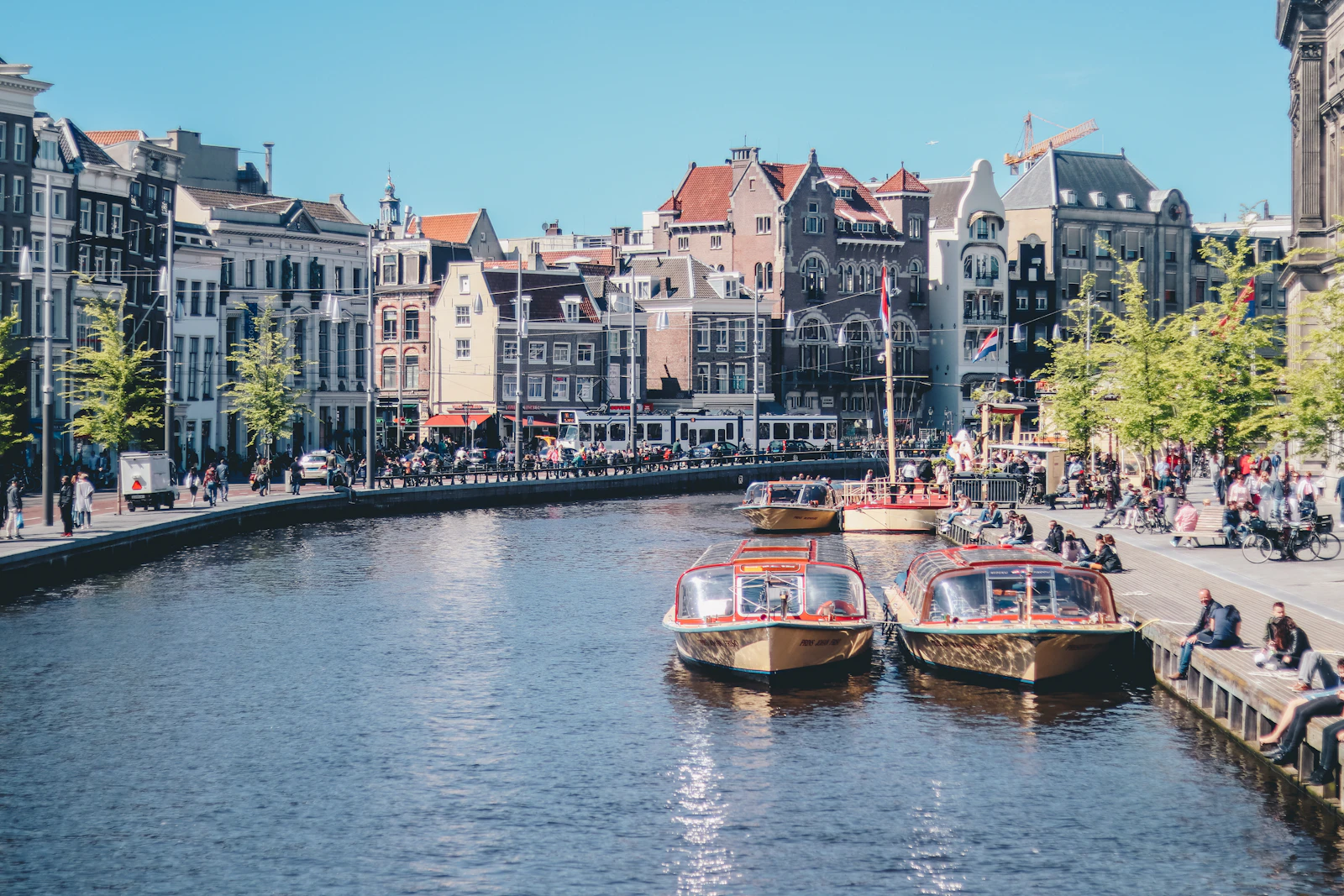 The IJ ferry ride is short but scenic—and it resets your perspective on the city.
Eat, Drink, and Recharge
Amsterdam’s food scene is low‑key in the best way. It’s more about comfort, craft, and variety than flashy dining. A smart approach: one big meal per day, with lighter snacks in between. Try a rijsttafel (Indonesian small‑plate feast) once, and balance it with casual bites like herring, bitterballen, or a simple broodje.
For coffee, look for independent roasters in De Pijp or Jordaan. For a communal bite, Foodhallen works well—lots of choice, lively energy, and zero commitment to a single menu. And for evenings, pick one “late” night and keep the rest mellow; Amsterdam rewards slower nights as much as it rewards nightlife.
If you’re watching budget and energy, grocery picnics by the canals are a win. In good weather, they feel like an event. In bad weather, they feel like cozy damage control. Either way, they’re a great reset between big sight days.
Breakfast is where you can save money without sacrificing quality. A bakery stop for fresh bread and cheese feels local and costs far less than a sit‑down brunch. Reserve your splurges for the meals that matter most to you.
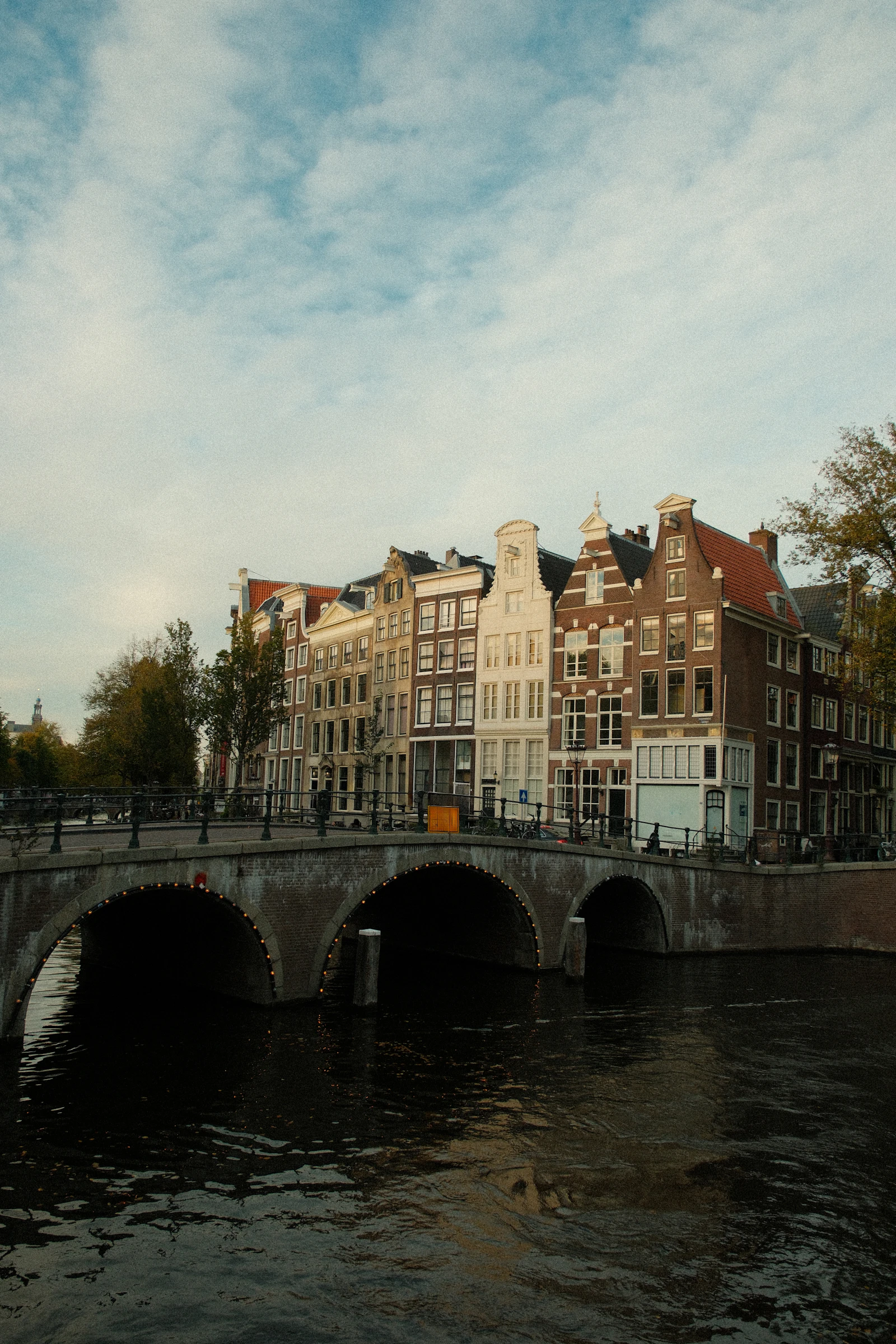 Canal walks are the easiest way to reset between big sightseeing blocks.
For drinks, Amsterdam’s local beer scene is strong, and many bars offer small tasting pours. It’s an easy way to sample without committing to a full night out. Keep hydration in mind—between walking and museums, you’ll feel better with regular water breaks.
If you want one “special” meal, book it for Night 3 or Night 4. You’ll be comfortable navigating the city by then, and you’ll know which neighborhood you want to linger in.
Dinner times are later than in some cities, so a late lunch plus a lighter dinner often feels best on a museum‑heavy day.
If you're craving something sweet, Dutch apple pie with coffee is a classic, low‑effort reward after a long walk.
Cultural Experiences Not to Miss
Brown Café Culture
Amsterdam's canal ring is a UNESCO World Heritage Site, designed in the 17th century as an integrated urban plan.
Amsterdam's brown cafés are centuries-old neighborhood pubs with dark wood interiors, candlelit tables, and a cozy atmosphere that invites lingering. Order a local beer or jenever (Dutch gin) and settle in. The best ones feel like someone's living room—no rush, no pretense. Look for cafés in Jordaan or along quieter canal streets for the most authentic experience.
Markets and Local Shopping
Beyond Albert Cuyp, Amsterdam's markets offer a window into daily Dutch life. The Noordermarkt on Saturday mornings combines organic produce with antiques. The Waterlooplein flea market is ideal for vintage finds. For flowers, the Bloemenmarkt on Singel is touristy but still charming. Markets are best early, before crowds build.
Evening Canal Walks
Amsterdam transforms after dark. The canal bridges light up, the water reflects the gabled houses, and the city feels quieter and more intimate. A late evening walk from Centraal Station along Herengracht or Prinsengracht is one of the best free experiences in the city. Bring a light layer—evenings can be cool even in summer.
Practical Tips for Travelers
Language
Dutch is the official language, but English is spoken almost universally. You'll rarely need Dutch, but a simple dank je wel (thank you) or alsjeblieft (please) is appreciated. Signs and menus are often bilingual.
Etiquette
The Dutch are direct and value punctuality. If you book a dinner reservation, arrive on time. Tipping is not required—service is included—but rounding up or leaving a euro or two for good service is common. In cafés, it's fine to linger after your drink.
Safety
Amsterdam is generally very safe, but watch for pickpockets in tourist-heavy areas like Dam Square and near Centraal Station. Bike lanes are serious infrastructure—stay out of them when walking. Lock bikes properly if you rent one, and keep valuables secure in crowded spaces.
Travel Costs and Budgeting
The biggest Amsterdam budget mistake is overbooking. You don’t need to reserve every hour. Prioritize a few key timed entries and leave breathing room for spontaneous discovery.
Start with the Anne Frank House and Van Gogh Museum. Both use timed entry, and tickets can sell out far in advance. Book those first, then build the rest of your schedule around them. If you’re coming during tulip season, add Keukenhof early too.
Transportation costs are controllable. Walking covers most of the canal ring, while trams and ferries fill the gaps. Keep your transit simple: use public transport when the distance is more than two canal blocks, and walk when it’s not.
Finally, plan for a “surprise budget” line item. Amsterdam is full of small temptations—bookstores, vintage shops, pop‑up markets. If you budget for them, you can say yes without regret.
If you’re considering a museum pass, do the math. It pays off only if you plan multiple paid museums in a tight window. Otherwise, pay individually and keep your schedule lighter.
One more tip: split your daily budget into experience, food, and transport buckets. When one bucket runs high, you’ll know where to slow down without guessing.
For a tighter Amsterdam 4-day trip budget, choose one paid museum per day and keep the rest of your time in free or low‑cost spaces like parks, markets, and canal walks.
When you book experiences, aim for tickets with flexible rescheduling. Weather or energy can change fast, and that flexibility lets you keep the itinerary smooth instead of rigid.
Finally, track your spending by day rather than by category. It’s easier to adjust mid‑trip if you notice one day running high.
That small habit keeps the budget calm and predictable.
To maximize your days off without extra PTO, use the free Holiday Optimizer to find bridge days around public holidays for your Amsterdam trip.
Frequently Asked Questions
These are the questions travelers most often ask when building an Amsterdam 4-day trip. Use them as a final checkpoint before you lock in bookings.
They also double as a last‑minute sanity check on your pacing and priorities.
Is four days enough for Amsterdam?
Yes—four days is ideal for first‑time visitors. You can cover the canal ring, one or two major museums, and still have time for neighborhoods like Jordaan and De Pijp. It’s the sweet spot between a rushed weekend and an overlong stay.
Should I buy museum tickets in advance?
Absolutely. Timed tickets are the norm, especially for the Anne Frank House and the Van Gogh Museum. If you’re building an Amsterdam museum itinerary, book those first and keep the rest flexible.
Is biking safe for tourists?
Yes, but you need to respect Amsterdam bike etiquette. Stay out of bike lanes when walking, signal turns, and avoid sudden stops. If you’re nervous, rent a bike for one quieter morning rather than the whole trip.
If you do ride, choose canals or parks for your first loop before attempting busier center streets.
What’s the best day trip from Amsterdam?
For spring, Keukenhof is the headline. Outside spring, Zaanse Schans or Haarlem are easy wins. Choose the trip that matches the season and your pace.
If you want minimal logistics, Haarlem is the simplest: compact, walkable, and close enough to return early for dinner.
Where should I stay for a 4‑day itinerary?
For convenience, the Canal Belt or Jordaan are best. For a more local feel, De Pijp or Oost gives you great food and a calmer vibe. Pick based on how much walking versus transit you want.
If you're a light sleeper, avoid the loudest nightlife zones and choose a side street just one canal away.
References
- I Amsterdam - Official Amsterdam Tourism Website
- Van Gogh Museum - Official Website
- Anne Frank House - Official Website
- Amsterdam Canal Cruises
- Nomadic Matt's Amsterdam Itinerary Guide
If you have extra days, consider combining your Amsterdam trip with Berlin, Copenhagen, and Paris — all easy to reach and covered in our PTO-optimized travel guides.
Quick Takeaways
- The canal ring is your compass—plan loops rather than criss‑crossing the city.
- One major museum per day keeps energy and focus high.
- Book Anne Frank House tickets early; they sell out fast.
- Use the free IJ ferry for a simple, scenic reset.
- Spring trips pair perfectly with Keukenhof’s short bloom window.
- Keep evenings flexible—Amsterdam’s best moments are often unplanned.
- Use the Holiday Optimizer PTO calendar to plan which days to take off for your Amsterdam trip.
Conclusion
A great Amsterdam 4-day itinerary is less about intensity and more about rhythm. You’re weaving together museum depth, canal‑side wandering, and small rituals—coffee by the water, a late canal walk, a short ferry ride that makes the city feel larger than it is. The itinerary above keeps the essentials intact while still leaving space for improvisation, which is where Amsterdam tends to sparkle. By anchoring each day around a single core experience, you avoid decision fatigue and let the city unfold at a human pace. That’s the difference between a checklist trip and a lived‑in visit.
If you take one thing away, make it this: Amsterdam rewards slow curiosity. Give yourself moments to pause, and the city's details—ornate gables, hidden courtyards, tiny bridges—start to tell their own story.
Ready to maximize your time off?
Find the best Amsterdam travel windows
Share Your Thoughts
If this guide helped, share it with a travel buddy who loves city breaks—and tell us what you’d add to a first‑timer’s Amsterdam 4-day itinerary. What’s the one café, canal, or neighborhood that surprised you most?