Bangkok in 7-9 Days: Extended Vacation Itinerary to Maximize PTO in 2026
Plan a week-long Bangkok adventure with Grand Palace visits, Ayutthaya day trips, floating markets, Chinatown street food crawls, and neighborhood exploration tips for 2026.
Introduction
Bangkok rewards time. With a full week, the city stops feeling like a blur and starts to feel like a rhythm: early temple mornings, long lunches in the shade, neon-lit nights, and quiet river breezes that slow everything down. This Bangkok 7-day itinerary is designed for travelers who want the iconic sights without burning out by Day 3. Use this guide to plan your extended trip.
You'll cover the big temples, Chinatown food lanes, modern districts, and a classic day trip to Ayutthaya. But you'll also build in recovery time, neighborhood walks, and a few unstructured hours that make the trip feel personal. The goal is simple: see Bangkok deeply, not just quickly.
Expect a week with two speeds: mornings for big sights, afternoons for shade and snacks, and nights for neon energy. We'll show you how to use rail and boats to cut traffic, where to slow down, and how to keep the trip comfortable even in the heat.
Short on time? See our Bangkok 4-day itinerary for a focused long-weekend plan. Use our PTO optimizer to find the best days to take off around your trip dates.
Why Bangkok Is a Must-Visit Destination in 2026
Street Food Capital of the World
Bangkok stands out among Asian destinations for its unique combination of history, culture, and modern energy. Whether you are visiting for the first time or returning for a deeper look, 2026 is an excellent year to experience what makes this city special.
Ancient Temples and Modern Energy in One City
What sets Bangkok apart is the way daily life and cultural depth coexist. You will find world-class landmarks alongside neighborhood rhythms that reward slowing down and paying attention.
Planning Your Trip Essentials
Bangkok is a city of zones, and the fastest way to enjoy it is to group each day by area and energy level. This week alternates high-intensity sightseeing with calmer afternoons and easy nights. You'll hit the Old Town early when the heat is low, then lean into river time and food scenes as the day cools down. The plan also uses rail and boats whenever possible to avoid traffic bottlenecks.
The week is built on three anchors: Old Town temples, Chinatown food culture, and a classic day trip outside the city. Everything else is modular. If you want more shopping, add time in Siam or Sukhumvit. If you want more cultural texture, add a neighborhood stroll in Thonburi or Bang Rak.
Each day includes one core experience and one optional add-on. That structure protects your energy and gives you freedom to linger, nap, or switch plans when the weather shifts. You will still cover a lot, but it will feel organized, not frantic.
Use the Holiday Optimizer to find the best days to book off around public holidays for your Bangkok trip.
Getting Around and Logistics
Bangkok is hot year-round, but the most comfortable window is November through February, when humidity is lower and evenings feel lighter. That does not mean other months are off-limits. It just means you should plan around heat: early starts, shaded breaks, and a slower midday pace.
For a week, it is worth choosing a base that makes transit easy. Sukhumvit is the most connected for rail access, Riverside is beautiful and calm, and Old Town is perfect for temples but quieter at night. If you want one base for the entire week, pick somewhere near BTS or MRT so you can move fast. If you are open to splitting stays, spend the first half near Old Town and the second half near Sukhumvit for variety.
Transport is a mix of rail, river boats, and short ride-hailing trips. The BTS and MRT handle long cross-town moves quickly. River ferries are excellent for Old Town, Wat Arun, and riverside dining. Use ride-hailing for short hops and late-night returns.
Pack for temple etiquette and heat. Light, breathable clothing is ideal, and a small cover-up makes temple visits easy. Carry water, a hat, and small bills for ferries and markets. Build one "cool-down hour" into each day, whether it is a cafe, a museum, or a massage. That pause is what makes a one week in Bangkok plan feel sustainable.
One practical tip: if anyone claims a major site is "closed today," walk to the official entrance yourself before changing plans. It saves time and stress. Also, treat temple visits like a morning sport: go early, take your time, and give yourself permission to leave when the heat peaks. That rhythm is the key to enjoying Bangkok in any season.
A compact umbrella can double as sun shade and quick rain cover, which is surprisingly useful in Bangkok's humidity.
Day 1: Old Town Temples + River Orientation
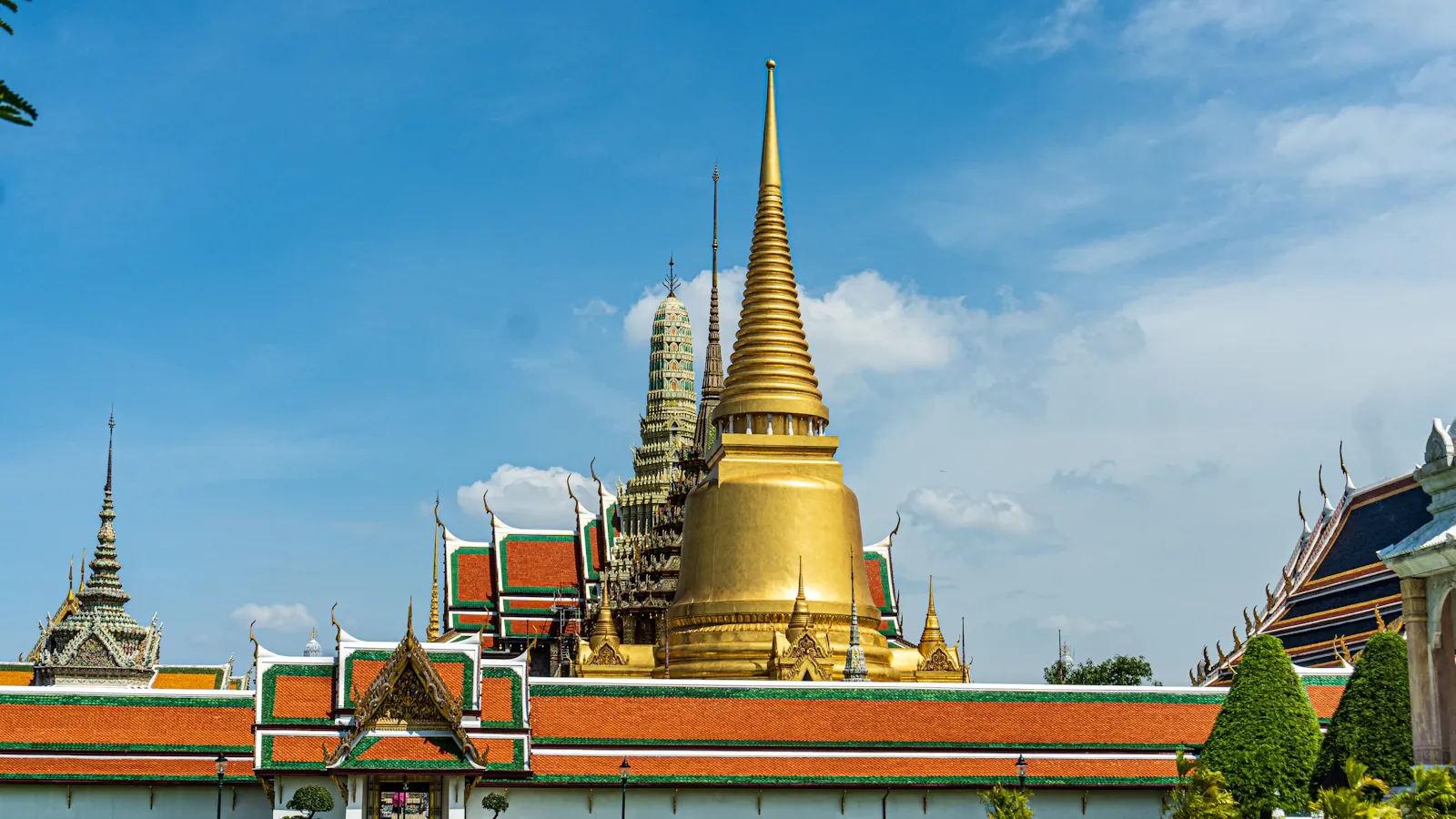
Start with the ceremonial heart of Bangkok. Day 1 is your highest-energy sightseeing day, so begin early with the Grand Palace area or another major temple complex. Dress modestly, move slowly, and focus on the most meaningful halls rather than trying to see every corner. These sites are intense, and a calm pace makes them feel special instead of overwhelming.
After your main temple visit, head to Wat Pho for the reclining Buddha and the quieter temple courtyards. The rhythm here is different: less grand, more contemplative. Take time to walk through the shaded areas and notice the details. Then cross the river to Wat Arun for a late-morning or early-afternoon visit. The ferry ride is short and refreshing.
By late afternoon, shift into river orientation. Walk along the Chao Phraya, watch the boats, and settle into a riverside meal. This is a great time to enjoy a view without squeezing in another major attraction. The river gives you context for the whole city, and the breeze is a reward after the morning heat.
If you still want one small add-on, visit a nearby flower market or a smaller temple lane. Keep it short and local. The goal is to end the first day feeling energized, not depleted. Your week will be better if you end Day 1 with a calm evening and a good night's sleep.
Wear shoes that slip on and off easily, and keep a small towel for the heat. Those tiny comforts make the first big temple day feel smooth rather than stressful.
 A classic temple roofline against the river sets the tone for the week.
Day 2: Wat Arun Loop + Slow Riverside Evening
Day 2 keeps you in the river zone but slows the pace. Start with a light breakfast and one focused temple visit. If you already hit Wat Arun on Day 1, choose a quieter temple or a museum nearby instead. The purpose of Day 2 is depth, not volume.
Use the late morning for a short river ride or a riverside stroll. This is when Bangkok feels most cinematic: longtail boats, gold spires, and wide river light. Add a cafe break or a shaded courtyard and let the day breathe. If you are templed-out, swap in a small design museum or a local craft shop.
For lunch, choose a spot with a view or a small riverside restaurant. You do not need a fancy reservation; you need a long table and a slow meal. That long lunch will reset your energy for the evening.
As the day cools, take a simple river walk or hop on a public ferry for a loop. It is low-effort and high-reward. If you want a photo moment, this is the time. End with a riverside dinner or a calm rooftop that does not require a long commute. Your second day should feel lighter than the first, with a clear sense of the city's river spine.
If you crave something different, slot in a quiet museum or a small craft shop after lunch. It gives your feet a break and adds variety without another long transfer.
A short night market stop can be a gentle way to end the day if you still have energy.
Day 3: Chinatown + Markets + Street Food Night
Day 3 is all about flavor. Start with a market stop that fits your schedule. If it is Saturday or Sunday, Chatuchak Market is an excellent anchor since it is only fully open on weekends. Go early, focus on one or two sections, and leave before the heat peaks. If it is a weekday, choose a smaller market or a neighborhood shopping lane instead.
After the market, take a long break. Bangkok is intense, and a midday pause protects your night. A short nap, a cafe, or a quiet museum is not wasted time. It is the reason you will enjoy Chinatown later.
As evening arrives, head to Yaowarat. This is Bangkok's most iconic food zone: bright signs, sizzling woks, and endless options. The best approach is simple. Pick one savory dish, one sweet bite, and one drink, then wander. You do not need a huge checklist to feel the atmosphere.
If you want structure, join a guided Chinatown Yaowarat food tour and let someone else handle the choices. If you prefer independence, follow the busiest stalls and keep your portions small. The goal is variety without overload.
Finish the night with a slow walk through the side streets and a calm ride back to your base. Chinatown is intense in a wonderful way, but it is still a big night. Keep Day 3 focused on food and atmosphere rather than stacking too many side activities.
Bring small bills and a few napkins. Street food is fast and lively, and those tiny details keep the experience relaxed. If you are unsure what to order, watch what locals pick and copy them.
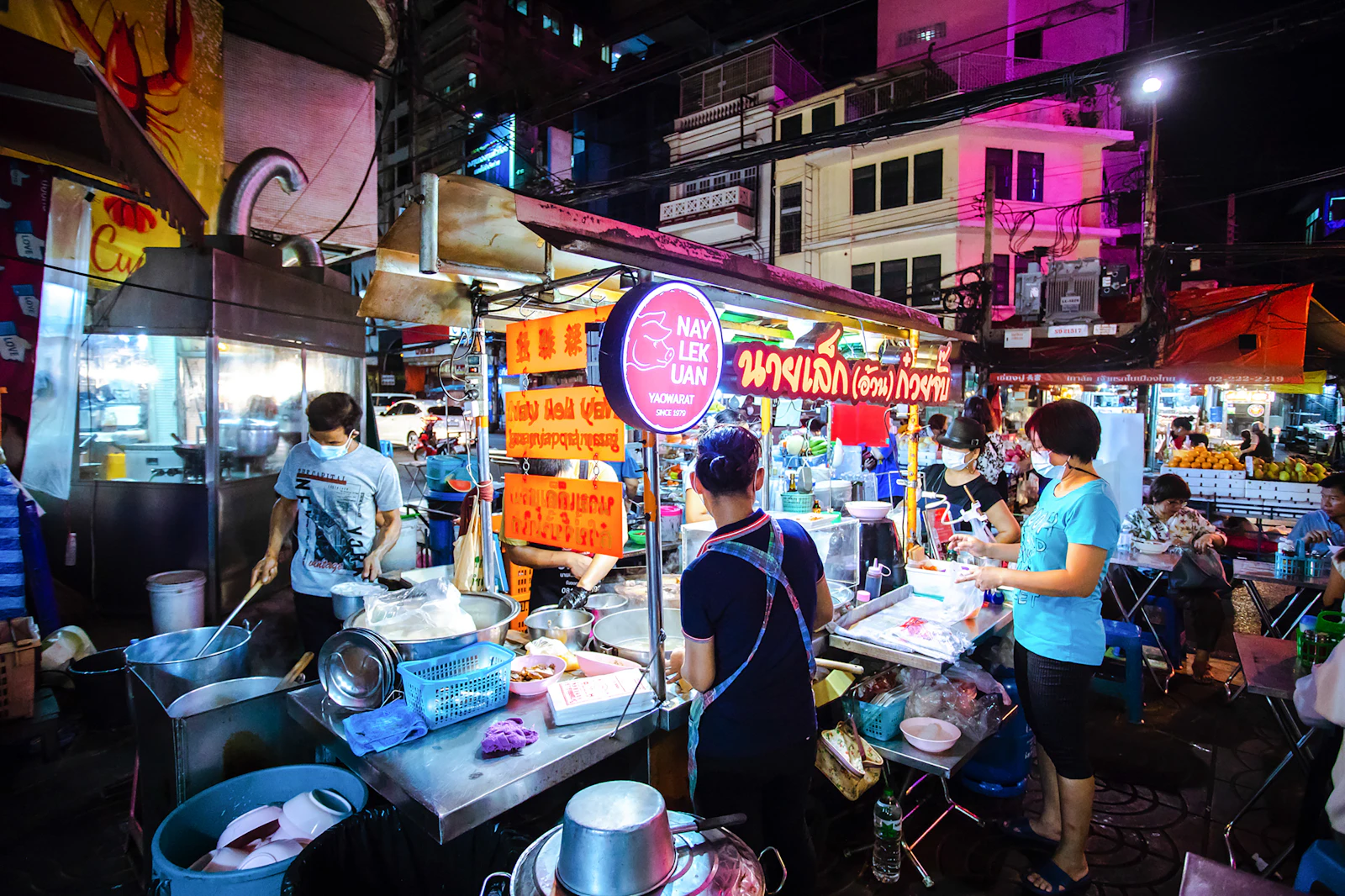 A bowl of Thai street food captures the city's night energy.
Day 4: Modern Bangkok + Malls + Rooftop Views
Day 4 is your modern contrast. Start in the Siam area for galleries, contemporary malls, or a calm cafe. Bangkok's mega-malls are part of its identity, and even a short visit reveals how local life moves between the heat and the air-conditioned interiors.
If you want more texture, add a creative neighborhood or a small canal-side walk. This is the day to choose one quieter district and explore it on foot for an hour. Keep it light. You are not trying to see everything; you are trying to feel the city beyond the temples.
As evening approaches, pick one rooftop or skyline spot. You do not need the most famous bar. You need a good view and a short commute back to your base. Arrive around golden hour, enjoy one drink, and leave before it turns into a late-night scene. The rooftop moment is a visual reset before your day trip.
Day 4 is also your flexible day. If you want a museum, a Thai massage, or a longer lunch, this is the space to do it. The key is to avoid long transit times. A calm, modern day makes the rest of the week feel balanced.
Many rooftops have a smart-casual dress code, so pack a slightly nicer top in your day bag. Arrive before sunset, enjoy one drink, and leave when the crowd peaks. That simple timing keeps the night fun and protects your energy for the day trip ahead.
If you want a shopping break, focus on one mall and one nearby street rather than trying to cover the entire district. It keeps the day light and prevents decision overload.
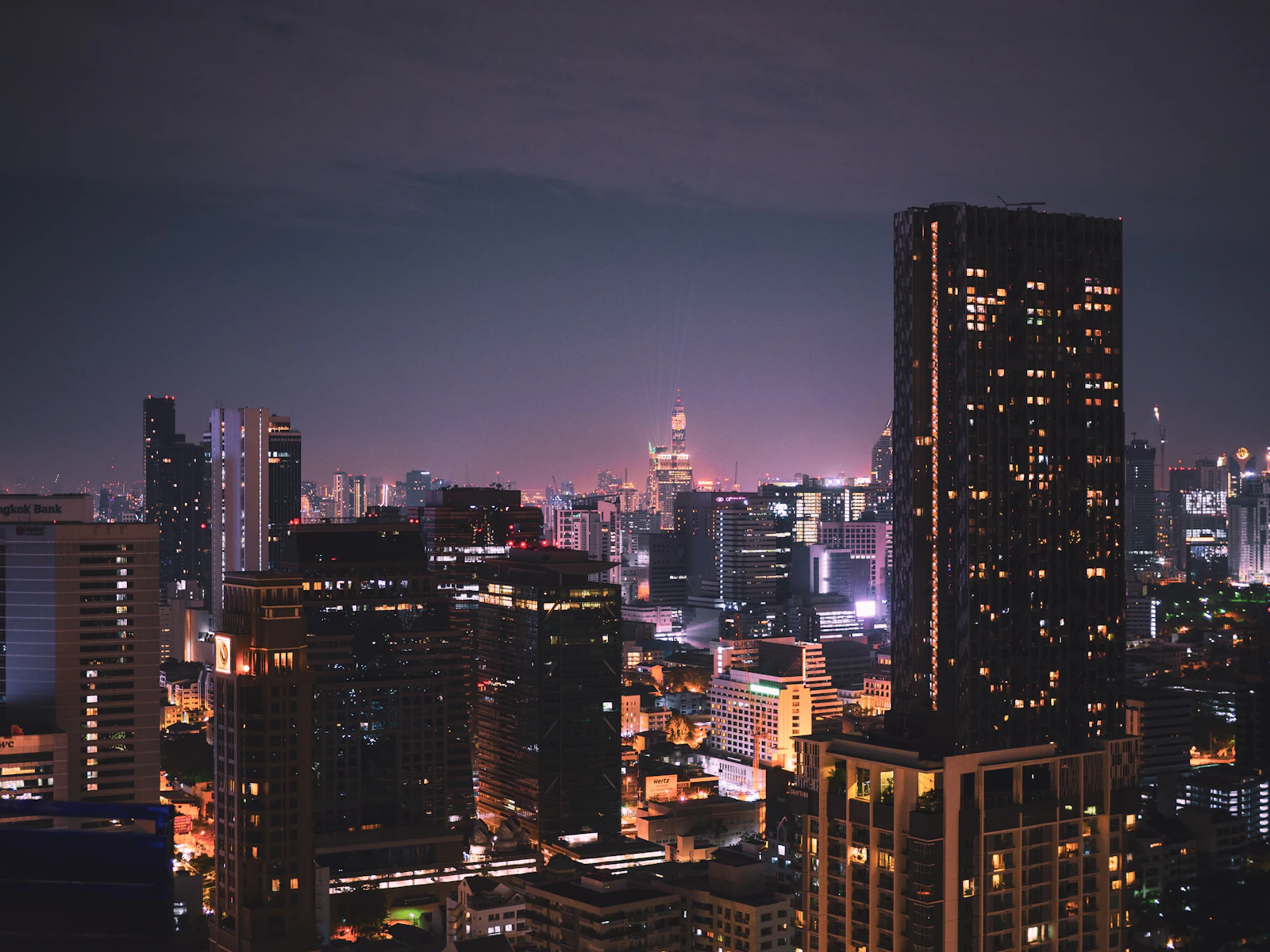 Riverfront high-rises and boats show Bangkok's modern side.
Day 5: Ayutthaya Day Trip
Day 5 is your big history day. Ayutthaya is the classic Ayutthaya day trip from Bangkok, and it is worth it for the scale and atmosphere of the ruins. Start early and aim for a full day so you can move slowly instead of rushing through temple after temple.
Getting there is straightforward. You can take a train, a private driver, or a small-group tour. Trains are budget-friendly and give you a local view of the countryside. Drivers are more flexible if you want to stop at a few specific sites. Whichever option you choose, plan for a full day and bring sun protection, water, and a hat.
Once you arrive, pick three or four key sites and take your time. The best experiences come from sitting in the shade and taking in the scale rather than racing between ruins. A bicycle can be a good option if the weather is mild. If it is hot, hire a tuk-tuk for the loop and focus on the main temples.
Use the afternoon for a slow lunch and a final temple stop, then head back before dark. When you return to Bangkok, keep the evening simple. You will have done a lot, and the next day is designed to be calmer.
Pack light for the day: water, sun protection, and a small snack. Ayutthaya is spread out, and shaded rest stops are part of the experience. If you are a history fan, read a short overview the night before so the ruins feel more vivid. If you are not, just let the scale and quiet do the work.
If your timing allows, end at one final site near late afternoon light. The softer glow makes the ruins feel even more atmospheric and is a calm way to close the day.
Day 6: Thonburi Canals + Local Neighborhoods
Day 6 shifts to a quieter side of Bangkok. Start across the river in Thonburi for canals, small temples, and a more residential feel. A short canal ride gives you a view of daily life that you will not get in the city center: wooden homes, floating plants, and neighborhood rhythms.
After the canal ride, explore one local neighborhood. Bang Rak or Talat Noi are good options for street art, old shop-houses, and small cafes. The aim is slow, walkable exploration. This is not a day to race across town.
If you want one cultural add-on, choose a small museum or a craft shop. Keep it grounded and local. The point of Day 6 is to feel a softer Bangkok that most short-term visitors miss.
End the day with a low-key dinner near your base. If you have extra energy, take a short evening walk or a quiet dessert stop. This day is about texture and calm, not big-ticket sights.
If you book a canal ride, ask for a shorter route that focuses on neighborhoods rather than tourist stops. A 60-90 minute loop is usually enough to feel the atmosphere without turning it into a full-day excursion. Be mindful when taking photos; you are passing through real communities, and a respectful approach goes a long way.
Use Day 6 to slow your pace and notice details: small shrines on doorsteps, cafe owners chatting with neighbors, and the way the light changes along the riverbanks. It is a different kind of sightseeing, and it often becomes the most memorable part of a long stay.
If you are hungry, follow the lunchtime crowds into small local restaurants. Short menus and busy tables are usually a good sign.
If you enjoy photography, the softer light near sunset is especially good for canal scenes.
Day 7: Flexible Day Trip or Slow City Day
Your final day is flexible. If you still want a day trip, choose one that matches your energy. A floating market, a short countryside outing, or a relaxed temple loop can work well. If you have had enough travel, stay in the city and do a slow day: brunch, a park walk, and a massage.
The best choice depends on how you feel. If you are energized, go for a half-day excursion and keep the afternoon open. If you are tired, keep everything close to your base and focus on comfort. A Bangkok itinerary 7 days plan should end with ease, not another marathon.
This is also the day to revisit a favorite place. Return to the river, a cafe you loved, or a neighborhood that felt memorable. The goal is to leave with a calm last impression of the city.
If you have a late flight, use the afternoon for a final meal and a quiet pack. If you leave early the next morning, pack the night before and keep the evening simple. A soft ending will make the entire week feel better.
If you choose a floating market, go early and commit to a short visit rather than a full-day tour. The best markets are lively in the morning and slower by midday. If that feels too far, swap in a city park, a bookstore stop, or a final massage near your hotel.
Use this last day to reset your pace. A slow breakfast, one meaningful stop, and a long lunch can be more memorable than a rushed checklist.
Double-check your airport transfer timing and keep a little buffer for traffic. A calm exit makes the whole week feel smoother in hindsight.
If you want a light souvenir run, keep it close to your base and make it quick.
Eat, Drink, and Linger
Bangkok is a food-first city, so plan your week around meals. Start with light breakfasts, then build toward bigger flavors at night. Street food is best when you move in small rounds rather than one big meal. A skewer here and a noodle bowl there keeps you energized and curious.
Try a mix of markets, street stalls, and one or two sit-down restaurants. That balance lets you experience the full range without burning out your budget. If you have dietary preferences, keep a simple translation note on your phone and choose popular stalls with high turnover.
Hydration matters. The heat will catch you off guard, especially after long walks or day trips. Carry water and take shade breaks when you need them. A short midday pause is the difference between loving the food scene and feeling drained by it.
Finish at least one day with something sweet: coconut desserts, tropical fruit, or a simple iced drink. Those small moments help you reset between spicy meals and long walks. The best food memories in Bangkok often come from the unplanned stop you did not know you wanted.
Consider setting a simple food theme for each day. One day can be noodles, one day can be grilled skewers, and one day can be seafood or salads. That tiny structure keeps your meals varied and makes the week feel intentional without being rigid.
Cafe culture can be a pleasant surprise in Bangkok. Use cafes as your midday cooling stations, and treat them as part of the itinerary rather than a backup plan. A long, quiet coffee break is often the difference between a good day and a great one.
If you are sensitive to spice, ask for milder versions and keep a simple snack on hand. A little planning keeps your energy consistent across the week.
Cultural Experiences Not to Miss
Temple Etiquette and Spirituality
Bangkok's full ceremonial name is 169 characters long, making it the longest city name in the world.
With a full week, you can explore Bangkok's temples beyond the famous three. Dress modestly—cover shoulders and knees, and remove shoes before entering. Don't point your feet toward Buddha images or monks. Women should not touch monks directly. Consider attending a meditation session or a monk chat at Wat Mahathat for deeper insight.
Markets and Local Shopping
A week gives you time to explore Bangkok's market variety. Chatuchak (weekends only) is massive—go early and focus on a few sections. Sampeng Lane in Chinatown offers bargains. Rot Fai markets have vintage and street food after dark. Morning flower markets and neighborhood fresh markets show local life beyond tourism.
River and Canal Life
The Chao Phraya River is Bangkok's lifeline. Take public ferries daily—they're cheap and show the city from a different angle. Long-tail boat trips through the klongs reveal a quieter Bangkok of stilted houses and local temples. With extra days, explore Thonburi's canal network or take a day trip to the floating markets outside the city.
Practical Tips for Travelers
Language
Thai is the official language. English is common in tourist areas but limited elsewhere. Learn a few basics—sawadee krap/ka (hello), khop khun krap/ka (thank you), aroy (delicious). Thai is tonal, but locals appreciate any effort. A translation app helps for menus and signs.
Etiquette
The Thai royal family is deeply respected—avoid critical comments. Don't touch people on the head or point feet at people or religious images. The wai (slight bow with palms together) is the traditional greeting. Tipping isn't required but is appreciated for good service. Keep calm in disagreements—losing face is culturally significant.
Safety
Bangkok is generally safe. Watch for pickpockets in crowded areas. Common scams include tuk-tuk drivers offering cheap tours to gem shops, and "friendly" locals directing you to overpriced restaurants. If it sounds too good to be true, decline politely. Drink bottled water, use sunscreen, and pace yourself in the heat. Traffic is dangerous—cross carefully.
Travel Costs and Budgeting
Bangkok can be very affordable, but the experience changes depending on where you spend. Decide early where to splurge: a nicer hotel, a rooftop moment, or a guided food tour. Then keep the rest of your days consistent and simple.
Book your key anchors in advance if you are traveling in the busiest months. For a week, that usually means your hotel, one day trip, and maybe one guided food experience. Everything else can stay flexible.
Cash is still useful for markets and small stalls, so keep small bills handy. For transport, use the BTS and MRT for speed, and ride-hailing for short hops. A local SIM or eSIM is a small cost that makes everything easier.
Set a soft daily budget and stick to it. That will reduce decision fatigue and still give you room for one or two splurges. A Bangkok travel budget week plan is not about cutting everything; it is about spending intentionally where it matters most.
Check cancellation policies before you book. A little flexibility can save real money if the weather shifts a day trip or you decide to rest instead. If you do use taxis, ask for the meter or switch to a ride-hailing app. It keeps costs predictable and avoids awkward negotiations.
If you stay a full week, laundry becomes a useful strategy. Pack lighter, do a mid-week wash, and you will travel more comfortably. That small choice reduces stress during transfers and makes it easier to handle Bangkok's heat.
Consider a stored-value transit card if you plan to use the BTS or MRT frequently. It is a small convenience that saves time and keeps your day moving.
If you hire a driver for a full-day loop, agree on the route and price up front. It keeps the day relaxed and avoids surprise costs.
To maximize your days off without extra PTO, use the free Holiday Optimizer to find bridge days around public holidays for your Bangkok trip.
Frequently Asked Questions
These quick answers help you shape a Bangkok 7-day itinerary that feels realistic, not rushed. Use them as a final check before you lock in bookings. If your schedule feels heavy, remove one day trip and add a slower afternoon. In the hottest months, prioritize early starts and longer breaks.
Is one week enough for Bangkok?
Yes. One week is enough to see the major temples, explore neighborhoods, and fit in a classic day trip without rushing. Grouping days by zone makes the pace feel calm even when the list is full. You will also have time for a couple of slower meals and a rest window.
Do I need to stay in more than one neighborhood?
Not required. One base near the BTS or MRT is enough, but splitting between Old Town and Sukhumvit can add variety if you want two distinct experiences. If you do split, pack light and plan the move for a quieter morning. A second base can also give you different evening options.
What should I wear for temple visits?
Cover shoulders and knees. Light, breathable fabrics are best, and a small scarf or cover-up in your day bag helps you stay ready. Slip-on shoes make temple visits more comfortable. Bring a light layer for air-conditioned trains and malls.
Is Ayutthaya worth the time?
Yes. It adds historical depth and a change of scenery. If you are tired, hire a driver or join a tour to make the day easier. The ruins are spread out, so a bit of transport support makes a big difference. It is the best single-day contrast to the city.
Is Bangkok safe for a week-long trip?
Yes, especially in the main areas. Stay aware in crowds, use ride-hailing at night, and keep valuables close. Common-sense habits are usually enough for a smooth trip. Keep your phone secure in busy markets.
References
- Tourism Authority of Thailand Official Website
- Grand Palace Bangkok Official Website
- Wat Arun Official Website
- BTS Skytrain Official Website
- Ayutthaya Historical Park UNESCO
If you have extra days, consider combining your Bangkok trip with Hanoi, Singapore, and Bali — all easy to reach and covered in our PTO-optimized travel guides.
Quick Takeaways
- Group days by neighborhood to reduce traffic stress.
- Start early, slow down at midday, and stretch the evenings.
- Use boats and rail to keep travel efficient.
- Make Ayutthaya your one big history day.
- Balance street food with one or two sit-down meals.
- End the week with a calm, flexible day.
- Use the Holiday Optimizer PTO calendar to plan which days to take off for your Bangkok trip.
Conclusion
A great Bangkok 7-day itinerary is about rhythm. You'll see temples, markets, and skyline views, but you'll also build in the pauses that make the city feel livable. The plan above gives you structure without locking you into a rigid checklist.
If you take one thing from this week, let it be this: Bangkok is better when you slow down just enough to notice its details. Use the river, trust your energy, and let the city show you its contrasts.
If you want to personalize the plan, trade a market morning for a museum, or swap a rooftop night for a riverside dinner. The structure holds even when the details shift, which is why a week is such a great length for Bangkok.
Keep a few blank hours on the calendar. Those unplanned spaces often become your favorite memories.
Bangkok is the kind of city that gets better on a second visit, so leave yourself a reason to return.
If you leave with one lingering memory, let it be a simple one: a slow boat ride, a late-night bowl of noodles, or a quiet temple courtyard. Those moments are the real heartbeat of the city, and they are what make a week in Bangkok feel complete.
Ready to maximize your time off?
Find the best Bangkok travel windows
Share Your Thoughts
If this guide helped, share it with a friend planning a Bangkok itinerary 7 days trip. Which day would you most want to repeat, and what would you change to make it feel even more like your own? Your feedback helps us keep these itineraries real and useful.
If you have a favorite neighborhood or food stall, leave a note and tell us why it stood out. We love hearing the local moments that made the trip memorable.
What would you add for a second visit?