Hanoi in 4 Days: Long Weekend Itinerary & PTO Planner for 2026
Plan a Hanoi city break with Old Quarter walks, Ho Chi Minh Mausoleum visits, Temple of Literature exploration, street food trails, and practical transport tips for 2026.
Introduction
Hanoi is a city of texture. The Old Quarter hums with scooters and street food, the lakeside feels calm and ritualistic, and the French-era avenues add a quieter rhythm to the chaos. Four days is the right amount of time to experience the contrast without getting overwhelmed. This Hanoi 4-day itinerary keeps the days compact, the walking logical, and the evenings open for food and wandering. Use this guide to plan your four-day trip.
You will see the classic core around Hoan Kiem Lake, explore the Old Quarter lanes, and visit key cultural sites like the Temple of Literature and Hoa Lo Prison. One day is left flexible for a short escape outside the city, such as Ninh Binh, or for deeper neighborhood exploration. The plan is built around a heat-friendly rhythm: early mornings, shaded afternoons, and late evenings when the city really comes alive.
Expect a blend of energy and quiet. Hanoi rewards patience, so the itinerary favors slower blocks and clear anchors rather than a strict checklist.
Planning a longer trip? Check out our extended Hanoi itinerary covering 7-9 days of in-depth exploration. Use our PTO optimizer to find the best days to take off around your trip dates.
Why Hanoi Is a Must-Visit Destination in 2026
Southeast Asia's Most Authentic Street Food Culture
Hanoi stands out among Asian destinations for its unique combination of history, culture, and modern energy. Whether you are visiting for the first time or returning for a deeper look, 2026 is an excellent year to experience what makes this city special.
A Thousand Years of History in a Walkable Core
What sets Hanoi apart is the way daily life and cultural depth coexist. You will find world-class landmarks alongside neighborhood rhythms that reward slowing down and paying attention.
Planning Your Trip Essentials
Hanoi is compact but intense. This itinerary splits the city into manageable zones so you spend less time crossing traffic and more time in the places you came to see. Day 1 stays around Hoan Kiem Lake and the Old Quarter, which keeps the first day walkable. Day 2 focuses on the cultural corridor with the Temple of Literature, the museum area, and a slower afternoon. Day 3 is either a day trip or a deeper neighborhood day. Day 4 is a soft finish with markets, cafes, and a final lake walk.
Each day has one anchor and one optional add-on. The anchor is the main reason to leave the hotel in the morning. The add-on is flexible based on weather, energy, or what you discover. This is the key to a good Hanoi itinerary 4 days plan. The city can feel loud and chaotic if you try to do too much. If you set one core goal and then flow from there, it becomes far more enjoyable.
Morning hours are the calmest and the coolest. Use them for big sites like the Temple of Literature or Hoan Kiem Lake. Afternoons are ideal for shaded museums, coffee breaks, or a longer lunch. Evenings are for food streets, night markets, and a slow stroll when the heat drops. This rhythm is especially important in warmer months.
The unique insight is to treat traffic and distance as part of the itinerary. Crossing a main road in Hanoi can take more time than you expect, so grouping by neighborhood is not just a convenience, it is the difference between a smooth day and a stressful one. If you keep your days clustered, you will spend more time watching the city rather than fighting it.
Use the Holiday Optimizer to find the best days to book off around public holidays for your Hanoi trip.
Logistics for a Hanoi Long Weekend
Hanoi is easiest to visit between late fall and early spring, when the heat is softer and walking feels comfortable. Summer can be humid and heavy, so if you travel then, plan early starts and longer midday breaks. The city is lively year-round, but the most comfortable stretch is typically late October through April.
Choose a base close to the Old Quarter or Hoan Kiem Lake. That puts you within walking distance of the main sights and makes it easy to return for a break. The French Quarter is quieter and more spacious, while areas farther west are calmer but require more rides. For four days, staying central saves time and energy.
Transportation is simple once you accept the rhythm. Use ride-hailing apps for longer hops and walk inside neighborhoods. Crosswalks can be chaotic, so move slowly and predictably rather than stopping mid-crossing. A short walk can feel longer because of traffic, so plan your days with realistic buffers. This is not a city to speed through.
Pack light layers and comfortable shoes. Bring a small day bag with water, a light rain shell in the wet season, and cash for street food and small purchases. If you plan to visit Train Street, check local access rules and follow cafe guidance. The situation can change, and safety matters more than a photo.
Book any day trip or museum tickets in advance if you are visiting during a busy season. Otherwise, most sights are easy to visit without much pre-planning. The bigger challenge is pacing, not logistics, so the best preparation is a calm schedule with space to pause.
A local SIM or eSIM makes navigation and ride-hailing much easier, and it is usually inexpensive. If you plan to use ATMs, choose machines attached to banks and keep small bills for vendors. Hanoi is generally safe, but crowded areas can get hectic, so keep valuables close and take the crossings slowly and predictably.
Day 1: Hoan Kiem Lake + Old Quarter
Start your trip with the lakeside heart of Hanoi. Go to Hoan Kiem Lake early for a quiet walk and soft light. The water, the tree-lined paths, and the simple morning rhythm create a calm introduction to the city. If you want a short cultural stop, visit Ngoc Son Temple on the lake, then continue toward the Old Quarter.
The Old Quarter is best explored on foot. Choose a simple loop rather than trying to cover every lane. The area is known for its old guild streets, small cafes, and constant movement. Walk slowly, stop for a coffee, and let the neighborhood unfold. You will see street vendors, small shops, and a mix of local life and tourism in close quarters.
Midday is ideal for a long lunch. This is a good time to try pho, bun cha, or banh cuon. After lunch, keep the afternoon light. If you want a museum, consider the Hoa Lo Prison museum for a focused, compact visit. Otherwise, return to the lake and rest before the evening block.
Evening is the Old Quarter at its liveliest. You can walk through the night market area or head to Ta Hien for a short Beer Street experience. The key is to keep it light. One or two streets are enough, and the goal is atmosphere rather than a full bar crawl.
The unique insight for Day 1 is to embrace the chaos in small doses. The Old Quarter is best when you slow down and let it move around you. If you rush, it becomes overwhelming. If you pause, it becomes fascinating.
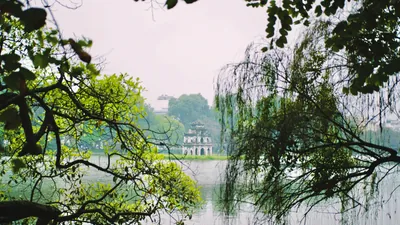
 Hoan Kiem Lake and its Turtle Tower sit at the calm center of a chaotic city.
Day 2: Culture Corridor + French Quarter
Day 2 focuses on the cultural core. Start at the Temple of Literature, which is best in the morning before tour groups fill the courtyards. The site is calm and shaded, and the layout gives you a break from the Old Quarter intensity. Spend time in the courtyards and read the inscriptions to understand the sites academic history.
From there, move toward the museum corridor. If you want one museum, choose either the Vietnam Museum of Ethnology for context on the country's diverse cultures or the Vietnamese Women Museum for a compact, well-curated visit. Keep the museum block focused rather than trying to do multiple long visits. This helps you avoid fatigue.
After lunch, walk through the French Quarter. The wider streets, colonial architecture, and cafes provide a different mood. This is a good place for a slow coffee and a short rest. If you still want another stop, the Opera House area and the nearby lakefront are easy add-ons.
In the late afternoon, consider a short visit to Train Street if access is open and safe. Go with a cafe that is authorized, follow local rules, and keep the visit brief. If Train Street feels uncertain, skip it and enjoy a longer cafe break instead.
The insight for Day 2 is balance. This is a culture-heavy day, so your energy matters. If you keep the pace steady and take breaks in the French Quarter, you will enjoy the history without feeling drained. The city is intense, but its quieter corners are equally rich.
A short night walk around Hoan Kiem Lake adds a calm finale and gives you a second look at the city in softer light.
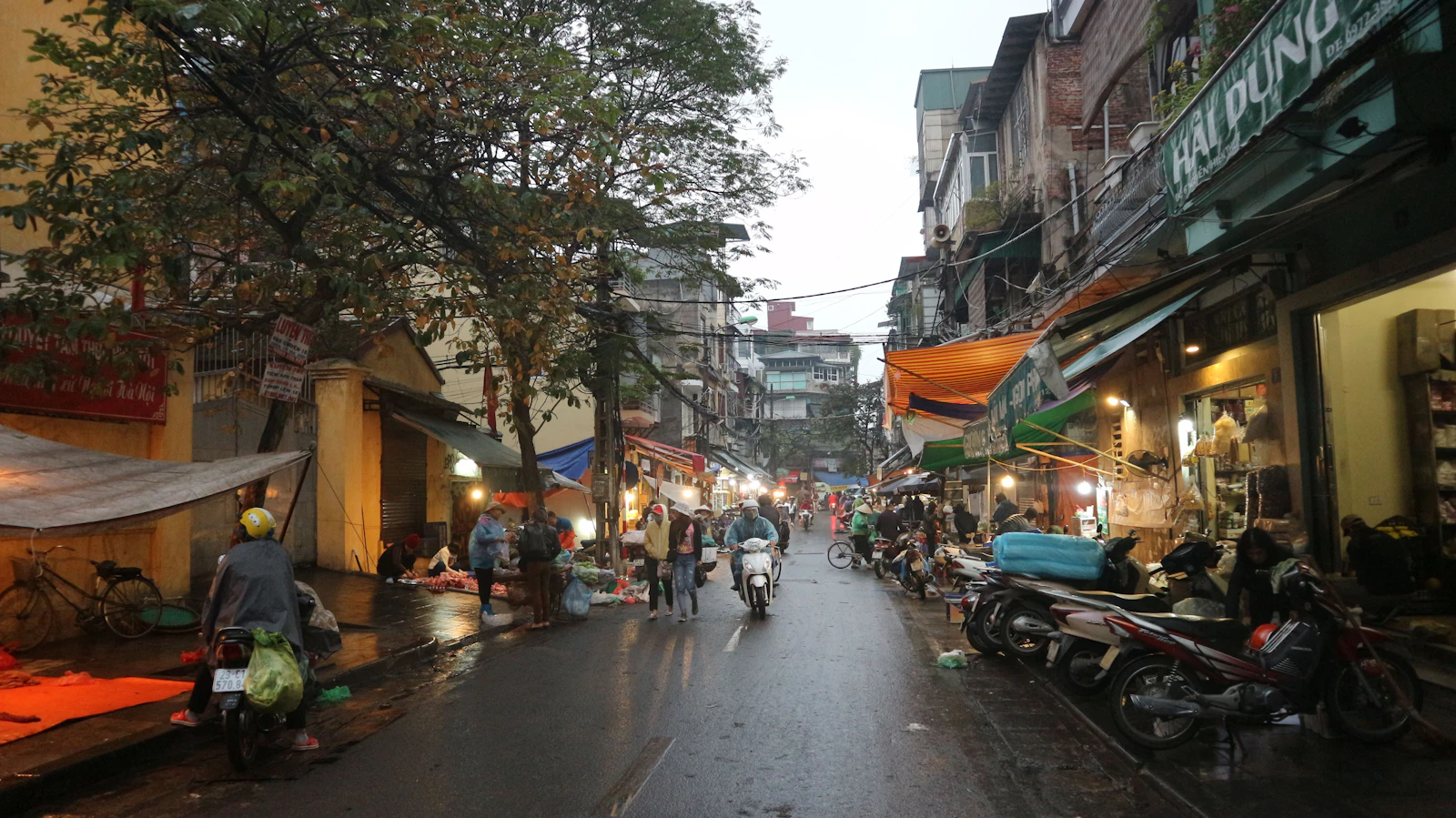 The Old Quarter's lantern-lit streets come alive well after dark.
Day 3: Day Trip or West Hanoi Loop
Day 3 is flexible by design. If you want a classic day trip, head to Ninh Binh for limestone scenery, river boats, and rural views. It is a long day but very rewarding, and it gives you a different side of northern Vietnam. If you choose this option, start early and keep the evening light when you return.
If you prefer to stay in the city, use Day 3 for a west-side loop. Start with the Ho Chi Minh Mausoleum area early, then visit the One Pillar Pagoda and the Presidential Palace grounds. This cluster is easier to manage in the morning before the heat builds.
After lunch, walk around West Lake. The lake loop offers a calmer side of Hanoi, with cafes and a slower rhythm. A stop at Tran Quoc Pagoda provides a scenic, compact visit, and the area is good for a late afternoon coffee. This makes the day feel spacious and balanced.
In the evening, pick a neighborhood for dinner and keep it simple. If you want a slightly more modern dining scene, the Tay Ho area has options. If you want something classic, return to the Old Quarter for a familiar meal.
The insight for Day 3 is to choose your energy level. The day trip is exciting but long. The west-side loop is calmer and still full of meaningful stops. Either choice works, but both require you to keep the evening relaxed. This is the day that keeps the trip from feeling too repetitive.
If you choose the day trip, pack a light snack and be ready for an early departure. If you stay in the city, use the extra time for a longer cafe stop and a slow lakeside walk.
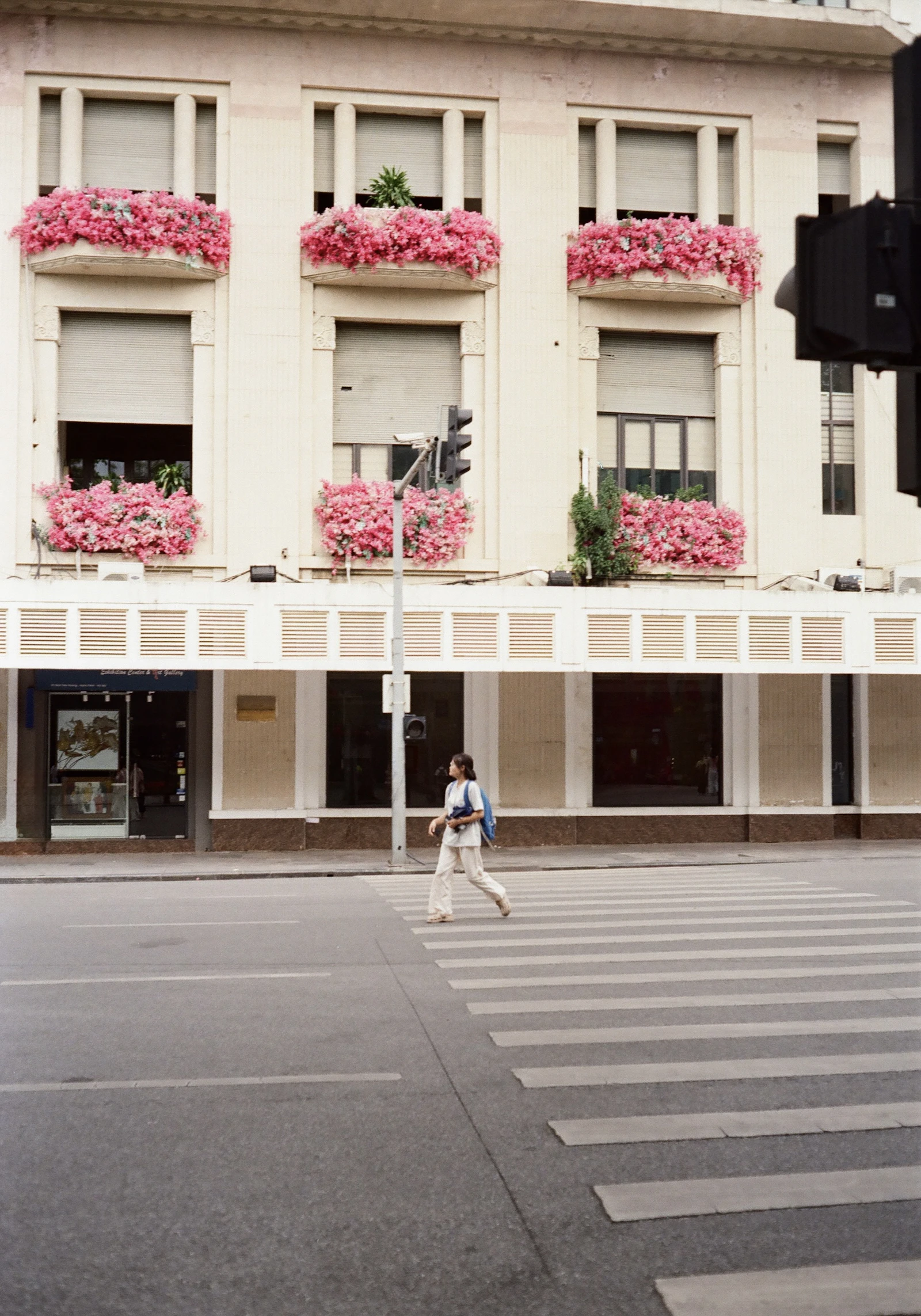 Hanoi traffic is a spectacle—crossing the street is the first skill you learn.
Day 4: Markets, Coffee, and a Slow Finish
Your final day is about a softer finish. Start with a market visit if you enjoy local scenes. Dong Xuan Market is the biggest, but even a smaller neighborhood market can give you a glimpse of daily life. Keep it light and do not plan a long shopping session. The goal is atmosphere, not bags.
After the market, take a long coffee break. Hanoi coffee culture is a highlight of the city, from egg coffee to simple drip. Choose a cafe with a view and sit for a while. This pause helps you absorb the trip and gives your feet a break.
If you have a site you missed, this is the day to fit it in. A short museum or a return to Hoan Kiem Lake is perfect. The lake loop feels different at different times of day, and a final walk is a fitting goodbye. If you want a small souvenir, choose a local craft shop or a bookstore rather than a large mall.
Lunch and dinner can be simple on the final day. A light lunch keeps your energy steady, and a relaxed dinner near your hotel lets you pack afterward without stress. If your departure is the next day, use the afternoon to organize and confirm transport.
The insight for Day 4 is to keep it gentle. The best way to leave Hanoi is not with one more big sight, but with a slow walk, a quiet coffee, and a sense of how the city feels in between its highlights.
If your flight is later, take a short nap or a long lunch so the final hours feel calm rather than rushed.
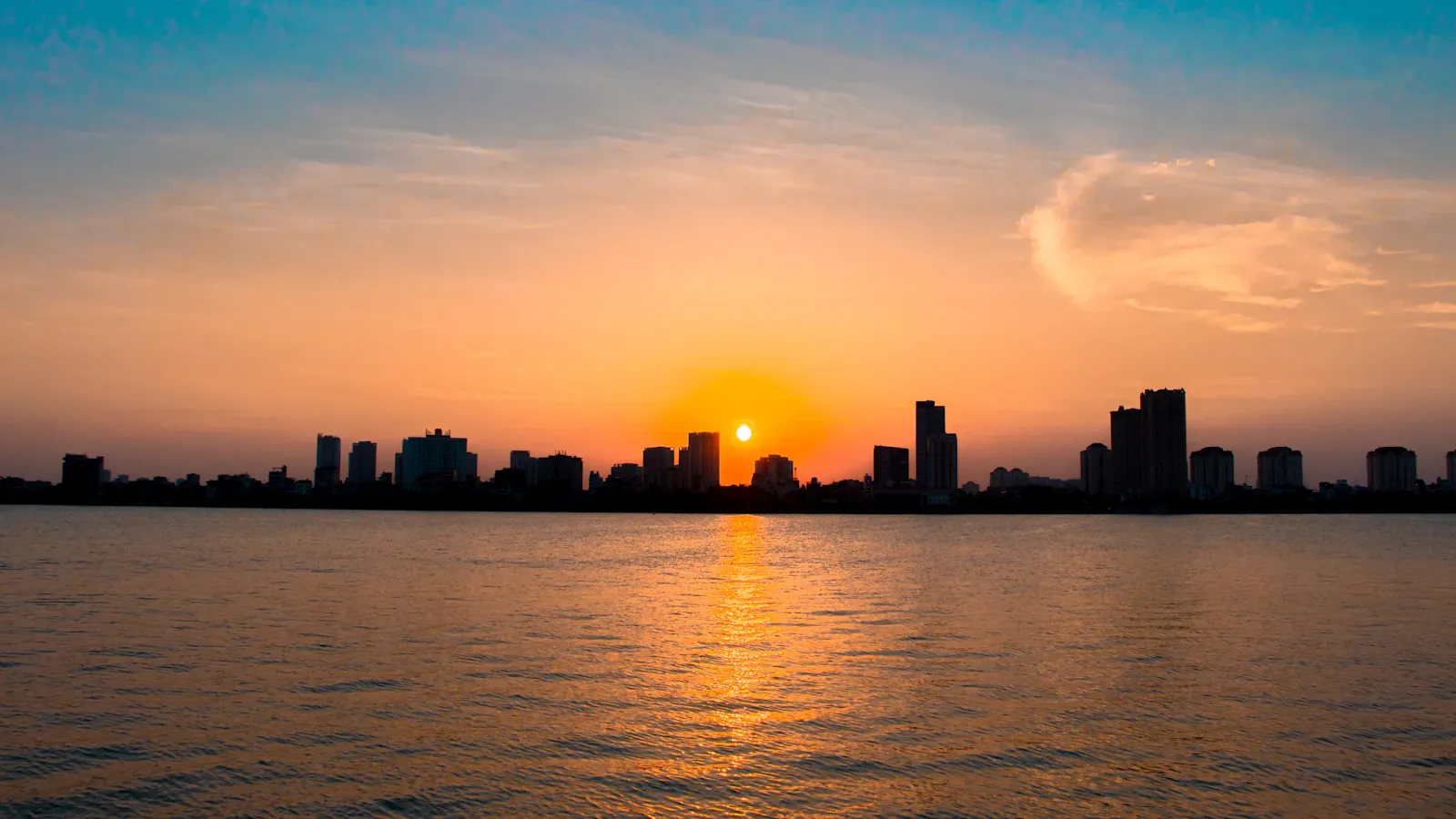
 Hoan Kiem Lake at night reflects the city's quieter side.
Eat, Drink, and Linger in Hanoi
Hanoi is a food city, and the best meals are often simple. Start with pho in the morning or bun cha at lunch. Banh cuon and banh mi are easy to fit into any day. If you want a more curated meal, look for a modern Vietnamese restaurant in the French Quarter, but keep the rest of your meals casual.
Egg coffee is the classic treat, and it works best mid-afternoon when you need a pause. The cafe culture is quiet and reflective, which balances the traffic outside. A rooftop cafe is a good option for a late afternoon view, especially near the Old Quarter.
For dinner, street food streets around the Old Quarter are easy and lively. If you prefer a calmer meal, head to Tay Ho for a quieter, more modern scene. Either way, the key is to keep meals unhurried. This city rewards time at the table.
The unique insight is to treat meals as anchors. Use breakfast to start the day calmly, lunch to reset in the heat, and dinner to unwind. That rhythm makes the itinerary sustainable and keeps your energy steady across four full days.
If you want a simple food plan, choose one street food meal per day and one sit-down meal every other day. This keeps the experience varied without overwhelming your stomach. Vegetarian options are easy to find, and fresh fruit stalls are a reliable, affordable snack.
For a deeper taste of Hanoi, try a bowl of bun rieu or a simple plate of grilled pork with rice. Evening food streets are lively, but you can also find calmer options near the lake. The main rule is to eat slowly and drink water between stops so the food experience stays enjoyable.
If you are cautious, choose busy stalls where turnover is high and food is freshest.
Cultural Experiences Not to Miss
Vietnamese Coffee Culture
Hanoi's Old Quarter has been a trading center for over 1,000 years, with each street historically dedicated to a single craft or product.
Hanoi's coffee culture is distinctive. Cà phê sữa đá (iced coffee with condensed milk) is the classic; cà phê trứng (egg coffee) is Hanoi's specialty. Small cafés on tiny stools lining the Old Quarter are where locals gather. A long coffee break watching the street is a very Hanoi activity. Don't rush it.
Markets and Street Life
Hanoi's markets are sensory immersion. Dong Xuan Market is the largest, with everything from fabric to food. Morning markets in neighborhoods offer fresher produce and local atmosphere. Street vendors selling produce from bicycles are everywhere. Markets are best early, before the heat builds.
Lake Rituals
Hoan Kiem Lake is the heart of the city. Morning tai chi, evening walks, and weekend gatherings make it a living social space. A slow walk around the lake at different times reveals different moods. The Turtle Tower glows at night. Let the lake anchor your days and become a familiar rhythm.
Practical Tips for Travelers
Language
Vietnamese is the official language. English is limited outside tourist areas. A few basics—xin chào (hello), cảm ơn (thank you), bao nhiêu? (how much?)—help with daily interactions. Pointing, gestures, and translation apps fill the gaps. Tone matters in Vietnamese, but locals appreciate any effort.
Etiquette
Remove shoes when entering homes and some shops. Use both hands to give or receive items respectfully. Don't touch people on the head. Bargaining is expected at markets; keep it friendly. Dress modestly at temples—cover shoulders and knees. Vietnamese culture values respect and gentle interaction.
Safety
Hanoi is generally safe, but traffic is the main hazard. Scooters come from all directions; cross streets slowly and predictably. Petty theft is rare but keep valuables secure in crowded areas. Drink bottled water, avoid ice from unknown sources, and choose busy stalls for street food. Carry small bills for vendors.
Travel Costs and Budgeting
Hanoi can be very affordable, but costs vary by style. A budget traveler can spend around $40 to $70 per day without accommodation. Mid-range travelers often land around $80 to $130 with comfortable meals and a few paid attractions. Premium travelers can spend more, especially with private day trips and curated dining.
Book any day trips in advance, especially Ninh Binh tours, to secure early departures. The Temple of Literature and most museums are easy to visit without tickets, but timed tours or guides can add context if you want a deeper experience. If you plan to visit Train Street, check local rules and go with a cafe that manages access responsibly.
Transportation is inexpensive, but small rides add up. Use ride-hailing apps for longer hops and walk within neighborhoods. Keep cash for street food and small shops, and set a daily buffer for coffee stops and snacks. These small expenses are frequent and easy to underestimate.
The best value comes from pacing. One day trip, one or two museums, and plenty of walking is enough. Spend on the experiences that matter most to you and let the rest of the city fill in the gaps.
If you plan a day trip, budget extra for transport and lunch because those costs add up quickly. Booking online can save a little time, but the biggest savings come from using local meals and keeping transport simple. A small daily buffer for coffee and snacks will keep the weekend smooth.
Accommodation pricing varies by location, so a central base can be worth the extra cost if it saves you multiple rides per day. If you are watching costs, choose a mid-range hotel near the lake and spend on a single day trip rather than multiple tours. That tradeoff usually delivers the best value.
If you have extra days, consider combining your Hanoi trip with Bangkok and Hong Kong — all easy to reach and covered in our PTO-optimized travel guides.
To maximize your days off without extra PTO, use the free Holiday Optimizer to find bridge days around public holidays for your Hanoi trip.
Quick Takeaways
- Keep Day 1 around Hoan Kiem Lake and the Old Quarter.
- Use Day 2 for the Temple of Literature and a French Quarter break.
- Choose either a day trip or a west-side loop on Day 3.
- Save Day 4 for markets, coffee, and a slow finish.
- Eat street food for lunch and keep dinner unhurried.
- Plan for traffic and cross-street delays in your timing.
- Use the Holiday Optimizer PTO calendar to plan which days to take off for your Hanoi trip.
Conclusion
Hanoi rewards travelers who balance the must-see landmarks with slower neighborhood exploration. With four days and a clear daily rhythm, you can experience the city's cultural highlights while still leaving room for the spontaneous moments that make a trip memorable. Use this guide as your starting point, but stay open to detours—some of the best Hanoi moments happen when you wander off the planned route.
Ready to maximize your time off?
Find the best Hanoi travel windows
Frequently Asked Questions
Is four days enough for Hanoi?
Yes. Four days covers the Old Quarter, key cultural sites, and either a day trip or a west-side loop without rushing.
Is Train Street open to visitors?
Access rules change, so check locally and only visit with a cafe that manages access. Safety is more important than a photo.
What is the best day trip from Hanoi?
Ninh Binh is the classic choice for karst scenery and rivers. It is a full day but very rewarding.
Where should I stay in Hanoi?
The Old Quarter and Hoan Kiem area are most convenient for walking. The French Quarter is calmer but still central.
What is the best time to visit Hanoi?
Late fall through early spring offers the most comfortable walking weather and lower humidity.
References
- Vietnam Tourism - Old Quarter Guide
- Temple of Literature Official Site
- Hoan Kiem Lake — Vietnam Tourism
- Ninh Binh Tourism Information
- Lonely Planet Hanoi Travel Guide
Share Your Thoughts
If this Hanoi 4-day itinerary helped you plan, share it with a friend who loves street food and layered cities. Which day sounds most like your travel style?