Hong Kong in 7-9 Days: Extended Vacation Itinerary to Maximize PTO in 2026
Plan a week-long Hong Kong adventure with Victoria Peak visits, Lantau Island day trips, Macau excursions, dim sum crawls, and neighborhood exploration tips for 2026.
Introduction
A full week in Hong Kong lets you move beyond the skyline and into the neighborhoods, islands, and hiking trails that make the city so diverse. You can see the classic viewpoints, explore street markets, and still spend a day in the New Territories or a quiet island. This Hong Kong 7-day itinerary balances the iconic with the local and gives you the time to slow down. Use this guide to plan your extended trip.
You will explore Central and the Peak, spend time in Kowloon, add a day on Lantau or a smaller island, and build in a nature day for a trail or village escape. The plan keeps mornings for big sights, afternoons for markets and museums, and evenings for skyline light. That rhythm makes the week feel full without feeling rushed.
If you want to feel the city rather than just see it, a week is the right length. Plan for a daily pause so the pace stays sustainable and the neighborhoods feel distinct.
Short on time? See our Hong Kong 4-day itinerary for a focused long-weekend plan. Use our PTO optimizer to find the best days to take off around your trip dates.
Why Hong Kong Is a Must-Visit Destination in 2026
Where East Meets West in the Most Dramatic Way
Hong Kong stands out among Asian destinations for its unique combination of history, culture, and modern energy. Whether you are visiting for the first time or returning for a deeper look, 2026 is an excellent year to experience what makes this city special.
The World's Best Urban Hiking and Skyline Views
What sets Hong Kong apart is the way daily life and cultural depth coexist. You will find world-class landmarks alongside neighborhood rhythms that reward slowing down and paying attention.
Planning Your Trip Essentials
The week is structured around three layers: the core skyline districts, the neighborhoods, and the escapes. Days 1 to 4 focus on the classic Hong Kong Island and Kowloon highlights. Day 5 is an island escape. Day 6 is a New Territories or hiking day. Day 7 is a slow wrap-up with your favorite views and neighborhoods.
Each day has one anchor experience and one optional add-on. This keeps the schedule realistic and lets you adjust for weather or energy. The plan also uses transit logic: group stops by MTR line or ferry route to reduce backtracking. That makes a huge difference in a dense, vertical city.
This Hong Kong one week itinerary assumes you will take breaks. The city is fast, but you do not need to be. Long lunches, cafe stops, and ferry rides are part of the experience. The goal is to balance the high-energy moments with calm ones so the week stays enjoyable.
The unique insight is that Hong Kong changes dramatically by district. A week gives you the chance to see those shifts and return to places at different times of day. That is what turns a trip into a layered experience rather than a quick highlight reel.
Use the Holiday Optimizer to find the best days to book off around public holidays for your Hong Kong trip.
Logistics for a Week in Hong Kong
Hong Kong is most comfortable in fall and winter, when humidity is lower and views are clearer. Late October through March is a great window for walking and skyline views. Summer is hot and humid, so plan early starts and longer indoor breaks if you travel then.
Choose a base that matches your priorities. Central or Sheung Wan is great for Hong Kong Island access and ferry connections. Tsim Sha Tsui or Jordan is ideal for Kowloon and easy harbor views. For a week, one base is enough because transit is quick and reliable.
The MTR is the easiest way to get around. Pick up an Octopus card and use it for trains, ferries, and small purchases. Walking works well within neighborhoods, but expect stairs and hills, especially on the Island. Pack comfortable shoes and a light layer for air-conditioned interiors.
Weather can change quickly, so keep a compact rain jacket in your day bag. If you plan to visit the Peak or do a hike, check visibility and wind conditions. Booking a few time-sensitive attractions like the Peak Tram or a cable car in advance can save time, but keep most of the week flexible.
A week is long enough to move slowly. Build in cafe breaks and plan a lighter day after any long excursion. That pacing is the best way to enjoy Hong Kong without fatigue.
Cashless payment is common, but the Octopus card is still the easiest way to handle transit and small purchases. The city is vertical, so expect stairs and hills even on short routes. A little buffer between activities keeps the schedule smooth and gives you time to enjoy the neighborhood atmosphere rather than rushing between stations.
If you plan to shop or visit museums on weekends, go earlier in the day to avoid peak crowds.
Day 1: Central, Mid-Levels, and Victoria Peak
Start in Central with a morning walk through the Mid-Levels escalator area. This gives you a quick sense of the city's vertical rhythm. Grab a coffee and then head toward the Peak Tram.
Ride the Peak Tram in the morning for clearer views. Spend time on the walking paths rather than only the main deck. The paths are calmer and give you different angles of the harbor. Keep the visit unhurried and focus on the views rather than the shopping areas.
Return to Central for lunch and a short neighborhood walk through Sheung Wan. The streets here are full of small shops, temples, and cafes, which makes for a good afternoon block. If you want a light museum visit, choose something compact and close by.
End the day at the harbor with a slow walk and a skyline view. A Star Ferry ride is a classic choice. The key is to keep the evening relaxed so the day feels complete without being exhausting.
If you want a small add-on, stop at a temple or a small market in Sheung Wan before dinner. These quick visits add texture without adding long travel time. The first day should feel exciting but not overwhelming.
If the weather is clear, a short sunset walk near the waterfront will give you a second skyline angle without extra travel. Keep it light and let the city settle in.
If you want a low-effort indoor stop, PMQ or a small gallery in the area offers a quick look at local design. It is an easy way to add variety without extending the day.
 The harbor view from the Star Ferry is the best free attraction in the city.
Day 2: Kowloon Markets and Tsim Sha Tsui
Day 2 moves across the harbor to Kowloon. Start in Mong Kok or Sham Shui Po for street markets and a dense local feel. Morning is the best time to explore before the crowds peak. Keep the walk simple and pick one or two market streets rather than trying to see everything.
For lunch, choose a local noodle shop or a casual cafe. After lunch, head to Tsim Sha Tsui and walk the promenade. The harbor views are excellent from this side, and the Avenue of Stars is a simple, scenic walk.
In the afternoon, consider a museum visit such as the Hong Kong Museum of Art for an indoor break. Then return to the promenade at sunset for the skyline light. If you want to see the nightly light show, arrive early to find a good spot.
The insight for Day 2 is contrast. Kowloon gives you the street-level energy, while the promenade gives you the big picture. Together they create a fuller view of the city.
If you want a calmer finish, choose a simple dinner near the harbor and take a slow walk after dark. The lights and reflections are often the highlight of this day and are best enjoyed without rushing.
If you still have energy, add a short stop at a market street for a quick snack. A brief return to the street life keeps the day connected to the city's pulse without adding more logistics.
If you enjoy views, a short stop at a waterfront cafe before dinner can be a gentle way to rest your feet. The harbor breeze makes the evening feel cooler and more relaxed.
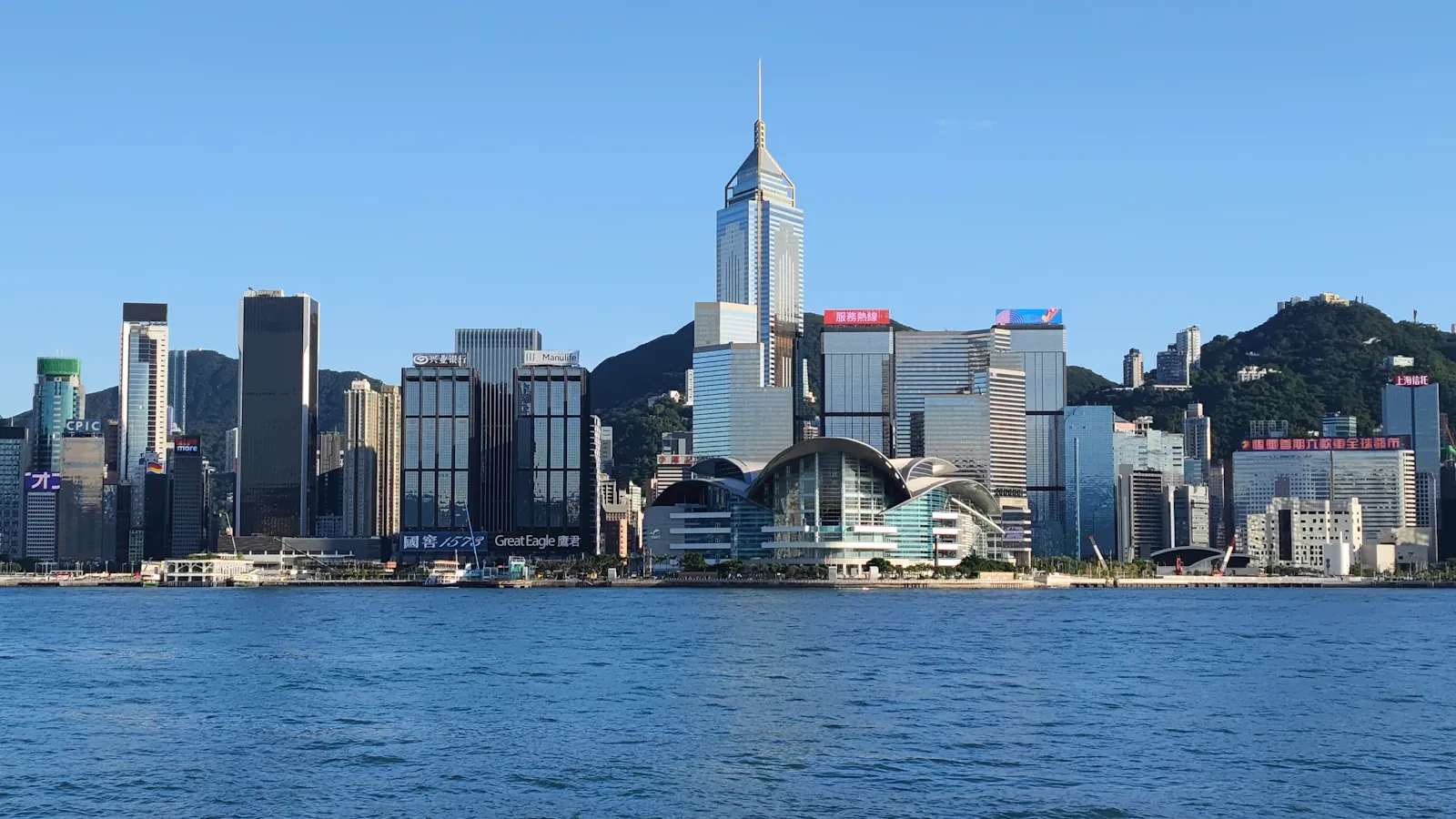
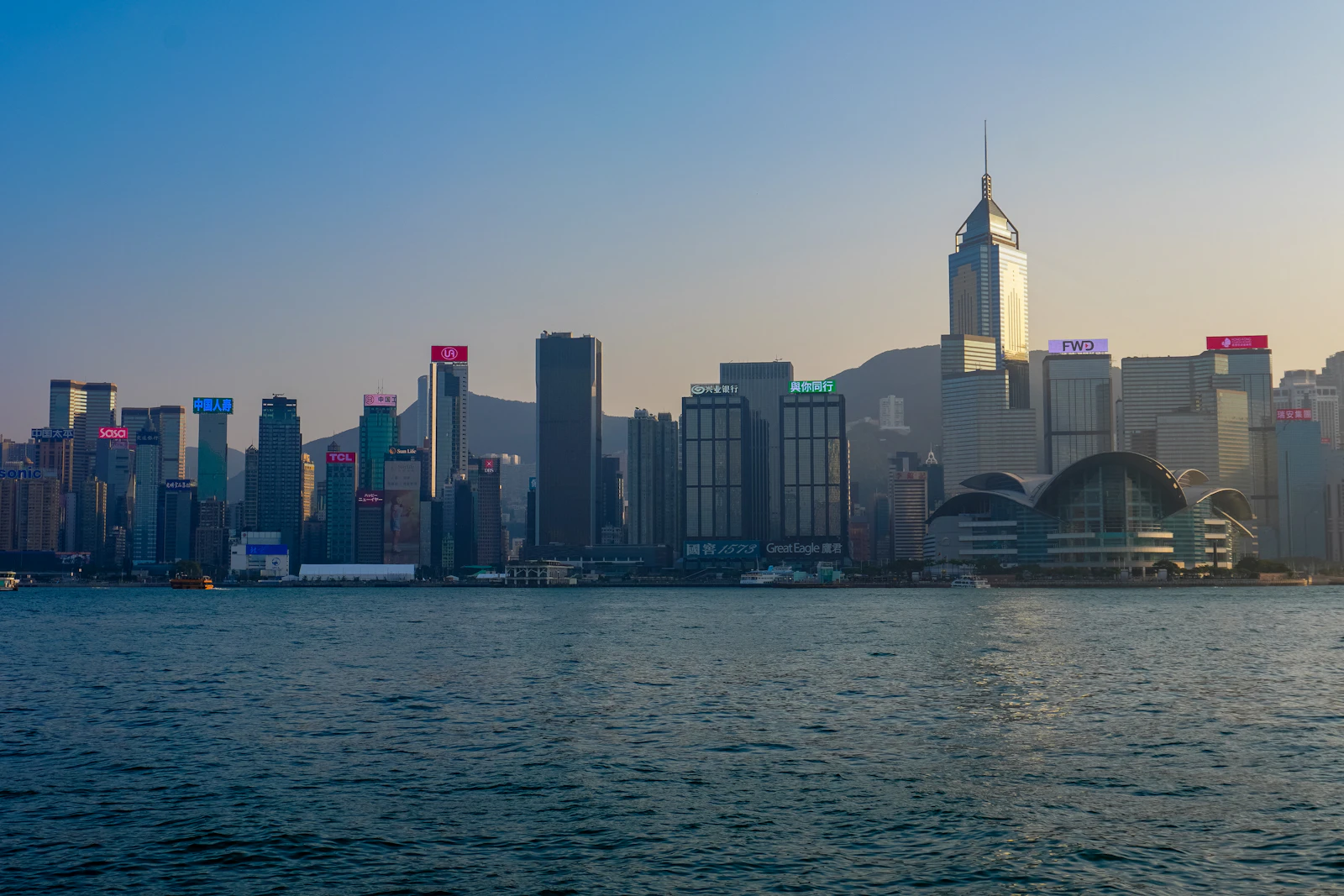 The Tsim Sha Tsui waterfront puts the full skyline at arm's length.
Day 3: Neighborhood Depth on Hong Kong Island
Day 3 is for a deeper neighborhood loop. Start in Sai Ying Pun or Kennedy Town for a quieter morning walk and a cafe stop. These areas feel more local and give you a different sense of Hong Kong Island.
After lunch, explore SoHo or Sheung Wan for a mix of shops, galleries, and cafes. Keep the pace easy and let yourself wander. If you want a small cultural stop, choose a temple or a compact museum rather than a full-day attraction.
In the late afternoon, walk toward the harbor for another skyline view. The light shifts quickly here, so a short sunset walk can feel entirely different from Day 1. This is a good evening for a relaxed dinner and an early night if you plan a day trip next.
The insight today is to slow down and let one neighborhood show its texture. This is the day to avoid crossing the harbor or stacking too many stops. A calm loop keeps the week balanced.
If you want a short evening add-on, return to the harbor for a different skyline angle or take a short ferry ride for the breeze. Small repeats like this often feel new because the light and weather change quickly.
If you want a quieter dinner, choose a small neighborhood restaurant instead of a busy food street. This keeps the evening restful and helps the day feel balanced.
If the weather is clear, add a short walk in a nearby park or hillside path for a quick green break. It is a small change that makes the day feel less urban without much extra time.
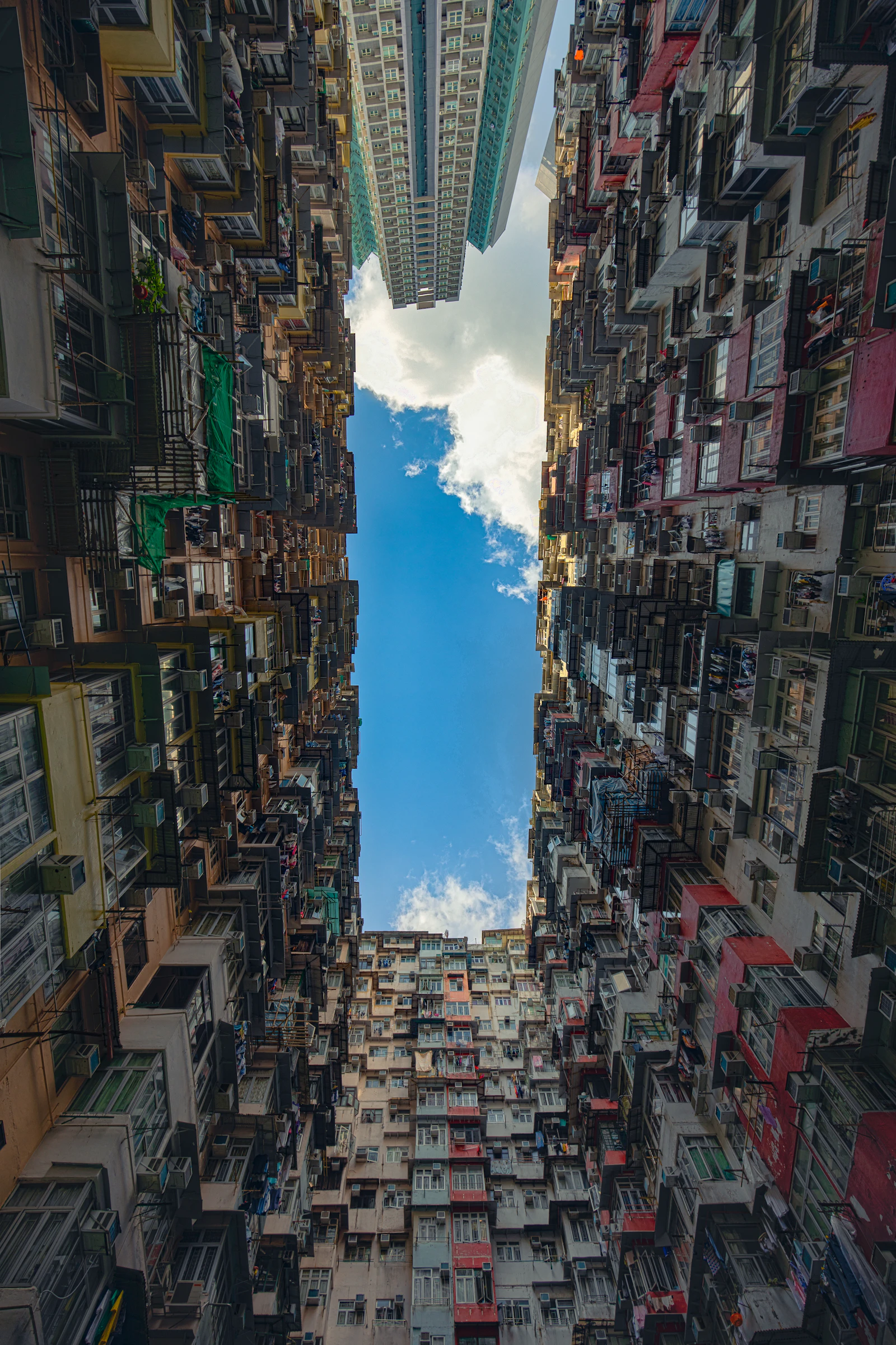 Central's glass towers remind you that Hong Kong runs on relentless ambition.
Day 4: Markets, Temples, and Food Streets
Day 4 is a flexible city day with a focus on markets and food. Start in Kowloon or a market district that you want to see in more depth. The Ladies Market, Temple Street Night Market area, or smaller street markets all work well. Keep it focused and avoid trying to cover every street.
Add a temple visit for a calmer moment. These small stops provide a sense of daily life and balance the market energy. After lunch, take a long cafe break or a short museum visit to reset.
In the afternoon, revisit a neighborhood you enjoyed earlier in the week. A second pass at a market or a new food street can be more rewarding than chasing a new attraction. The city is dense, and repetition often reveals new details.
Evening is for food. Choose a street food area or a simple neighborhood restaurant. If you want a skyline view, add a short harbor walk after dinner. The goal is to keep the day relaxed and focused on atmosphere rather than a long list of sights.
If you still want a cultural stop, choose a compact museum or a short temple visit rather than a major attraction. This keeps the day varied without adding heavy logistics. It is a good day to follow your appetite rather than a strict checklist.
If you enjoy photography, this is a good day to slow down and capture street scenes. The mix of markets and quieter corners gives you a broad range of textures without a lot of transit.
If you want a short rest, choose a tea house or a small cafe in a side street and give yourself a long pause. This keeps the day from feeling like a sprint and lets you enjoy the neighborhoods more fully.
That quiet pause often becomes a favorite memory.
Day 5: Island Escape
Day 5 is for an island escape. Lantau is the classic choice for the Big Buddha and the Ngong Ping cable car. It is a full day, so start early and keep the plan simple. Focus on one main site and a long lunch.
If you prefer a quieter island, Cheung Chau or Lamma are great options. These islands are calmer, with coastal walks and seafood restaurants. The pace is slow and the atmosphere is relaxed. A day on a smaller island can feel like a complete reset.
Whichever option you choose, keep the evening light when you return. The island day is a break from the city, and it works best if you do not overpack the rest of the day.
If you choose Lantau, plan extra time for the village and a slow meal. If you choose a smaller island, keep the hike easy and spend more time by the harbor. The goal is to reset your energy for the second half of the week.
Bring a light layer and water for the ferry ride. Island weather can feel cooler and breezier than the city, especially in the late afternoon. A relaxed pace is the main goal, so leave space for a long lunch and a slow walk.
If you enjoy seafood, plan it for this day. A simple harbor meal often becomes the highlight of the island escape and gives the day a clear, memorable anchor.
Leave the return ferry time flexible so you can linger if the weather is perfect.
That extra breathing room makes the day feel like a real escape.
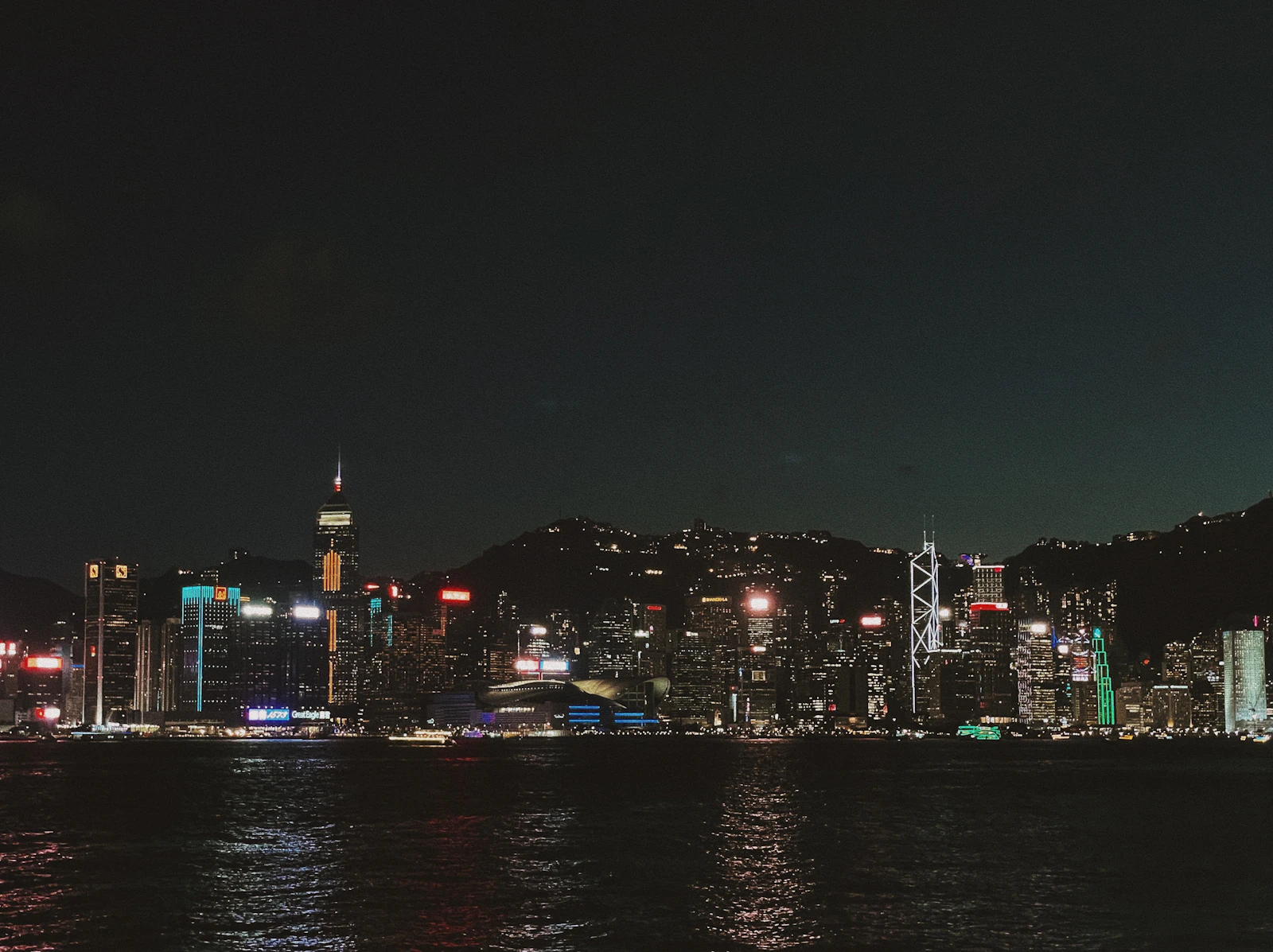 The nightly Symphony of Lights turns the harbor into an open-air stage.
Day 6: New Territories or Hiking Day
Day 6 is for a different side of Hong Kong. Choose a New Territories village, a country park trail, or a longer hike if the weather is clear. This day gives you green space and a sense of how much nature surrounds the city.
If you want a lighter option, pick a shorter trail and keep the afternoon for a cafe or market visit. The idea is to get a change of scenery, not to exhaust yourself. Pack water, a light snack, and a layer in case the wind changes.
Return to the city in the late afternoon and keep the evening calm. A simple dinner and an early night will help you enjoy the final day without fatigue.
The insight here is contrast. Hong Kong can feel like pure urban density, but the hills and trails reveal a quieter side. This day makes the week feel complete.
If you prefer a shorter route, choose a well-marked trail with an easy return to transit. A steady pace and a long lunch afterward make the day feel restorative rather than tiring. This is the day to enjoy space and sky.
If the weather is hot, choose a shaded trail and start early. Even a short hike changes the rhythm of the trip and shows how much green space surrounds the city.
If you prefer a cultural angle, some New Territories villages offer temples and old streets with a slower pace than the urban core. Pair one village visit with a short trail and a long lunch to keep the day varied without feeling packed.
This mix of nature and local life is the real payoff of the day.
If you need a lighter option, choose a short park loop and a long lunch instead of a full hike.
That still delivers a real nature break.
Day 7: Slow Hong Kong and Favorites
Your final day is for whatever you loved most. Return to a favorite neighborhood, revisit the harbor, or spend time in a cafe you liked. This is a day for slow pacing and small pleasures.
If you missed a museum or a compact attraction, fit it in now. Keep it short and pair it with a long lunch. If you want a final skyline view, choose the time of day you like best and return to the harbor or a hillside overlook.
End with a relaxed dinner and a final short walk. A week in Hong Kong is full, so a calm ending helps you leave with clear memories rather than fatigue.
If you have time, revisit your favorite cafe or market for a last taste of the city. A slow ferry ride or a final harbor stroll is a simple ritual that closes the week gently.
Use the afternoon to pack and confirm travel plans so your final evening stays relaxed. A calm last day helps you leave with clear memories rather than fatigue.
If you want a final highlight, return to a favorite skyline viewpoint at a different time of day than before. The change in light makes the view feel new. A slow evening walk and a simple dinner are often the best way to close a long week in the city.
If you have extra time, browse a small market or a design shop for a light souvenir. Keep it short and calm so the day stays restorative. A long week deserves a gentle ending.
Use the last morning for a slow breakfast and a final harbor look.
A short walk through your favorite street is a simple way to close the week.
Keep the pace gentle and enjoy the final view.
That is enough.
Goodbye.
Eat, Drink, and Linger in Hong Kong
Hong Kong is a food city, and a week gives you time to explore multiple styles. Dim sum is essential and works well for breakfast or lunch. Noodle shops and roast meat spots are great for quick meals. For a modern dining scene, Central and SoHo offer plenty of options.
Street food is excellent, especially in Kowloon. Choose busy stalls with steady turnover and keep portions small so you can try more than one item. Island days are perfect for seafood lunches, while city days are ideal for noodle shops and cafes.
Coffee culture is strong, and a mid-afternoon cafe stop fits the city's rhythm. If you want one splurge, choose a restaurant with a view and plan it for a clear evening. The key is to keep meals relaxed. The city moves fast, but your meals can be slow.
The unique insight is to use food as a neighborhood guide. Where you eat shapes where you go, and that makes the week feel naturally varied without overplanning.
If you want a simple plan, make lunch the main meal and keep dinner lighter on days with long walks. Egg tarts, pineapple buns, and small snacks are easy to find and perfect for mid-afternoon breaks. A mix of quick bites and one sit-down meal per day keeps the week comfortable.
If you want a seafood focus, save it for island days and keep city meals more casual. A late afternoon tea or dessert is a good pause between neighborhoods and helps the week feel less rushed.
If you enjoy spicy food, try a small bowl of noodles or dumplings in a local spot rather than a long sit-down meal. The city is built for quick, delicious stops, and those small meals add up to a rich food week.
Cultural Experiences Not to Miss
Dim Sum Culture
Despite its ultra-urban reputation, over 40% of Hong Kong's land is designated as country parks with hiking trails.
Dim sum is essential Hong Kong. Yum cha with steaming bamboo baskets is a weekend ritual. With a full week, try different spots—traditional chaos in old Kowloon, quiet teahouses on the islands, modern interpretations in Central. Share tables, point at carts, and let the pace wash over you. Dim sum anchors a Hong Kong experience.
Markets and Street Life
A week lets you explore Hong Kong's market variety. Temple Street night market is the classic; Ladies' Market offers bargains. Wet markets in Sheung Wan and Mong Kok show local life. Jade Market and antique shops in Hollywood Road reward browsing. Return to favorites and discover new corners.
Harbor and Ferry Culture
Victoria Harbour is Hong Kong's soul. The Star Ferry is cheap, scenic, and essential—ride it multiple times at different hours. Night crossings with the Symphony of Lights show add drama. Ferries to outlying islands continue the tradition. The water connects everything and offers a perspective the skyline can't match.
Practical Tips for Travelers
Language
Cantonese and English are official; Mandarin is common. English works well in tourist areas. A few Cantonese basics—m̀hgōi (excuse me/please), dōjeh (thank you)—are appreciated. Signs and menus are often bilingual. Translation apps help in local neighborhoods.
Etiquette
Hong Kong is fast-paced but polite. Stand on the right on escalators. Sharing tables at dim sum is normal. Tipping isn't required but appreciated (10% in restaurants, rounding up elsewhere). Dress is casual but neat. Keep conversations moderate on public transport.
Safety
Hong Kong is extremely safe. Pickpocketing is rare; stay aware in crowded markets. Main hazards: heat (carry water, take AC breaks), steep hills, and occasional air pollution. The city is easy to navigate and welcoming at all hours. Trust the infrastructure.
Travel Costs and Budgeting
Hong Kong can be expensive, but a smart plan keeps it manageable. A modest daily budget might sit around $100 to $150 without accommodation. Mid-range travelers often land around $160 to $230 with a few paid attractions and nicer meals. Premium budgets rise quickly with upscale dining and skyline hotels.
Book time-sensitive attractions like the Peak Tram or Ngong Ping cable car if you want a specific slot. Most museums and temples are easy to visit without tickets. Day trips add cost, so decide which island or trail matters most and commit to it.
Use the Octopus card for transit and small purchases. Ferries are inexpensive and scenic. If you plan multiple paid attractions, group them on the same day to reduce transport costs.
The best value comes from a mix of free experiences and a few paid highlights. Harbor walks, neighborhood markets, and skyline views are all free and among the best parts of the city.
Accommodation is the biggest cost, so booking early usually saves the most. If you are watching expenses, choose a central base and use the MTR instead of taxis. A small daily buffer for snacks and coffee keeps the week steady without constant tracking.
If you plan multiple paid attractions, group them on the same day to reduce transport costs. Ferries and harbor walks offer excellent value, so use them as your low-cost highlights. That balance keeps the week comfortable.
If you are staying a full week, consider a slightly smaller room in a better location rather than a larger room farther out. The time and transit savings often outweigh the space. A simple daily cap keeps spending steady without a strict spreadsheet.
That approach keeps the budget predictable.
It also keeps your days flexible.
That flexibility is the point of a week.
If you have extra days, consider combining your Hong Kong trip with Tokyo, Seoul, and Singapore — all easy to reach and covered in our PTO-optimized travel guides.
To maximize your days off without extra PTO, use the free Holiday Optimizer to find bridge days around public holidays for your Hong Kong trip.
Quick Takeaways
- Split the week between Island days, Kowloon days, and two escape days.
- Use Day 5 for an island and Day 6 for nature.
- Keep mornings for big sights and afternoons for markets and cafes.
- Use the MTR and ferries for efficient travel.
- Plan skyline views for clear mornings or evenings.
- End with a slow Day 7 and a favorite neighborhood.
- Use the Holiday Optimizer PTO calendar to plan which days to take off for your Hong Kong trip.
Conclusion
Hong Kong rewards travelers who balance the must-see landmarks with slower neighborhood exploration. With a week and a clear daily rhythm, you can experience the city's cultural highlights while still leaving room for the spontaneous moments that make a trip memorable. Use this guide as your starting point, but stay open to detours—some of the best Hong Kong moments happen when you wander off the planned route.
Ready to maximize your time off?
Find the best Hong Kong travel windows
Frequently Asked Questions
Is one week too long in Hong Kong?
No. A week lets you see the core districts and still add islands and hiking without rushing.
Which island should I visit?
Lantau is best for the Big Buddha. Cheung Chau or Lamma are better for calm walks and seafood.
Do I need a car in Hong Kong?
No. The MTR and ferries are fast and reliable, and walking works well inside neighborhoods.
What is the best time to visit Hong Kong?
Late fall through early spring offers clearer views and lower humidity.
Where should I stay for a week?
Central or Tsim Sha Tsui are both convenient. Choose based on whether you want Island or Kowloon access.
References
- Hong Kong Tourism Board Official Website
- The Peak Hong Kong Official
- Star Ferry Official Website
- Hong Kong Museum of History
- Klook Hong Kong Travel Guide
Share Your Thoughts
If this Hong Kong 7-day itinerary helped you plan, share it with a friend who loves city skylines and island escapes. Which day sounds most exciting to you?