Singapore in 4 Days: Long Weekend Itinerary & PTO Planner for 2026
Plan a Singapore getaway with a detailed 4-day itinerary, hawker center guide, neighborhood exploration, and a realistic budget breakdown for 2026.
Introduction
Singapore is the future that works. The city-state offers efficient modernity, multicultural harmony, world-class food, and impossible-seeming urban innovation—vertical gardens climbing skyscrapers, airports with indoor waterfalls, hawker centers where Michelin stars meet plastic chairs. This guide walks you through an immersive four-day itinerary that captures both the Singapore of futuristic Marina Bay and the Singapore of heritage neighborhoods where Chinese, Malay, and Indian cultures interweave.
Whether you're drawn to Singapore for its food obsession, its position as Asia's cleanest and safest city, or the novelty of a place that seems to have solved urban problems other cities struggle with, you'll discover a destination that surprises. After reading this guide, you'll have a clear day-by-day plan to experience both the Singapore of supertrees and the Singapore of satay and kopitiam coffee.
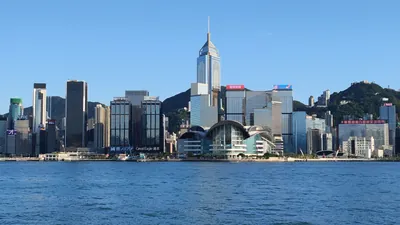
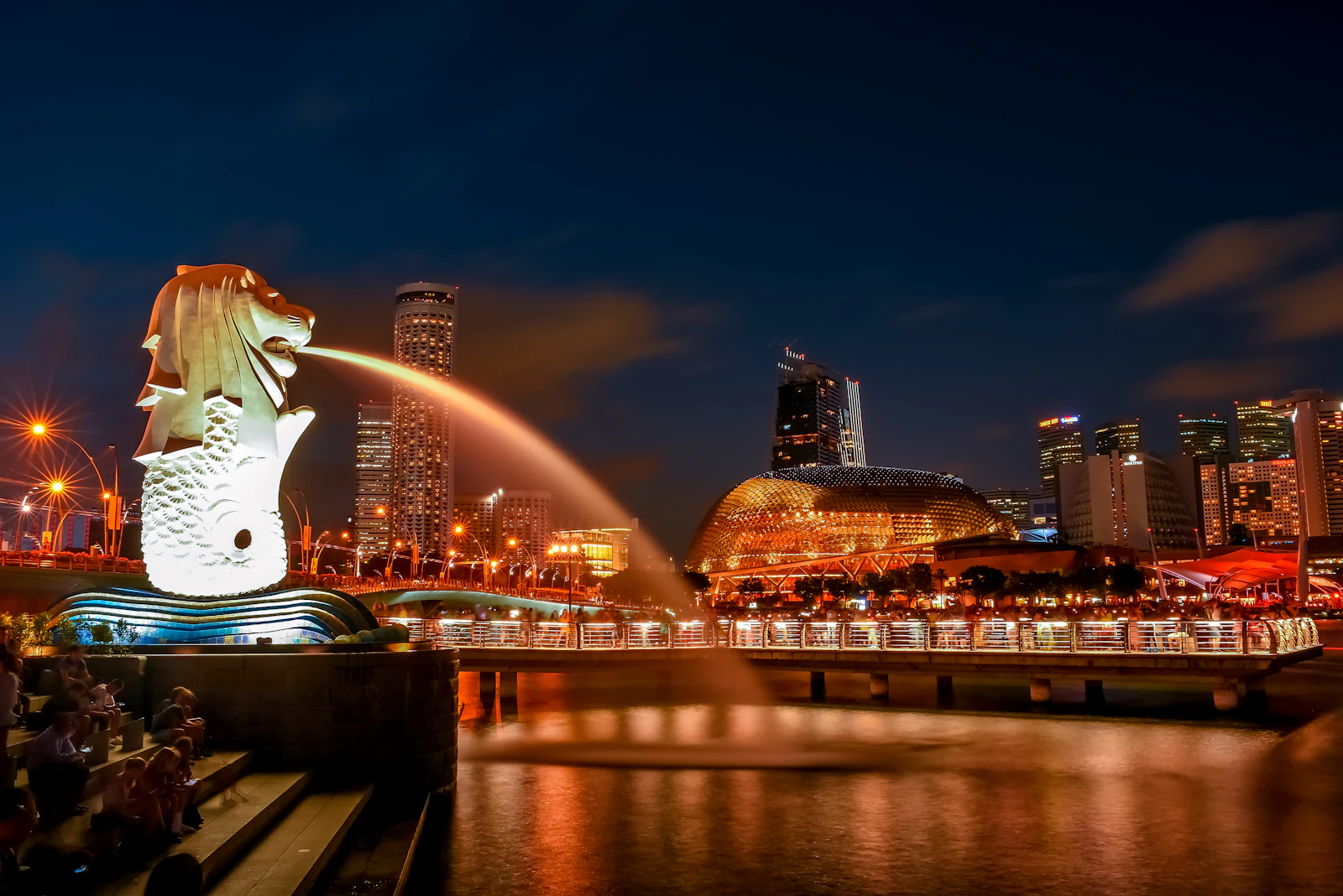
 Marina Bay Sands defines Singapore's futuristic skyline.
Planning a longer trip? Check out our extended Singapore itinerary covering 7-9 days of in-depth exploration. Use our PTO optimizer to find the best days to take off around your trip dates.
Why Singapore Is a Must-Visit Destination in 2026
The Food Capital of Asia
Singaporeans are food-obsessed—not as hobby but as identity. The city's hawker centers preserve culinary heritage: Chinese bak kut teh, Malay satay, Indian fish head curry, Peranakan laksa. Two hawker stalls hold Michelin stars. Restaurants range from street food to world's-50-best dining. Singapore might be Asia's most delicious city, and that's saying something.
What Makes Singapore Unique
Singapore shouldn't work. A tiny island nation (smaller than New York City) with no natural resources became one of the world's wealthiest, cleanest, and safest countries in 50 years. The result is a city where efficiency meets diversity, where strict laws enable freedom, where modernity and tradition coexist without tension. It's not utopia, but it's remarkable.
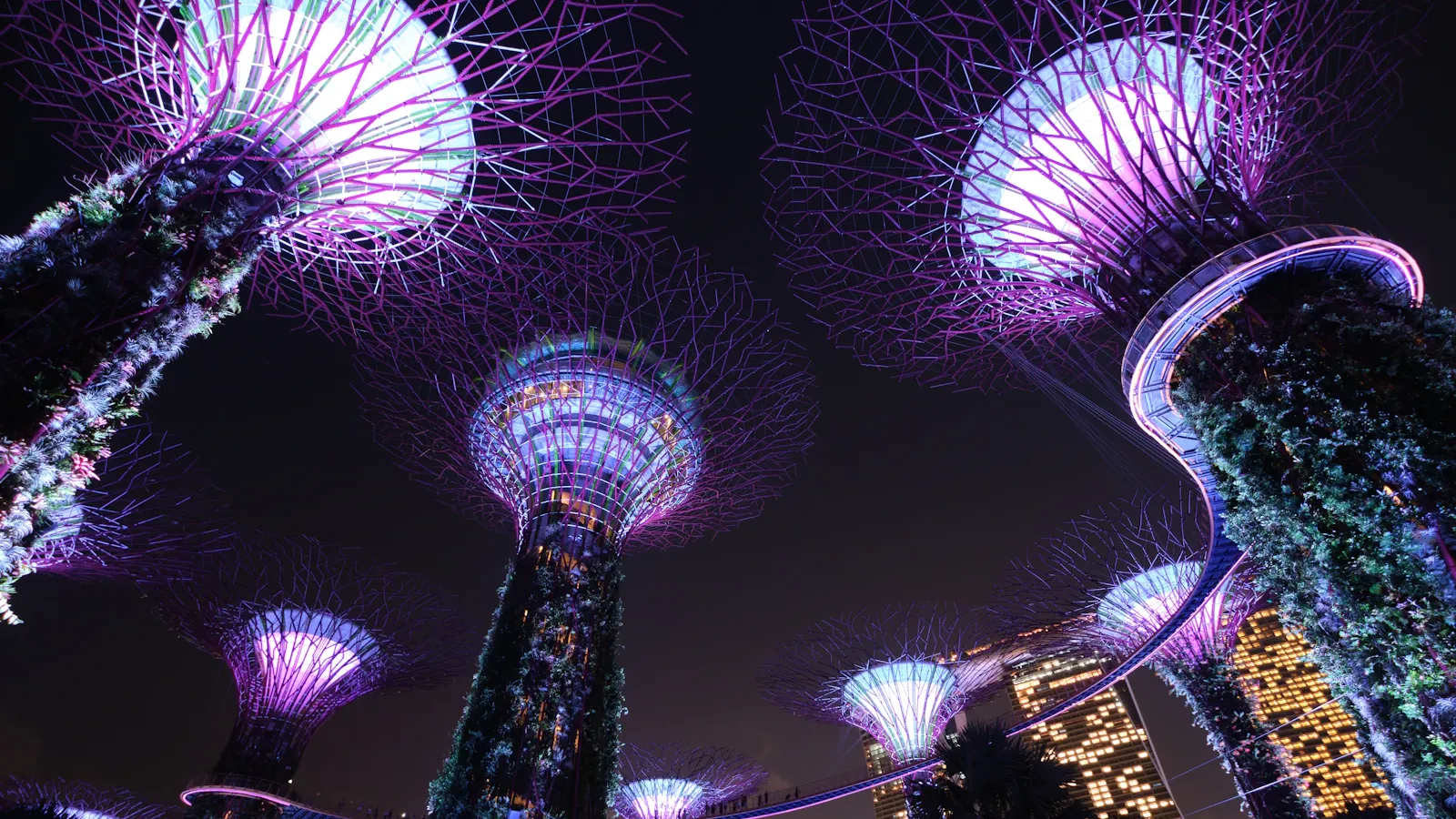
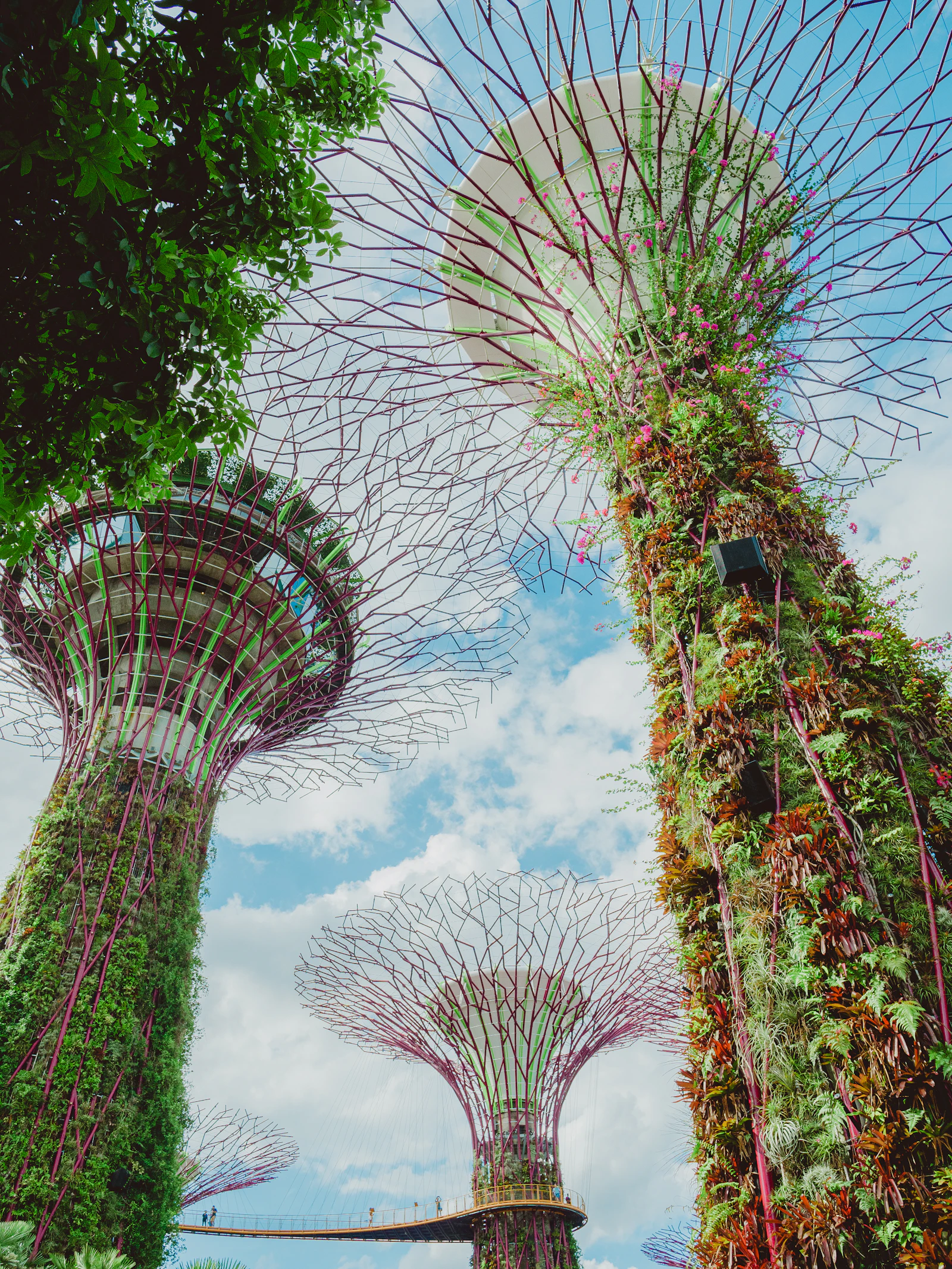 Gardens by the Bay's Supertrees define Singapore's innovative approach.
Planning Your Trip Essentials
Use the Holiday Optimizer to find the best days to book off around public holidays for your Singapore trip.
Best Time to Visit
Singapore is tropical year-round—hot (30-32°C/86-90°F) and humid always. There's no "best" season, but monsoon patterns matter: November-January brings the heaviest rain; February-April is driest. Rain typically comes in afternoon downpours, not all-day drizzle. The Formula 1 Grand Prix (September) and holiday seasons affect hotel prices.
Transportation Basics
Singapore's MRT (metro) is world-class—clean, efficient, air-conditioned. Buy an EZ-Link card (reloadable transit card) at any MRT station. Buses cover areas MRT doesn't reach. Taxis and Grab (Southeast Asia's Uber) are affordable. The city is also walkable in air-conditioned connecting walkways through malls—welcome relief from humidity.
Accommodation Choices
- Marina Bay: Iconic hotels, waterfront views, central attractions. Premium prices.
- Orchard Road: Shopping district, international chains, convenient. Commercial atmosphere.
- Chinatown/Tanjong Pagar: Heritage, excellent food, central. Best value for character.
- Kampong Glam/Bugis: Arab Quarter, trendy, excellent food. Hipster favorite.
- Tiong Bahru: Art deco neighborhood, cafés, local feel. Design-conscious choice.
Travel Costs and Budgeting
To maximize your days off without extra PTO, use the free Holiday Optimizer to find bridge days around public holidays for your Singapore trip.
Daily Budget Breakdown
Singapore is expensive by Southeast Asian standards but reasonable for a developed city. Budget travelers can manage €60-80 per day (excluding accommodation), mid-range travelers should plan €100-150, and premium experiences push €200+.
Cost-Saving Tips
Hawker center meals are excellent and cheap (€3-6). Many top attractions have reasonable admission. The MRT is affordable. Major costs are accommodation and drinking (alcohol is heavily taxed). Eating where locals eat saves enormously over tourist restaurants.
Food and Dining Typical Costs
- Hawker center meal: €3-6
- Coffee (kopi): €1-2
- Restaurant meal: €15-30
- Fine dining: €80-200+
- Cocktail at bar: €15-25
- Beer at hawker: €6-10
- Tiger beer at bar: €10-14
Day 1: Marina Bay and Futuristic Singapore
Begin your journey at Singapore's iconic waterfront.
Morning: Marina Bay Sands and ArtScience Museum
Start at Marina Bay Sands, the triple-tower hotel that defines Singapore's skyline. The SkyPark Observation Deck (non-guests welcome, €25) offers panoramic views. Below, the ArtScience Museum (the lotus-shaped building) hosts excellent exhibitions blending art and technology.
Walk the Helix Bridge to the waterfront, admiring the skyline that's appeared in countless films as visual shorthand for "the future."
Marina Bay Sands' rooftop is best at sunset. For budget views, try the top-floor bar at nearby 1-Altitude or the free rooftop garden at Marina Bay Sands Shoppes.
Midday: Gardens by the Bay
Gardens by the Bay is Singapore's most remarkable achievement—101 hectares of waterfront gardens featuring the iconic Supertrees (vertical gardens), the Cloud Forest (indoor waterfall and cool-climate plants), and the Flower Dome (world's largest climate-controlled glasshouse).
The gardens are free; the conservatories charge admission (€25 combined). The OCBC Skyway connecting supertrees costs extra but offers unique perspectives.
Afternoon: Chinatown
Head to Chinatown, Singapore's Chinese heritage district. The Buddha Tooth Relic Temple is stunning (free, but dress modestly). The surrounding streets offer traditional shops, restored shophouses, and excellent food. Explore Pagoda Street, Temple Street, and the hidden alleys.
Evening: Spectra Light Show and Satay
Return to Marina Bay for the free Spectra light and water show (nightly, multiple times). Then head to Lau Pa Sat (historic Victorian hawker center) or Satay by the Bay for dinner—grilled meat skewers with peanut sauce are quintessential Singapore.
 Chinatown preserves Singapore's Chinese heritage amid modern development.
Day 2: Heritage Districts and Hawker Culture
Today explores Singapore's multicultural neighborhoods and legendary food.
Morning: Little India
Start in Little India, Singapore's vibrant Indian neighborhood. The streets come alive early—flower garland sellers, spice shops, temple bells. Visit Sri Veeramakaliamman Temple (Hindu, ornate gopuram), browse the Tekka Centre wet market, and smell the spices along Serangoon Road.
Little India is especially vibrant on Sundays when workers gather in the area. The energy is remarkable, though crowds are dense.
Midday: Kampong Glam (Arab Quarter)
Walk to Kampong Glam, the Malay/Arab heritage district. The golden-domed Sultan Mosque dominates (free entry, modest dress required). Haji Lane offers indie boutiques, street art, and cafés. Arab Street has textile shops and traditional crafts.
Have lunch at a traditional restaurant—Zam Zam has served biryani for over a century.
Afternoon: Hawker Center Education
Experience Singapore's hawker culture properly:
Maxwell Food Centre (Chinatown): Home to Tian Tian Hainanese Chicken Rice (Michelin Bib Gourmand), Zhen Zhen Porridge, and dozens of excellent stalls.
Old Airport Road Food Centre: More local, less touristy, with legendary stalls across Chinese, Malay, and Indian cuisines.
Order multiple dishes from different stalls, share with companions, and understand why Singaporeans plan meals like events.
Evening: Clarke Quay and Boat Quay
Explore the riverside nightlife districts. Clarke Quay is touristy but lively—restored warehouses now house bars and clubs. Boat Quay next door is slightly more refined. For sunset drinks, try rooftop bars along the river or in nearby hotels.
Day 3: Colonial Heritage and Nature
Today balances Singapore's British colonial past with its natural side.
Morning: Civic District
Explore the Civic District, Singapore's colonial heart:
- Raffles Hotel: The legendary colonial hotel, restored to grandeur. Pop in for atmosphere or splurge on a Singapore Sling at the Long Bar (where it was invented).
- National Gallery Singapore: Supreme Court and City Hall buildings converted to Southeast Asia's largest art museum. Excellent regional collections.
- St. Andrew's Cathedral: Gothic colonial church, peaceful grounds.
- Padang: The cricket field where colonial and independent Singapore played out.
Midday: National Museum or Peranakan Museum
Choose your museum:
National Museum of Singapore: Singapore's history from fishing village to global city—essential for understanding the country.
Peranakan Museum: Deep dive into Peranakan (Straits Chinese) culture—the unique blended heritage of Chinese immigrants and local Malays.
Afternoon: Singapore Botanic Gardens
The Singapore Botanic Gardens are UNESCO World Heritage and remarkably beautiful—150 years old, 82 hectares, free admission. The National Orchid Garden (€5) displays thousands of orchid varieties. Jacob Ballas Children's Garden, Swan Lake, and Heritage Trees offer hours of exploration.
Evening: Dempsey Hill or Tiong Bahru
Dempsey Hill (former British barracks) now hosts restaurants and bars in atmospheric bungalows—Candlenut for Michelin-starred Peranakan or PS.Cafe for relaxed dining.
Alternatively, Tiong Bahru offers art deco architecture, hipster cafés, and excellent local food at Tiong Bahru Market.
Day 4: Sentosa and Departure
Use your final day for beach escape or last city exploration.
Morning: Sentosa Island
Sentosa is Singapore's resort island—beaches, theme parks, and entertainment connected to the mainland by cable car, monorail, or causeway.
Options include:
- Universal Studios Singapore: Theme park with unique attractions
- S.E.A. Aquarium: Massive marine exhibits
- Beaches: Siloso, Palawan, Tanjong—artificial but pleasant
- Adventure Cove: Water park
- Cable car ride: Views over the harbor and city
Midday: Final Hawker Pilgrimage
Return to the mainland for one last hawker experience. Tiong Bahru Market for breakfast/brunch, Amoy Street Food Centre for lunch (CBD workers' favorite), or Maxwell for classics you might have missed.
Afternoon: Orchard Road or Last Wandering
Orchard Road is Singapore's shopping boulevard—high-end malls, international brands, and air-conditioned relief from humidity. Even non-shoppers appreciate the scale.
Alternatively, return to a favorite neighborhood—Kampong Glam's cafés, Chinatown's temples, or waterfront walking.
Before the Airport
Changi Airport consistently ranks as the world's best. Arrive early to experience it properly: the Jewel complex features the world's tallest indoor waterfall, shopping, dining, and gardens. The airport itself has movie theaters, rooftop pools, and butterfly gardens. It's genuinely a destination.
Eat, Drink, and Savor
Essential Singaporean Dishes
- Hainanese Chicken Rice: Poached chicken with fragrant rice and chili sauce—the national dish
- Laksa: Spicy coconut curry noodle soup (Katong laksa is the famous variant)
- Chili Crab: Crab in sweet-spicy tomato sauce—messy and magnificent
- Char Kway Teow: Stir-fried rice noodles with cockles, egg, and Chinese sausage
- Bak Kut Teh: Pork rib soup with herbs—Teochew or Hokkien style
- Kaya Toast: Coconut jam on toast with soft-boiled eggs—classic breakfast
Hawker Culture
Singapore's hawker centers are UNESCO-listed cultural heritage. These open-air food courts evolved from street vendors and now represent Singapore's culinary soul. Each stall specializes in one dish perfected over decades. Tipping isn't expected; bus your own trays.
Drinking Culture
Alcohol is expensive in Singapore (high taxes). Happy hour culture is real—significant discounts on early evening drinks. Rooftop bars (1-Altitude, Smoke & Mirrors, CÉ LA VI) offer views with cocktails. The craft cocktail scene is world-class—28 HongKong Street, Atlas, and Manhattan appear on global lists.
Cultural Experiences Not to Miss
Multicultural Harmony
Singapore's Chinese, Malay, Indian, and Eurasian communities coexist remarkably peacefully—walking between Chinatown, Little India, and Kampong Glam reveals this daily. The harmony is engineered (housing quotas prevent ethnic enclaves) but genuine.
Air-Conditioned Nation
Singapore has embraced air-conditioning as survival strategy. Malls, MRT stations, and walkways connect to create climate-controlled networks. The contrast between outdoor humidity and indoor chill is constant; dress in layers.
Rules and Fines
Singapore is famously regulated. Chewing gum is restricted; littering, jaywalking, and eating on transit carry fines. In practice, tourists rarely encounter enforcement—just don't litter or vandalize, and you'll be fine.
Practical Tips for Travelers
Language
English is the primary language (Singlish, the local variant, adds color). Mandarin, Malay, and Tamil are also official languages. Communication is never a problem.
Etiquette
Remove shoes when entering homes or certain shops. Tipping isn't expected anywhere. Singaporeans are direct but polite. Standing on escalator left, walking on right.
Safety
Singapore is extremely safe—arguably the world's safest city. Violent crime is nearly nonexistent; petty crime is rare. The main dangers are humidity and overeating.
If you have extra days, consider combining your Singapore trip with Bangkok, Bali, and Hong Kong — all easy to reach and covered in our PTO-optimized travel guides.
Quick Takeaways
- Hawker centers offer world-class food for €3-6—eat there often.
- Gardens by the Bay is essential—book conservatory tickets online.
- Chinatown, Little India, and Kampong Glam reveal multicultural Singapore.
- Changi Airport deserves arrival time—it's genuinely remarkable.
- Alcohol is expensive; embrace happy hours or hawker beers.
- Weather is hot and humid year-round; plan for air-conditioned breaks.
- Budget €100-150/day for comfortable mid-range travel.
- Use the Holiday Optimizer PTO calendar to plan which days to take off for your Singapore trip.
Conclusion
Four days in Singapore offers a meaningful introduction to one of the world's most remarkable cities—a place where efficiency enables rather than restricts, where multicultural heritage is celebrated daily, and where food culture rises to obsession. This guide outlines how to balance futuristic attractions with heritage neighborhoods, Michelin restaurants with hawker stalls.
Singapore surprises visitors expecting either sterile modernity or Asian chaos. It's neither—a confident city that has chosen its own path, maintaining tropical greenery amid skyscrapers, preserving hawker culture amid development, and proving that small nations can think big. With careful planning and willingness to eat everything, your long weekend will offer not just sights, but a glimpse of what cities can become.
Ready to maximize your time off?
Find the best Singapore travel windows
Frequently Asked Questions
-
Is four days enough in Singapore? Yes, four days covers Marina Bay, heritage districts, hawker culture, and one day trip with time for relaxation.
-
When is the best time to visit Singapore? Year-round is fine; February-April is driest. Avoid November-January if rain bothers you. Weather is hot and humid always.
-
Is Singapore expensive? Accommodation and alcohol are expensive. Food (at hawkers) and transit are affordable. Overall it's moderate for a developed city.
-
What should I eat first? Hainanese chicken rice—Singapore's national dish, available everywhere, and a perfect introduction to hawker culture.
-
Is Singapore boring and over-regulated? No—the rules are background noise for visitors. The city has excellent nightlife, food culture, and things to do.
Share Your Thoughts
Did this guide help you plan your long weekend? Share your favorite Singapore discovery or ask a question you still have. Please share this guide with fellow travelers and let us know where you're headed next!