Amsterdam in 7-9 Days: Extended Vacation Itinerary to Maximize PTO in 2026
Plan a week-long Amsterdam adventure with canal-ring deep dives, Rijksmuseum and Anne Frank House visits, Jordaan neighborhood exploration, tulip-season day trips, and local dining tips for 2026.
Introduction
A week in Amsterdam is less about cramming and more about living the city’s rhythm. You can still see the headline museums, but you also get slow afternoons in the Jordaan, bike rides in leafy neighborhoods, and the freedom to take day trips without feeling like you’re sacrificing something essential. This Amsterdam 7-day itinerary is designed for travelers who want depth: history plus neighborhoods, museums plus markets, and at least one day that’s deliberately unplanned. Use this guide to plan your extended trip.
If you’ve ever left a city feeling like you “saw it” but didn’t know it, this is your fix. The plan below is structured around themed days so you’re not bouncing across the map. You’ll hit the UNESCO‑listed canal ring, build a smart museum strategy, and pick day trips that match the season.
Short on time? See our Amsterdam 4-day itinerary for a focused long-weekend plan. Use our PTO optimizer to find the best days to take off around your trip dates.
Why Amsterdam Is a Must-Visit Destination in 2026
A Living Museum of Golden Age Design
Amsterdam stands out among European destinations for its unique combination of history, culture, and modern energy. Whether you are visiting for the first time or returning for a deeper look, 2026 is an excellent year to experience what makes this city special.
Progressive Culture Meets Cozy Tradition
What sets Amsterdam apart is the way daily life and cultural depth coexist. You will find world-class landmarks alongside neighborhood rhythms that reward slowing down and paying attention.
Planning Your Trip Essentials
Think of the week as a spiral. Days 1–4 are Amsterdam itself: the canal ring, the museums, the iconic neighborhoods. Days 5–6 are for day trips, and Day 7 brings you back to Amsterdam for a flexible finale. This approach keeps the city’s highlights intact while giving you enough slack to wander, rest, or chase spontaneous finds.
Use Day 3 or Day 4 as a “float” day inside the city. If you’re tired, make it a café‑and‑canal day; if you’re energized, add a second museum or a bike loop through a park. That built‑in float is the difference between a relaxed week and an over‑scheduled one.
Use the Holiday Optimizer to find the best days to book off around public holidays for your Amsterdam trip.
Style note
This is a slow‑travel structure. If you want a faster pace, compress Days 3 and 4 and keep only one day trip.
Logistics for a Week in Amsterdam
Timing matters because Amsterdam’s vibe changes with daylight. Late spring and early fall are ideal for a one‑week trip: long days, manageable crowds, and weather that supports walking and biking. If you’re visiting in spring, align one day with Keukenhof’s short opening window (March 19 to May 10, 2026) so you can catch peak bloom without rushing.
Daylight planning is your secret weapon. In summer, you can fit a museum, a long canal walk, and a slow dinner without stress. In winter, compress your outdoor time to midday and keep evenings for warm cafés or indoor cultural stops. A one‑week itinerary benefits from this gentle rhythm shift rather than a one‑size‑fits‑all schedule.
Choose your base carefully. For a week‑long stay, a small apartment in Jordaan or De Pijp often beats a hotel; you’ll have space to reset and a neighborhood rhythm to return to each night. If you’re budget‑conscious, look at Oost or Amsterdam‑Noord and treat the commute as a daily scenic ride. Ferries across the IJ are free and fast, which makes North surprisingly convenient.
Transport is easy: most days can be done on foot with short tram rides. Biking is the most local option, but use it strategically—pick one or two days for bike exploration rather than biking every day if you’re new to Dutch traffic. A week is long enough to blend modes without feeling like you’re always figuring out logistics.
If you rent a bike, stick to quieter routes first and treat bike lanes like a fast‑moving roadway. This single adjustment makes the city feel friendlier and keeps your week enjoyable instead of nerve‑racking.
 Biking is the fastest way to feel the city’s local rhythm.
Another logistics trick for a week is to pick one “anchor café” near your lodging. Returning to the same spot each morning helps you settle into a rhythm and reduces decision fatigue. If you’re staying in Noord or Oost, plan your first activity on the same side of the water so you’re not commuting before coffee.
Day 1: Canal Ring Orientation
Day 1 is the “learn the map” day. Stay inside the canal belt and focus on walking loops rather than individual landmarks. The canal ring is a UNESCO World Heritage Site for a reason: its urban design is part of the attraction.
A good starter loop is Singel → Herengracht → Keizersgracht → Prinsengracht. It gives you scale, symmetry, and the sense of how the canal ring stitches the city together. Use bridges as checkpoints and duck into a café when you feel your energy dip.
Morning: Dam Square to Nine Streets
Start in the civic center, then move toward the Nine Streets for coffee, boutique shopping, and your first real canal views. This walk introduces you to the city’s scale and the way canals quietly shape movement.
Book Anne Frank House tickets exactly 6 weeks in advance—they sell out within minutes of release.
Afternoon: Canal Belt Walk + Optional Cruise
Spend the afternoon strolling the inner ring. This is when you can take your Amsterdam canal cruise evening if you want an architecture‑from‑the‑water perspective.
If you prefer staying on foot, pick one canal and walk its full length for continuity. It’s a small discipline that pays off in visual coherence.
If you want a light cultural stop, choose a small church, gallery, or specialty museum that takes 30–45 minutes. It adds texture without draining energy, and it keeps Day 1 focused on orientation.
Snap a few notes or photos of your favorite canal corners; they’ll help you choose where to linger later in the week.
If you get turned around, don’t fight it—Amsterdam is built for wandering, and the canals will gently steer you back.
Evening: Brown Café Reset
Settle in with a drink at a classic brown café. Keep the night calm—this is about setting your week’s pace, not burning yourself out on Day 1.
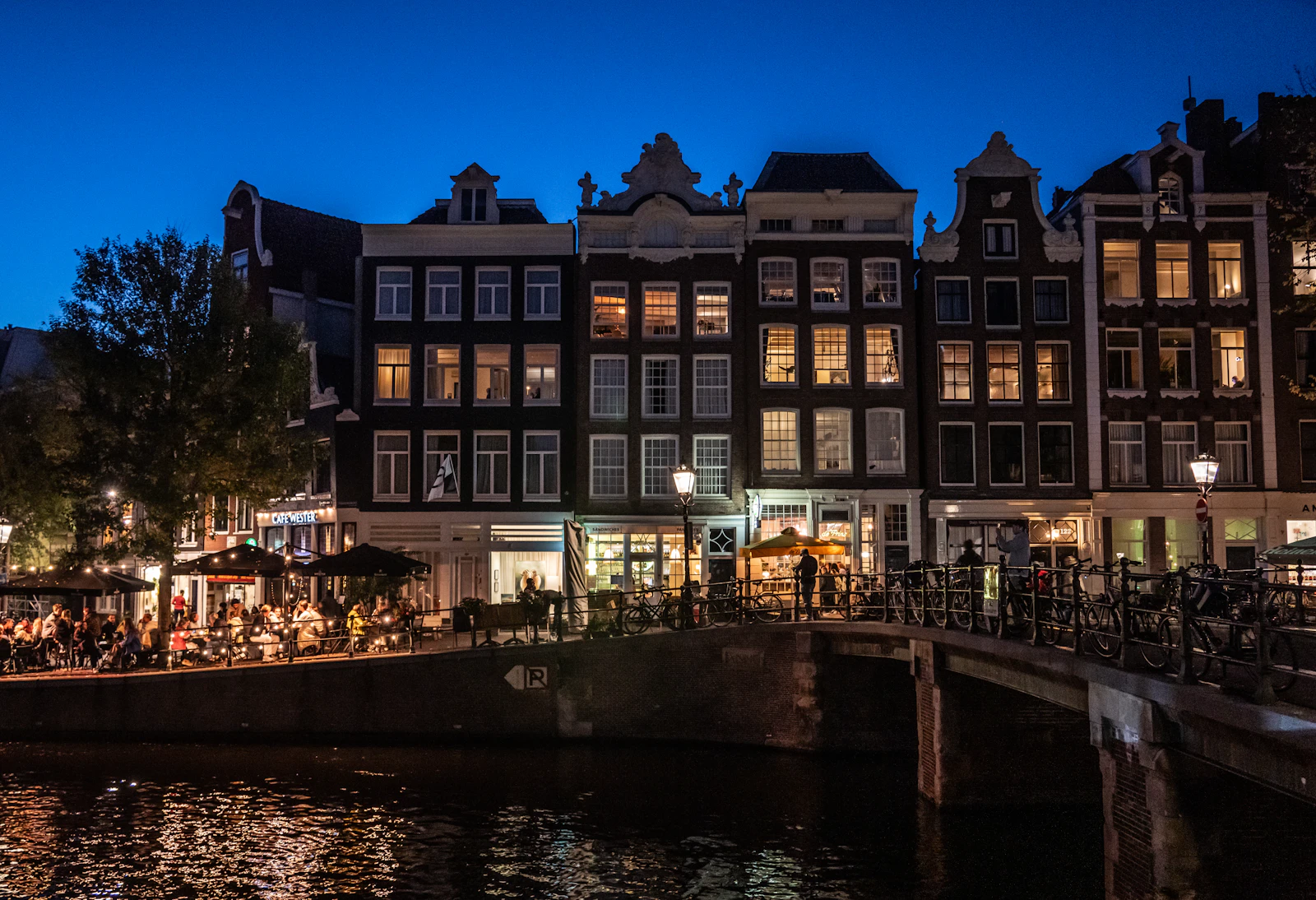 The canal ring at dusk sets the tone for a week of slow, walkable exploration.
Day 2: Museumplein Focus
This day is about depth over volume. Pick one major museum and give it the attention it deserves.
Morning: Van Gogh Museum (or Rijksmuseum)
The Van Gogh Museum is a standout because it houses the world’s largest collection of Van Gogh works—more than 200 paintings and hundreds of drawings and letters—which makes it an immersive, story‑driven visit.
If you prefer broader Dutch history, swap in the Rijksmuseum. Either way, book a timed entry and arrive early.
Aim for a 2–3 hour museum block, then get outside. Museumplein’s lawns or a quick loop through nearby Vondelpark help you reset. If you’re tempted to stack museums, remember you have a week—save a second museum for another day.
Use the museum café or shop as a short decompression stop; even ten minutes helps you transition back into the city.
Afternoon: Museumplein to De Pijp
After the museum, walk to De Pijp for lunch and neighborhood time. The shift from museum quiet to market energy is exactly what keeps this week balanced. Use the afternoon for the Albert Cuyp Market and a relaxed café break.
If you want a soft landing to the day, add a short canal‑side coffee stop before dinner. It’s a low‑effort way to keep the day feeling varied rather than purely cultural.
Evening: Casual Dining
Keep it casual—this is a long week. Save your “big dinner” for later in the trip.
A simple evening routine—short walk, relaxed meal, early night—keeps your energy steady for the days ahead.
If you want a low‑effort evening activity, add a short canal walk at dusk. It’s a light way to transition from museum mode to neighborhood mode.
If you still have energy, a casual jazz bar or a small neighborhood cinema makes a mellow end to the day.
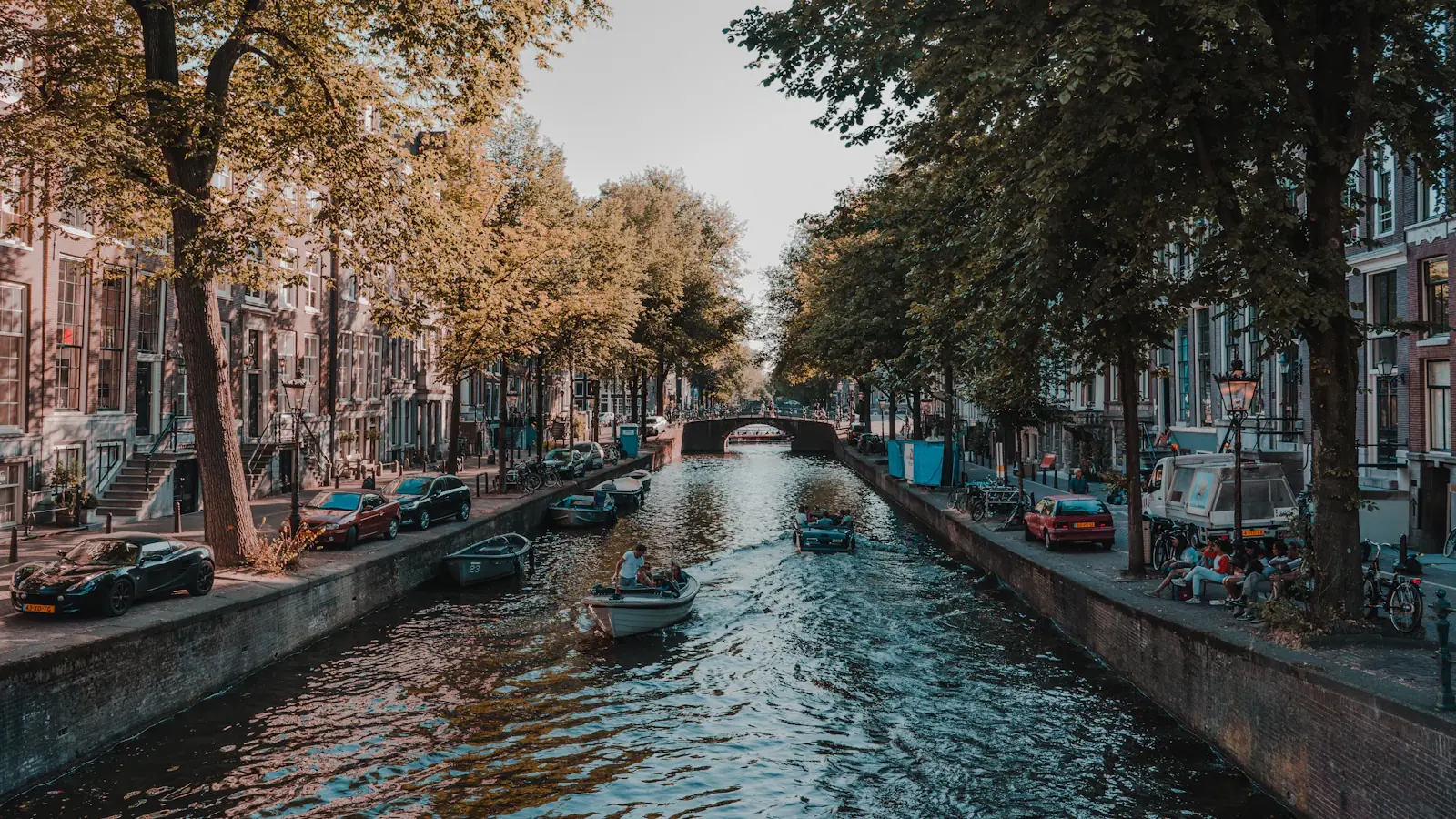
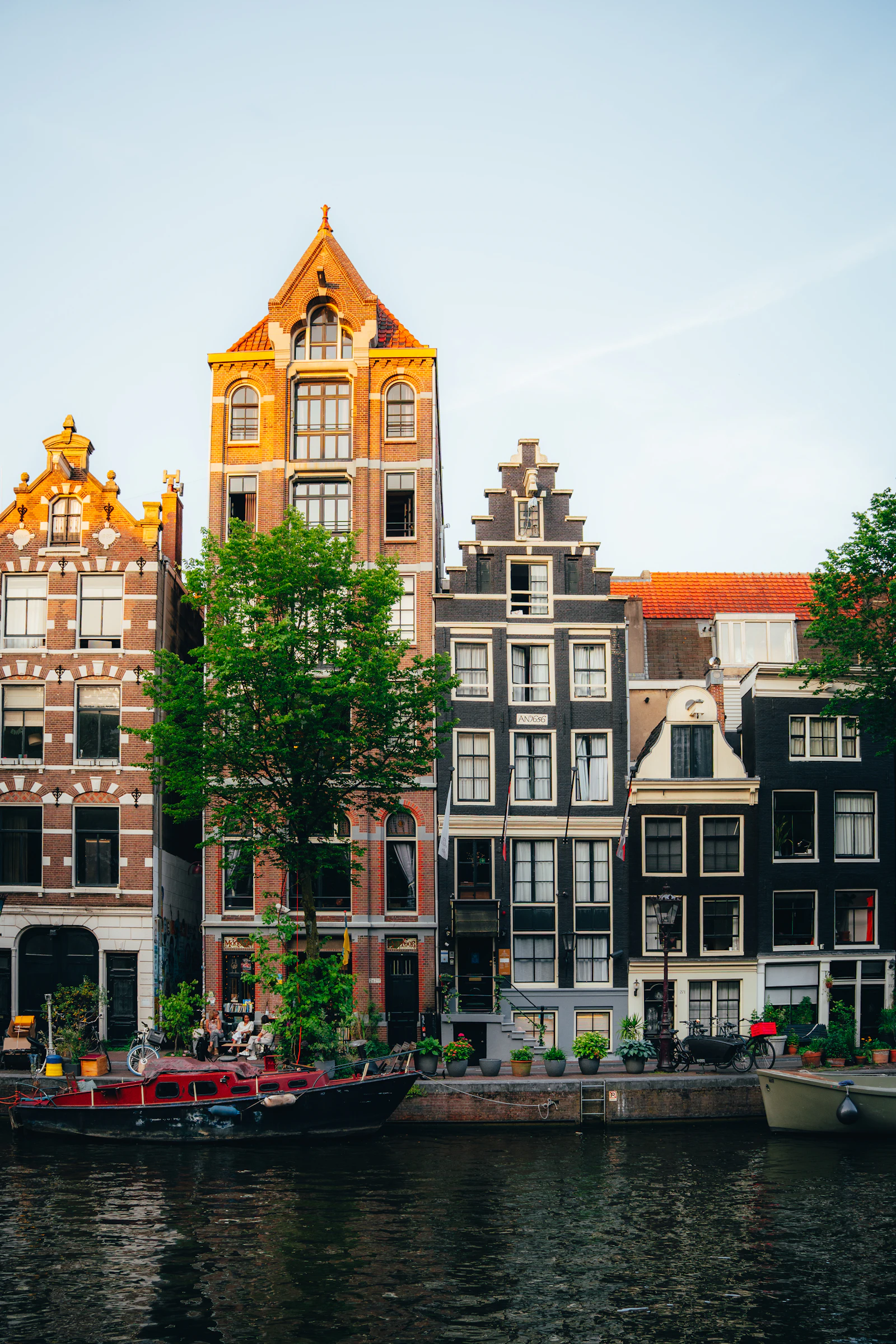 A classic canal view that pairs well with a museum‑heavy day.
Day 3: Jordaan + Anne Frank House
Day 3 is the emotional core of the week. The Anne Frank House is powerful, and the neighborhood around it is one of the city’s most charming.
Morning: Anne Frank House (Book Early)
The Anne Frank House uses timed tickets, released six weeks in advance on a weekly schedule, and visits are typically about an hour. Book early so your schedule stays flexible.
It’s an emotionally heavy visit, so give yourself a buffer afterward. A quiet canal walk or a long coffee stop helps you reset before the rest of the afternoon.
Afternoon: Jordaan Ramble
Spend the afternoon in Jordaan’s quieter canal lanes. Look for small courtyards, art studios, and cafés that feel like locals’ living rooms. This is the Amsterdam neighborhoods guide moment of the week.
If you want a simple add‑on, climb a church tower or visit a small photo gallery. These low‑key stops deepen the neighborhood feel without turning the day into a checklist.
Jordaan also rewards slow wandering—choose one canal and follow it without a map for a while.
You’ll notice tiny bridges and houseboats that are easy to miss when you’re moving fast.
If you still want to explore, stop by a small craft shop or design store—Jordaan excels at low‑key browsing.
Hidden courtyard gardens are another quiet highlight if you spot an open gate.
Evening: West‑Side Dinner
Eat in the western canal ring for a calmer, less touristy feel. You’ll still get beautiful views without the bustle of the central canal belt.
End the night with a short stroll along a quieter canal. It’s a gentle way to close a day that carries more emotional weight.
A short post‑dinner walk along Prinsengracht or Bloemgracht is the perfect cool‑down and helps the day feel complete.
Day 4: De Pijp + East
Day 4 is your city‑life day. It’s less about monuments and more about how Amsterdam actually lives.
This is also a great day to slow down: two long walks, one market visit, and a few café breaks can be more memorable than another major attraction.
If you’re up for a bike ride, this is the day to do it—traffic feels less intense outside the tourist core, and the ride gives you a broader sense of the city’s scale.
A bakery breakfast or mid‑afternoon pastry stop fits naturally here and adds a local routine to the day.
Morning: De Pijp Morning Routine
Start with a slower morning—coffee, a walk through local streets, and a brief loop of the Albert Cuyp Market if you missed it on Day 2.
Afternoon: East (Oost) Exploration
Head east to explore a more residential side of Amsterdam. Parks, small eateries, and a calmer canal scene make this a nice contrast to the tourist core.
If you want a bit more structure, pick one park or waterfront area as your anchor and explore in concentric loops. It keeps the afternoon focused without feeling rigid.
If you’re a markets person, consider a local market stop for snacks and people‑watching. It’s an easy way to see everyday Amsterdam without a major time commitment.
This is also a good day for a second park visit if the weather is kind.
Evening: Neighborhood Wine Bar
Choose a low‑key wine bar or café and enjoy the city’s quieter side. This is your reset before day trips.
Try to be in bed a little earlier tonight—tomorrow’s day trips are easier with a fresh start.
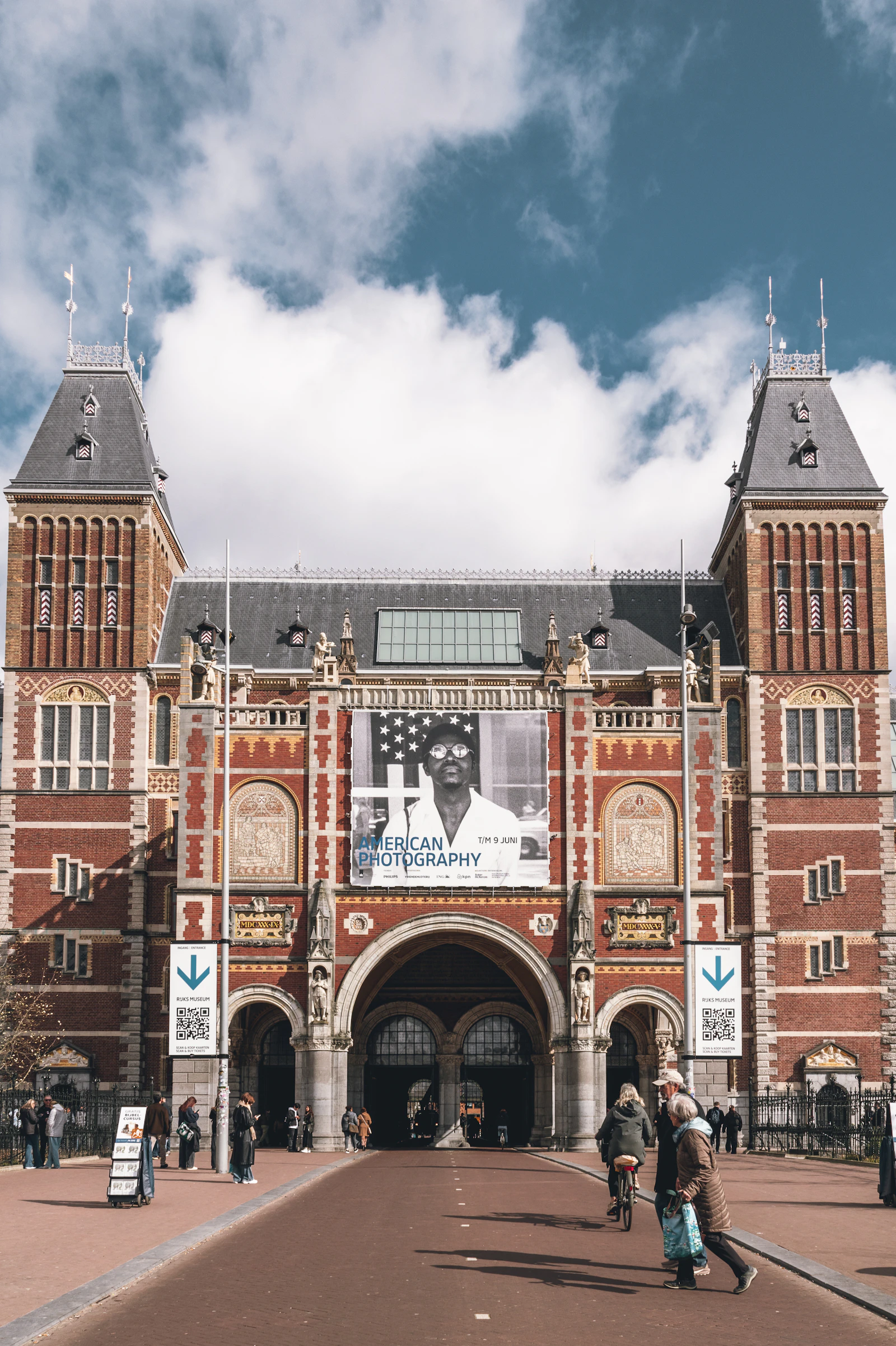 Museumplein’s open space balances a week of tight canal streets.
Day 5–6: Day Trips (Choose Two)
With a week, you can take two day trips without sacrificing the city. Pick based on season and interests.
Plan to keep one day trip active and the other relaxed. That balance lets you return to Amsterdam in the evening without feeling like you need a full recovery day.
As a rule of thumb, pair one “nature” outing (tulips or windmills) with one “city” outing (Haarlem or Utrecht). The contrast keeps the week feeling fresh.
Option 1: Keukenhof (Spring)
If you’re visiting in spring, Keukenhof is the most iconic excursion. Its short opening window makes it a rare, high‑impact experience that fits perfectly into a one‑week plan.
Pair Keukenhof with an early start and a light evening back in the city. The gardens are beautiful, but they’re also a lot of walking.
If you want less walking, focus on one or two themed gardens and skip the far edges; you’ll still get the full effect.
Option 2: Zaanse Schans (Windmills)
For classic Dutch windmill scenery, Zaanse Schans is easy and close. It’s touristy but undeniably photogenic.
If you want fewer crowds, go early and focus on one or two windmills rather than trying to “do it all.”
Bring a light snack or picnic—small planning helps the day feel relaxed rather than rushed.
Option 3: Haarlem or Utrecht
Both cities are compact, easy to reach, and rewarding. Haarlem has a refined, canal‑city feel; Utrecht offers a more youthful, local energy.
If you love cafés and bookshops, Haarlem may suit you. If you like modern student energy and waterfront terraces, Utrecht is a better fit.
Either option works as a half‑day if you want to return to Amsterdam for a canal‑side evening.
Pick two, keep one day lighter, and you’ll still have energy for Amsterdam in the evening.
Whatever you choose, keep the return evening simple. A short canal walk and a casual dinner help you reset for Day 7.
Day 7: Amsterdam‑Noord + Flex Time
Use your final day as a flex day. If you missed something, do it now. If not, go north.
This is the day to revisit a favorite neighborhood or finally try the café you bookmarked on Day 1.
Keep the schedule loose. A flexible final day is the best antidote to end‑of‑trip fatigue and gives you space to savor rather than sprint.
Morning: IJ Ferry to Noord
The free IJ ferry makes Noord feel like an easy extension of the city. Explore NDSM Wharf, grab a coffee, and enjoy the open‑space feel.
If you want a lighter visit, stick to the waterfront and enjoy the skyline from a bench. It’s a simple reset before the trip ends.
If you skipped a museum earlier in the week, this is also the day to add it—energy and time tend to be more forgiving on Day 7.
You can also take a final canal cruise if you didn’t do one earlier; it’s a low‑effort way to see the city from a new angle.
If you’re souvenir‑minded, this is the best day for thoughtful shopping rather than impulse buys.
Afternoon: Slow Return
Return to the canal ring for a final walk. This is a good time for last‑minute shopping, a bookstore stop, or a final canal‑side picnic.
Evening: Farewell Dinner
Choose a place you can linger. A week in Amsterdam deserves a slow, celebratory finish.
If you’re traveling with someone, share a small list of “best moments” over dinner—it’s a fun way to close the week.
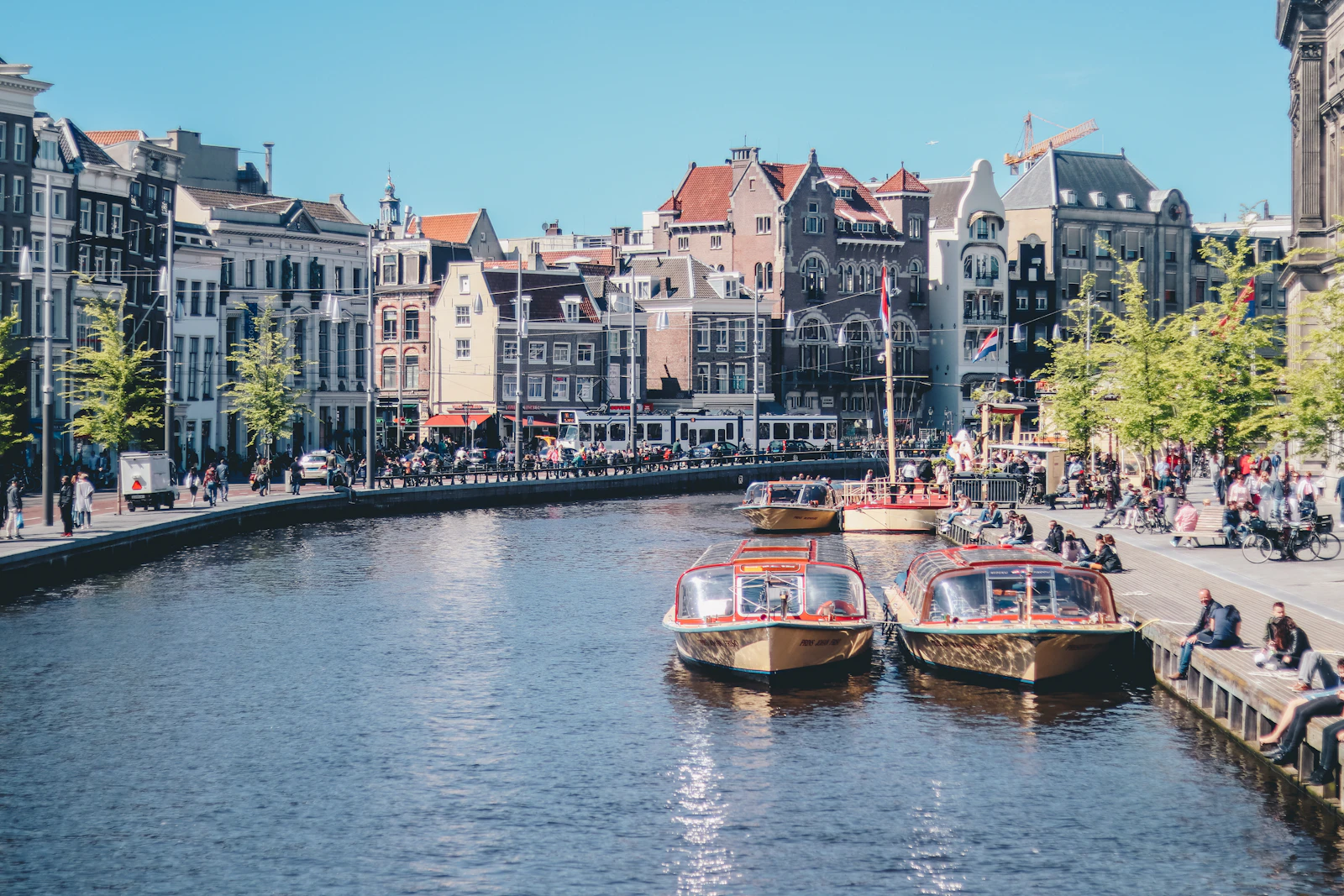 The short ferry ride is a simple way to shift your perspective on the city.
Eat, Drink, and Linger
A week gives you time to eat with intention. Try a rijsttafel once, snack on herring or bitterballen, and keep a running list of cafés you want to revisit. Foodhallen is great for variety, but the best meals often come from small, quiet kitchens you stumble into after a long canal walk.
If you’re doing a DIY Amsterdam food tour, split it across the week. One day for pastries, one for street snacks, one for Indonesian or Surinamese cuisine. This approach keeps meals exciting without feeling heavy.
Evenings are where Amsterdam’s personality shines. Some nights can be social; others can be quiet. The point is to feel the city’s rhythm rather than chase it.
Breakfast is the easiest place to save money without sacrificing quality. A bakery stop with fresh bread and cheese feels local and frees your budget for dinners that matter.
If you want a special meal, schedule it after you’ve learned the city—Night 4 or 5 usually feels right because you’ll know which neighborhood you want to linger in.
For coffee, pick one roaster you love and return a few times. The repetition is part of the slow‑travel charm and gives your week a sense of rhythm.
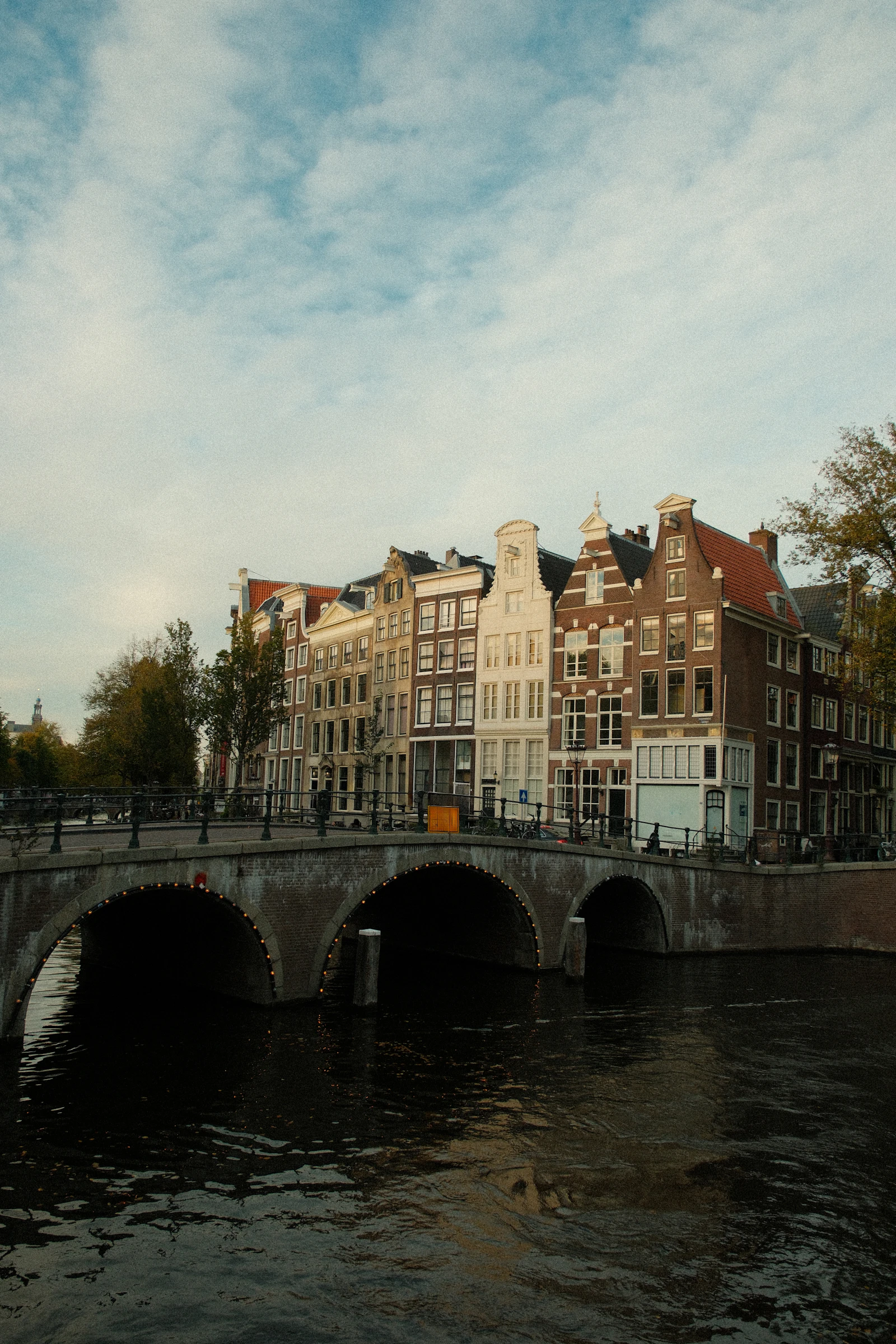 Slow canal walks are the easiest way to reset between meals and museums.
If you want to balance the heavier meals, build in one “light night” with simple salads or a shared tasting plate. It keeps energy stable and makes the next day’s walking feel easier.
If you’re unsure about reservations, book just one or two dinners. The rest can be spontaneous, which is part of Amsterdam’s charm.
Keep a reusable water bottle with you—between biking and long canal walks, it makes a bigger difference than you’d expect.
For something sweet, Dutch apple pie with coffee is an easy, classic end to a long day.
Cultural Experiences Not to Miss
Brown Café Culture
Amsterdam's canal ring is a UNESCO World Heritage Site, designed in the 17th century as an integrated urban plan.
Amsterdam's brown cafés are centuries-old neighborhood pubs with dark wood interiors, candlelit tables, and a cozy atmosphere that invites lingering. Order a local beer or jenever (Dutch gin) and settle in. With a full week, you have time to find your favorite—try a few in Jordaan, De Pijp, and the quieter canal streets.
Markets and Local Shopping
A week gives you time to explore multiple markets. The Albert Cuyp is the daily workhorse, while Noordermarkt on Saturday mornings combines organic produce with antiques. Waterlooplein is best for vintage finds. The IJ-Hallen flea market in Noord happens monthly and is worth planning around if your dates align.
Evening Canal Walks
Amsterdam transforms after dark. The canal bridges light up, the water reflects the gabled houses, and the city feels quieter and more intimate. A late evening walk along Herengracht or Prinsengracht is one of the best free experiences. With a full week, try different routes and neighborhoods—each has its own evening character.
Practical Tips for Travelers
Language
Dutch is the official language, but English is spoken almost universally. You'll rarely need Dutch, but a simple dank je wel (thank you) or alsjeblieft (please) is appreciated. Signs, menus, and museum descriptions are often bilingual.
Etiquette
The Dutch are direct and value punctuality. Arrive on time for reservations. Tipping is not required—service is included—but rounding up or leaving a euro or two for good service is common. In cafés, it's fine to linger after your drink; no one will rush you.
Safety
Amsterdam is generally very safe, but watch for pickpockets in tourist-heavy areas like Dam Square and near Centraal Station. Bike lanes are serious infrastructure—stay out of them when walking. If you rent a bike, lock it properly with both locks. Keep valuables secure in crowded spaces and busy trams.
Travel Costs and Budgeting
Your budget stretches further when you plan the big tickets first. Book the Van Gogh Museum and Anne Frank House as soon as your dates are set, and build everything else around those time slots. The rest of the week can be flexible.
If you’re visiting during tulip season, add Keukenhof early; it sells out and the window is short. For transit, use a mix of walking, trams, and the free IJ ferry. A weeklong trip doesn’t require constant transport passes—often, one or two day passes plus walking is more cost‑effective.
Finally, plan a small “serendipity budget.” Amsterdam is full of niche bookstores, independent design shops, and pop‑up markets. Leave room to say yes.
If you’re considering a museum pass, do the math. It pays off only if you plan multiple paid museums in a tight window. Otherwise, buy tickets individually and keep your schedule light.
For a steady budget, track spending by day rather than category. It’s easier to adjust mid‑trip if one day runs high.
For day trips, booking early can also save money and stress. Train tickets and popular excursions are often simpler when reserved in advance, especially in spring.
If you’re staying in an apartment, plan a couple of grocery meals. It’s a small cost saver that also gives you a more local routine.
Free activities—parks, markets, and canal walks—can anchor days when you’re intentionally spending less.
Mixing free and paid days helps you avoid a mid‑week budget crunch.
If you track one number each night—total spend for the day—you’ll spot budget drift early.
That makes it easier to rebalance spending across the week.
You’ll feel more relaxed knowing you have a cushion built in.
To maximize your days off without extra PTO, use the free Holiday Optimizer to find bridge days around public holidays for your Amsterdam trip.
Frequently Asked Questions
These quick answers are designed to help you refine your Amsterdam itinerary 7 days before you commit to bookings.
Use them as a final checklist once your dates and lodging are locked in.
They’re also helpful for choosing which days to keep most flexible.
Treat them as a quick planning recap before you arrive.
Is one week too long for Amsterdam?
Not at all. One week in Amsterdam lets you slow down, take day trips, and experience neighborhoods without rushing. You’ll still have plenty to do, but you won’t feel like you’re sprinting between sights.
It’s the ideal length if you want both culture and a bit of everyday city life.
What are the best day trips from Amsterdam?
For spring, Keukenhof is unmatched. Year‑round, Zaanse Schans, Haarlem, and Utrecht are easy and rewarding. Choose based on your interests and the season.
If you prefer minimal logistics, Haarlem is the simplest half‑day option.
Do I need to book museums in advance?
Yes, especially for the Van Gogh Museum and the Anne Frank House. Timed entries are the norm, and popular slots disappear quickly.
Book those two first, then build the rest of the week around them.
Is Amsterdam bike‑friendly for visitors?
It is, but respect the flow. Bike lanes are serious business. If you’re unsure, rent a bike for a single day rather than the entire week.
Try a quieter route first—parks or outer canals are ideal for building confidence.
Where should I stay for a 7‑day itinerary?
Jordaan and De Pijp are the best mix of charm and convenience. Oost and Noord are great for longer stays if you’re comfortable with a short commute.
If you value quiet nights, choose a side street just off the busiest nightlife corridors.
References
- I Amsterdam - Official Amsterdam Tourism Website
- Van Gogh Museum - Official Website
- Anne Frank House - Official Website
- Amsterdam Canal Cruises
- Nomadic Matt's Amsterdam Itinerary Guide
If you have extra days, consider combining your Amsterdam trip with Berlin, Copenhagen, and Paris — all easy to reach and covered in our PTO-optimized travel guides.
Quick Takeaways
- A week works best as a spiral: city core first, day trips mid‑week, flexible finish.
- Book the Anne Frank House and Van Gogh Museum early; they sell out fast.
- Spring trips pair perfectly with Keukenhof’s short bloom window.
- Use the free IJ ferry to make Amsterdam‑Noord effortless.
- Leave space for serendipity—Amsterdam is best when it’s unplanned.
- Use the Holiday Optimizer PTO calendar to plan which days to take off for your Amsterdam trip.
Conclusion
A strong Amsterdam 7-day itinerary gives you time to slow down and still see the essentials. The week structure above makes space for deep museum visits, long canal walks, and day trips that show you more of the Netherlands without draining your energy. With seven days, you can build routines—your favorite coffee spot, your evening canal walk—so the city feels familiar, not just visited. That’s the real gift of a longer stay.
If you keep your pace human and your schedule light, Amsterdam becomes less of a checklist and more of a lived experience. The canals stop being a backdrop and start feeling like a daily soundtrack. That's when the trip sticks with you.
Ready to maximize your time off?
Find the best Amsterdam travel windows
Share Your Thoughts
If this guide helped, share it with someone planning one week in Amsterdam—and tell us which day trip you’d pick first. Are you Team Keukenhof, Team Windmills, or Team Utrecht?