Bangkok in 4 Days: Long Weekend Itinerary & PTO Planner for 2026
Plan a Bangkok city break with Grand Palace and Wat Pho temple visits, Chatuchak Weekend Market, Chinatown street food crawls, rooftop bars, and smart transit tips for 2026.
Introduction
Bangkok is loud, layered, and surprisingly soulful. Four days is the sweet spot: long enough to see the icons, short enough to keep the energy high. This Bangkok 4-day itinerary is built for a long weekend that feels immersive without feeling exhausting. Use this guide to plan your four-day trip.
You'll move between Old Town temples, riverfront sunsets, street-food lanes, and modern neighborhoods with air-conditioned breaks where they matter most. Expect a mix of intense mornings and slower afternoons, plus a strong food focus throughout.
Think of it as a long weekend with two speeds. Mornings are for big sights, afternoons for shade and snacks, and nights for neon and river breezes. We'll show you how to use rail and boats to cut traffic, where to slow down, and how to keep the trip comfortable even in the heat. If you only have four days, this keeps the city vivid without chaos. It is designed for first-timers and repeat visitors alike.
Planning a longer trip? Check out our extended Bangkok itinerary covering 7-9 days of in-depth exploration. Use our PTO optimizer to find the best days to take off around your trip dates.
Why Bangkok Is a Must-Visit Destination in 2026
Street Food Capital of the World
Bangkok stands out among Asian destinations for its unique combination of history, culture, and modern energy. Whether you are visiting for the first time or returning for a deeper look, 2026 is an excellent year to experience what makes this city special.
Ancient Temples and Modern Energy in One City
What sets Bangkok apart is the way daily life and cultural depth coexist. You will find world-class landmarks alongside neighborhood rhythms that reward slowing down and paying attention.
Planning Your Trip Essentials
Bangkok is a city of micro-neighborhoods, and traffic is the one thing that can derail your plan. This itinerary solves that by grouping each day by geography and energy level. You'll spend one day centered on Old Town and the river, one day on markets and Chinatown, one day on modern Bangkok and shopping, and one day on a calm finish.
Each day starts earlier than you think and ends a little later than you'd expect. That's intentional. Morning hours are cooler and less crowded. Late afternoons are perfect for riverside walks, rooftop views, or a long dinner. Midday is when you slow down: a cafe, a museum, or a quiet break in the shade.
If you're traveling with someone who prefers a gentler pace, you can trim each day to one anchor experience and one optional add-on. This keeps the trip enjoyable without feeling like a checklist. If you're more action-oriented, you can add one extra stop in the same neighborhood without blowing up your travel time.
Use the Holiday Optimizer to find the best days to book off around public holidays for your Bangkok trip.
Logistics for a Bangkok Long Weekend
Bangkok is hot year-round, so treat the city like a series of short walks between cool zones. November to February is generally cooler and more comfortable. The shoulder months can be sticky but manageable if you plan for heat and hydration.
Choosing where to stay makes everything easier. Old Town is perfect for temple-heavy days but quieter at night. Riverside is ideal for sunsets and boats. Sukhumvit is modern, connected, and full of dining options. If you want a balanced base, aim for easy access to the BTS Skytrain or MRT so you can move quickly without relying on traffic.
Transportation is a mix of rail, taxis, and river boats. The BTS and MRT are the fastest ways to cross the city, and river ferries are surprisingly efficient for Old Town and Wat Arun visits. Ride-hailing apps are convenient for short hops, but traffic will slow you down during rush hours.
Build a small timing buffer whenever you move across town. Bangkok traffic is unpredictable, and a 20-minute hop can quickly double at peak times. If you are visiting temples, aim for early openings and keep your afternoons flexible so you can shift around heat or crowds. Pack light, breathable clothing and keep a temple-ready cover-up in your day bag. You will need to cover shoulders and knees for major temple sites, and you will appreciate a sun hat and water bottle. It is also worth carrying small bills for markets and ferries.
If anyone approaches you claiming a major site is "closed today," treat it as a red flag and walk to the official entrance yourself. Staying calm and using official ticket windows keeps the day simple and stress-free. Finally, build in a "cool-down hour" each day. It might be a cafe, a museum, or a quick massage. That break is the difference between loving Bangkok and feeling drained by it. This is the core of a Bangkok long weekend guide that feels sustainable.
Day 1: Old Town Temples + River Views
Start with the Old Town icons while your energy is highest. This day is about scale and history: ornate temples, river crossings, and the feeling of stepping into Bangkok's ceremonial heart. Begin early and keep your outfit modest. A Bangkok temple day plan works best when you avoid midday heat.
Choose one major temple complex as your anchor. Many travelers pair the Grand Palace area with Wat Pho and then cross the river to Wat Arun. That trio gives you three distinct architectural styles and a river ride built in. The key is pacing: focus on a few standout halls, take breaks in shaded courtyards, and move on before you hit overload.
Between temple visits, pause at the river. The Chao Phraya is Bangkok's original highway, and watching the boats helps you understand the city's tempo. A short ferry ride is inexpensive and offers a refreshing breeze.
If you want a small add-on, visit a nearby market lane or a flower market on the way back. Keep it quick and local. Also, wear shoes that are easy to slip on and off; temple visits require frequent removals, and the sun-warmed stone can be surprisingly hot.
By late afternoon, step away from temples and transition into a slower evening. You can choose a riverside dinner, a quiet walk, or a low-key rooftop view. The goal is to finish the day feeling energized, not fried.
One practical rhythm: start with the most formal site first, then move to the more relaxed temples. Once the heat climbs, switch to shaded courtyards or a riverside cafe. That rhythm keeps the morning strong and the afternoon gentle.
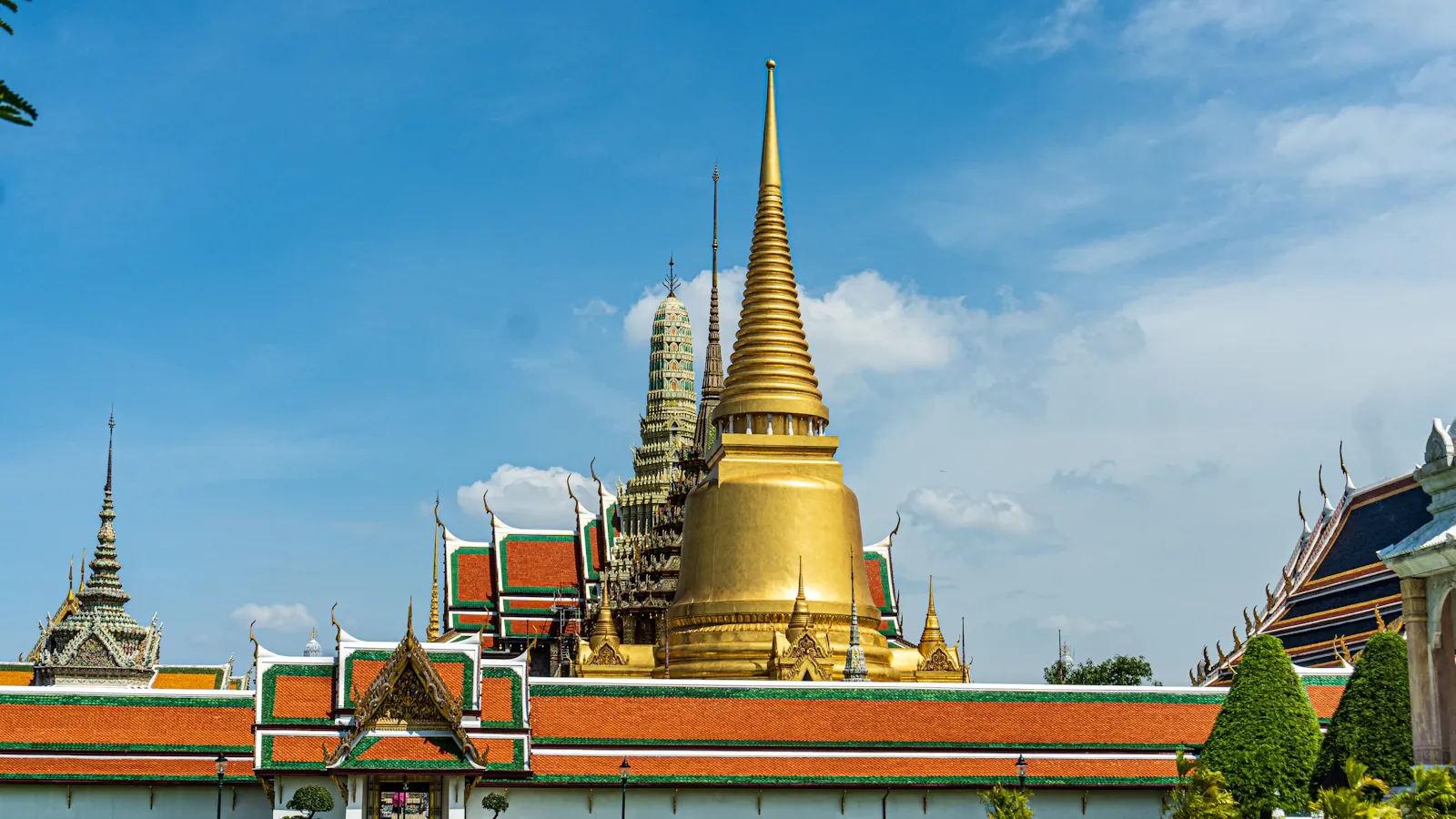
 A traditional roofline set against the modern city captures Bangkok's contrast.
Day 2: Markets + Chinatown Food Night
Today is about flavor and movement. If it's Saturday or Sunday, Chatuchak Market is the big anchor. The market is only fully open on weekends, so plan accordingly. Go early, pick one zone to explore deeply, and keep a mental note of your exit points. If it's a weekday, swap in a smaller market or a neighborhood stroll with a few specialty shops.
Markets are a marathon. Bring a small day bag, wear breathable shoes, and give yourself permission to leave once the heat spikes. A quick loop with a few intentional purchases feels better than trying to see it all.
In the afternoon, slow the pace. A cafe break or a short museum visit will reset your energy before the evening. Bangkok's humidity can be intense, and this break protects your night.
Once the sun drops, head to Chinatown (Yaowarat). This is the city's most cinematic food scene: neon signs, sizzling woks, and lanes that feel alive. You do not need a long checklist. Choose one or two specialties, then wander. The goal is to sample widely without overeating early.
If you want structure, a guided Bangkok street food tour is a strong choice. If you prefer independence, make a simple rule: one savory dish, one sweet dish, and one drink. That's enough to feel the scene without crashing.
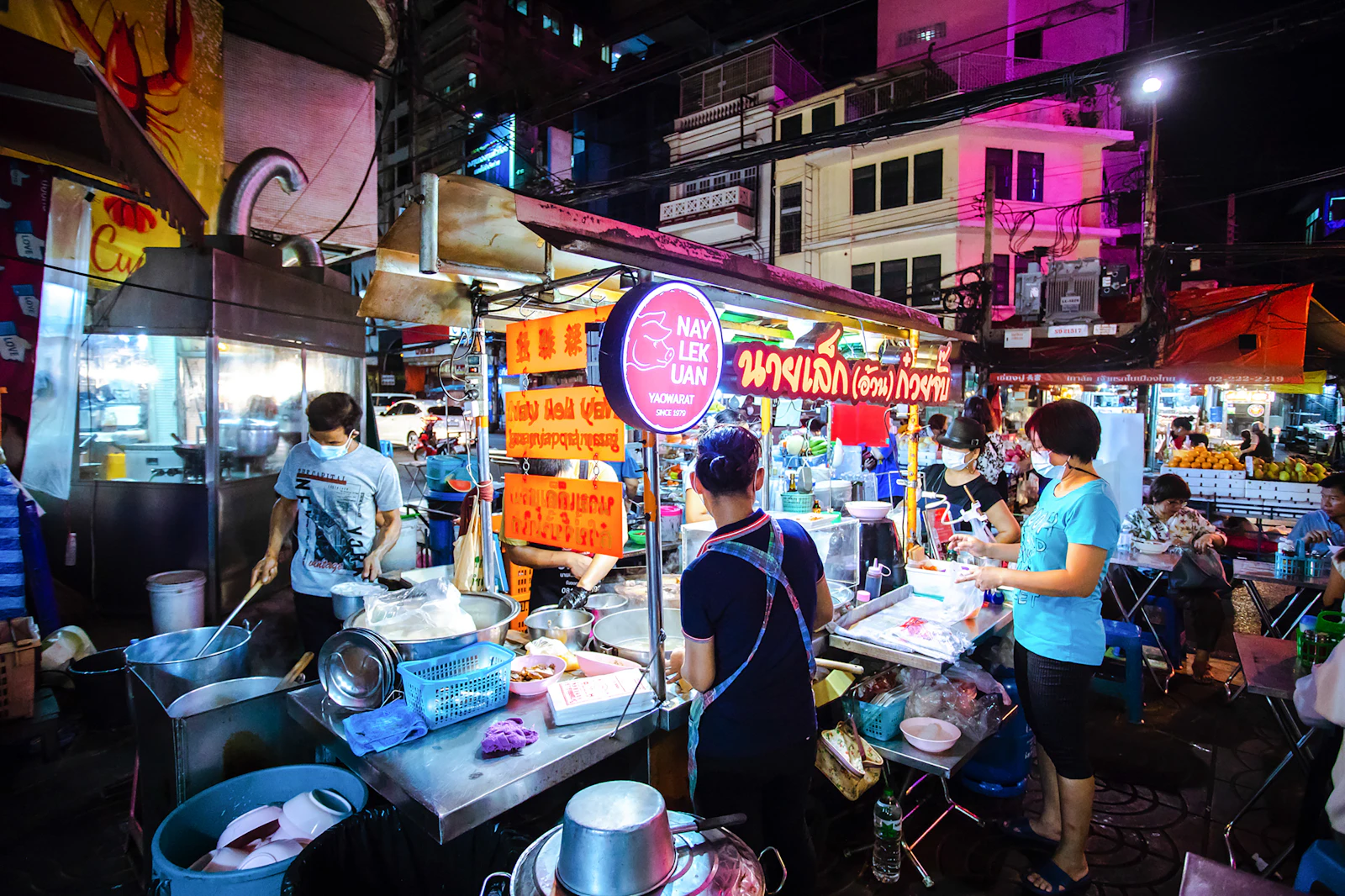 A vibrant bowl of Thai food represents the city's late-night flavors.
Day 3: Modern Bangkok + Rooftop Views
Day 3 is your modern contrast. Start in the Siam area for shopping, contemporary art, and air-conditioned time. Bangkok's mega-malls are part of the city's identity, and even a short visit shows the scale of local life. If you enjoy design or photography, build in a gallery or a quiet neighborhood cafe for a softer edge.
For a slower alternative, add a canal-side walk or a small creative district stop. This breaks up the day and keeps it from feeling like one long indoor session. Choose one neighborhood and explore it on foot for 60-90 minutes.
This is also a good day for a short riverside loop if you want more air and movement. Keep it light; the night is the main event.
As evening arrives, pick a rooftop or skyline spot. You do not need the most famous place; you need a view, a breeze, and one good drink. Aim for a venue close to your base so you are not stuck in transit late at night.
Many rooftops have a smart-casual vibe, so pack a slightly nicer top in your day bag. Arrive around golden hour, order one drink, and leave once the crowd peaks. It keeps the night fun without draining the next day.
This day balances modern comfort with an urban edge. If the previous days felt intense, use this as a reset day with longer breaks and fewer hard stops. It is the most flexible day of the Bangkok itinerary 4 days plan.
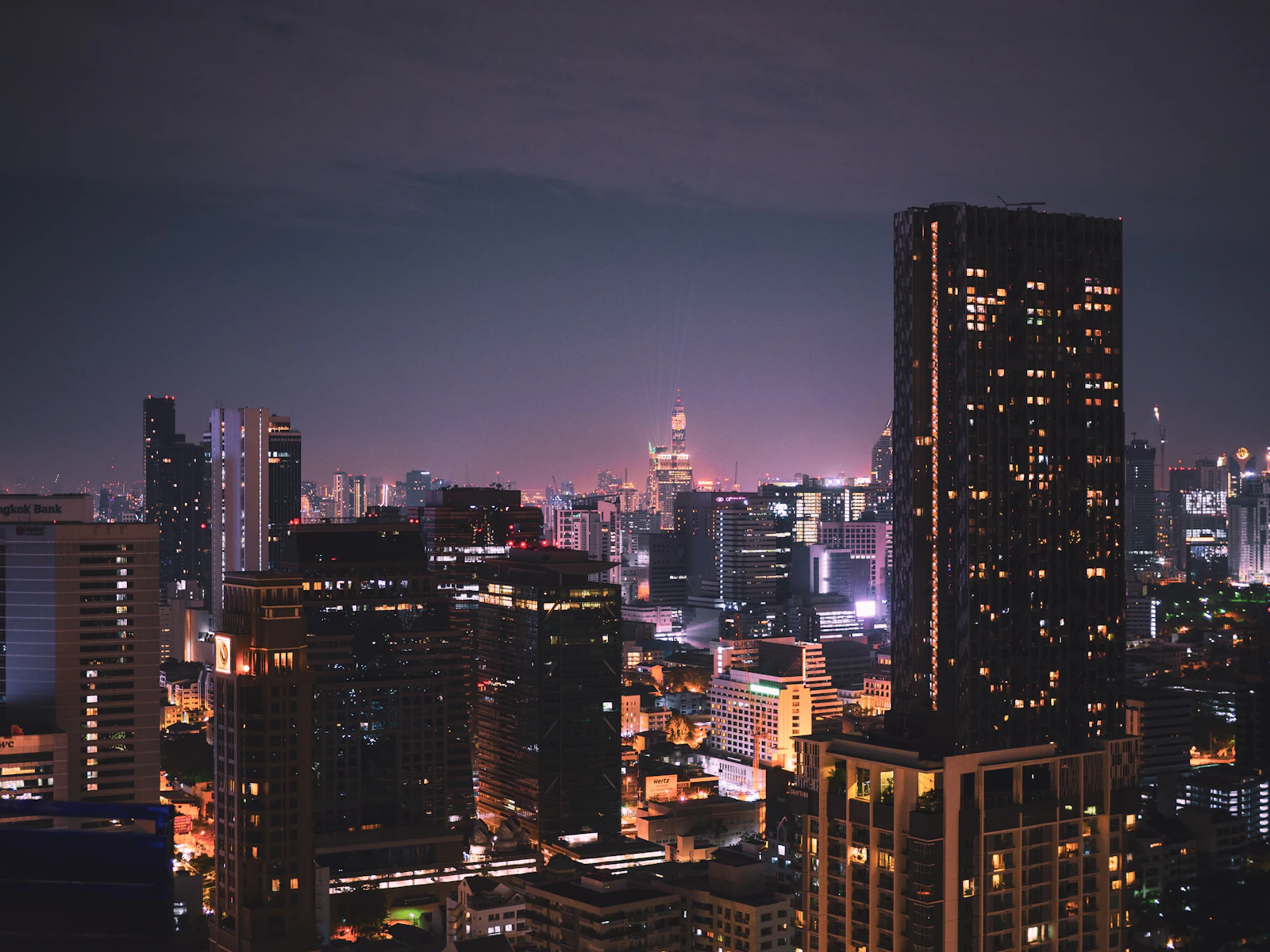 Boats and high-rises along the Chao Phraya bring the modern city into focus.
Day 4: Calm Finish + Parks + Massage
Your final day should feel calm and spacious. Start with a slow breakfast and a simple green escape. A park walk helps you process the intensity of the city and gives you one last view of local life. If you are a morning person, this is the day to wander a quiet neighborhood with a coffee in hand.
Choose one park or green corridor and make it your anchor. Even a 30-minute loop shifts your energy and gives you a softer memory of Bangkok. If you like photography, this is also the best time to capture street scenes without heavy crowds.
If you want a gentle add-on, consider a short canal-side stroll or a quick museum stop nearby. Keep it within the same zone so the day stays easy.
Next, add a Thai massage or spa session. It is not just a luxury; it is a practical reset before travel. Keep the rest of the day light: a final temple revisit, a bookstore stop, or a short riverside loop.
If you want a small souvenir run, do it now and keep it close to where you are staying. This is not the day for crossing the entire city. A small purchase and a slow lunch will feel better than another long commute.
If you still want one more landmark, choose something close to your base rather than across town. The purpose of Day 4 is to close the loop and leave Bangkok feeling refreshed. A little restraint here makes the whole trip feel balanced.
If your flight leaves late, squeeze in a final meal you have been craving. If it leaves early, pack the night before and keep the evening simple. The city will still be there when you return.
Plan your airport transfer with more buffer than you think you need. If you are taking rail, keep your luggage light. If you are driving, avoid rush hours and confirm pickup times before you check out.
Eat, Drink, and Street Food Playbook
Bangkok is one of the great food cities. The trick is to pace yourself. Start with light breakfasts, then build toward bigger flavors at night. Street food is best when you are curious and flexible. Choose busy stalls, watch the turnover, and follow locals.
Order in small rounds instead of one big meal. A skewer here and a noodle bowl there keeps your energy steady and lets you try more. If a stall looks popular and the ingredients look fresh, it is usually a good sign.
Do not skip the basics: grilled meats, noodle soups, and a spicy salad at least once. Add one sit-down meal at a restaurant that feels special to you. It helps create a rhythm between casual and intentional eating.
Hydration is non-negotiable. The heat will catch you off guard, especially after walking through markets. Keep water on you and take shade breaks when you need them. A short afternoon break can save the evening.
If you have dietary restrictions, Bangkok is more adaptable than it looks. Ask for milder spice, keep a translation note on your phone, and choose simpler dishes when unsure. Your goal is to eat widely without crashing.
Finish with something sweet at least once. Coconut desserts, tropical fruit, or a simple iced drink give you a clean reset after spice-heavy meals. A balanced food day makes the whole Bangkok itinerary 4 days feel easier to sustain.
Consider setting one food "theme" per day: noodles for lunch, grilled skewers at night, a fruit stop in between. That tiny structure keeps your eating varied and helps you avoid the all-day grazing slump.
Carry a few napkins and hand sanitizer in your day bag. It makes street food easier and keeps the experience relaxed when tables are limited.
A simple breakfast market stop can anchor your morning and keep hunger steady until lunch.
Cultural Experiences Not to Miss
Temple Etiquette and Spirituality
Bangkok's full ceremonial name is 169 characters long, making it the longest city name in the world.
Bangkok's temples are active places of worship. Dress modestly—cover shoulders and knees, and remove shoes before entering buildings. Don't point your feet toward Buddha images or monks. Women should not touch monks or hand them anything directly. These small acts of respect are noticed and appreciated.
Markets and Local Shopping
Beyond Chatuchak (weekends only), Bangkok has markets for every interest. Sampeng Lane in Chinatown offers bargains on everything. Rot Fai markets (Train Market) have vintage finds and street food after dark. Flower markets wake early. A market visit is as much about atmosphere as shopping—let yourself wander.
River and Canal Life
The Chao Phraya River is Bangkok's historic artery. Take a public ferry for a few baht and watch the city from the water. Long-tail boat trips through the klongs (canals) show a quieter, older Bangkok—stilted houses, temples, and local life far from the main roads. It's one of the city's most distinctive experiences.
Practical Tips for Travelers
Language
Thai is the official language. English is spoken in tourist areas, but less common elsewhere. Learning a few basics—sawadee krap/ka (hello), khop khun krap/ka (thank you)—goes a long way. Tone matters in Thai, but locals appreciate any effort.
Etiquette
The Thai royal family is deeply respected—never speak critically. Don't touch people on the head (it's sacred) or point your feet at people or religious images. A slight bow with palms together (the wai) is the traditional greeting. Tipping is not required but appreciated for good service.
Safety
Bangkok is generally safe for tourists. Watch for pickpockets in crowded areas and on public transport. Avoid scams—if someone approaches offering a deal that sounds too good, it usually is. Beware of tuk-tuk drivers offering cheap tours to gem shops. Drink bottled water, use sunscreen, and stay hydrated in the heat.
Travel Costs and Budgeting
Bangkok can be very affordable, but the experience shifts based on where you spend. Decide early where to splurge: a nicer hotel, a rooftop view, or a guided food tour. Then keep everything else simple and consistent.
Consider a stored-value transit card if you plan to ride the BTS or MRT multiple times. It saves small hassles and keeps your day moving. Keep a little extra cash for ferries and quick street snacks.
Book key experiences early if you are traveling during peak months. For a long weekend, you only need one or two pre-booked anchors. The rest can stay flexible.
Cash is still useful for markets, ferries, and small stalls. Keep small bills and do not rely on card payments everywhere. For transport, a mix of rail and ride-hailing is usually cheaper and faster than taxis alone.
This Bangkok travel budget weekend approach keeps the trip smooth: spend on convenience when it protects your energy, and save on the items you will not remember later.
If you choose a hotel with breakfast included, it can simplify mornings and reduce decision fatigue. That small convenience often pays off more than a pricey add-on elsewhere.
If you do use taxis, ask for the meter or switch to a ride-hailing app if it feels unclear. A little clarity up front saves time and keeps costs predictable. This is especially helpful late at night when you are tired.
Stay connected with a local SIM or eSIM so you can call rides and check routes quickly. Reliable data is one of the simplest upgrades you can make for a short trip.
Set a soft daily spending target and stick to it. You will avoid decision fatigue and still have room for the one splurge that matters most.
Keep a small envelope for cash-only costs like ferries, snacks, and quick market finds.
To maximize your days off without extra PTO, use the free Holiday Optimizer to find bridge days around public holidays for your Bangkok trip.
Frequently Asked Questions
These quick answers help you finalize your Bangkok 4-day itinerary without overthinking it. Use them as a last check before you lock in bookings. These are guardrails, not rigid rules. If you are unsure, simplify the plan and add rest time. If a day feels heavy, move one temple to another day. In hotter months, prioritize early starts and longer breaks.
If you need to cut something, drop an extra market and keep one strong food night. The city will still feel complete.
Is four days enough for Bangkok?
Yes. Four days is enough to cover the temples, markets, food scene, and modern districts without rushing. You will leave with a clear sense of the city, especially if you group your days by zone.
What is the best area to stay in?
Sukhumvit is the most connected. Riverside is beautiful and calm. Old Town is convenient for temples but quieter at night. Choose based on your priorities and how often you want to use transit.
Do I need a guided tour for the temples?
Not required, but a short guided visit can add context. If you go on your own, arrive early and read a little before you visit. A short audio guide or brief article can be enough.
What should I wear for temple visits?
Cover shoulders and knees. Light, breathable fabrics are best. Bring a small scarf or cover-up in your day bag so you are ready at any time.
Is Bangkok safe for a long weekend?
Yes, especially in the main areas. Stay aware in crowds, keep valuables close, and use ride-hailing apps at night for simplicity. Common sense goes a long way.
If you are out late, stick to well-lit streets and keep the plan simple. You will feel the difference in your energy the next day.
References
- Tourism Authority of Thailand Official Website
- Grand Palace Bangkok Official Website
- Wat Arun Official Website
- BTS Skytrain Official Website
- Nomadic Matt's Bangkok Itinerary Guide
If you have extra days, consider combining your Bangkok trip with Hanoi, Singapore, and Bali — all easy to reach and covered in our PTO-optimized travel guides.
Quick Takeaways
- Group days by neighborhood to reduce travel time.
- Start early, take a midday break, and stretch the evenings.
- Keep temple visits respectful and paced.
- Use the river and rail to dodge traffic.
- Save your calmest day for the end of the trip.
- Let food be the connective thread across all four days.
- Use the Holiday Optimizer PTO calendar to plan which days to take off for your Bangkok trip.
Conclusion
A great Bangkok 4-day itinerary blends intensity with intention. You'll see temples, markets, and skyline views, but you'll also have enough breathing room to feel the city's rhythm. The structure above keeps your days organized while still leaving room for discovery.
If you take one thing from this plan, let it be this: Bangkok gets better when you slow down just a little. A long weekend is short, but it does not have to feel rushed. Choose a few anchor moments, build in breaks, and let the city show you its contrasts.
If you want to personalize the trip, swap one market for a museum, or trade a rooftop night for a riverside dinner. The structure holds even when the details shift. That flexibility is why this plan works for first-timers and repeat visitors alike.
Keep a few blank hours on your calendar and let the city surprise you. Some of the best Bangkok memories come from the unplanned detours: a side street cafe, a quiet temple courtyard, or a river breeze at dusk.
When the trip is over, note the places you would return to and the moments you want to repeat. That small habit makes your next visit even better.
Travel light, stay curious, and leave room for a return visit.
Ready to maximize your time off?
Find the best Bangkok travel windows
Share Your Thoughts
If this guide helped, share it with a friend planning a Bangkok itinerary 4 days trip. What was your favorite moment in the city, and which neighborhood would you return to first?