Seoul in 4 Days: Long Weekend Itinerary & PTO Planner for 2026
Plan a Seoul getaway with a detailed 4-day itinerary, K-culture guide, neighborhood exploration, and a realistic budget breakdown for 2026.
Introduction
Seoul is where ancient kingdoms meet K-pop futures. South Korea's capital offers 600-year-old palaces surrounded by glass towers, traditional hanok villages shadowed by neon-lit entertainment districts, and a food culture that's conquered the world while remaining distinctly Korean. This guide walks you through an immersive four-day itinerary that captures both the Seoul of Confucian heritage and the Seoul driving global pop culture from K-drama to Korean beauty.
Whether you're drawn to Seoul for its historic palaces, its legendary food scene, or the chance to experience the world's most connected city, you'll discover a place where tradition and innovation coexist without contradiction. After reading this guide, you'll have a clear day-by-day plan to experience both the Seoul of royal dynasties and the Seoul that never sleeps.
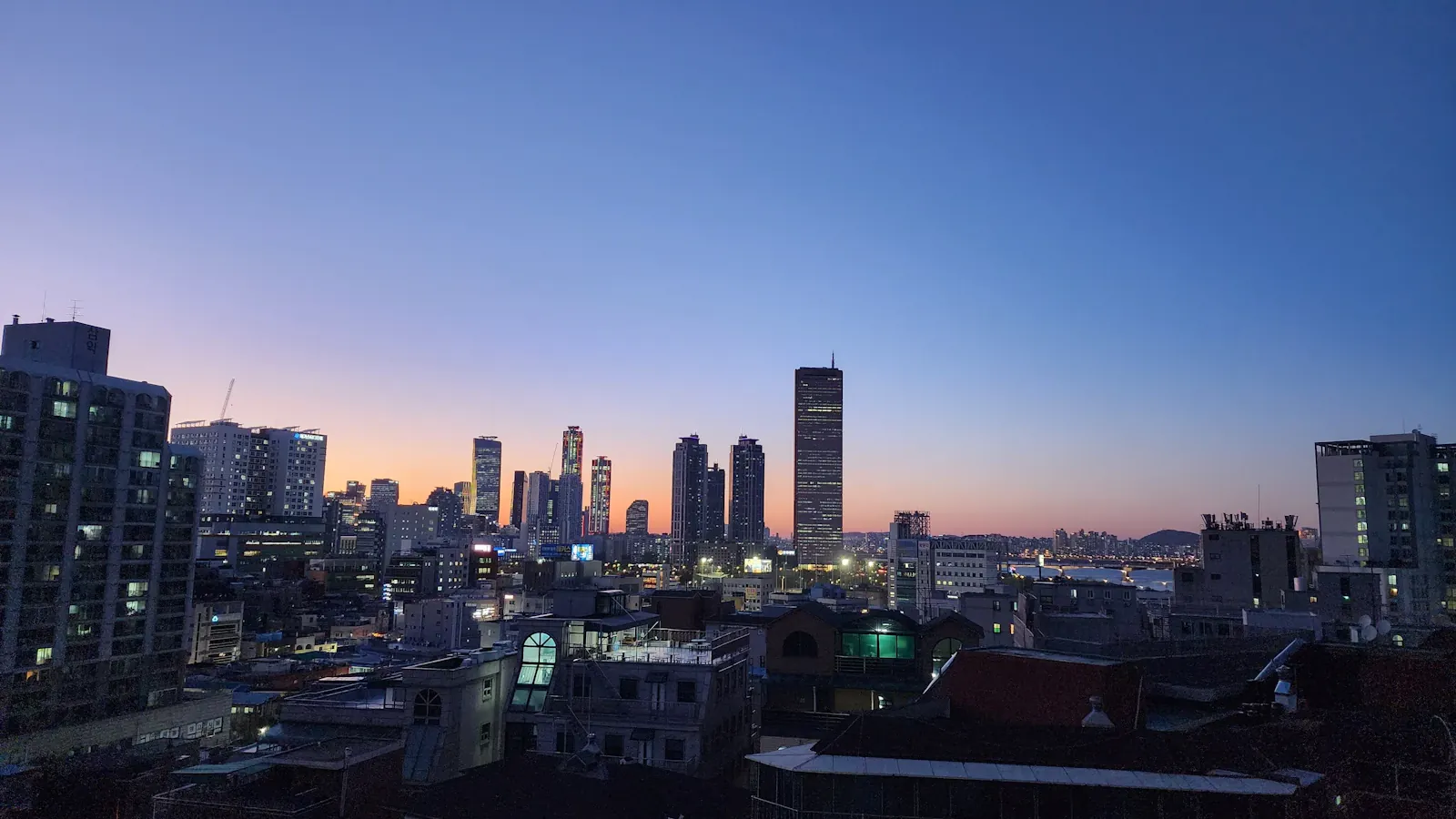
 Seoul blends ancient palaces with cutting-edge urban development.
Planning a longer trip? Check out our extended Seoul itinerary covering 7-9 days of in-depth exploration. Use our PTO optimizer to find the best days to take off around your trip dates.
Why Seoul Is a Must-Visit Destination in 2026
The K-Culture Capital
Korean culture has conquered the world—K-pop, K-drama, Korean beauty, Korean cuisine. Seoul is the source. Understanding why requires experiencing the city: the entertainment districts where idols are spotted, the skincare shops pioneering beauty trends, the fried chicken and soju culture that fuels late nights, the fashion forward streets of Gangnam and Hongdae.
What Makes Seoul Unique vs Other Asian Capitals
Seoul moves faster than Tokyo, plays harder than Singapore, and innovates more visibly than anywhere. The city demolished its elevated highway to restore a historic stream. It built the world's most high-tech subway system. It preserved royal palaces while surrounding them with hypermodern architecture. This constant reinvention—honoring the past while racing toward the future—defines Seoul's character.
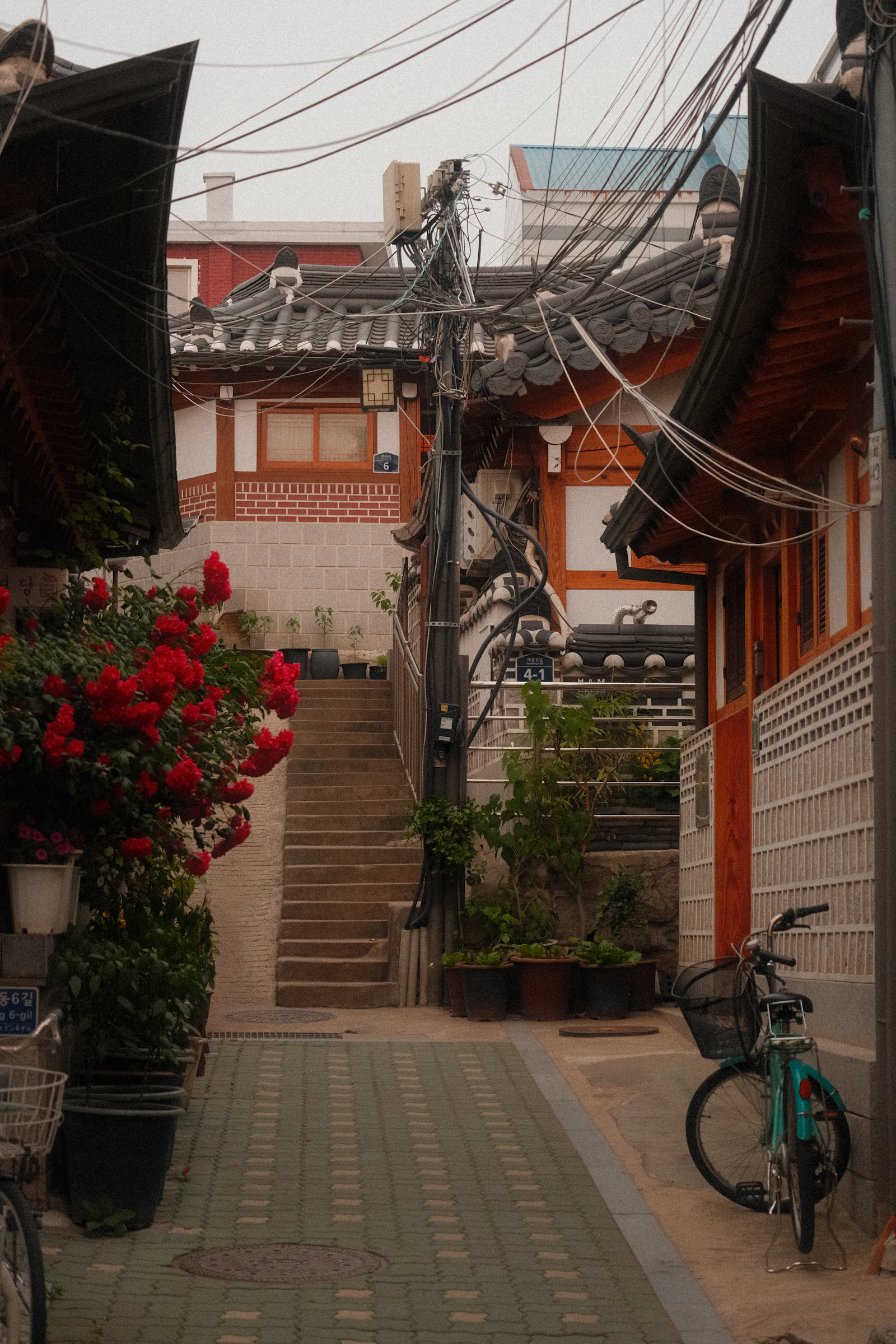 Bukchon Hanok Village preserves traditional Korean architecture in central Seoul.
Planning Your Trip Essentials
Use the Holiday Optimizer to find the best days to book off around public holidays for your Seoul trip.
Best Time to Visit
Seoul has four distinct seasons. Spring (April-May) brings cherry blossoms and comfortable temperatures. Autumn (September-November) offers stunning foliage and crisp air—the most popular season. Summer (June-August) is hot, humid, and includes monsoon rains. Winter (December-February) is cold but offers skiing, fewer tourists, and holiday markets.
Transportation Basics
Seoul's subway is one of the world's best—clean, safe, comprehensive, and cheap. Buy a T-money card (reloadable transit card) at convenience stores and use it for subway, buses, and taxis. Taxis are affordable for short trips. KakaoTaxi (app) works like Uber. Walking is pleasant in individual neighborhoods.
Accommodation Choices
- Myeongdong: Central, shopping-focused, convenient to everything. Tourist-friendly but commercial.
- Hongdae: Young, creative, nightlife hub. University area with indie music and clubs.
- Gangnam: Modern, upscale, K-pop entertainment company territory. Business-like.
- Insadong/Bukchon: Traditional, historic, near palaces. Cultural immersion.
- Itaewon: International, diverse dining, expat-friendly. Cosmopolitan atmosphere.
Travel Costs and Budgeting
To maximize your days off without extra PTO, use the free Holiday Optimizer to find bridge days around public holidays for your Seoul trip.
Daily Budget Breakdown
Seoul offers excellent value for a major developed city. Budget travelers can manage €50-70 per day (excluding accommodation), mid-range travelers should plan €80-120, and premium experiences push €150+.
Cost-Saving Tips
Street food and convenience store meals are excellent and cheap. The subway covers everything for minimal cost. Many palaces and museums are free or inexpensive. Temple stays offer unique affordable accommodation. Avoid tourist-trap restaurants in Myeongdong.
Food and Dining Typical Costs
- Coffee at café: €4-6
- Street food snack: €2-4
- Convenience store meal: €4-6
- Korean BBQ (per person): €15-25
- Restaurant meal: €8-15
- Fine dining: €50-100+
- Soju bottle: €2-4
- Craft beer: €6-8
Day 1: Historic Seoul
Begin your journey with Seoul's royal heritage and traditional neighborhoods.
Morning: Gyeongbokgung Palace
Start at Gyeongbokgung Palace, the largest and most iconic of Seoul's Five Grand Palaces. Built in 1395, it served as the main royal palace of the Joseon dynasty. Explore the throne hall, royal quarters, and gardens. The National Folk Museum inside the grounds adds cultural context.
Arrive for the changing of the guard ceremony (10am and 2pm) for colorful traditional pageantry.
Rent a hanbok (traditional Korean dress) from shops near the palace—wearing one grants free palace admission and makes for wonderful photos. Many visitors embrace this option.
Midday: Bukchon Hanok Village
Walk to Bukchon Hanok Village, a neighborhood of traditional Korean houses (hanok) winding up hillside alleys. These are real homes and guesthouses—be respectful of residents while photographing the picturesque streets. The views down to the palaces and across to modern Seoul are striking.
Afternoon: Insadong
Explore Insadong, Seoul's traditional culture street. Tea houses, antique shops, galleries, and craft stores fill the alley. Ssamziegil is a multi-level complex of small shops. Try traditional Korean tea at a tea house, browse for ceramics or calligraphy, and sample street snacks.
Evening: Changdeokgung Moonlight Tour or Dinner
If available (limited schedules, book far ahead), the Changdeokgung Moonlight Tour reveals the "Secret Garden" palace at night—one of Seoul's most magical experiences.
Otherwise, dinner in the traditional area—try Korea House for royal cuisine performance dining, or find a local restaurant for classic Korean dishes like bibimbap or samgyetang (ginseng chicken soup).
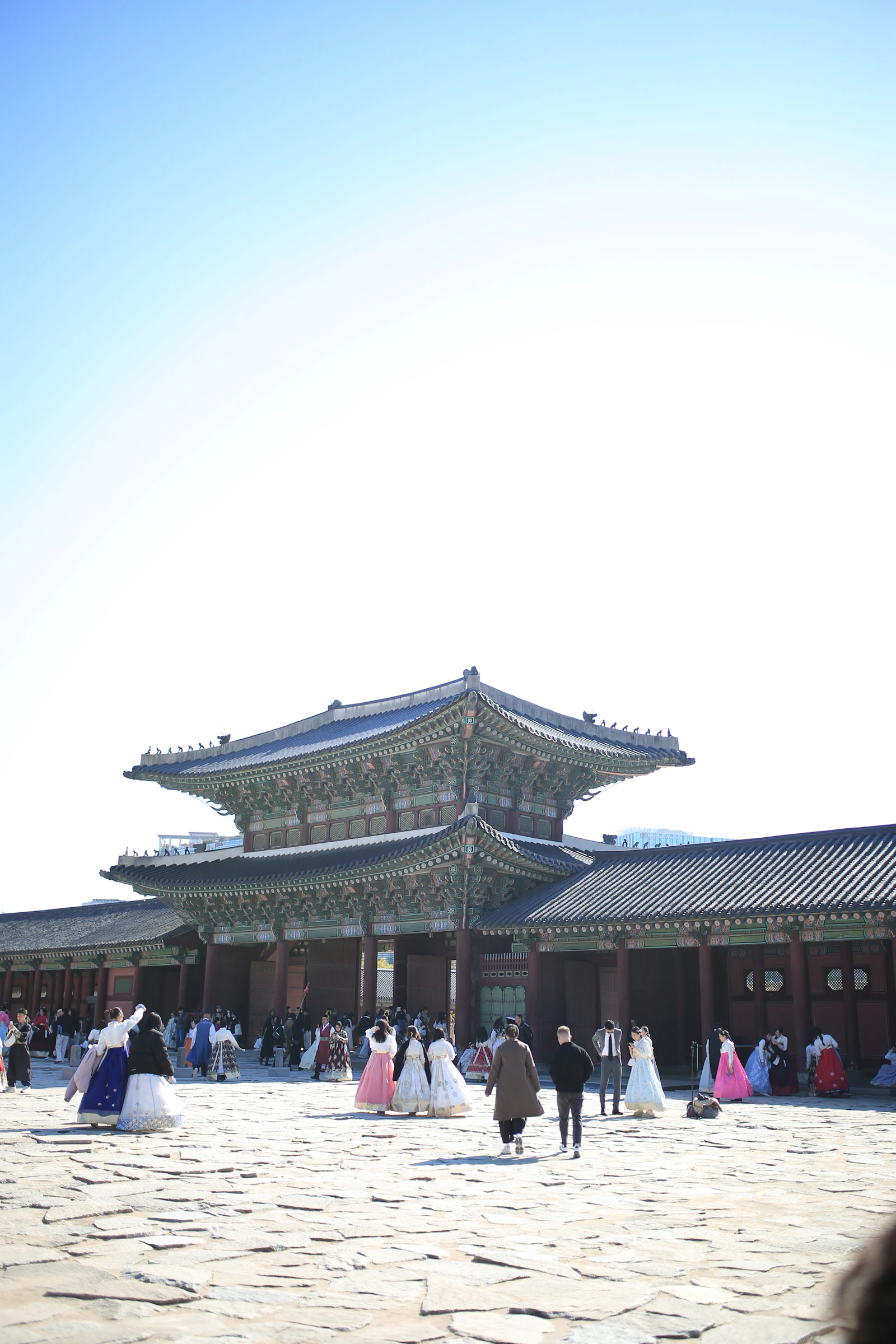 Gyeongbokgung Palace served Joseon kings for 500 years.
Day 2: Modern Seoul and K-Culture
Today explores Seoul's contemporary culture and entertainment districts.
Morning: Gangnam District
Experience Gangnam, the wealthy southern district made globally famous by PSY's song. Visit the COEX Mall (massive underground shopping), the Starfield Library (Instagram-famous), and walk the streets where K-pop entertainment companies are headquartered. HYBE, SM, and JYP buildings are pilgrimage sites for fans.
K-pop fans should research current idol schedules—music show recordings, fan events, and chance encounters are possible in Gangnam and nearby areas.
Midday: Apgujeong and Cheongdam
Walk through Apgujeong and Cheongdam, Seoul's most fashionable neighborhoods. Luxury boutiques, celebrity-frequented restaurants, and high-end K-beauty stores cluster here. This is where Korean beauty standards are set and trends begin.
Afternoon: Hongdae
Head north to Hongdae (Hongik University area), Seoul's creative heart. Street performers, indie boutiques, vintage shops, and cafés fill the area. The energy is young, artistic, and constantly changing. This is where Seoul's underground music scene, indie fashion, and youth culture converge.
Evening: Korean BBQ and Nightlife
Korean BBQ dinner is essential Seoul experience. You grill your own meat at the table, wrapping it in lettuce with ssamjang sauce, garlic, and sides (banchan). Areas like Mapo-gu have legendary BBQ alleys; Hongdae offers options surrounded by nightlife.
After dinner, experience Seoul's nightlife—Hongdae for indie clubs and bars, Itaewon for international variety, or Gangnam for upscale lounges.
Day 3: Markets, Temples, and Street Food
Today explores Seoul's food culture and spiritual side.
Morning: Jogyesa Temple and Cheonggyecheon
Start at Jogyesa Temple, Seoul's chief Buddhist temple. The courtyard's ancient trees and colorful lanterns (especially spectacular during Lotus Lantern Festival in May) offer peaceful contrast to surrounding streets.
Walk along Cheonggyecheon, the restored urban stream that runs through central Seoul. The city removed an elevated highway to resurrect this historic waterway—a remarkable urban renewal success.
Midday: Gwangjang Market
Gwangjang Market is Seoul's oldest and most authentic market—a must for food lovers. Essential eats:
- Bindaetteok: Mung bean pancakes, crispy and savory
- Mayak Gimbap: "Drug" kimbap—addictively simple seaweed rice rolls
- Yukhoe: Korean beef tartare with sesame and raw egg
- Tteokbokki: Chewy rice cakes in spicy sauce
Sit at vendor stalls, point at what looks good, and eat surrounded by market chaos.
Afternoon: Dongdaemun Design Plaza and Shopping
Visit Dongdaemun Design Plaza (DDP), Zaha Hadid's futuristic landmark. The curves and lighting (especially at night) create otherworldly architecture. Inside: design exhibitions, shops, and cultural events.
Dongdaemun Market surrounds the DDP—enormous wholesale fashion and fabric markets operating 24 hours. Even non-shoppers appreciate the scale and energy.
Evening: N Seoul Tower Sunset
Ascend N Seoul Tower (Namsan Tower) for sunset views over the city. Take the cable car or walk through Namsan Park. The tower observation deck offers 360-degree views; the surrounding park has locks of love left by couples.
Dinner in Itaewon offers international variety—from Korean to global cuisines in the city's most diverse neighborhood.
Day 4: DMZ and Departure
Use your final day for Korea's most unique experience or local exploration.
Morning: DMZ Tour
The Demilitarized Zone separating North and South Korea is one of the world's most surreal destinations. Half-day tours (book through USO or authorized operators) visit:
- Imjingak Park: Memorial sites and freedom bridge
- Third Tunnel: North Korean invasion tunnel you can enter
- Dora Observatory: Views into North Korea
- Dorasan Station: "Last station" before North Korea
The experience is sobering and historically essential for understanding the Korean Peninsula.
DMZ tours require advance booking (1+ weeks) and passport information. Dress modestly; certain clothing (ripped jeans, military prints) is prohibited. Some areas require strict photo rules.
Afternoon Alternative: More Seoul
If skipping the DMZ:
- War Memorial of Korea: Comprehensive Korean War history (free, excellent)
- National Museum of Korea: Korean history and art (free, massive)
- Lotte World: Indoor theme park and ice rink
- Jamsil/Olympic Park: 1988 Olympics sites, pleasant walking
Before the Airport
Incheon International Airport is 60-90 minutes from central Seoul by Airport Railroad Express (AREX). The airport consistently ranks among the world's best—excellent facilities, dining, and duty-free. Arrive early to explore.
Eat, Drink, and Savor
Essential Korean Dishes
- Korean BBQ: Grilled meat (beef, pork, chicken) wrapped in lettuce with condiments
- Bibimbap: Mixed rice with vegetables, meat, egg, and gochujang sauce
- Kimchi Jjigae: Spicy kimchi stew with pork and tofu
- Samgyetang: Whole young chicken stuffed with rice, ginseng, and dates
- Japchae: Glass noodles with vegetables and meat
- Sundubu Jjigae: Soft tofu stew, often with seafood
Street Food Essentials
- Tteokbokki: Chewy rice cakes in spicy sauce
- Hotteok: Sweet pancakes filled with brown sugar and nuts
- Gimbap: Korean rice rolls wrapped in seaweed
- Odeng/Eomuk: Fish cake skewers in broth
- Bungeoppang: Fish-shaped pastries with red bean filling
- Fried Chicken: Korea's late-night obsession, often with beer (chimaek)
Drinking Culture
Soju (rice liquor) is Korea's national drink—cheap, strong, ubiquitous. Makgeolli (milky rice wine) is sweeter and traditional. Korean beer is mild; craft beer is growing. Drinking culture is social and often continues late—refusing pours can be awkward.
Cultural Experiences Not to Miss
Café Culture
Seoul's café culture is extraordinary—themed cafés (animals, K-pop, games), Instagram-worthy interiors, specialty coffee. Koreans take coffee seriously; the café scene reflects Seoul's design obsession.
K-Beauty Shopping
Korean beauty products lead global trends. Myeongdong is skincare mecca—dozens of brand shops offering samples, testing, and deals. Olive Young stores are everywhere for one-stop shopping.
Noraebang (Karaoke)
Korean-style karaoke in private rooms (noraebang) is essential nightlife. Rent a room with friends, order drinks and snacks, and sing until dawn. It's more about fun than talent.
Practical Tips for Travelers
Language
Korean is the primary language; English is spoken in tourist areas and by younger generations. The Korean alphabet (Hangul) is logical and learnable—even basics help with signs and menus.
Etiquette
Bowing is standard greeting; deeper for elders. Remove shoes in traditional restaurants and homes. Accept and give items with both hands. Pour drinks for others before yourself. Age hierarchy matters socially.
Safety
Seoul is extremely safe—one of the world's safest major cities. Violent crime is rare; belongings are secure. The main concerns are traffic and occasional air quality issues from fine dust (mise-monji).
If you have extra days, consider combining your Seoul trip with Tokyo and Hong Kong — all easy to reach and covered in our PTO-optimized travel guides.
Quick Takeaways
- Rent a hanbok for free palace admission and authentic photos.
- Korean BBQ is essential—budget €15-25 per person for excellent meat.
- Book DMZ tours 1+ weeks ahead; bring passport.
- Gwangjang Market offers the best street food immersion.
- Spring (cherry blossoms) and autumn (foliage) offer ideal weather.
- T-money card makes transit seamless—buy at any convenience store.
- Budget €80-120/day for comfortable mid-range travel.
- Use the Holiday Optimizer PTO calendar to plan which days to take off for your Seoul trip.
Conclusion
Four days in Seoul offers a meaningful introduction to one of Asia's most dynamic cities—a place where 600-year-old palaces share skylines with neon-lit towers, where K-pop and Confucianism coexist, and where the future seems to arrive before the rest of the world notices. This guide outlines how to balance historic landmarks with contemporary culture, essential experiences with neighborhood wandering.
Seoul surprises visitors expecting either ancient Asia or high-tech dystopia. It's neither and both—a city comfortable with contradictions, racing forward while honoring traditions, fiercely Korean yet globally influential. With careful planning and willingness to try everything (especially the food), your long weekend will offer not just sights, but a glimpse of a culture shaping the world's future.
Ready to maximize your time off?
Find the best Seoul travel windows
Frequently Asked Questions
-
Is four days enough in Seoul? Yes, four days covers essential palaces, neighborhoods, and food experiences with time for either DMZ or deeper exploration.
-
What is the best season to visit Seoul? Autumn (September-November) offers the best weather and foliage. Spring (April-May) brings cherry blossoms. Avoid summer monsoon season.
-
Do I need to know Korean? English is sufficient in tourist areas and younger contexts. Learning Hangul basics helps with signs and menus.
-
Is the DMZ worth visiting? Yes—it's one of the world's most unique experiences and essential for understanding Korean history and current division.
-
What's the best area to stay? Myeongdong for convenience, Hongdae for nightlife and youth culture, Insadong for traditional atmosphere.
Share Your Thoughts
Did this guide help you plan your long weekend? Share your favorite Seoul discovery or ask a question you still have. Please share this guide with fellow travelers and let us know where you're headed next!