Seoul in 7-9 Days: Extended Vacation Itinerary to Maximize PTO in 2026
Plan an extended Seoul adventure with a comprehensive 7-9 day itinerary including day trips, K-culture deep dives, and authentic local experiences for 2026.
Introduction
A week in Seoul reveals a city beyond the highlights. South Korea's capital demands time—time to explore neighborhoods tourists miss, to understand the layers of history and pop culture, to take day trips to ancient capitals and natural wonders. This extended guide provides a comprehensive itinerary that balances essential landmarks with the deeper exploration that transforms a visit into genuine Korean immersion.
Whether you're drawn to Seoul for its palace heritage, its position as K-culture's global capital, or the pleasure of one of Asia's most dynamic food scenes, a week allows the experience to compound. After reading, you'll have a flexible day-by-day plan that ensures you miss nothing essential while leaving room for the spontaneous discoveries Seoul specializes in.
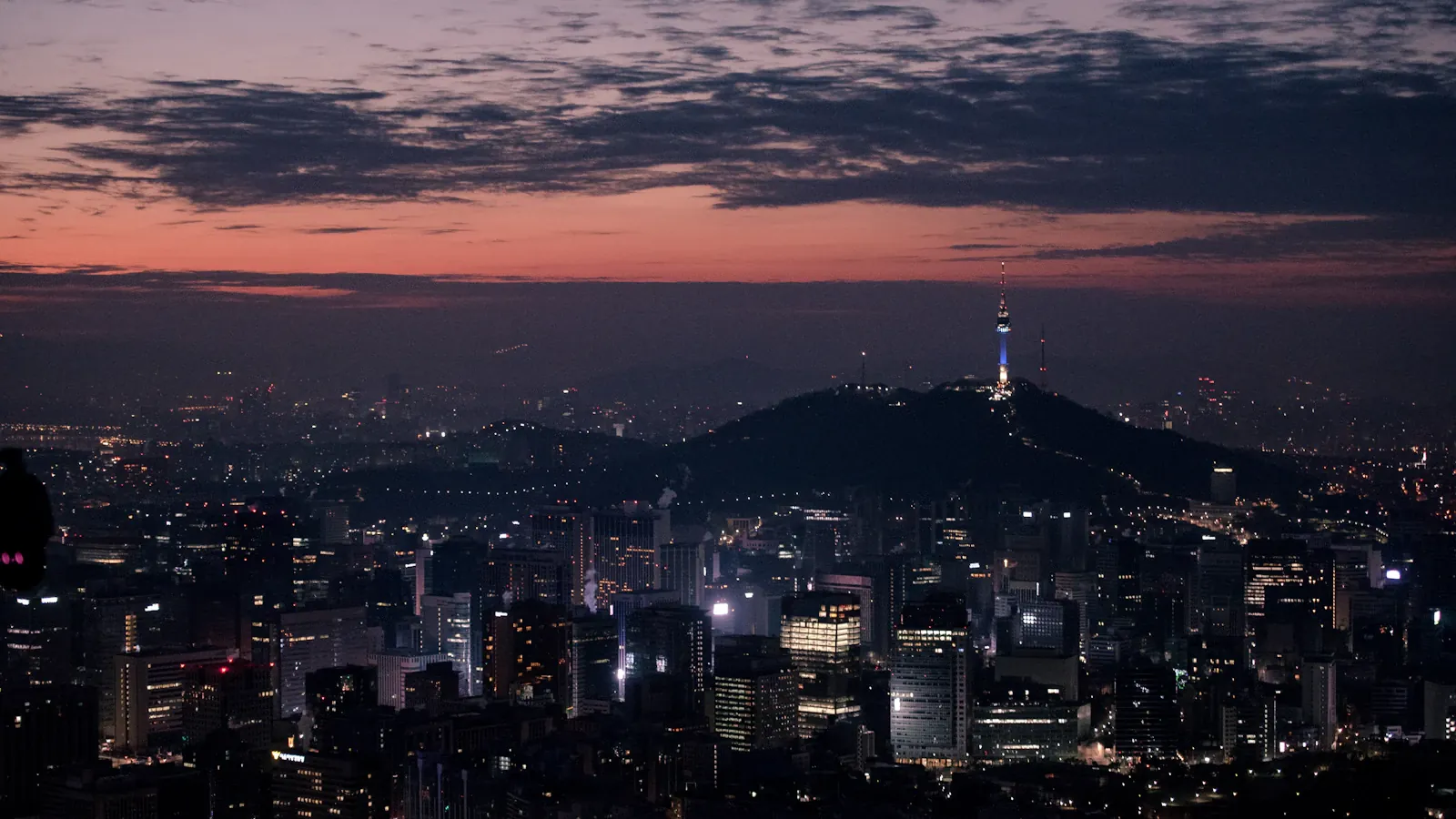
 Seoul's neon glow reveals a city that never stops.
Use our PTO optimizer to find the best days to take off around your trip dates.
Why an Extended Seoul Trip Is Worth It
Beyond the Palace District
Four days in Seoul covers the essentials; a week lets you discover the city's full scope. Seoul has five grand palaces (not one), each with distinct character. The neighborhoods—Seongsu, Mangwon, Yeonnam—that Koreans love are off tourist radar. And outside Seoul, ancient capitals and natural landscapes await.
The Depth Advantage
A week allows Seoul's rhythms to reveal themselves. You'll find your favorite café, your preferred BBQ spot, your understanding of how Koreans balance 16-hour work culture with all-night entertainment. The city opens differently to those who stay.
Planning Your Trip Essentials
Use the Holiday Optimizer to find the best days to book off around public holidays for your Seoul trip.
Best Time for a Week in Seoul
The same seasons that work for short trips work even better for longer ones: autumn (September-November) and spring (April-May) offer ideal conditions. With a week, you can wait out occasional rainy days. Winter is cold but offers skiing day trips and fewer tourists.
Where to Stay for a Week
For extended stays, consider renting an apartment (officetels are common short-term rentals):
- Hongdae/Mapo: The sweet spot—central, creative, excellent transit, food everywhere.
- Seongsu: Brooklyn of Seoul—cafés, galleries, converted industrial spaces.
- Itaewon: International, diverse dining, convenient to multiple areas.
- Jongno: Historic center, near palaces, traditional atmosphere.
Budget for 7-9 Days
Longer stays benefit from economies: convenience store breakfasts, neighborhood restaurants over tourist spots, and apartment cooking for some meals. Budget €60-100/day for mid-range travel (less with self-catering), plus €50-100 for day trip experiences.
Days 1-4: Essential Seoul
The first four days follow a comprehensive itinerary covering Seoul's essential landmarks and neighborhoods. For detailed day-by-day breakdowns—including Gyeongbokgung Palace, Bukchon Hanok Village, Gangnam, Hongdae, markets, and N Seoul Tower—see our Seoul 4-Day Guide.
Day 5: DMZ Deep Dive
The Full DMZ Experience
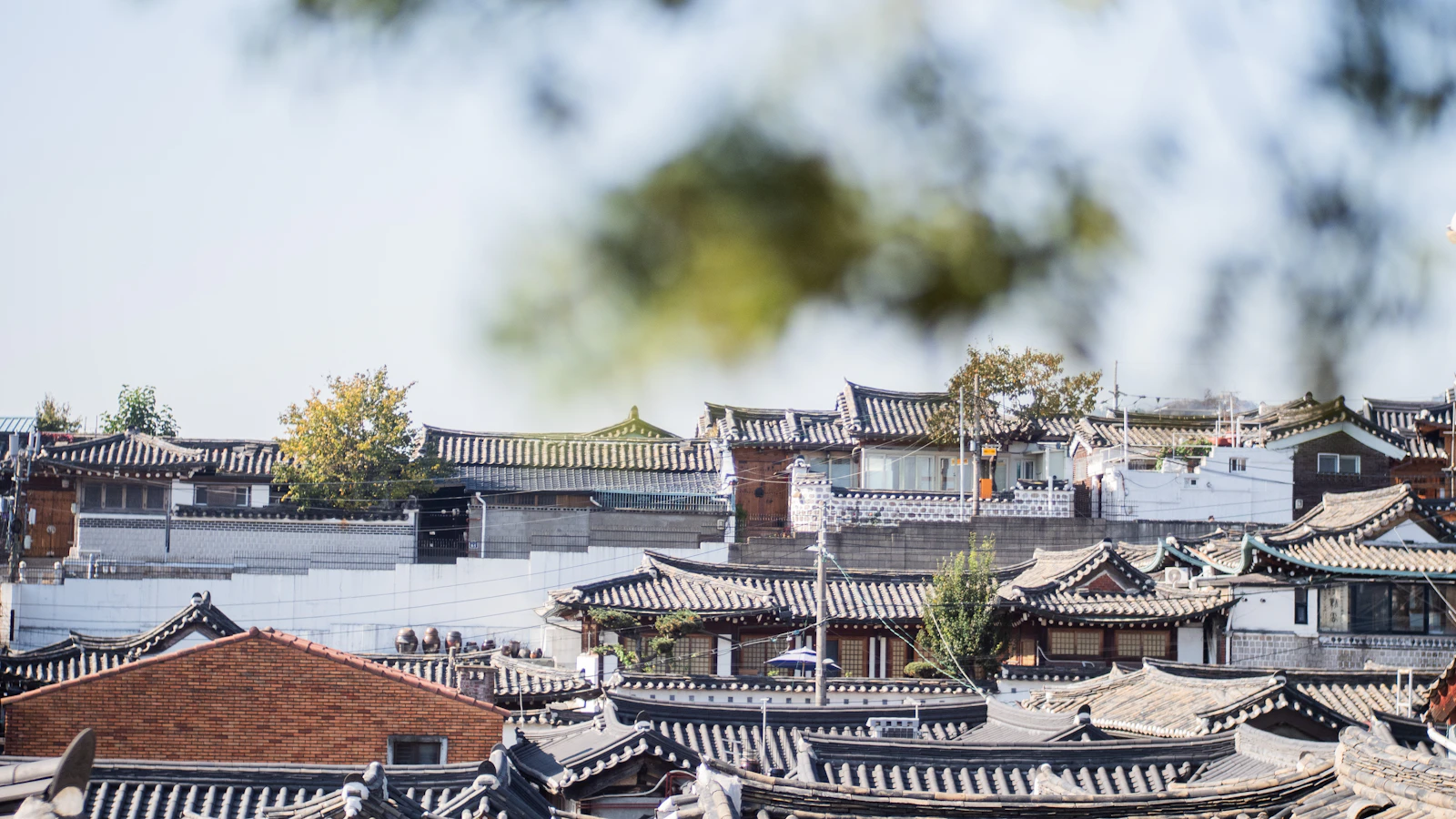 Bukchon Hanok Village preserves traditional Korean architecture amid the modern city.
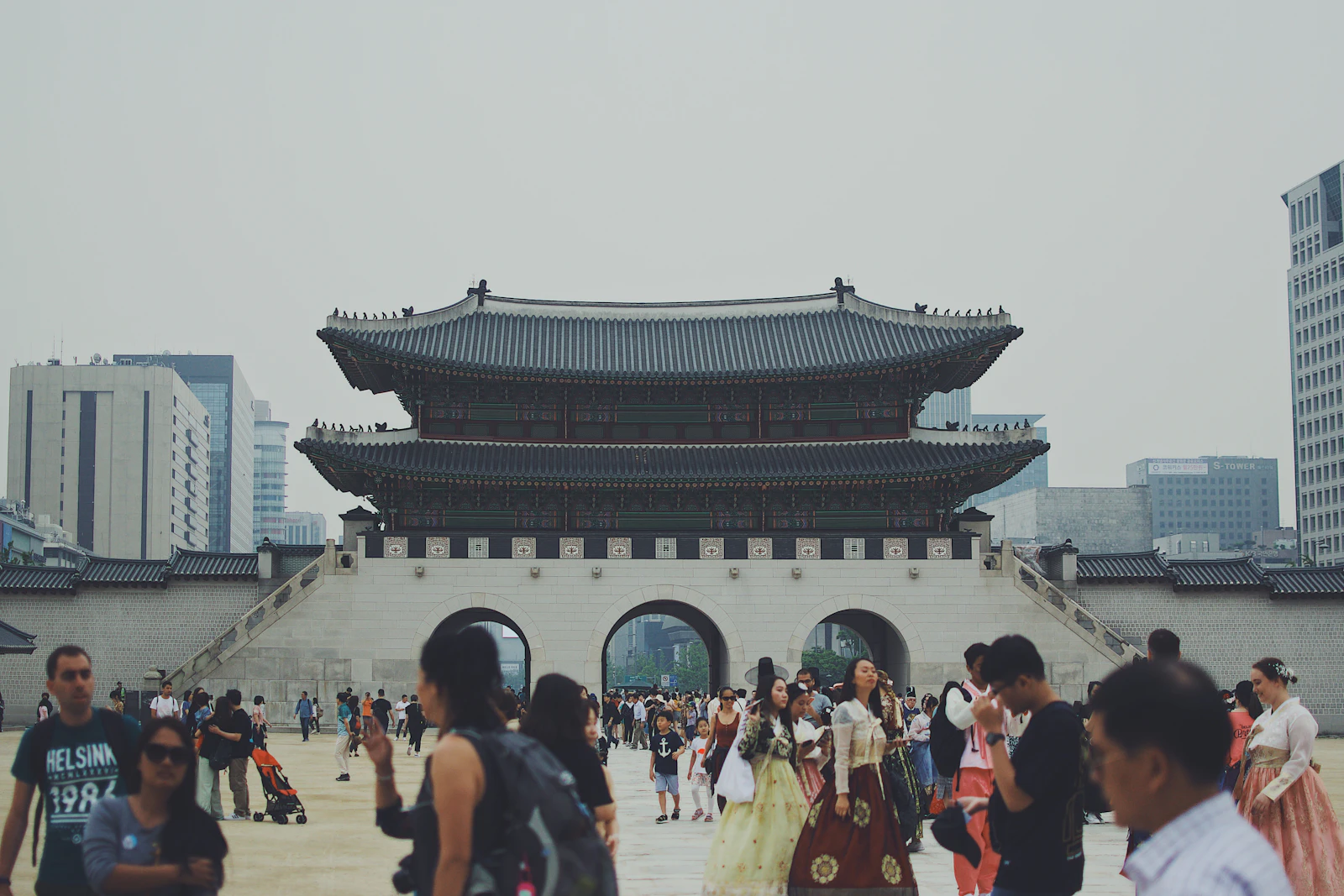 Gyeongbokgung Palace anchors Seoul's connection to its Joseon Dynasty history.
With more time, take a comprehensive DMZ tour rather than rushed half-day option:
JSA (Joint Security Area): The famous blue buildings where soldiers from both Koreas stand face-to-face. Technically stepping into North Korea while inside the meeting rooms. More restricted than other DMZ sites; book through authorized operators well ahead.
DMZ Train: The scenic route to Dorasan Station adds atmosphere to the journey—you're literally taking the train toward North Korea.
Extended Sites: Full-day tours add Dora Observatory, Third Tunnel, Imjingak Park, and sometimes Unification Village.
JSA tours have stricter requirements—passport copies needed weeks ahead, dress codes enforced, specific age minimums. Book through USO or authorized operators only.
Evening: War Memorial of Korea
Return to Seoul and visit the War Memorial of Korea—free, comprehensive, and powerfully curated. Evening visits offer quieter galleries and lit outdoor exhibits. Understanding the Korean War provides essential context for everything you've seen.
Day 6: Beyond Central Seoul
Morning: Seongsu-dong
Explore Seongsu-dong, Seoul's trendiest neighborhood—converted shoe factories now house cafés, galleries, and boutiques. This is where Korean creatives congregate; the aesthetic is industrial-meets-design. Onion café and Café Skon are landmarks, but wandering reveals constant surprises.
Midday: Seoul Forest
Seoul Forest is the city's answer to Central Park—extensive grounds, deer enclosures, art installations, and the calm that Seoul's intensity demands. Rent a bike, have a picnic, or simply walk under the trees.
Afternoon: Mangwon and Yeonnam-dong
Cross to Mangwon Market for local food shopping—less touristy than Gwangjang, equally delicious. The surrounding neighborhood and adjacent Yeonnam-dong offer excellent cafés, vintage shops, and the residential Seoul most visitors miss.
Evening: Yeouido or River Walk
Yeouido offers evening relaxation—the Han River parks, IFC Mall dining, or during spring, the famous cherry blossom festival. The river itself invites walking, biking, or simply sitting with convenience store snacks and soju like Koreans do.
Day 7: Temple Stay or Day Trip
Option A: Temple Stay
Experience Templestay—overnight at a Buddhist temple learning meditation, eating monastic meals, and experiencing Korean Buddhist culture. Temples near Seoul:
- Bongeunsa: In Gangnam itself, offers urban temple programs
- Gilsangsa: In Seoul, beautiful grounds and accessible programs
- Jingwansa: North of Seoul, deeper mountain retreat experience
Even half-day programs offer meaningful cultural immersion.
Option B: Suwon Day Trip
Suwon (30 minutes by subway) offers:
- Hwaseong Fortress: UNESCO World Heritage walls surrounding the old city
- Korean Folk Village: Traditional village with performances and crafts
- Suwon Galbi: The city's famous marinated beef ribs—pilgrimage eating
Option C: Jeonju Day Trip
Jeonju (1.5 hours by KTX high-speed train) is Korea's culinary capital:
- Jeonju Hanok Village: 800+ traditional houses, larger than Bukchon
- Bibimbap birthplace: The city claims origin; eat at source
- Makgeolli bars: Traditional rice wine culture thrives here
Days 8-9: Flexible Extensions
With 8-9 days, add one or more of these experiences:
Option A: Busan Day Trip (KTX)
Korea's second city is just 2.5 hours by KTX:
- Haeundae Beach: Korea's most famous beach
- Gamcheon Culture Village: Colorful hillside art village
- Jagalchi Market: Korea's largest seafood market
- Consider overnight for proper exploration
Option B: Gyeongju Day Trip
The Silla Kingdom capital (2 hours by KTX) is Korea's history heartland:
- Bulguksa Temple: UNESCO masterpiece of Korean Buddhist art
- Seokguram Grotto: Cliffside Buddha shrine
- Royal Tombs: Massive burial mounds throughout the city
- Anapji Pond: Illuminated palace pond at night
Option C: Nami Island and Petit France
The romantic Nami Island (1 hour from Seoul):
- Tree-lined paths famous from K-drama Winter Sonata
- Petit France: Nearby French-themed village
- Garden of Morning Calm: Spectacular garden, especially in autumn
Option D: More Seoul Neighborhoods
Spend entire days in neighborhoods you've only glimpsed:
- Euljiro: Industrial printing district, now hip speakeasies and galleries
- Ikseon-dong: Traditional alley hanok cafés and boutiques
- Haebangchon: International, hilly, eclectic
- Noryangjin Fish Market: Wholesale fish, eat what you buy
Option E: K-Culture Deep Dives
- K-pop museum and experience: Multiple options for fan experiences
- Cooking class: Learn Korean cuisine—BBQ, kimchi, tteokbokki
- Hanbok experience: Professional photos at palaces or studios
- Taekwondo lesson: Try Korea's martial art
Travel Costs and Budgeting
| Category | Budget | Mid-Range | Premium |
|---|---|---|---|
| Accommodation (per night) | €40-70 guesthouse | €80-130 hotel | €200+ luxury |
| Daily food | €25-40 | €45-70 | €100+ |
| Activities/museum | €10-20 | €25-45 | €70+ |
| Transport | €8-12 | €15-25 | €40+ (taxi) |
| Daily total | €83-142 | €165-270 | €410+ |
| 7-day total | €580-995 | €1,155-1,890 | €2,870+ |
To maximize your days off without extra PTO, use the free Holiday Optimizer to find bridge days around public holidays for your Seoul trip.
Cultural Experiences Not to Miss
Korean BBQ Rituals
This is one of Seoul's signature experiences and gives you a window into local life that you will not find at the major tourist sites. Take your time and let it unfold naturally.
Palace and Hanbok Experiences
Another essential Seoul experience that adds depth to your visit. It is the kind of thing that turns a good trip into a memorable one.
Night Market and Street Food Culture
A quieter but rewarding part of visiting Seoul. It connects you to the daily rhythm of the city and gives you stories to take home.
If you have extra days, consider combining your Seoul trip with Tokyo and Hong Kong — all easy to reach and covered in our PTO-optimized travel guides.
Quick Takeaways
- A week allows Seoul's full scope—neighborhoods, day trips, cultural depth.
- DMZ with JSA access requires advance booking—arrange early.
- Seongsu and Mangwon reveal Seoul beyond tourist itineraries.
- Temple stay offers unique cultural immersion.
- Gyeongju or Jeonju day trips add essential Korean history and culture.
- Autumn and spring offer ideal weather; avoid summer monsoon.
- Budget €100-170/day depending on dining and activity choices.
- Use the Holiday Optimizer PTO calendar to plan which days to take off for your Seoul trip.
Conclusion
A week in Seoul transforms a visit into understanding. You'll develop routines—a favorite café, a BBQ restaurant where they know your order, a neighborhood that feels like yours. The city reveals itself differently when you're not rushing, when you can explore emerging districts, return to favorites, and let Korean rhythms—work hard, play hard, eat well—become familiar.
This extended guide provides structure while leaving room for Seoul's essential character: surprise. The underground jazz bar, the grandmother's restaurant that doesn't appear on maps, the K-pop idol glimpsed on the street. This is how Seoul becomes not just a destination you visited, but a city that stays with you—one you'll return to, because Seoul, like Korea itself, moves fast enough that there's always something new.
Ready to maximize your time off?
Find the best Seoul travel windows
Frequently Asked Questions
-
Is 7-9 days too long for Seoul? No—Seoul rewards time, and day trips to the DMZ, Gyeongju, and Busan make a week ideal.
-
Should I do a temple stay? If you're interested in Korean Buddhism and want a unique cultural experience, yes—even half-day programs are valuable.
-
What day trips are most worthwhile? DMZ for historical understanding, Gyeongju for Silla heritage, Jeonju for food culture.
-
How much should I budget for a week in Seoul? €900-1,600 for mid-range travel including accommodation, or €2,000-3,500 for premium experiences.
-
Is Seoul good for K-pop fans? Excellent—entertainment company buildings, music show recordings, idol cafés, and fan experiences are throughout the city.
Share Your Thoughts
Did this extended guide help you plan your week in Seoul? Share your favorite Seoul discovery or ask a question you still have. Please share this guide with fellow travelers planning their own Korean immersion!