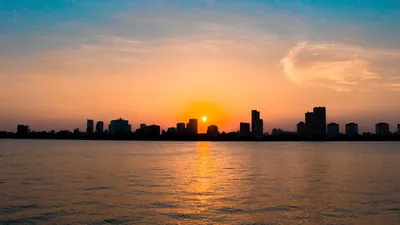
Hanoi in 7-9 Days: Extended Vacation Itinerary to Maximize PTO in 2026
Plan a week-long Hanoi adventure with Old Quarter walks, Ha Long Bay cruises, Ninh Binh day trips, Temple of Literature visits, and street food tips for 2026.
Introduction
A full week in Hanoi lets you go beyond the postcard version of the city. You will still get the Old Quarter energy and the lakeside calm, but you will also have time for museums, neighborhood walks, and one or two day trips that show a different side of northern Vietnam. This Hanoi 7-day itinerary is built for depth, not speed. Use this guide to plan your extended trip.
You will explore the Old Quarter at different times of day, visit the Temple of Literature and key museums, spend time around West Lake, and add a day trip to Ninh Binh or Ha Long Bay depending on your style. The plan keeps mornings for walking, afternoons for shaded breaks, and evenings for food streets and slow strolls. That rhythm is essential in Hanoi.
A week gives you the breathing room to notice details: a quiet pagoda, a street vendor, or a cafe with a view. That is when Hanoi feels truly memorable.
Short on time? See our Hanoi 4-day itinerary for a focused long-weekend plan. Use our PTO optimizer to find the best days to take off around your trip dates.
Why Hanoi Is a Must-Visit Destination in 2026
Southeast Asia's Most Authentic Street Food Culture
Hanoi stands out among Asian destinations for its unique combination of history, culture, and modern energy. Whether you are visiting for the first time or returning for a deeper look, 2026 is an excellent year to experience what makes this city special.
A Thousand Years of History in a Walkable Core
What sets Hanoi apart is the way daily life and cultural depth coexist. You will find world-class landmarks alongside neighborhood rhythms that reward slowing down and paying attention.
Planning Your Trip Essentials
This itinerary is structured around three layers: the city core, the neighborhoods, and the day trips. Days 1 to 4 focus on the Old Quarter, Hoan Kiem Lake, and the cultural corridor. Day 5 is a west-side or lake day. Day 6 is a major day trip, and Day 7 is a soft landing with markets, coffee, and a final lakeside walk.
Each day has one anchor experience and one optional add-on. That keeps the week flexible and helps you adjust for heat, rain, or energy. Hanoi can feel intense if you stack too many stops, so the plan avoids long lists and favors clustered routes. This Hanoi one week itinerary also assumes you will take breaks. Coffee culture is strong here, and a long cafe stop is part of the experience.
The schedule follows a climate-friendly rhythm. Mornings are for the most walking and the most important sites. Afternoons are for museums, shaded courtyards, or a longer lunch. Evenings are when the city comes alive, so the plan saves space for night markets, food streets, and slow strolls.
The unique insight is that Hanoi is best understood by returning to the same places at different times. Hoan Kiem Lake in the morning feels different than at night. The Old Quarter at lunch feels different than after dark. A week gives you the time to see those shifts, and that is where the city's personality really shows up.
Use the Holiday Optimizer to find the best days to book off around public holidays for your Hanoi trip.
Logistics for a Week in Hanoi
Hanoi is most comfortable from late fall through early spring, when humidity is lower and daytime walking is easier. Summer can be hot and damp, so if you visit then, plan early starts and longer midday breaks. Winter is cooler and sometimes misty, which makes the city feel atmospheric but can add a chill in the evenings.
Choose a base near Hoan Kiem Lake or the Old Quarter. This keeps you central and walkable for most days. The French Quarter is a quieter alternative with wider streets and calmer nights, while West Lake is more residential and requires more rides. For a week, a central base saves time and lets you rest between blocks.
Transportation is straightforward. Use ride-hailing apps for longer hops and walk within neighborhoods. Street crossings require patience, so cross steadily and predictably. Traffic is part of the city, and it is easier to adapt to it than fight it. Keep a small day bag with water, cash, and a light rain jacket in the wet season.
Book any day trips in advance, especially Ha Long Bay or Ninh Binh, to secure early departures and better pacing. Museums and temples are generally easy to visit without tickets, but a guide can add valuable context if you want deeper historical insight.
The most important logistic is pacing. A week gives you time, so use it. Build in cafe stops and slow lunches, and your energy will stay steady across the trip.
If you plan to work remotely or need laundry, choose a hotel or apartment with easy access to services. A local SIM or eSIM helps with navigation and ride-hailing, and it is usually inexpensive. Keep small cash for markets and street food, and use cards for larger meals and hotels. These small choices make a long stay feel smoother.
Day 1: Hoan Kiem Lake and Old Quarter Orientation
Begin with a slow loop around Hoan Kiem Lake in the early morning. The lake is calm and locals often gather here, which sets a gentle tone. Visit Ngoc Son Temple if you want a short cultural stop, then walk toward the Old Quarter for your first neighborhood loop.
The Old Quarter can feel intense, so keep it simple. Pick a few streets and wander without a strict map. This is the day to get your bearings and notice how the city moves. Stop for a coffee or a small snack and let the street life settle in.
Lunch should be easy and local. Pho or bun cha is ideal, and you can find good options in the Old Quarter. After lunch, keep the afternoon light. If you want a museum, Hoa Lo Prison is compact and meaningful. If you want a rest, return to the lake for a quiet bench break.
In the evening, explore a small section of the night market or the food streets near the Old Quarter. One or two streets are enough to feel the energy without overdoing it. This first day is about orientation, not exhaustion.
The unique insight is to keep the first day gentle. Hanoi reveals itself when you slow down, and a soft start sets the tone for the entire week.
If you want an evening add-on, take a short walk around the lake after dark. The light and reflections make the area feel quieter, and it gives you a second view of the city without extra effort.
Use the evening to note a few streets you want to revisit later in the week.
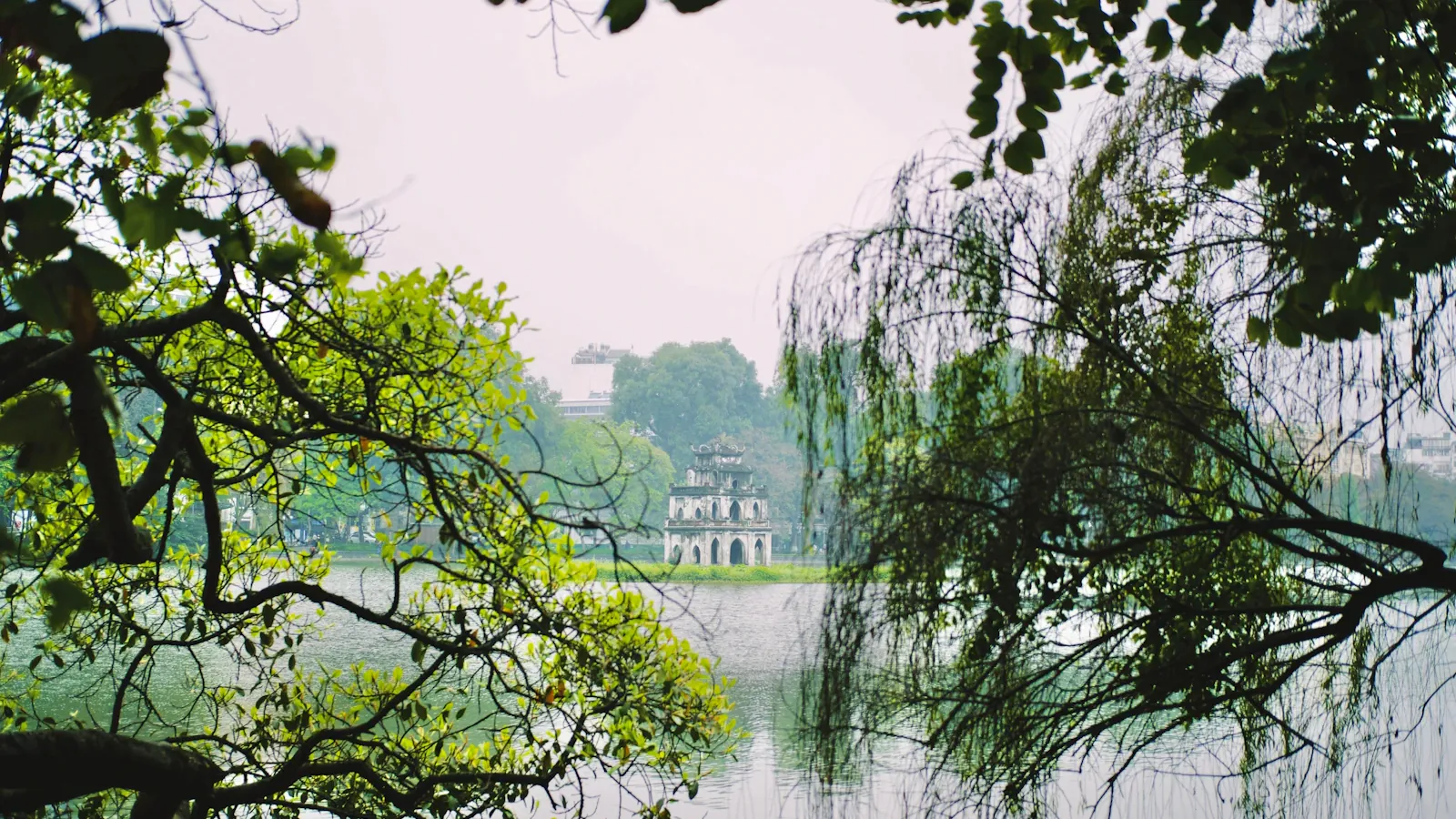
 Hoan Kiem Lake at dusk reflects the city's quieter rhythms.
Day 2: Cultural Corridor and French Quarter
Start at the Temple of Literature in the morning. The courtyards are shaded and peaceful, and the site provides a strong sense of history. Take your time and read the plaques, then move toward the museum corridor if you want a deeper cultural block.
Choose one museum rather than many. The Vietnam Museum of Ethnology is excellent for context on the country's cultures, while the Vietnamese Women Museum is compact and focused. Either choice works well. Keep the visit to a few hours and save energy for the afternoon.
After lunch, walk through the French Quarter. The wide boulevards, colonial buildings, and lakeside views feel calmer than the Old Quarter. This is a good place for a long coffee or a quiet pastry break. If you want a short add-on, the Opera House area offers a quick look at the city's European layer.
In the late afternoon, consider a brief Train Street stop if access is open and safe. Follow local rules, choose a responsible cafe, and keep the visit short. If it feels uncertain, skip it and enjoy a longer cafe block instead.
The insight for Day 2 is balance. This is a culture day, so avoid stacking too many museums. A calm afternoon in the French Quarter keeps the day steady and helps you appreciate the city's different moods.
If you still have energy in the evening, choose a short night walk around Hoan Kiem Lake or a quiet cafe with a view. It is a low-effort way to end a museum day without adding more logistics.
That gentle finish helps you feel refreshed for the next morning.
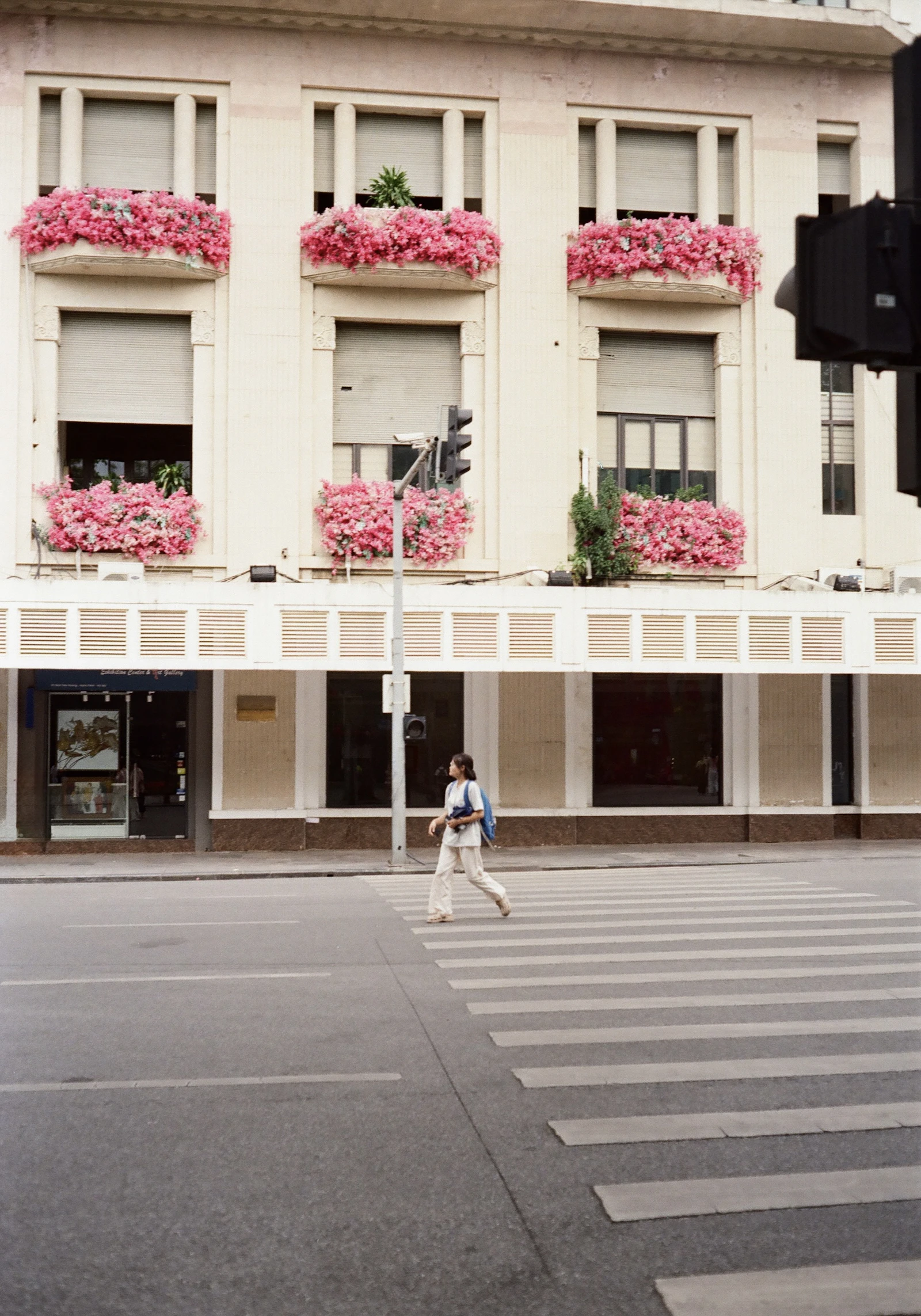 Hanoi's scooter traffic is a spectacle—crossing the street is a skill you learn fast.
Day 3: West Lake and Quiet Neighborhoods
Day 3 is for a slower side of Hanoi. Start around West Lake in the morning and walk a portion of the shoreline. The area has cafes, pagodas, and a more residential feel. A stop at Tran Quoc Pagoda adds a short cultural highlight without taking over the day.
After the lake walk, choose a relaxed lunch nearby. West Lake has a more modern dining scene, so this is a good day for a slightly different meal. Keep the afternoon light with a long cafe stop or a small gallery visit.
If you want an optional add-on, the Ho Chi Minh Mausoleum area can be visited early in the morning. It is best to do this before the afternoon heat and crowds. If you already visited on a different day, use the time for a longer lakeside walk instead.
Evening can be spent in Tay Ho or back in the Old Quarter depending on your energy. Tay Ho offers calmer dining, while the Old Quarter provides the classic street food vibe. Either way, keep it unhurried.
The insight for Day 3 is contrast. Hanoi is intense in the center, so a lake day creates balance. It also gives you space to recharge before the bigger day trips later in the week.
If you want a small add-on, stop by a lakeside cafe for a long coffee and a slow view of the water. These pauses are what make a longer itinerary feel relaxed rather than packed.
If you enjoy walking, consider a short loop through nearby residential streets to see daily life away from the tourist core. This area is calmer and gives you a sense of how locals use the lake as a community space.
 The lake offers breathing room steps from the Old Quarter's chaos.
Day 4: Old Quarter Deep Dive and Markets
Return to the Old Quarter with a deeper focus. Start with a specific theme: food, crafts, or photography. This is the day to explore a few smaller alleys and take your time. You will notice details you missed on Day 1.
Midday, visit a market such as Dong Xuan. Keep it light and focus on atmosphere rather than shopping. Markets in Hanoi can feel intense, so a short visit is usually enough. Pair it with a long lunch and a quiet cafe afterward.
In the afternoon, consider a small museum or a return to the lake. If you want a short cultural stop, the Museum of Vietnamese History or a compact gallery can fit in without overloading the day. The point is to keep the afternoon calm after the market energy.
Evening is ideal for a street food crawl, but keep it simple. Pick two or three dishes rather than trying to sample everything. A relaxed food night will feel more authentic and less exhausting. If you want a quieter evening, choose a rooftop cafe and watch the city from above.
The insight today is that the Old Quarter is best in layers. You do not need to cover every street in one go. Returning with a clear theme makes the neighborhood feel richer and more manageable.
If you want a calmer finish, choose a rooftop cafe or a small courtyard restaurant rather than another busy food street. A quiet evening after a market day keeps your energy steady for the rest of the week.
If you are curious about crafts, look for a small shop selling textiles, lacquerware, or ceramics. Keep it focused and treat it as a short cultural stop rather than a shopping marathon. The goal is to enjoy the texture of the neighborhood without turning the day into another list of errands.
Day 5: Day Trip or Craft Village
Use Day 5 for an optional day trip or a nearby craft village. If you want a classic landscape escape, Ninh Binh is a strong choice. It offers river scenery, limestone cliffs, and a rural pace that contrasts sharply with Hanoi. Start early and keep the evening light when you return.
If you prefer a shorter outing, consider a craft village like Bat Trang for ceramics or a country'side half-day. These trips give you a cultural layer without the long travel time of a full day trip.
If you stay in the city, treat this as a slower day. Choose one museum you still want to see and pair it with a long lunch. A gentle neighborhood loop in the afternoon keeps the day grounded.
The key is to match the day to your energy. The week is long enough that you do not need to force a big trip if you are tired. A half-day excursion can be just as satisfying if it fits your rhythm.
If you choose Bat Trang, plan time to watch artisans at work and have a simple lunch in the village. If you choose a city day instead, use the extra hours for a longer cafe break or a short museum visit. The goal is to keep the week balanced, not to add another full schedule.
A half-day trip can be perfect here. It gives you a change of scenery and still leaves time for a relaxed evening in the city. If you stay in Hanoi, use the afternoon for a long walk along the lake or a second visit to a neighborhood you liked earlier in the week.
If you are curious about local crafts, ask your hotel for a short workshop recommendation. Even a brief visit adds depth without taking over the day.
Day 6: Big Day Trip (Ninh Binh or Ha Long Bay)
Day 6 is the major excursion. If you have not yet visited Ninh Binh, this is a good day for it. If you already did Ninh Binh, consider a day cruise to Ha Long Bay. Both are long days, so choose one and commit to it rather than trying to combine.
For Ninh Binh, focus on one boat route and one viewpoint rather than trying to see everything. For Ha Long Bay, choose a day cruise with a calm pace and avoid overly packed itineraries. The goal is scenery and a change of pace, not a checklist.
Pack light: water, sunscreen, and a simple snack. Expect a long ride, so bring a book or music for the bus. Return to Hanoi in the evening and keep dinner easy.
The insight for Day 6 is pacing. Big day trips are rewarding, but they can be tiring. Keep the evening calm and the next day light so you do not feel burned out at the end of the week.
If you choose Ha Long Bay, pick a cruise with a steady schedule and avoid overpacked itineraries. If you choose Ninh Binh, focus on one boat route and one viewpoint rather than trying to see everything. Either way, the day is about scenery, not speed.
Pack light and bring water, sun protection, and a light layer for the return ride. The day can feel long, so a short rest after you return will keep the week on track. This is a highlight day, but it does not need to be exhausting to be memorable.
If you are sensitive to long rides, choose the closer option and keep the schedule gentle. The scenery is the main goal, so a calm pace is more rewarding than a tight itinerary.
A short nap on the return ride helps you recover for the final day.
Day 7: Slow Hanoi and a Gentle Goodbye
Your final day should be soft. Start with a long coffee in a favorite cafe and take a short walk around Hoan Kiem Lake. If there is a small museum or shop you missed, this is the time to fit it in.
Use the afternoon to pack and confirm transfers. A final market stop or a short bookstore visit can be a pleasant last activity, but keep it small. The goal is a calm ending rather than another busy block.
End with a relaxed dinner near your hotel. A final bowl of pho or a simple street food meal is a fitting goodbye. If you have energy, take a short night walk by the lake and let the city settle in your mind.
The insight for Day 7 is closure. A week in Hanoi is full of movement, so a calm final day helps you leave with clear memories rather than fatigue.
If you have a late departure, take a slow walk through a favorite neighborhood and keep the afternoon open. A final coffee by the lake is a simple ritual that brings the week full circle.
If you want a small last stop, choose a bookstore, a quiet temple, or a small gallery rather than another major site. The last day should feel light and reflective, and those smaller visits fit the mood perfectly.
Use the remaining hours for a slow meal and a final walk around the lake. A calm ending makes the week feel complete and leaves you with the city's softer side in mind.
If you want a final souvenir, choose something small like a coffee blend or a simple craft item. It keeps packing easy and makes the last day feel intentional.
A quiet evening walk is the perfect final note.
Keep it simple and close to your base.
Eat, Drink, and Linger in Hanoi
Hanoi food is simple, flavorful, and best enjoyed slowly. Start with pho or bun cha, and make time for banh mi between sightseeing blocks. Egg coffee is a classic treat, and a slow cafe stop is part of the city experience.
For lunch, street food stalls and casual restaurants are ideal. For dinner, you can choose between Old Quarter food streets or a calmer meal near West Lake. If you want a modern Vietnamese meal, the French Quarter has good options, but keep most meals simple and local.
The unique insight is to use meals as energy anchors. A solid breakfast sets the day, a long lunch resets your afternoon, and a relaxed dinner keeps the evenings enjoyable. That rhythm is what makes a week feel balanced.
If you want variety, try bun rieu, cha ca, or a simple plate of grilled pork and rice on different days. Vegetarian options are easy to find, and fresh fruit stalls are reliable for quick snacks. A week gives you time to repeat favorites without feeling like you are missing out, which is part of the joy of eating in Hanoi.
If you enjoy sweets, look for che or a simple dessert soup in the afternoon. For a calmer dinner, choose a small family restaurant rather than a busy food street. The mix of lively meals and quieter ones keeps the week balanced and lets you appreciate the food without feeling rushed.
If you want a food-focused evening, book a casual food tour on one night and keep the next night simple. This creates variety and gives your stomach a break while still letting you taste a wide range of dishes.
That balance makes long weeks of eating feel enjoyable rather than heavy.
It also gives you room to repeat favorites.
That is part of the joy of a longer stay.
Cultural Experiences Not to Miss
Vietnamese Coffee Culture
Hanoi's Old Quarter has been a trading center for over 1,000 years, with each street historically dedicated to a single craft or product.
Hanoi's coffee culture is essential. Cà phê sữa đá (iced coffee with condensed milk) is the daily staple; cà phê trứng (egg coffee) is the local specialty. With a full week, find your favorite café and return. Small stools on the sidewalk, watching the street—this is how Hanoi drinks coffee. Don't rush.
Markets and Street Life
A week lets you explore Hanoi's markets in depth. Dong Xuan is the largest; morning neighborhood markets offer fresher produce and local life. Street vendors with bicycles are everywhere. The Old Quarter lanes each specialize in different goods—silk, herbs, lanterns. Return to favorites and notice new details.
Lake Rituals
Hoan Kiem Lake anchors the city. Morning tai chi, evening walks, weekend gatherings—the lake is a living social space. With extra days, let it become a familiar rhythm. A walk at sunrise feels different from a walk at dusk. The Turtle Tower glows at night. This is where Hanoi breathes.
Practical Tips for Travelers
Language
Vietnamese is the official language. English is limited outside tourist areas. A few basics—xin chào (hello), cảm ơn (thank you), bao nhiêu? (how much?)—help with daily interactions. Translation apps fill the gaps. Tone matters, but locals appreciate any effort.
Etiquette
Remove shoes when entering homes and some shops. Use both hands to give or receive items respectfully. Don't touch people on the head. Bargaining is expected at markets—keep it friendly. Dress modestly at temples and pagodas. Vietnamese culture values respect and gentle interaction.
Safety
Hanoi is generally safe, but traffic is the main hazard. Scooters come from all directions; cross streets slowly and predictably—don't stop mid-crossing. Petty theft is rare but stay aware in crowded areas. Drink bottled water, avoid uncertain ice, and choose busy stalls. Carry small bills for vendors.
Travel Costs and Budgeting
Hanoi is affordable, but costs depend on style. A budget traveler may spend around $45 to $80 per day without accommodation. Mid-range budgets often land around $90 to $150 with paid attractions and a day trip. Premium travelers will spend more with private tours and curated dining.
Book day trips early, especially Ha Long Bay cruises or Ninh Binh tours, to secure early departures and better pacing. Museums and temples are usually walk-in friendly. If you plan to visit Train Street, confirm access rules and choose a responsible cafe.
Transportation is cheap, but small rides add up. Use ride-hailing apps for longer hops and walk within neighborhoods. Keep cash for street food and markets, and set a small daily buffer for coffee stops and snacks.
The best value comes from pacing. A few paid highlights paired with many free walks and street meals keeps the week rich without overspending.
Day trips are the biggest add-on cost, so decide early which one matters most. Accommodation also varies by location, and a central base often saves money on rides. A small daily buffer for coffee and snacks will keep the week comfortable without surprise expenses.
If you want to keep costs low, choose one paid attraction per day and fill the rest with walks and cafes. Local meals are inexpensive, and public transport is affordable. The biggest savings usually come from pacing rather than skipping experiences.
If you plan to splurge, make it on a single day trip or a special dinner rather than multiple upgrades. That strategy keeps the week feeling special without pushing the budget too far.
A simple daily cap helps you keep spending steady without tracking every receipt.
That light structure is usually enough.
It keeps the week flexible.
A small cushion keeps spending calm.
If you have extra days, consider combining your Hanoi trip with Bangkok and Hong Kong — all easy to reach and covered in our PTO-optimized travel guides.
To maximize your days off without extra PTO, use the free Holiday Optimizer to find bridge days around public holidays for your Hanoi trip.
Quick Takeaways
- Use Days 1 to 4 for the Old Quarter and cultural core.
- Add a West Lake day for a calmer pace.
- Pick one major day trip and keep the evening light.
- Use Day 7 for a gentle finish and a final lake walk.
- Eat street food for lunch and keep dinners unhurried.
- Plan mornings for walking and afternoons for shade.
- Use the Holiday Optimizer PTO calendar to plan which days to take off for your Hanoi trip.
Conclusion
Hanoi rewards travelers who balance the must-see landmarks with slower neighborhood exploration. With a week and a clear daily rhythm, you can experience the city's cultural highlights while still leaving room for the spontaneous moments that make a trip memorable. Use this guide as your starting point, but stay open to detours—some of the best Hanoi moments happen when you wander off the planned route.
Ready to maximize your time off?
Find the best Hanoi travel windows
Frequently Asked Questions
Is one week too long in Hanoi?
No. A week lets you explore neighborhoods and add day trips without rushing.
Which day trip is better, Ninh Binh or Ha Long Bay?
Both are great. Ninh Binh is closer and more rural, while Ha Long Bay offers a classic cruise experience.
Where should I stay for a week in Hanoi?
The Old Quarter or Hoan Kiem area is most convenient for walking. The French Quarter is quieter but still central.
Is Train Street safe to visit?
Access rules change, so only visit through authorized cafes and follow local guidance.
What is the best time to visit Hanoi?
Late fall through early spring offers cooler, drier walking weather.
References
- Vietnam Tourism Official Website
- Temple of Literature Official Site
- Ha Long Bay UNESCO World Heritage
- Ninh Binh Tourism Information
- Lonely Planet Hanoi Travel Guide
Share Your Thoughts
If this Hanoi 7-day itinerary helped you plan, share it with a friend who loves street food and layered cities. Which day trip are you most excited to add?