Tokyo in 4 Days: Long Weekend Itinerary & PTO Planner for 2026
Plan a Tokyo getaway with a detailed 4-day itinerary, neighborhood guide, food recommendations, cultural tips, and practical advice for navigating Japan's incredible capital in 2026.
Introduction
Planning a long weekend in Tokyo and want the perfect blend of ancient temples, futuristic technology, world-class cuisine, and neighborhood exploration? This guide walks you through an immersive four-day itinerary that captures Japan's incredible capital—from serene shrines to neon-drenched streets, from Michelin-starred sushi to humble ramen shops, from traditional gardens to robot restaurants. Tokyo isn't one city but dozens of distinct neighborhoods, each with its own personality waiting to be discovered.
Whether it's your first time in Japan or you're returning for deeper exploration, you'll discover how to navigate Tokyo's remarkable transit system, which neighborhoods match your interests, and where to find authentic experiences beyond the tourist highlights. After reading this guide, you'll have a clear day-by-day plan to experience Tokyo's extraordinary blend of tradition and innovation.
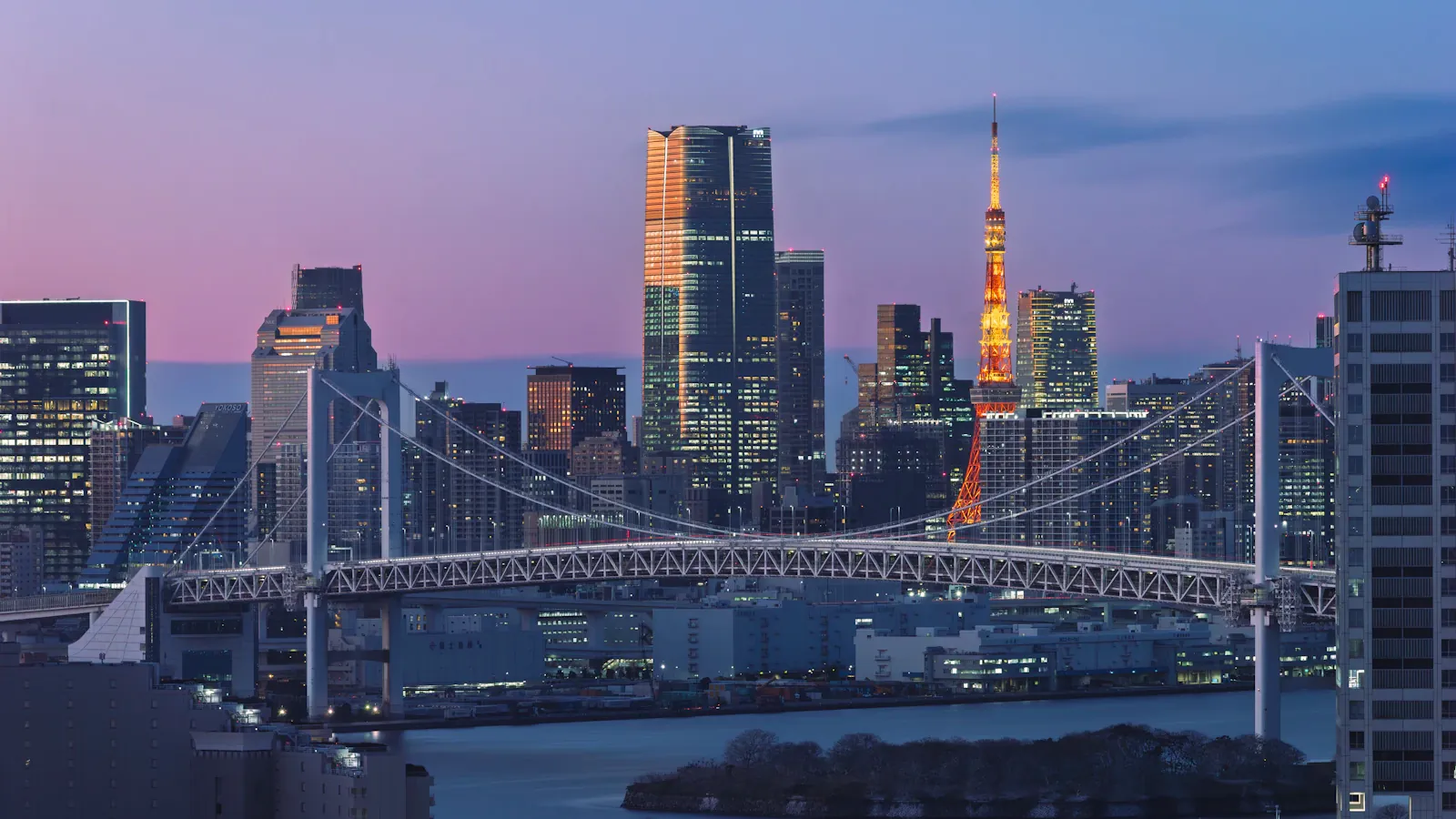
 Tokyo's skyline blends neon and tradition in endless layers.
Planning a longer trip? Check out our extended Tokyo itinerary covering 7-9 days of in-depth exploration. Use our PTO optimizer to find the best days to take off around your trip dates.
Why Tokyo Is a Must-Visit Destination in 2026
A City of Contrasts
Tokyo contains multitudes: ancient Shinto shrines surrounded by glass towers, traditional gardens steps from robot cafés, zen meditation halls near arcade-game floors. This isn't contradiction—it's Japanese genius for harmonizing old and new. The city reinvents itself constantly while preserving what matters.
What Makes Tokyo Unique
Tokyo's uniqueness lies in its obsessive quality—everything done exceptionally well. The trains run on time to the second. The food, from convenience stores to fine dining, exceeds expectations at every price point. The service culture (omotenashi) makes visitors feel cared for without being intrusive. Safety, cleanliness, and efficiency operate at levels other cities only dream of.
Planning Your Trip Essentials
Use the Holiday Optimizer to find the best days to book off around public holidays for your Tokyo trip.
Best Time to Visit
March-May (cherry blossom season peaks late March-early April) and October-November (autumn colors) are ideal but crowded. Summer (June-August) is hot and humid. Winter (December-February) is cold but clear with fewer tourists.
Transportation Basics
Tokyo's train system is overwhelming but efficient. Buy a Suica or Pasmo IC card (rechargeable transit card) immediately. The JR Pass is valuable only if traveling beyond Tokyo. Walking within neighborhoods is essential—stations can be 15+ minute walks apart even on the same line.
Accommodation Choices
- Shinjuku: Transport hub, nightlife, department stores. Overwhelming but convenient.
- Shibuya: Youth culture, shopping, famous crossing. Energetic.
- Asakusa: Traditional Tokyo, temples, old-town atmosphere.
- Ginza: Upscale shopping, restaurants, central location.
- Roppongi: Nightlife, art museums, international crowd.
Travel Costs and Budgeting
To maximize your days off without extra PTO, use the free Holiday Optimizer to find bridge days around public holidays for your Tokyo trip.
Daily Budget Breakdown
Tokyo can be surprisingly affordable. Budget travelers manage ¥8,000-12,000 ($55-80) daily, mid-range ¥15,000-25,000 ($100-170), and premium experiences ¥35,000+ ($240+).
Cost-Saving Tips
Eat at convenience stores (konbini)—7-Eleven, Lawson, and FamilyMart serve quality food at low prices. Lunch sets (teishoku) cost half of dinner. Vending machine drinks are cheap. Free shrines and gardens are everywhere.
Food and Dining Typical Costs
- Convenience store meal: ¥500-800 ($3.50-5.50)
- Ramen: ¥900-1,400 ($6-9)
- Lunch set: ¥1,000-1,800 ($7-12)
- Sushi (conveyor belt): ¥1,500-3,000 ($10-20)
- Sushi (quality): ¥5,000-20,000+ ($35-140+)
- Izakaya dinner: ¥3,000-5,000 ($20-35)
Day 1: Classic Tokyo
Begin with Tokyo's essential landmarks and traditional culture.
Morning: Senso-ji Temple (Asakusa)
Start early at Senso-ji, Tokyo's oldest temple. Enter through the iconic Kaminarimon (Thunder Gate), walk the bustling Nakamise shopping street, and explore the temple complex. Early morning means fewer crowds and better photos.
Explore the surrounding Asakusa neighborhood—traditional crafts, rice crackers, and old Tokyo atmosphere.
Midday: Ueno Park
Take the train to Ueno for Tokyo's museum district. Ueno Park contains the Tokyo National Museum (Japan's largest), National Museum of Western Art, and multiple smaller museums. Choose one or two—they're extensive.
Tokyo's convenience stores (konbini) are amazing. 7-Eleven, Lawson, and FamilyMart serve quality onigiri, bento boxes, sandwiches, and hot food 24/7 at low prices.
Afternoon: Akihabara
Walk or train to Akihabara, the electronics and anime district. Multi-story arcades, manga shops, maid cafés, and gadget stores create sensory overload. Even non-fans find it fascinating.
Evening: Shinjuku
End in Shinjuku—Tokyo's busiest station area. Explore the neon-lit streets of Kabukicho (entertainment district), the narrow alleys of Golden Gai (tiny bars, 200+ in one block), or Omoide Yokocho (Memory Lane—yakitori alleys).
Day 2: Modern Tokyo
Today explores Tokyo's contemporary side—fashion, technology, and trends.
Morning: Harajuku and Meiji Shrine
Start at Meiji Shrine, a forested Shinto sanctuary in the heart of Tokyo. The gravel paths, towering trees, and ritual gates (torii) provide peaceful contrast to the surrounding city.
Exit to Harajuku, Tokyo's youth fashion district. Takeshita Street is chaotic and colorful; the backstreets reveal more sophisticated boutiques.
Midday: Shibuya
Walk to Shibuya for the famous Shibuya Crossing—the world's busiest pedestrian intersection. Watch from Starbucks above or join the flow. The surrounding shopping district offers everything from department stores to vintage finds.
Visit Shibuya Sky for 360-degree rooftop views (book ahead for sunset).
Afternoon: Omotesando
Walk down Omotesando, Tokyo's Champs-Élysées—tree-lined avenue with flagship architect-designed stores. The side streets (ura-Harajuku) hide independent boutiques and cafés.
Evening: Ebisu or Nakameguro
Dinner in Ebisu (sophisticated restaurants, craft beer scene) or Nakameguro (canal-side cafés, hipster neighborhood). Both offer excellent eating away from tourist centers.
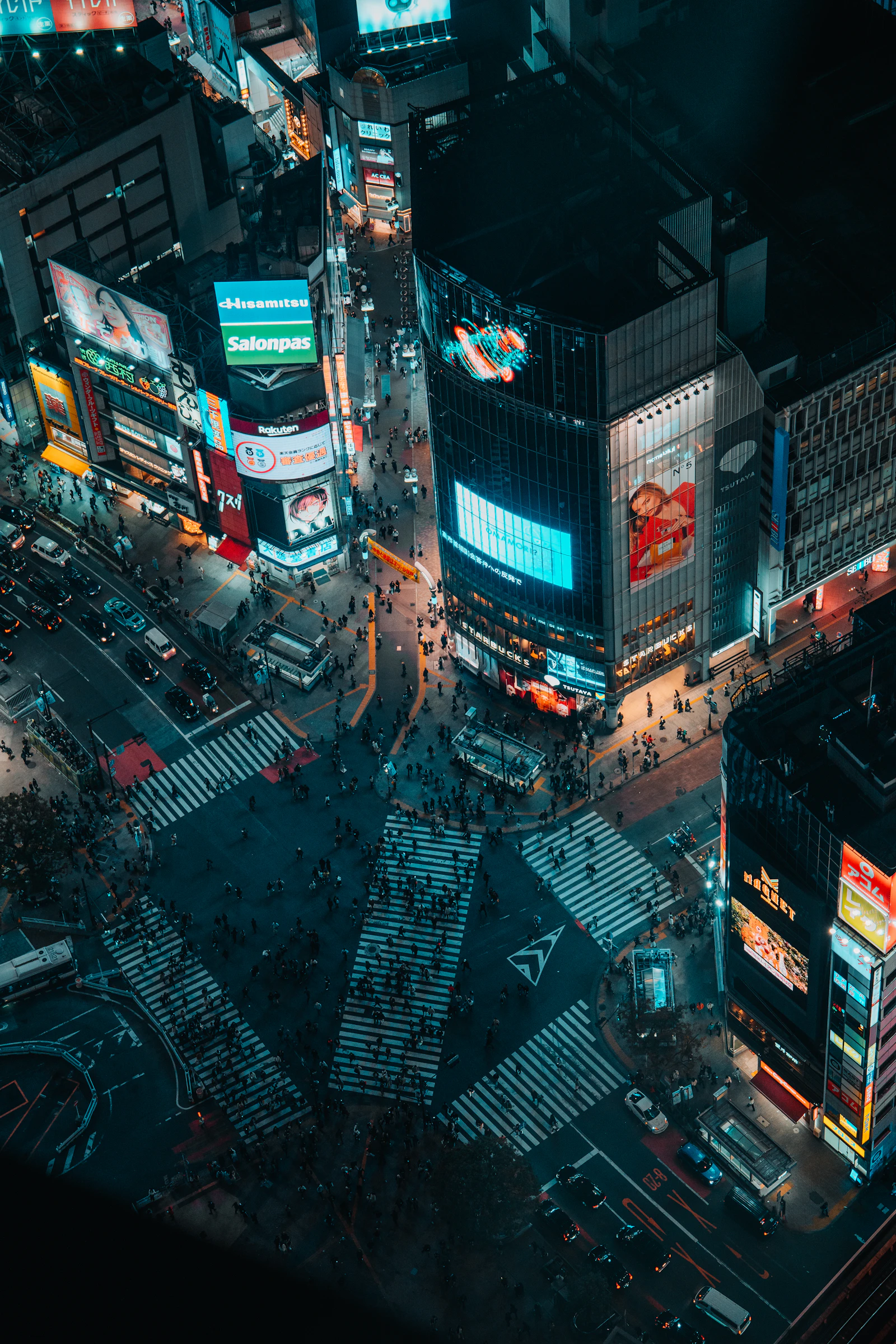 Shibuya Crossing moves thousands of people in perfect choreography.
Day 3: Food and Culture Deep Dive
Today focuses on Tokyo's culinary excellence and cultural experiences.
Morning: Tsukiji Outer Market
The inner wholesale market moved to Toyosu, but Tsukiji Outer Market remains—a maze of food stalls, restaurants, and kitchen supply shops. Have fresh sushi for breakfast, try tamagoyaki (sweet omelet), and explore the narrow alleys.
Midday: Ginza
Walk to Ginza, Tokyo's most upscale district. Department stores, luxury boutiques, and excellent restaurants line the wide boulevards. Mitsukoshi and Ginza Six offer high-end shopping; the side streets hide quality restaurants.
Afternoon: Tea Ceremony or Cultural Experience
Book a tea ceremony experience—numerous venues offer English-language ceremonies introducing the ritual and philosophy. Alternatively, try calligraphy, sake tasting, or sushi-making classes.
Evening: Izakaya Experience
Experience an izakaya (Japanese pub)—small plates, drinks, and social atmosphere. Yurakucho and Shinbashi areas have authentic salarymen izakaya under the train tracks. Point at what looks good; most have picture menus.
Day 4: Neighborhoods and Departure
Use your final day for neighborhood exploration and last experiences.
Morning: Yanaka or Shimokitazawa
Choose your vibe:
Yanaka: Old-town Tokyo that survived the war and earthquakes. Narrow streets, traditional shops, Yanaka Cemetery (cherry blossoms, cat statues), and neighborhood atmosphere.
Shimokitazawa: Tokyo's bohemian neighborhood—vintage clothing, live music venues, independent cafés, and creative youth culture.
Midday: Ramen Mission
Seek out excellent ramen—Tokyo's comfort food. Research specific shops (each has loyal followings) or try Fuunji (tsukemen/dipping noodles), Ichiran (individual booths, customizable), or neighborhood discoveries.
Afternoon: Final Wandering
Return to favorites or explore new areas:
- Odaiba: Artificial island with TeamLab museums, shopping, Rainbow Bridge views
- Roppongi: Mori Art Museum, Tokyo City View observation deck
- Daikanyama/Nakameguro: Sophisticated cafés and boutiques
Before the Airport
Narita Airport (NRT) is 60-90 minutes from central Tokyo (Narita Express or Skyliner). Haneda Airport (HND) is closer—20-30 minutes by monorail or train. Check which airport well ahead—they're not interchangeable.
Tokyo Food Scene
Ramen Culture
Tokyo ramen comes in regional styles: shoyu (soy sauce), shio (salt), miso, and tonkotsu (pork bone). Each shop has devotees. Use vending machines to order, sit at counters, slurp loudly (it's polite).
Sushi Spectrum
From ¥100/plate conveyor belt (kaiten) to ¥50,000 omakase, Tokyo sushi spans every price point. Tsukiji and Ginza have the most famous shops; neighborhood sushi is often equally excellent.
Beyond the Famous
- Tempura: Light, crispy fried perfection
- Tonkatsu: Breaded pork cutlet
- Yakitori: Grilled chicken skewers (every part of the bird)
- Kaiseki: Multi-course traditional cuisine (expensive, extraordinary)
- Depachika: Department store basement food halls (endless samples and quality)
Cultural Experiences Not to Miss
Izakaya and Yakitori Culture
This is one of Tokyo's signature experiences and gives you a window into local life that you will not find at the major tourist sites. Take your time and let it unfold naturally.
Temple and Shrine Visits
Another essential Tokyo experience that adds depth to your visit. It is the kind of thing that turns a good trip into a memorable one.
Neighborhood Character Exploration (Shibuya, Shinjuku, Asakusa)
A quieter but rewarding part of visiting Tokyo. It connects you to the daily rhythm of the city and gives you stories to take home.
Practical Tips for Travelers
Cash Society
Japan remains cash-heavy. ATMs in 7-Eleven work with international cards. Many restaurants and shops don't accept credit cards. Carry yen.
Etiquette Essentials
- No tipping (considered rude)
- Remove shoes when entering homes, some restaurants, temples
- Quiet on trains—no phone calls
- Stand left on escalators (Tokyo); walk right
- Don't eat while walking
Language
English is limited but improving. Translation apps help. Many restaurants have picture menus. The Japanese appreciate attempts at basic phrases.
If you have extra days, consider combining your Tokyo trip with Seoul, Hong Kong, and Singapore — all easy to reach and covered in our PTO-optimized travel guides.
Quick Takeaways
- Buy a Suica/Pasmo transit card immediately—essential for trains.
- Convenience stores (konbini) serve excellent cheap food 24/7.
- Cash is still king—ATMs in 7-Eleven accept international cards.
- Cherry blossom season (late March-early April) is beautiful but crowded.
- Neighborhoods define Tokyo—each has distinct character.
- Budget ¥15,000-25,000/day ($100-170) for comfortable mid-range travel.
- Use the Holiday Optimizer PTO calendar to plan which days to take off for your Tokyo trip.
Conclusion
Spending four days in Tokyo—with time for temples, technology, food exploration, and neighborhood discovery—captures the essence of this extraordinary city: tradition and innovation coexisting seamlessly, quality obsessed over at every level, and endless layers rewarding exploration. This guide outlines how to structure your time while leaving room for the serendipitous discoveries that make Tokyo unforgettable.
Tokyo defies expectations constantly. The ancient shrine hidden behind skyscrapers. The convenience store meal that rivals restaurant quality. The perfect efficiency that somehow coexists with human warmth. Four days barely scratches the surface, but it's enough to understand why Tokyo is unlike anywhere else on Earth.
Ready to maximize your time off?
Find the best Tokyo travel windows
Frequently Asked Questions
-
Is four days enough for Tokyo? Four days covers essential neighborhoods and experiences, but Tokyo rewards longer stays. Consider combining with Kyoto (2-3 hours by bullet train).
-
When is cherry blossom season? Usually late March to early April, but dates vary yearly. Check forecasts closer to your trip.
-
Do I need to know Japanese? Basic travel is possible without Japanese—translation apps help. Many signs include English. The Japanese are patient with tourist attempts.
-
Is Tokyo expensive? Less than reputation suggests. Convenience store and casual restaurant food is affordable. Transportation and attractions are reasonable.
-
Should I get a JR Pass? Only if traveling beyond Tokyo (Kyoto, Osaka, etc.). For Tokyo-only visits, a Suica card is sufficient.
Share Your Thoughts
Did this guide help you plan your long weekend? Share your favorite Tokyo discovery or ask a question. Please share with fellow travelers!