Tokyo in 7-9 Days: Extended Vacation Itinerary to Maximize PTO in 2026
Plan an extended Tokyo adventure with a comprehensive 7-9 day itinerary including day trips to Nikko, Hakone, and Kamakura, neighborhood deep dives, and authentic Japanese experiences for 2026.
Introduction
A week or more in Tokyo transforms a visit into Japanese immersion. While four days captures the highlights, seven to nine days allows you to explore every neighborhood at a humane pace, take day trips to Mt. Fuji views and ancient temples, experience a traditional ryokan with kaiseki dinner, and develop the rhythm of Tokyo life—convenience store breakfasts, train-time precision, vending machine coffee between stations, and long evening izakaya sessions where you point at the menu and hope for the best. Use this guide to plan your extended trip.
This extended itinerary is designed for travelers who want to go beyond the famous crossings and shrines. You will ride the Romance Car to Hakone, hike through the cedar forests of Nikko, eat your way through neighborhoods that most visitors never reach, and by Day 7 you will navigate the train system without checking your phone. That shift from tourist to temporary resident is the real payoff of an extended stay.
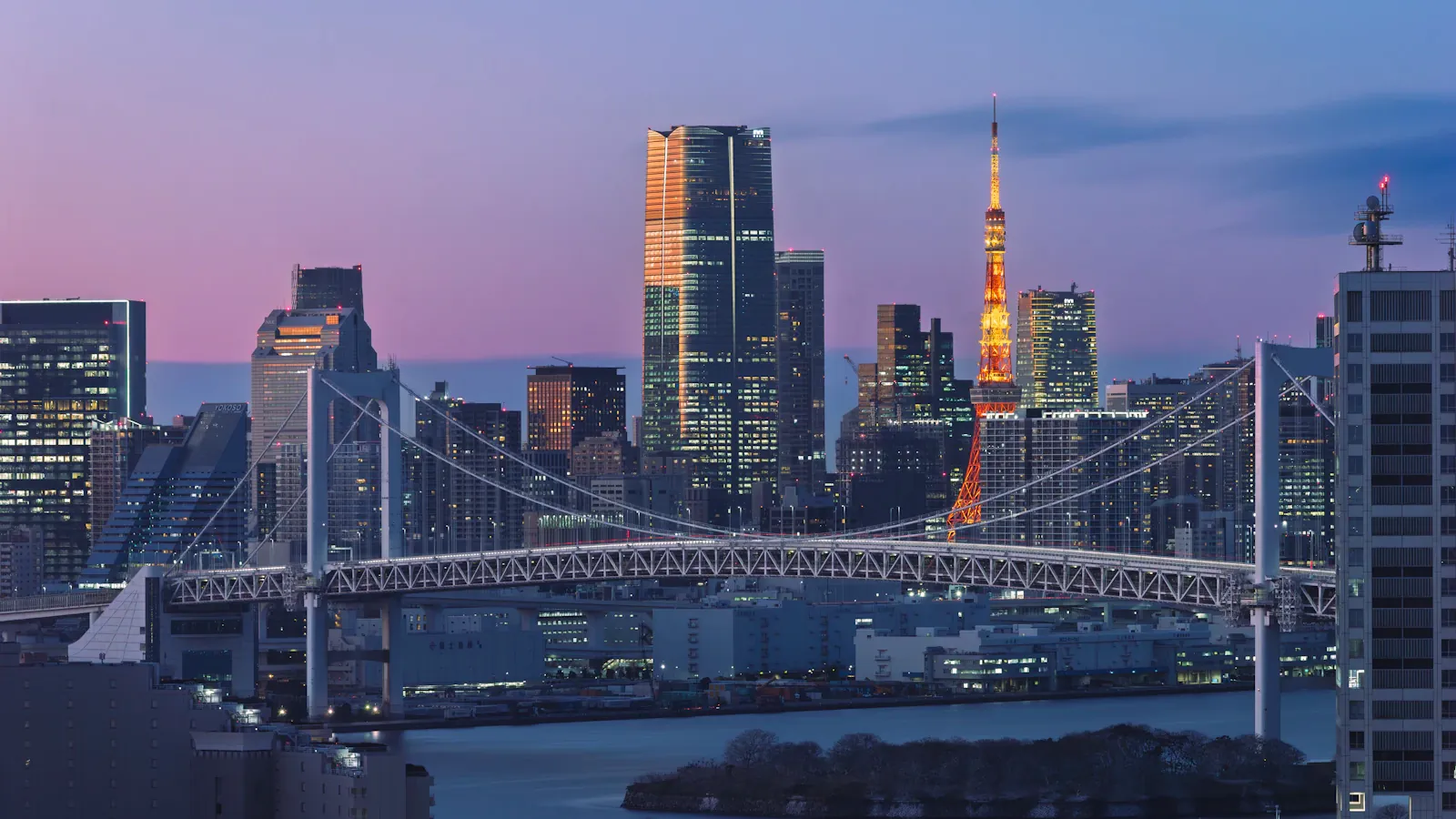
 Tokyo's skyline blends neon and tradition in endless layers.
Short on time? See our Tokyo 4-day itinerary for a focused long-weekend plan. Use our PTO optimizer to find the best days to take off around your trip dates.
Why an Extended Tokyo Trip Is Worth It
Day Trip Possibilities
Tokyo sits at the center of Japan's most accessible region, and the rail network turns destinations that feel remote into comfortable day trips. Hakone is 85 minutes from Shinjuku by Romance Car, and its loop of cable cars, ropeways, and pirate ships delivers Mt. Fuji views alongside volcanic valleys and world-class hot springs. Nikko—two hours by Tobu limited express—contains Japan's most lavishly decorated shrine complex, the mausoleum of Tokugawa Ieyasu, set against a mountain forest that makes every building feel like it grew from the landscape. Kamakura, just an hour south, was Japan's military capital in the 13th century and still holds a 13-meter bronze Buddha, bamboo groves, and a coastline that feels nothing like Tokyo. Kawaguchiko offers the iconic Mt. Fuji reflection photo across a still lake, plus the Chureito Pagoda—Japan's most photographed view. Each of these trips is impossible to fit into a four-day visit without sacrificing core Tokyo time. A week makes all of them realistic.
Neighborhood Depth
Tokyo has 23 special wards, each with the personality of a different city. A four-day trip limits you to the greatest hits—Shibuya, Shinjuku, Asakusa, Harajuku. A week lets you wander Koenji, where punk venues and vintage shops line covered arcades, or Kichijoji, consistently voted Tokyo's most livable neighborhood, anchored by Inokashira Park and its swan boats. Yanaka survived the war and the 1923 earthquake, and its narrow streets still hold traditional sweet shops, neighborhood temples, and cats on every corner. Shimokitazawa is Tokyo's bohemian quarter—secondhand clothing stores, independent theaters, and curry shops squeezed into lanes too narrow for cars. These are the neighborhoods where 14 million people actually live, and you need extra days to find them.
Days 1-4: Core Tokyo
Follow the 4-day itinerary covering Asakusa, Ueno, Akihabara, Shinjuku, Harajuku, Shibuya, Meiji Shrine, Tsukiji, Ginza, and izakaya culture. Those four days establish your Tokyo foundation—the major landmarks, the transit confidence, and the food instincts you will rely on for the rest of the week.
Day 5: Hakone Day Trip (Mt. Fuji Views)
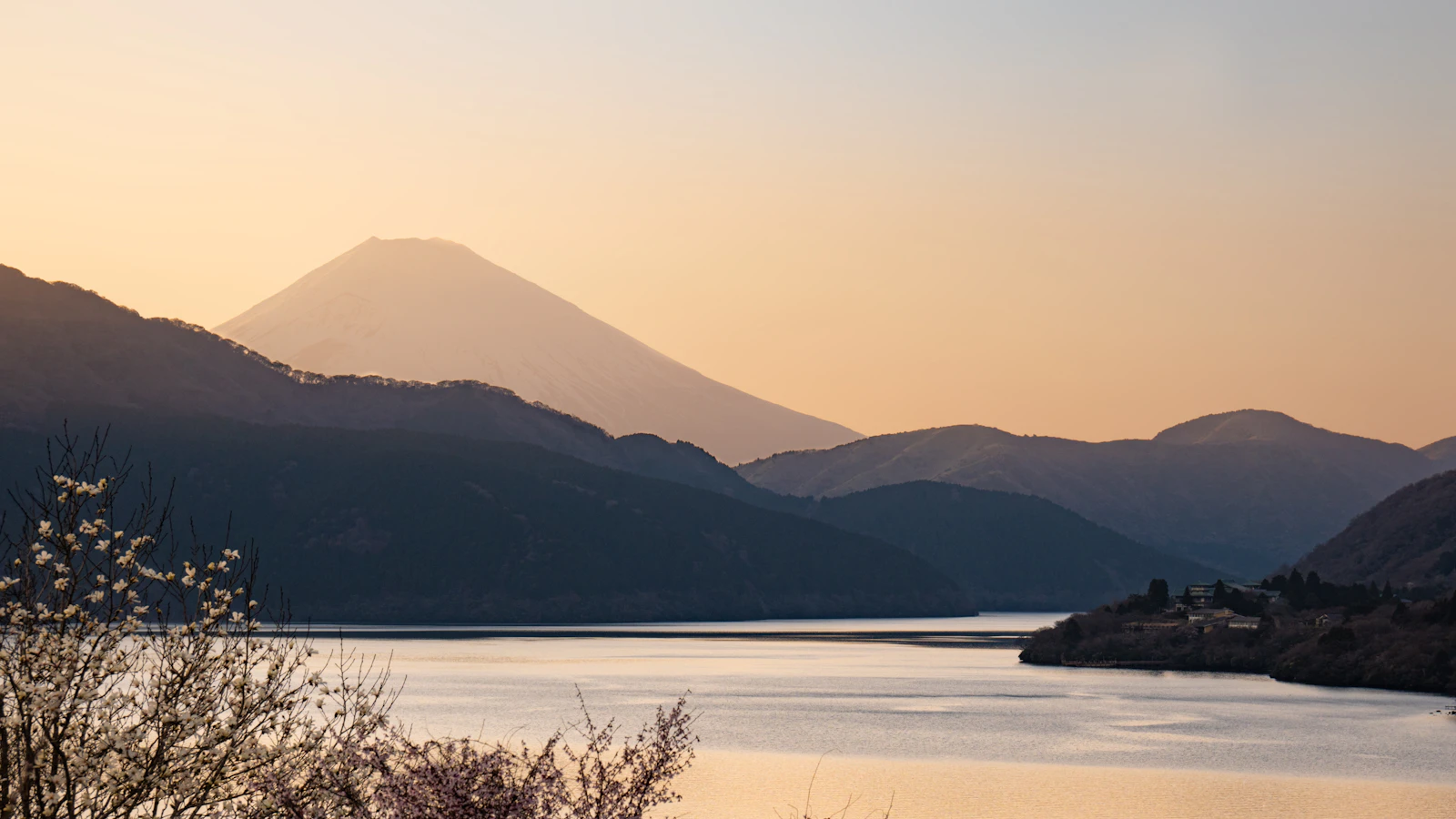 Mount Fuji's iconic cone is the highlight of the Hakone day trip.
Getting There
The Hakone Free Pass (Y6,100/$42 from Shinjuku) covers round-trip train plus unlimited use of all Hakone transport—switchback railway, cable car, ropeway, pirate ship, and local buses. It is valid for two days, so if you want to stay overnight at a ryokan, the pass still covers your return. Buy it at the Odakyu counter in Shinjuku Station's west exit. The Romance Car limited express costs an additional Y1,110/$8 surcharge for reserved seats and is worth every yen for the comfort—standard local trains take 90 minutes and require a transfer at Odawara.
The Hakone Loop
The classic Hakone circuit takes 5-6 hours at a comfortable pace. The route runs in one direction, so plan accordingly:
- Romance Car from Shinjuku to Hakone-Yumoto (85 minutes, departs roughly every 30 minutes from 7:00 AM)
- Switchback railway from Hakone-Yumoto up the mountain to Gora (40 minutes)—the train reverses direction three times on the steep climb
- Cable car from Gora to Owakudani (10 minutes)—a volcanic valley with sulfur vents and the famous kuro-tamago (black eggs boiled in hot springs, Y500/$3.50 for five, said to add seven years to your life per egg)
- Ropeway from Owakudani over Lake Ashi with Fuji views (30 minutes)—weather permitting, and clear days are far more common in winter than summer
- Pirate ship across Lake Ashi (30 minutes, free with Hakone Free Pass)
- Bus back to Hakone-Yumoto to complete the loop
For the best Fuji views, ride the ropeway between 9:00 and 11:00 AM. Clouds typically roll in after midday, especially from May through October. Winter mornings offer the clearest sightlines.
Onsen Experience
Hakone is one of Japan's premier hot spring towns, and even a day-tripper can soak. Hakone Yuryo (Y1,500/$10 entry) is a modern day-use onsen with indoor and outdoor baths, a 10-minute shuttle from Hakone-Yumoto station. Tenzan Tohji-kyo (Y1,300/$9) has a more rustic, natural setting with rock-lined outdoor pools. Remember: tattoo policies vary. Many traditional onsen prohibit visible tattoos, though day-use facilities tend to be more relaxed. Bring a small towel—most onsen charge Y200-300/$1.50-2 for towel rental if you forget.
Day 6: Nikko Day Trip
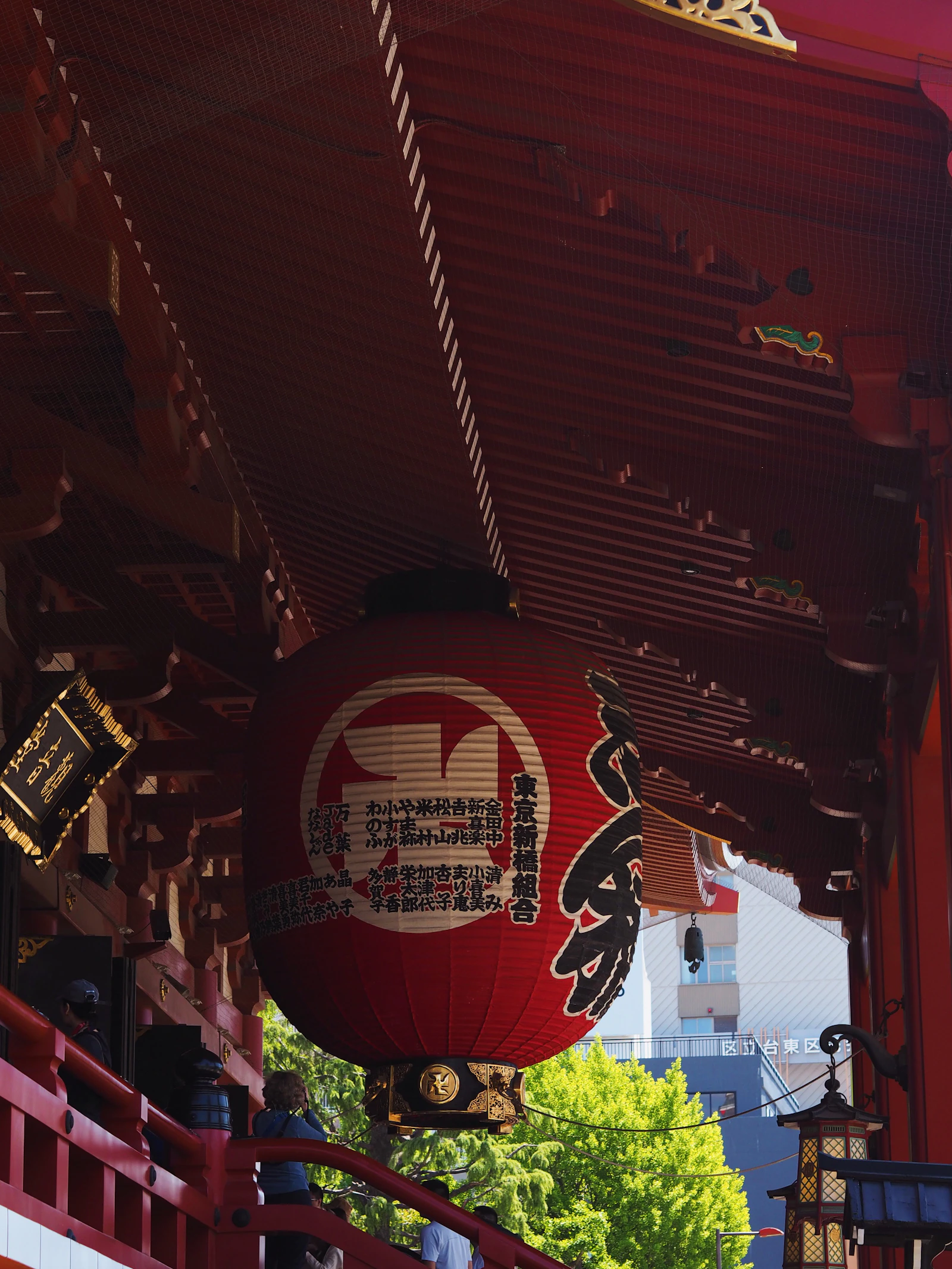 Japan's ornate temple architecture reaches its peak at the shrines of Nikko.
Getting There
Take the Tobu limited express Revaty from Asakusa (2 hours, Y2,800/$19 one way with reserved seat surcharge). Alternatively, the JR system runs from Shinjuku via Utsunomiya with a transfer, but the Tobu route is simpler and drops you closer to the shrines. If you are using a JR Pass, the JR route makes financial sense—otherwise, the Tobu All Nikko Pass (Y4,780/$33) covers round-trip plus local buses and is the best deal for a day trip.
World Heritage Temples
Nikko contains Japan's most lavish shrine complex, designated a UNESCO World Heritage Site. Start at Toshogu Shrine (Y1,300/$9 entry, opens 8:00 AM April-October, 9:00 AM November-March)—the mausoleum of Tokugawa Ieyasu, founder of the Tokugawa shogunate that ruled Japan for 260 years. The shrine complex contains over 5,000 carvings, many painted in vivid golds, reds, and greens that look nothing like the minimalism most people associate with Japanese temples. Find the famous three wise monkeys (see no evil, hear no evil, speak no evil) on the Sacred Stable, and the sleeping cat carving above the entrance to Ieyasu's tomb.
Walk the stone-paved path through towering cedar trees to Rinnoji Temple and the Taiyuin Mausoleum (Y550/$4 entry), which houses the remains of the third Tokugawa shogun and is arguably more atmospheric than Toshogu due to smaller crowds. The surrounding cedar avenue—some trees over 400 years old—makes the walk between sites feel ancient and hushed.
Nikko can be combined with an overnight stay, but the major shrines are comfortably covered in 4-5 hours, leaving time for lunch at one of the yuba (tofu skin) restaurants near the station—Nikko's local specialty.
Allow 4-5 hours for the shrine complex and budget for lunch at one of the yuba (tofu skin) restaurants near the station—Nikko's local specialty. Gyoshintei serves a full yuba course for around Y2,500/$17 in an atmospheric traditional building.
Day 7: Local Tokyo
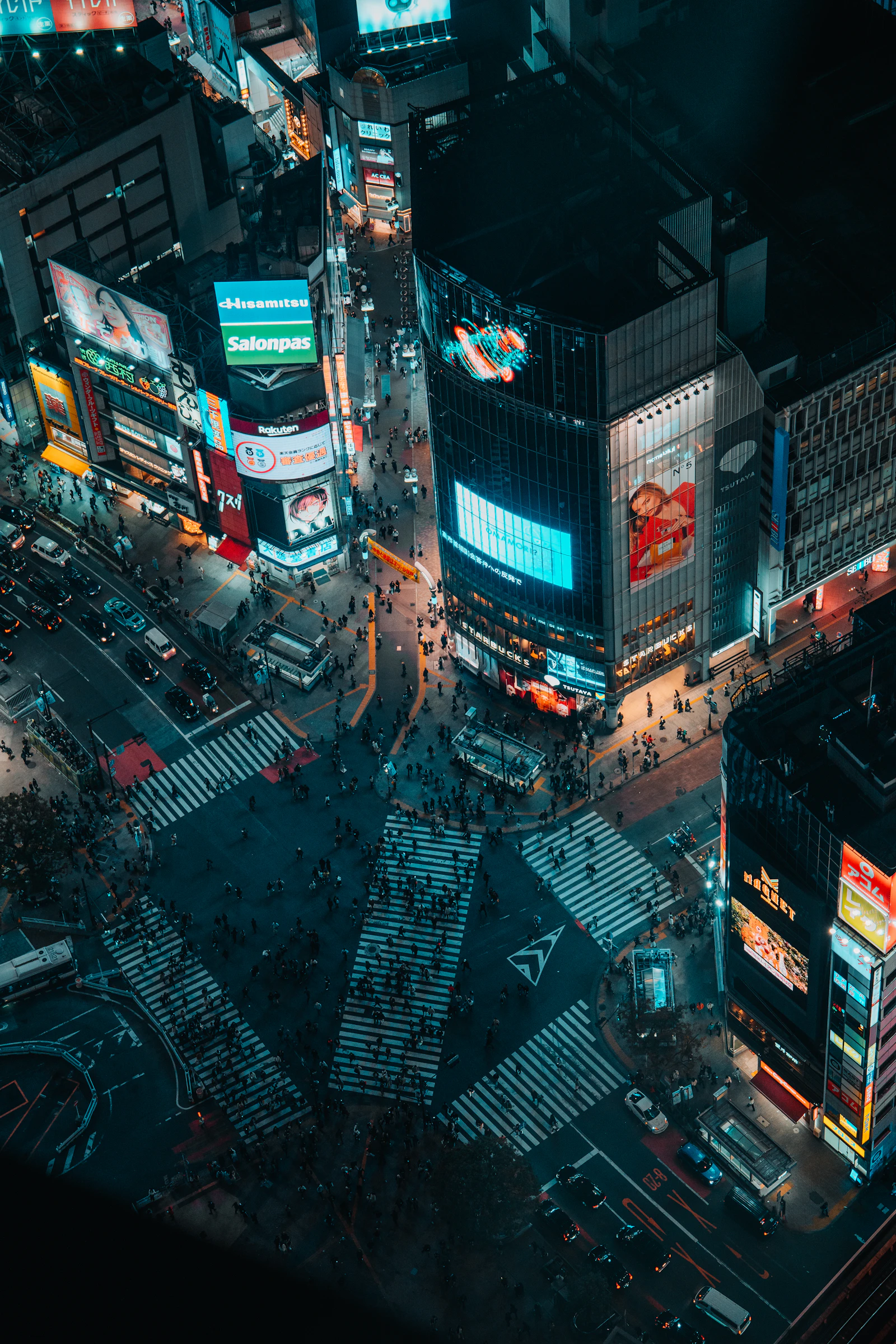 Shibuya Crossing moves thousands of people in perfect choreography.
Explore Non-Tourist Neighborhoods
After two day trips, Day 7 is your chance to sink into the Tokyo that guidebooks rarely cover. Pick two neighborhoods based on your mood:
Koenji (Chuo line, 10 minutes from Shinjuku): Alternative culture capital. Walk the covered Pal Arcade for vintage clothing, browse record shops, and find live music at venues like Koenjieki Kitakuchi or Penguin House (shows from Y1,500/$10). The Sunday afternoon flea market at Koenji Temple draws vintage hunters from across the city.
Kichijoji (Chuo line, 15 minutes from Shinjuku): Stroll around Inokashira Park, rent a swan boat (Y700/$5 for 30 minutes), and walk the Harmonica Yokocho alley for tiny yakitori bars and standing sushi counters. Lunch at Satou for their famous menchi-katsu (deep-fried ground beef, Y240/$1.70 each)—the line is long but moves fast.
Shimokitazawa (Odakyu or Keio Inokashira line): Tokyo's bohemian quarter. Browse New York Joe Exchange for curated secondhand clothing, grab a matcha at Bear Pond Espresso (opens at 11:00, cash only, espresso often sells out by 1:00 PM), and explore the new Shimokita Ekiue development above the station for design shops and cafes.
Yanaka (near Nippori station): Old Tokyo atmosphere. Walk Yanaka Ginza shopping street for traditional snacks—try the menchi-katsu at Suzuki Meat Shop (Y200/$1.40)—and wander through Yanaka Cemetery, where cherry trees line the paths and cats lounge on tombstones.
Japanese Experiences
Use the afternoon or evening for a deeper cultural activity:
- Sumo tournament (if visiting in January, May, or September)—tickets for upper balcony seats start at Y3,800/$26 and sell out fast; buy through the official sumo.or.jp site when sales open a month before each tournament
- Kabuki theater at Kabukiza (Ginza)—single-act tickets (hitomaku-mi) cost Y1,000-2,000/$7-14 and let you watch one act without committing to a full 4-hour performance; earphone guides in English are available for Y1,000/$7
- Baseball at Tokyo Dome or Jingu Stadium—Yomiuri Giants and Yakult Swallows games run Y2,000-6,000/$14-42; the crowd choreography and beer vendors are an experience in themselves
- Cooking class—Buddha Bellies in Asakusa offers sushi-making workshops (Y8,800/$61, 2.5 hours) and ramen-from-scratch classes that include eating your creation
Days 8-9: Flexible Extensions
Option A: Kamakura Day Trip
Kamakura was Japan's capital from 1185 to 1333, and it retains a gravitas that contrasts beautifully with Tokyo's energy. Take the JR Yokosuka line from Tokyo Station (60 minutes, covered by Suica). Start at Kotoku-in for the Great Buddha (Daibutsu)—a 13-meter bronze statue that has sat in the open air since a tsunami destroyed its hall in 1498 (Y300/$2 entry). Walk to Hasedera Temple (Y400/$3) for its ocean-view terrace, thousands of small Jizo statues, and the 9-meter golden Kannon statue inside the main hall. Take the Enoden tram one stop to Hokokuji Temple (Y300/$2 for the bamboo grove) and drink matcha (Y600/$4) in the tea house surrounded by 2,000 bamboo stalks. If time permits, the coastal walk from Inamuragasaki to Kamakura's small beach gives you a view of Enoshima Island and a different rhythm entirely.
Option B: Kawaguchiko (Lake Fuji)
Lake Kawaguchi offers the most accessible and dramatic Mt. Fuji views. Take the direct JR express from Shinjuku (2 hours) or the Fuji Excursion limited express. Rent a bicycle (Y1,500/$10 per day from shops near the station) and ride the lakefront path for the classic reflection shot—best in early morning before wind disturbs the water. The Chureito Pagoda (Y400/$3 ropeway or 398 steps on foot) frames Fuji behind a five-story pagoda and is Japan's most photographed view. Visit the Kawaguchiko Music Forest (Y1,800/$12) for its quirky collection of automated instruments, or hike the Mt. Tenjo Ropeway trail (Y900/$6 round trip) for elevated Fuji views without the crowds of the pagoda. Lunch at one of the lakeside hoto noodle restaurants—thick flat noodles in miso broth with pumpkin, Yamanashi prefecture's signature dish (Y1,200-1,500/$8-10).
Option C: Deeper Tokyo
If you are not in the mood for another train journey, use these days to hit experiences that require advance booking or specific timing:
- TeamLab Borderless (Azabudai Hills, reopened 2024)—immersive digital art that fills rooms with projections you walk through; book online at least a week ahead (Y3,800/$26 adults, allow 2-3 hours)
- Sumo stable morning practice (keiko)—some stables like Arashio-beya in Nihonbashi allow visitors to watch through glass windows from 7:30-10:00 AM on practice days, free and no reservation needed
- Tsukiji Outer Market to Toyosu combo—start with street food breakfast at Tsukiji (tamagoyaki at Yamacho, sashimi at Sushi Dai's takeout counter), then take the Yurikamome line to Toyosu Market to see the tuna auctions from the viewing gallery (free, opens 5:45 AM for the auction deck)
- Day and night contrast runs—revisit Shibuya Crossing at both noon and midnight, explore Shinjuku's Golden Gai before and after 9:00 PM, or see Senso-ji at dawn when the grounds are empty and the incense hangs in still air
Option D: Ryokan Stay
Book one night at a traditional ryokan (Japanese inn) for the full immersion: tatami-floored rooms, futon bedding laid out by the staff while you soak in the onsen, a multi-course kaiseki dinner that is closer to art than meal, and a quiet breakfast the next morning. Hakone has the most ryokan options near Tokyo—Fukuzumiro (from Y25,000/$175 per person with two meals) is a historic property with private outdoor baths, while Yama no Chaya (from Y40,000/$280 per person) is one of Hakone's finest, with riverside open-air baths and extraordinary kaiseki. Kawaguchiko also offers ryokan with Fuji-view rooms. Budget ryokan exist, but the experience improves dramatically above the Y20,000/$140 per person threshold. This single night will likely be the most memorable of your entire trip.
Travel Costs and Budgeting
| Category | Daily Range |
|---|---|
| Accommodation | Y10,000-30,000 ($70-210) |
| Food | Y3,000-8,000 ($20-55) |
| Activities | Y2,000-5,000 ($14-35) |
| Transport | Y1,000-3,000 ($7-20) |
| Daily total | Y16,000-46,000 ($110-320) |
| 7-day total | Y112,000-322,000 ($775-2,230) |
Day trip costs add up. The Hakone Free Pass is Y6,100/$42, the Nikko round trip runs Y4,780-5,600/$33-39, and Kamakura is about Y1,900/$13 return. Factor in temple entry fees (Y300-1,300/$2-9 per site) and lunch, and each day trip adds roughly Y8,000-12,000/$55-83 to your daily budget. A one-night ryokan stay with kaiseki dinner pushes Y20,000-40,000/$140-280 per person—plan for it as a separate budget line.
To maximize your days off without extra PTO, use the free Holiday Optimizer to find bridge days around public holidays for your Tokyo trip.
Cost-Saving Tips
- Eat at konbini: 7-Eleven, Lawson, and FamilyMart serve onigiri (Y120-180/$0.80-1.25), bento boxes (Y400-600/$2.75-4), and surprisingly good sandwiches. A convenience store breakfast and one restaurant meal per day saves Y2,000-3,000/$14-20 daily without sacrificing quality.
- Lunch sets over dinner: Most restaurants offer teishoku (set meals) at lunch for 40-60% of dinner prices. A Y5,000 dinner sushi spot might serve a Y1,500 lunch set with the same fish.
- Free attractions: Meiji Shrine, Senso-ji, Tsukiji Outer Market, Tokyo Metropolitan Government Building observation deck (free 360-degree views from 202 meters), and most neighborhood walks cost nothing.
- IC card over single tickets: Load a Suica card and use it everywhere—trains, buses, convenience stores, vending machines. Single tickets cost Y10-30/$0.07-0.20 more per ride and waste time at ticket machines.
- 7-day JR Pass calculation: The 7-day ordinary JR Pass costs Y50,000/$345. It pays for itself only if you take two or more long-distance day trips on JR lines (Nikko via JR, Kamakura, plus internal JR rides). If you are only doing Hakone (Odakyu line, not JR) and one JR day trip, skip the pass and buy individual tickets.
- Depachika grazing: Department store basement food halls (depachika) offer free samples and discounted bento boxes starting 30 minutes before closing—usually around 7:30-8:00 PM. Mitsukoshi in Ginza and Isetan in Shinjuku are the best.
Cultural Experiences Not to Miss
Izakaya and Yakitori Culture
Tokyo's Shinjuku Station is the busiest in the world, serving over 3.5 million passengers daily across 50+ platforms.
An izakaya is not a restaurant—it is a social institution. You order rounds of small plates, drink beer or shochu or highballs, and stay for hours. The best introduction is Omoide Yokocho (Memory Lane) next to Shinjuku Station's west exit—a warren of narrow alleys with tiny yakitori stalls seating 6-8 people each. Point at what the person next to you is eating. A full session with grilled chicken skewers (tsukune, negima, kawa), pickled vegetables, and a few beers runs Y2,500-4,000/$17-28. For a more refined version, try Birdland in Ginza (reservation recommended, omakase yakitori from Y6,000/$42)—consistently ranked among Tokyo's best. In Yurakucho, the stalls under the train tracks serve salarymen after work and welcome foreigners with picture menus and patience.
Temple and Shrine Visits
Tokyo has over 4,000 temples and shrines, and the quieter ones are often more rewarding than the famous ones. Gotokuji Temple (Setagaya, near Gotokuji station) is the birthplace of the maneki-neko (beckoning cat)—hundreds of white cat figurines cover the grounds, left as offerings by visitors whose wishes were granted. Nezu Shrine in Bunkyo ward has a tunnel of vermillion torii gates rivaling Kyoto's Fushimi Inari but with almost no crowds—visit during the azalea festival in April for thousands of blooming bushes. Zojoji Temple near Tokyo Tower holds rows of small Jizo statues dressed in red bibs and knit caps, each representing a lost child. Arrive early—before 8:00 AM at any temple—for the experience of quiet grounds, incense smoke, and the sound of monks chanting. Proper etiquette: bow at the gate, walk to the side (the center path is for deities), rinse your hands at the water basin, and throw a coin before praying.
Neighborhood Character Exploration (Shibuya, Shinjuku, Asakusa)
Each major neighborhood has a hidden layer that reveals itself only with time. In Shinjuku, skip the main streets and find Golden Gai—200+ tiny bars, most seating 4-6 people, each with a distinct theme (jazz, cinema, manga, punk). Cover charges run Y500-1,000/$3.50-7 but include a drink. In Shibuya, walk 10 minutes south to Ebisu for the craft beer scene at Baird Taproom (Y800-1,200/$5.50-8 per pint) and the photography museum at Tokyo Photographic Art Museum (Y700/$5). In Asakusa, cross the river to the east bank for Tokyo Skytree (Y2,100-3,400/$14-23 for observation decks) and the surrounding Solamachi shopping complex, or walk north to Kappabashi Street—Tokyo's kitchen supply district where you can buy the wax food replicas that sit in restaurant windows (Y2,000-15,000/$14-103 depending on complexity).
Practical Tips for Travelers
Language
English signage is widespread on trains and in major stations, but drops off sharply in residential neighborhoods and smaller restaurants. Download Google Translate with the Japanese offline pack before your trip—the camera translation feature reads menus in real time. Learn five phrases that earn goodwill: sumimasen (excuse me/sorry), arigatou gozaimasu (thank you), onegaishimasu (please, when ordering), oishii (delicious—say it to the chef), and eigo no menyu arimasu ka (do you have an English menu?). Most Japanese will not initiate English conversation, but they respond warmly to any effort at Japanese.
Etiquette
- No tipping—anywhere, ever. It is considered rude and will cause confusion.
- Remove shoes when entering homes, ryokan, some restaurants (look for a raised floor or shoe rack at the entrance), and all temples.
- Quiet on trains—no phone calls, no loud conversation. Headphones at low volume.
- Escalator etiquette: Stand on the left, walk on the right (Tokyo convention; Osaka is reversed).
- No eating while walking—it is considered impolite. Buy your street food, stand near the stall, eat it, then move on.
- Bowing: A slight bow when greeting, thanking, or apologizing is appreciated. Match the depth of the other person's bow.
- Cash handling: Place money on the tray at registers, not in the cashier's hand. Receive change with both hands.
Safety
Tokyo is one of the safest major cities in the world. Violent crime against tourists is virtually nonexistent. Bikes are left unlocked, lost wallets are returned to police boxes (koban) with cash intact, and children ride the subway alone. The main risks are minor: pickpocketing on crowded trains during rush hour (keep bags in front of you), accidentally entering a women-only train car during morning rush (marked with pink signs), and over-drinking in Golden Gai or Kabukicho—some bars charge inflated prices to intoxicated foreigners, so check the menu before ordering. Earthquakes are common but usually minor; familiarize yourself with your hotel's emergency procedures on check-in. Emergency services: dial 110 for police, 119 for fire/ambulance.
If you have extra days, consider combining your Tokyo trip with Seoul, Hong Kong, and Singapore — all easy to reach and covered in our PTO-optimized travel guides.
Quick Takeaways
- Buy a Suica/Pasmo IC card immediately at any JR station—it works on every train, bus, and convenience store in the city.
- The Hakone Free Pass is the best-value day trip from Tokyo—Y6,100/$42 covers all transport for the full loop including Mt. Fuji views.
- Nikko's Toshogu Shrine is the most ornate religious site in Japan—go early and allow 4-5 hours for the full complex.
- Non-tourist neighborhoods like Koenji, Yanaka, and Shimokitazawa reveal the Tokyo that 14 million people actually live in.
- One ryokan night with onsen and kaiseki is the single most memorable splurge you can make—budget Y20,000+/$140+ per person.
- The 7-day JR Pass only saves money if you take two or more long-distance JR day trips; otherwise, buy individual tickets.
- Eat lunch sets (teishoku) at the same restaurants that charge double for dinner—same quality, half the price.
- Convenience store food in Japan is genuinely excellent—a Y500/$3.50 konbini meal is better than most countries' sit-down restaurants.
- Use the Holiday Optimizer PTO calendar to plan which days to take off for your Tokyo trip.
Conclusion
A week in Tokyo and the surrounding Kanto region reveals a Japan that four days cannot touch. The ornate gold of Nikko's shrines, the volcanic steam of Hakone's Owakudani, Kamakura's great bronze Buddha gazing serenely into the Pacific breeze—these day trips provide contrast that makes returning to Tokyo each evening feel like coming home rather than resuming a tour. By Day 7, the subway map makes sense, you have a favorite convenience store onigiri flavor, and the rhythm of Japanese daily life—precision, courtesy, quiet excellence—starts to feel less foreign and more like something you wish you could take with you.
The best extended Tokyo trips are not the ones that check every box. They are the ones with enough unstructured time to wander a neighborhood without a destination, sit at a yakitori counter where nobody speaks English, or discover a temple courtyard where you are the only visitor. Nine days gives you permission to have a slow morning, skip a famous site because the weather is perfect for a park instead, and return to a favorite ramen shop for the second time. That is when Tokyo stops being a destination and starts being an experience.
Ready to maximize your time off?
Find the best Tokyo travel windows
Frequently Asked Questions
-
Is 7-9 days too long for the Tokyo area? Not at all. Tokyo alone has enough neighborhoods to fill a week without repeating, and the day trip options—Hakone, Nikko, Kamakura, Kawaguchiko—each deserve a full day. Most travelers who spend a week say they could have used two more days. The variety between ultra-modern Shibuya, traditional Yanaka, and the mountain temples of Nikko keeps every day feeling distinct.
-
Should I get a JR Pass for an extended stay? Run the numbers for your specific itinerary. The 7-day ordinary JR Pass costs Y50,000/$345. It covers JR trains only—not the Odakyu line to Hakone, not Tokyo Metro, not Tobu to Nikko. If you plan two or more JR day trips (Kamakura + Kawaguchiko via JR, for example) plus heavy JR use within Tokyo, the pass pays for itself. If Hakone is your only day trip and you use Metro lines daily, skip it and buy a Suica card instead.
-
Can I reliably see Mt. Fuji from Hakone or Kawaguchiko? It depends on weather. Fuji is visible roughly 80% of clear winter days (December-February) and as little as 30% of summer days when humidity and clouds dominate. The best strategy is to schedule your Hakone or Kawaguchiko trip for the clearest forecast day in your itinerary rather than locking it to a fixed date. Early morning before 10:00 AM offers the best odds in any season.
-
What is the best way to handle cash and payments? Japan has shifted significantly toward cashless payments since 2023, but cash is still essential for small restaurants, shrine offerings, market stalls, and vending machines. Withdraw yen from 7-Eleven ATMs using your international debit or credit card—they accept Visa, Mastercard, and most international networks with no Japanese-language barriers. Carry Y10,000-20,000/$70-140 at any given time. Credit cards are accepted at hotels, department stores, and chain restaurants but often rejected at the places you most want to eat.
-
Is Tokyo manageable without speaking Japanese? Yes, with preparation. Train stations have English signage, Google Translate's camera feature reads menus, and hotel staff generally speak functional English. The challenge is smaller restaurants and residential neighborhoods, where English drops to near zero. Having key phrases saved on your phone, plus the willingness to point, gesture, and smile, gets you through 95% of situations. The Japanese are extraordinarily patient with tourists making an effort—even a badly pronounced sumimasen opens doors.
Share Your Thoughts
Did this guide help you plan your Tokyo extended trip? Share it with friends and tell us which part of Tokyo you are most excited to explore—the day trips, the hidden neighborhoods, or the long izakaya evenings.