Vienna in 7-9 Days: Extended Vacation Itinerary to Maximize PTO in 2026
Plan an extended Vienna adventure with a comprehensive 7-9 day itinerary including day trips to the Wachau Valley and Salzburg, deeper museum exploration, and authentic Austrian experiences for 2026.
Introduction
A week or more in Vienna and Austria transforms a visit into Habsburg immersion. While four days covers Vienna's highlights, seven to nine days allows day trips to the stunning Wachau Valley wine region, Mozart's Salzburg, deeper museum exploration, and understanding this city's layers from imperial grandeur through coffeehouse philosophy to contemporary culture. Vienna does not reveal itself in a rush—it demands the kind of time that lets you sit in a coffeehouse for three hours, wander a palace garden at dusk, and stumble into a heuriger where the wine is still cloudy and the accordion is unironic. Use this guide to plan your extended trip.
This extended itinerary balances tourist essentials with authentic local experiences. You will cover the imperial core in the first four days, then branch out to UNESCO wine country, Salzburg's Alpine charm, and the quieter corners of Vienna that most visitors never see. By the end of nine days, the city will feel less like a destination and more like a temporary home.
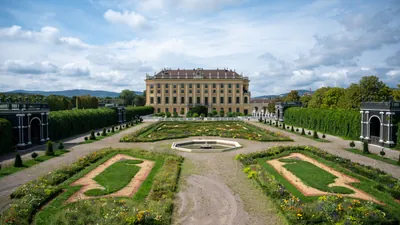
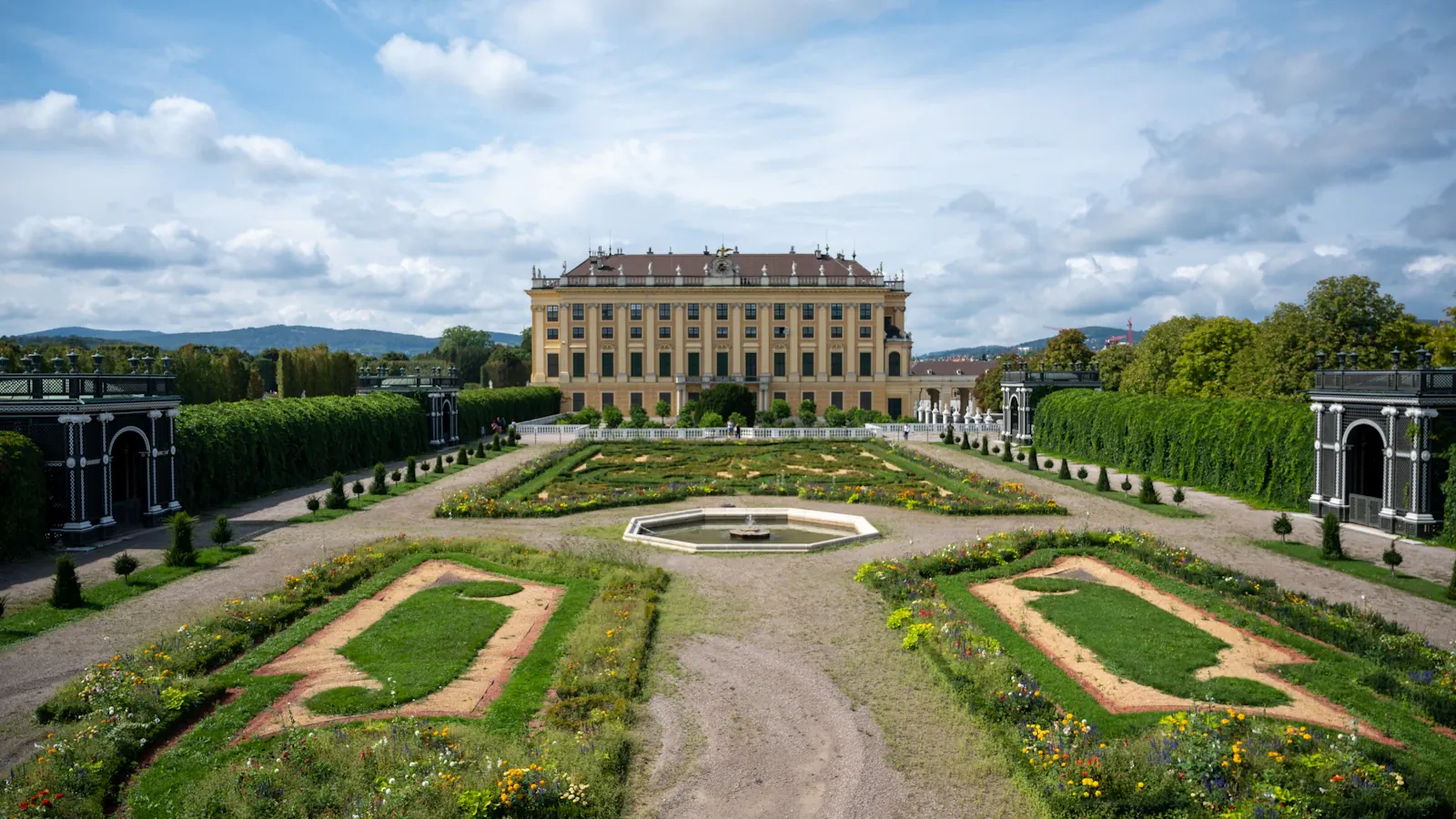
 Schönbrunn Palace represents Habsburg grandeur at its finest.
Short on time? See our Vienna 4-day itinerary for a focused long-weekend plan. Use our PTO optimizer to find the best days to take off around your trip dates.
Why an Extended Austrian Trip Is Worth It
Wachau Valley
The UNESCO-listed Danube Valley just west of Vienna is Austria at its most impossibly picturesque—terraced vineyards climbing steep hillsides, medieval villages with onion-domed churches, and apricot orchards that explode into pink blossoms in spring. Melk Abbey alone justifies the trip, its baroque library and church perched dramatically above the river. But the real pleasure is slower: a glass of Grüner Veltliner at a vineyard terrace in Dürnstein, watching cargo barges drift downstream while church bells echo off the valley walls. This is not a day trip you squeeze in—it is one of the most memorable days you will spend in Central Europe.
Salzburg
Mozart's birthplace and The Sound of Music setting is 2.5 hours away by ÖBB train—a worthy day trip that delivers an entirely different Austria. Where Vienna is grand and imperial, Salzburg is compact and Alpine. The baroque old town sits beneath the medieval Hohensalzburg Fortress, and the whole scene is framed by snow-capped mountains in every direction. The atmosphere shifts from cosmopolitan to Alpine within minutes of stepping off the train. If you have only four days, you cannot justify the travel time. With seven or more, it becomes essential.
Deeper Vienna
Extended stays reveal the Vienna that locals actually live in. The heurige wine taverns in Neustift am Walde where families gather on Sunday afternoons. The Zentralfriedhof, where Beethoven, Brahms, Schubert, and Strauss are buried in a sprawling cemetery that feels more like a park. The Freud Museum on Berggasse 19, still arranged as the apartment where psychoanalysis was born. The third or fourth visit to a coffeehouse, when the waiter recognizes you and brings your Melange without asking. These are the moments that separate a visit from an experience—and they require the kind of time that only an extended trip provides.
Days 1-4: Core Vienna
Follow the 4-day itinerary covering Hofburg Palace, Stephansdom, the Ringstrasse, Vienna State Opera, Schönbrunn Palace, Belvedere Palace, Kunsthistorisches Museum, coffeehouse culture, MuseumsQuartier, Naschmarkt, and classical music experiences.
Day 5: Wachau Valley Day Trip
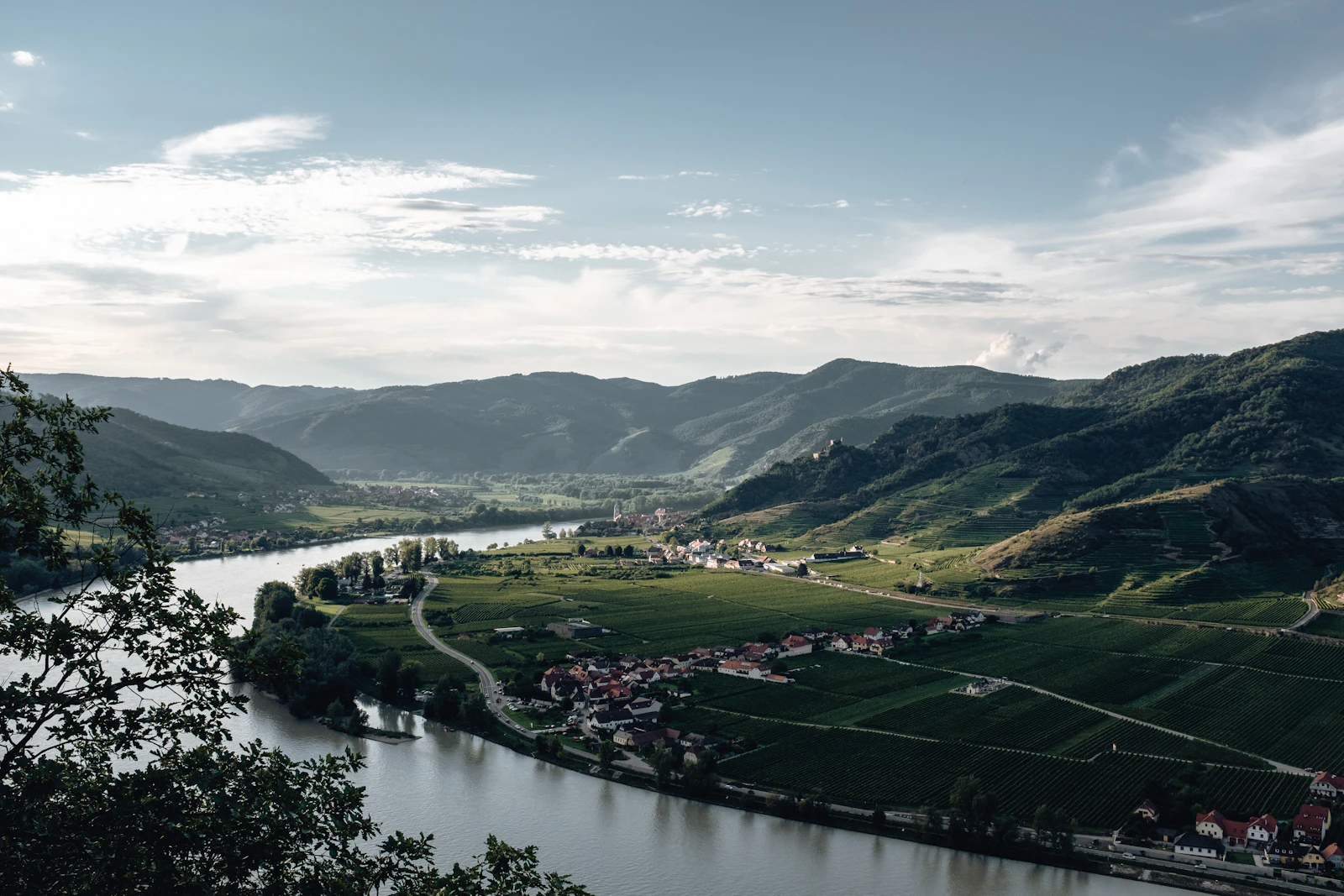 The Wachau Valley's terraced vineyards along the Danube are UNESCO-listed.
Getting There
Take the 7:30am ÖBB train from Wien Hauptbahnhof to Melk—the journey takes about 1 hour and costs €15-20 each way with an advance ticket (€25+ on the day). From Melk, you have three options: cruise downstream to Krems on the DDSG Blue Danube boat (1.5 hours, about €28 one-way), cycle the 40km Danube path, or take a local bus between villages. Return to Vienna by train from Krems (1 hour). Alternatively, organized tours from companies like Vienna Explorer handle all logistics for about €65-85 per person—convenient but less flexible.
UNESCO Wine Country
The Wachau Valley is Austria at its most picturesque—the Danube flowing between terraced vineyards, medieval villages, and dramatic abbey cliffs. The landscape has been cultivated for over a thousand years, and the UNESCO designation protects both the scenery and the winemaking tradition.
Essential stops:
Melk Abbey Baroque masterpiece perched above the Danube. The library—with its ceiling frescoes and 100,000 volumes—is breathtaking, and the church interior is so ornately gilded it borders on overwhelming. The terrace offers sweeping views of the valley below. Allow 2 hours. Entry is €14.50 for adults; guided tours run every 30 minutes and are included in the ticket price.
Dürnstein The blue church tower rising above cobblestone streets is the valley's most photographed scene. Richard the Lionheart was imprisoned in the ruined castle above town during the Third Crusade—the 20-minute hike to the ruins rewards with panoramic views. Wine taverns line the main street, and you should stop at Domäne Wachau's tasting room for a flight of three wines (around €10). The apricot dumplings at local restaurants are a Wachau specialty—order them if they are on the menu.
Krems The larger town at the valley's eastern end has a charming old quarter, excellent wine bars, and the train connection back to Vienna. The Kunstmeile (art mile) along Minoritenplatz offers contemporary galleries in converted monasteries. Stop at Stadtkeller Krems for a final glass before catching the train home.
The Route
DDSG boat services run Melk to Krems (1.5 hours downstream, 3 hours upstream) from April through October. Most visitors boat downstream and train back. Cycling the 40km path is popular and mostly flat—bike rental is available in Melk for about €20 per day. The cycling route is well-marked and passes directly through Dürnstein.
Wachau Wine
Grüner Veltliner—Austria's signature crisp, peppery white—dominates the valley floor, while excellent Riesling grows on the steepest south-facing slopes. The Wachau has its own quality classification: Steinfeder (light), Federspiel (medium), and Smaragd (full-bodied, named after the emerald lizards on the vineyard walls). Ask for a Smaragd Riesling if you want something memorable. Tastings at valley wineries typically run €8-15 for a flight of four to six wines.
Day 6: Deeper Museum Day
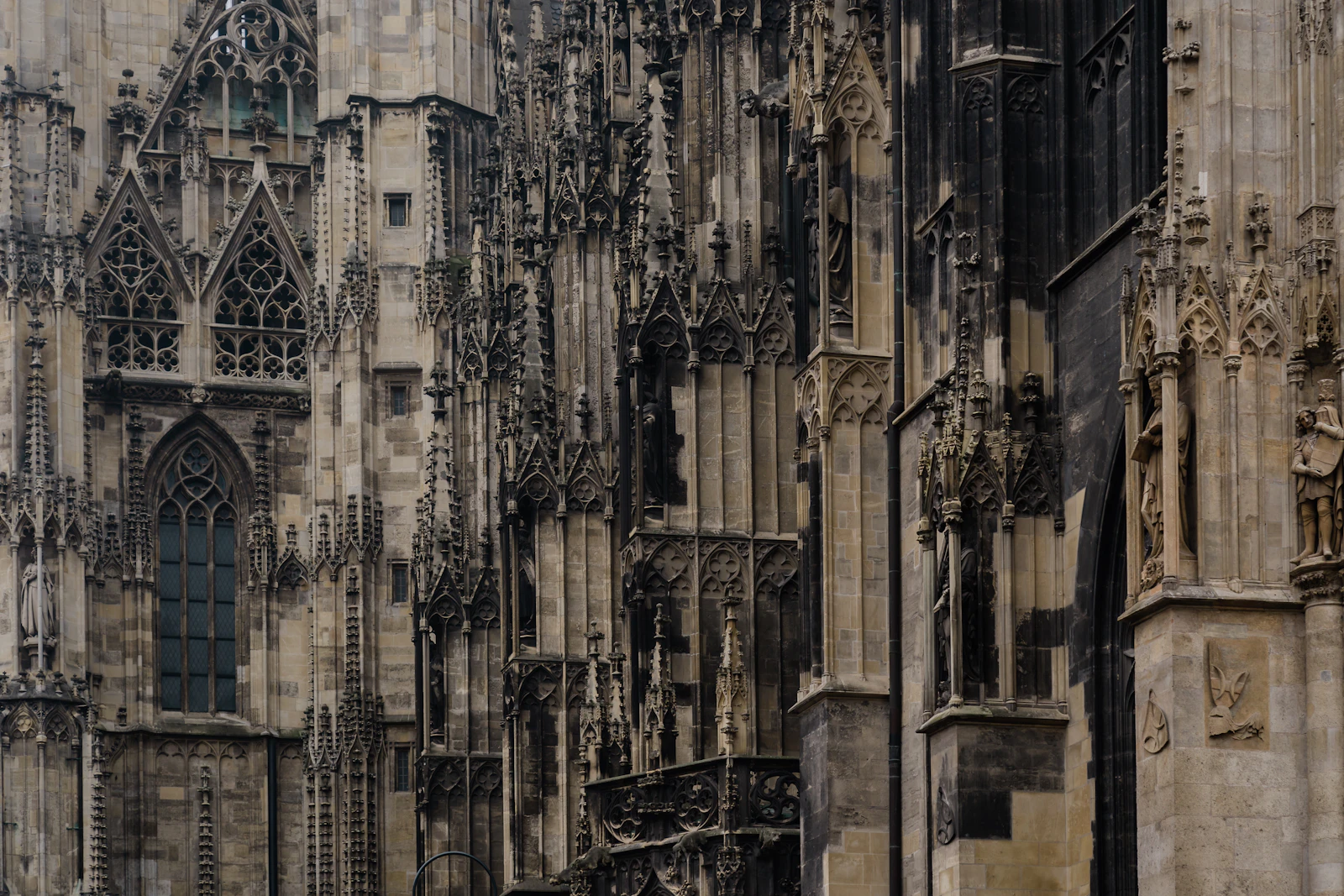 St. Stephen's Cathedral anchors Vienna's historic center.
Morning: Albertina
The Albertina houses one of the world's great graphic collections—Dürer's Young Hare and Praying Hands are the headliners, but the rotating exhibitions of Monet, Picasso, and contemporary photography are equally strong. The Habsburg state rooms on the upper floor—restored to their original opulence with silk wallcoverings and parquet floors—are worth the visit alone. Open daily from 10am; entry is €18.90 (€16.90 online). Allow 2 hours. The museum cafe has excellent Apfelstrudel and a terrace overlooking the Burggarten.
Standing-room tickets at the Vienna State Opera cost as little as €4—arrive 80 minutes before curtain to queue at the Stehplatz entrance on Operngasse.
Afternoon: Naturhistorisches Museum
Across from the Kunsthistorisches Museum in a matching building, the Natural History Museum holds treasures that rival its art-filled twin. The 25,000-year-old Venus of Willendorf—one of humanity's oldest artworks—sits in a darkened room on the ground floor. Upstairs, the dinosaur halls feature full skeletons, and the Habsburg mineral collections include gems the size of fists. The building's painted ceilings and marble staircases are attractions in themselves. Entry is €16; open Wednesday through Monday, 9am to 6:30pm (until 9pm on Wednesdays). Allow 2-3 hours.
Evening: Heuriger Experience
Visit a heuriger (wine tavern) in the Vienna Woods—this is the experience that separates tourists from travelers who understand Vienna. Heurige are licensed to sell only wine from their own vineyards, and the atmosphere is communal, convivial, and unpretentious.
The best areas:
- Neustift am Walde: More local than Grinzing, with excellent wines. Try Fuhrgassl-Huber (Neustift am Walde 68)—large garden, outstanding Grüner Veltliner, and a buffet spread that includes Liptauer cheese spread, roast pork, and crispy bread. Take tram 35A from Schottentor.
- Stammersdorf: Across the Danube in the 21st district, the most authentic atmosphere with fewer tourists. Wieninger am Nussberg produces some of Vienna's best wines and has panoramic views across the city.
- Grinzing: The most famous and most touristy heuriger village, but the setting is undeniably beautiful with vine-covered facades and lantern-lit gardens.
Budget €25-35 per person for wine and buffet food. Most heurige open at 4pm and close by 11pm. Look for the pine branch (Buschen) hanging above the door—it signals the tavern is open for the season.
Day 7: Salzburg Day Trip
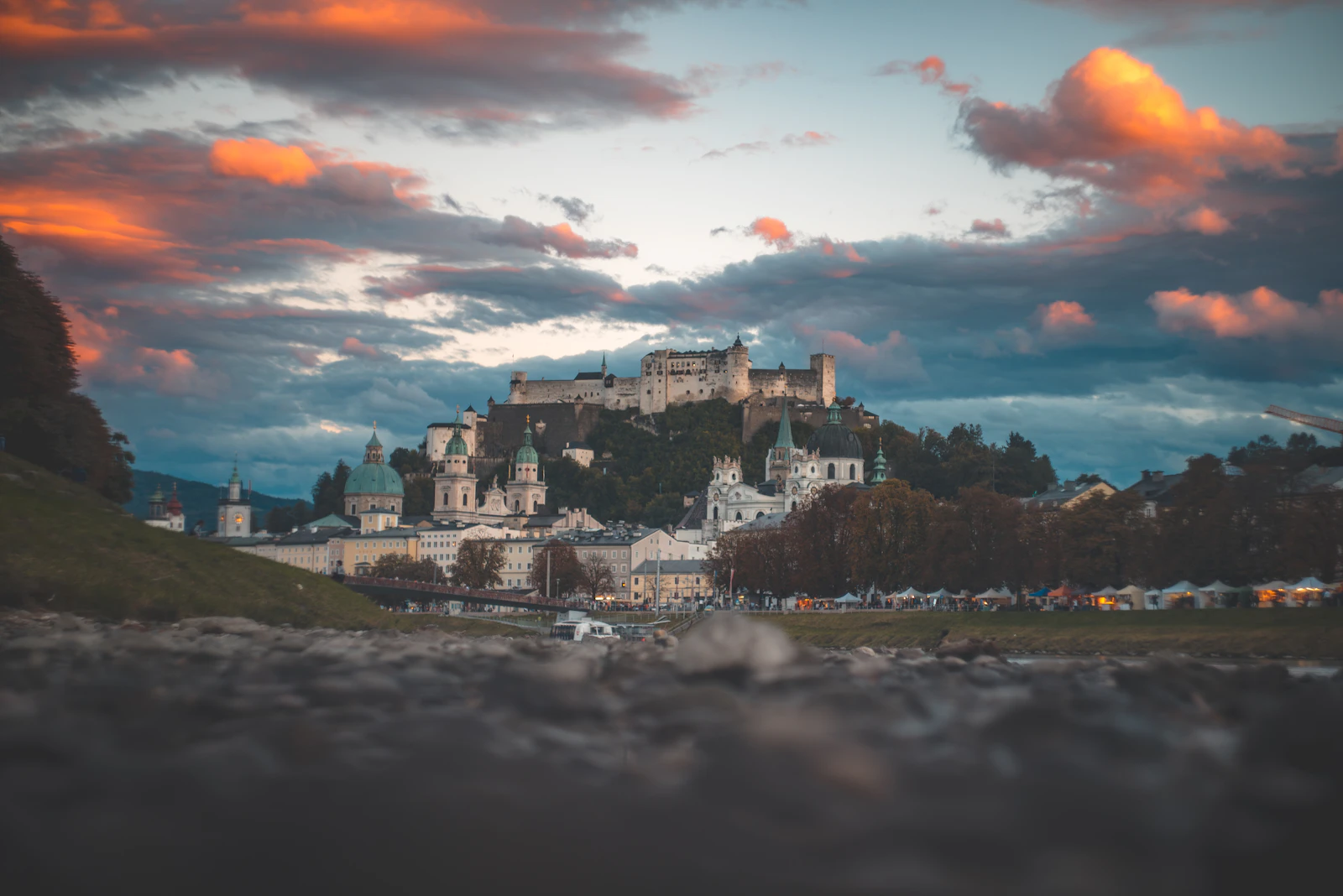 Salzburg's baroque old town sits beneath the imposing Hohensalzburg Fortress.
Getting There
ÖBB trains take 2 hours 20 minutes from Wien Hauptbahnhof. Book in advance on oebb.at for the best fares—early-bird Sparschiene tickets can be as low as €19 each way versus €55+ on the day. The 6:30am or 7:00am departure gives you a full day. A day trip is ambitious but works if you stay focused. An overnight allows more relaxation—budget hotels near the Hauptbahnhof start around €80.
Mozart's City
Salzburg offers an entirely different character from Vienna—compact where Vienna sprawls, Alpine where Vienna is Danubian, and intimate where Vienna is imperial.
Essential sites with practical details:
- Festung Hohensalzburg: Europe's largest fully preserved castle, perched above the old town. Take the funicular up (€13.80 round trip including fortress admission) for panoramic views across the city and into the Alps. Allow 1.5 hours.
- Mozart's Birthplace: Getreidegasse 9, the yellow townhouse where Wolfgang was born in 1756. The museum displays original instruments and family letters. Entry €14, allow 45 minutes.
- Mirabell Gardens: Free entry, famous as a Sound of Music filming location. The geometric gardens and fountain views toward the fortress make this one of Europe's most photographed gardens. Best in morning light.
- Old Town: UNESCO-listed streets radiating from Residenzplatz and the Dom (cathedral). The sheer density of baroque architecture in such a small area is staggering.
For lunch, skip the tourist traps on Getreidegasse and walk across the river to Stiftsbäckerei St. Peter, one of Europe's oldest bakeries, or grab a sausage at the Grünmarkt. Stiftskeller St. Peter claims to be the oldest restaurant in Europe (803 AD)—it is touristy but the courtyard setting is genuinely beautiful, and mains run €18-28.
Sound of Music
Tours visit filming locations—Mirabell Gardens, Leopoldskron Palace, the gazebo, and Alpine meadow settings. They run about €50-60 for a half day. Cheesy but popular, and genuinely fun if you embrace it. Panorama Tours and Bob's Special Tours are the most established operators.
Days 8-9: Flexible Extensions
Option A: More Day Trips
Bratislava (1 hour by train, €10-15 with advance booking) Slovakia's capital is the closest capital city to Vienna—you can literally see it from the Austrian border. The compact old town with its pastel facades is walkable in a morning, and the UFO Bridge observation deck offers a striking contrast between Soviet-era architecture and the medieval center. Lunch costs half what it would in Vienna—expect to pay €8-12 for a full meal. The Twin City Liner catamaran along the Danube is a scenic alternative to the train (75 minutes, about €35 one way).
Baden bei Wien (25 minutes by train, €5-8) This elegant spa town south of Vienna was the Habsburgs' summer retreat. The Thermalstrandbad offers thermal swimming in a grand outdoor pool complex (€8 entry). The pedestrian Hauptplatz is lined with pastel buildings and confectioneries. Visit Konditorei Ullmann for Baden's famous Badenertorte. The town's casino is Austria's oldest, and the surrounding vineyards produce excellent Rotgipfler and Zierfandler whites you will not find elsewhere.
Semmering (1 hour by train) The UNESCO-listed Semmeringbahn railway, completed in 1854, was the world's first mountain railway. The 41km route crosses 16 viaducts and passes through 15 tunnels—the engineering is as spectacular as the Alpine scenery. The journey itself is the attraction. Semmering village has grand fin-de-siècle hotels and hiking trails through mountain forest.
Option B: Deeper Vienna
- Freud Museum (Berggasse 19): The apartment where psychoanalysis was born, preserved with original furnishings and Freud's famous couch. Entry €14, allow 1 hour.
- Third Man Tour: Explore the subterranean sewer system and filming locations from Carol Reed's 1949 noir masterpiece. Tours run on specific days (check website), about €10, and include a screening of the film.
- Secession Building: Gustav Klimt's 34-meter Beethoven Frieze fills the basement of this Jugendstil landmark—the golden cabbage dome on the roof is unmistakable. Entry €9.50.
- Spanish Riding School: Lipizzaner horse performances in the baroque Winter Riding School are mesmerizing (tickets €25-185, book months ahead). Morning exercise sessions are cheaper (€16) and let you watch the horses train to classical music.
- Jewish Museum: Two locations—the Dorotheergasse museum covers centuries of Jewish life in Vienna, while the Judenplatz location sits above the remains of a medieval synagogue. Combined ticket €15.
Option C: Food and Wine Focus
- Viennese cooking class: Learn to pound and fry a proper Wiener Schnitzel and roll paper-thin Apfelstrudel. Several schools operate near the Naschmarkt—expect to pay €80-120 for a half-day class with lunch.
- Wine tasting: Vienna is the world's only capital with commercial vineyards within city limits. Wieninger, Mayer am Pfarrplatz (where Beethoven lived), and Cobenzl offer cellar tours and tastings for €15-30.
- Market tours: Beyond Naschmarkt, explore the Brunnenmarkt in the 16th district—Vienna's longest street market, more Turkish and Balkan than Austrian, with spice stalls, fresh flatbreads, and grilled meats at a fraction of tourist-area prices.
- Konditorei crawl: Compare Sacher Torte at Hotel Sacher (the original, €9.50 per slice), Demel (their rival version, also €9.50), and Café Central (a more casual take). Add Apfelstrudel at Café Residenz in Schönbrunn and Kaiserschmarrn at Café Landtmann for a comprehensive Viennese pastry education.
Option D: Outdoor Vienna
- Kahlenberg and Leopoldsberg: These twin hills in the Vienna Woods offer sweeping views of the city, the Danube, and on clear days, the Carpathian Mountains in Slovakia. Bus 38A from Heiligenstadt takes 25 minutes. The terrace cafe at Kahlenberg serves coffee with a panorama.
- Donauinsel: Vienna's 21km artificial island in the Danube is where locals jog, cycle, swim, and barbecue. Free beaches, no tourists, and a completely different atmosphere from the imperial center.
- Lainzer Tiergarten: Former imperial hunting grounds on the city's western edge, now a nature reserve with wild boar, deer, and hiking trails through beech forests. The Hermesvilla—Empress Sisi's retreat—sits inside the park.
Cultural Experiences Not to Miss
Coffeehouse Culture (Kaffeehaus)
Vienna's coffeehouse culture is UNESCO-recognized—the tradition of lingering over coffee and cake has been sacred for centuries.
With a full week, you can develop a proper coffeehouse rotation. Café Central (Herrengasse 14) is the grandest—vaulted ceilings, marble columns, and a pianist playing in the afternoon. Trotsky, Freud, and Lenin all sat here, though the current clientele is mostly tourists. Go anyway; order a Melange and a slice of Nusstorte and people-watch. Demel (Kohlmarkt 14) is Vienna's most famous Konditorei—the pastry display alone is worth the visit, and the hot chocolate is legendarily thick. Café Hawelka (Dorotheergasse 6) is darker, bohemian, cramped with mismatched furniture—the opposite of Central's grandeur. Order the Buchteln (sweet filled buns) after 10pm, when they arrive fresh from the oven. Café Sperl (Gumpendorfer Strasse 11) is the locals' favorite—billiard tables, newspaper racks on wooden holders, and a Melange that rivals any in the city. Less polished, more genuine. A full week lets you try all four and decide your own ranking.
Classical Music Performances
Vienna's music calendar runs September through June, with something performing every single night. The Musikverein (Musikvereinsplatz 1) has the world's most famous concert hall—the Golden Hall, where the Vienna Philharmonic performs and the New Year's Concert is broadcast globally. Tickets range from €40 for restricted-view seats to €200+ for prime positions; standing room is €6-8. The Konzerthaus (Lothringerstrasse 20) programs more adventurous repertoire alongside the classics—chamber music, jazz, and contemporary works in three halls. Volksoper (Währinger Strasse 78) stages operetta, musicals, and lighter opera at more accessible prices (€8-130). For the definitive tourist experience, the costumed Mozart and Strauss concerts at the Kursalon run nightly for about €55-85—predictable but polished. And do not overlook church concerts: organ recitals at Augustinerkirche and chamber music at Karlskirche are often free or under €20.
Palace and Garden Strolls
The palace gardens are Vienna's best free attractions, and extended stays let you visit them at different times of day. Schönbrunn's gardens are vast enough for repeated visits—walk the formal parterre in the morning, climb to the Gloriette for sunset views, and explore the hedge maze with fewer crowds on weekday afternoons. The Burggarten (behind the Hofburg) is a small gem with a tropical butterfly house inside a Jugendstil greenhouse (€7 entry). Volksgarten has Vienna's most beautiful rose garden—over 3,000 bushes bloom from May through October—and a neoclassical temple that glows in late afternoon light. The Belvedere Gardens between the Upper and Lower palaces offer the classic postcard view of the city skyline framed by baroque sculptures and reflecting pools. Each garden has a different character, and visiting them at different hours reveals how Viennese use these spaces—morning joggers, lunchtime office workers, evening couples walking hand-in-hand.
Practical Tips for Travelers
Language
German is the official language, and Viennese German (Wienerisch) has its own distinctive lilt and vocabulary. English is widely spoken in tourist areas, hotels, and restaurants, but less common in outer districts and heurige villages. A few phrases go a long way: Grüß Gott (hello, literally "God greet you"—more Viennese than Hallo), Bitte (please/you're welcome), Danke (thank you), Zahlen bitte (the check, please). Menus in tourist areas are usually bilingual, but a translation app helps at neighborhood Beisl restaurants. Viennese appreciate formality—address strangers as Sie (formal "you"), not du.
Etiquette
Viennese culture values politeness and formality more than most European capitals. Greet shop assistants when entering (Grüß Gott) and say goodbye when leaving (Auf Wiedersehen). Tipping is expected: round up by 5-10% in restaurants and cafes—hand the tip directly to the waiter when paying rather than leaving it on the table. In coffeehouses, it is perfectly acceptable to sit for hours with a single coffee—the waiter will not rush you, and asking for the check is your job, not theirs. Dress is relatively conservative for concerts and opera: smart casual is the minimum, and jeans with trainers will draw looks in the Musikverein's Golden Hall. At heurige, the atmosphere is relaxed—no dress code, communal tables, and it is normal to share a bench with strangers.
Safety
Vienna consistently ranks among the world's safest cities. Petty crime is rare, but standard precautions apply: watch for pickpockets on the U1 line and around Stephansplatz, and keep bags zipped in crowded Christmas markets. Public transport is safe at all hours. Tap water is excellent—it comes from Alpine springs via a 19th-century aqueduct and is better than bottled. Pharmacies (Apotheke) are well-stocked and staff speak English; after-hours pharmacies rotate on a schedule posted on every pharmacy door.
Travel Costs and Budgeting
| Category | Daily Range |
|---|---|
| Accommodation | €100-200 |
| Food | €40-80 |
| Activities | €20-50 |
| Transport | €10-25 |
| Daily total | €170-355 |
| 7-day total | €1,190-2,485 |
Day trips add €40-100 including transport, admissions, and meals. The Salzburg day trip is the most expensive (€40-60 for train alone without advance booking), while Baden bei Wien is the cheapest (under €20 total).
To maximize your days off without extra PTO, use the free Holiday Optimizer to find bridge days around public holidays for your Vienna trip.
Cost-Saving Tips
- Vienna Pass: If you plan to visit 5+ paid attractions, the 6-day Vienna Pass (about €170) covers Schönbrunn, Albertina, hop-on hop-off buses, and dozens of other sites. Calculate before buying—it is not always worth it for slower-paced travelers.
- Transport: The 7-day Wiener Linien ticket (€25-29) is the best deal for extended stays. Buy it at any ticket machine in the U-Bahn.
- Opera and concerts: Standing room tickets at the Vienna State Opera (€4-15) and Musikverein (€6-8) deliver the same acoustics as €150 seats. Queue early for popular performances.
- Lunch specials: Many restaurants offer Mittagsmenü (lunch set menus) for €10-14—the same kitchen, smaller portions, half the price of dinner.
- Free attractions: Palace gardens, Donauinsel, Zentralfriedhof, churches, and walking the Ringstrasse cost nothing. Sunday mornings at the Augustinerkirche include a free organ recital.
- Heurige over restaurants: A full evening at a wine tavern—multiple glasses of wine plus buffet food—typically costs €25-35, far less than a comparable restaurant dinner.
- Water: Vienna's tap water is among Europe's best. Refill a bottle instead of buying mineral water at €3-4 per bottle.
Classical Music Deep Dive
Beyond Tourist Concerts
Extended stays allow planning around specific performances:
- Vienna Philharmonic: One of the world's finest orchestras, performing in the Musikverein's Golden Hall. Subscription concerts sell out months ahead, but returns and standing room are available. The sound in this hall—warm, resonant, enveloping—is genuinely different from any recording.
- Vienna State Opera: A different opera every night during the September-June season, with over 50 productions annually. Even if you are not an opera devotee, one performance in this neo-Renaissance theater is a cultural experience you will remember.
- Volksoper: Operetta—Strauss, Lehár, Kálmán—is Vienna's lighter musical tradition, and the Volksoper does it well. Tickets start at €8, and the atmosphere is more relaxed than the State Opera.
- Konzerthaus: Three halls programming everything from the Vienna Symphony to jazz, world music, and contemporary composition. Often easier to get tickets than the Musikverein.
- Arnold Schoenberg Center: For those interested in 20th-century music, this archive and performance space in the 3rd district hosts lectures, concerts, and exhibitions dedicated to the Second Viennese School.
Practical Tips
- Book ahead: Major performances sell out months in advance. Check the Musikverein and State Opera websites as soon as you set your travel dates.
- Standing room: Arrive 80 minutes before curtain for the State Opera, 60 minutes for the Musikverein. Bring a scarf to tie to the railing and mark your spot—it is tradition.
- Dress: Smart casual is the minimum; a collared shirt and clean shoes will suffice. No shorts, no flip-flops, no athletic wear.
- Season: The main season runs September through June. July and August have summer festivals, outdoor screenings at the Rathaus, and chamber music in palace courtyards.
If you have extra days, consider combining your Vienna trip with Prague, Budapest, and Milan — all easy to reach and covered in our PTO-optimized travel guides.
Quick Takeaways
- Book Schönbrunn and State Opera tickets online weeks in advance—both sell out, and timed entry at Schönbrunn prevents wasted mornings in queues.
- Standing room at the State Opera (€4) and Musikverein (€6-8) is an authentic Viennese tradition, not a budget compromise.
- The 7-day Wiener Linien transport ticket (€25-29) is the best value for extended stays—buy it at any U-Bahn machine on your first morning.
- Book ÖBB train tickets to Salzburg and the Wachau as early as possible—Sparschiene fares can save you €30+ per trip.
- Heurige wine taverns in Neustift am Walde and Stammersdorf are more authentic and cheaper than the touristy Grinzing options.
- Vienna's tap water comes from Alpine springs—it is exceptional. Skip bottled water entirely.
- April through June and September through October offer the best combination of weather, cultural programming, and manageable crowds.
- Lunch Mittagsmenü specials at restaurants (€10-14) deliver the same quality as dinner at half the price.
- Use the Holiday Optimizer PTO calendar to plan which days to take off for your Vienna trip.
Conclusion
A week or more in Austria reveals the country beyond the Ringstrasse and the tourist circuit. The Wachau Valley's terraced vineyards, Salzburg's Alpine fortress, the heurige in Neustift am Walde where the wine is unfiltered and the accordion player knows every table by name—these are the experiences that require the luxury of time. Austria shaped European culture from classical music to psychology to pastry, and each layer you uncover reveals more refinement and depth beneath.
Vienna is not a city that yields to speed. Its pleasures are built around slowness—the three-hour coffeehouse session, the Sunday afternoon at a wine tavern, the second visit to the Kunsthistorisches Museum where you finally spend an hour with Bruegel's peasant scenes instead of rushing through. An extended trip lets you match the city's natural rhythm, and when you finally board the train home—caffeinated, cultured, and carrying a bottle of Smaragd Riesling from the Wachau—you will understand why so many visitors plan their return before they have even left.
Ready to maximize your time off?
Find the best Vienna travel windows
Frequently Asked Questions
-
Is 7-9 days enough in Vienna and Austria? Absolutely. Seven days covers Vienna's imperial highlights, two major day trips (Wachau Valley and Salzburg), deeper museum exploration, and still leaves time for heurige evenings and coffeehouse sessions. Days 8-9 add flexibility for Bratislava, Baden, or revisiting favorites. You will not run out of things to do, but you also will not feel rushed.
-
What is the best time to visit Vienna? April through June offers pleasant walking weather (15-25°C), blooming palace gardens, and the tail end of the concert season. September through October brings mild temperatures, grape harvest in the Wachau, and the new opera season opening. Winter (December-February) is cold but atmospheric—Christmas markets in November-December, ball season in January-February, and fewer tourists at major museums.
-
Do I need to book attractions in advance? Yes, for Schönbrunn Palace (timed entry sells out by midmorning in peak season), Vienna State Opera performances, Spanish Riding School shows, and ÖBB train tickets to Salzburg (advance fares save significantly). For the Kunsthistorisches Museum, Albertina, and Belvedere, same-day tickets are usually available but online booking saves queuing time.
-
How much should I budget per day? A comfortable mid-range daily budget is €170-250 including accommodation, meals at a mix of Beisl restaurants and coffeehouses, museum entries, and transport. Budget travelers can manage on €100-130 by using standing-room concert tickets, lunch specials, heurige instead of restaurants, and hostels or budget hotels. Day trips add €40-100 depending on the destination and advance booking.
-
Is Vienna walkable? The Innere Stadt (1st district) is entirely walkable, and most major attractions within the Ringstrasse are within 20 minutes of each other on foot. For Schönbrunn, the heurige villages, and Prater, you will need the U-Bahn or trams—but the system is efficient, clean, and runs frequently until midnight (all night on weekends with Nightline buses).
Share Your Thoughts
Did this guide help you plan your Vienna extended trip? Share it with friends and tell us which part of Austria you are most excited to explore—the Wachau's vineyards, Salzburg's Alpine streets, or Vienna's own hidden heurige corners.