Vienna in 4 Days: Long Weekend Itinerary & PTO Planner for 2026
Plan a Vienna getaway with a detailed 4-day itinerary, palace visits, coffeehouse culture, classical music experiences, and practical tips for 2026.
Introduction
Planning a long weekend in Vienna and want the perfect blend of imperial grandeur, classical music, coffeehouse culture, and artistic masterpieces? This guide walks you through an immersive four-day itinerary that captures Austria's elegant capital—from Habsburg palaces to world-class opera, from Klimt's golden paintings to traditional wine taverns.
Vienna is Europe's capital of refinement—a city where tradition is treasured, excellence is expected, and beauty is simply the standard.
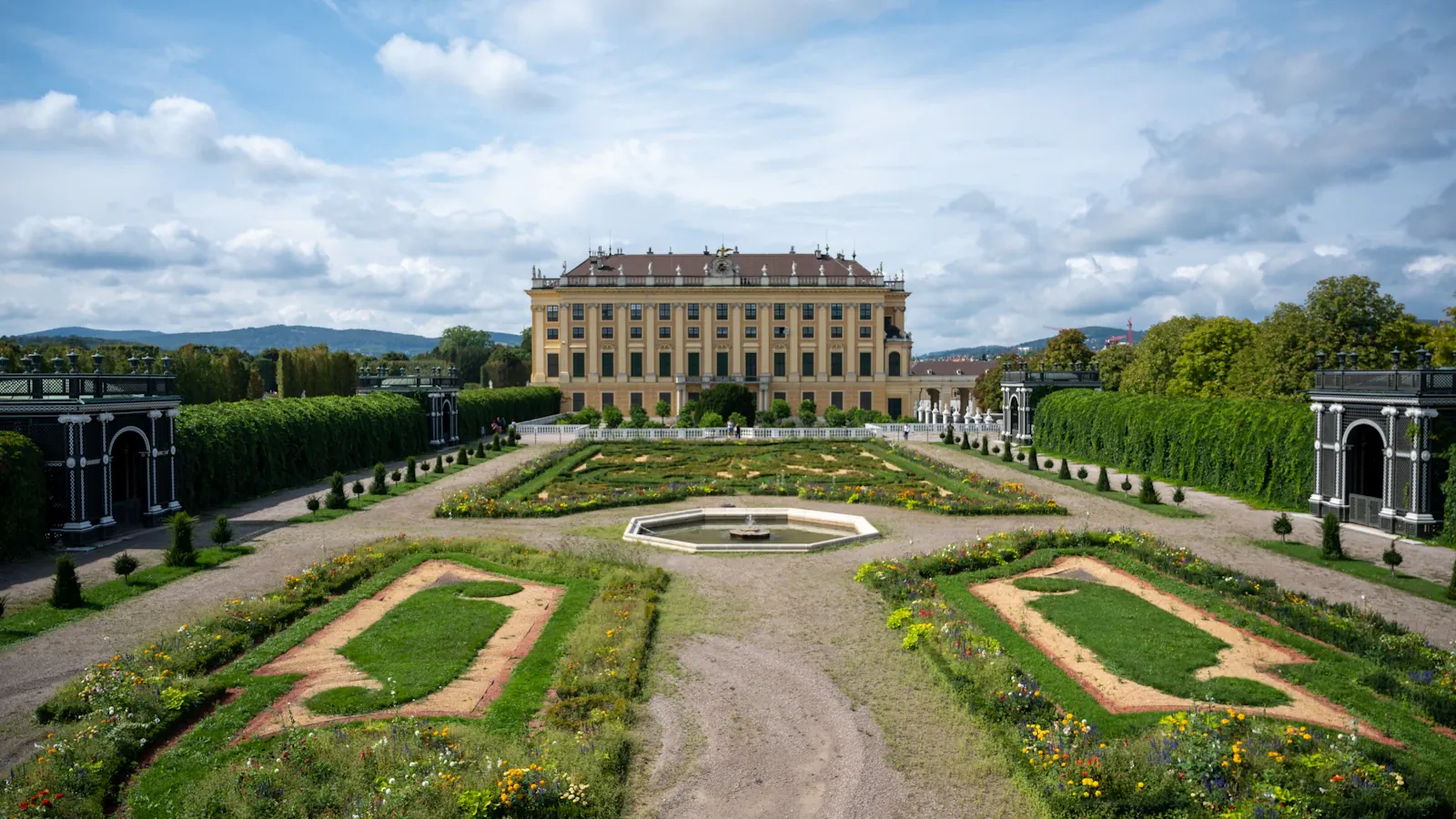
 Schönbrunn Palace represents Habsburg grandeur at its finest.
Planning a longer trip? Check out our extended Vienna itinerary covering 7-9 days of in-depth exploration. Use our PTO optimizer to find the best days to take off around your trip dates.
Why Vienna Is a Must-Visit Destination in 2026
Imperial Legacy
The Habsburg Empire's 600-year legacy left Vienna with extraordinary palaces, museums, and cultural institutions. This was Europe's power center for centuries, and the grandeur remains.
Classical Music Capital
Mozart, Beethoven, Brahms, Schubert, Strauss—Vienna shaped classical music history. The city offers world-class performances nightly in stunning historic venues.
2026 Special Events
2026 marks Mozart's 270th birthday with special concerts throughout the city. The Musikverein, Vienna State Opera, and Burgtheater have anniversary programs worth planning around.
Planning Your Trip Essentials
Use the Holiday Optimizer to find the best days to book off around public holidays for your Vienna trip.
Best Time to Visit
April through June and September through October offer ideal weather and cultural seasons. Winter (November-March) is cold but magical—Christmas markets, ball season, and the opera season in full swing. July-August sees many locals on vacation.
Transportation Basics
The historic center (Innere Stadt) is entirely walkable. The U-Bahn (metro), trams, and buses are efficient for reaching palaces and outer neighborhoods.
2026 Update: Vienna has discontinued 48-hour and 72-hour transport tickets. For 3-4 day visits, the 7-Day Ticket (€25-29) offers the best value. For 1-2 days, use 24-hour tickets (€10 each).
Accommodation Choices
- Innere Stadt (1st District): Historic center, walking distance to everything, premium prices.
- Leopoldstadt (2nd District): Near Prater, good value, easy transit.
- Neubau/Mariahilf (7th/6th): Trendy, restaurants, local atmosphere.
- Wieden (4th District): Near Belvedere, quieter, good transit.
Travel Costs and Budgeting
To maximize your days off without extra PTO, use the free Holiday Optimizer to find bridge days around public holidays for your Vienna trip.
Daily Budget Breakdown
Vienna is a mid-to-high-cost European capital, but strategic choices keep expenses manageable. Daily ranges in euros:
- Accommodation: €90-180 per night (hostels from €30, boutique hotels €120-180)
- Food and drink: €35-70 (cafes €8-15, restaurant lunch €12-18, dinner €20-40)
- Activities and admissions: €15-40 (most museums €12-18, Schonbrunn €22-29)
- Transport: €8-15 (24-hour ticket €10, or 7-day ticket €25-29 split across days)
- Daily total: €150-305 mid-range
A four-day Vienna trip typically costs €600-1,220 for a mid-range traveler, excluding flights.
Cost-Saving Tips
- Vienna City Card vs single tickets: The Vienna City Card (€17 for 24 hours) includes transit plus museum discounts. Compare against individual admissions before buying—it only pays off with 3+ paid attractions per day.
- Standing room at the opera: Tickets at the Vienna State Opera start at €4-15 for standing room with the same acoustics as €150 seats. Arrive 80 minutes before curtain.
- Lunch specials: Many restaurants offer Mittagsmenu (lunch set menus) for €10-14—same kitchen, smaller portions, half the dinner price.
- Free attractions: Palace gardens, Donaukanal walks, Rathaus Park, churches, and the Naschmarkt browsing cost nothing.
- Heurige over restaurants: A full evening at a wine tavern costs €25-35 including multiple glasses and buffet food.
- Tap water: Vienna's alpine tap water is excellent. Refill a bottle instead of buying €3-4 mineral water.
Food and Dining Typical Costs
- Wiener Schnitzel: €14-22 at a traditional Beisl
- Coffee and cake at a classic cafe: €8-14 (Melange €4-5, Sachertorte slice €6-8)
- Wurstelstand sausage: €4-6
- Heuriger wine (quarter liter): €3-5
- Apfelstrudel: €5-8
- Beer (half liter): €4-6 at a pub, €5-8 at a restaurant
Day 1: Imperial Vienna
Morning: Hofburg Palace
Start at the Hofburg, the Habsburg's winter residence—a sprawling complex that housed emperors for 600 years. Essential sites:
- Imperial Apartments: Franz Joseph and Sisi's private rooms
- Sisi Museum: Devoted to Empress Elisabeth's fascinating, tragic life
- Imperial Silver Collection: Table settings that define excess
Allow 2-3 hours. Audio guides are worthwhile.
Midday: Stephansdom and Old Town
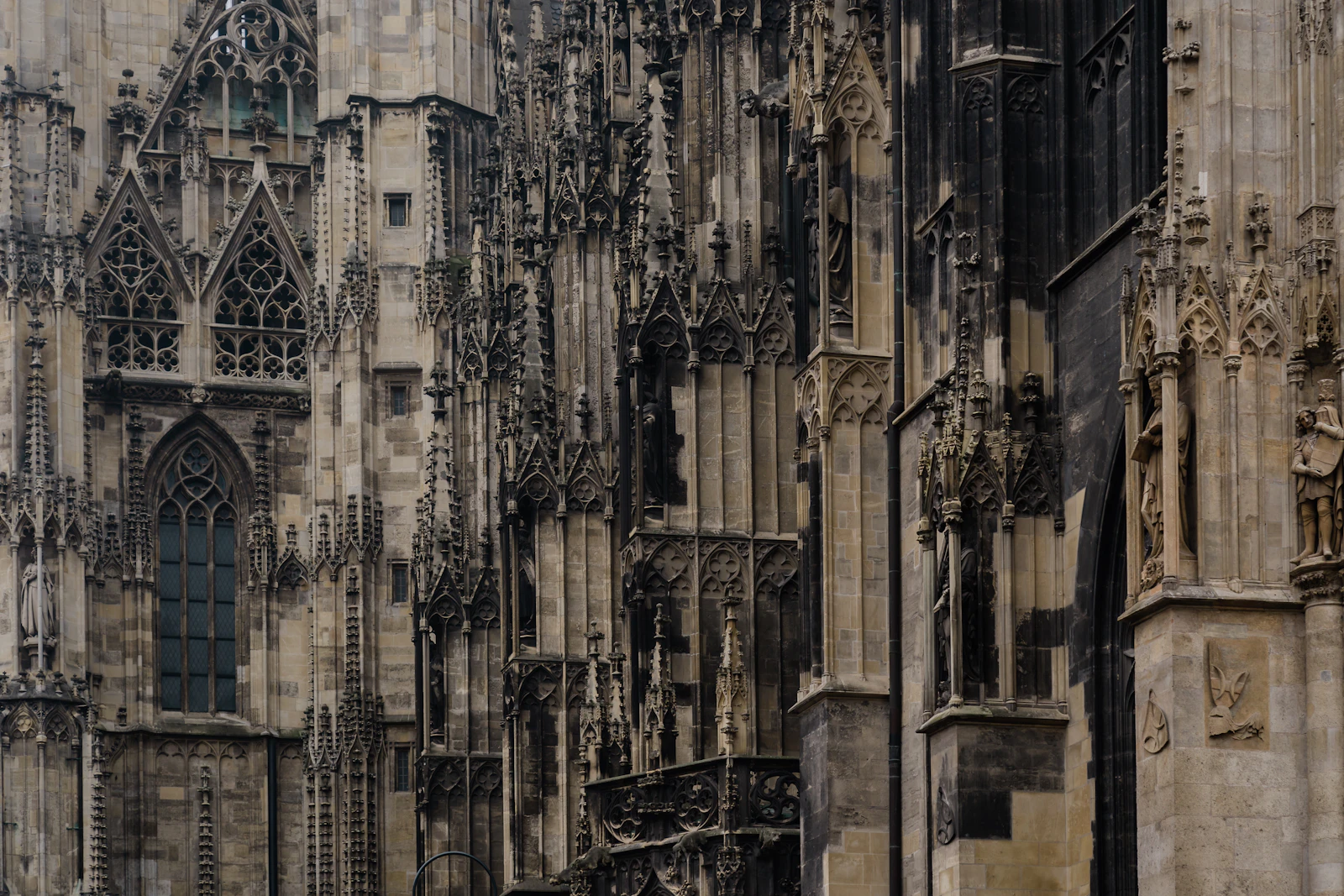
Walk to Stephansdom (St. Stephen's Cathedral)—Vienna's Gothic heart. Climb the south tower (343 steps) for city views, or take the elevator to the north tower. The interior's baroque altars contrast with the medieval exterior.
Wander the pedestrian streets around Graben and Kohlmarkt—elegant shopping, historic buildings, and people-watching.
Afternoon: Ringstrasse Architecture
Stroll the Ringstrasse—the grand boulevard built when medieval walls were demolished in the 1860s. Key buildings:
- Vienna State Opera: Neo-Renaissance masterpiece
- Parliament: Greek revival
- Rathaus (City Hall): Gothic Revival
- Burgtheater: One of Europe's most important theaters
Evening: Vienna State Opera
Experience the Vienna State Opera—either a full performance (book months ahead for popular shows) or a guided tour (daily, check schedules). Standing room tickets are affordable and available day-of.
Day 2: Schönbrunn and Belvedere
Morning: Schönbrunn Palace
 Vienna's coffeehouses are UNESCO-recognized cultural institutions.
Arrive early at Schönbrunn Palace—Austria's most visited attraction. Book timed tickets online in advance. The Grand Tour covers 40 rooms and takes 90 minutes.
After the interior, explore:
- Palace gardens: Free, formal French design
- Gloriette: Hilltop arcade with views
- Privy Garden: Hidden behind the palace
- Tiergarten: World's oldest zoo (optional)
Afternoon: Belvedere Palace
Visit Belvedere Palace—actually two palaces with gardens between. The Upper Belvedere houses Austria's most famous painting: Klimt's "The Kiss." The collection spans medieval to modern Austrian art.
The gardens offer iconic views of Vienna's skyline with the palace in the foreground.
Evening: Traditional Dinner
Experience Viennese cuisine:
- Wiener Schnitzel: The definitive dish—pounded veal, breaded, fried
- Tafelspitz: Boiled beef, Franz Joseph's favorite
- Gulasch: Austrian version of Hungarian classic
Figlmüller is famous for schnitzel; Plachutta for Tafelspitz.
Traditional Viennese restaurants (Beisl) serve substantial portions. Lunch is often the better value with prix-fixe menus.
Day 3: Art and Coffeehouse Culture
Morning: Kunsthistorisches Museum
The Kunsthistorisches Museum (Art History Museum) rivals the Louvre and Prado. Habsburg collecting over centuries assembled:
- Bruegel's peasant scenes (world's finest collection)
- Vermeer, Rubens, Raphael, Caravaggio
- Egyptian and Greek antiquities
- Kunstkammer of curiosities
Allow 3-4 hours minimum. The building itself is a masterpiece.
Midday: Coffeehouse Culture
Vienna's coffeehouse culture is UNESCO-recognized. These are living rooms, offices, and social clubs—not quick coffee stops. Order, sit for hours, read newspapers on wooden holders.
Essential coffeehouses:
- Café Central: Grand, historic, Trotsky played chess here
- Café Sacher: Home of the original Sacher Torte
- Café Sperl: Authentic, less touristy
- Café Hawelka: Bohemian, artistic
Order properly: Melange (similar to cappuccino), Einspänner (espresso with whipped cream), or Wiener Eiskaffee (iced coffee with ice cream).
Afternoon: MuseumsQuartier
Explore the MuseumsQuartier—one of the world's largest cultural complexes:
- Leopold Museum: Schiele and Klimt
- MUMOK: Modern art
- Kunsthalle: Contemporary exhibitions
The courtyard is a gathering spot for locals.
Evening: Classical Music
Vienna offers classical performances nightly:
- Musikverein: World's finest acoustics, Vienna Philharmonic's home
- Konzerthaus: Excellent concerts, varied programming
- Kursalon: Tourist-friendly Mozart and Strauss concerts
- Churches: Organ recitals and chamber music
Book the Musikverein's Golden Hall for the definitive Vienna music experience.
Day 4: Local Vienna and Departure
Morning: Naschmarkt
Explore the Naschmarkt—Vienna's most famous market. Stalls selling produce, cheese, spices, and prepared foods stretch for blocks. Saturday adds a flea market. Breakfast at a market café.
Midday: Lesser-Known Vienna
Discover Vienna beyond the tourist core:
- Prater: The giant Ferris wheel (Riesenrad), amusement park, and vast green space
- Hundertwasserhaus: Friedensreich Hundertwasser's colorful, irregular apartment building
- Zentralfriedhof: Vienna's famous cemetery with Beethoven, Brahms, Schubert
Afternoon: Final Experiences
- Return to favorite coffeehouses
- Last pastry at a konditorei
- Shopping along Mariahilfer Strasse
Airport Notes
Vienna International Airport (VIE) is 30 minutes from the center by City Airport Train (CAT) or 45 minutes by S-Bahn (cheaper). Taxis are straightforward.
Eat, Drink, and Savor
Classic Dishes
- Wiener Schnitzel: Veal, pounded thin, breaded, fried in butter
- Tafelspitz: Boiled beef with apple horseradish
- Kaiserschmarrn: Shredded pancake with fruit compote
- Apfelstrudel: Apple strudel with vanilla sauce
- Sacher Torte: Chocolate cake with apricot jam
Heuriger Wine Taverns
Vienna is the only capital with significant vineyards within city limits. Heurige are wine taverns serving new wine (heuriger) with buffet food. The wine districts (Grinzing, Nussdorf, Stammersdorf) are essential for extended visits.
Cultural Experiences Not to Miss
Coffeehouse Culture (Kaffeehaus)
This is one of Vienna's signature experiences and gives you a window into local life that you will not find at the major tourist sites. Take your time and let it unfold naturally.
Classical Music Performances
Another essential Vienna experience that adds depth to your visit. It is the kind of thing that turns a good trip into a memorable one.
Palace and Garden Strolls
A quieter but rewarding part of visiting Vienna. It connects you to the daily rhythm of the city and gives you stories to take home.
If you have extra days, consider combining your Vienna trip with Prague, Budapest, and Milan — all easy to reach and covered in our PTO-optimized travel guides.
Quick Takeaways
- Book Schönbrunn tickets online—arrive early to beat crowds.
- Standing room opera tickets are affordable and authentic.
- Coffeehouse culture means lingering—don't rush.
- The 7-Day transport ticket is best value for 3-4 day visits in 2026.
- April-June and September-October offer ideal conditions.
- Budget €120-180/day for comfortable mid-range travel.
- Use the Holiday Optimizer PTO calendar to plan which days to take off for your Vienna trip.
Conclusion
Four days in Vienna captures the city's imperial elegance—Habsburg palaces and world-class museums, coffeehouse culture and classical music, traditional cuisine and Austrian wine. This guide provides structure for experiencing Vienna's refined pleasures while leaving room for spontaneous discoveries. You'll leave cultured, caffeinated, and already planning your return.
Ready to maximize your time off?
Find the best Vienna travel windows
Frequently Asked Questions
-
Is 4 days enough in Vienna? Yes. Four days covers the essential landmarks, key neighborhoods, and local food experiences at a comfortable pace.
-
What is the best time to visit Vienna? Spring and fall offer the best balance of weather and crowd levels. Check local holidays and festivals that may affect your plans.
-
Do I need to book attractions in advance? For major museums and popular sites, advance booking is strongly recommended, especially during peak season.
-
How much should I budget per day? A mid-range daily budget (excluding accommodation) typically ranges from moderate to comfortable depending on dining choices and activities.
-
Is Vienna walkable? The central areas are very walkable. Public transit fills the gaps for longer distances.
Share Your Thoughts
Did this guide help you plan your Vienna long weekend? Share it with friends and tell us which part of Vienna you are most excited to explore.