Lisbon in 4 Days: Long Weekend Itinerary & PTO Planner for 2026
Plan a Lisbon city break with Belem Tower visits, Alfama tram rides, Time Out Market dining, Sintra day trip planning, and practical pastel de nata tips for 2026.

Introduction
Lisbon is compact, hilly, and full of small moments that feel cinematic. Four days is enough to see the oldest neighborhoods, the riverfront monuments, and one classic day trip without rushing. This Lisbon 4-day itinerary keeps each day walkable, balances viewpoints with street level life, and leaves room for long meals and slow afternoons. Use this guide to plan your four-day trip.
You will spend time in Alfama and Baixa, dedicate a day to Belem, and choose either a Sintra escape or a deeper Lisbon neighborhood loop. The pace is built for first timers who want the icons and for return visitors who want a more relaxed rhythm. By the end, you will feel the city's texture rather than just its highlights.
Expect steep streets, bright light off the river, and the hum of trams climbing through narrow lanes. The plan leans on early mornings, shaded afternoons, and slow evenings so you can enjoy Lisbon without feeling rushed. If you like food and viewpoints, this weekend will feel full in the best way.
Planning a longer trip? Check out our extended Lisbon itinerary covering 7-9 days of in-depth exploration. Use our PTO optimizer to find the best days to take off around your trip dates.
Why Lisbon Is a Must-Visit Destination in 2026
Europe's Sunniest Capital with Old-World Charm
Lisbon stands out among European destinations for its unique combination of history, culture, and modern energy. Whether you are visiting for the first time or returning for a deeper look, 2026 is an excellent year to experience what makes this city special.
A City of Hills, Tiles, and Fado Music
What sets Lisbon apart is the way daily life and cultural depth coexist. You will find world-class landmarks alongside neighborhood rhythms that reward slowing down and paying attention.
Planning Your Trip Essentials
Lisbon is best when you group by neighborhood and accept the hills. Day 1 stays in the historic core with Alfama and the castle viewpoints. Day 2 moves west to Belem and the waterfront. Day 3 is your escape day, ideally to Sintra, but the plan includes a Lisbon alternative if you prefer to stay in the city. Day 4 is a slow finish in the central neighborhoods with a mix of shopping, markets, and one last viewpoint.
Each day has one anchor and one flexible add on. This keeps the itinerary realistic when the hills or heat slow you down. It also prevents the common Lisbon mistake of zigzagging across the city. The Lisbon itinerary 4 days model is meant to reduce backtracking and increase time on foot in the areas that feel most alive.
A helpful lens is to treat viewpoints as mood anchors, not just photo stops. Use a miradouro to pause, have a coffee, and decide your next move. That slower decision making improves the entire day. Lisbon is more about pace than productivity, and this plan respects that.
Use the Holiday Optimizer to find the best days to book off around public holidays for your Lisbon trip.
Logistics for a Lisbon Long Weekend
Lisbon is pleasant most of the year, but spring and fall are the sweet spot for walking. April to June and September to October offer mild temperatures and long evenings without peak crowds. Summer is lively but hot, so plan early starts and longer midday breaks if you visit then. Winter is quieter and still walkable, though you will want a light rain layer.
Pick a base that matches your energy. Baixa and Chiado are central and flat, which makes them easy for first timers. Alfama is atmospheric but steep. Principe Real and Bairro Alto are great for food and nightlife, but they are uphill. If you want quick access to trains for Sintra and the coast, stay near Rossio or Cais do Sodre.
Transport is simple once you embrace the hills. The metro covers longer hops, trams are scenic but slow, and ride apps help when you are tired. Tram 28 is iconic, but it is crowded, so ride early or skip it and walk the route instead. For a long weekend, a mix of walking and short transit rides is the most efficient approach.
Pack comfortable shoes and plan on slower days than the map suggests. The hills add time, and the best parts of Lisbon happen when you let the streets pull you in. A small day bag with water and a light jacket will make the climbs feel much easier.
If you plan to visit several paid sites, a city pass can be useful, but many travelers do fine with individual tickets and a reloadable transit card. Keep your bag close on busy trams and in tourist squares. A short ride from the airport to the center is easy by metro, and it sets the tone for a relaxed weekend.
Give yourself ten extra minutes for any uphill route so the schedule never feels tight.
Day 1: Alfama, Castle Views, and the Old City
Start in Alfama while the streets are quiet. Walk the narrow lanes, follow the sound of morning coffee, and let the neighborhood unfold without a strict plan. Make your way to Sao Jorge Castle for panoramic views and a sense of the city's layout. The castle grounds are wide and breezy, and they are best in the morning light.
After the castle, wander downhill toward the cathedral and the river. Small squares, tiled walls, and hidden staircases make this walk feel like a discovery rather than a route. Choose one miradouro for a break, such as Senhora do Monte or Graça, and stay long enough to feel the rhythm.
If you want a short landmark stop, the cathedral is an easy add on and keeps you within the neighborhood. You can also ride a short stretch of Tram 28 here, but keep it brief and step off if it gets crowded. The best views are often just around the next corner.
For lunch, pick a small local spot in Alfama or nearby Mouraria. Keep the afternoon light with a short museum visit or a return to the riverfront. If you want a simple anchor, the Fado Museum is compact and easy to fit in.
Evening is best spent back in Alfama for a relaxed dinner and, if you want, a short fado experience. The key insight on Day 1 is to slow down early. If you treat Alfama like a checklist, it feels crowded. If you treat it like a walk, it feels timeless.
If you want fado, arrive early or reserve a table so the evening feels calm.
 Alfama's red rooftops and tangled streets are best seen from a miradouro.
Day 2: Belem and the Riverfront
Day 2 moves west to Belem, the neighborhood tied to Portugals maritime history. Start with Jeronimos Monastery in the morning to avoid long lines and midday heat. The cloisters are the highlight, so give yourself time to move slowly through them.
From the monastery, walk toward the river and stop for a pastel de nata at the original bakery. The line is part of the experience, but it moves quickly. Continue to the Belem Tower and the Monument to the Discoveries. The waterfront path is flat and easy, and the views across the Tagus feel wide and open.
If you want a quick scenic ride, Tram 15 connects the center to Belem and is a simple way to save your legs. The gardens along the river are a good place for a short pause, especially if the afternoon gets warm.
After lunch, choose either MAAT for modern art and architecture or a relaxed riverside walk toward LX Factory. LX Factory is ideal for a late afternoon coffee and a slow browse through small shops. Keep the day focused on the waterfront so you avoid unnecessary transit.
The insight for Day 2 is to treat Belem as a half day of history and a half day of river air. The monuments matter, but the waterfront is what makes the day feel light and spacious.
If you have extra energy, walk a short stretch of the riverside path beyond Belem for a quieter view and fewer crowds.
A quick stop in the gardens by the river is a simple way to slow the pace.
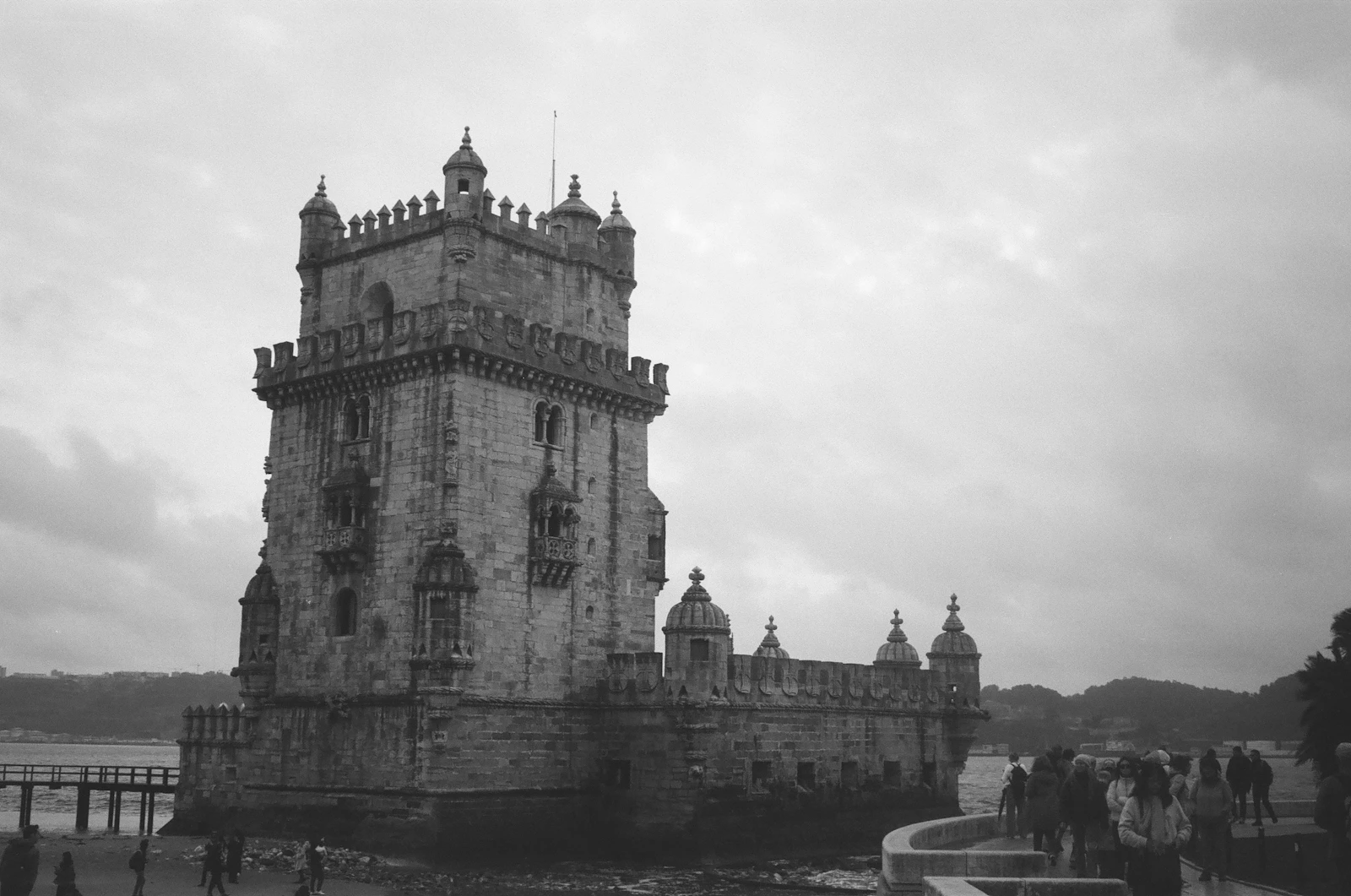 Belém's riverfront monuments stand where Portuguese explorers once set sail.
Day 3: Sintra Day Trip or Lisbon Neighborhood Loop
If you want the classic day trip, take the train to Sintra. Start early to maximize the day and choose two main sites rather than trying to see everything. Pena Palace and Quinta da Regaleira are a strong pair if you like architecture and gardens. Keep lunch simple and expect some uphill walking. The town center is small, so you can finish with a short stroll before returning to Lisbon.
Plan on a local bus or a short taxi ride to reach the palaces once you arrive. The lines build fast, so an early start makes the day feel easier. If the weather is misty, the gardens can be a quieter alternative to long palace queues.
If you prefer to stay in the city, use Day 3 for a neighborhood loop. Start in Principe Real for a calmer morning and a garden break, then walk to Bairro Alto and Chiado for shops and cafes. Continue to Cais do Sodre for a riverside lunch and a relaxed afternoon. This alternative gives you a local feel without a long transit day.
Either way, keep the evening light. A long day trip or a full neighborhood walk can be tiring, so choose a casual dinner near your base and end with a short stroll rather than another major activity.
Pack a light layer for Sintra, as the hills can feel cooler than Lisbon even on sunny days.
The insight for Day 3 is to choose depth over coverage. Two strong stops in Sintra or two neighborhoods in Lisbon will feel more satisfying than a rushed tour of everything.
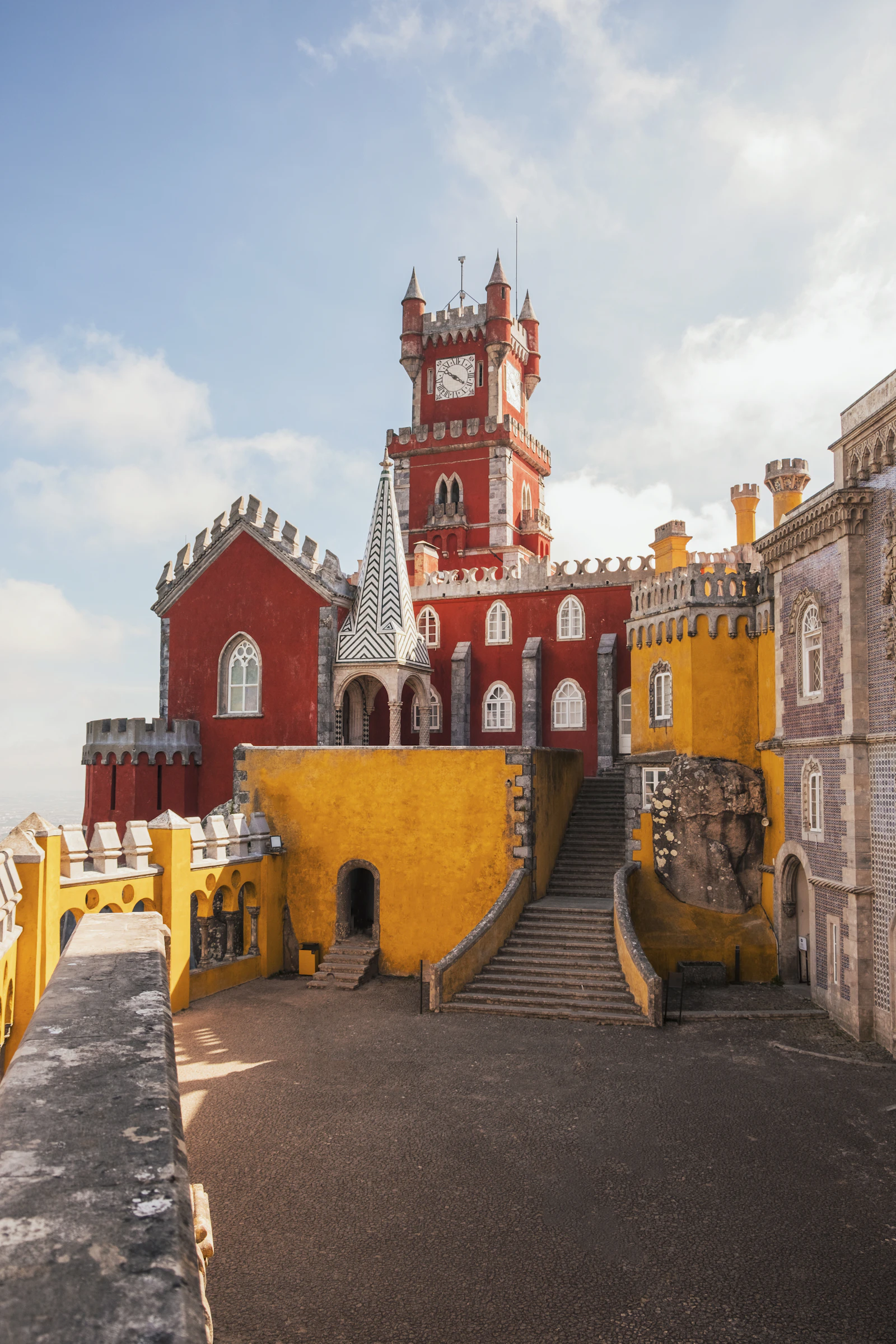 Sintra's hilltop palaces justify the half-hour train ride from Lisbon.
Day 4: Chiado, Markets, and a Slow Finish
The final day is for the central neighborhoods you may have only skimmed. Start in Chiado with a slow coffee and a walk through the bookshops and small boutiques. From there, head toward Baixa for a flatter stroll and a look at the grand plazas and riverfront promenade.
If you want a market stop, Time Out Market or a smaller neighborhood market can be a good lunch anchor. Keep the food choices simple and avoid long lines by going early. After lunch, pick one last viewpoint for a calm pause. Miradouro de Sao Pedro de Alcantara or the nearby garden terraces are easy to reach.
If you want one museum, choose a compact option like the National Tile Museum or a small contemporary gallery and keep the visit short. The goal is to stay light and close to the center so the afternoon feels gentle.
Use the afternoon for light shopping or a museum that you skipped earlier. If you want a final neighborhood feel, walk through Bica or into the small streets around Rua Augusta. The goal is to stay close to the center and keep the pace gentle.
The final day works best when it is unhurried. Instead of chasing another big sight, use the time to absorb the city. A slow coffee, a river walk, and a last look at the rooftops make the ending feel complete.
If you like bookstores and design shops, Chiado is the easiest place to browse without extra transit.
A short ride on a funicular or a final tram hop can be a fun farewell.
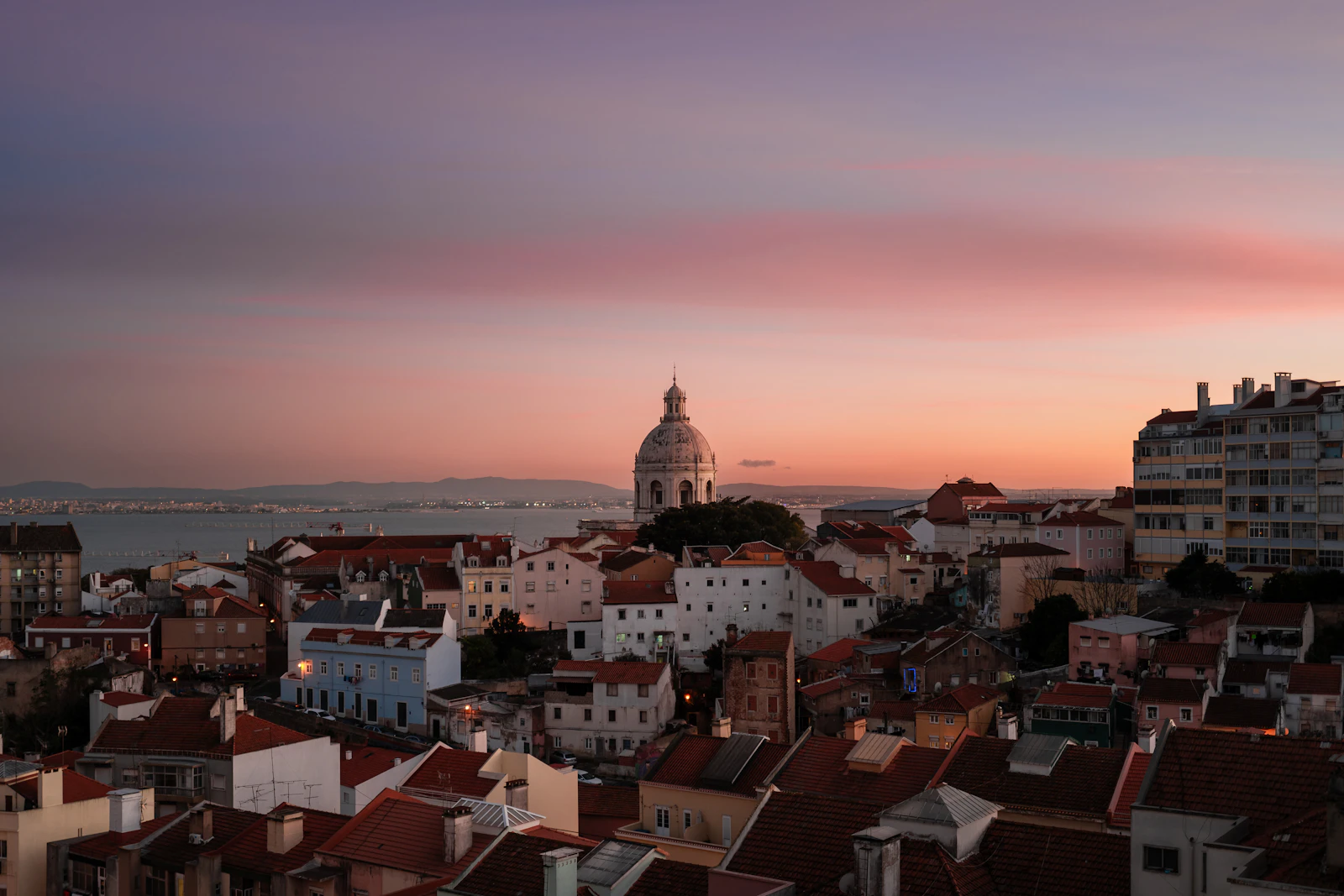 A miradouro sunset is the cheapest and best entertainment in Lisbon.
Eat, Drink, and Linger in Lisbon
Lisbon food is simple, seafood driven, and best enjoyed slowly. Start with a light breakfast and plan a longer lunch, since many restaurants offer good value midday menus. Bacalhau dishes, grilled sardines in season, and simple seafood rice are classic options.
For snacks, pastel de nata is essential, but do not overlook the small bakeries that sell them fresh and warm. Coffee is quick and inexpensive, and a mid afternoon cafe stop is the perfect way to reset after a hill climb.
If you want local street food, try a bifana sandwich or a simple plate of grilled sardines in season. A small glass of ginjinha is a classic Lisbon treat, and vinho verde pairs well with seafood.
Dinner can be casual. Look for a neighborhood tasca or a small wine bar in Bairro Alto or Principe Real. If you want a special meal, choose one seafood focused dinner near the river and keep the rest of your meals simple. The city rewards a relaxed table rather than a packed food itinerary.
A useful pattern is one restaurant reservation and the rest as walk ins. That keeps the weekend flexible and lets you follow the neighborhood vibe rather than a strict schedule.
A useful rhythm is to make lunch your main meal and keep dinner lighter, especially after long walking days. That pacing keeps your energy steady and gives you room for a late evening stroll without feeling weighed down.
Breakfast can be as simple as espresso and a pastry, but a full breakfast spread is worth trying once if you have a lighter morning.
If you want a late night snack, look for small bakeries or kiosks near the main squares. They are easy stops after dinner and keep the evening relaxed.
Octopus and seafood stew are great options if you want something richer.
Cultural Experiences Not to Miss
Fado and Evening Culture
Lisbon is older than Rome by about 400 years, making it one of the oldest cities in Western Europe.
Fado—Portuguese soul music—is Lisbon's emotional soundtrack. Performances happen in small clubs (casas de fado) in Alfama and Bairro Alto. The songs are melancholic, the setting intimate. No need to understand the words; the feeling translates. One fado evening is a must. Keep it simple: a drink, the music, and the mood.
Markets and Local Shopping
Mercado da Ribeira (Time Out Market) offers curated food stalls; for local life, try Feira da Ladra (flea market on Tuesday and Saturday). Príncipe Real has design shops and a Sunday market. LX Factory combines industrial space with boutiques and cafés. Lisbon rewards browsing—let curiosity guide you.
Miradouro Culture
Lisbon's viewpoints (miradouros) are social spaces. Sunset at Miradouro da Graça or Miradouro da Senhora do Monte draws locals and visitors alike. Bring a drink, find a spot, and watch the light change over the city. The miradouros are free, atmospheric, and essential to understanding how Lisbon lives.
Practical Tips for Travelers
Language
Portuguese is the official language. English is widely spoken in tourist areas. A few basics—olá (hello), obrigado/obrigada (thank you), por favor (please)—are appreciated. Portuguese differs from Brazilian Portuguese in accent and some vocabulary, but your efforts will be understood.
Etiquette
Portuguese culture is warm but not effusive. Greet shopkeepers when entering. Tipping isn't required but rounding up or leaving 5-10% is appreciated. Dinner is late—9pm or later. In fado houses, silence during performances is expected. Dress is casual but neat.
Safety
Lisbon is very safe. Watch for pickpockets on Tram 28 and in crowded tourist areas like Alfama. The hills can be tiring—pace yourself and wear comfortable shoes. Some cobblestones are slippery when wet. The city is easy to navigate and welcoming.
Travel Costs and Budgeting
Lisbon is one of the better value capitals in Western Europe, but costs still add up. A modest daily budget might be $60 to $90 without accommodation. Mid range travelers often land around $100 to $150 with a few paid sites and better meals. Premium budgets rise with boutique hotels and private tours.
Book key attractions like Jeronimos Monastery or Sintra palaces in advance during busy months. For transport, a reloadable card and a mix of metro, tram, and walking is usually enough. If you plan to take multiple trams and metro rides, a day pass can save time and simplify the week.
Sintra costs add up with palace tickets and local transport, so set a small buffer for that day. If you skip Sintra, you can shift that budget to one special meal or a paid museum.
The best savings come from structure. One paid attraction per day is plenty, and viewpoints are free. Use public transport to avoid steep climbs, and choose one splurge meal rather than several. That keeps the weekend comfortable without feeling restricted.
If you are traveling in high season, lock in lodging early and choose a central base to reduce transit costs. A small daily buffer for coffee, snacks, and tram rides makes the plan feel easy.
Lisbon is walkable, but the hills can tempt you into rides, so plan for a few extra transit hops and you will stay on budget.
Many of the best viewpoints and plazas are free, so mix paid sites with slow walks to keep costs low.
If you skip a paid attraction, add a free museum or riverside walk instead and the weekend still feels full.
Many smaller museums are inexpensive, so one extra ticket can add variety without changing the budget much.
Set aside a few euros for viewpoint snacks and quick coffees.
If you have extra days, consider combining your Lisbon trip with Madrid and Barcelona — all easy to reach and covered in our PTO-optimized travel guides.
To maximize your days off without extra PTO, use the free Holiday Optimizer to find bridge days around public holidays for your Lisbon trip.
Quick Takeaways
- Keep Day 1 in Alfama with the castle and classic viewpoints.
- Use Day 2 for Belem and the riverfront monuments.
- Choose either a Sintra day trip or a Lisbon neighborhood loop for Day 3.
- End with Chiado, Baixa, and a slow final viewpoint.
- Use trams for hills and walk the flatter zones.
- Make lunch the main meal and keep evenings relaxed.
- Use the Holiday Optimizer PTO calendar to plan which days to take off for your Lisbon trip.
Conclusion
Lisbon rewards travelers who balance the must-see landmarks with slower neighborhood exploration. With four days and a clear daily rhythm, you can experience the city's cultural highlights while still leaving room for the spontaneous moments that make a trip memorable. Use this guide as your starting point, but stay open to detours—some of the best Lisbon moments happen when you wander off the planned route.
Ready to maximize your time off?
Find the best Lisbon travel windows
Frequently Asked Questions
Is four days enough for Lisbon?
Yes. Four days covers the historic core, Belem, and a Sintra day trip without rushing.
Is Sintra worth a day trip from Lisbon?
Yes. The palaces and gardens feel completely different from the city and make a memorable contrast.
Where should I stay in Lisbon for a long weekend?
Baixa and Chiado are central and flat. Alfama is atmospheric but steep. Principe Real is great for food and nightlife.
What is the best time to visit Lisbon?
Spring and fall offer the best walking weather and fewer crowds.
Do I need a transit pass?
A reloadable metro card is usually enough, but a day pass can be useful if you plan multiple rides.
References
- Visit Lisboa Official Tourism Website
- Jeronimos Monastery Official Site
- Belem Tower Official Site
- Parques de Sintra - Pena Palace
- Lisbon Travel Guide - Flow and Wander
Share Your Thoughts
If this Lisbon 4-day itinerary helped you plan, share it with a friend who loves hills, viewpoints, and long lunches. Which day sounds most like your travel style?