Barcelona in 7-9 Days: Extended Vacation Itinerary to Maximize PTO in 2026
Plan a week-long Barcelona adventure with Sagrada Familia and Park Guell visits, Gothic Quarter exploration, Montserrat day trips, and beachside dining tips for 2026.
Introduction
Barcelona is at its best when you slow down. With seven days, the city shifts from a highlight reel into a lived-in rhythm: early mornings in the old quarter, long lunches in the shade, and sunset walks that make the week feel longer than it is. This Barcelona 7-day itinerary is designed for travelers who want the iconic sights and the quieter, local texture that makes the city unforgettable. Use this guide to plan your extended trip.
You will see Gaudi's essentials, walk historic neighborhoods, and add one or two day trips without rushing. The plan uses a two-speed approach: focused mornings and flexible afternoons. It is structured enough to keep you organized, but open enough to let Barcelona surprise you.
Expect a week with early starts for the biggest sights and long afternoons for beaches, plazas, or a museum detour. That rhythm keeps the trip comfortable while still giving you a full view of the city.
Short on time? See our Barcelona 4-day itinerary for a focused long-weekend plan. Use our PTO optimizer to find the best days to take off around your trip dates.
Why Barcelona Is a Must-Visit Destination in 2026
Gaudí's Masterpieces and Architectural Wonder
Barcelona stands out among European destinations for its unique combination of history, culture, and modern energy. Whether you are visiting for the first time or returning for a deeper look, 2026 is an excellent year to experience what makes this city special.
Mediterranean Lifestyle at Its Best
What sets Barcelona apart is the way daily life and cultural depth coexist. You will find world-class landmarks alongside neighborhood rhythms that reward slowing down and paying attention.
Planning Your Trip Essentials
A week in Barcelona works best when you group days by neighborhood. The city is walkable, but bouncing across town wastes time and energy. This plan uses a zone-first structure so each day has a clear center of gravity: Eixample and Gaudi icons, Gothic Quarter and El Born, Gracia and Park Guell, and two flexible day trips.
Each day includes one anchor experience and one optional add-on. That keeps the pace sustainable and leaves room for long lunches, cafe breaks, and spontaneous detours. You will still see a lot, but you will not feel like you are racing through the city.
If you want more beach time, swap one cultural block for a coastal afternoon. If you want more architecture, add a second Gaudi site and shorten a day trip. The framework is flexible. The goal is to keep the week balanced and memorable instead of overstuffed.
Think of the week as a sequence of gentle arcs: a strong start, a slower middle, and a flexible finish. That rhythm keeps your energy steady and helps you enjoy the details that make Barcelona special.
If your schedule feels heavy, drop one museum and add a longer walk. The city itself is the best exhibit.
Use the Holiday Optimizer to find the best days to book off around public holidays for your Barcelona trip.
Getting Around and Logistics
Barcelona is comfortable most of the year, but the best stretch for a week-long visit is late spring or early fall. Those months deliver warm days, cooler evenings, and manageable crowds. Summer is lively but hot, so start early and protect your afternoons. Winter is mild and quieter, which is great for museums and long meals.
For a week, choose a base that matches your style. Eixample is central and well connected. El Born is historic and lively, but can be noisy at night. Gracia feels local and relaxed. If you want beach access, stay closer to Barceloneta but expect more nightlife. One base is enough for a week; you can reach most areas by metro in minutes.
Transport is simple. The metro is fast and reliable, buses work well for scenic routes, and walking is the best way to absorb the city. Buy a multi-ride card to simplify the week. Keep small bills for markets, and pack comfortable shoes for cobblestone streets.
Plan for the midday pause. Barcelona moves slowly in the afternoon, and a long lunch or a shaded break will keep your energy steady for evenings. That rhythm is what makes one week in Barcelona feel relaxed instead of rushed.
Pack a light layer for evenings, and keep a small bag for day trips so you are not carrying everything. The city is compact, but the cobblestones add up, so comfortable shoes matter.
If you want to feel local, choose one cafe or plaza and return to it a few times. Familiarity makes the city feel like home by midweek.
A stored-value transit card makes quick metro hops easy and keeps the week efficient.
If you want scenic routes, buses along the coast can be more pleasant than the metro. Keep your valuables close in crowded areas and use a small crossbody bag to stay hands-free while walking.
Day 1: Sagrada Familia + Eixample Walks
Begin with Barcelona's signature monument. Book a timed ticket for Sagrada Familia and arrive early to avoid crowds. Spend time inside with the light and the details; the interior is as important as the exterior. This is a big emotional moment, so do not rush it.
After your visit, walk through Eixample. This grid is full of elegant facades, cafes, and modernist architecture. Choose one or two Gaudi houses to see from the outside, then settle into a long lunch nearby. The rhythm of Day 1 is about absorbing the city, not checking boxes.
If you want a deeper Sagrada experience, add the museum below the basilica or choose one tower climb, but skip it if you are short on time or sensitive to heights. A short bakery stop or a shaded plaza break can make the afternoon feel smoother.
If you want an add-on, visit a nearby modernist site like Hospital Sant Pau, but keep it light. A short park break or a cafe stop can be just as satisfying. The goal is to end your first day with energy left for the week ahead.
End the evening with a simple tapas dinner near your base. Order a few plates, keep the pace slow, and let the city ease you in.
If you are jet-lagged, do a short grocery stop and keep dinner early. A calm night will make Day 2 feel better.
Consider a short evening stroll after dinner to reset your body clock and get your bearings.
Even a quick loop around your neighborhood will help you feel oriented for the week.
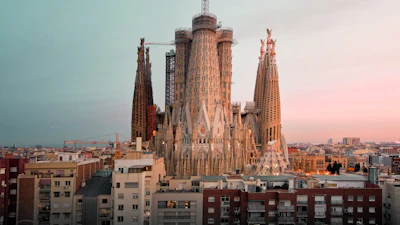
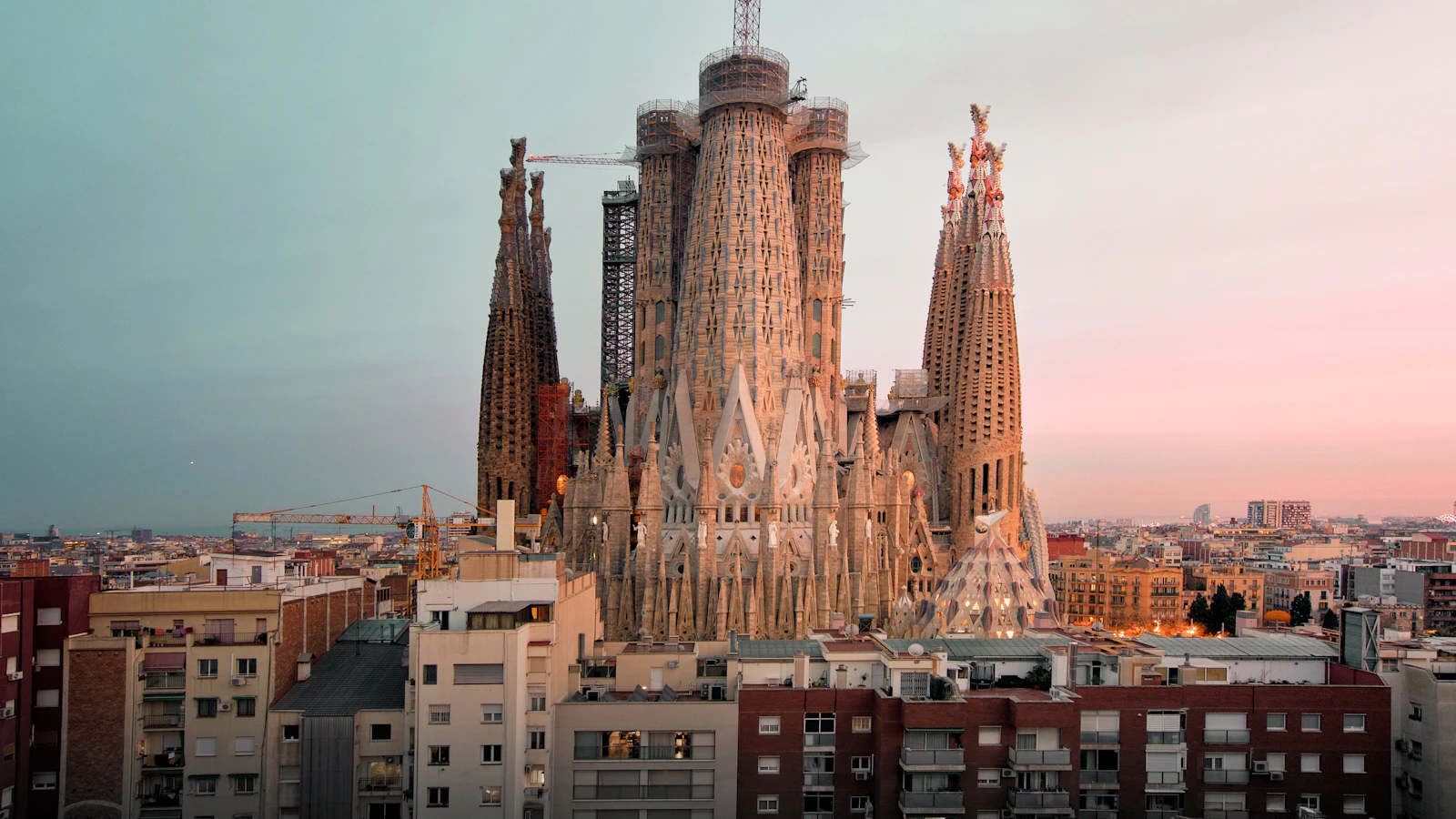
 The basilica sets the tone for a week of architecture.
Day 2: Gaudi Houses + Passeig de Gracia
Day 2 is your Gaudi house day. Start at Casa Batllo or Casa Mila and give yourself time inside. These buildings are best experienced slowly. The forms, light, and craft details are what make them special, and the audio guides add context.
Book your timed entry in advance and arrive early if you want quieter rooms. One strong visit is usually enough for the day, especially if you are also walking Passeig de Gracia in the heat.
After the first house, stroll Passeig de Gracia. This boulevard is an open-air museum of modernism, and the best way to enjoy it is at walking pace with a cafe stop. If you have energy, add a second Gaudi house, but do not force it. One strong visit is better than two rushed ones.
A short pastry stop or a shaded bench break can keep your afternoon smooth.
Use the afternoon for a relaxed neighborhood wander. Eixample is full of beautiful streets, and this is a great time to sit in a plaza and enjoy a long coffee. If you want a cultural stop, add a small museum or a short gallery visit.
End the day with a light dinner or a casual wine bar. You will have several more big days, so keep this evening easy and restorative.
If your feet need a break, spend the last hour in a nearby park and let the city slow down around you.
If you want a light souvenir stop, keep it to one shop and one purchase. Decision fatigue is real on busy sightseeing days.
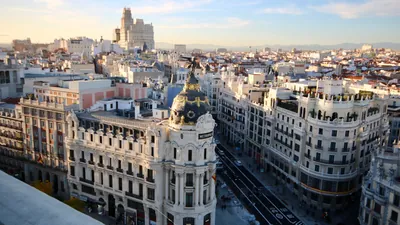
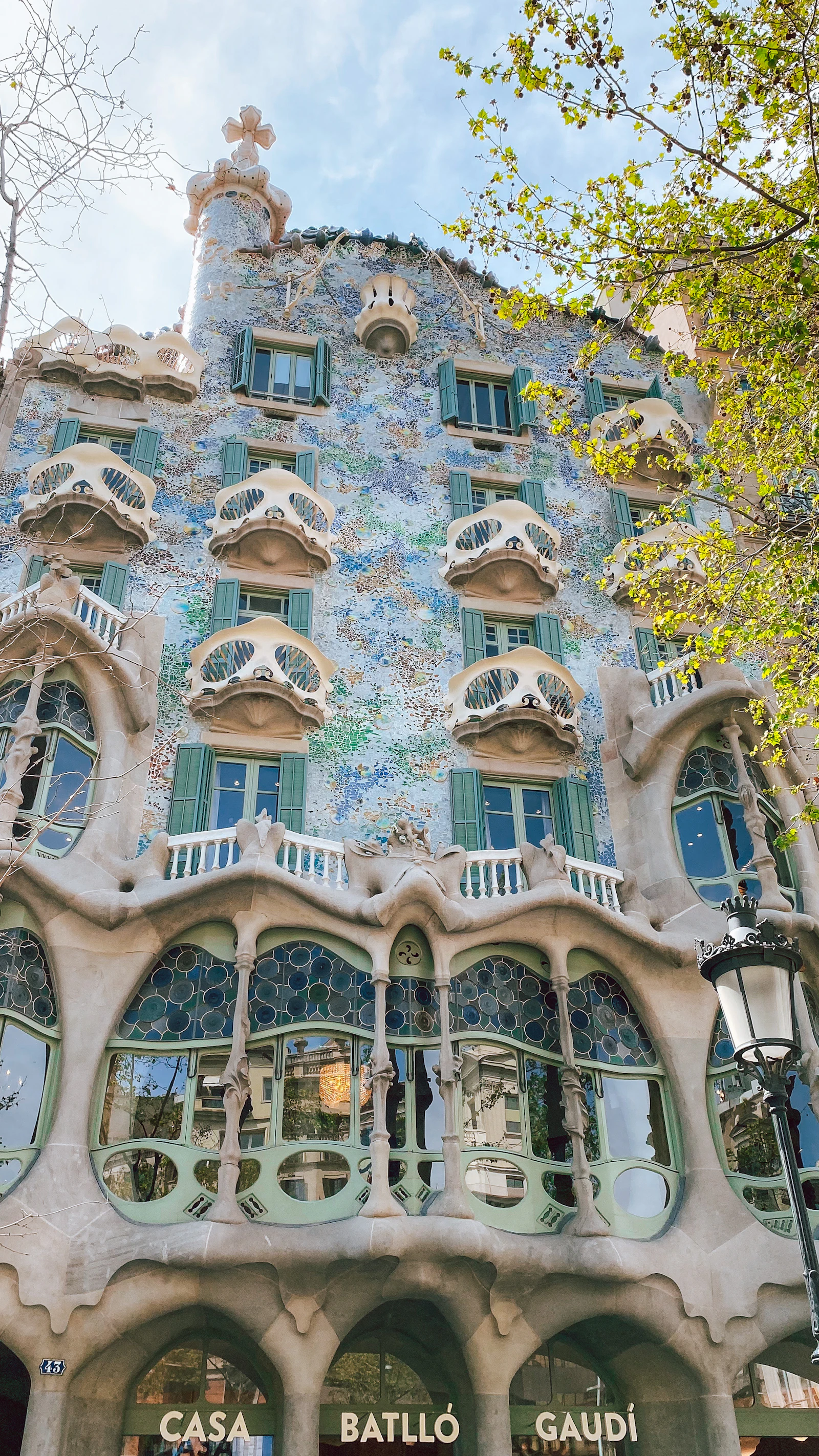 Modernist facades define the Eixample neighborhood.
Day 3: Gothic Quarter + El Born + Waterfront
Day 3 moves into the historic core. Begin with a slow walk in the Gothic Quarter. The stone lanes, small plazas, and hidden courtyards are the highlight here, so keep your pace relaxed. Pick one or two small stops and let the rest be wandering.
If you want a loose route, start near the cathedral and drift toward smaller plazas. The goal is atmosphere, not a checklist. Keep your phone tucked away in crowded lanes and move with the flow of the streets.
Move into El Born for lunch. This neighborhood is filled with cafes, markets, and a quieter energy than the main tourist routes. It is a perfect place for a long meal and a shaded break.
In the afternoon, head toward the waterfront. A walk along the marina or a short beach stop in Barceloneta gives you a Mediterranean reset. If you do not want the beach, choose a shaded promenade and a relaxed drink by the water.
Port Vell is a good compromise if you want sea air without committing to a full beach block. A short walk here can reset your energy for the evening.
As evening arrives, plan a tapas crawl or a casual dinner in El Born. Keep the night flexible, and let the neighborhood energy guide your choices. Day 3 should feel atmospheric rather than packed.
If you want a short market stop, go earlier in the day and keep it quick. The afternoon is better saved for the waterfront and a slower pace.
Stay aware in crowded lanes and keep your phone secure. The old city is beautiful, but it is also busy.
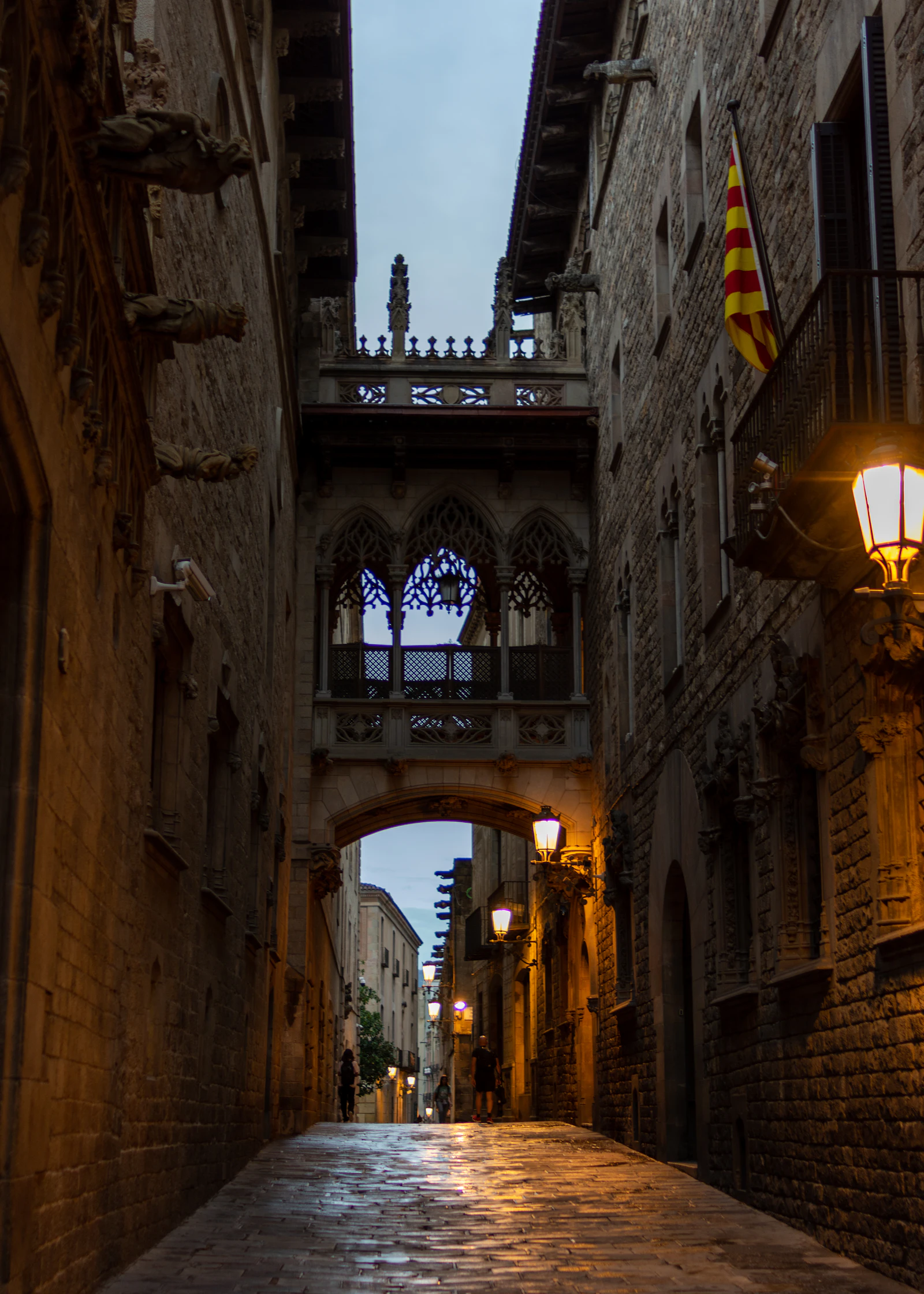 Narrow lanes and old stone define the historic center.
Day 4: Park Guell + Gracia + Hill Views
Day 4 takes you uphill. Start early at Park Guell to avoid crowds and heat. The park is part sculpture garden, part city overlook. Walk slowly, take photos, and find a quiet bench to absorb the views.
Book a timed entry for the main monument zone if you want the iconic mosaics. The outer paths are free and quieter, so you can mix both areas for a balanced visit.
After the park, head to Gracia. This neighborhood feels like a village inside the city. Choose one plaza, order lunch, and let the afternoon stretch. This is one of the best places to feel local Barcelona without trying too hard.
If you want more views, add a short hill walk or a lookout point in the late afternoon. Keep the rest of the day light so you can enjoy golden hour without rushing.
Bunkers del Carmel is a popular option for sunset views, but any single lookout will do. The key is to linger rather than rush between viewpoints.
End the evening with a casual dinner or a small wine bar. Day 4 is about rhythm and rest, which makes the rest of the week feel easier.
Gracia is best when you stay put. Pick one plaza, order something simple, and let the afternoon stretch out.
If you want a view without much walking, choose one lookout and linger rather than hopping between spots.
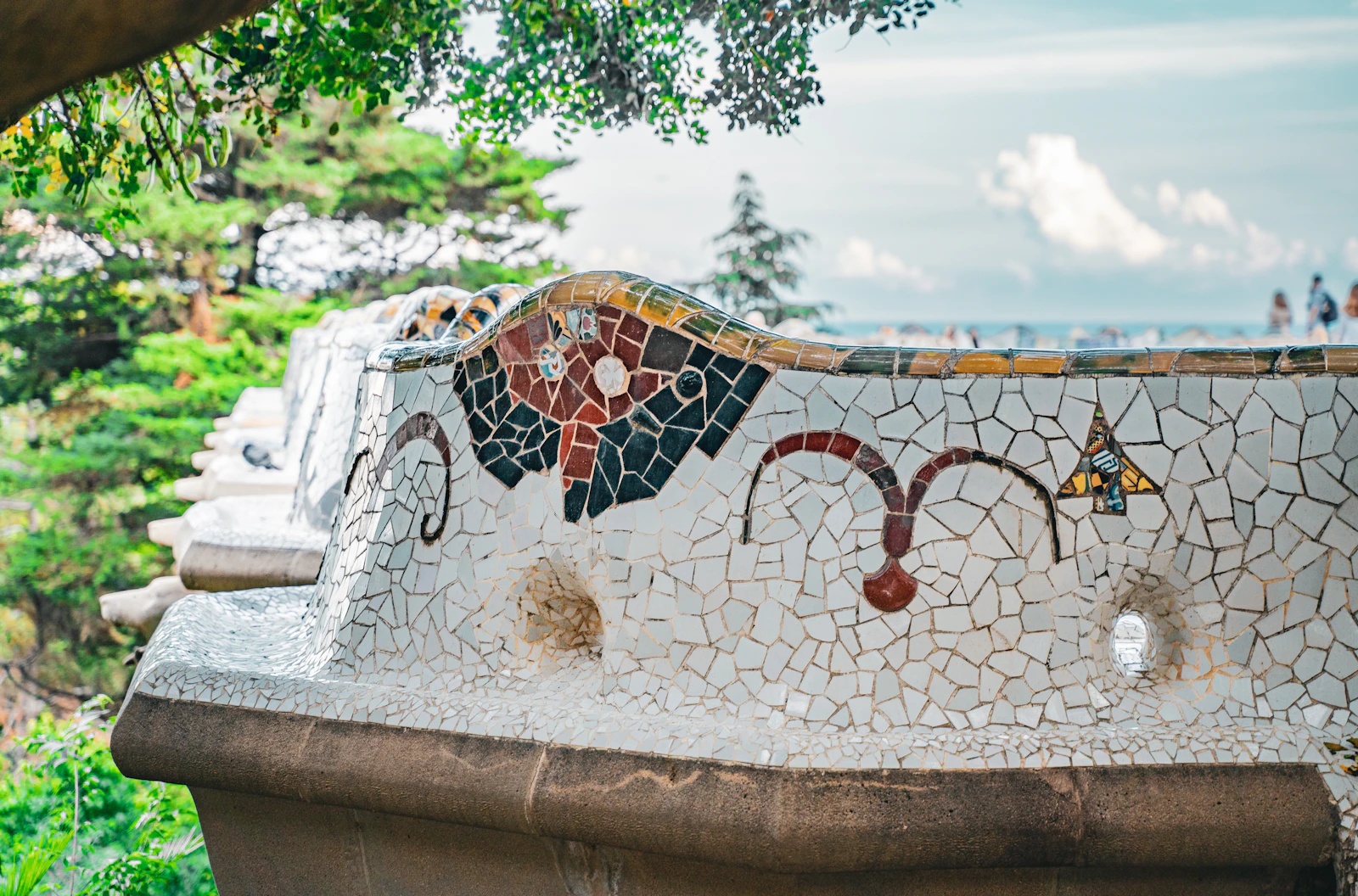 Gaudi mosaics and city views define the day.
Day 5: Montjuic + Museums or Beach Day
Day 5 is flexible and depends on your energy. If you want a scenic day, choose Montjuic. You can take the cable car for views, walk through gardens, and visit one museum. Keep the pace gentle and let the day breathe.
If you like art, the big museum on the hill is a strong anchor, and the gardens around it are perfect for a slow loop. If you prefer history, the castle area delivers dramatic views and a quieter feel. Choose one highlight and build the rest of the day around it.
If you want the beach instead, spend the morning at Barceloneta or a quieter stretch along the coast. Go early, keep it simple, and leave midday when the crowds build. A beach day can be a perfect reset before a day trip.
For a calmer shoreline, head a little farther to a quieter beach and keep the visit short. Bring a towel, water, and sunscreen, then swap the sand for a shaded lunch inland.
Either way, end the day with a long lunch and a slow evening. This is a good night for a simple dinner and an early rest.
If the weather shifts, pivot to museums or covered markets instead of forcing a beach day. A rainy afternoon can be perfect for galleries and a slow indoor meal.
Keep the day light so you have energy for the Montserrat trip tomorrow.
If you still have energy, take a gentle evening walk and call it a night. A lighter Day 5 will pay off on the longer day trip ahead.
If you want a simple dinner plan, choose a neighborhood close to your base and avoid long transfers. A quiet meal and early night are part of the strategy, not a compromise.
Even a short sunset stroll can reset your energy for the next day.
Day 6: Montserrat Day Trip
Day 6 is your classic day trip. Montserrat is the most iconic option: a mountain monastery with dramatic views and easy hiking. Start early and plan for a full day. Whether you take a train or a guided tour, the key is to move slowly once you arrive.
The train to the mountain is straightforward and gives you a calm view of the countryside. From the base, you can take a rack railway or cable car to the monastery area. Pick the option that feels easiest for your group, then focus on one or two highlights rather than trying to see everything.
Choose one main activity: a short hike, a monastery visit, or a scenic viewpoint. Do not try to do everything. The mountain atmosphere is the highlight, and it rewards a calm pace.
Return to the city in the late afternoon and keep the evening simple. A quiet dinner near your base is perfect after a long day outside the city.
Pack water and a light snack, and keep your plan focused. Montserrat is best when you move slowly and leave time to sit with the views.
If you want a short hike, choose a single trail and return to the monastery area for a late lunch.
If you are interested in the cultural side, add a short visit to the monastery spaces and then find a quiet bench outside to take in the landscape. The contrast between city and mountain is part of the magic.
Start early so you can avoid the busiest midday window. A slower morning and a quieter afternoon will make the day feel more reflective and less crowded.
Bring a light layer, as the mountain air can feel cooler than the city. A short loop walk is often enough to get the full experience.
Day 7: Flexible Day Trip or Slow City Day
Your final day is flexible. If you still want another day trip, consider a short Costa Brava outing or a half-day to Girona. If you have had enough travel, stay in the city for a slow day: brunch, a park walk, and a final museum or shopping stop.
For a coastal trip, choose one town and keep it simple. A single beach and a long lunch are enough to make the day feel special. For Girona, focus on the old town and one scenic walk, then return to Barcelona before dinner.
The best choice depends on your energy. If you are energized, go for a short excursion. If you are tired, keep everything close to your base and focus on comfort. A Barcelona itinerary 7 days plan should end with ease, not another marathon.
Use this day to revisit a favorite plaza or cafe. The last memory should feel calm and personal, not rushed. If you have a late flight, pack early and enjoy a final promenade.
If you still want a day trip, choose a half-day route and keep the rest of the day open. The final day should feel like a soft landing.
If you are staying in the city, a slow park walk and a long coffee can be the perfect goodbye.
Use this day to double-check your flight details, pack calmly, and leave space for a final sunset. A relaxed last night will make the whole week feel smoother in hindsight.
If you want one last local moment, visit a neighborhood market for a few snacks or small gifts. It is a gentle way to close the trip without adding another major attraction.
Keep the final evening light so you leave with energy rather than fatigue.
A simple neighborhood dinner is a perfect final note.
Eat, Drink, and Tapas Playbook
Barcelona rewards food curiosity. Start with light breakfasts, then build toward a longer lunch and a late dinner. Tapas are best when you share small plates rather than one big meal. Order slowly, move between bars, and keep room for surprises.
Mix classic dishes with modern spots. Try a simple seafood plate near the coast, a market snack in the old city, and one sit-down meal in Eixample or Gracia. This balance keeps the trip flavorful without overspending.
If you are sensitive to crowds, eat slightly earlier than the main rush. If you love atmosphere, go later and enjoy the buzz. Either way, plan one long meal where you do not check the time. It is part of the Barcelona rhythm.
Hydration matters, especially if you are walking all day. Carry water, pause in the shade, and use cafes as cooling stations. Food in Barcelona is as much about pacing as it is about taste.
Consider a simple tapas crawl with two or three stops. Order one or two plates per bar, then move on. You will taste more and avoid the heavy, sluggish feeling of one big meal.
Try a local vermouth or a glass of cava as a simple Barcelona ritual. Those small traditions make the week feel rooted.
If you are sensitive to crowds, eat a bit earlier than the main rush. You will get better service and a calmer atmosphere.
For value and variety, look for a set midday menu. A longer lunch keeps you cool and sets up an easier afternoon. It is also a good time to try local specialties without a huge dinner bill.
If you want one standout meal, reserve it a day or two ahead. That small step removes stress and lets you focus on the evening rather than searching for a table.
Cultural Experiences Not to Miss
Vermouth Hour and Aperitivo Culture
Sagrada Família has been under construction since 1882 and is expected to be completed around 2026, more than 140 years after it began.
Barcelona takes its vermut seriously. Late morning or early afternoon, locals gather at bars for vermouth, olives, and chips—a ritual called fer el vermut. With a full week, you can try different neighborhoods: Born, Gràcia, Poble Sec. It's a slow, social tradition that sets the tone for the day and connects you to local rhythm.
Markets and Local Shopping
A week lets you explore beyond La Boqueria. Mercat de Sant Antoni (Sundays for vintage and books) and Mercat de Santa Caterina are less crowded. Each barri has its own small market for produce, cheese, and prepared foods. Return to favorites, try market breakfasts, and let the markets become anchor points in your week.
Evening Passeig
Barcelonans walk in the evening. The passeig along the waterfront, through Gràcia, or along the Eixample's wide avenues is a daily ritual. With extra days, you can discover your favorite route. Join the flow, stop for a drink, and let the evening unfold. This is when the city feels most itself.
Practical Tips for Travelers
Language
Catalan is the co-official language alongside Spanish. Signs, menus, and announcements use both. English is widely spoken in tourist areas. A few Spanish basics—hola, gracias, por favor—are appreciated. Saying bon dia (Catalan for good morning) or gràcies (thanks) shows cultural awareness and earns goodwill.
Etiquette
Spaniards eat late—lunch around 2pm, dinner after 9pm. Tipping is not required, but rounding up or leaving small change is common. Dress is casual but neat. At beaches, topless sunbathing is normal. In churches, cover shoulders and knees. Service may feel slower—it's cultural, not rudeness.
Safety
Barcelona is generally safe, but pickpocketing is common in tourist areas. Keep bags zipped and in front, especially on La Rambla, the metro, and at the beach. Avoid distracted phone use in busy areas. Scams exist; decline street sellers and petition signers politely. Beach theft happens—never leave belongings unattended.
Travel Costs and Budgeting
Barcelona can be affordable, but the experience changes depending on where you spend. Decide early where to splurge: a Gaudi ticket, a nicer hotel, or a standout dinner. Then keep the rest of the week consistent and simple.
Book your key attractions ahead, especially Sagrada Familia and Park Guell. Timed entry saves hours and makes the itinerary smoother. For a week, one or two reservations are enough. The rest can stay flexible.
Use public transit and walk whenever possible. The city is compact, and walking is the best way to absorb the atmosphere. A multi-ride card makes short hops easy and avoids buying single tickets every time.
Set a soft daily budget and stick to it. A Barcelona travel budget week plan is not about cutting everything; it is about spending on what you will remember most.
If you plan several paid attractions, group them on the same day to save time and transit costs.
If you want to save, book a simple hotel near a metro stop and spend more on experiences. Free activities add real value: beach time, neighborhood walks, and sunset viewpoints do not cost anything.
Avoid obvious tourist traps on the main boulevards. Walk one or two blocks away and prices drop while the quality rises.
If you are traveling in high season, book early for better options and prices. Shoulder months often deliver the best balance of weather and crowds.
Free moments add real value. Beaches, plazas, and long neighborhood walks cost nothing and often become the most memorable parts of the week. A compact grocery run for breakfast can also trim costs without sacrificing comfort.
If you plan day trips, budget a little extra for transport and lunch. A simple plan with one or two excursions keeps costs predictable while still adding variety to the week.
To maximize your days off without extra PTO, use the free Holiday Optimizer to find bridge days around public holidays for your Barcelona trip.
Frequently Asked Questions
These quick answers help you shape a Barcelona 7-day itinerary that feels realistic and relaxed. Use them as a final check before you lock in bookings.
If your week feels packed, drop one day trip and add a slower afternoon. A calmer pace usually makes the trip better.
If you are unsure, choose fewer tickets and more walking time.
Is one week enough for Barcelona?
Yes. One week is enough to see the Gaudi icons, explore neighborhoods, and add one or two day trips without rushing.
Grouping days by zone keeps the pace steady and makes the city feel smaller and easier to navigate.
You will also have room for a few spontaneous moments that make the trip personal.
Do I need to stay in more than one neighborhood?
Not required. One base near the metro is enough, but splitting between Eixample and Gracia can add variety if you want two distinct vibes.
If you do split, pack light and plan the move for a quieter morning.
Two bases are optional, not required. One well-located hotel is usually enough.
Should I book Gaudi tickets in advance?
Yes. Timed entry for Sagrada Familia and Park Guell saves time and reduces stress, especially in peak season.
Morning slots are often the most comfortable and the least crowded.
If you are sensitive to lines, book earlier than you think you need.
Is Montserrat worth the trip?
Yes. It adds dramatic scenery and a quieter, spiritual contrast to the city. Keep the day simple and enjoy the views.
If you are tired, consider a guided tour to simplify logistics.
The train is also a great option if you want a slower, local feel.
Is Barcelona safe for a week-long trip?
Yes, especially in the main areas. Be mindful of pickpockets in crowded zones and keep valuables close.
A small crossbody bag helps you keep essentials secure.
Keep phones out of back pockets in busy markets and metro cars.
References
- Barcelona Tourism Official Website
- Sagrada Familia Official Site
- Park Güell Official Website
- Montserrat Visitor Information
- Nomadic Matt's Barcelona Itinerary Guide
If you have extra days, consider combining your Barcelona trip with Madrid, Lisbon, and Milan — all easy to reach and covered in our PTO-optimized travel guides.
Quick Takeaways
- Group days by neighborhood to reduce transit time.
- Start early and protect a midday break.
- Book Gaudi tickets in advance.
- Balance architecture with beach or park time.
- Make Montserrat your main day trip.
- End with a calm, flexible final day.
- Use the Holiday Optimizer PTO calendar to plan which days to take off for your Barcelona trip.
Conclusion
A great Barcelona 7-day itinerary balances icons with atmosphere. You will see Gaudi, wander historic lanes, and still have time for long lunches and slow walks. The structure above keeps your days organized without turning the week into a checklist.
If you take one thing from this plan, let it be this: Barcelona is better when you slow down just enough to notice its details. Give the city time, and it will give you the magic.
If you want to personalize the week, swap a beach day for a museum or add a second Gaudi site. The structure holds even when the details change.
Leave a few blank hours on the calendar. Those unplanned moments often become your favorites.
If you leave with one lasting memory, let it be a simple one: a long lunch in a quiet plaza or a sunset view that makes the week feel bigger than seven days. That is the real Barcelona rhythm.
The best weeks are the ones that leave you refreshed, not just impressed.
That is the feeling this itinerary aims to deliver.
If you want to adjust it, keep the same gentle rhythm and swap in what you love most. Barcelona will meet you there.
Ready to maximize your time off?
Find the best Barcelona travel windows
Share Your Thoughts
If this guide helped, share it with a friend planning a Barcelona itinerary 7 days trip. Which day would you most want to repeat, and what would you change to make it feel even more like your own?
If you have a favorite tapas bar or viewpoint, leave a note so we can keep improving these guides.
What would you add if you had two extra days?
Your feedback helps other travelers plan better weeks.