Cairo in 7-9 Days: Extended Vacation Itinerary to Maximize PTO in 2026
Plan a week-long Cairo adventure with Giza Pyramids, Saqqara and Memphis excursions, Islamic Cairo exploration, Nile felucca rides, and street food tips for 2026.
Introduction
A week in Egypt gives you what a quick visit cannot: context. Cairo delivers the icons, but the extra days let you slow down, explore ancient sites beyond Giza, and add a Luxor chapter without feeling rushed. This Cairo 7-day itinerary balances the city's major monuments with a side trip to Upper Egypt, plus enough downtime to actually enjoy the rhythm of Cairo. Use this guide to plan your extended trip.
You will spend time in the Grand Egyptian Museum, wander the lanes of Islamic Cairo, visit the oldest pyramid at Saqqara, and step into the open-air temples of Luxor. The schedule uses early mornings and geographic grouping to reduce transit stress. It also builds in recovery time, because the history is powerful and the city can be intense. If you want a big, memorable trip that still feels human, this plan fits.
The goal is to experience Egypt as a living place, not just a list of sites. Expect a few long days, a few slow meals, and a sense of scale that stays with you long after the flight home.
Short on time? See our Cairo 4-day itinerary for a focused long-weekend plan. Use our PTO optimizer to find the best days to take off around your trip dates.
Why Cairo Is a Must-Visit Destination in 2026
The Last Surviving Wonder of the Ancient World
Cairo stands out among global destinations for its unique combination of history, culture, and modern energy. Whether you are visiting for the first time or returning for a deeper look, 2026 is an excellent year to experience what makes this city special.
A Crossroads of African, Arab, and Mediterranean Culture
What sets Cairo apart is the way daily life and cultural depth coexist. You will find world-class landmarks alongside neighborhood rhythms that reward slowing down and paying attention.
Planning Your Trip Essentials
Seven days lets you split Egypt into two storylines. The first four days stay in Cairo and focus on the pyramids, the museum, and the historic neighborhoods. The next two days are for Luxor, which holds a huge share of the country's ancient temples and tombs. The final day returns to a lighter Cairo rhythm so you end the trip rested rather than depleted.
The structure is practical as well as thematic. The Cairo days are grouped by geography: Giza, Downtown, Islamic Cairo, and the Saqqara desert fringe. That keeps transit time low in a city known for traffic. The Luxor days are grouped by East Bank and West Bank, which is the simplest way to see the temples and tombs without overcommitting. This Cairo 7-day itinerary also includes optional swaps if you prefer Alexandria over Luxor or want a quieter day in the city.
The pacing is intentional. Mornings are for high-impact sites, afternoons are for shaded museums or long lunches, and evenings are for river walks, markets, or a simple dinner. This creates a sustainable rhythm that makes the trip feel long in a good way. You will also notice that each day has one anchor experience and one flexible add-on. That is the secret to avoiding museum fatigue and decision overload.
If you are not a fan of flights, you can do Luxor by overnight train, but the travel time is long. A short flight is usually more efficient. Either way, the idea is to keep your core Cairo days intact and treat Luxor as a focused, two-day chapter rather than an exhausting marathon.
Use the Holiday Optimizer to find the best days to book off around public holidays for your Cairo trip.
Logistics for a Week in Cairo and Luxor
Plan your week around the seasons. Late fall through early spring is the most comfortable, with mild mornings and manageable afternoons. Summer heat makes temple visits harder, especially in Luxor, so if you travel in warmer months, start even earlier and build longer midday breaks. Layering is smart: mornings can be cool in winter, while the midday sun is still strong.
Choose a Cairo base that keeps you central. Zamalek and Garden City are solid choices for a calmer vibe and quick access to the Nile. Downtown is convenient for museums and historic architecture. If you want pyramid views, stay in Giza for a night, but be prepared for longer rides to the rest of the city. For Luxor, a hotel on the East Bank is the simplest for major temples and a smooth evening walk along the corniche.
Transportation is straightforward when you keep it simple. Use rideshares for most Cairo trips and treat the metro as a helpful supplement rather than a primary tool. For Luxor, arrange a reliable driver or a trusted guide for the West Bank sites. It reduces stress and saves time, especially when you are moving between tombs and temples in the heat.
Tickets and timings matter. The Giza Plateau and the major museums are best at opening time. The big temples in Luxor are quieter early and late. Carry small cash for tips and site services, and keep a light day bag with water, sunscreen, and a scarf for religious sites. With those basics in place, the week feels far more manageable.
If you are planning the Cairo to Luxor segment, decide early whether you want to fly or take the overnight train. Flights save time but require tighter timing. Trains offer a slower experience but reduce your sightseeing hours. Pack a small overnight bag for Luxor so you are not dragging your full luggage through temples, and keep your Cairo hotel flexible with an overnight storage option if possible.
Day 1: Giza Plateau and the Classic Icons
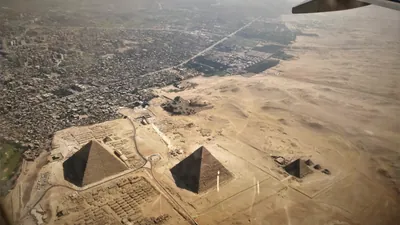
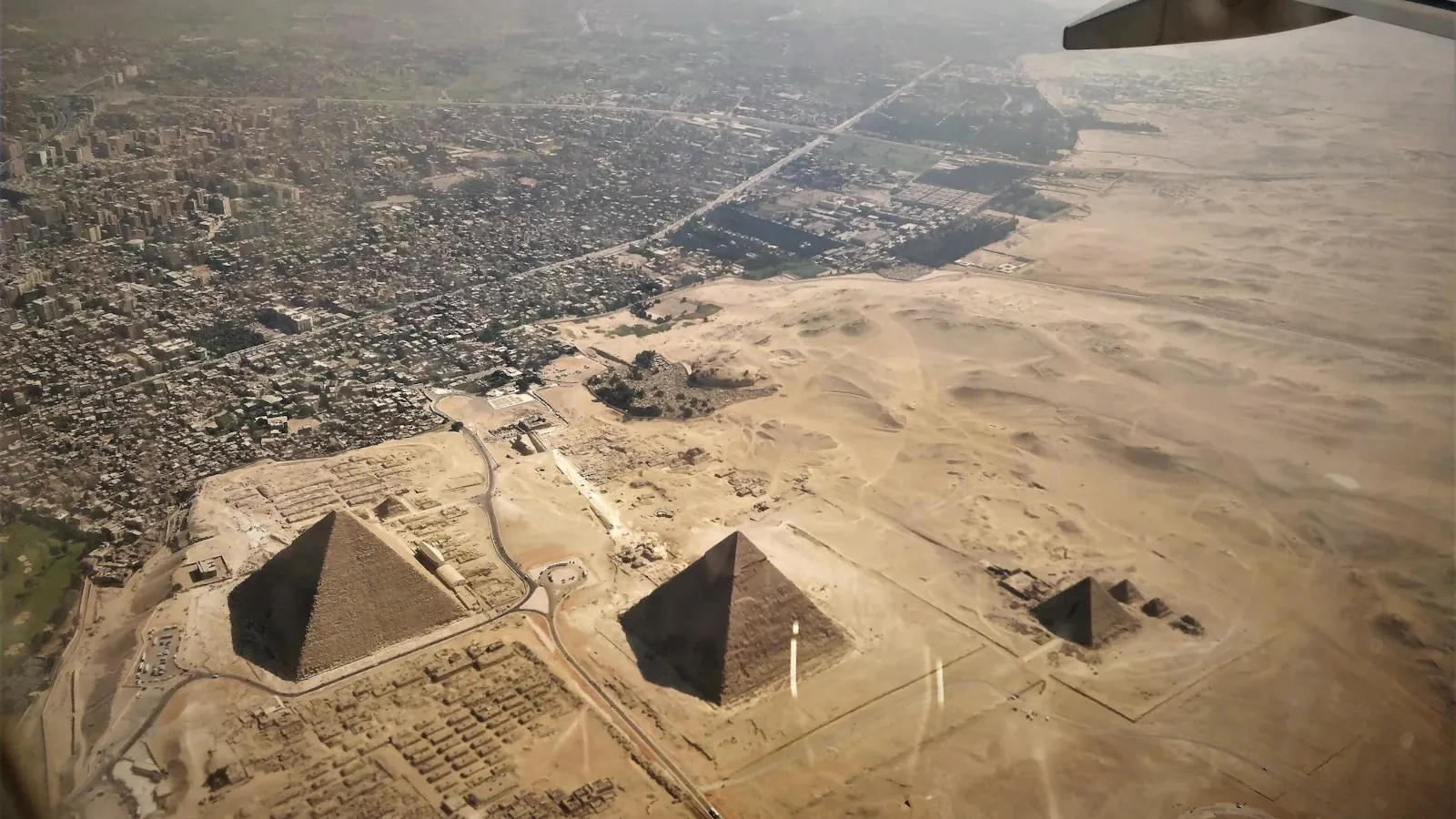
Your week starts at the Giza Plateau. Arrive early and walk the perimeter of the Great Pyramid of Khufu before the heat and crowds settle in. Standing at the base is the first true shock of scale in Egypt. The Pyramid of Khafre and the smaller Pyramid of Menkaure complete the trio, and the surrounding complex adds context with causeways and satellite pyramids.
After the main pyramids, head to the Sphinx area. The statue is smaller than it appears in photos, but the setting makes it powerful. The nearby Valley Temple provides a better sense of ancient ritual and engineering. If you want to go inside a pyramid, buy the separate ticket early and pace yourself. The interior is steep and confined, so treat it as an optional experience rather than a requirement.
Midday, take a break at a shaded cafe and hydrate. The afternoon is for the panoramic viewpoint at the desert edge, where you can see all three pyramids aligned. This is the classic photo spot, but it is also a moment to appreciate the quiet just beyond the city. Vendors are persistent, so decide your boundaries and keep the focus on the view.
End your day with a relaxed dinner in Giza or a quick transfer back to the city. If you want a theatrical finish, the sound-and-light show is available, but you can also skip it and rest. This is the opening chapter, and you want to be fresh for the museum tomorrow.
Bring plenty of water and a hat because shade is limited. If you are planning photos, the southwest edge of the plateau offers the widest view and the cleanest skyline. Keep camel rides optional and agree on a price before you start.
 The Giza pyramids look smaller than you imagined—until you stand at their base.
Day 2: Grand Egyptian Museum and Downtown Cairo
The Grand Egyptian Museum is vast, so today is about focus. Start with the main exhibition halls and the most celebrated collections. Give yourself permission to skip sections that are not a priority. The building is designed for flow, but it is still a lot to absorb. Pick a short list of highlights and enjoy them deeply.
After the museum, return to downtown Cairo. The streets around Tahrir Square and the old French-inspired boulevards show a different layer of the city. If you want a second museum, the historic Egyptian Museum building can be a quick stop for atmosphere, even if you do not stay long. The point is to balance the weight of the artifacts with the everyday life of the city outside.
Take a long lunch in Garden City or Zamalek. This is a good day to slow the pace because the museum can be mentally exhausting. A cafe stop, a bookstore, or a short Nile walk will reset you. In the evening, keep dinner simple and save your energy for the more walking-heavy days ahead.
The unique insight today is energy management. The GEM is not about speed. A shorter, more intentional visit leaves you with clearer memories and a better sense of the narrative. If you feel the museum fatigue creeping in, step outside, take in the architecture, and return for one last gallery rather than pushing through everything.
If you want to add one more light stop, consider a short Nile corniche walk before dinner. It is a simple reset after a dense museum day. You can also split the museum visit into two blocks with a longer lunch, which helps maintain focus without the usual end-of-day fatigue.
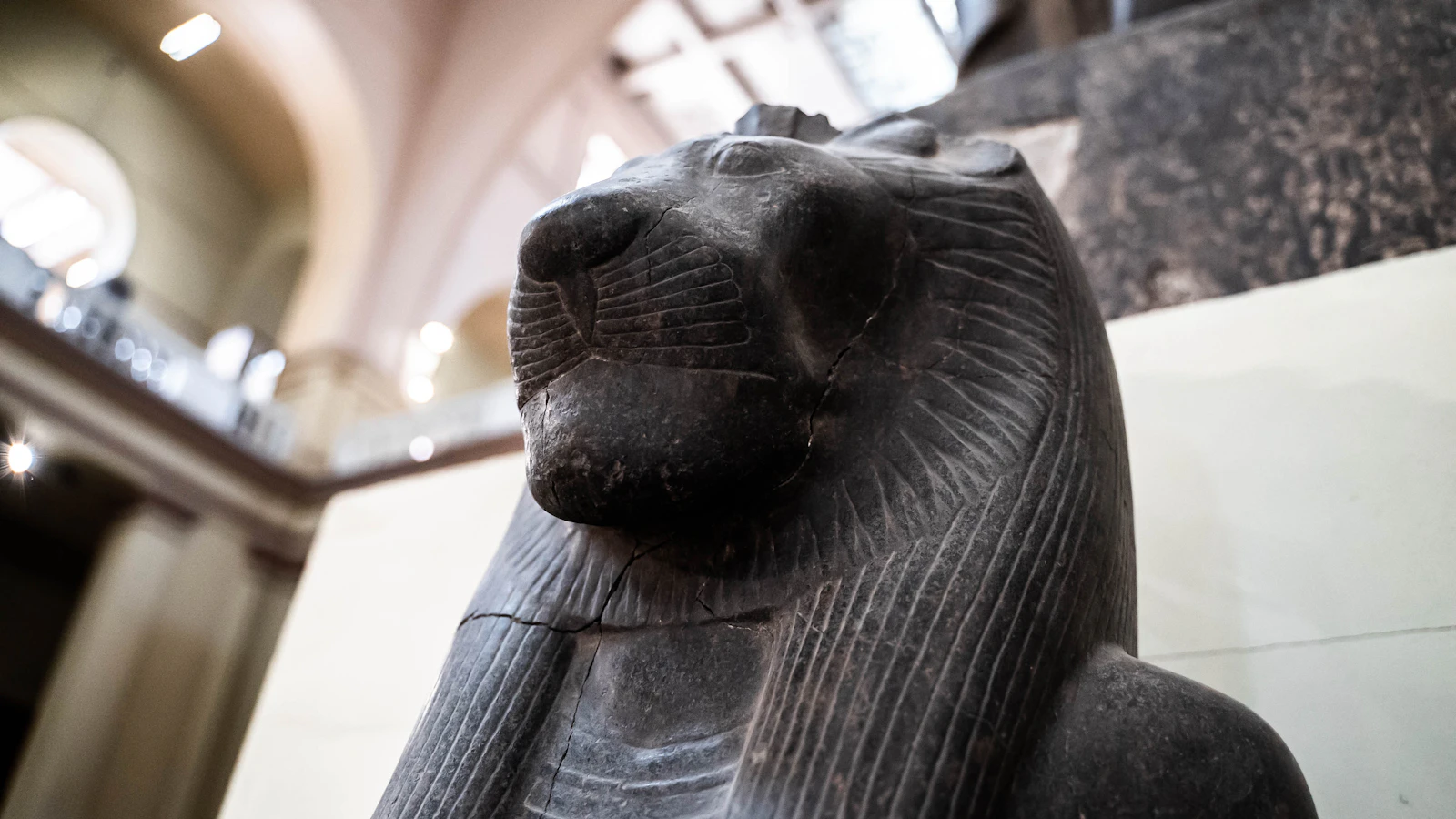 The Nile-side museums anchor a full day in downtown Cairo.
Day 3: Islamic Cairo and the Bazaar District
Islamic Cairo is a dense, living museum. Begin at the Citadel for a citywide view and a visit to the Mosque of Muhammad Ali. The terrace is one of the best viewpoints in Cairo, and it sets the stage for the day. If you have time, add the Sultan Hassan Mosque and Al-Rifa'i Mosque nearby for a deeper architectural contrast.
From there, walk or ride to Al-Muizz Street. This corridor is packed with historic buildings, carved portals, and street life. It is a place where a short guided walk can add a lot of context, but it is also good for slow wandering. Look up. The details are above eye level.
By late afternoon, drift into Khan el-Khalili. The bazaar can be overwhelming, so pick a few items you genuinely want and treat the rest as a sensory experience. Sit for mint tea in a historic cafe and watch the ebb and flow. This is one of the moments when Cairo feels both ancient and modern at the same time.
Evening is flexible. You can stay in the old city for dinner or return to Zamalek for a calmer setting. The key is to keep the day from becoming a rush. Islamic Cairo rewards attention, and the most memorable moments often happen when you are not hurrying.
If you want a final viewpoint, add a short stop at Al-Azhar Park or Bab Zuweila for a skyline view of minarets at sunset. Both are close enough to feel like part of the same day, and both give you a calmer counterpoint to the bazaar energy.
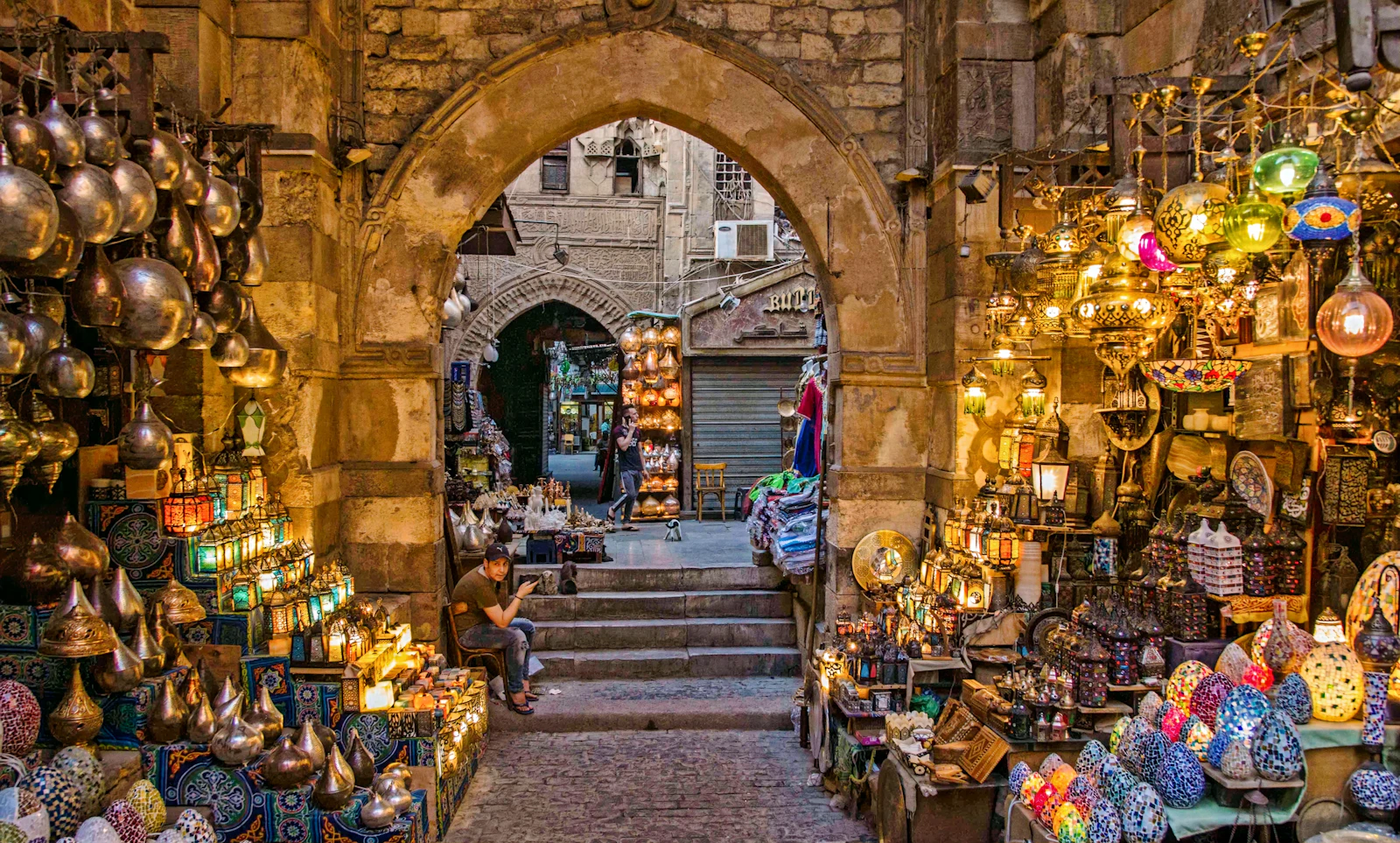 Islamic Cairo's minarets multiply at dusk, each one catching the last light differently.
Day 4: Saqqara, Memphis, and Dahshur
Today moves beyond the city to the desert fringe. Start with Saqqara, home of the Step Pyramid of Djoser, the earliest large-scale stone building in Egypt. The site has a different feel from Giza, with more open space and less of the tour-bus surge. Explore the surrounding tombs if you can, because the reliefs and painted scenes add texture to the story of ancient Egypt.
Next, stop at Memphis, the old capital of Egypt, which is now an open-air museum with a few key statues and fragments. It is not a long visit, but it adds historical context and breaks up the drive. Then continue to Dahshur to see the Bent Pyramid and the Red Pyramid. These are crucial in understanding the evolution of pyramid design, and the area feels quieter and more remote than Giza.
Bring water, sunscreen, and a simple lunch. The sites are spread out, and shade is limited. A driver or a small tour is worth it today because the logistics can be time-consuming if you are navigating on your own. If you want to go inside a pyramid, the Red Pyramid is often the most accessible and provides a dramatic interior experience.
The insight here is contrast. Giza is about scale and spectacle. Saqqara and Dahshur are about experimentation and evolution. Seeing both makes the story of ancient Egypt feel far more complete.
Plan on a full day with a driver, because the sites are spread out and signage can be limited. If you are short on time, prioritize Saqqara and Dahshur and keep Memphis as a quick stop. The quiet desert atmosphere here is part of the experience, so do not rush between the complexes.
If you have extra time, the Serapeum at Saqqara is a striking underground chamber worth the effort. It adds a different texture than the pyramid exteriors and helps you appreciate the scale of ancient ritual spaces.
Day 5: Luxor East Bank Temples
Today is the start of your Luxor chapter. If you can, take an early flight from Cairo and arrive by mid-morning. Check into your hotel, then head to the East Bank temples. Karnak is the anchor site, and it is immense. Focus on the Great Hypostyle Hall and the main temple axis, then wander into the quieter corners where the crowds thin out.
In the afternoon, visit Luxor Temple. It is more compact but beautifully lit and easy to explore. If you time it for late afternoon, you will see the columns in warm light and avoid the harsh midday sun. The walk between Luxor Temple and the river is pleasant, and it helps you reset after a long travel morning.
Dinner on the East Bank is easy. Choose a restaurant with a view or a simple local spot. Luxor evenings are calmer than Cairo, which makes this day feel like a change of tempo. The point is to absorb the temples without rushing and to appreciate how different the atmosphere feels compared to the capital.
If you are not flying, an overnight train can still get you there, but plan for a later start and keep your temple expectations realistic. Either way, Day 5 is about depth rather than speed.
If you still have energy, the Luxor Museum is a compact, well-curated option near the river. A short visit there can deepen the context without adding too much time. End the night with a slow walk along the corniche, which is one of the most relaxing moments of the Luxor chapter.
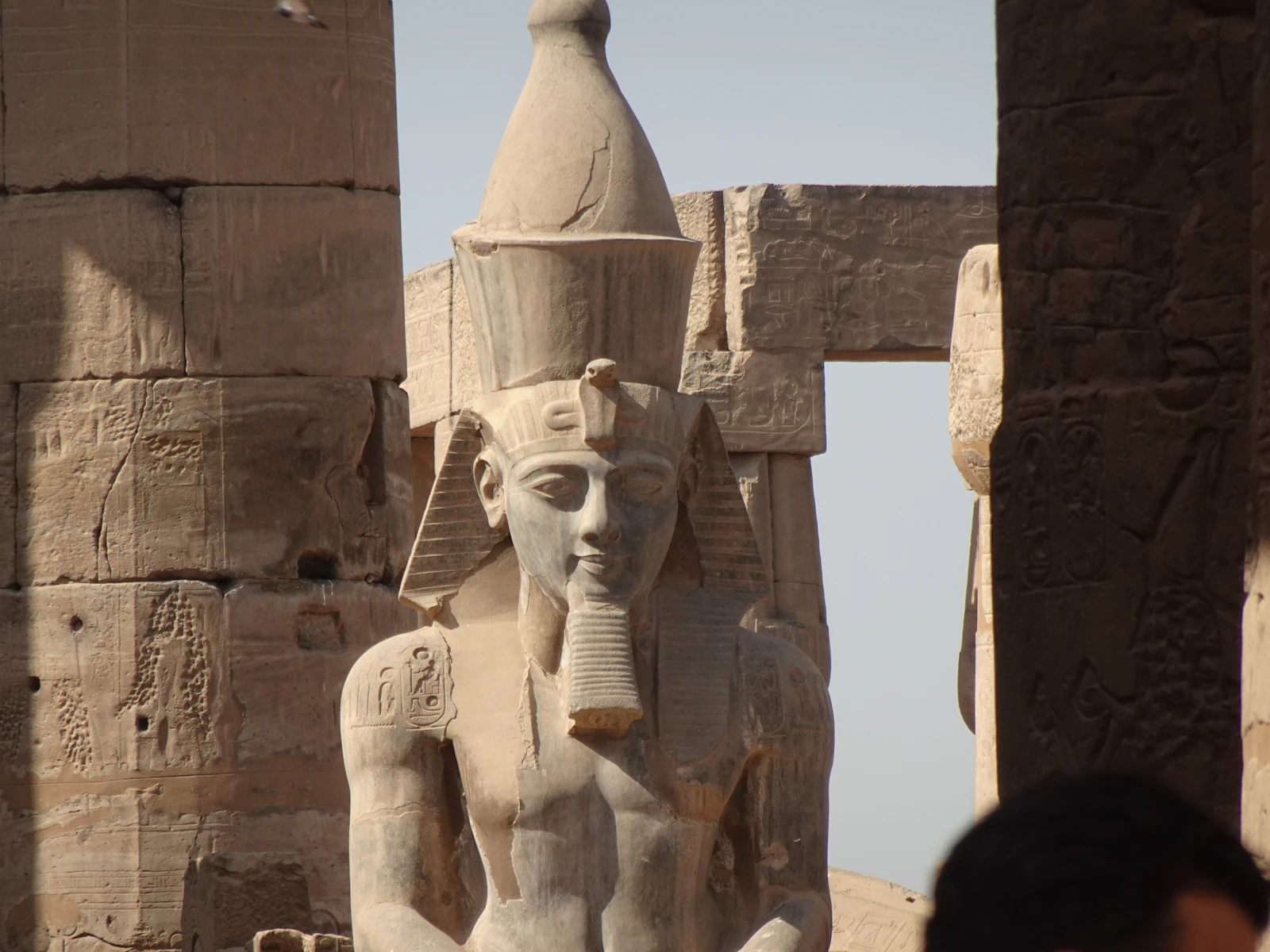 Luxor Temple at sunset is worth the train ride south.
Day 6: Luxor West Bank and Return to Cairo
The West Bank is the tomb day. Start early for the Valley of the Kings, when the heat is lower and the interior spaces feel less crowded. Choose a small set of tombs rather than trying to see everything. The artwork and colors are extraordinary, but it is easy to overload. Add the Temple of Hatshepsut for architectural contrast and a strong sense of scale against the cliffs.
If you have time, stop at the Colossi of Memnon for a quick photo and a reminder of the ancient city's scale. Then return to your hotel, pick up your bags, and head back to Cairo. A late flight or an overnight train works; the key is to avoid trying to see too much in the afternoon when temperatures spike.
This day is about balance. The West Bank can be the most powerful part of the trip, but only if you go slow and keep your list tight. You will remember two or three tombs far more vividly than eight rushed visits.
Back in Cairo, check into your hotel, grab a simple dinner, and let your body catch up. You have seen a great deal in two days, and a calm evening will make the final day in Cairo feel easier.
If you want a short add-on in Luxor, Medinet Habu is often less crowded and impressively preserved. Hot air balloon rides are also popular at sunrise, but they require a very early start and should be booked in advance. Only add these if you feel strong and want a more adventurous morning.
When you return to Cairo, consider a later dinner near your hotel rather than another long ride. The travel day can feel long, and an easy evening sets you up for the final day. If your flight or train timing changes, keep a flexible buffer in your schedule.
Day 7: Coptic Cairo and a Soft Landing
Your final day in Cairo should be gentle. Start with Coptic Cairo, where the Hanging Church, the Coptic Museum, and the Church of St. Sergius sit within a compact, shaded area. The tone is quieter and reflective, which makes it a good contrast to the larger monuments.
After the Coptic quarter, move to Zamalek or Garden City for a long lunch. If you want a final view of the Nile, book a short felucca ride or simply walk the corniche with a coffee. This is a day to absorb, not to add more checklists. If you have one last museum on your list, keep it small and focused.
End with a sunset moment. A rooftop cafe, a riverside bench, or a final market stroll works well. The idea is to close the trip with a calm, memorable scene rather than another busy block of sightseeing. You will leave with a full picture of Cairo and a new understanding of how it connects to the larger story of Egypt.
If you want to pick up gifts, use this day for a short, focused shopping stop in Zamalek or near the old city. Textiles, brasswork, and small artisan pieces travel well. Keep it simple, and end the day with a quiet dinner that lets you reflect on the week.
This is also a good time to repack and confirm airport transfers. A calm logistical reset will make your departure smoother and keep the last day from feeling rushed. Treat the evening as a soft landing rather than one more sprint across the city.
A short morning walk along the Nile can be a final, peaceful ritual before you leave.
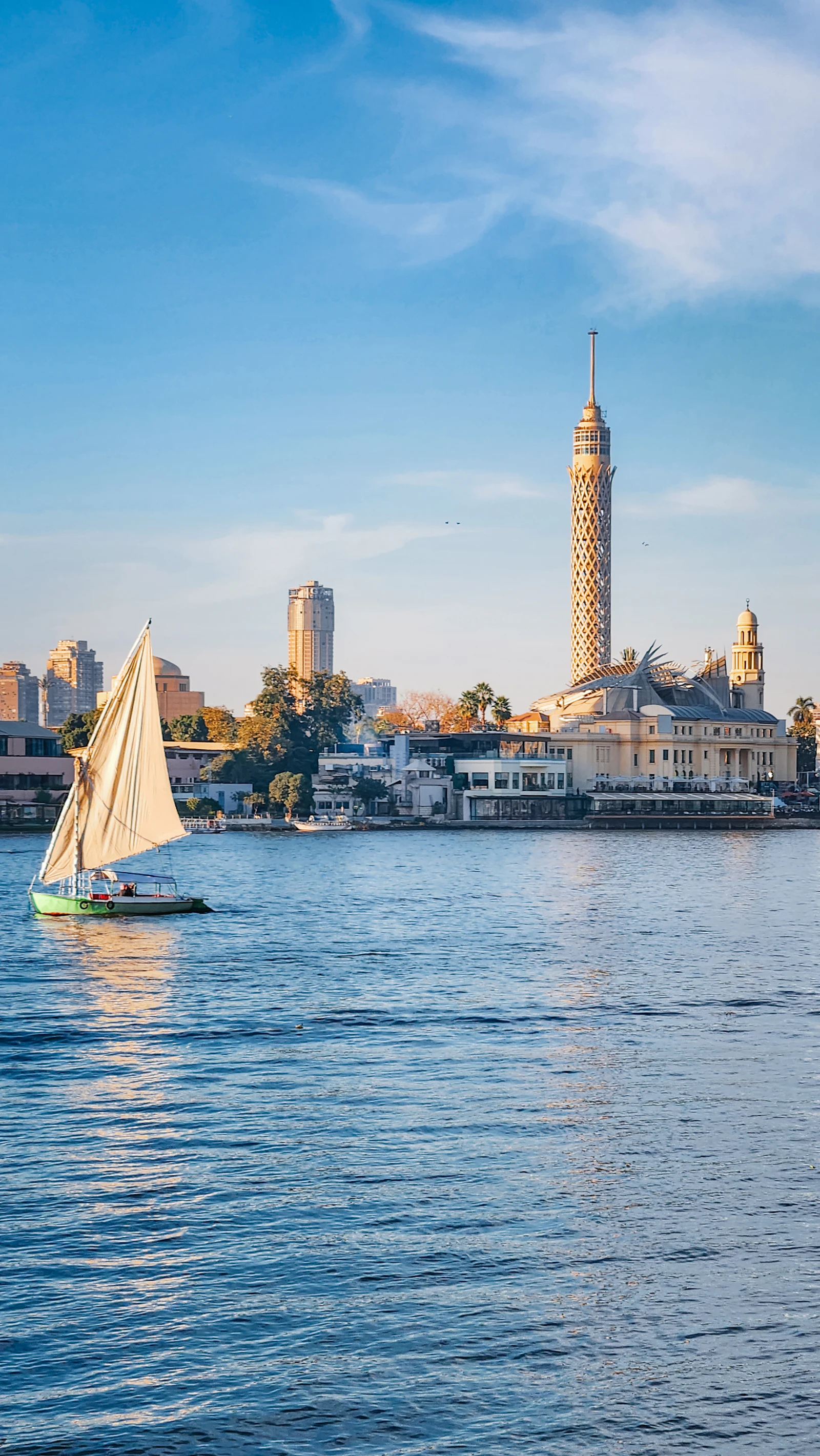 A quiet Nile sunset is the right way to close out the week.
Eat, Drink, and Linger in Cairo
Eating well in Cairo is about mixing street food with a few sit-down meals. Start with breakfast classics like ful and taameya, which are filling, affordable, and easy to find. Koshary is the midday staple, and it works perfectly on museum days when you need a fast, satisfying meal. Add grilled kofta, molokhia, or a simple mezze spread when you want a slower dinner.
Zamalek and Garden City have a strong restaurant scene with both traditional and modern options. Downtown has historic cafes where you can sip mint tea and watch the street rhythm. In Islamic Cairo, small eateries near the bazaar offer a more local feel. Do not overlook bakeries and sweet shops, either. Basbousa and konafa are part of the experience.
Drink culture is important here. Sugarcane juice is a classic refresher, and karkadeh is a tart hibiscus drink that works especially well on hot afternoons. Turkish-style coffee is strong and sweet, which makes it a good end to a long walk.
The unique insight is to treat meals as part of the itinerary, not just a break. Cairo is intense, and a long lunch or tea stop will reset your energy better than powering through. A consistent food rhythm makes the week feel smoother and keeps you from burning out by mid-trip.
In Luxor, keep dinner close to your hotel after temple visits. A terrace meal with a temple view can be a memorable splurge without adding a long commute. Back in Cairo, choose one classic cafe for a slow tea and people-watching, and use it as a checkpoint to absorb the week rather than squeezing in one more sight.
Vegetarian travelers are well covered with ful, taameya, and mezze-style dishes. If you are sensitive to spice, ask for sauces on the side and add slowly. A consistent food rhythm keeps your energy steady during longer museum days.
Cultural Experiences Not to Miss
Tea and Coffee Culture
The Great Pyramid was the tallest man-made structure in the world for over 3,800 years.
Egyptian tea (shai) is served strong and sweet—it's a daily social ritual. With a full week, find your favorite tea house in Khan el-Khalili or a quiet café in Zamalek. In Luxor, riverfront tea stops offer temple views. Turkish coffee is also common; order mazboot for medium sweetness. These pauses connect you to local life.
Markets and Local Shopping
Khan el-Khalili is the essential Cairo bazaar—spices, perfumes, brass, and textiles in a maze of stalls. Bargaining is expected. A week lets you return, browse calmly, and find specific items. Luxor has its own souks near the temples. For handcrafts and design, explore Zamalek's galleries and antique shops. Take your time.
Nile River Life
The Nile is Egypt's lifeline. In Cairo, a felucca ride at sunset offers a peaceful escape. In Luxor, consider a longer cruise or a motorboat to the West Bank. Even a short ride resets your perspective and connects you to Egypt's timeless river culture. The best views of temples often come from the water.
Practical Tips for Travelers
Language
Arabic is the official language; Egyptian Arabic has its own flavor. English is common in tourist areas. A few basics—shukran (thank you), la (no), aiwa (yes), bekam? (how much?)—help with shopping and daily interactions. Greetings matter; say salaam when entering shops or meeting people.
Etiquette
Egypt is conservative. Dress modestly, covering shoulders and knees, especially at religious sites. Remove shoes before entering mosques. Tipping (baksheesh) is expected for small services—carry small bills. Handshakes are common, but some Egyptians may avoid cross-gender contact; follow their lead. Respect during prayer times is appreciated.
Safety
Egypt is generally safe for tourists. Use ride-hailing apps or hotel cars rather than unmarked taxis. Drink bottled water and avoid ice. At major sites, decline unsolicited "guides" who may demand payment. Crossing Cairo streets requires patience—walk steadily, don't stop mid-crossing. In Luxor, be firm but polite with persistent vendors.
Travel Costs and Budgeting
A week in Cairo and Luxor can be surprisingly good value if you plan well. Budget travelers can manage around $50 to $70 per day excluding accommodation, while mid-range budgets often land in the $90 to $140 range with comfortable hotels, occasional guides, and internal flights. Premium travelers who prefer private drivers and curated experiences should plan higher.
Book key tickets early. The Giza Plateau, the Grand Egyptian Museum, and popular Luxor sites are all smoother with pre-planning. If you are flying to Luxor, book those flights early as well, especially around holidays. If you are taking the overnight train, reserve a sleeper cabin ahead of time for comfort and reliability.
Guides are worth it on high-context days. A knowledgeable guide at Giza or in the Valley of the Kings can turn a visit into a story rather than a series of facts. On lighter days, go self-guided and spend the saved money on a special dinner or a Nile boat ride.
Keep small bills for tips and market purchases, and set your negotiation ceiling before you start haggling. That mindset keeps transactions simple and respectful. The best value in Egypt often comes from pacing: a few high-impact paid experiences paired with affordable, local meals.
Set aside a separate transport buffer for the Cairo to Luxor segment, whether that is flights or an overnight train. It is often the single biggest add-on cost of the week, and planning for it early avoids surprises. The rest of the trip can stay surprisingly affordable if you mix street food with one or two curated experiences.
Plan a small daily buffer for tips, quick rideshares, and bottled water, especially on temple days. Those small expenses are frequent and easy to underestimate. A little extra set aside keeps the week relaxed.
If you have extra days, consider combining your Cairo trip with Marrakech, Istanbul, and Dubai — all easy to reach and covered in our PTO-optimized travel guides.
To maximize your days off without extra PTO, use the free Holiday Optimizer to find bridge days around public holidays for your Cairo trip.
Quick Takeaways
- Group Cairo days by zone to reduce traffic fatigue.
- Start early at Giza and major temples to avoid heat.
- Use focused museum visits to avoid artifact overload.
- Saqqara and Dahshur add crucial context beyond Giza.
- Plan Luxor as a two-day chapter for a calmer pace.
- Build long meals and tea breaks into the schedule.
- Use the Holiday Optimizer PTO calendar to plan which days to take off for your Cairo trip.
Conclusion
Cairo rewards travelers who balance the must-see landmarks with slower neighborhood exploration. With a week and a clear daily rhythm, you can experience the city's cultural highlights while still leaving room for the spontaneous moments that make a trip memorable. Use this guide as your starting point, but stay open to detours—some of the best Cairo moments happen when you wander off the planned route.
Ready to maximize your time off?
Find the best Cairo travel windows
Frequently Asked Questions
Is one week enough for Cairo and Luxor?
Yes. A week gives you four solid Cairo days and two focused Luxor days, with a final buffer day to slow down.
Should I choose Alexandria instead of Luxor?
If you prefer Mediterranean culture and a shorter travel hop, Alexandria is a good alternative. Luxor is stronger for ancient temples and tombs.
How do I get from Cairo to Luxor efficiently?
The fastest option is a short flight. Overnight trains are possible but take longer and reduce sightseeing time.
What is the best day to visit Saqqara?
Plan it after the Giza day so the pyramid story feels complete. A day trip with Memphis and Dahshur works well.
Do I need a guide for Islamic Cairo?
A guide can add a lot of historical context, but a self-guided walk with a short list of sites also works well.
References
- Visit Egypt - Official Egypt Tourism Website
- Giza Plateau - Ministry of Tourism and Antiquities
- Grand Egyptian Museum Official Website
- Saqqara - Ministry of Tourism and Antiquities
- Luxor Temple - Ministry of Tourism and Antiquities
Share Your Thoughts
If this Cairo 7-day itinerary helped you plan, share it with someone dreaming of Egypt. Which part of the week feels most exciting to you, the pyramids, Islamic Cairo, or the Luxor temples?