Budapest in 7-9 Days: Extended Vacation Itinerary to Maximize PTO in 2026
Plan a week-long Budapest adventure with thermal bath visits, Buda Castle exploration, Danube Bend day trips, ruin bar district hopping, and local dining tips for 2026.

Introduction
Budapest rewards time. With a full week, the city stops feeling like a whirlwind and starts feeling like a rhythm: morning walks along the Danube, long lunches in shaded courtyards, and late nights that end with the glow of bridges across the river. This Budapest 7-day itinerary is built for travelers who want the icons and the lived-in texture of the city. Use this guide to plan your extended trip.
You will cover the Parliament, the Castle District, and the thermal baths, then slow down into neighborhoods, markets, and a classic day trip to the Danube Bend. The plan keeps mornings focused and afternoons flexible. It is structured enough to guide you, but open enough to let Budapest surprise you.
Expect a week that mixes grand views with small pleasures: a quiet bench on the river, a long coffee in a historic cafe, and a late dinner that stretches into the night. That balance makes the city feel like a temporary home instead of a stopover.
Short on time? See our Budapest 4-day itinerary for a focused long-weekend plan. Use our PTO optimizer to find the best days to take off around your trip dates.
Why Budapest Is a Must-Visit Destination in 2026
Thermal Bath Culture Unlike Anywhere Else
Budapest stands out among European destinations for its unique combination of history, culture, and modern energy. Whether you are visiting for the first time or returning for a deeper look, 2026 is an excellent year to experience what makes this city special.
Stunning Architecture at Central European Prices
What sets Budapest apart is the way daily life and cultural depth coexist. You will find world-class landmarks alongside neighborhood rhythms that reward slowing down and paying attention.
Planning Your Trip Essentials
Budapest is split into Buda and Pest, and the best week respects that geography. This itinerary groups days by side of the river and by energy level. Early days focus on the riverfront icons and Castle District, then the middle of the week shifts into neighborhoods, markets, and bath time. A day trip to the Danube Bend adds a scenic reset, and the final day is left flexible.
Each day has one anchor experience and one optional add-on. That keeps the pace sustainable and makes room for long meals, bath sessions, and small detours. You will still see a lot, but you will not feel like you are rushing between sights.
If you want more baths, trade a museum block for another soak. If you want more architecture, add a second riverfront walk and shorten a nightlife evening. The framework is flexible, and that flexibility is the real key to a great week here.
Expect two speeds. Mornings are for big sights and cooler air. Afternoons are for slow lunches, baths, and neighborhood walking. Evenings are your choice: ruin bars, wine bars, or a quiet bridge walk. That rhythm keeps the week immersive without exhausting you.
Use the Holiday Optimizer to find the best days to book off around public holidays for your Budapest trip.
Getting Around and Logistics
Budapest is comfortable most of the year, but the easiest weeks are spring and early fall. Those months offer mild walking weather, fewer crowds, and long daylight. Summer is lively and warm, which works well for river evenings and outdoor baths. Winter is colder, but the steaming outdoor pools are a memorable contrast.
Choose one base for the week. District V is central and walkable to many landmarks. District VII is the nightlife heart with ruin bars and great food. District VI is slightly calmer but still central. If you want quieter nights, pick a side street away from the busiest bars. One base is enough for seven days because transit is easy.
Transport is simple. The metro and trams cover the city, and tram line 2 along the Danube is both practical and scenic. A weekly or multi-day transit pass saves time and money. Walking is the best way to absorb the city, but use transit for cross-town moves or hill climbs.
Pack a light layer even in summer, since evenings by the river can be cool. Bring a swimsuit, sandals, and a small towel for baths. Keep a small day bag for water and snacks, and carry a little cash for markets and small cafes.
Build a midday pause into each day. A long lunch, a bath session, or a cafe stop will keep your energy steady. That rhythm is what makes one week in Budapest feel restorative instead of rushed.
If you are unsure about cash, a small mix works well. Cards are widely accepted, but smaller stalls and older cafes still prefer cash. Keeping a bit of local currency makes the week smoother and avoids awkward moments.
Bath visits are easier when you plan ahead. Many baths offer lockers or cabins, and the cabin option is more comfortable if you plan to bring extra items. A simple tote with sandals and a water bottle is all you really need.
Day 1: Pest Icons + Danube Night
Start on the Pest side with the riverfront icons. Begin at the Hungarian Parliament Building early, when the light is soft and the riverfront is quiet. A tour is worth it if you want interior details, but the exterior is already spectacular. The Danube embankment nearby delivers the classic Budapest view.
Walk south along the river. You will pass memorials and bridges and get your first wide view of Buda Castle across the water. This is a slow-walk day. Stop for a pastry or coffee, and let the river set the pace.
For lunch, head into the city center and choose a simple Hungarian menu. This is a good day to try goulash or paprikash without splurging. Keep the afternoon open for a short museum visit or a relaxed stroll down Andrassy Avenue if you want more architecture.
If you want a nearby landmark, St Stephens Basilica is an easy add-on. The interior is impressive, and the plaza nearby is a good place for a coffee break. A short visit here adds depth without changing the flow of the day.
A short detour to Liberty Square adds another slice of the city without extra planning.
In the evening, return to the river. A night walk or a short cruise shows the city in its best light. The Parliament glows after dark, and the bridges feel cinematic. End with dinner near the center or a calm drink by the water.
If you skip the cruise, a slow stroll across one bridge and back can be just as memorable. The key is to end Day 1 with a calm rhythm and a good nights sleep.
 The riverfront view anchors Day 1.
Day 2: Buda Castle + Thermal Baths
Day 2 crosses the Danube to Buda. Start early in the Castle District to avoid crowds. Fishermans Bastion is the classic viewpoint, and the terraces deliver the best sunrise views across the river. Matthias Church is nearby and worth a short visit.
Walk the cobblestone streets of the Castle District at a relaxed pace. The charm here is in the small courtyards and layered history. If you want a museum, the National Gallery is a strong option, but keep it focused.
You can reach the Castle District by funicular, bus, or on foot. The funicular is scenic but short, and the walk is not difficult if you pace yourself. Choose the option that matches your energy and save time for the viewpoints.
By midday, head to a thermal bath. Szechenyi is the most famous and social, while Gellert is more ornate and indoor-focused. Choose one and give yourself time to linger. A bath visit is not a quick stop; it is part of Budapest culture. Bring a swimsuit, sandals, and a towel if you prefer your own.
Bath etiquette is simple: shower before entering the pools, keep your valuables in a locker or cabin, and move calmly. The baths are about relaxation, not rushing between pools.
If you want a final view, a short stop at Gellert Hill on the way back adds a panoramic close to the day.
After the bath, keep the evening easy. A simple dinner in District VI or VII is ideal. If you want a nightcap, choose a calm bar rather than a full ruin bar crawl. The bath will leave you pleasantly tired, and a gentle evening keeps Day 3 strong.
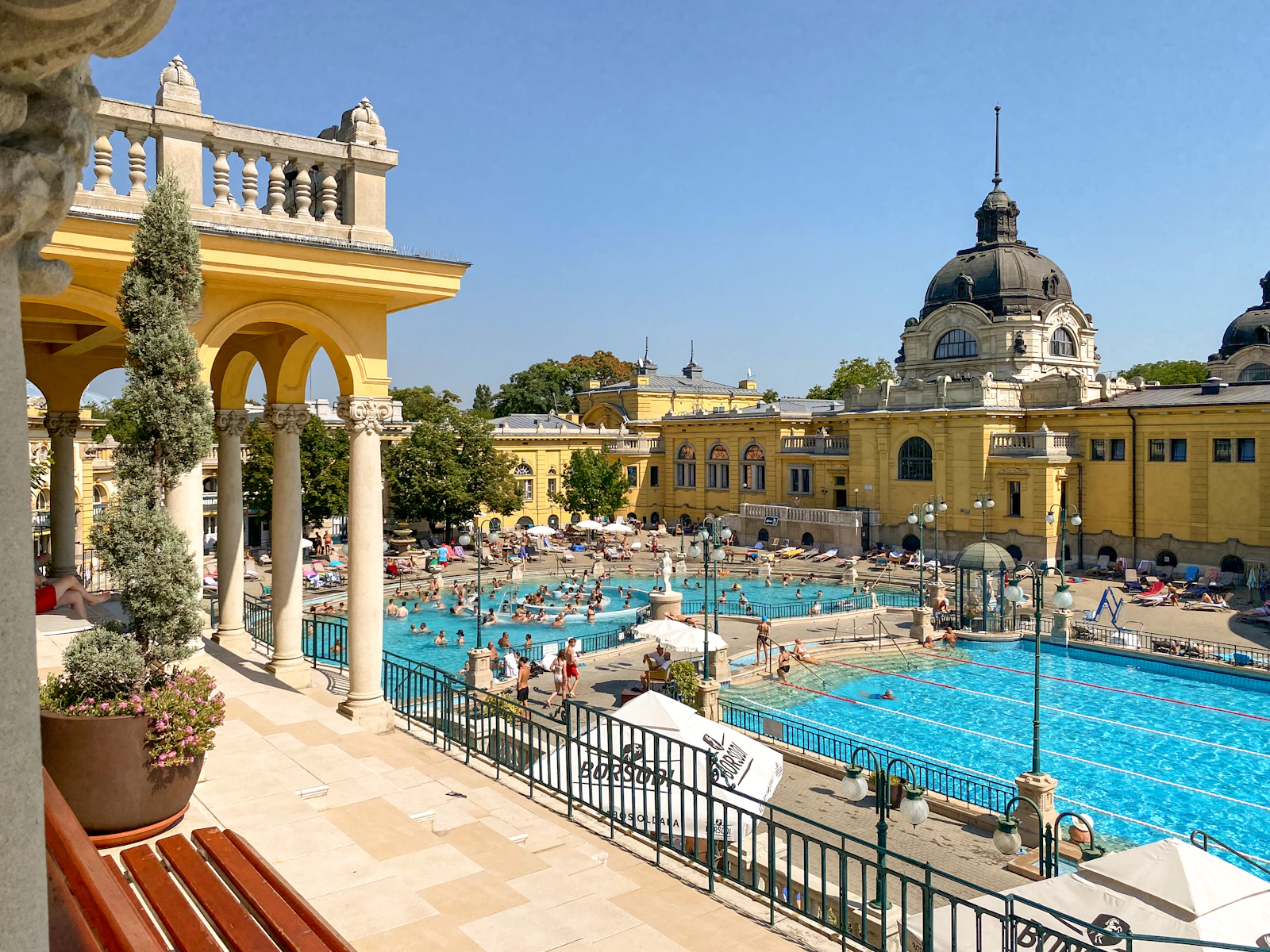 A long soak defines Day 2.
Day 3: Markets + Jewish Quarter + Ruin Bars
Day 3 is about food and neighborhood energy. Start at the Central Market Hall for a late breakfast or early lunch. It is touristy but still a good place to sample local dishes and buy small souvenirs. Keep it simple: one main dish, one snack, then move on.
After the market, explore the Jewish Quarter. This neighborhood is the center of ruin bar culture, but it also has history, street art, and quiet courtyards. A short visit to the main synagogue adds depth. The area is compact, so walking is the best way to explore.
If you want a short coffee break, this is the right neighborhood. The cafes here are lively but relaxed, and a short stop can reset your energy before the afternoon.
In the afternoon, keep things flexible. You can add a short museum stop, a cafe break, or a riverside walk. This is a good day to slow down because the evening can be lively if you choose to explore ruin bars.
Ruin bars are a Budapest specialty. Szimpla Kert is the iconic option, but there are many alternatives. The best approach is to pick one or two and stay long enough to enjoy the atmosphere. You do not need a full crawl to feel the scene.
Dinner in the Jewish Quarter is easy, with options ranging from traditional Hungarian to modern fusion. If you want a late night, this is the time. If you prefer quiet, choose a small wine bar and enjoy the neighborhood lights.
Day 4: Margaret Island + Neighborhood Walks
Day 4 is your slower local day. Start at Margaret Island, a green oasis in the middle of the Danube. The island is perfect for a slow walk, a short run, or a picnic. It feels like a reset after the first three days.
After the island, choose a neighborhood to explore more deeply. District VI has grand boulevards and cafes. District XIII has local energy and a calmer rhythm. The goal is not to hit landmarks, but to see how the city lives day to day.
This is a good day for a long lunch and a relaxed afternoon. If you want a small cultural stop, choose a gallery or a quiet museum. Keep it light and let the day breathe.
In the evening, return to a favorite restaurant or try a new local spot. This is a great night for a calmer dinner or a wine bar. Save your energy for the day trip ahead.
If you want to move a bit more, rent a bike on Margaret Island and do a full loop. It is easy, flat, and gives you a different view of the river. The Palatinus pools are also on the island if you want a casual swim without the formality of a historic bath.
You can also use this day to explore a quieter stretch of the Buda side. A short walk through residential streets, a small bakery stop, and a view from a low hill can feel more local than another big sight. The point is to enjoy Budapest at a slower tempo.
If you want a gentle cultural add-on, choose a small art museum or a historic cafe and keep the rest of the afternoon open.
A short stop at a neighborhood pastry shop can be the simplest highlight of the day.
Day 5: Danube Bend Day Trip
Day 5 is your classic day trip. The Danube Bend offers small towns, river views, and a slower pace. Start early and choose one or two stops rather than trying to do everything.
Szentendre is the easiest option and makes a perfect half-day. Its cobblestone streets and small galleries are charming, and the town is easy to explore on foot. If you want a bigger view, head to Visegrad for the fortress and panoramic lookout. If you want a cathedral moment, Esztergom delivers with its dramatic basilica.
Pick one town and go deep rather than rushing between them. The Danube Bend rewards slow wandering. Eat lunch by the river, then return to Budapest in the late afternoon.
Keep the evening simple after the day trip. A calm dinner and early night will make the rest of the week feel balanced.
If you are deciding between train and boat, the train is faster and more flexible. A boat is more scenic but takes longer, so it works best if you are making the day trip your single big outing. Pack water and a light snack, and wear comfortable shoes for uneven streets and short hikes.
If you want a cultural add-on, the open-air museum near Szentendre is a solid option, but only if you have the energy. The best Danube Bend day is the one where you are not rushing to fit everything in.
Leave time for a slow riverside break. A bench by the water can be the best part of the day.
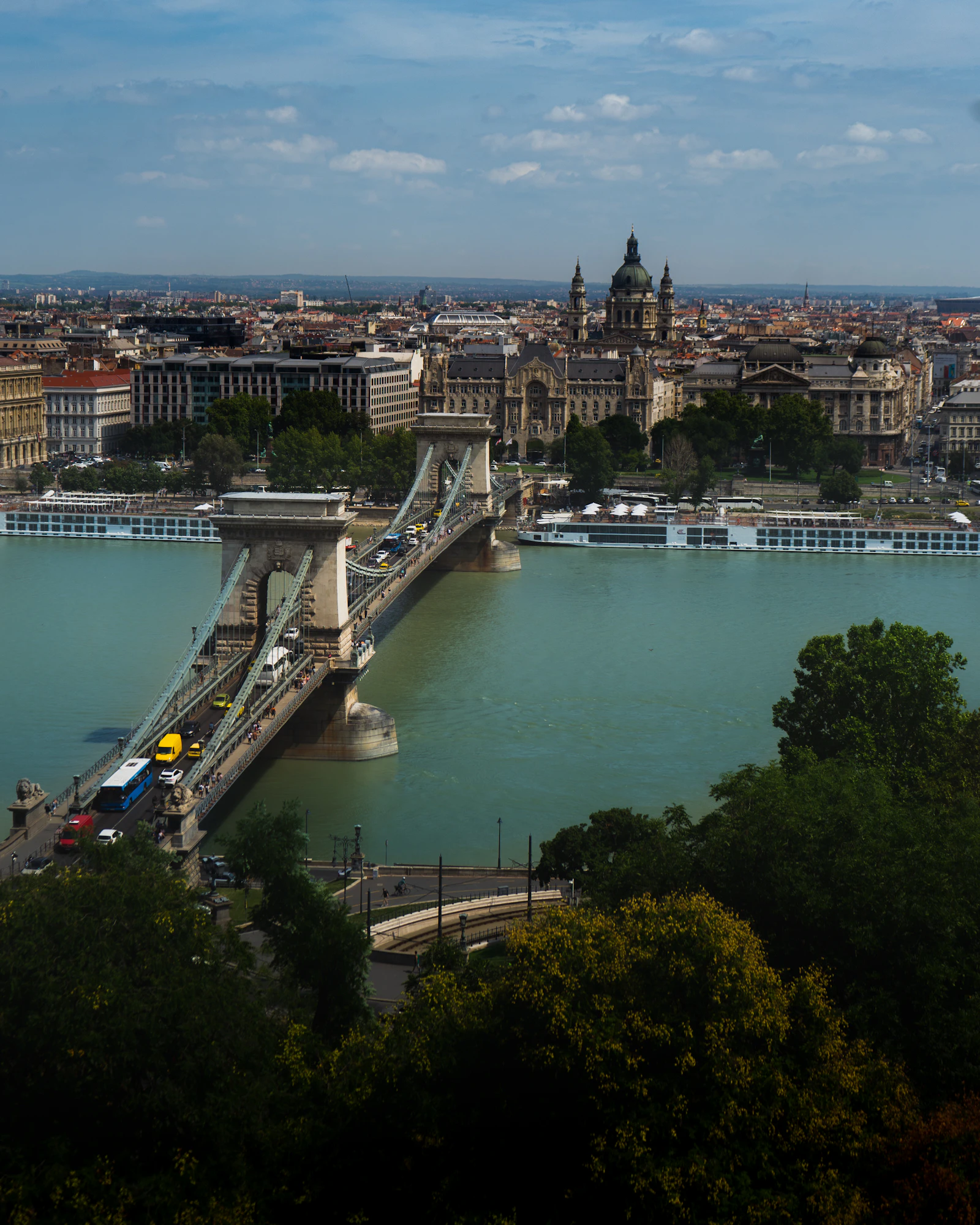 The night lights are a perfect end to a long day.
Day 6: Deeper Budapest + Local Favorites
Day 6 is for the side of Budapest most visitors miss. Start with a slower morning and pick a neighborhood that feels most interesting to you. This can be a long walk in District XIII, a cafe crawl in District VI, or a deeper dive into the Jewish Quarter in daylight.
If you want a cultural stop, choose one smaller museum or a short architectural walk. This is not a day for heavy history; it is a day for texture. A quiet courtyard, a local market, or a small art gallery can be the highlight.
This is also a good day for a second bath if you loved Day 2. A quieter bath or a shorter session can be a perfect reset. Alternatively, take a slow hill walk on the Buda side for one more panorama.
End the day with dinner in a neighborhood you enjoyed earlier in the week. Returning to a favorite spot makes the city feel familiar, which is one of the joys of a longer stay.
If you want a concrete plan, consider Obuda for a Roman history detour. The Aquincum ruins are a gentle visit and give you a different side of the city without the crowds. Pair it with a cafe stop and you have a full, low-stress morning.
Another option is a long walk along the river on the Pest side. The embankments are wide, and the city feels calmer here during the day. Bring a book, sit for a while, and let the pace slow down.
This is also a good day for a second, shorter bath visit if you want to compare two experiences.
If you want a quiet evening, choose a local wine bar and keep it simple. A slow dinner here often feels more memorable than another big night out.
Day 7: Flexible Finish + Final Views
Your final day is flexible. If you want another short excursion, choose a half-day plan and keep the rest open. If you have had enough travel, stay in the city and revisit a favorite cafe or market.
A slow morning and a long lunch can be enough. If you want one more iconic view, take a short walk across a bridge or climb a small hill for a final panorama.
Pack early if you have a late flight, and leave time for a last river stroll. The final day should feel easy, not rushed. That calm ending is part of what makes the week feel complete.
If you still want a cultural stop, pick one smaller museum and give it real time. A focused visit can be more satisfying than rushing through several. Alternatively, choose a second bath and keep it short. A quiet soak is a perfect reset before travel.
This is also a good day to pick up small gifts or visit a market for snacks. Keep the plan light and leave space for a spontaneous cafe stop. A week in Budapest is long enough to earn a slow, reflective ending.
If you are leaving early the next day, keep the evening very simple and pack before dinner. A calm close will make the whole week feel smoother.
If you want one final bath, choose a shorter evening session and treat it as a quiet reset. Even an hour in warm water can make the week feel complete.
For a last view without much effort, walk to a bridge at sunset and let the lights come on. It is a perfect, low-cost finale.
Keep the final night quiet so you leave rested. A calm ending makes the whole week feel cohesive.
Keep the final morning gentle and slow.
Eat, Drink, and Bath Culture Playbook
Budapest is a food city with a relaxed pace. Start with light breakfasts and save your appetite for lunch or dinner. Hungarian cuisine can be rich, so balance heavier meals with lighter snacks and plenty of water.
For a simple plan, aim for one traditional meal each day and keep the rest casual. Goulash, paprikash, and langos are classic choices. Markets are great for quick bites, while sit-down restaurants are best for slower evenings.
Bath culture is not just a tourist activity. Treat it as part of the itinerary. Arrive early or late to avoid peak crowds, and plan to stay at least two hours. If you want a quieter experience, choose a smaller neighborhood bath rather than the biggest options.
Nightlife is flexible. Ruin bars are the signature scene, but they are not the only option. Wine bars and cocktail spots can be calmer, and the riverside at night is a memorable alternative. Choose what fits your energy.
Pace your evenings if you want to enjoy the next morning. A week feels best when you balance late nights with slower mornings.
Bath etiquette matters. Shower before entering the pools, keep your valuables in a locker or cabin, and move calmly. If you want extra comfort, pay for a cabin so you have a private changing space.
For a classic Budapest ritual, visit one historic coffee house. Even a short stop for a pastry and espresso adds a sense of time and place. These cafes are part of the city's identity, not just a tourist stop.
If you want to keep the week light, build one free evening around the river. A quiet walk across a bridge can be as memorable as a bar night, and it keeps your energy steady for the next day.
Carry water during long walks and make a point to hydrate after baths. Small habits help the week feel easier.
Cultural Experiences Not to Miss
Bath Culture
Budapest has the largest thermal water cave system in the world, with over 120 natural hot springs feeding the city's famous baths.
With a full week, you can experience multiple baths. Széchenyi is grand and social; Gellért is elegant Art Nouveau; Rudas has Ottoman roots and rooftop pools; Király is smaller and historic. Locals treat baths as routine—chess in the water, long conversations, slow mornings. Plan to spend real time, not just a quick visit.
Coffee House Tradition
Budapest's historic coffee houses are monuments to a literary and intellectual past. Café Central, Gerbeaud, and New York Café have ornate interiors and formal service. With extra days, you can try multiple cafes and find your favorite. Even a short stop for coffee and cake connects you to the city's heritage.
Evening River Walks
Budapest's riverfront transforms after dark. The Parliament, Chain Bridge, and Buda Castle illuminate, and the Danube reflects it all. With a full week, explore different routes: Pest embankment, Margaret Island, the view from Gellért Hill. A nighttime river walk is free and becomes a nightly ritual.
Practical Tips for Travelers
Language
Hungarian is the official language—notoriously difficult but locals appreciate any effort. Szia (hello), köszönöm (thank you), kérem (please) go a long way. English is common in tourist areas but less so in outer neighborhoods. A translation app helps for menus and signs.
Etiquette
Hungarians are formal in greetings—handshakes are standard. Tipping is expected: 10-15% in restaurants, rounding up for other services. In baths, shower before entering pools and respect quiet zones. When toasting, look people in the eye and don't clink beer glasses (a historical tradition). Hungarians value directness.
Safety
Budapest is very safe. Watch for pickpockets in crowded areas and on public transport. Use official taxis or apps, not unmarked cars. Exchange money at banks or ATMs, not street changers. Ruin bars are generally safe, but keep valuables secure. Trust your instincts in quieter areas at night.
Travel Costs and Budgeting
Budapest is one of Europe's best-value capitals, but planning still helps. Decide early where to spend: a bath ticket, a river cruise, or a special dinner. Keep the rest of the week simple and you will stay comfortably within budget.
Book key tickets in advance if you plan a Parliament tour or a popular bath on a weekend. Timed entry saves time and keeps your day smooth. For everything else, flexibility works well.
Use public transit instead of taxis. A multi-day pass is inexpensive and makes it easy to move between Buda and Pest. Walking is free and often the best way to see the city.
Set a soft daily budget and stick to it. A Budapest travel budget week works best when you spend on what you will remember and save on what you will not.
Prices are often listed in HUF, so it helps to have a quick conversion in mind. Use cards for larger purchases and keep a little cash for markets and small cafes. Breaking larger bills early will save time at smaller stalls.
Many highlights are free or low cost, so you can splurge on one or two experiences like a bath or a river cruise. If you plan multiple paid attractions, group them on the same day to reduce transit and ticket costs.
For day trips, budget a little extra for transport and lunch. A small buffer keeps the week smooth and prevents last-minute stress.
Free viewpoints and river walks add huge value if you want to save.
If you travel in the shoulder season, you may find better accommodation deals and fewer crowds at paid sights. Booking early still helps if your dates are fixed.
Weekday bath tickets can be slightly cheaper, so check prices if your schedule is flexible.
To maximize your days off without extra PTO, use the free Holiday Optimizer to find bridge days around public holidays for your Budapest trip.
Frequently Asked Questions
These quick answers help you shape a Budapest 7-day itinerary that feels realistic and relaxed. Use them as a final check before you lock in bookings.
If your week feels packed, drop one museum and add a longer walk or a second bath. Budapest rewards slower pacing more than speed.
Use these answers as guardrails, not rigid rules.
Is one week enough for Budapest?
Yes. One week is enough to see the major sights, explore neighborhoods, and add a day trip without rushing.
Grouping days by side of the river keeps the pace steady and the transport simple.
You will also have time for long meals and a rest day if you want it.
Do I need to stay in more than one neighborhood?
Not required. One base near the metro is enough, but you can switch if you want different nightlife scenes.
If you do split stays, pack light and move on a quieter morning.
Two bases can be fun, but they are optional rather than necessary.
Which baths should I visit?
Szechenyi is social and iconic. Gellert is elegant and historic. For a quieter experience, choose a smaller neighborhood bath and go early.
If you are unsure, do one big bath and one smaller bath to compare the vibe.
Weekday mornings are often the calmest time to go.
Is the Danube Bend worth it?
Yes. It adds a scenic contrast to the city and gives you a taste of smaller-town Hungary.
Pick one town and go deep rather than rushing between multiple stops.
If you only choose one, Szentendre is the easiest by transit.
Is Budapest safe for a week-long trip?
Yes, especially in the main areas. Stay aware at night, keep valuables secure, and use transit or ride-hailing for late returns.
Common-sense habits are usually enough, and the center feels safe for most visitors.
Keep phones out of back pockets in busy trams and markets.
References
- Budapest Info - Official Tourist Website
- Széchenyi Thermal Bath Official Website
- Hungarian Parliament Official Visitor Information
- Gellért Thermal Bath Official Website
- Danube Bend Tourism Information
If you have extra days, consider combining your Budapest trip with Vienna and Prague — all easy to reach and covered in our PTO-optimized travel guides.
Quick Takeaways
- Split days between Buda and Pest to reduce transit time.
- Start early for iconic views and keep afternoons flexible.
- Make baths part of the plan, not an afterthought.
- Use one day for the Danube Bend for a scenic reset.
- Balance nightlife with slow mornings.
- End with a calm, flexible final day.
- Use the Holiday Optimizer PTO calendar to plan which days to take off for your Budapest trip.
Conclusion
A great Budapest 7-day itinerary balances riverfront grandeur with neighborhood energy. You will see the icons, soak in bath culture, and still have time for markets, cafes, and quiet river walks. The structure above keeps your week organized without turning it into a checklist.
If you take one thing from this plan, let it be this: Budapest is better when you slow down just enough to notice its details. Give yourself time to wander, and the city will meet you with unexpected moments.
If you want to personalize the week, swap a day trip for an extra bath or add another neighborhood walk. The structure holds even when the details change, which is why a full week works so well here.
Leave a few blank hours on your calendar. Those unplanned moments often become your favorites.
If you leave with one lasting memory, let it be something simple: steam rising off a pool, a bridge lit at night, or a quiet bench by the river.
That is the real value of a week in Budapest. You are not just seeing a city, you are letting it settle in. When you leave, you should feel restored, not just impressed.
That calm feeling is the best souvenir you can bring home.
Ready to maximize your time off?
Find the best Budapest travel windows
Share Your Thoughts
If this guide helped, share it with a friend planning a Budapest itinerary 7 days trip. Which day would you most want to repeat, and what would you change to make it feel even more like your own?
If you found a favorite cafe, bath, or viewpoint, leave a note so we can keep improving these guides. Your tips help other travelers plan better weeks.
Thanks for sharing your Budapest tips.
We read every note.
Safe travels.
Enjoy Budapest.