Rome in 7-9 Days: Extended Vacation Itinerary to Maximize PTO in 2026
Plan an extended Rome adventure with a flexible 7-9 day itinerary, Vatican tips, day trips to Tivoli and Ostia Antica, and a realistic budget for 2026.
Introduction
If you want Rome to feel less like a checklist and more like a lived experience, a full week is the sweet spot. This Rome travel guide gives you a flexible 7-9 day plan that balances the Colosseum and Vatican with neighborhood time, long lunches, and day trips to the villas and ruins that most visitors miss. The payoff is huge: you see the headline landmarks early, then let the city unfold at its natural pace.
This Rome travel guide is written for first-time visitors who want depth without burnout. You will get a practical itinerary, a smart base-neighborhood strategy, and realistic budget guidance for 2026. By the end, you will know where to stay, how to move around, and how to stack your days so the history feels alive rather than overwhelming. This Rome travel guide keeps your week flexible while still covering the essentials.
 Rome rewards travelers who slow the pace and linger.
Short on time? See our Rome 4-day itinerary for a focused long-weekend plan. Use our PTO optimizer to find the best days to take off around your trip dates.
Why Rome Is Worth a Full Week
A city layered in living history
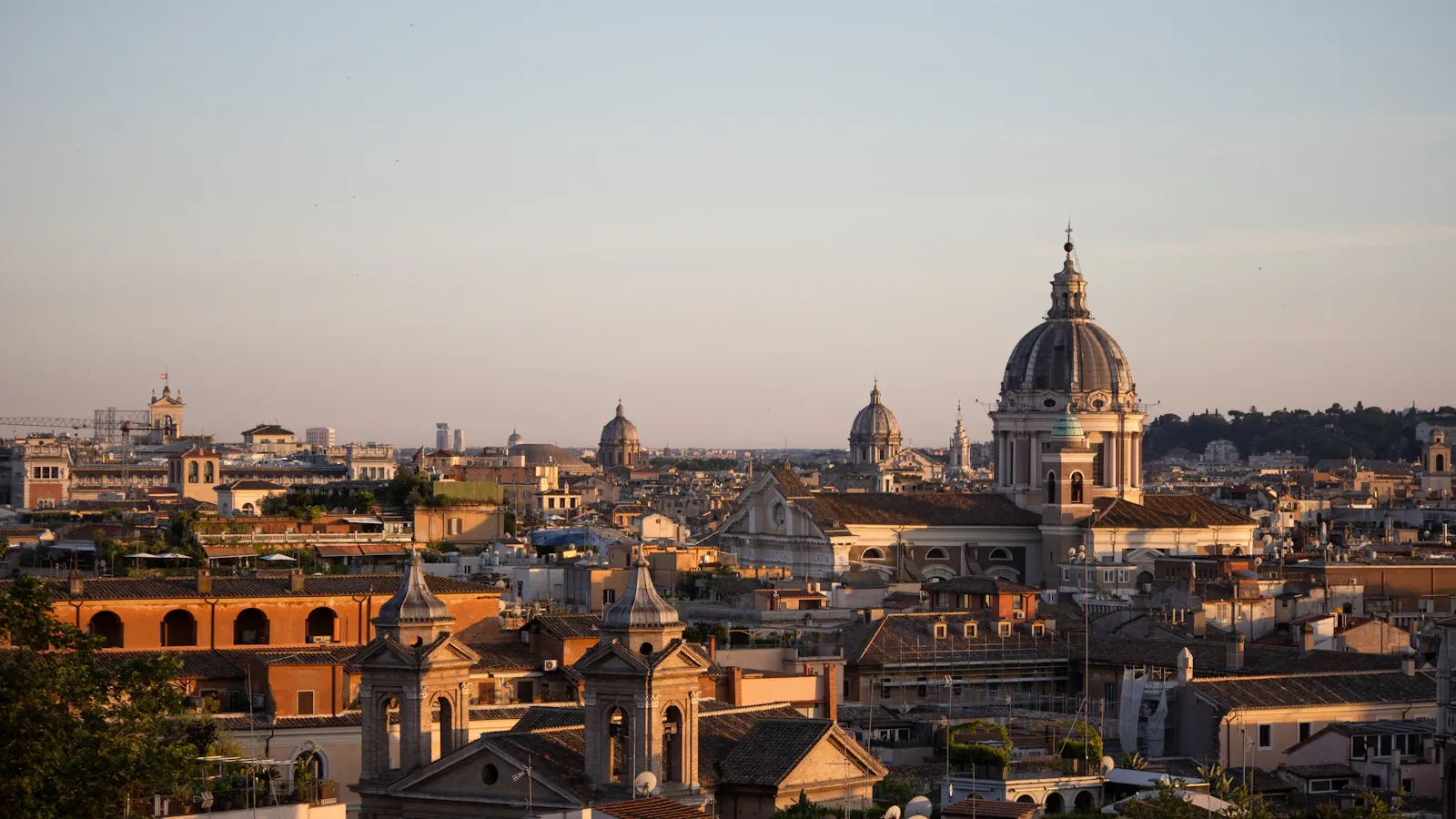
Rome is not just historic, it is layered. You can see ancient ruins, Renaissance palaces, and modern Roman life in a single block. The Historic Centre of Rome is a UNESCO World Heritage Site for a reason: the density of cultural and architectural landmarks is unmatched (see UNESCO). For a first-time visitor, that density can feel overwhelming in four days. A week gives you the breathing room to move beyond the obvious and see the smaller churches, markets, and side streets that are just as memorable.
What makes Rome different from other Italian cities
Florence concentrates art, Venice offers atmosphere, and Naples brings intensity, but Rome blends all three. It is the only city in Italy where you can see Imperial forums, Baroque fountains, and Vatican masterpieces in the same afternoon. A Rome travel guide for a full week lets you pace the experience: one major site per day, long walks between piazzas, and time to absorb the scale rather than rush through it.
The week-long advantage
With 7-9 days, you can split Rome into zones and minimize transit fatigue. The first four days cover the essentials; the remaining days take you to Tivoli, Ostia Antica, and neighborhoods like Testaccio and Aventine that reward unhurried exploration. This approach also makes reservations easier: if the Colosseum or Vatican museums are sold out on your first choices, you have flexibility to shift days without losing time.
Planning Your Trip Essentials
Use the Holiday Optimizer to find the best days to book off around public holidays for your Rome trip.
Best time to visit
The most comfortable seasons for walking are April through June and September through October, when days are mild and evenings are pleasant. Summer heat can be intense, while winter offers lighter crowds and shorter days. If your schedule is flexible, shoulder season is the ideal fit for a Rome travel guide that prioritizes outdoor wandering. This Rome travel guide favors those shoulder-season windows whenever possible.
Getting around and transit basics
Rome is walkable, but the distances add up. Use the metro for longer hops and buses for areas not covered by the limited lines. For official schedules and ticketing details, check ATAC, Rome's public transport provider. Plan to walk most days and use transit strategically rather than constantly.
Where to stay for 7-9 days
Choose a base that cuts down backtracking:
- Centro Storico: Walkable to the Pantheon, Trevi, and Piazza Navona.
- Monti: Creative, local, and near the Colosseum.
- Trastevere: Atmospheric evenings and a strong food scene.
- Prati: Quiet, elegant, and ideal for Vatican access.
- Testaccio: Food-first and local, perfect for the second half of the trip.
Tickets and reservations to lock in early
Book major attractions in advance so your Rome travel guide stays flexible. The official Parco Archeologico del Colosseo site releases timed-entry tickets, and the Vatican Museums also require timed booking during peak periods. Aim to book these for early mornings to avoid crowds and heat. This Rome travel guide recommends booking those tickets as soon as you choose your dates.
Travel Costs and Budgeting
To maximize your days off without extra PTO, use the free Holiday Optimizer to find bridge days around public holidays for your Rome trip.
Daily budget expectations
Rome can be done on many budgets. A simple baseline is:
- Budget: €70-100/day (excluding accommodation)
- Mid-range: €120-180/day
- Comfort: €200+/day
This Rome travel guide assumes a mid-range pace with a few splurge entries.
These ranges depend on how many paid sites you add and how often you sit for meals versus grab-and-go.
Smart cost-saving moves
- Eat your main meal at lunch for better value set menus.
- Use museums strategically: one major site per day keeps both costs and energy in balance.
- Walk between nearby clusters to save on transport and discover hidden corners.
Typical costs to expect
Expect café breakfasts, simple lunches, and moderate dinners to be reasonable if you avoid the most tourist-heavy streets. Tickets for the Colosseum and Vatican are the biggest line items, which is why this Rome travel guide spreads them over separate days for budget and energy management using official booking pages like Parco Colosseo and the Vatican Museums.
Rome 7-9 Day Itinerary
Day 1: Ancient Rome core
Morning
Start with the Colosseum, Roman Forum, and Palatine Hill. Arrive early with timed tickets from the official Parco Colosseo site.
Visit the Vatican Museums on Wednesday mornings—many visitors attend the Papal Audience, leaving the museums quieter.
Afternoon
Walk to the Capitoline Museums area and end with a slow wander through Piazza Venezia and the Victor Emmanuel II monument for panoramic views.
Evening
Dinner in Monti. This neighborhood is close to the ruins but feels local after dark. This Rome travel guide keeps your first evening light so you can reset for Day 2.
Day 2: Vatican City and the Tiber
Morning
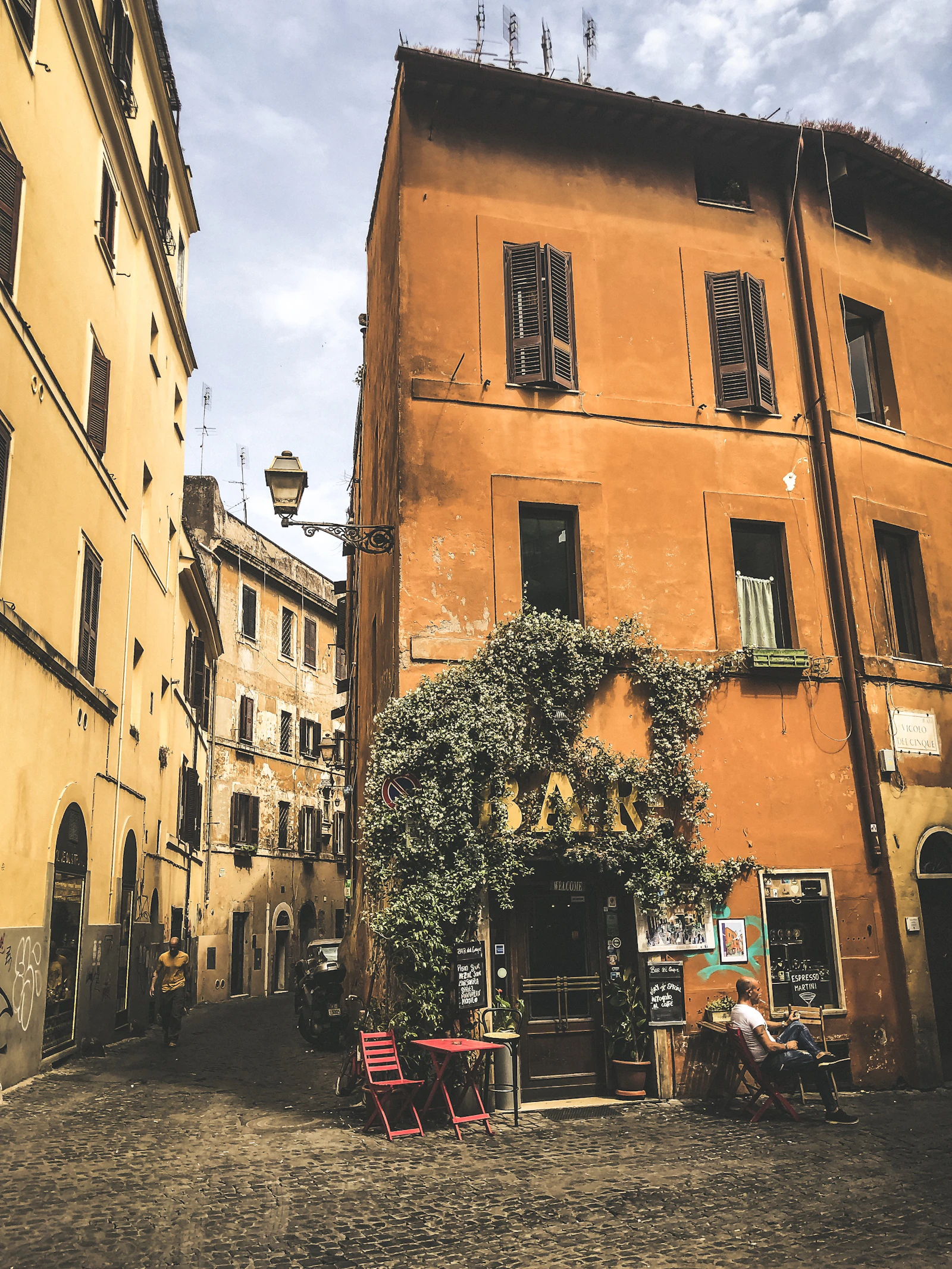 Trastevere's cobblestone streets capture the essence of everyday Roman life.
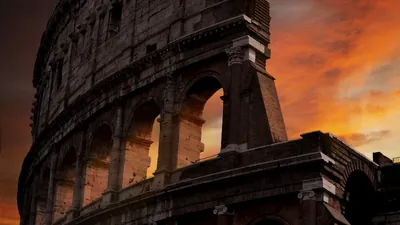
 The Colosseum remains the most iconic symbol of ancient Rome.
Visit the Vatican Museums and Sistine Chapel with a timed reservation from the official Vatican Museums site.
Afternoon
Cross to St. Peter's Basilica and the Tiber promenade. Keep the afternoon lighter after the museum concentration.
Evening
Dine in Prati for a calmer, less touristy evening.
Day 3: Centro Storico and fountain circuit
Morning
Pantheon to Piazza Navona, then a coffee break in a side-street café.
Afternoon
Trevi Fountain and the Spanish Steps, then walk to Villa Borghese gardens for open space.
Evening
Golden hour at the Pincio Terrace, then dinner near Piazza del Popolo.
Day 4: Trastevere, Jewish Ghetto, and Testaccio
Morning
Cross the river into Trastevere for church interiors and slow street wandering.
Afternoon
Explore the Jewish Ghetto and Campo de' Fiori market, then head to Testaccio for food-focused exploration.
Evening
Dinner in Trastevere or Testaccio. Both neighborhoods are at their best after sunset.
Day 5: Tivoli day trip
Morning
Take a day trip to Tivoli for Villa d'Este's fountains and gardens.
Afternoon
Continue to Hadrian's Villa for sweeping Roman-era ruins.
Evening
Return to Rome for a relaxed aperitivo near Piazza Navona.
Day 6: Ostia Antica and the coast
Morning
Visit Ostia Antica, the ancient port of Rome, for quieter ruins and an easier walking loop.
Afternoon
If time allows, continue to the nearby beach for a casual seaside lunch.
Evening
Back in Rome, keep the evening simple with wine bars in Monti or Trastevere.
Day 7: Appian Way and Aventine Hill
Morning
Cycle or walk along the Appian Way, one of Rome's most atmospheric ancient roads.
Afternoon
Climb Aventine Hill for the Orange Garden and the keyhole view of St. Peter's.
Evening
Book a food tour or a slow multi-course dinner to cap the core week.
Optional Days 8-9: Extra depth
If you have extra time, add a day for a deeper Vatican visit, a return to a favorite neighborhood, or a wine-and-hills trip to Frascati.
Neighborhood Guide
This Rome travel guide suggests choosing one main base and exploring other districts during the day.
Centro Storico
The historic center is the most convenient base for a first-time Rome travel guide. You can reach the Pantheon, Piazza Navona, and Trevi Fountain on foot, which reduces transit time and lets you break up your day with cafés and short rests. Nights here are lively but still walkable.
Monti
Monti sits between the Colosseum and the center, giving you a balanced location for sightseeing and dining. Its streets feel local, filled with vintage shops, wine bars, and small trattorias. It is a smart base for early Colosseum starts and relaxed evenings.
Trastevere
Trastevere is best for atmosphere. Its cobblestone lanes, ivy-covered walls, and late-night energy feel like classic Rome. Stay here if you prioritize dining and evening walks, but plan on slightly longer walks or transit for major sights.
Prati and Testaccio
Prati is calm, elegant, and ideal for Vatican visits. Testaccio is more local and food-first, with traditional markets and a neighborhood vibe. Both are excellent for the second half of a longer trip when you want fewer tourists and more local rhythm.
Cultural Experiences Not to Miss
Passeggiata Evening Walks
Rome has so many ancient ruins that metro construction regularly halts for archaeological discoveries.
This is one of Rome's signature experiences and gives you a window into local life that you will not find at the major tourist sites. Take your time and let it unfold naturally.
Roman Trattoria Culture
Another essential Rome experience that adds depth to your visit. It is the kind of thing that turns a good trip into a memorable one.
Piazza Life and People-Watching
A quieter but rewarding part of visiting Rome. It connects you to the daily rhythm of the city and gives you stories to take home.
If you have extra days, consider combining your Rome trip with Milan, Vienna, and Athens — all easy to reach and covered in our PTO-optimized travel guides.
Quick Takeaways
- A full week in Rome turns big-ticket landmarks into a balanced, walkable flow.
- Book the Colosseum and Vatican Museums as early-morning visits using official ticket pages.
- Cluster days by neighborhood to reduce transit fatigue.
- Tivoli and Ostia Antica are the highest-value day trips.
- Shoulder seasons offer the best walking weather.
- Reserve one unplanned evening for spontaneous Rome.
- Use the Holiday Optimizer PTO calendar to plan which days to take off for your Rome trip.
Conclusion
A week in Rome gives you the rare gift of depth. Instead of rushing from monument to monument, you can slow down, revisit favorite piazzas, and step into the quieter corners that most visitors never see. This Rome travel guide balances the essential attractions with day trips and neighborhood time so the city feels layered rather than overwhelming. You will see the Colosseum and the Vatican, but you will also experience the Rome that locals love: espresso at the bar, street life after sunset, and the unexpected beauty of a side-street church. This Rome travel guide is built for that slower, richer pace.
If you are planning your first extended visit, keep your pace gentle and your reservations early. The reward is a Rome trip that feels personal, not performative, and one that still leaves you with a list of reasons to return. It stays with you.
Ready to maximize your time off?
Find the best Rome travel windows
Frequently Asked Questions
-
Is 7 days too much for Rome? No. A 7-day Rome travel guide allows you to see the essentials and still enjoy day trips like Tivoli and Ostia Antica without rushing.
-
Do I need to book the Vatican and Colosseum in advance? Yes, especially in peak seasons. Timed tickets on the official sites help you lock in the best morning slots.
-
What is the best neighborhood to stay in? Centro Storico is most convenient, Monti is trendy and close to ancient sites, and Trastevere is ideal for food lovers.
-
Can I do Tivoli as a day trip from Rome? Absolutely. Villa d'Este and Hadrian's Villa are both UNESCO sites and a highlight of a longer stay.
-
Is Ostia Antica worth it? Yes. It is one of the most atmospheric Roman ruin sites and far less crowded than the city center.
Share Your Thoughts
Did this Rome travel guide help you plan a longer trip? Share it with a friend, and tell us which neighborhood you are most excited to explore.