Berlin in 7-9 Days: Extended Vacation Itinerary to Maximize PTO in 2026
Plan a week-long Berlin adventure with Reichstag visits, Museum Island exploration, Potsdam Palace day trips, Cold War history sites, and neighborhood dining tips for 2026.
Introduction
Berlin rewards time. With a full week, the city opens up beyond the headlines: you can explore history without rushing, spend real time in neighborhoods, and still have room for night culture or quiet park afternoons. This Berlin 7-day itinerary is designed for travelers who want depth, not just highlights. Use this guide to plan your extended trip.
You will cover the historic core, Museum Island, East Berlin and Wall sites, and a classic day trip to Potsdam. You will also slow down in neighborhoods like Kreuzberg, Prenzlauer Berg, and Neukolln to feel the city as locals do. The week uses a two-speed approach: focused mornings and flexible afternoons, with evenings that can be as lively or calm as you want.
Expect a week that balances weighty history with lighter neighborhood energy. This rhythm keeps you engaged without feeling overloaded and leaves room for spontaneous moments.
It is designed for first-timers and repeat visitors alike.
Short on time? See our Berlin 4-day itinerary for a focused long-weekend plan. Use our PTO optimizer to find the best days to take off around your trip dates.
Why Berlin Is a Must-Visit Destination in 2026
Living History on Every Corner
Berlin stands out among European destinations for its unique combination of history, culture, and modern energy. Whether you are visiting for the first time or returning for a deeper look, 2026 is an excellent year to experience what makes this city special.
Europe's Most Creative and Affordable Capital
What sets Berlin apart is the way daily life and cultural depth coexist. You will find world-class landmarks alongside neighborhood rhythms that reward slowing down and paying attention.
Planning Your Trip Essentials
Berlin is large, so the best week is zone-based and rhythm-driven. This itinerary groups days by area so you are not crisscrossing the city. It starts with the historic core and Museum Island, moves east for Wall sites and neighborhoods, then expands into parks, alternative culture, and a day trip. That flow keeps transport simple and gives each day a clear purpose.
Each day has one anchor activity and one optional add-on. That structure makes the plan flexible for different energy levels. If you want more museums, add one and shorten a neighborhood stroll. If you want more nightlife, keep your afternoons lighter. The goal is to balance history, culture, and rest so the week feels immersive rather than exhausting.
Expect two speeds. Mornings are for high-focus sites like the Reichstag, museums, or memorials. Afternoons are for slower neighborhood walks, cafes, and parks. Evenings are your choice: beer gardens, live music, or quiet dinners. This rhythm lets you experience Berlin fully without burning out.
Use the Holiday Optimizer to find the best days to book off around public holidays for your Berlin trip.
Getting Around and Logistics
Berlin is most comfortable from late spring through early fall, when parks and outdoor culture are at their best. Summer brings long daylight and busy streets, while shoulder months offer fewer crowds and pleasant weather. Winter is quieter and moody, with museums and cafes as the main draw. With a full week, you can absorb a rainy day without losing the trip.
Choose one base for the whole week. Mitte is central and convenient. Prenzlauer Berg is leafy and cafe-rich. Kreuzberg is multicultural and lively, with a strong food scene. Friedrichshain is edgier and close to Wall sites. If you stay near a U-Bahn or S-Bahn station, the city feels easy to navigate.
If you want quieter nights, choose a side street rather than a main avenue. One base is usually enough for a week; the transit system makes it easy to reach every zone without moving hotels.
Transport is simple. The U-Bahn and S-Bahn cover Berlin well, and trams are useful in the east. A multi-day pass keeps things easy. Walking is the best way to feel neighborhoods, but use transit for cross-town moves. Biking is common, but only if you are comfortable riding in city traffic.
If you plan a Potsdam day trip, you will need the outer transit zone for that day. It is worth arranging in advance so your travel day is smooth. For most of the week, the inner zones are enough.
Pack for changeable weather. A light layer and comfortable shoes are essentials. Keep valuables secure in crowded areas and stations. Carry a little cash for small food spots and bars that may not take cards.
Berlin is casual and practical. A small day bag, reusable water bottle, and a compact umbrella will cover most situations. The city is easy once you are moving, so keep your gear light.
Plan a midday pause. Berlin does not rush its afternoons, and a long lunch or cafe break keeps your evenings open for nightlife or relaxed canal walks. That pacing is what makes one week in Berlin feel balanced.
Day 1: Historic Core + Government District
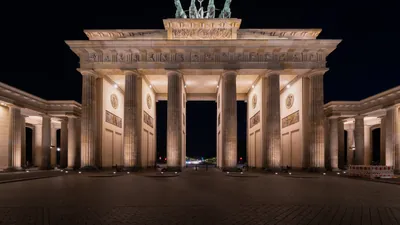
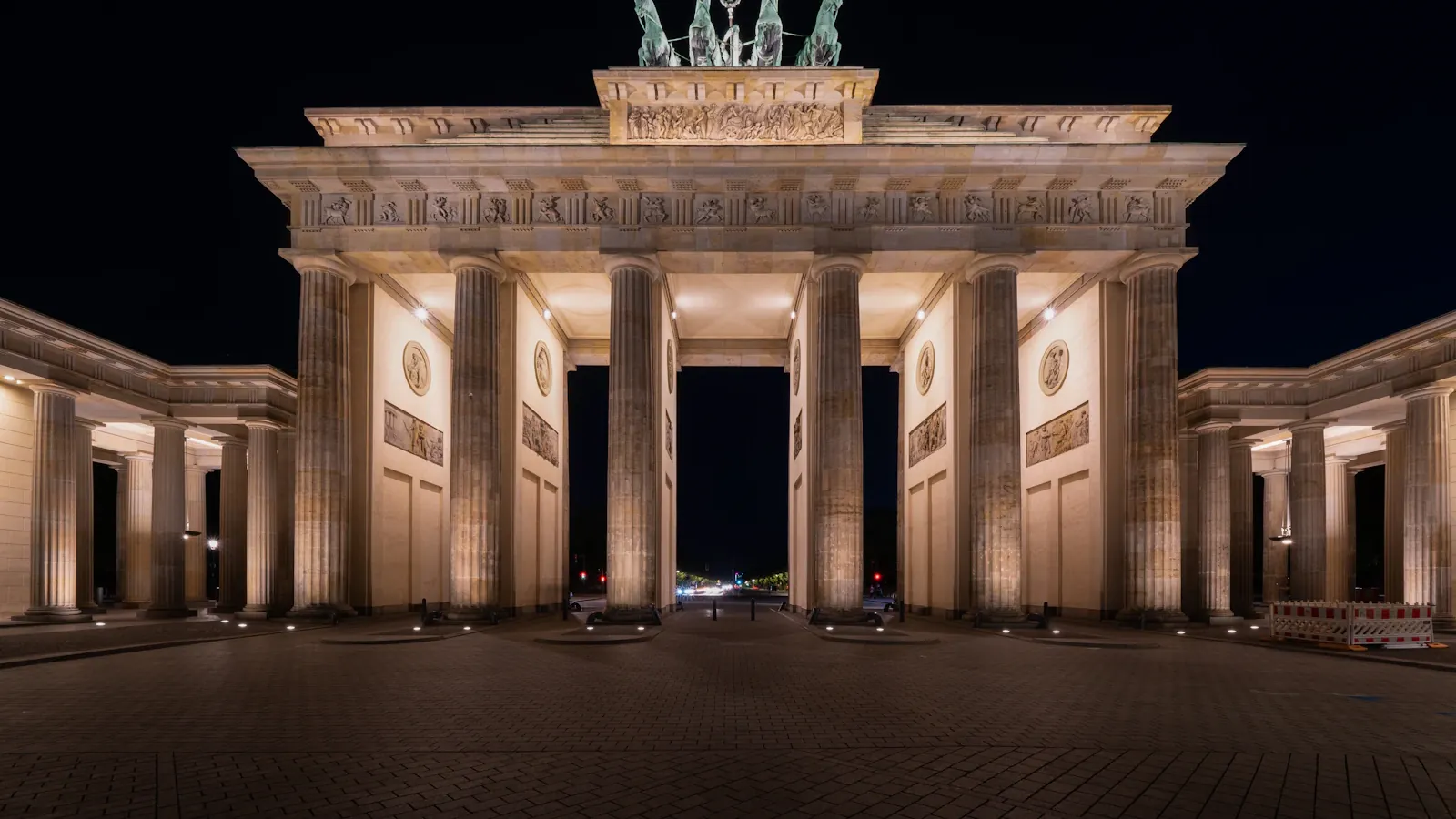
Start with Berlin's historic heart. Begin at Brandenburg Gate and walk toward the Reichstag. Book a timed entry for the Reichstag dome if you can; the view and symbolism are worth it. Arrive early to avoid crowds and take your time in the government district.
If the dome is booked out, the area is still worth visiting for the architecture and the historical context. A short walk along Unter den Linden adds classic Berlin atmosphere without adding a long detour.
From there, walk to the Memorial to the Murdered Jews of Europe. It is a quiet, powerful space that deserves a slow visit. If you want deeper context, the underground information center adds important detail.
Continue toward Potsdamer Platz for a look at Berlin's post-reunification rebuild. The contrast between memorial spaces and modern architecture is part of the city story. Keep this part of the day focused and let it settle.
In the afternoon, head to Topography of Terror. The outdoor exhibition is free and deeply informative. A focused visit is enough to add clarity to Berlin's history without overwhelming you.
End the day in Kreuzberg or Mitte with dinner. Kreuzberg has casual Turkish and Middle Eastern food, while Mitte offers more classic German and modern European options. Keep the evening light. A short canal walk or a low-key bar is enough after a heavy history day.
If you still have energy, add a brief stop at a nearby square or a small park to reset before dinner. The contrast between heavy history and quiet open space is part of Berlin's rhythm.
 The landmark anchors your first day in the historic core.
Day 2: Museum Island + Mitte Walks
Day 2 is your museum day. Start at Museum Island and choose one or two major museums. A single focused visit is usually better than rushing through multiple collections. Pick based on your interest: art, archaeology, or ancient history.
If you want to maximize value, a day pass can make sense, but only if you plan to visit more than one museum. Otherwise, one strong visit with time to absorb the collection will be more rewarding.
If you want a nearby landmark, the Berlin Cathedral is an easy add-on. The area around the cathedral is ideal for a slow walk along the Spree and a quick coffee break.
For lunch, stay in Mitte. This neighborhood has plenty of cafes and is easy to navigate. A long lunch here gives you a reset before the afternoon.
In the afternoon, explore the side streets around Hackescher Markt. The courtyards and small shops offer a lighter pace after the museum. If you want another cultural stop, choose a smaller gallery or a historic church, but keep it light.
End the evening in Prenzlauer Berg if you want a calmer nightlife scene. It is known for relaxed bars and cafes. If you want more energy, stay in Mitte and choose a casual restaurant or craft beer bar.
If you want a second museum, return later in the day when crowds thin. That timing keeps the day balanced and avoids the mid-afternoon slump.
A short river walk after dinner is an easy way to close the day.
If you are still curious, a small gallery stop can fit before sunset.
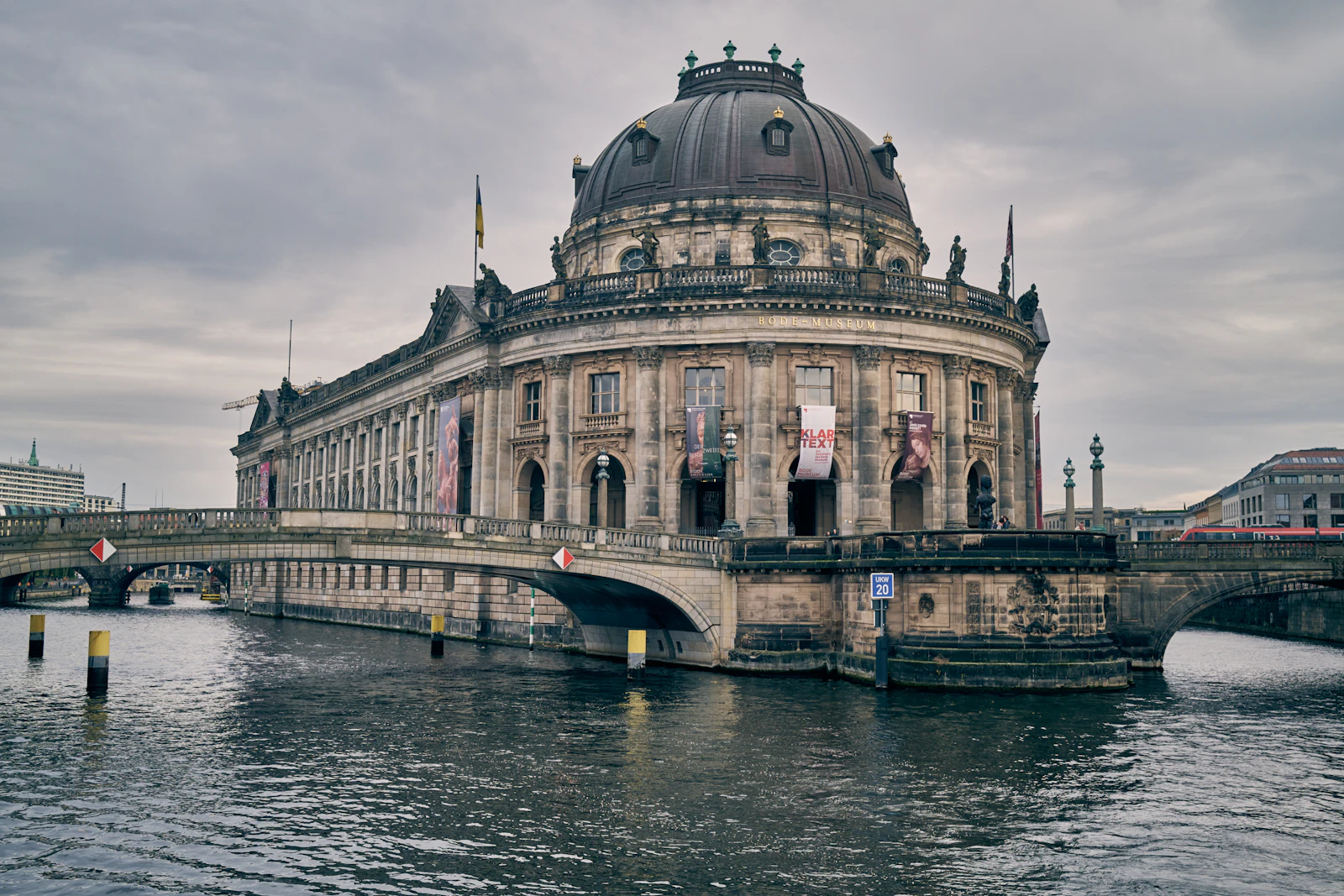 The riverfront museums define the cultural core.
Day 3: East Berlin + Wall Sites
Day 3 focuses on East Berlin and the Wall. Start at the East Side Gallery early to avoid crowds. The murals are best when the atmosphere is quiet, and a slow walk lets you appreciate the art and history together.
If you want more context, consider a stop at the Berlin Wall Memorial on Bernauer Strasse. It provides clear historical framing without taking the whole day.
Spend the late morning in Friedrichshain. This neighborhood blends post-industrial grit with creative energy. It is a good place for coffee and a slow walk.
If it is a weekend, a quick visit to a local market or a street food spot adds variety without much transit. If you want an industrial Berlin moment, a short loop around the RAW-Gelande area is a good way to feel the creative energy.
A short stop at the riverfront gives you a quieter contrast to the Wall sites.
If you want a museum tie-in, a small Cold War exhibit can add context without adding much time.
In the afternoon, choose a lighter activity: a park, a riverside walk, or a small gallery. Berlin is at its best when you mix history with everyday neighborhoods. Keep the pace relaxed.
Dinner can be in the east or in Kreuzberg. This is a good night for street food or a casual restaurant. If nightlife is on your list, keep the afternoon easy so you have energy later.
If you want a quieter evening, stay near the river and end with a slow walk. The east-side neighborhoods feel especially calm once the day crowds fade.
Day 4: Neighborhood Deep Dive + Parks
Day 4 is about modern Berlin. Start with green space: Tempelhofer Feld is a former airport runway turned public park. Locals bike, skate, and picnic here, and it is one of the most Berlin experiences you can have. If you prefer a classic park, Tiergarten works well and is easy to reach.
After the park, choose a neighborhood to explore on foot. Prenzlauer Berg is leafy and calm, Kreuzberg is lively and multicultural, and Neukolln is creative and diverse. Pick one area and give it time.
This is a good day for a long lunch and slow wandering. Berlin is full of small cafes, neighborhood bakeries, and street art that rewards a relaxed pace. Let the day breathe.
In the evening, choose a low-key dinner and a short walk. If you want nightlife, this can be a good night for live music or a casual bar rather than a major club.
If you want a more traditional Berlin feel, consider a short visit to Charlottenburg or a walk along the canals in the west. It adds a different texture to the week without requiring a long commute.
Keep the afternoon flexible. This is a great day to rest if you had a late night earlier in the week. A slower day now will make the final stretch feel easier and more enjoyable.
If you want an easy add-on, find a local market or a small neighborhood gallery. Keep it short and enjoy the atmosphere. The point of Day 4 is to experience Berlin as a lived-in city, not just a collection of sights.
If the weather is good, add a short canal walk to end the afternoon.
Pack a small picnic and enjoy a slow hour in the park. It is a simple way to feel the local rhythm.
Day 5: Alternative Culture + Local Favorites
Day 5 is your flexible, local day. Use it to explore the side of Berlin that most tourists miss. You can visit a smaller museum, explore a design district, or spend time in a neighborhood market.
If you want something iconic but less heavy than the major historical sites, consider a street art walk or a visit to a creative warehouse district. The point is to see Berlin's contemporary energy without a rigid schedule.
This is also a good day to rest. A long cafe session, a river walk, or a slow afternoon in a park can be just as valuable as another big attraction. Berlin rewards those who slow down.
End the day with dinner in a neighborhood you enjoyed earlier in the week. Returning to a favorite spot is a simple way to make the city feel familiar.
If you want a concrete anchor, a food market or a small design museum can be perfect. Choose one place to go deep rather than hopping between many. Berlin's alternative culture is at its best when you let a single neighborhood unfold slowly.
This is a great day to explore Kreuzberg or Neukolln in more detail. Take a long walk, stop for coffee, and let the streets guide you. The aim is to feel the city's present-day energy, not to collect more landmarks.
If you want a more structured evening, try a low-key beer garden or a local live music venue. Keep it simple and end early if you have another active day tomorrow.
If you visit a market, go early and keep your plan light. A few small bites and a short wander are enough to make the day feel distinct.
Returning to a favorite cafe can make the city feel familiar.
One slow evening here can be the highlight of the week.
Day 6: Potsdam Day Trip
Day 6 is your classic day trip. Potsdam is easy to reach by train and offers a dramatic shift from Berlin's urban energy. Start early and plan for a full day.
The main draw is Sanssouci Palace and its gardens. The park is large, so choose one or two highlights and move at a relaxed pace. If you want more, add a second palace or a short walk through the Dutch Quarter in Potsdam's old town.
Have lunch in Potsdam before returning. The day trip is a great reset and gives you a clearer sense of the region beyond Berlin.
Return to Berlin by late afternoon and keep the evening calm. A simple dinner and early night are perfect after a full day out of the city.
If you want to see more, consider the New Palace or the Orangery, but only if you have the energy. Potsdam is best when you take it slow and leave space for the gardens.
Plan your transport so you are not rushing back at night. A smooth return makes the day feel restorative rather than tiring.
If you enjoy walking, the park paths are a highlight on their own. You can also rent a bike for a gentle loop, but only if the weather is calm. Keep your plan light and focus on the atmosphere rather than trying to tick every palace.
Booking a palace time slot in advance helps you avoid long waits.
Aim to leave Potsdam before the last rush of evening trains.
The slower you move, the better Potsdam feels.
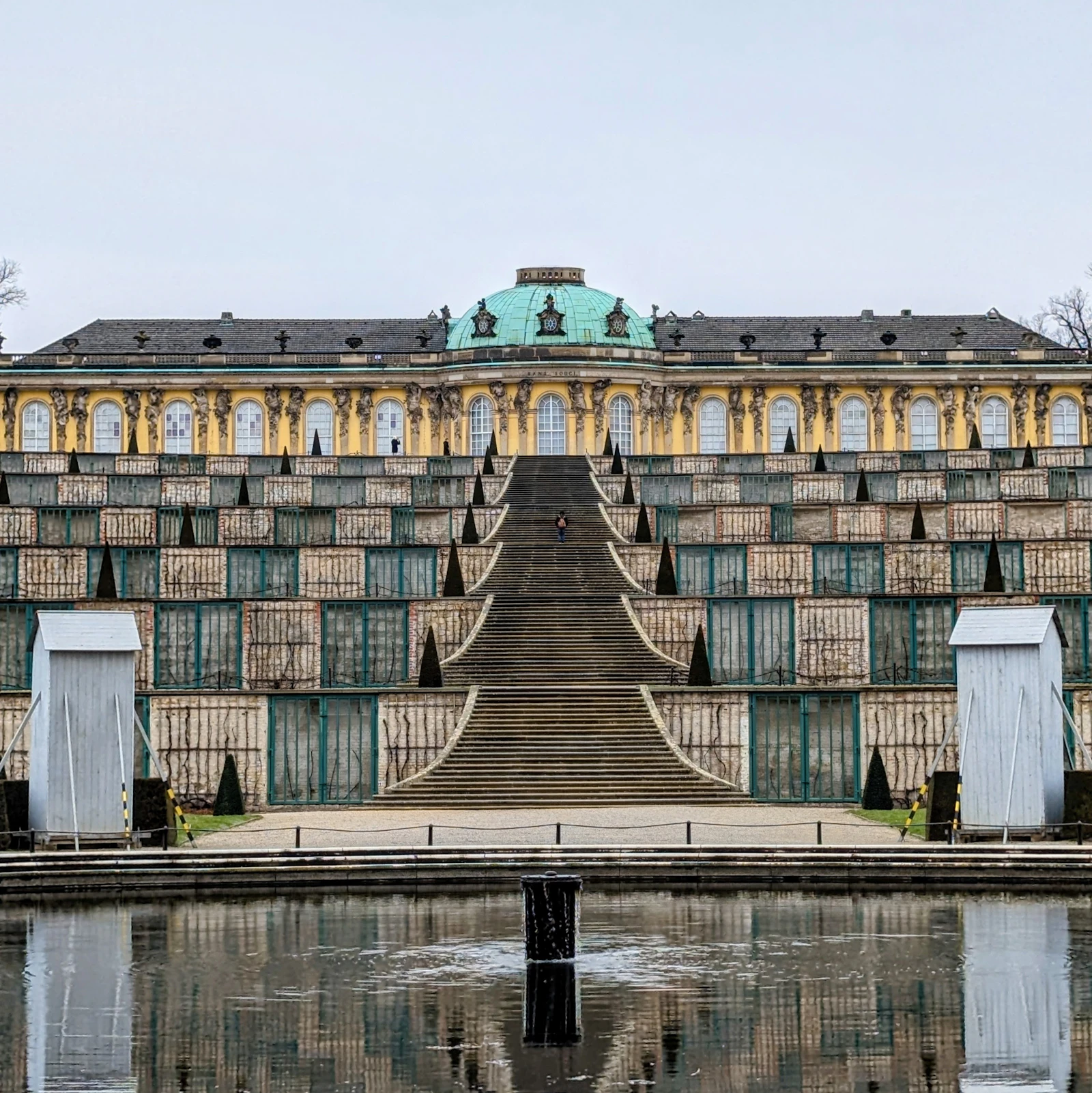 A palace day trip adds contrast to the week.
Day 7: Flexible Finish + Favorites
Your final day is flexible. If you still want another short day trip, consider a half-day in a nearby lake area. If you have had enough travel, stay in the city and revisit a favorite neighborhood.
Use this day to slow down. A long brunch, a park walk, and a final museum or shopping stop can be enough. The last day should feel easy, not rushed.
If you have a late flight, pack early and leave time for a final sunset walk. A calm ending makes the whole week feel more balanced.
If you want nature, a lakeside afternoon is a great option. A simple walk along the water and a casual lunch can feel like a full reset without the effort of a big day trip.
If you want more history, a short visit to a smaller museum or memorial can round out the week. Keep it focused and leave room for a relaxed afternoon.
This is also a good day to pick up small souvenirs, return to a favorite cafe, and reflect on the trip. The goal is to leave Berlin feeling rested and clear, not overfilled.
If you skipped any site earlier in the week, this is the day to fill that gap. Keep it to one meaningful stop and let the rest of the day be open. A flexible final day often becomes the most personal part of the trip.
Use the afternoon to double-check travel details and pack calmly.
If you want one last local moment, end at a quiet cafe or a park bench and watch the city move by.
Even a short lakeside walk can make the finale feel special.
If you are staying in the city, a final park loop can close the week perfectly.
Keep the final night quiet.
Eat, Drink, and Nightlife Playbook
Berlin food is casual and diverse. Start with classics like currywurst and doner, then mix in Turkish, Vietnamese, and modern German options. A week is long enough to sample widely without overthinking it.
For breakfast, cafes in Prenzlauer Berg and Mitte are reliable. For lunch, keep it quick and affordable. Dinner is where you can slow down. Choose one or two sit-down meals and keep the rest casual.
If nightlife is part of your plan, build in recovery time. Berlin nights can run late, and the city is more enjoyable when you are rested. A lighter afternoon makes a big difference.
If you are not into clubs, Berlin still has excellent evenings: beer gardens, live music, and riverside bars. Choose what fits your energy. The city rewards authenticity more than hype.
For a structured food day, plan a short crawl: one savory snack, one sit-down plate, and one dessert. This keeps your energy steady and lets you taste a range of flavors without a heavy meal.
Coffee culture is strong in the eastern neighborhoods. Use cafes as midday reset points, especially on museum days. A long coffee and a short journal break can be the difference between a rushed day and a smooth one.
If you want nightlife, pick one venue rather than a long crawl. Berlin is about depth, not speed, and one great evening is better than multiple rushed ones. If clubs are not your thing, a late beer garden or a riverside bar can deliver the same Berlin feeling without the intensity.
If you want a classic Berlin evening, pair a simple dinner with a stroll along the Spree. The city feels different at night, and a slow walk can be just as memorable as a long bar crawl.
Look for lunch specials if you want value without sacrificing quality.
Cultural Experiences Not to Miss
Café and Kaffeehaus Culture
Berlin has more bridges than Venice (over 960) and more museums than rainy days per year.
Berlin's café scene is vast. With a full week, explore different neighborhoods: specialty roasters in Mitte, old-school Viennese-style in Charlottenburg, creative spaces in Kreuzberg. A long café session with a book is a very Berlin activity. Find your favorite and return—it's how locals live.
Markets and Local Shopping
A week lets you explore multiple markets. Mauerpark on Sunday is famous (go early). Boxhagener Platz on Saturday is more local. Turkish Market (Tuesday and Friday) offers produce and street food. Vintage shops in Kreuzberg and Neukölln reward patient browsing. Flea markets are where Berlin's eclectic character shows itself.
Evening Walks and Spree River
Berlin's evenings are atmospheric. Walk along the Spree from Friedrichshain to Mitte and watch the city lights reflect on the water. Cross the Oberbaum Bridge at dusk. Explore different neighborhoods after dark—each has its own character. These walks are free and capture Berlin's layered mood.
Practical Tips for Travelers
Language
German is the official language, but English is widely spoken in central Berlin. A few basics—hallo, danke, bitte, entschuldigung (excuse me)—show respect. Menus often have English translations, and staff are usually bilingual. Outside tourist areas, German is more common.
Etiquette
Germans value punctuality and directness. Arrive on time for reservations. Tipping is appreciated but not required—rounding up or adding 5-10% is common. In restaurants, you pay at the table. Quiet hours (10pm–7am) are culturally important in residential areas. Jaywalking, especially at red lights with children present, is frowned upon.
Safety
Berlin is very safe. Watch for pickpockets in crowded areas and on public transport. Bike lanes are serious infrastructure—stay out of them. At night, some areas feel edgier; trust your instincts. If you go to clubs, keep valuables minimal and stay aware of your surroundings.
Travel Costs and Budgeting
Berlin is one of Europe's better-value capitals, but costs can still add up. Decide early where to spend: museum passes, a guided history tour, or a special dinner. Then keep the rest of the week simple.
Book key tickets ahead if you plan to visit the Reichstag dome or popular museums. Timed entry saves time and keeps your days smooth. For everything else, leave room for flexibility.
Use public transit instead of taxis. A multi-day pass is inexpensive and saves the hassle of buying single tickets. Walking between nearby neighborhoods is free and often the best way to see the city.
Set a soft daily budget and stick to it. A Berlin travel budget week works best when you spend on what you will remember and save on what you will not.
Many of Berlin's most powerful sites are free: memorials, outdoor exhibits, and wall segments. Use those to balance paid museum visits. A small grocery run for breakfast or late-night snacks can also reduce costs without sacrificing quality.
If you plan multiple museums, group them on one day to reduce transit and ticket duplication. For day trips, build a small buffer for transport and lunch. Those costs add up quickly if you do not plan for them.
Accommodation prices vary by season and neighborhood. If you want to save, stay slightly outside the core and use the U-Bahn. The extra travel time is small, and the savings can be significant.
Keeping a simple daily spending note helps you stay on track. Small choices add up, especially over a full week, and a little planning lets you splurge on the experiences you care about most.
Free walking routes and parks can balance paid museum days.
Small savings in transport and food add up quickly.
A little planning keeps the week affordable.
To maximize your days off without extra PTO, use the free Holiday Optimizer to find bridge days around public holidays for your Berlin trip.
Frequently Asked Questions
These quick answers help you shape a Berlin 7-day itinerary that feels realistic and relaxed. Use them as a final check before you lock in bookings. If your plan feels heavy, remove one museum and add a longer walk. A slower pace usually makes the week better. Flexibility is a feature, not a flaw. Let the city set the tempo. It pays off for most travelers.
Is one week enough for Berlin?
Yes. One week is enough to see the major historical sites, experience several neighborhoods, and add a day trip without rushing. Grouping days by zone keeps the pace steady. You will also have time for long meals and a rest day if you want it. That balance makes the week feel sustainable.
Do I need to stay in more than one neighborhood?
Not required. One base near the U-Bahn is enough, but you can switch if you want different nightlife scenes. If you do split stays, pack light and schedule the move for a slower morning. Two bases can be fun, but they are optional.
Should I book museums in advance?
For popular sites, yes. Timed tickets help avoid long lines, especially on weekends and holidays. Morning slots are often the easiest. If you are unsure, book one museum and keep the rest flexible.
Is Potsdam worth a full day?
Yes. It adds a calm contrast to Berlin and gives you a sense of the wider region. A full day there feels like a reset. The gardens alone are worth the trip.
Is Berlin safe for a week-long trip?
Yes, especially in the main areas. Stay aware at night, keep valuables secure, and use public transit or ride-hailing for late returns. Common-sense habits are usually enough. Keep phones out of back pockets in busy stations.
References
- Visit Berlin - Official Berlin Tourism Website
- Staatliche Museen zu Berlin - Museum Island Official Site
- German Bundestag - Reichstag Visitor Information
- Berlin Wall Foundation - Berlin Wall Memorial
- Potsdam Sanssouci Palace Official Site
If you have extra days, consider combining your Berlin trip with Prague, Amsterdam, and Copenhagen — all easy to reach and covered in our PTO-optimized travel guides.
Quick Takeaways
- Group days by neighborhood to reduce transit time.
- Start early for the busiest sites and keep afternoons flexible.
- Balance history, parks, and local neighborhoods.
- Make Potsdam your main day trip.
- Use public transit and walk as much as possible.
- End the week with a calm, flexible final day.
- Use the Holiday Optimizer PTO calendar to plan which days to take off for your Berlin trip.
Conclusion
A great Berlin 7-day itinerary blends history with the city's living culture. You will see the landmarks that shaped Europe and still have time for the neighborhoods that make Berlin feel alive. The structure above keeps your week organized without turning it into a checklist.
If you take one thing from this plan, let it be this: Berlin is better when you slow down just enough to notice its details. Give yourself time to wander, and the city will meet you with unexpected moments.
If you want to personalize the week, swap a museum day for an extra neighborhood walk or add another park afternoon. The structure holds even when the details change.
Leave a few blank hours on your calendar. Those unplanned moments often become your favorites.
If you leave with one lasting memory, let it be something small: a quiet courtyard, a canal at dusk, or a street musician in the rain. That is where Berlin lingers.
Leave a little space for surprise, and the city will reward you.
That is the best kind of travel outcome.
A week in Berlin is not about doing everything; it is about seeing enough to feel the city's depth. Let the rhythm guide you, and you will leave with clarity, not clutter.
Ready to maximize your time off?
Find the best Berlin travel windows
Share Your Thoughts
If this guide helped, share it with a friend planning a Berlin itinerary 7 days trip. Which day would you most want to repeat, and what would you change to make it feel even more like your own?
If you found a favorite cafe, bar, or viewpoint, leave a note so we can keep improving these guides.
What would you add if you had two extra days?