Istanbul in 7-9 Days: Extended Vacation Itinerary to Maximize PTO in 2026
Plan a week-long Istanbul adventure with Hagia Sophia and Topkapi Palace visits, Bosphorus cruises, Princes Islands day trips, and Grand Bazaar exploration for 2026.
Introduction
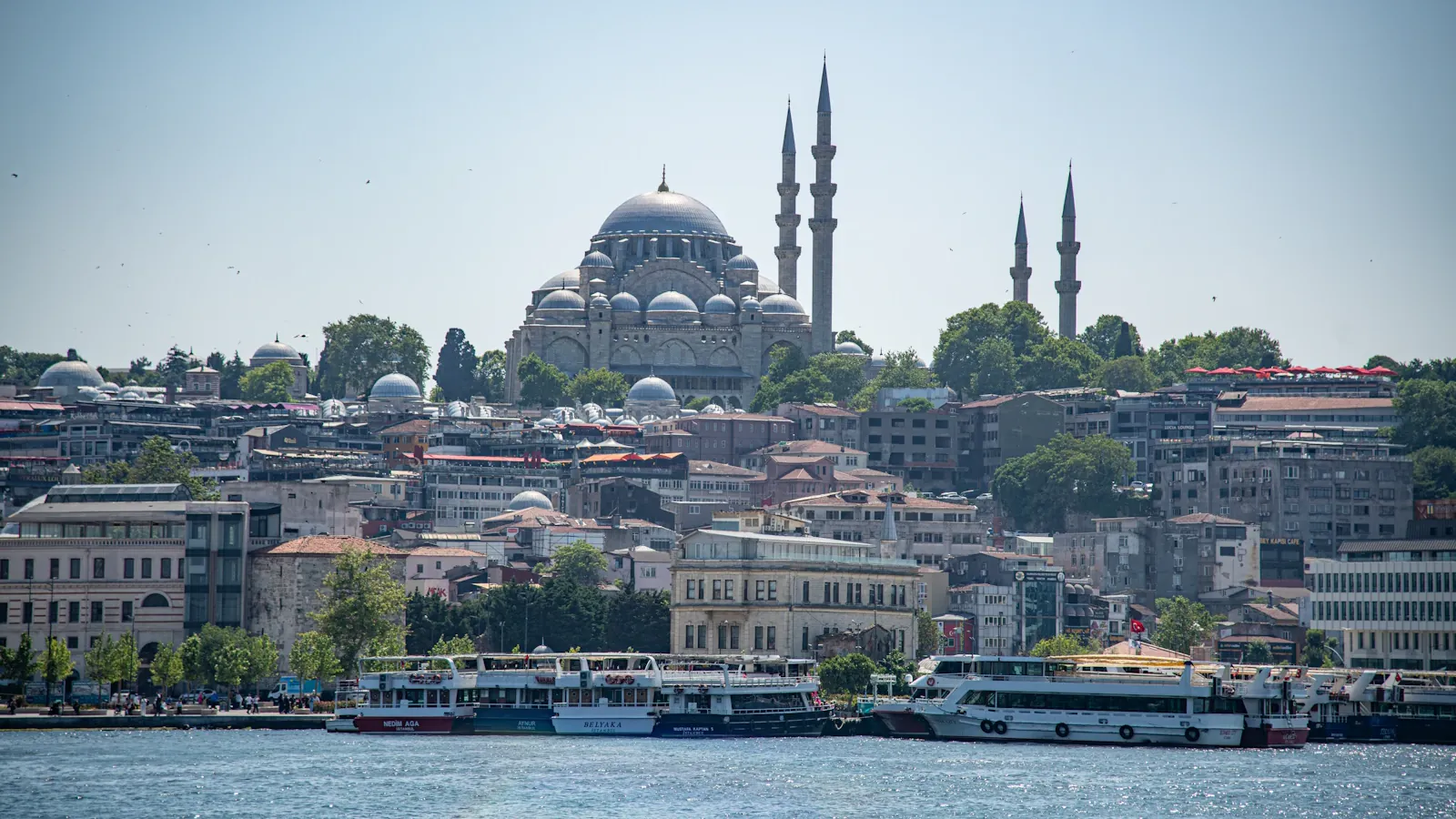
Istanbul rewards time. In a week you can move beyond the headline monuments and start noticing how the city changes by neighborhood, by shoreline, and by hour. This Istanbul 7-day itinerary blends the essential historic core with slower days on the Bosphorus and the Asian side, so the trip feels immersive instead of frantic. Use this guide to plan your extended trip.
You will still see the icons, but you will also have room for ferry rides, market breaks, and the kind of long meals that define Istanbul. The pace is built for first timers who want depth and for repeat visitors who want the city to feel personal rather than checklist driven.
Expect steep streets, quick weather shifts, and a mix of quiet courtyards and lively bazaars. The itinerary uses early starts, shaded afternoons, and slow evenings so you can absorb the city's layers without burning out. It is built for curiosity, not perfection, and it leaves room for the small surprises that make Istanbul feel unforgettable.
Short on time? See our Istanbul 4-day itinerary for a focused long-weekend plan. Use our PTO optimizer to find the best days to take off around your trip dates.
Why Istanbul Is a Must-Visit Destination in 2026
The Only City on Two Continents
Istanbul stands out among European destinations for its unique combination of history, culture, and modern energy. Whether you are visiting for the first time or returning for a deeper look, 2026 is an excellent year to experience what makes this city special.
Layers of Imperial History from Rome to the Ottomans
What sets Istanbul apart is the way daily life and cultural depth coexist. You will find world-class landmarks alongside neighborhood rhythms that reward slowing down and paying attention.
Planning Your Trip Essentials
This week is designed around three layers of Istanbul: the historic peninsula, the European side neighborhoods, and the Bosphorus and Asian side. Days 1 and 2 focus on the classic monuments and bazaars so you get the iconic landmarks early. Days 3 and 4 open up the city with ferries, hill neighborhoods, and the Golden Horn. Days 5 and 6 add water and village energy. Day 7 is intentionally slow, built to absorb whatever you loved most.
Each day has one anchor and one flexible add on. That structure keeps the plan realistic when you are navigating crowds, prayer times, or the afternoon heat. It also lets you adapt to weather without losing the day. This Istanbul 7-day itinerary is zone based to reduce long commutes. Istanbul is huge, and the best way to enjoy it is to stay within one area each day.
One useful twist is to treat ferry rides as part of the sightseeing. The water is the city's connector, and it is often the most beautiful way to move between neighborhoods. Instead of rushing from point to point, use the ferry as a break, a view, and a reset.
Use the Holiday Optimizer to find the best days to book off around public holidays for your Istanbul trip.
Logistics for a Week in Istanbul
Istanbul is most comfortable in spring and fall. April to June and September to October give you mild walking weather and clear water views. Summer can be hot and crowded, but the sea breeze helps if you keep mornings active and afternoons slow. Winter is quieter and atmospheric, but you should plan more indoor time and shorter walks.
Choose a base that fits your pace. Sultanahmet is ideal for the first two days, but it can feel quiet at night. Beyoglu or Karakoy is better if you want cafes, nightlife, and easy access to the ferry. Kadikoy on the Asian side is a great choice for long stays if you want a more local rhythm and do not mind the ferry commute. For a full week, one base is enough as long as you are close to a tram or ferry line.
Get an Istanbul travel card early and use it for trams, metros, and ferries. The tram is the easiest way to reach the historic core, while ferries make the Asian side and Bosphorus villages feel effortless. Plan your big monument visits for mornings. The lines and heat build quickly, and afternoon visits can feel slow.
Dress modestly for mosques and carry a light scarf if you want to enter. Keep some cash for small purchases in the bazaars, but most restaurants take cards. The city is safe, yet crowded, so keep your bag close in busy markets and on transit.
The most important logistics tip is pacing. Istanbul is not a city you conquer in one sweep. Pick one major site, add one small stop, and build in a tea or coffee break every afternoon. That rhythm keeps the week enjoyable and prevents the city from feeling heavy.
Many major sites have limited hours or one closing day each week, so check schedules before you lock in your plan. Carry a reusable bottle and plan a short rest after lunch to avoid the afternoon heat. If you are sensitive to noise, choose a hotel on a side street rather than a main avenue.
Day 1: Sultanahmet and the Historic Core
Start in Sultanahmet early. The historic peninsula is the heart of the city, and you want to experience it before the crowds peak. Begin with Hagia Sophia and the Blue Mosque, then walk slowly between the two. The scale is best appreciated when you are not rushing, and the morning light makes the courtyards feel calm.
After the morning monuments, move toward the Basilica Cistern or the Archaeology Museum depending on your energy. Keep the midday plan flexible. A quick museum visit is enough, because the afternoon is better used for a long lunch and a shaded break. Choose a side street cafe rather than a plaza restaurant for better food and fewer crowds.
If Topkapi Palace is on your list, place it before lunch and keep the visit focused on the main courtyards and the highlight rooms. The complex is large, and it is easy to overdo it on Day 1. A short tea stop near the park helps reset before the afternoon walk.
In the late afternoon, walk through Gulhane Park or down toward the waterfront. The park is a quiet counterbalance to the monument area, and the walk gives you a sense of how the city meets the water. End the day with a slow dinner nearby or return to your base for an easy evening.
A smart move on Day 1 is to keep your camera time short and your walking time long. The historic core feels more real when you sit in a courtyard or watch the street rhythm for a few minutes. That small pause changes the entire day.
 Early morning is the quietest time to appreciate the Blue Mosque's proportions.
Day 2: Bazaars, Galata, and Beyoglu
Day 2 is for the markets and the hillside neighborhoods. Start at the Grand Bazaar when it opens and walk through a few lanes with a goal in mind, such as textiles or ceramics. Keep the shopping light and focus on the atmosphere. Then head to the Spice Bazaar for a shorter, more sensory visit.
From there, cross the Galata Bridge on foot. The walk is part of the experience, with fishing lines overhead and boats below. Once you reach Karakoy, take a slow climb to Galata Tower or use the funicular if you want to save your legs. The views from the tower are classic, but the real charm is in the streets around it.
If you want a view without the long climb, a rooftop cafe in Karakoy is a relaxed alternative. Keep your market shopping list short and save heavier purchases for the end of the trip so you are not carrying them around all day.
Spend the afternoon in Beyoglu. Walk Istiklal Street, dip into side alleys, and stop for tea or a snack. If you want a museum, this is a good place for one. If not, choose a long cafe break and let the area unfold. The evening here is lively, but you can keep it light with a simple dinner and a short stroll.
The key insight on Day 2 is to split shopping from sightseeing. If you try to do both at full speed, the day feels hectic. If you browse in the morning and wander in the afternoon, the energy stays balanced.
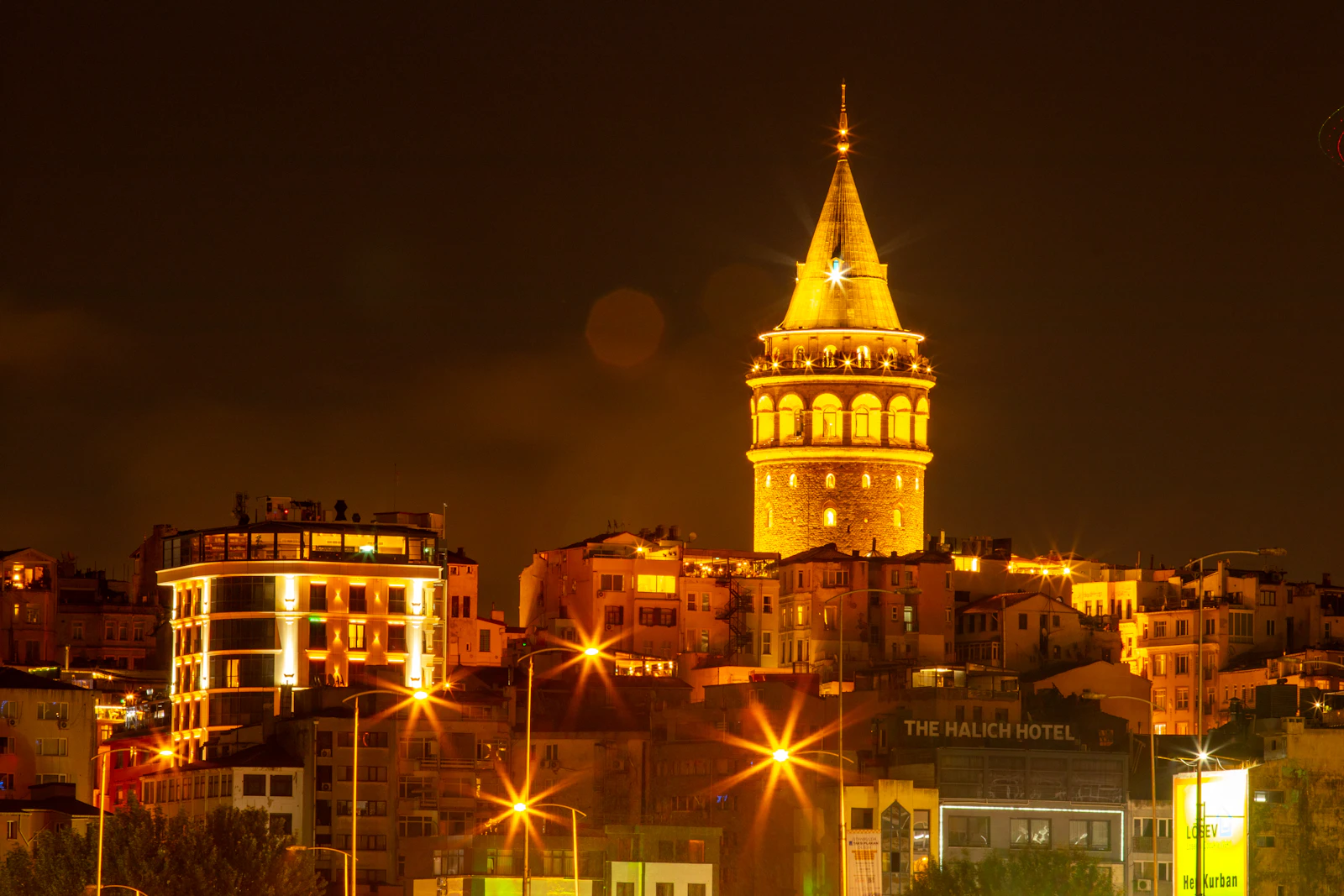 Galata Tower rises above the rooftops, anchoring the skyline.
Day 3: Bosphorus and the Asian Side
Day 3 is a shift in perspective. Start with a ferry ride on the Bosphorus in the morning. Even a short ride gives you a sense of scale and shows the waterfront mansions and palaces that define the shoreline. If you want a longer cruise, choose a mid length loop and sit outside if the weather allows.
Cross to the Asian side and spend the midday in Kadikoy. The food market is a good anchor for lunch, and the streets around it are filled with local cafes, bakeries, and shops. Walk toward Moda for a calmer waterfront stretch, and consider a short park stop if you want shade and views.
Kadikoy is also a great place to sample snacks like borek or a simple dessert, and the market lanes are compact enough to explore without rushing. If you want a longer walk, the waterfront path toward Moda is flat and breezy, which makes it a welcome break from the hills.
If you like coffee, Kadikoy has excellent roasters and makes a good mid afternoon stop before heading back across the water.
In the afternoon, take the ferry back and stop in Uskudar if you want a quieter mosque visit or a waterfront tea. If you prefer to stay on the Asian side, linger there longer and head back closer to sunset. The water light at dusk is one of the best views of the week.
The useful insight for Day 3 is that ferry time is not lost time. It is the best way to rest your feet and still see the city. Treat it like a moving viewpoint rather than transportation, and the day feels far richer.
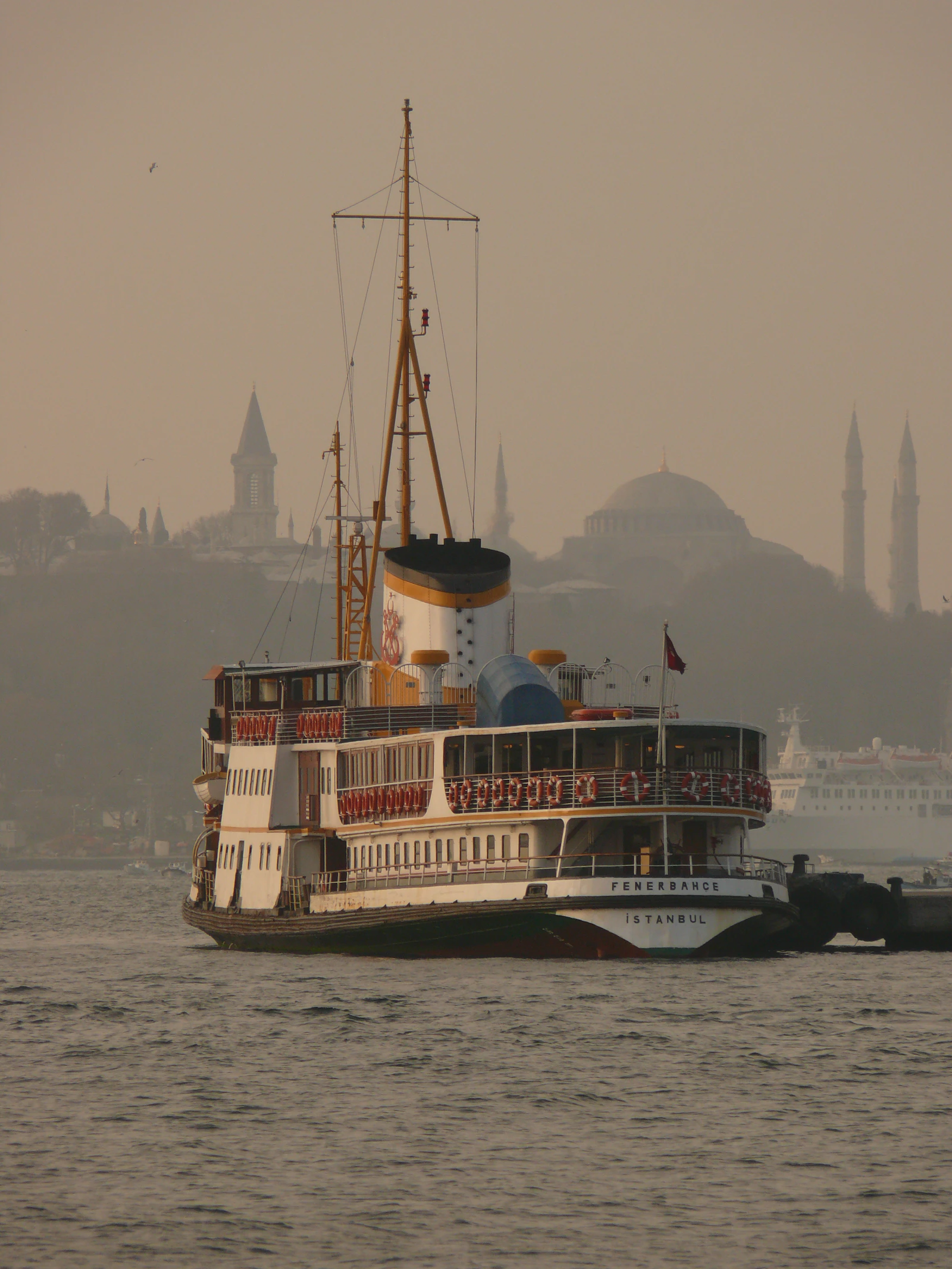 A Bosphorus ferry ride stitches together the city's European and Asian halves.
Day 4: Golden Horn and Neighborhood History
Use Day 4 for the Golden Horn side of the city. Start in Balat and Fener, where colorful streets and historic religious sites sit side by side. The area is walkable and full of small cafes, so it is easy to spend a slow morning here without a strict plan.
If you want a landmark, the Chora complex is a meaningful stop for its mosaics and layered history. Keep the visit compact, then continue along the Golden Horn for a riverside walk. Eyup is another worthwhile stop if you want a quieter mosque and a view from Pierre Loti Hill.
Balat and Fener are hilly, so keep your route short and focus on two or three streets rather than every staircase. A short tea stop overlooking the Golden Horn is a great reset before moving on. This area is calmer in the early afternoon, which makes it easier to walk and photograph.
A short ferry hop on the Golden Horn can save your legs and gives a different angle on the shoreline without adding much time.
A quick photo stop is enough here, then keep moving.
Choose lunch in a local spot rather than a tourist focused area. The Golden Horn neighborhoods feel more residential, and the food is often better value. After lunch, you can either continue exploring or return to your base for a short rest.
The insight for Day 4 is that this side of Istanbul shows the city's multi faith history more clearly than the main tourist core. It is less polished, but it is full of texture. A slow pace here makes the experience feel grounded.
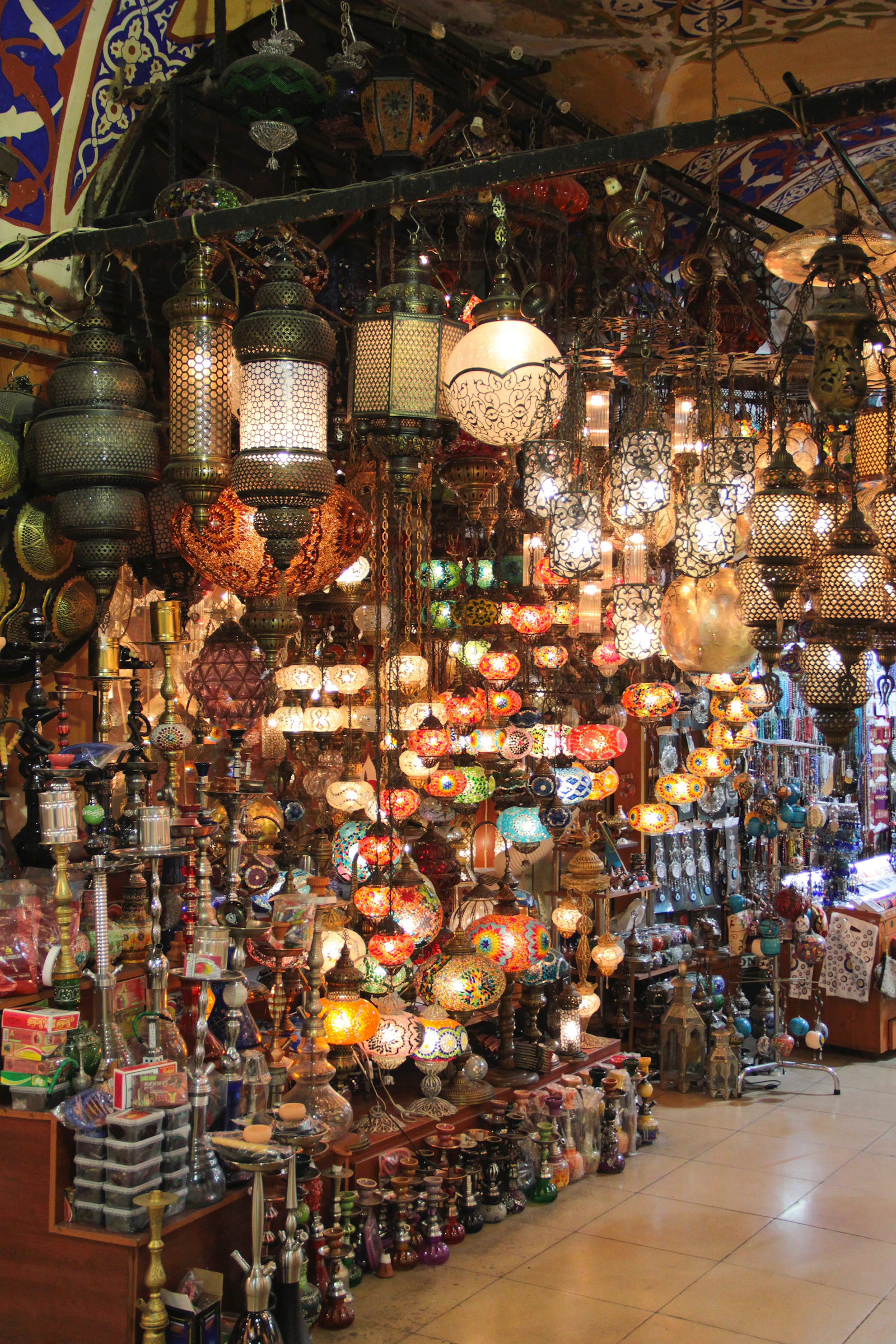 The market streets pulse with color, haggling, and the smell of fresh spice.
Day 5: Princes Islands or Waterfront Reset
Day 5 is your escape day. The Princes Islands are a classic option, and they feel like a different world after several days in dense city streets. Take a morning ferry and choose one island to keep the day simple. Buyukada is the largest and has the most routes, while Heybeliada is quieter and easier to cover.
Bring water, sunscreen, and a light layer because the breeze can change quickly on the water. If you rent a bike, keep the loop short and plan on a longer waterfront break rather than racing around the island. The goal is calm and fresh air, not a checklist.
Weekdays are calmer than weekends, and the earliest ferries feel the most local and relaxed.
Carry small cash for ferry snacks and short rides.
Spend the day walking, renting a bike, or simply sitting by the water. Keep your plan light and focus on the slower pace. If you are not in the mood for an island day, turn this into a waterfront reset in the city. A long Bosphorus walk, a museum visit, or a hamam experience can fill the day without much transit.
If ferry schedules look crowded, an in city alternative is a long coastal walk in Kadikoy or a relaxed afternoon in a hammam followed by an early dinner. The point is to step away from the busiest streets so the week feels balanced.
For lunch on the islands, choose a simple seafood place or bring a small picnic and enjoy the waterfront. The goal is not to see everything but to rest and reset. The return ferry at sunset is one of the best moments of the week.
The key to Day 5 is to let the city feel distant for a few hours. That break makes the next days feel fresh rather than repetitive.
Day 6: Bosphorus Villages and Palaces
Day 6 blends history with waterfront life. Start at Dolmabahce Palace if you have not visited it yet. The palace is grand but manageable if you arrive early and focus on the main rooms. Afterward, walk toward Ortakoy for its waterfront mosque and small market stalls.
If you visit Dolmabahce, plan for security lines and give yourself a clear block of time. The palace is best in the morning, and you can keep the afternoon for the waterfront neighborhoods. The mix keeps the day from feeling too formal.
Continue north along the Bosphorus if you want a village feel. Arnavutkoy is known for its wooden houses and quieter streets, while Bebek is more upscale with a park and long waterfront promenade. Choose one neighborhood and give it time rather than trying to rush both.
Ortakoy is lively in the late afternoon, so it can be a good stop for a snack or a quick look at the market stalls. If you want a longer ride without a formal cruise, hop on a short ferry between two Bosphorus stops and treat it as a moving viewpoint.
If you still have energy, end the day with a short walk in Beyoglu or a quiet drink in Karakoy. A small evening outing keeps the day social without adding much transit.
The shoreline is especially beautiful in late afternoon light, so time your walk accordingly.
This is a good day for a long lunch by the water. The Bosphorus views make any meal feel special, and you will appreciate the slower pace after several busier days. In the evening, return to your base and keep dinner simple.
The insight on Day 6 is to use the shoreline as your guide. When you follow the water, the day feels coherent and relaxed, and you naturally avoid zigzagging across the city.
Day 7: Slow Istanbul and Favorites
Use the final day to return to your favorite spot or fill any small gap. A second visit to a market or a different time of day at a mosque can shift the entire experience. If you want a museum day, this is the moment to pick one and give it real time.
If you did not see a modern gallery, this is a good time for it, especially if the weather turns. You can also use the morning for light shopping in the bazaars or a final stroll along the Golden Horn. Keep the plan flexible so you can slow down and pack without stress.
You can also use Day 7 for a hamam, a long cafe sit, or a relaxed shopping stroll. The point is to leave without feeling rushed. A quiet final walk along the water or through a favorite neighborhood is a better ending than another big checklist item.
If you have a later flight, plan a calm lunch and a short rest, then take one last ferry ride for a final view of the skyline. Ending on the water is the most Istanbul way to close the week.
If you need a practical task, use the morning for a simple errand like a small gift shop or a final pastry stop. It keeps the day grounded and avoids last minute stress.
Even a short bookstore stop or a quiet bench by the water can be a perfect final memory.
Keep it slow.
The best wrap up for Istanbul is a calm meal and a short evening walk. Keep the night open, and let the city's sound and light do the rest.
The gentle insight here is that Istanbul becomes more memorable the second time you see a place. Use the final day for repetition, not novelty.
Eat, Drink, and Linger in Istanbul
Istanbul food is built for long days. Start with a Turkish breakfast if you can, then keep lunch casual with kebab, soup, or a simple pide. For dinner, aim for meze and grilled dishes so you can sample more flavors without a heavy meal.
Seafood is excellent along the water, and a fish sandwich near the Bosphorus is a classic stop. For sweets, baklava and lokum are easy to find, but a simple tea with a small pastry is often the best balance.
Street snacks keep the day moving. Simit in the morning, a quick borek, or a small plate of grilled vegetables are easy additions between meals. Vegetarian options are widely available, and many cafes offer lighter lunch plates that work well on walking days.
Coffee culture is strong, yet tea is the real daily rhythm. Use tea breaks as a built in pause, especially in the afternoon. If you want a traditional evening, look for a meyhane and order several small plates to share. The goal is not to rush through dinner but to let it stretch into the night.
Kadikoy and Karakoy both have excellent food scenes, while Beyoglu is better for late night dining. Reserve a meyhane if you want a specific spot, but keep most meals flexible so you can follow a local recommendation or a street that looks inviting.
A helpful strategy is to make lunch your main meal and keep dinner lighter on days with long walks. That pacing keeps your energy steady and makes the week feel smoother. Istanbul rewards slow meals and small snacks rather than giant plates.
If you want a classic breakfast spread, plan it for a day with a lighter morning. It takes time, and it is one of the meals that feels most distinctly Turkish.
Late night dessert and tea in Beyoglu is an easy final stop.
Cultural Experiences Not to Miss
Tea and Coffee Culture
Istanbul has been the capital of three empires—Roman, Byzantine, and Ottoman—making its layered history uniquely rich.
Turkish tea (çay) is offered constantly—a gesture of hospitality you should accept. With a full week, find your favorite tea gardens—Bosphorus views, neighborhood squares, rooftop terraces. Turkish coffee is ritual: thick, sweet, served with lokum. A coffee or tea pause is how Istanbul moves; let it slow your week.
Bazaars and Local Shopping
A week lets you explore Istanbul's markets in depth. The Grand Bazaar is vast—return multiple times and focus on different sections. The Spice Bazaar is more manageable. Arasta Bazaar near the Blue Mosque is calm. For antiques and vintage, explore Çukurcuma. Bargaining is expected everywhere except fixed-price shops.
Bosphorus and Ferry Life
The Bosphorus defines Istanbul. With extra days, take multiple ferry rides—commuter ferries to Kadıköy, longer cruises past palaces and mansions, and crossings to the Asian side. The water connects the city's two continents and offers perspectives no street can match. Make the ferries part of your daily rhythm.
Practical Tips for Travelers
Language
Turkish is the official language. English is common in tourist areas but limited elsewhere. A few basics—merhaba (hello), teşekkürler (thank you), lütfen (please), ne kadar? (how much?)—help with daily interactions. Turks appreciate any effort.
Etiquette
Remove shoes before entering mosques; women should cover their hair (scarves often provided). Dress modestly at religious sites. Tipping is appreciated: 10-15% in restaurants, rounding up for taxis. Bargaining is expected in bazaars. Turks value hospitality—accept tea when offered.
Safety
Istanbul is generally safe. Watch for pickpockets in crowded areas and bazaars. Avoid unlicensed taxis; use apps or official stands. Common scams include friendly strangers leading you to overpriced bars—decline politely. Trust your instincts. The Asian side is generally calmer and feels safer at night.
Travel Costs and Budgeting
Istanbul is good value for a major city, but costs depend on your style. A modest daily budget might be $60 to $90 without accommodation. Mid range travelers often land around $110 to $170 with a few paid sites and nicer meals. Premium budgets rise quickly with private guides and rooftop dining.
Book Topkapi Palace, Dolmabahce Palace, and any major museum visits in advance during peak season. If you plan to visit several museums, check whether a museum pass fits your itinerary. For transport, the Istanbul travel card keeps tram, metro, and ferry rides simple and affordable.
Ferries are inexpensive and often cheaper than taxis for longer crossings. Keep small cash on hand for markets and tips, and be ready to negotiate politely in bazaars if you plan to buy goods. A little flexibility goes a long way in keeping costs reasonable.
The best savings come from pacing. One or two paid monuments per day is enough, and many of the best experiences are free, such as ferry rides, neighborhood walks, and waterfront sunsets. Balance one splurge meal with casual street food and the budget will stay reasonable.
If you plan a day trip, set aside extra time and money for transport and lunch. That small buffer prevents last minute stress. For lodging, a central base may cost more but saves daily transport time, which is often the better value over a full week.
If you are visiting in busy months, book lodging early and choose a base near a tram line. That reduces taxi costs and saves time every day. A small daily buffer for tea, snacks, and market browsing keeps the week comfortable.
Many of the best views are free, so mix paid sites with simple walks to keep the budget steady.
Set aside a little extra for rides when the hills feel too much.
If you have extra days, consider combining your Istanbul trip with Athens, Cairo, and Dubai — all easy to reach and covered in our PTO-optimized travel guides.
To maximize your days off without extra PTO, use the free Holiday Optimizer to find bridge days around public holidays for your Istanbul trip.
Quick Takeaways
- Use the first two days for the historic core and bazaars.
- Treat ferry rides as sightseeing, not just transport.
- Plan one escape day to the Princes Islands or a slow waterfront reset.
- Keep afternoons flexible for tea breaks and shade.
- Choose one waterfront village area and give it time.
- Leave the final day for favorites and a calm ending.
- Use the Holiday Optimizer PTO calendar to plan which days to take off for your Istanbul trip.
Conclusion
Istanbul rewards travelers who balance the must-see landmarks with slower neighborhood exploration. With a week and a clear daily rhythm, you can experience the city's cultural highlights while still leaving room for the spontaneous moments that make a trip memorable. Use this guide as your starting point, but stay open to detours—some of the best Istanbul moments happen when you wander off the planned route.
Ready to maximize your time off?
Find the best Istanbul travel windows
Frequently Asked Questions
Is one week too long for Istanbul?
No. A week gives you time for the historic core, neighborhoods, and a water day without rushing.
Where should I stay for a week in Istanbul?
Beyoglu or Karakoy offers the best mix of nightlife, cafes, and transit access. Kadikoy is a great local option if you like ferry commutes.
What is the best day trip from Istanbul?
The Princes Islands are the easiest escape and feel like a different world without long travel times.
Do I need a museum pass?
Only if you plan to visit several paid museums and palaces. Otherwise, individual tickets are often fine.
What is the best time to visit Istanbul?
Spring and fall offer the most comfortable walking weather and clear water views.
References
- Istanbul Official Tourism Portal
- Hagia Sophia Official Information
- Topkapi Palace Museum
- Princes Islands Travel Guide
- Rick Steves Istanbul Travel Guide
Share Your Thoughts
If this Istanbul 7-day itinerary helped you plan, share it with a friend who loves layered cities and waterfront views. Which day sounds most like your travel style?